Heavy Seal Solutions – Durable, Customizable Industrial Sealing Systems
The Heavy Seal Phenomenon: Why It Is More Than Just a Product
Imagine a seal so robust it can keep disasters at bay, protect critical infrastructure, and deliver peace of mind for industries worldwide. That’s the gist behind the term heavy seal. It’s easy to overlook seals as mundane components of machinery or packaging — but in reality, this category of seals plays a crucial role globally, ensuring safety, environmental protection, and operational efficiency. For governments, manufacturers, and humanitarian agencies alike, understanding heavy sealing solutions means unlocking benefits such as durability, cost savings, and sometimes even saving lives.
From natural resource extraction in remote locations to harsh industrial environments prone to chemical exposure, the demand for reliable sealing systems is ever-increasing. It might surprise you that the market for such seals grows in tandem with global industrialization, infrastructure projects, and sustainability efforts, underscoring their universal importance.
Setting the Stage: The Global Context of Heavy Seals
Globally, industries such as oil and gas, construction, automotive, and even humanitarian relief rely heavily on cutting-edge sealing technologies. According to the International Organization for Standardization (ISO), seal failures contribute significantly to industrial downtime — costing billions annually. For instance, leaks caused by poor sealing in pipelines or machinery don’t just affect profits; they risk environmental contamination and worker safety.
The United Nations Environment Programme (UNEP) has called for better industrial containment methods, including sealing technologies, to help reduce toxic spills and greenhouse gas leaks associated with heavy industry. When you factor in the proliferation of harsh environments and increasingly strict global regulations, it’s evident how vital a reliable heavy seal is.
However, challenges remain — from sealing longevity under extreme temperature swings to compatibility with new “green” materials. The industry faces a constant need to innovate and meet these evolving demands.
What Exactly Is a Heavy Seal?
Put simply, a heavy seal is an engineered component designed to prevent the passage of fluids, gases, or contaminants between two parts, especially in extreme or demanding operational conditions. Unlike general-purpose seals, heavy seals are built to withstand high pressures, abrasive substances, temperature fluctuations, or corrosive environments.
They can be found in hydraulic systems, pipe joints, valve assemblies, and industrial equipment that operate 24/7 around the globe. Their role isn't just technical — it intersects distinctly with humanitarian and environmental needs. For example, in disaster relief zones where temporary infrastructure must hold up under harsh conditions, heavy seals ensure that water, fuel, or hazardous materials don’t spill and cause further harm.
Core Components of Heavy Seal Performance
1. Durability
Heavy seals must endure repeated mechanical stress and exposure to chemicals or rough weather. Materials like fluorocarbon rubber (FKM), nitrile (NBR), and metal-reinforced composites are often used to meet durability standards.
2. Pressure and Temperature Resistance
In oil wellheads or deep-sea pipes, temperatures can swing from below freezing to well over 200°C, with immense internal pressures. Heavy seals are engineered precisely to maintain their integrity across these ranges.
3. Chemical Compatibility
Exposure to various fluids — from crude oil to aggressive solvents — demands materials that won’t degrade over time. Many seals incorporate coatings or special polymers to resist corrosion.
4. Scalability and Customization
Every application has its quirks: different system sizes, shapes, or regulations. Suppliers often offer custom sealing solutions tailored to these specifics, sometimes with rapid prototyping for urgent projects.
5. Cost Efficiency
Although heavy seals often bear a higher upfront cost, their longevity and reduced downtime can lead to significant savings over the lifespan of equipment.
Heavy Seals Around the World: Applications & Use Cases
The versatility of heavy seals shines through various industries and regions:
- Energy sector: In North Sea offshore platforms and Alaskan oil rigs, heavy seals prevent costly leaks and environmental damage under freezing conditions.
- Construction & infrastructure: Heavy seals secure water and gas pipelines across urban centers in Europe and Asia.
- Disaster relief operations: Humanitarian NGOs use heavy seals in temporary water tanks or fuel storage in places like South Asia post-floods.
heavy seal systems ensure containment and safety during critical missions. - Automotive and aerospace: Seals endure extreme temperatures and pressures in engines and hydraulic systems.
- Renewable energy projects: Wind turbines and hydropower facilities use heavy seals for reliability in rough environments.
Example: Case Insight from Remote Industrial Zones
In a remote mining zone in Western Australia, operators faced constant issues with pipeline seal failures due to abrasive sand and fluctuating temperatures. After switching to a tailored heavy seal solution, downtime decreased dramatically — estimated at 35% less annual maintenance, saving thousands of work hours.
Heavy Seal Specifications: A Representative Product Table
| Specification | Typical Values | Remarks |
|---|---|---|
| Material | FKM, NBR, Metal-reinforced composite | Depends on application |
| Max Pressure | Up to 300 bar (4351 PSI) | Suitable for heavy industrial use |
| Temperature Range | -40°C to 250°C (-40°F to 482°F) | Covers most harsh environments |
| Chemical Resistance | High (acids, solvents, oils) | Imperative for oil & gas sectors |
| Lifespan | 5–10 years depending on conditions | Regular inspections recommended |
Comparing Heavy Seal Vendors: What to Look For
| Vendor | Customization Options | Lead Time | Warranty | Certifications |
|---|---|---|---|---|
| YJM Seal | High – bespoke designs available | 4–6 weeks | 3 years | ISO 9001, ISO 14001 |
| Competitor A | Medium – limited customization | 6–8 weeks | 2 years | ISO 9001 |
| Competitor B | Low – standard products only | 2–3 weeks | 1 year | None |
Why Heavy Seal Solutions Are Worth the Investment
Choosing a heavy seal is not just about solving a technical problem; it’s about safeguarding people, the environment, and the longevity of your assets. The logical benefits are clear: minimized downtime, lower maintenance costs, and compliance with industry standards. But there’s also a deeper value that’s easy to miss.
There’s trust — trust that pipelines won’t leak, machinery won’t fail, and hazards won’t escalate. It’s the reassurance that communities living near industrial sites are protected from contamination. Many engineers say this peace of mind, almost intangible, is the greatest return on investment.
Future Trends Shaping Heavy Seal Technology
Innovation doesn’t stand still. The heavy seal industry is now embracing advanced materials like graphene-enhanced polymers that promise even longer lifespans and lighter weights. Digital sensors embedded within seals allow for real-time monitoring, predicting failures before they happen — a game changer for maintenance.
There’s also a huge push toward sustainability. Biodegradable sealing materials and manufacturing processes with reduced carbon footprints are gaining traction, aligning heavy seal production with global green energy goals. For example, seals used in solar concentrators or hydrogen fuel plants are becoming more common.
Common Challenges and How Experts Tackle Them
Of course, no solution is without hurdles. Heavy seals sometimes struggle with installation complexity or require highly specialized knowledge to ensure correct fitting. In unpredictable conditions, even the best seals might degrade faster than anticipated.
To address this, many providers offer on-site engineering support, training, and tailored maintenance plans. New modular seal designs are being developed for quicker replacements, cutting downtime significantly. Plus, ongoing R&D focuses on coatings that self-heal minor abrasions, which is quite exciting.
FAQ: Common Questions About Heavy Seal Solutions
- What makes heavy seals better than standard seals for industrial use?
- Heavy seals are designed for extreme pressures, temperatures, and chemical exposures that standard seals can’t handle. They use specialized materials and precise engineering to ensure long-term reliability, reducing costly failures in critical applications.
- How often should heavy seals be inspected or replaced?
- Inspection frequency depends on operating conditions, but a common guideline is a thorough check every 6 to 12 months with replacement intervals of 5 to 10 years. Harsh environments necessitate more frequent inspections for safety.
- Are heavy seals eco-friendly?
- Recent innovations focus on environmentally friendly materials and sustainable manufacturing processes. While traditional heavy seals involve synthetic polymers, many companies now offer biodegradable or recyclable options aligning with industry green goals.
- Can heavy seals be customized for unique industrial machines?
- Yes. Customization is a standard offering by reputable suppliers, ensuring seals fit perfectly and meet specific operational requirements, which is critical for unusual geometries or extreme conditions.
- How do organizations order heavy seals internationally?
- Most vendors provide global shipping services with export documentation and compliance with international standards. It’s often advisable to consult directly with suppliers for tailored logistics and regulatory support.
Wrapping Up: The Lasting Impact of Heavy Seal Solutions
In a nutshell, investing in well-engineered heavy seals means choosing safety, longevity, and efficiency. It’s not just about a product; it’s about enabling countless industries to operate responsibly, sustainably, and effectively worldwide. If you’re looking to explore the full range of heavy seal options, or just curious about how these critical parts might fit your needs, I encourage you to visit our website for expert advice and customized solutions.
Heavy seals quietly carry the weight of modern industry’s most demanding challenges — but with the right partner, they make it look easy.
References
-
Guide to Choosing the Right Washer for Oil Change and Sealing
News Apr.16,2026
-
Essential Guide to High Quality rubber washer oil drain plug
News Apr.09,2026
-
Understanding Rubber Crush Washers for Optimal Sealing Performance
News Apr.07,2026
-
Comprehensive Guide to Understanding and Reusing Crush Washer for Optimal Sealing
News Apr.04,2026
-
The Vital Role of a Drain Screw Gasket in Fluid System Integrity
News Mar.31,2026
-
The Essential Guide to Drain Crush Washer Selection and Plumbing Leak Prevention
News Mar.28,2026
-
The Vital Role of a Crush Washer in Oil Changes for Engine Protection
News Mar.26,2026
Products categories
-
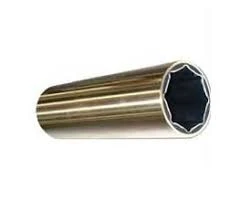
Brass cutlass marine bearing
-
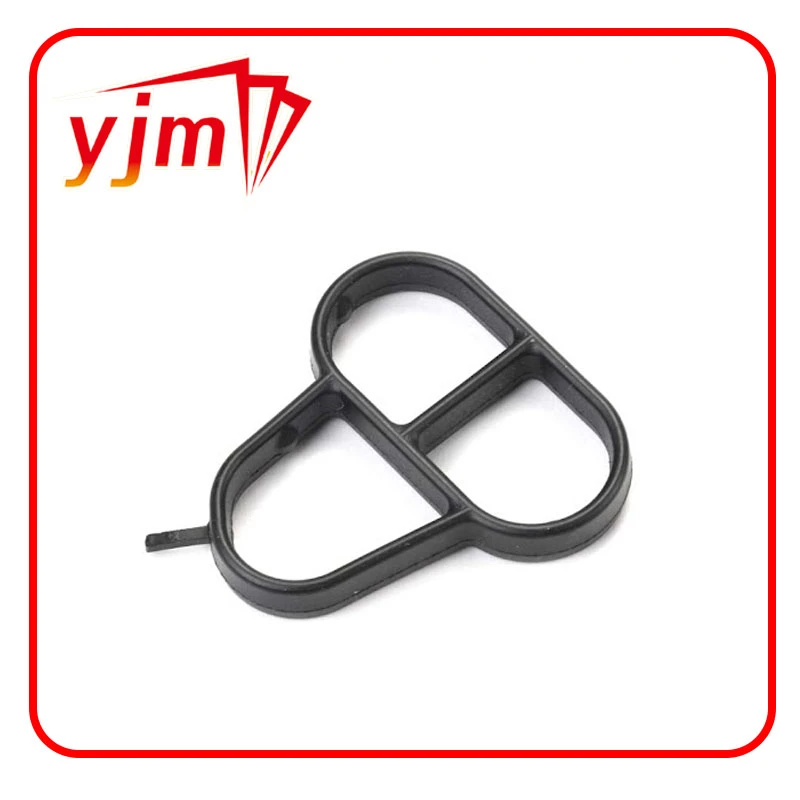
Genuine OEM Engine Oil Filter Housing Cover O-Ring For VW/Audi 06E115446
-
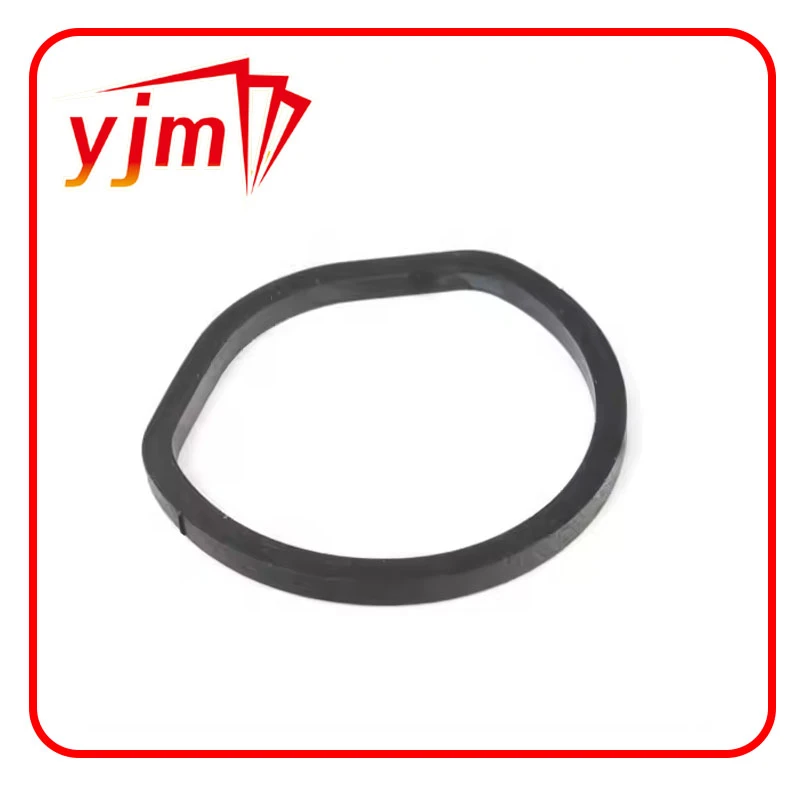
Oil Filter Stand Gasket,Oil filter cover seal
-
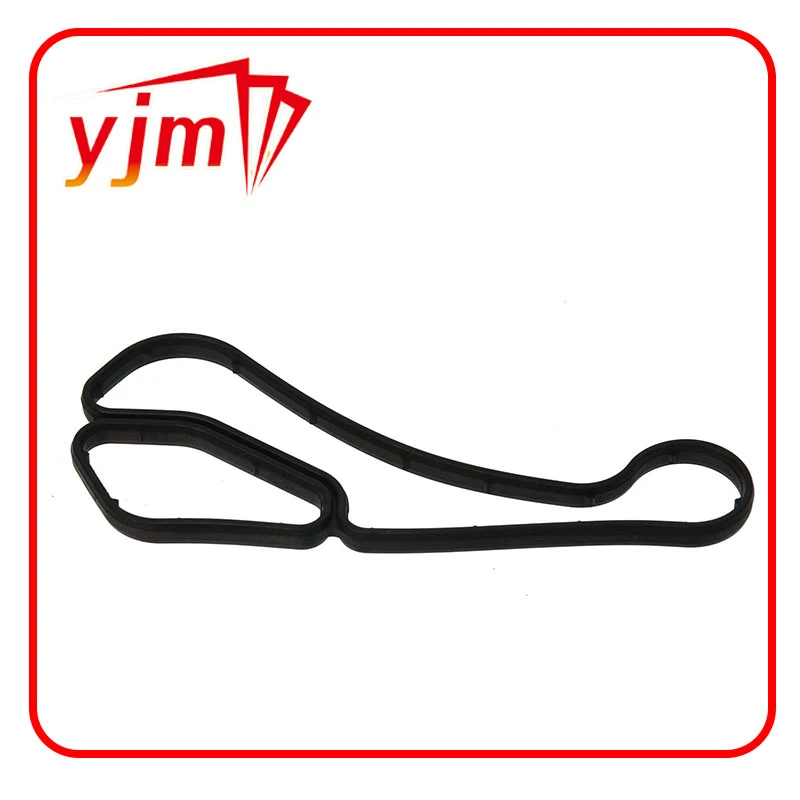
Oil Cooler Gasket, Oil Cooler to Oil Filter Housing 11427525335
-
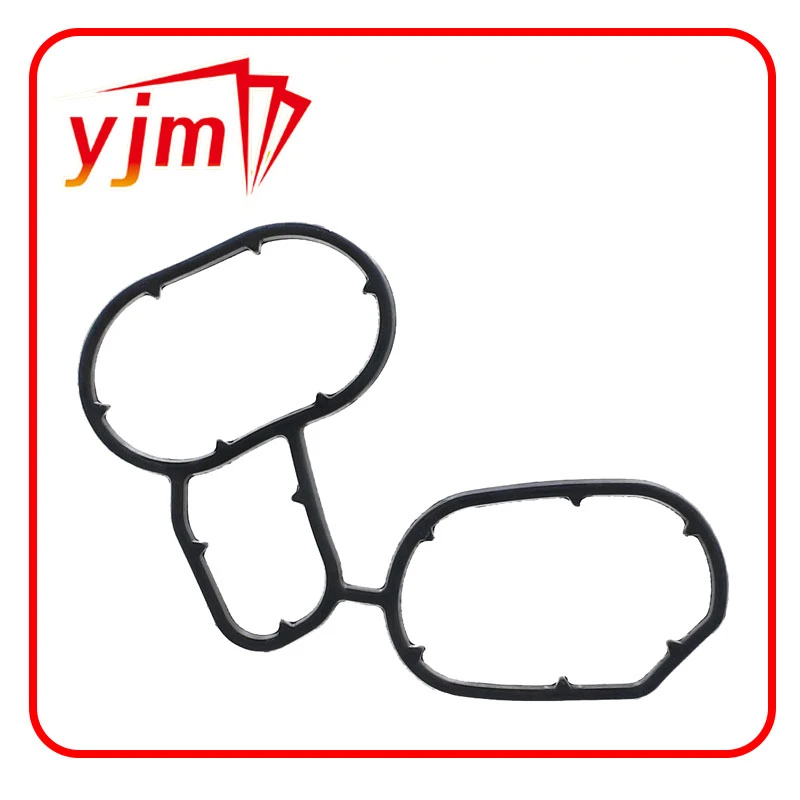
11427508970 BMW - OIL FILTER HOUSING GASKETS
-
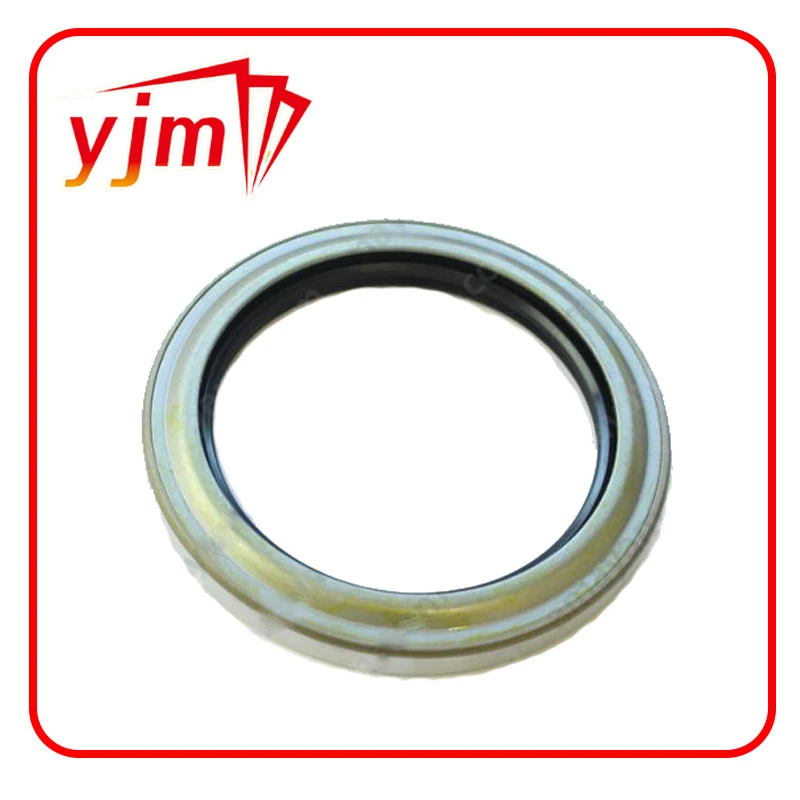
SEAL, OIL Genuine Toyota (9031170011)
-
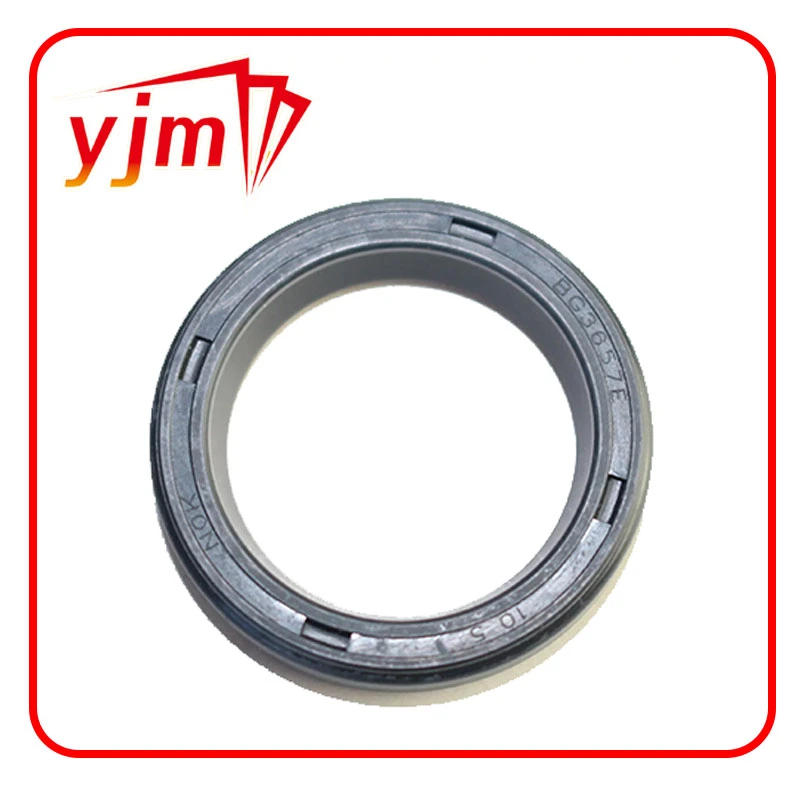
Transfer Case Output Shaft Seal Part 9031223001
-
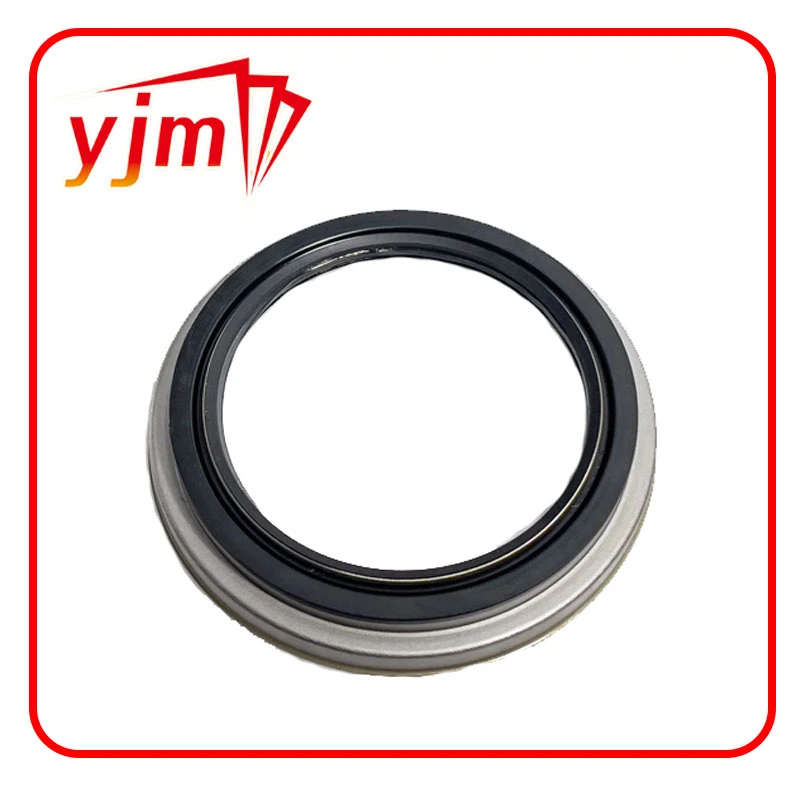
SEAL, OIL Genuine Toyota (9031672001)
-
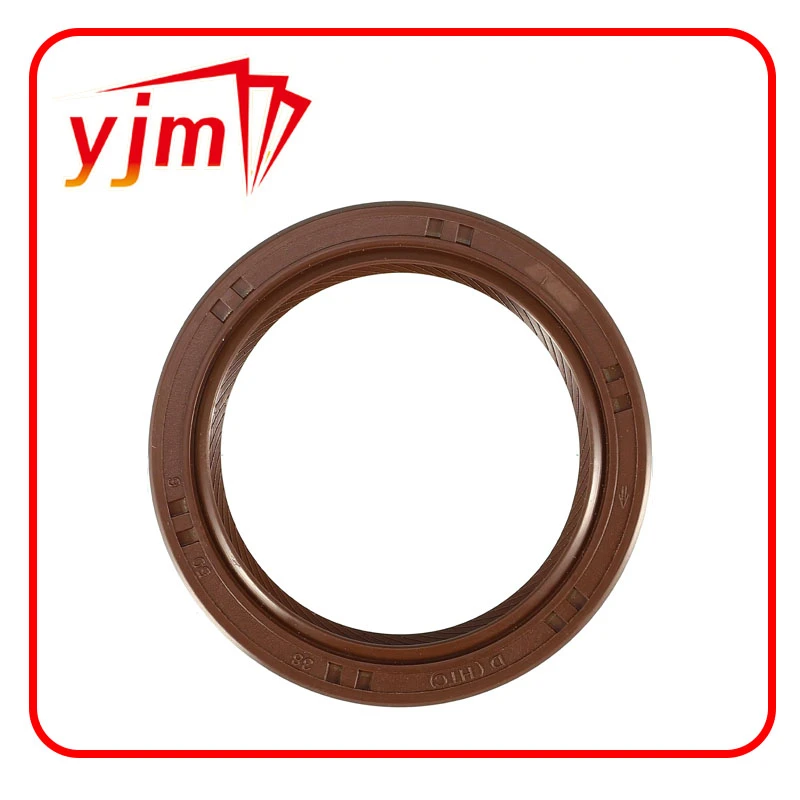
Engine Crankshaft Oil Seal No.9031138096
-
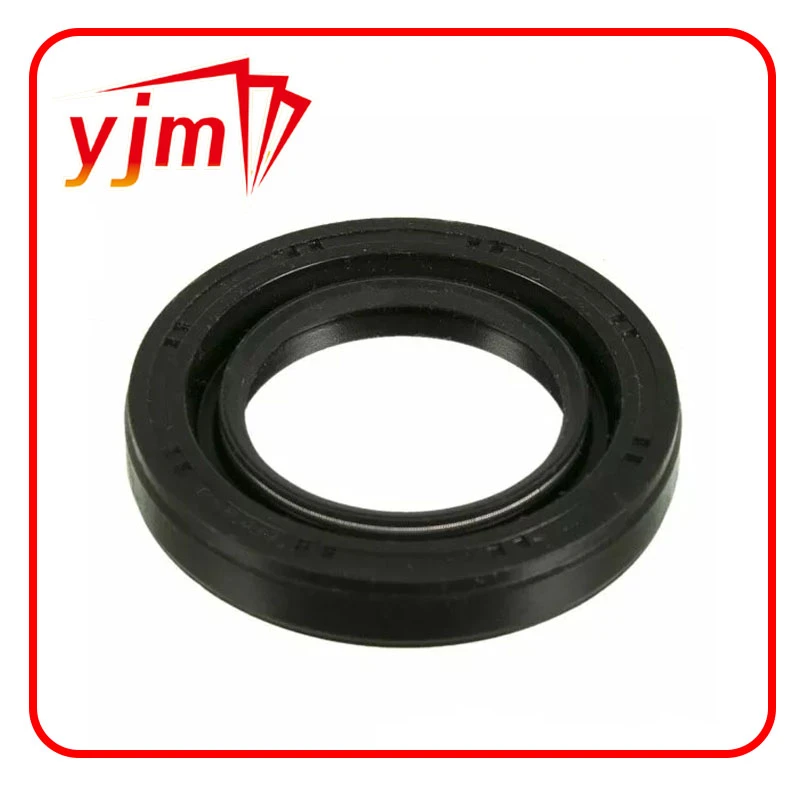
Toyota Transfer Case Output Shaft Seal Front 9031136006
-
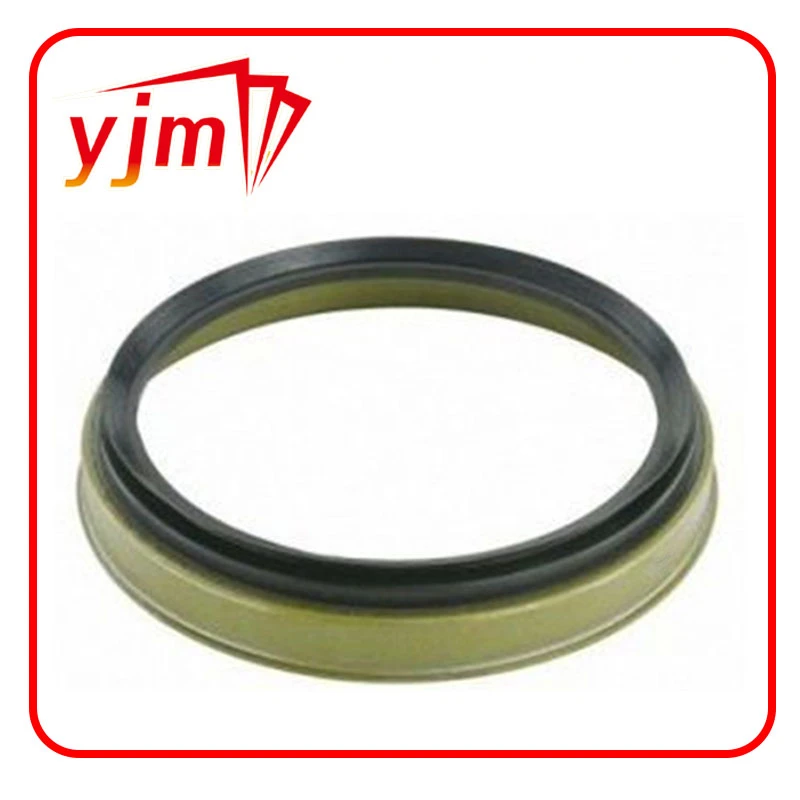
Seal, type v oil 9031287001 TOYOTA
-
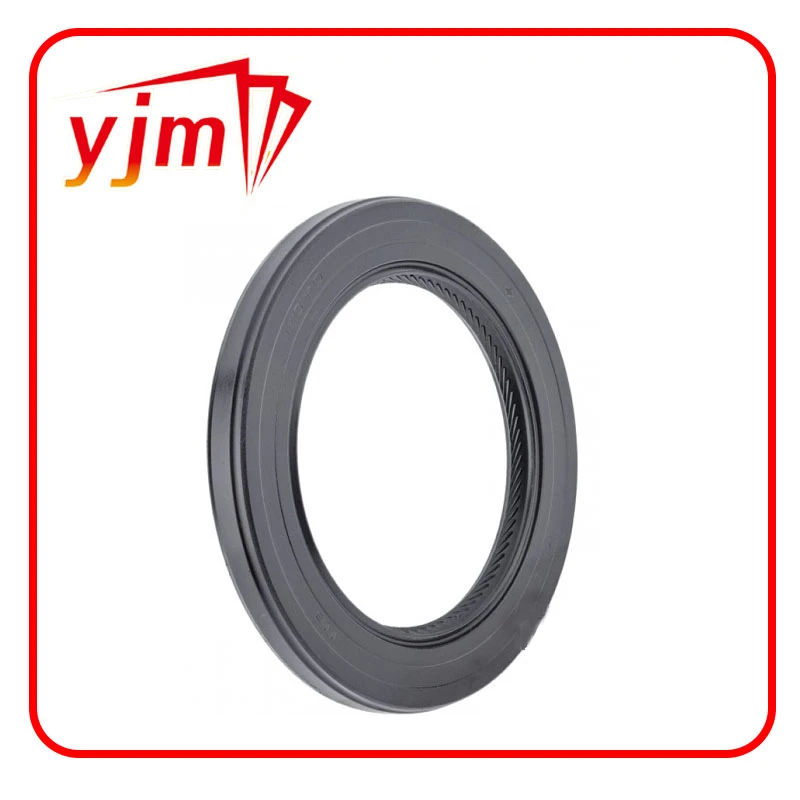
Oil pump seal 9031143010
-
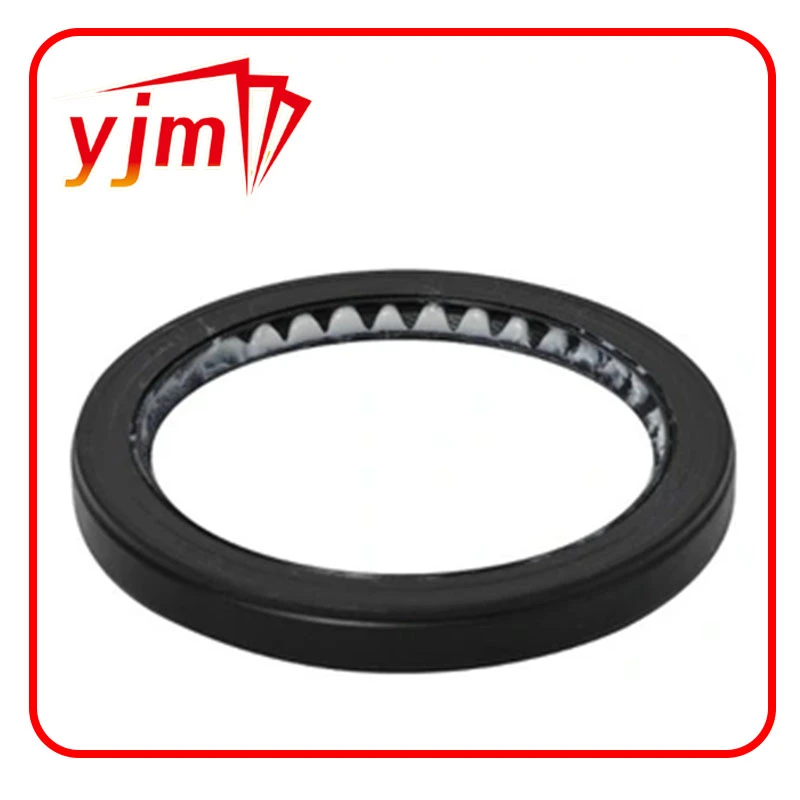
Genuine Toyota Oil SEAL 90311-54006
-
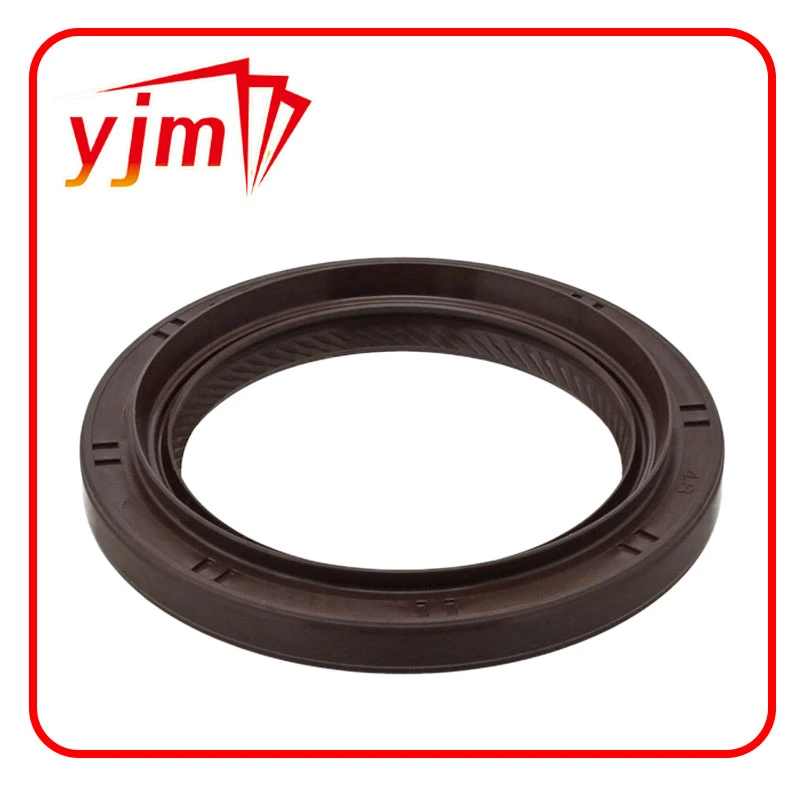
Toyota SEAL TYPE T OIL 90311-48031
-
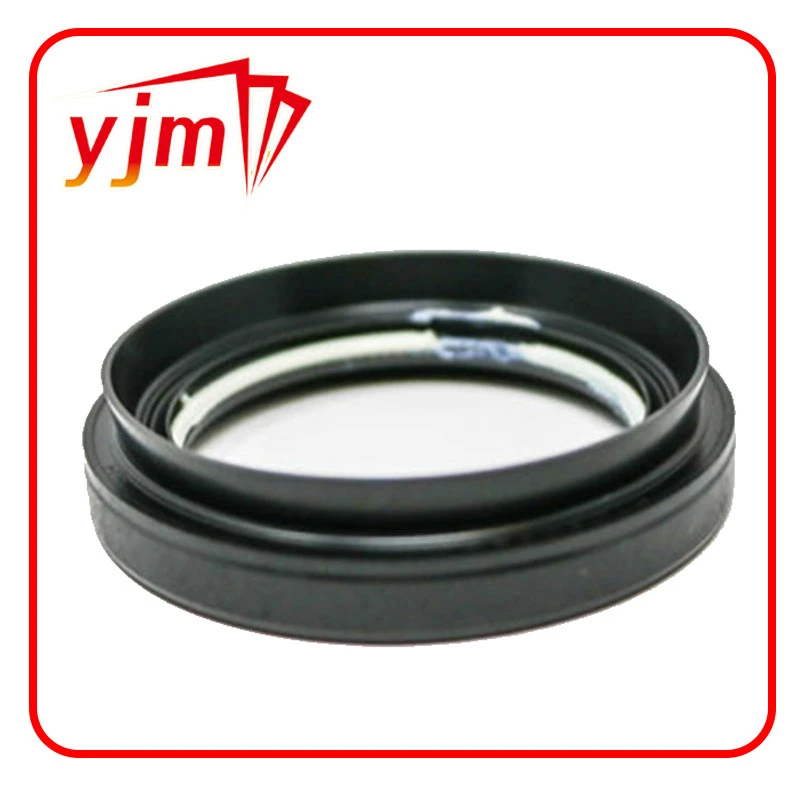
Type T Oil Seal, Front Drive Shaft, Left 9031150064
-
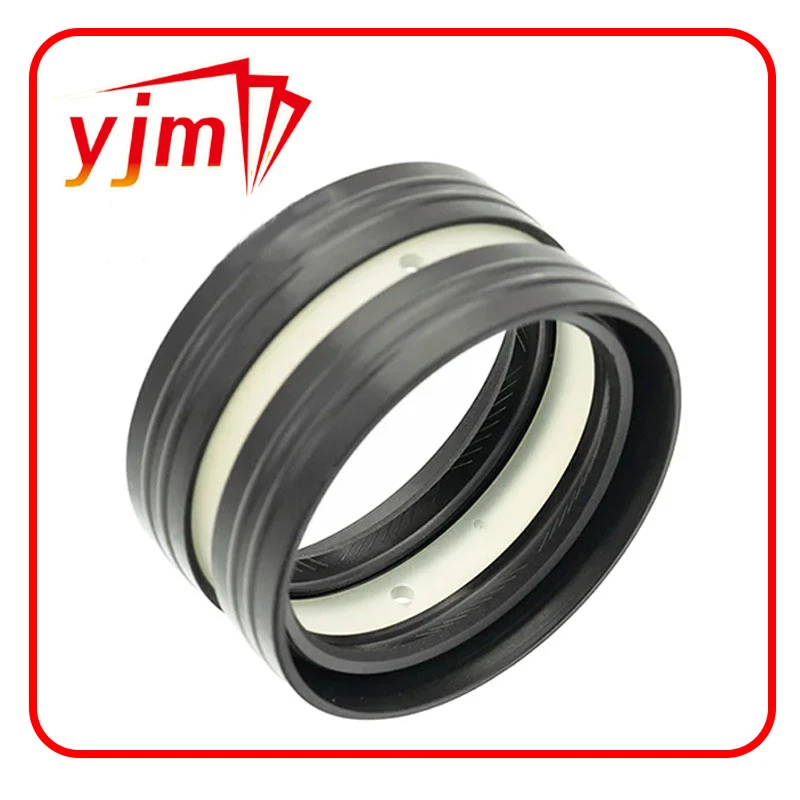
Seal, type d oil 9031634001 TOYOTA
 Afrikaans
 Albanian
 Amharic
 Arabic
 Armenian
 Azerbaijani
 Basque
 Belarusian
 Bengali
 Bosnian
 Bulgarian
 Catalan
 Cebuano
 Corsican
 Croatian
 Czech
Czech
 Danish
 Dutch
Dutch
 Esperanto
 Estonian
 Finnish
 French
 Frisian
 Galician
 Georgian
 German
 Greek
Greek
 Gujarati
 Haitian Creole
 Hausa
Hausa
 Hawaiian
 Hebrew
 Hindi
Hindi
 Miao
Miao
 Hungarian
 Icelandic
 Igbo
Igbo
 Indonesian
 Irish
Irish
 Italian
 Japanese
 Javanese
 Kannada
 Kazakh
 Khmer
Khmer
 Rwandese
 Korean
 Kurdish
 Kyrgyz
 Lao
Lao
 Latin
Latin
 Latvian
 Lithuanian
 Luxembourgish
 Macedonian
 Malgashi
 Malay
Malay
 Malayalam
 Maltese
 Maori
Maori
 Marathi
 Mongolian
 Myanmar
 Nepali
 Norwegian
 Norwegian
 Occitan
 Pashto
 Persian
 Polish
 Portuguese
 Punjabi
 Romanian
 Russian
 Samoan
 Scottish Gaelic
 Serbian
 Sesotho
 Shona
Shona
 Sindhi
 Sinhala
 Slovak
 Slovenian
 Somali
 Spanish
 Sundanese
 Swahili
 Swedish
 Tagalog
 Tajik
Tajik
 Tamil
Tamil
 Tatar
Tatar
 Telugu
 Thai
Thai
 Turkish
 Turkmen
 Ukrainian
 Urdu
Urdu
 Uighur
 Uzbek
Uzbek
 Vietnamese
 Welsh
Welsh
 Bantu
Bantu
 Yiddish
 Yoruba
 Zulu
Zulu
 English