Auto Oil Seals – Durable, Eco-Friendly, and High-Performance Sealing Solutions
What Are Auto Oil Seals and Why They Matter Worldwide
If you've ever wondered why your car's engine stays clean despite constant friction and heat, or why heavy machinery across the globe keeps running smoothly day after day, the humble auto oil seal plays a surprisingly big role. Auto oil seals are small yet crucial components that prevent oil leaks in engines and mechanical systems, acting as the unseen guardians of lubrication systems. Understanding these seals isn’t just a mechanical curiosity; it touches on broader themes like energy efficiency, industrial reliability, and environmental protection worldwide.
Every year, countless dollars (and barrels of oil) are lost because of leakage and wear in automotive and industrial machines. The global industrial sealing market was valued at over $6 billion in 2023, with heavy use across automotive, marine, agriculture, and manufacturing sectors (ISO, 2023). This widespread demand highlights how even minor improvements in sealing technology translate to massive economic and ecological gains. So, why not dive deeper?
Auto oil seals might be a simple part, but tackling oil leaks is a complex challenge affecting engineers, manufacturers, and end users alike.
Auto Oil Seals: What Are They Exactly?
At its core, an auto oil seal is a mechanical gasket designed to keep lubricant (usually oil) confined within a machine’s moving parts, while keeping dirt, dust, and moisture out. Think of it as the tight lips or barrier that ensures engine oil stays where it’s supposed to and doesn’t contaminate the environment.
Most typical auto oil seals consist of a flexible and durable rubber or synthetic lip, bonded to a metal ring — that’s the part pressed into the housing. The key task: hold back the oil spinning at high speeds under extreme temperatures without failing. It's a small part but entwined with the larger story of machinery reliability and industrial sustainability.
Four Core Aspects Behind Quality Auto Oil Seals
1. Durability Under Stress
Auto oil seals endure constant friction and heat, sometimes reaching hundreds of degrees Celsius, especially in heavy-duty engines. They must resist wear, cracking, and material degradation. Many use advanced compounds like fluorocarbon rubber (FKM) to achieve this longevity.
2. Precision Fit & Scalability
The seal’s dimensions are extremely precise. Even tiny misfits can cause leaks or premature wear. Scale matters too — custom seals are often necessary for specialized machinery, yet mass production requires consistent quality to serve huge automotive assembly lines worldwide.
3. Cost Efficiency Without Compromising Quality
Though seals may be inexpensive, their failure results in costly repairs, downtime, and environmental fines. Striking a balance between affordability and excellence is always a juggling act for manufacturers and purchasers alike.
4. Environmental and Regulatory Compliance
With tightening emissions and pollution laws globally, seals must meet increasingly stringent standards to prevent oil leaks that contaminate soil and waterways. This often involves eco-friendly materials and design innovations.
Auto Oil Seals Around the World: Real-Life Applications
From Japan to Germany to the industrial hubs in the U.S., auto oil seals quietly keep things running. In remote mining operations in Africa, seals help engines resist gritty dust and operational stress. In European automotive plants, they’re crucial to meeting stringent emission ratings dictated by the EU.
Oddly enough, in humanitarian relief efforts where portable generators power emergency shelters, reliable seals ensure uninterrupted power supply without costly oil leaks. Even global shipping vessels depend heavily on robust oil seals to prevent leaks that would otherwise pollute critical marine ecosystems.
Mini Takeaway: Why all this matters
Auto oil seals might be small, but they’re big players in industrial reliability, environmental responsibility, and cost savings worldwide. It’s a classic case of “don’t judge a book by its cover” — or a machine by its seal.
Advantages and Long-Term Value of Using Quality Auto Oil Seals
- Cost Savings: Preventing leaks reduces maintenance frequency and expensive repairs.
- Sustainability: Eco-friendly seals reduce oil contamination, helping industries meet environmental goals.
- Safety & Trust: Reliable seals protect machinery operators and local ecosystems alike, building confidence.
- Innovation: The latest materials allow seals to withstand tougher conditions, pushing machinery lifespan and performance.
An Inside Look: Product Specification Table for Common Auto Oil Seals
| Specification | Standard Seal | High-Temp Seal | Eco-Friendly Seal |
|---|---|---|---|
| Material | Nitrile Rubber (NBR) | Fluorocarbon Rubber (FKM) | Biodegradable Polymer Blend |
| Max Temperature | 120°C | 250°C | 150°C |
| Shaft Diameter Range | 10-200 mm | 15-250 mm | 10-180 mm |
| Typical Lifespan | 3-5 years | 7-10 years | 4-6 years |
| Price Range (USD) | $3 - $10 | $15 - $25 | $8 - $15 |
Picking the Right Partner: Vendor Comparison for Auto Oil Seals
| Vendor | Product Range | Customization | Global Shipping | Price Competitiveness |
|---|---|---|---|---|
| YJM Seal | Extensive, including specialty eco-friendly | High, OEM specs accommodated | Yes, worldwide | Very competitive |
| Global Seals Inc. | Wide, but limited eco options | Moderate | Available in select countries | Moderate |
| SealTech Solutions | Premium high-temp only | Low | Limited | High |
Looking Ahead: Future Trends with Auto Oil Seals
Green energy, electric vehicles, and digital automation are all accelerating change in sealing tech — fast. Electrification means less oil but still seals in motors and gearboxes. New materials, such as graphene-infused polymers, promise even better durability and environmental safety.
Smart seals embedded with sensors to monitor wear and leakage are gradually moving from science fiction into real factories. Imagine predictive maintenance detecting tiny leaks before they balloon into disasters — saving money and reducing environmental impact simultaneously.
Common Challenges and How Industry Experts Solve Them
Seals can wear out prematurely due to contamination, installation errors, or improper material choice. Engineers frequently say the key to reliability lies in application-specific design plus rigorous testing. Using precision tools and custom compounds tailored to the operating environment makes a world of difference.
Emerging solutions also include dynamic sealing systems that adjust lip pressure or self-heal minor cracks. It’s a lively field where innovation meets necessity daily.
FAQ: Your Quick Guide to Auto Oil Seals
Q1: How do I know if my auto oil seal is failing?
Signs include visible oil leaks around shafts, abnormal noises, overheating, and increased maintenance needs. Early detection often involves regular inspection and monitoring oil levels. Acting promptly avoids costly engine damage.
Q2: Can I install auto oil seals myself, or do I need a specialist?
While some skilled hobbyists manage installation, it’s generally recommended to have a qualified technician handle this. Proper installation tools and techniques ensure the seal isn’t damaged and fits perfectly.
Q3: Are there eco-friendly auto oil seals available?
Yes. New biodegradable and recyclable materials are emerging, designed to reduce the environmental footprint while maintaining durability. Brands like YJM Seal even offer specialized eco-friendly products.
Q4: What industries benefit most from advanced auto oil seals?
Automotive manufacturing, agriculture machinery, industrial pumps, marine engines, and power generation sectors all rely heavily on reliable sealing technologies.
Q5: How can I source quality seals for international use?
Look for vendors with global distribution and customization options. YJM Seal offers OEM support and compliant shipping worldwide — ideal for businesses requiring international logistics.
Wrapping Up: Why Auto Oil Seals Are Worth Your Attention
In the grand mechanical ballet that powers modern industry and mobility, auto oil seals are the quiet performers behind the scenes. Their small size belies an outsized impact — on durability, environmental safety, and economic efficiency. Whether you’re an engineer, fleet manager, or curious enthusiast, investing time into understanding these seals pays off in smoother operations and less waste.
Ready to explore top-tier auto oil seals? Pop over to YJM Seal’s website for comprehensive product lines and expert consultation. Because in the end, a good seal means peace of mind (and a happy planet).
References:
-
Guide to Choosing the Right Washer for Oil Change and Sealing
News Apr.16,2026
-
Essential Guide to High Quality rubber washer oil drain plug
News Apr.09,2026
-
Understanding Rubber Crush Washers for Optimal Sealing Performance
News Apr.07,2026
-
Comprehensive Guide to Understanding and Reusing Crush Washer for Optimal Sealing
News Apr.04,2026
-
The Vital Role of a Drain Screw Gasket in Fluid System Integrity
News Mar.31,2026
-
The Essential Guide to Drain Crush Washer Selection and Plumbing Leak Prevention
News Mar.28,2026
-
The Vital Role of a Crush Washer in Oil Changes for Engine Protection
News Mar.26,2026
Products categories
-
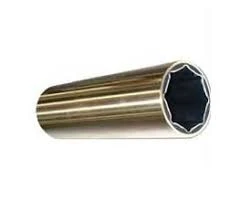
Brass cutlass marine bearing
-
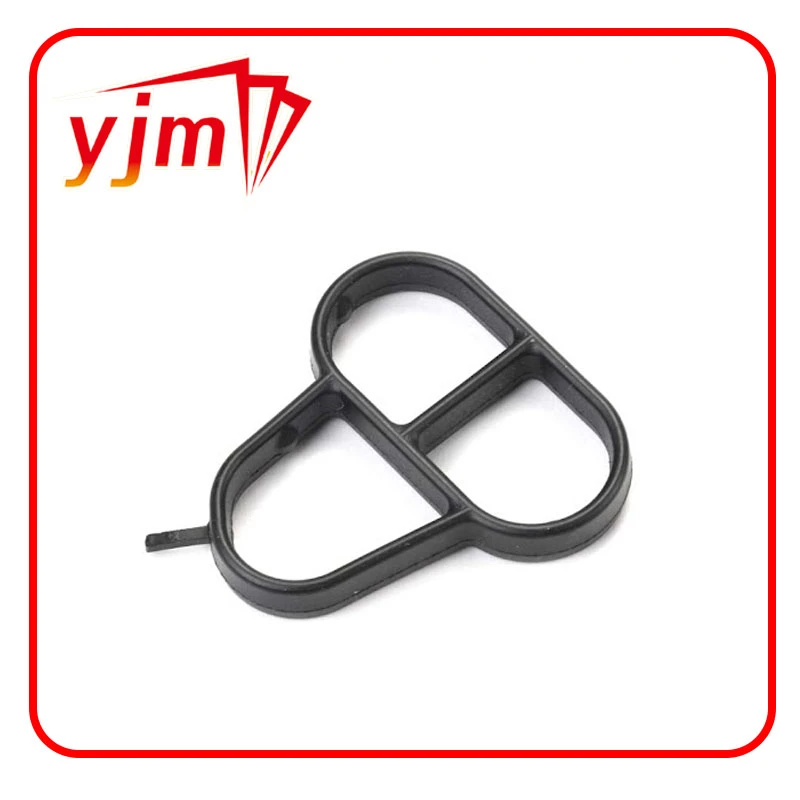
Genuine OEM Engine Oil Filter Housing Cover O-Ring For VW/Audi 06E115446
-
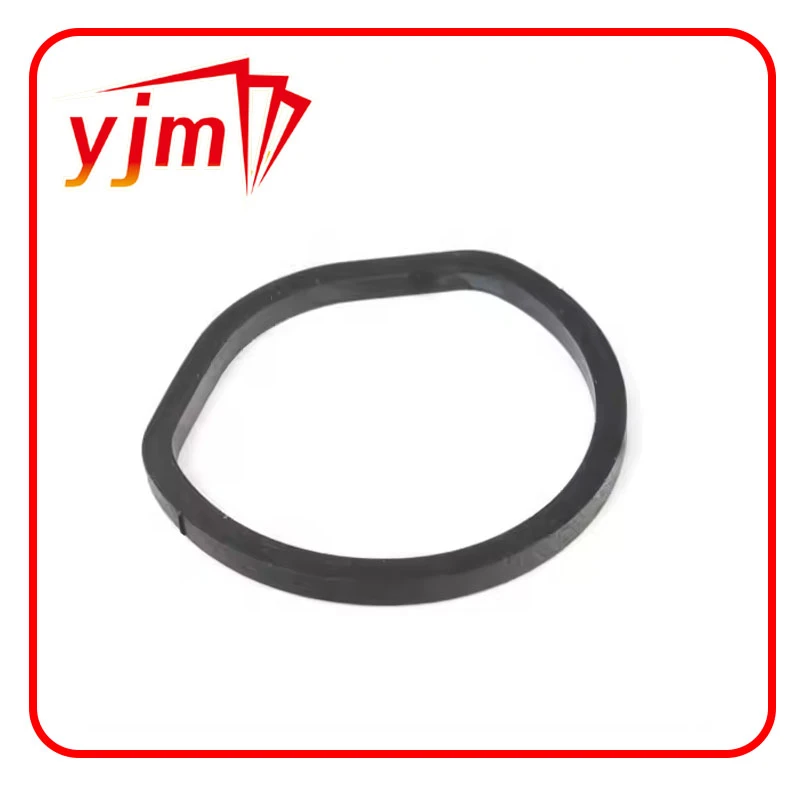
Oil Filter Stand Gasket,Oil filter cover seal
-
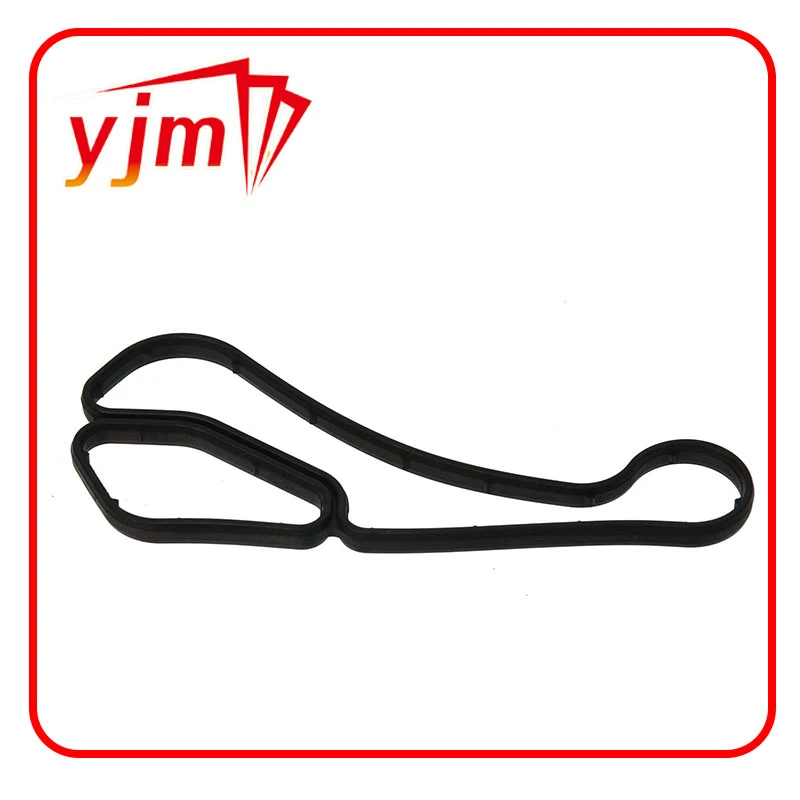
Oil Cooler Gasket, Oil Cooler to Oil Filter Housing 11427525335
-
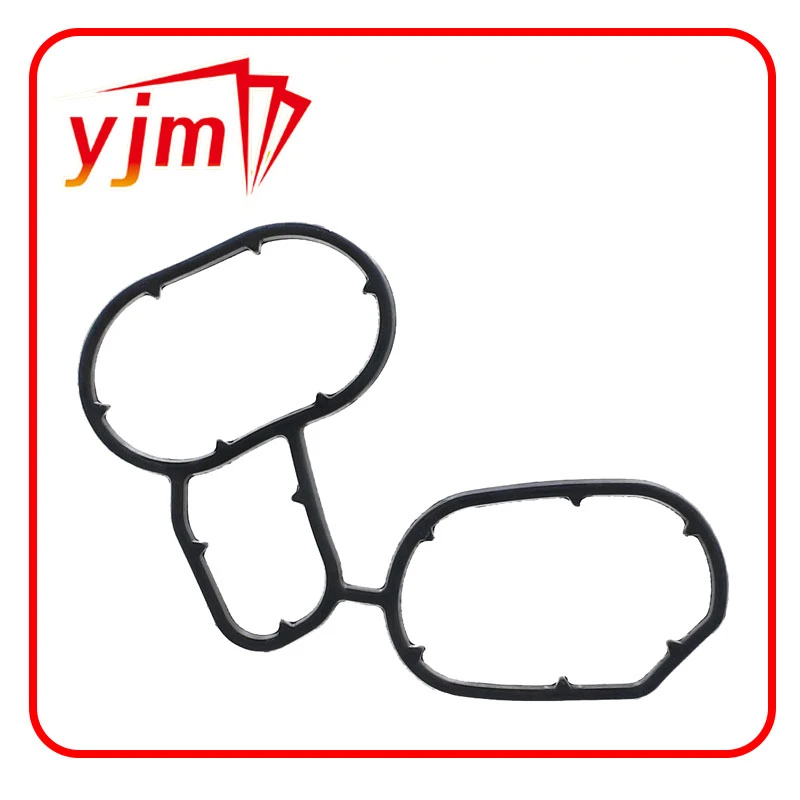
11427508970 BMW - OIL FILTER HOUSING GASKETS
-
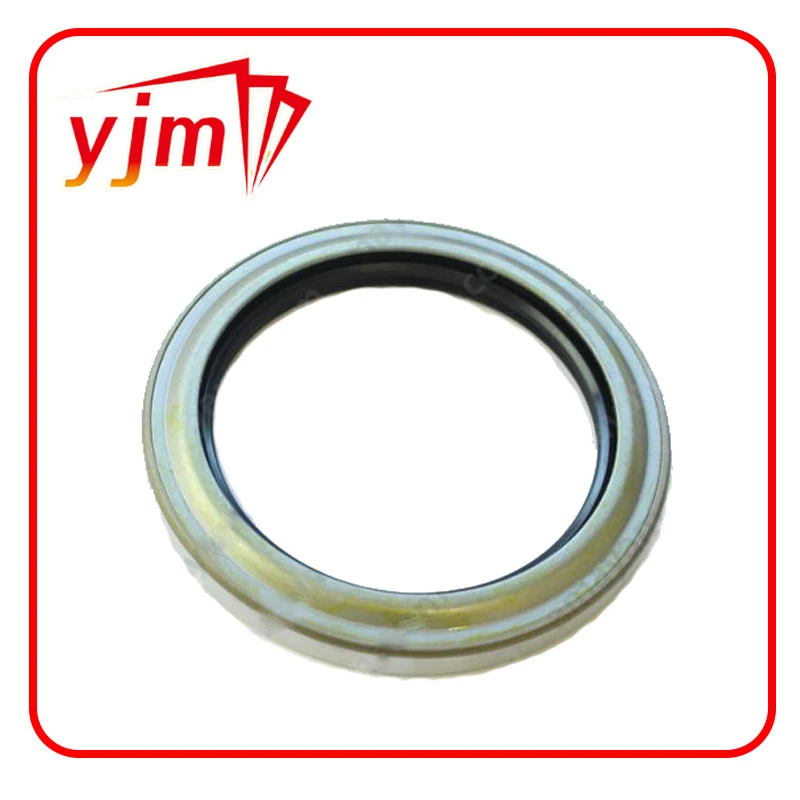
SEAL, OIL Genuine Toyota (9031170011)
-
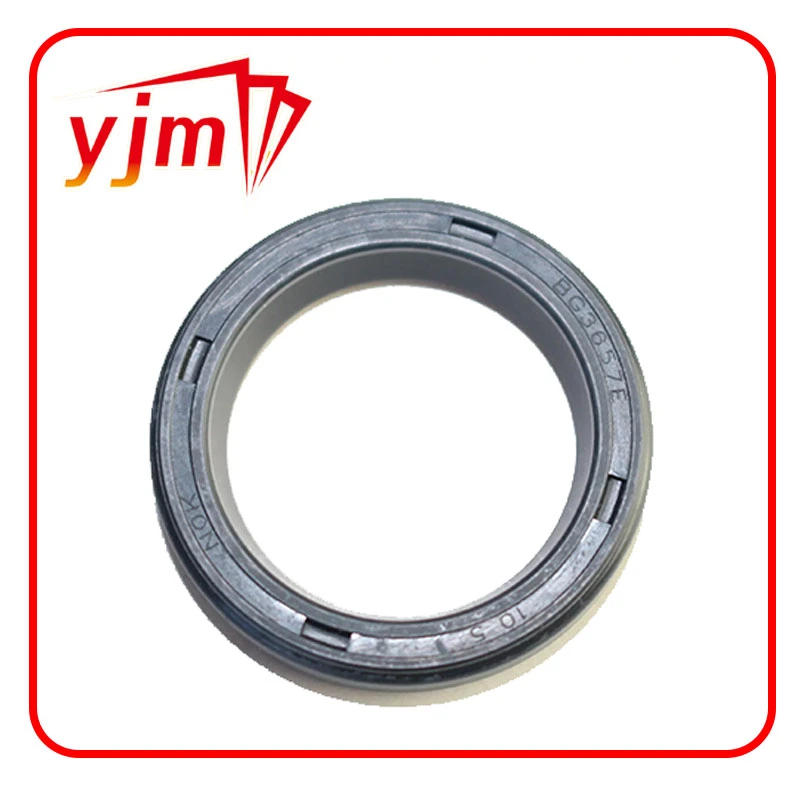
Transfer Case Output Shaft Seal Part 9031223001
-
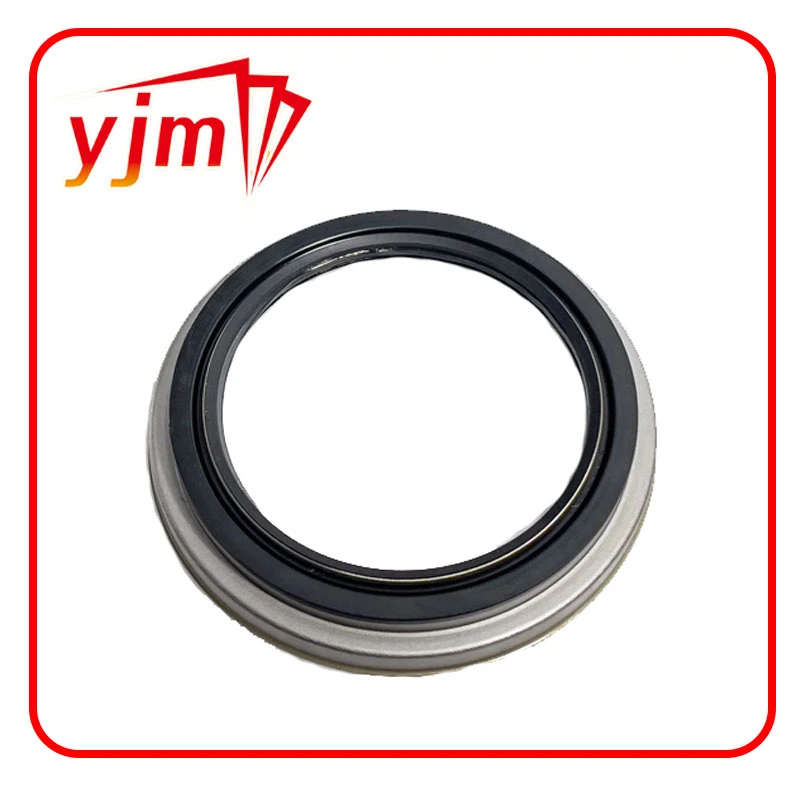
SEAL, OIL Genuine Toyota (9031672001)
-
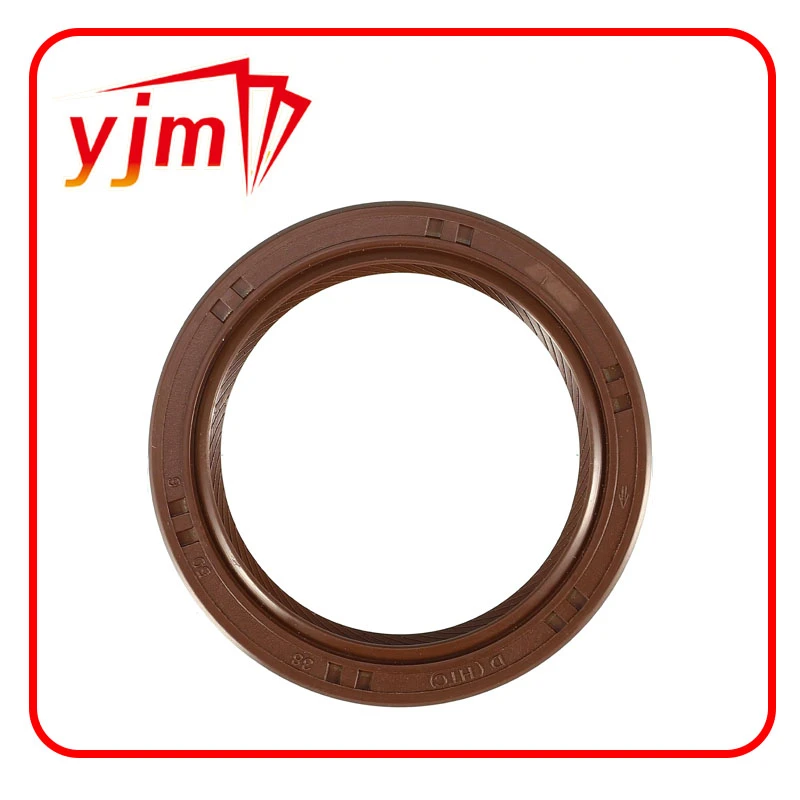
Engine Crankshaft Oil Seal No.9031138096
-
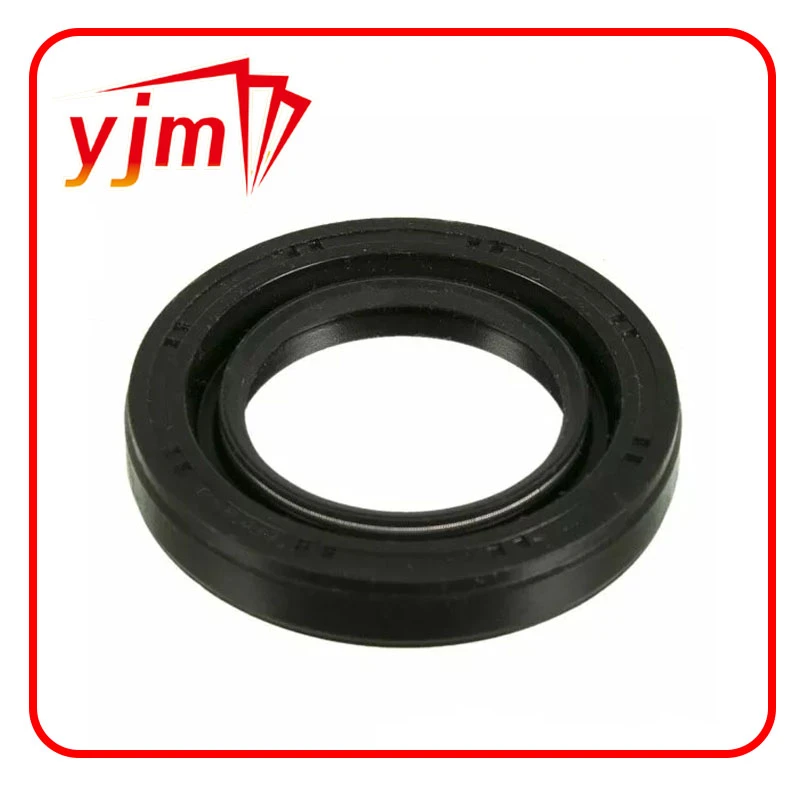
Toyota Transfer Case Output Shaft Seal Front 9031136006
-
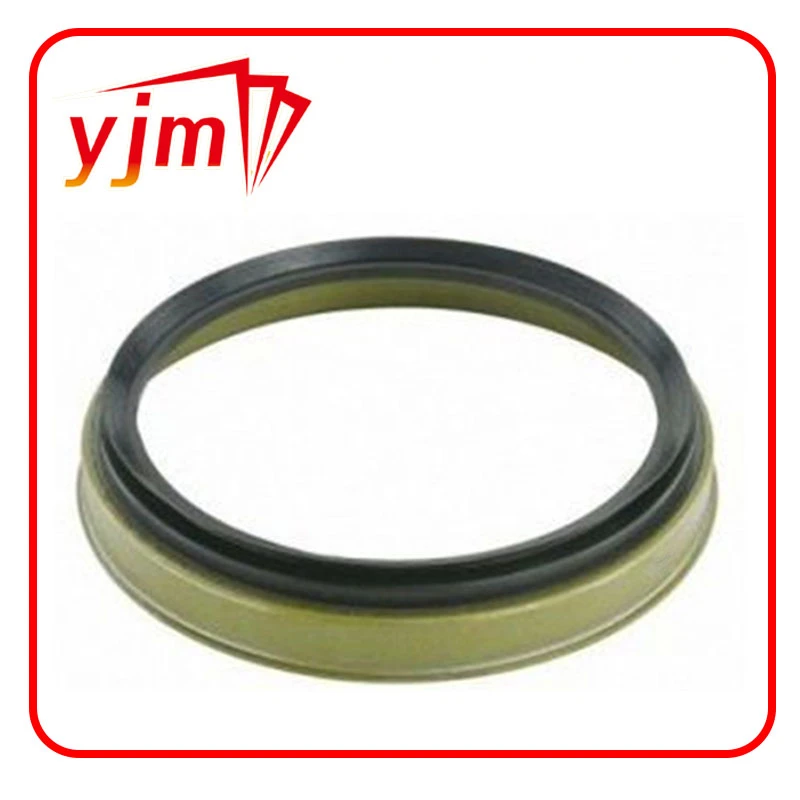
Seal, type v oil 9031287001 TOYOTA
-
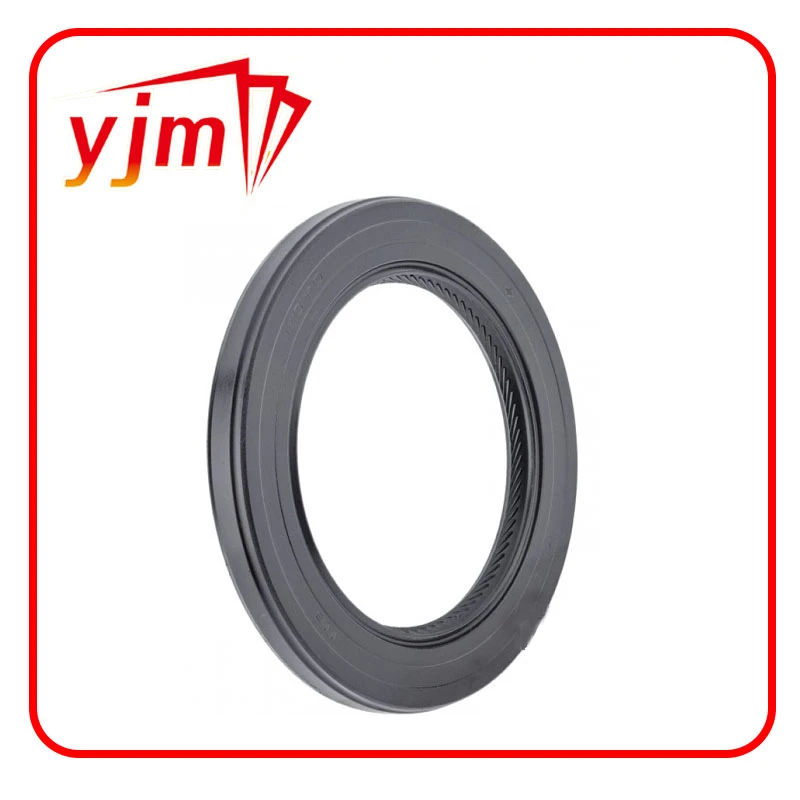
Oil pump seal 9031143010
-
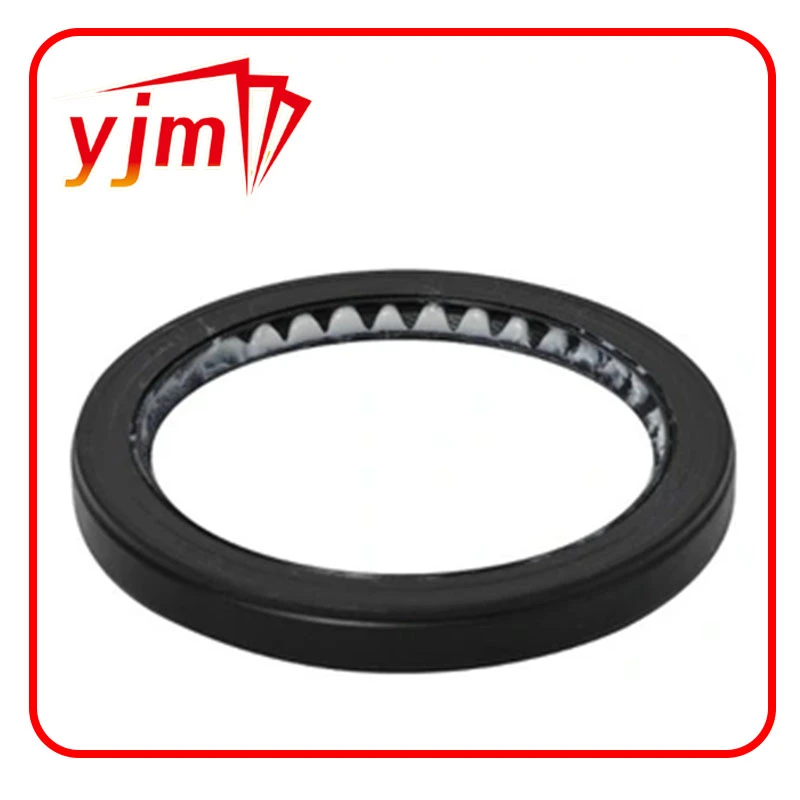
Genuine Toyota Oil SEAL 90311-54006
-
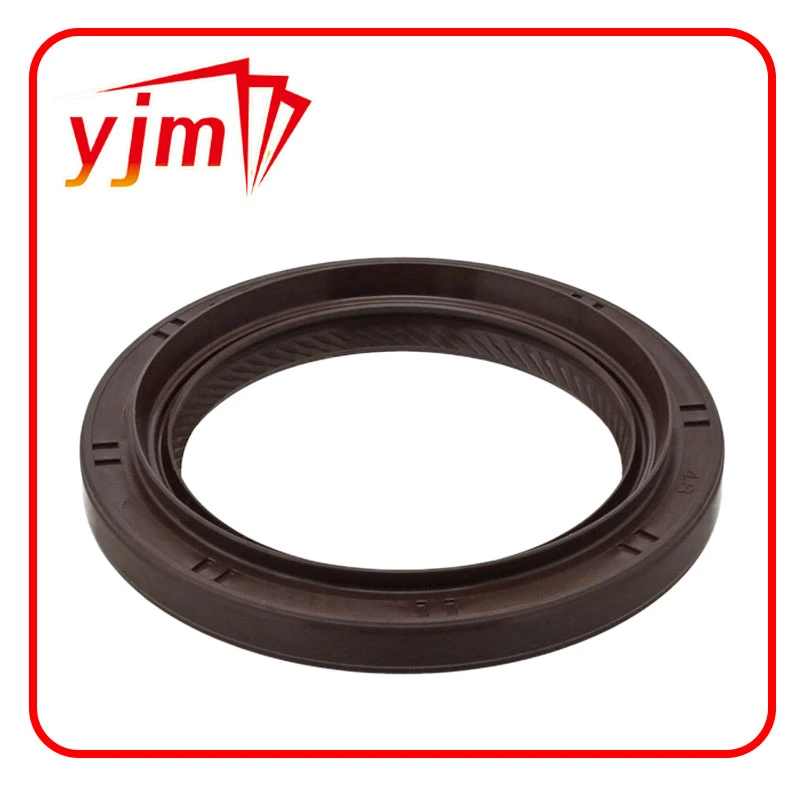
Toyota SEAL TYPE T OIL 90311-48031
-
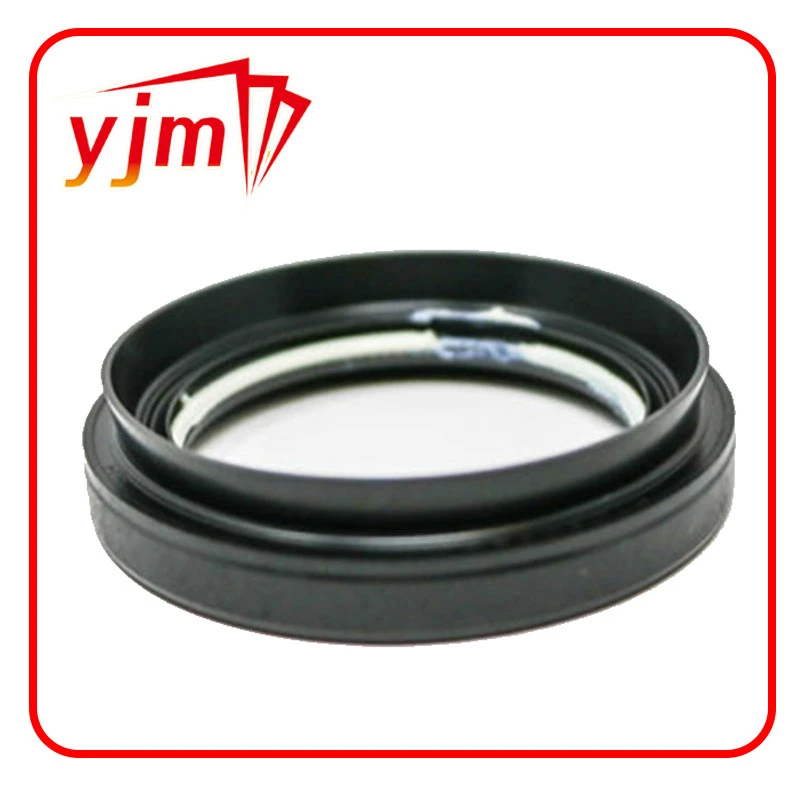
Type T Oil Seal, Front Drive Shaft, Left 9031150064
-
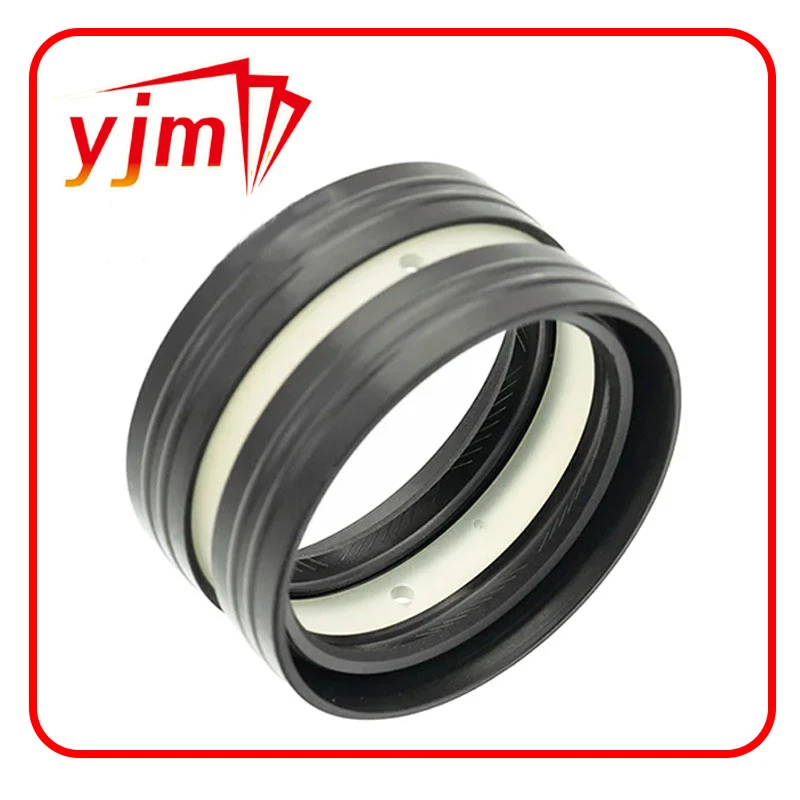
Seal, type d oil 9031634001 TOYOTA
 Afrikaans
 Albanian
 Amharic
 Arabic
 Armenian
 Azerbaijani
 Basque
 Belarusian
 Bengali
 Bosnian
 Bulgarian
 Catalan
 Cebuano
 Corsican
 Croatian
 Czech
Czech
 Danish
 Dutch
Dutch
 Esperanto
 Estonian
 Finnish
 French
 Frisian
 Galician
 Georgian
 German
 Greek
Greek
 Gujarati
 Haitian Creole
 Hausa
Hausa
 Hawaiian
 Hebrew
 Hindi
Hindi
 Miao
Miao
 Hungarian
 Icelandic
 Igbo
Igbo
 Indonesian
 Irish
Irish
 Italian
 Japanese
 Javanese
 Kannada
 Kazakh
 Khmer
Khmer
 Rwandese
 Korean
 Kurdish
 Kyrgyz
 Lao
Lao
 Latin
Latin
 Latvian
 Lithuanian
 Luxembourgish
 Macedonian
 Malgashi
 Malay
Malay
 Malayalam
 Maltese
 Maori
Maori
 Marathi
 Mongolian
 Myanmar
 Nepali
 Norwegian
 Norwegian
 Occitan
 Pashto
 Persian
 Polish
 Portuguese
 Punjabi
 Romanian
 Russian
 Samoan
 Scottish Gaelic
 Serbian
 Sesotho
 Shona
Shona
 Sindhi
 Sinhala
 Slovak
 Slovenian
 Somali
 Spanish
 Sundanese
 Swahili
 Swedish
 Tagalog
 Tajik
Tajik
 Tamil
Tamil
 Tatar
Tatar
 Telugu
 Thai
Thai
 Turkish
 Turkmen
 Ukrainian
 Urdu
Urdu
 Uighur
 Uzbek
Uzbek
 Vietnamese
 Welsh
Welsh
 Bantu
Bantu
 Yiddish
 Yoruba
 Zulu
Zulu
 English