The double lip oil seal is a critical component in numerous industries, ensuring the reliable operation of machinery and equipment by preventing leakage of fluids and contaminants. Its robust design and effectiveness have made it a cornerstone of modern engineering, contributing to increased efficiency, reduced downtime, and enhanced safety across a vast range of applications. Understanding the intricacies of double lip oil seal design, materials, and applications is paramount for engineers, maintenance professionals, and anyone involved in the operation of rotating equipment.
Globally, the demand for high-performance sealing solutions like the double lip oil seal is consistently growing, driven by the expansion of manufacturing, automotive, aerospace, and energy sectors. The UN Sustainable Development Goals, particularly those related to industrial innovation and infrastructure (Goal 9), are indirectly supported by the development and implementation of reliable sealing technologies. Furthermore, increasingly stringent environmental regulations necessitate the use of seals that minimize fluid loss and reduce pollution.
The challenge lies in optimizing these seals for ever more demanding operating conditions, including higher temperatures, pressures, and rotational speeds, while also reducing environmental impact and life-cycle costs. The double lip oil seal plays a key role in addressing these critical challenges.
The Core Principles of double lip oil seal
At its core, a double lip oil seal relies on the principle of creating a dynamic barrier between rotating and stationary components. This barrier prevents the leakage of fluids – such as oils, greases, and coolants – while simultaneously keeping contaminants like dirt, dust, and debris from entering the system. The 'double lip' configuration signifies two distinct sealing lips, providing redundancy and enhanced performance compared to single-lip seals.
The effectiveness of this sealing action hinges on factors like lip material, lip geometry, surface finish, and spring tension. Proper material selection is crucial to ensure compatibility with the fluid being sealed and the operating temperature range. Precision manufacturing is vital to achieve a tight, consistent seal.
The Global Landscape of double lip oil seal Applications
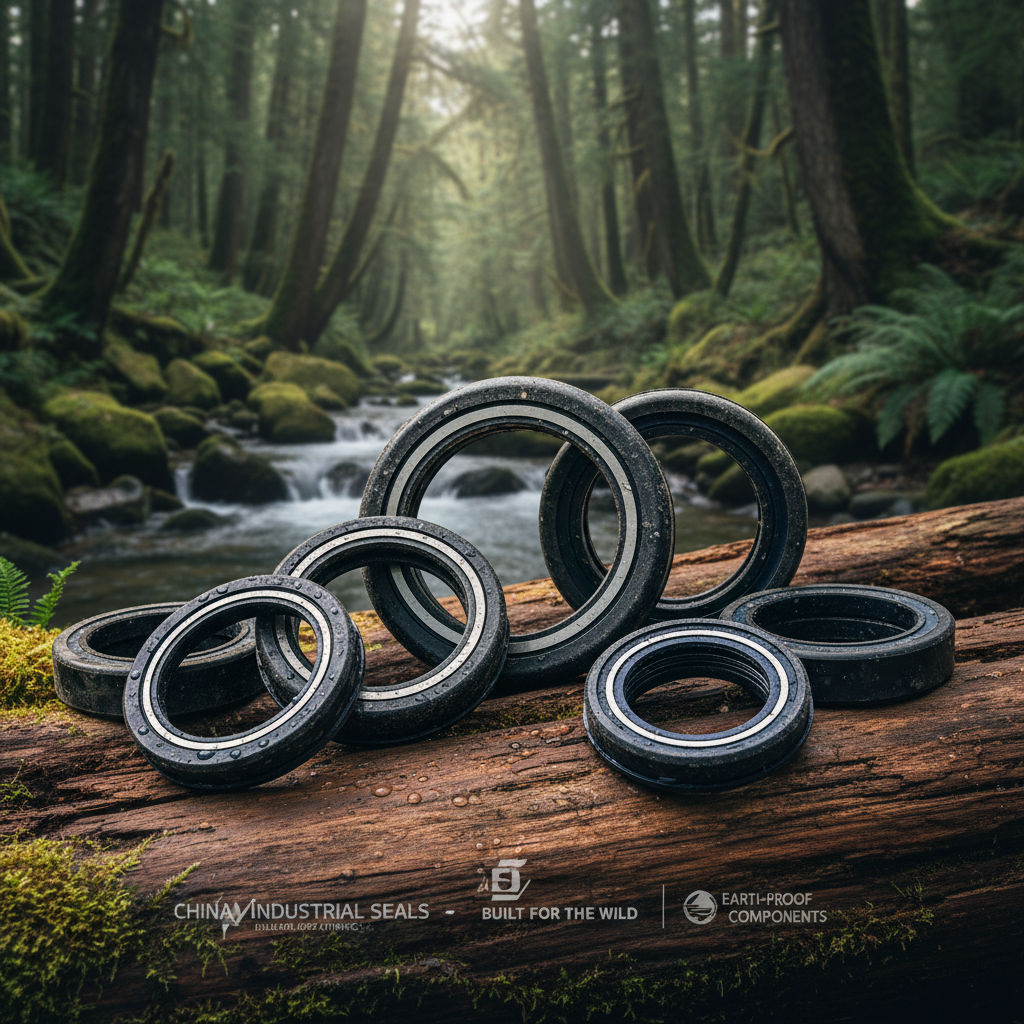
The double lip oil seal is a truly global component, finding applications in virtually every industry where rotating equipment is used. From automotive engine crankshafts and transmissions to industrial pumps, gearboxes, and hydraulic cylinders, these seals are essential for maintaining operational efficiency and preventing costly failures. Major manufacturing hubs in Asia (China, Japan, South Korea), Europe (Germany, Italy, France), and North America (United States, Canada) all contribute significantly to both the production and consumption of these seals.
The automotive sector remains a dominant consumer, with billions of double lip oil seals used annually in vehicles worldwide. The growing demand for electric vehicles (EVs) is also influencing seal design, as EVs often require seals capable of handling different types of fluids and operating conditions. The expanding industrial sector in developing nations is creating further demand for robust and reliable sealing solutions.
The ISO standards organization plays a critical role in defining quality and performance criteria for oil seals, ensuring consistent reliability across different manufacturers and applications. Compliance with these standards is essential for maintaining trust and facilitating global trade.
Defining a double lip oil seal: A Detailed Explanation
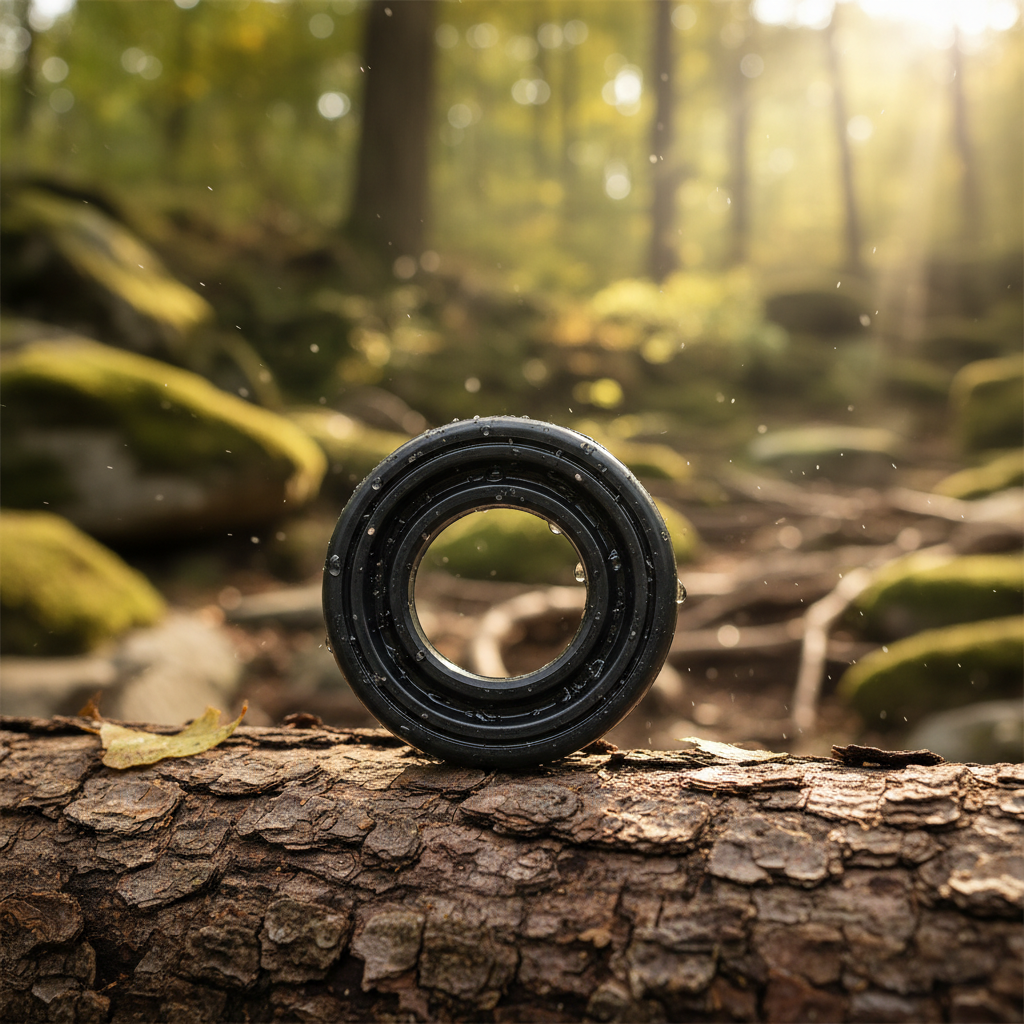
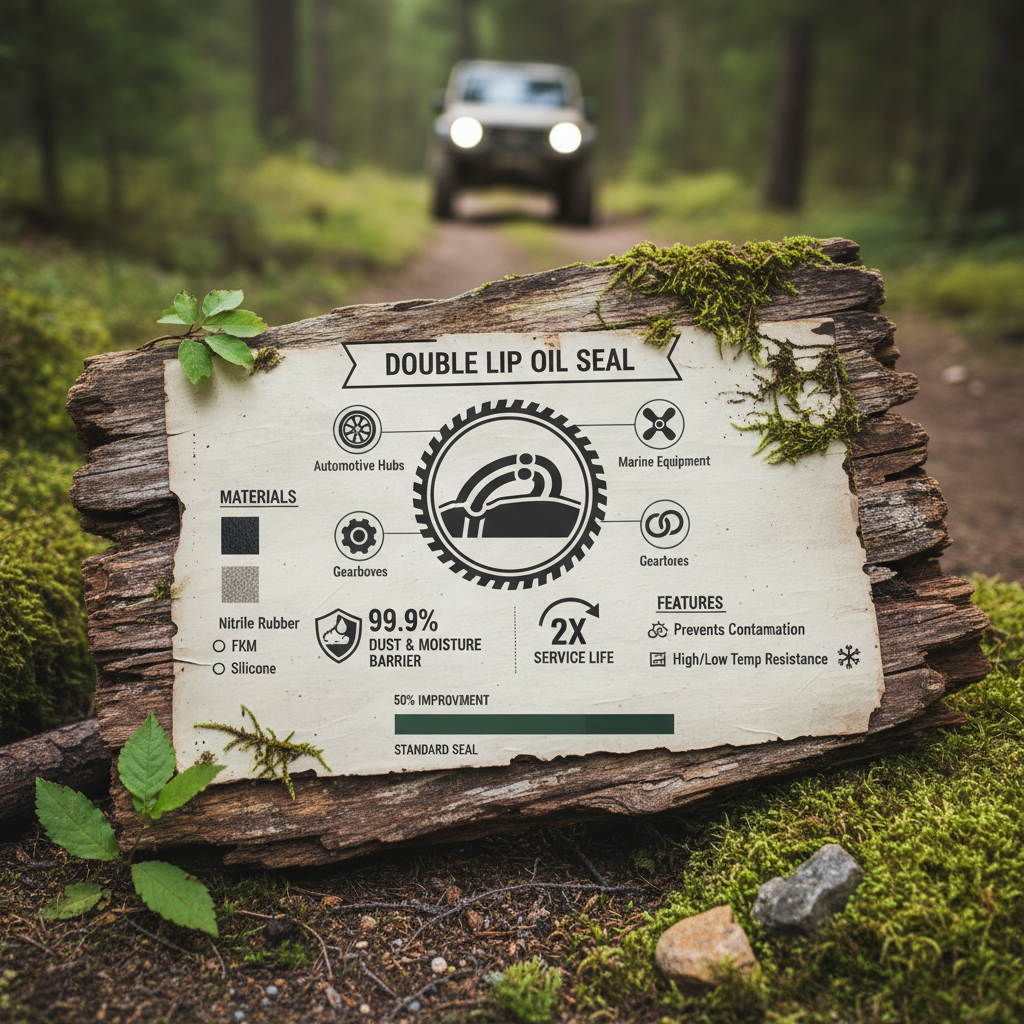
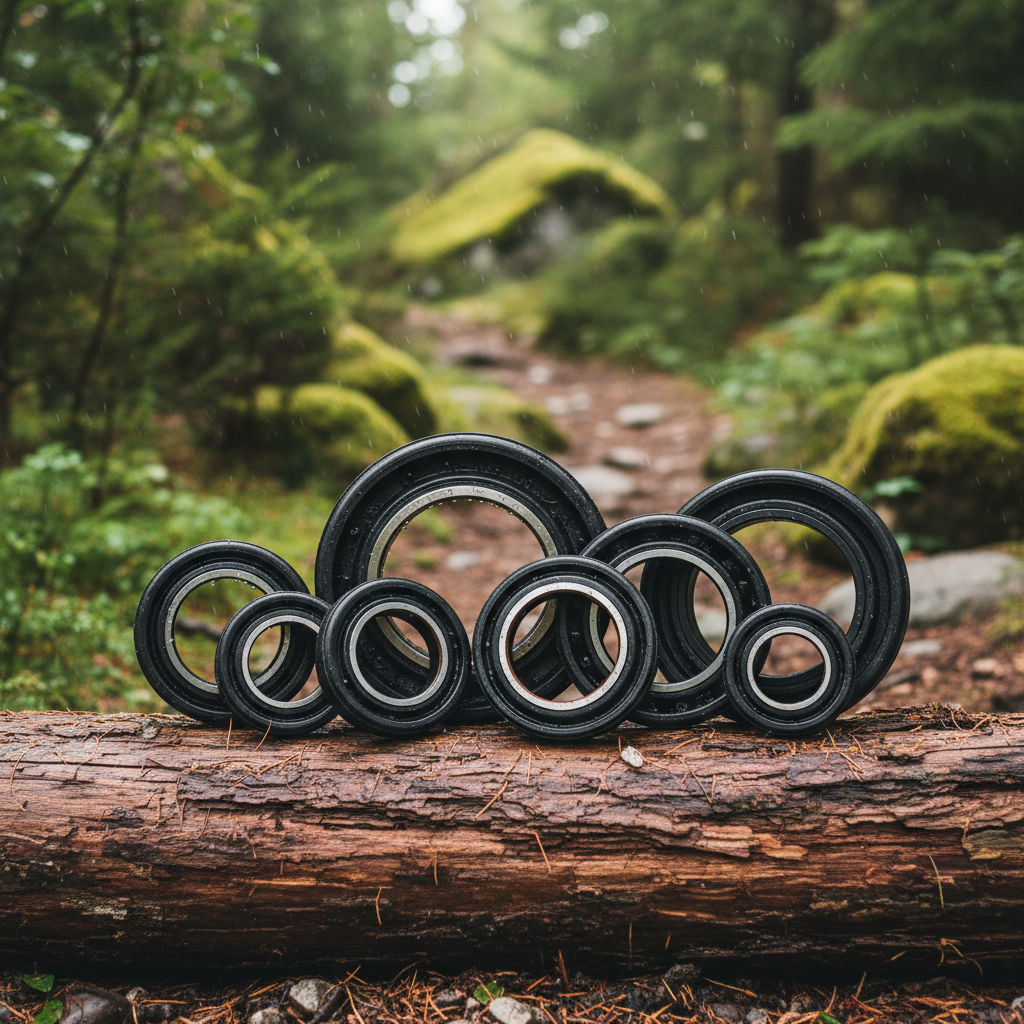
A double lip oil seal, in its simplest form, consists of a circular elastomeric component – typically made from nitrile rubber, Viton, or silicone – featuring two distinct sealing lips. These lips are designed to maintain contact with a rotating shaft or housing, creating a barrier against fluid leakage and contaminant ingress. The seal is often reinforced with a metal case to provide structural support and dimensional stability.
The key difference between a single-lip and a double-lip seal lies in the redundancy and improved sealing capability. The secondary lip acts as a backup, providing a second line of defense against leakage, particularly in applications with high pressures, extreme temperatures, or contaminated environments. This increased reliability is a major driver for the adoption of double lip seals in critical applications.
The geometry of the sealing lips – including the angle, curvature, and surface finish – is carefully engineered to optimize sealing performance and minimize friction. Spring-loaded designs are common, applying consistent pressure to the shaft and ensuring a tight seal even with slight variations in shaft diameter or housing bore.
Key Performance Factors of double lip oil seal
Several critical factors determine the performance and longevity of a double lip oil seal. Durability is paramount, dictating how long the seal can withstand continuous operation before requiring replacement. Scalability refers to the seal's ability to accommodate different shaft sizes and operating conditions.
Cost-efficiency is also a vital consideration, balancing performance with affordability. Another key aspect is compatibility, encompassing the seal's ability to function effectively with the specific fluid being sealed and the surrounding materials. Ultimately, the selection of the optimal double lip oil seal depends on a thorough assessment of these parameters.
double lip oil seal Performance Metrics
Global Applications and Industry Impact of double lip oil seal
The application of double lip oil seal technology spans a wide spectrum of industries. In the automotive sector, they are crucial for sealing crankshafts, camshafts, and transmissions, contributing to engine efficiency and reliability. In the manufacturing industry, they are used extensively in pumps, gearboxes, and hydraulic systems.
Aerospace applications require seals capable of withstanding extreme temperatures and pressures, making double lip seals a preferred choice for sealing bearings and actuators. In the energy sector, they are employed in wind turbines, oil and gas equipment, and power generation facilities. The ability to minimize leakage and prevent contamination is essential in these demanding environments.
The Enduring Value Proposition of double lip oil seal
The advantages of employing double lip oil seal technology are multifaceted. They offer superior sealing performance compared to single-lip seals, reducing the risk of fluid leakage and contamination. This translates to increased equipment uptime, reduced maintenance costs, and improved operational efficiency.
From a sustainability perspective, minimizing fluid leakage contributes to environmental protection and resource conservation. The reliability and longevity of these seals enhance the safety and trustworthiness of machinery, providing peace of mind for operators and end-users. The long-term value proposition extends beyond mere cost savings; it encompasses environmental responsibility, improved safety, and enhanced productivity.
Future Trends and Innovation in double lip oil seal Technology
The future of double lip oil seal technology is focused on materials science, advanced manufacturing techniques, and smart sealing solutions. Research and development efforts are concentrated on developing new elastomeric materials with improved temperature resistance, chemical compatibility, and wear resistance.
Digitalization is also playing a role, with the integration of sensors and data analytics to monitor seal performance in real-time. This allows for predictive maintenance, enabling proactive replacement of seals before failures occur. Automation and precision manufacturing are further enhancing the quality and consistency of these critical components.
The trend toward sustainability is driving the development of eco-friendly materials and manufacturing processes, reducing the environmental footprint of double lip oil seals.
Core Analysis of Challenges and Solutions for double lip oil seal
| Challenge Area |
Severity Level (1-5) |
Potential Solution |
Implementation Cost (Estimate) |
| High Temperature Operation |
4 |
Utilize Viton or Silicone Materials |
Medium |
| Abrasive Contamination |
3 |
Implement Advanced Filtration Systems |
High |
| Chemical Compatibility Issues |
4 |
Select Chemically Resistant Elastomers |
Medium |
| Shaft Surface Finish Degradation |
2 |
Employ Polishing or Coating Techniques |
Low |
| Dynamic Seal Failure |
3 |
Optimize Spring Tension & Lip Geometry |
Low |
| Cost Optimization |
2 |
Implement Lean Manufacturing Processes |
Low |
FAQS
Double lip oil seals are commonly manufactured using a variety of materials, primarily elastomers like Nitrile Rubber (NBR), Viton (FKM), Silicone, and Polyurethane. The choice of material depends on the application’s temperature range, chemical exposure, and pressure requirements. A metal case, typically steel, is often incorporated to provide structural support and dimensional stability, enhancing the seal's durability and performance under demanding conditions.
Determining the correct size involves accurately measuring the shaft diameter, housing bore, and seal width. Consult the manufacturer’s specifications and sizing charts. Consider the shaft’s rotational speed, operating temperature, and the type of fluid being sealed. It’s crucial to ensure a proper interference fit to guarantee a leak-proof seal. Incorrect sizing can lead to premature failure and equipment damage.
Common failure causes include improper installation, contamination from abrasive particles, excessive temperature fluctuations, chemical incompatibility, and shaft misalignment. Over time, the seal material can degrade due to exposure to harsh environments or prolonged use. Regularly inspecting seals and addressing these issues proactively can significantly extend their service life and prevent costly downtime.
The spring-loaded design maintains constant contact between the sealing lips and the shaft, even with slight variations in shaft diameter or housing bore. This consistent pressure ensures a tight seal, preventing leakage and contamination. The spring also compensates for wear and tear, extending the seal's lifespan and enhancing its reliability under dynamic operating conditions. Proper spring tension is crucial for optimal performance.
Nitrile (NBR) seals are cost-effective and offer good resistance to petroleum-based fluids, making them suitable for general-purpose applications. Viton (FKM) seals, however, provide superior resistance to high temperatures, aggressive chemicals, and oils, ideal for demanding environments. Viton is more expensive but offers a significantly longer service life in challenging conditions.
Regularly inspect seals for signs of wear, damage, or leakage. Ensure proper lubrication and maintain clean operating conditions to minimize contamination. Verify shaft alignment and address any vibration issues. Implement a scheduled replacement program based on operating hours and environmental factors. These proactive steps can significantly extend the lifespan and reliability of your double lip oil seals.
Conclusion
In conclusion, the double lip oil seal stands as a cornerstone of modern engineering, providing critical sealing capabilities across a diverse range of industries. Its ability to prevent leakage, protect against contamination, and ensure reliable operation makes it an indispensable component in countless applications. Understanding its principles, applications, and future trends is vital for optimizing performance and minimizing downtime.
Looking ahead, continued innovation in materials science, manufacturing techniques, and smart sealing technologies will further enhance the capabilities of double lip oil seals. By embracing these advancements, we can unlock even greater levels of efficiency, sustainability, and reliability in the operation of machinery and equipment worldwide. Visit our website at www.yjmseal.com to learn more about our comprehensive range of sealing solutions.


 English
  Afrikaans
  Albanian
  Amharic
  Arabic
  Armenian
  Azerbaijani
  Basque
  Belarusian
  Bengali
  Bosnian
  Bulgarian
  Catalan
  Cebuano
  Corsican
  Croatian
  Czech
Czech  Danish
  Dutch
Dutch  Esperanto
  Estonian
  Finnish
  French
  Frisian
  Galician
  Georgian
  German
  Greek
Greek  Gujarati
  Haitian Creole
  Hausa
Hausa  Hawaiian
  Hebrew
  Hindi
Hindi  Miao
Miao  Hungarian
  Icelandic
  Igbo
Igbo  Indonesian
  Irish
Irish  Italian
  Japanese
  Javanese
  Kannada
  Kazakh
  Khmer
Khmer  Rwandese
  Korean
  Kurdish
  Kyrgyz
  Lao
Lao  Latin
Latin  Latvian
  Lithuanian
  Luxembourgish
  Macedonian
  Malgashi
  Malay
Malay  Malayalam
  Maltese
  Maori
Maori  Marathi
  Mongolian
  Myanmar
  Nepali
  Norwegian
  Norwegian
  Occitan
  Pashto
  Persian
  Polish
  Portuguese
  Punjabi
  Romanian
  Russian
  Samoan
  Scottish Gaelic
  Serbian
  Sesotho
  Shona
Shona  Sindhi
  Sinhala
  Slovak
  Slovenian
  Somali
  Spanish
  Sundanese
  Swahili
  Swedish
  Tagalog
  Tajik
Tajik  Tamil
Tamil  Tatar
Tatar  Telugu
  Thai
Thai  Turkish
  Turkmen
  Ukrainian
  Urdu
Urdu  Uighur
  Uzbek
Uzbek  Vietnamese
  Welsh
Welsh  Bantu
Bantu  Yiddish
  Yoruba
  Zulu
Zulu