Front Crankshaft Seal – Durable, Efficient Engine Protection Solutions
The Essential Role of the Front Crankshaft Seal in Machinery
If you’re not already familiar with the front crankshaft seal, you might be wondering why such a seemingly small automotive or industrial part warrants global attention. After all, it’s just a seal—right? Well, not exactly. This humble component plays a critical role in preventing fluid leaks, ensuring engine integrity, and sustaining operational efficiency in vehicles and heavy machinery worldwide.
Given that the global automotive market reached over $4 trillion in 2023 according to Statista, and industries heavily rely on efficient mechanical components, understanding the front crankshaft seal isn’t just niche—it’s a window into how modern machines avoid costly breakdowns, safety hazards, and environmental harm.
Why the Front Crankshaft Seal Matters Globally
At first glance, a tiny rubber and metal ring might seem insignificant. Yet, ISO standards and manufacturing data reveal that premature seal failure can lead to thousands in repair costs annually, not to mention downtime that hammers productivity. The front crankshaft seal is a frontline defender against oil leaks, protecting the engine’s smooth operation and reducing emissions caused by escaping fluids.
Across regions—whether in Europe’s automotive hubs, Asia’s manufacturing centers, or logistics-heavy North America—the front crankshaft seal’s reliability contributes directly to machinery lifespan and environmental compliance. The UN Environment Programme, for example, highlights how minimizing leaks ties into broader sustainability goals by curbing hazardous waste.
What Is a Front Crankshaft Seal?
In the simplest terms, the front crankshaft seal is a circular gasket installed at the front end of the crankshaft in internal combustion engines or other rotating machinery. Its primary job? To keep lubricants in and contaminants out as the crankshaft spins at high speed.
Think of it like a vigilant gatekeeper. Without a good seal, oil would spill out, dirt and debris could sneak in, and the engine’s moving parts would suffer from accelerated wear or unexpected failures. In industries like automotive production, agriculture, or heavy equipment, a durable front crankshaft seal is absolutely vital.
Core Components of the Front Crankshaft Seal
- Material Quality: Usually made from resilient synthetic rubber (like nitrile or silicone) combined with a spring steel casing for tension, these materials must withstand heat, oil, and mechanical stress.
- Durability: Longevity depends on the seal’s resistance to temperature changes, chemical breakdown, and friction wear.
- Precision Engineering: The exact fit on the crankshaft ensures no gaps or irregular pressure points.
- Compatibility: Different engines require seals with varied inner diameters, thickness, and lip design.
- Installation Ease: Seals designed for quick replacement reduce maintenance time and labor costs.
Mini takeaway: The front crankshaft seal is a sophisticated combination of materials and engineering that keeps engines healthy and running efficiently.
Global Uses and Industry Applications
It’s fascinating how one product type has woven itself into so many industries worldwide. Mainly found in:
- Automotive Engines: Cars, trucks, motorcycles—the most common applications where front crankshaft seals guard against oil leakage.
- Marine Engines: Boats and ships use more robust variations to withstand harsher conditions.
- Industrial Machinery: Heavy-duty equipment in mining, construction, and agriculture relies on seals that can endure non-stop operation.
- Energy Sector: Engines powering generators in remote or off-grid sites require reliable sealing to prevent costly downtime.
For example, disaster relief teams in developing regions with heavy machinery on the ground depend on high-quality seals to minimize failure risks during critical operations. Oddly enough, even a tiny leak can compromise an entire relief mission’s success.
Product Specifications at a Glance
| Specification | Typical Values | Notes |
|---|---|---|
| Material | Nitrile Rubber + Spring Steel | Standard for oil resistance & flexibility |
| Temperature Range | -30°C to 120°C | Can vary with material blends |
| Hardness (Shore A) | 70–75 | Balances flexibility and durability |
| Inner Diameter Range | 15 mm to 150 mm | Fits various engine sizes |
| Service Life | 50,000 to 100,000 km | Depends on operating conditions |
Comparing Leading Front Crankshaft Seal Vendors
| Vendor | Material Technology | Price Range (USD) | Customization Options | Global Reach |
|---|---|---|---|---|
| YJM Seal | NBR, Viton blends | $5 - $20 | Full custom sizes & materials | Worldwide |
| SKF | Standard NBR, Silicone | $10 - $25 | Limited size options | Global |
| Freudenberg | Specialty Fluoroelastomers | $15 - $35 | Advanced custom solutions | Worldwide |
What Makes the Front Crankshaft Seal a Long-Term Asset?
To many engineers and fleet managers I've spoken with, investing in quality front crankshaft seals isn’t just about preventing oil leaks. It’s about trust — trust that a vehicle or machine won’t break down unexpectedly, that operators can safely rely on equipment, and that companies avoid expensive emergency repairs. Beyond economics, it’s an environmental safeguard. By cutting down on oil leakage, we reduce pollution and help meet tighter emission regulations, which frankly, are only going to get stricter.
Innovation in materials has also boosted lifespan, meaning seals last longer and perform better under harsh conditions. And that means less resource waste, fewer replacements, and a stronger contribution to circular economy goals.
Emerging Trends in Front Crankshaft Seal Technology
- Eco-friendly Materials: Manufacturers are developing bio-based elastomers to reduce ecological footprints without sacrificing durability.
- Smart Seals with Sensors: Early-stage tech integrates sensors to alert maintenance crews of wear or failure risks before leaks happen.
- Advanced Coatings: Nanotechnology coatings are being used to reduce friction and chemical degradation.
- 3D-Printed Seals: Rapid prototyping allows fully customized designs that perfectly match non-standard applications.
These trends hint at a future where front crankshaft seals do more than just sit silently—they’ll support predictive maintenance and sustainable practices industry-wide.
Challenges and How the Industry Is Tackling Them
Despite these advances, there are hurdles. Seals can fail prematurely due to contamination, improper installation, or extreme temperatures. Sometimes, low-cost knockoffs flood markets, tempting buyers but risking costly downtime.
Experts recommend rigorous testing, ongoing R&D investment, and collaboration with trusted suppliers. For instance, choosing seals with proven heat resistance and improving workforce training on correct installation dramatically reduces failure rates. Organizations like the International Organization for Standardization (ISO) have also implemented guidelines to enhance quality assurance.
Frequently Asked Questions About Front Crankshaft Seal
- How do I know when my front crankshaft seal needs replacing?
- Look for signs like oil leaks near the crankshaft, unusual engine noises, or a burning oil smell. Regular inspections during maintenance can catch early wear before failures occur.
- Can I install a front crankshaft seal myself?
- While technically possible, professional installation is recommended to ensure proper fitment and avoid damage. Improper installation is a common cause of seal failure.
- What types of materials are best for front crankshaft seals?
- Nitrile rubber is common for everyday cars due to its oil resistance, while fluorocarbon (Viton) seals are preferred in high-temperature or chemically aggressive environments.
- Are aftermarket front crankshaft seals reliable?
- Quality varies widely. Buying from reputable vendors ensures standards compliance and durability. Cheaper, untested products may fail early, causing more expense in the long run.
- How often should front crankshaft seals be inspected or replaced?
- Maintenance schedules vary, but generally, seals last around 50,000 to 100,000 km. High-mileage vehicles or harsh operating conditions may require more frequent attention.
Final Thoughts on the Front Crankshaft Seal
Over time, I’ve come to appreciate how this tiny but mighty component quietly supports the robustness of engines worldwide. The front crankshaft seal isn’t just a part — it’s a guardian of performance, a promoter of sustainability, and a cost saver.
For anyone serious about durable engines or industrial machinery, investing just a little time to understand and source quality front crankshaft seals pays dividends. To explore premium options or learn more, visit YJM Seal’s website, where innovation meets reliability.
References:
1. Wikipedia - Oil Seal
2. ISO Standards - Sealing Solutions
3. United Nations Environment Programme
-
Guide to Choosing the Right Washer for Oil Change and Sealing
News Apr.16,2026
-
Essential Guide to High Quality rubber washer oil drain plug
News Apr.09,2026
-
Understanding Rubber Crush Washers for Optimal Sealing Performance
News Apr.07,2026
-
Comprehensive Guide to Understanding and Reusing Crush Washer for Optimal Sealing
News Apr.04,2026
-
The Vital Role of a Drain Screw Gasket in Fluid System Integrity
News Mar.31,2026
-
The Essential Guide to Drain Crush Washer Selection and Plumbing Leak Prevention
News Mar.28,2026
-
The Vital Role of a Crush Washer in Oil Changes for Engine Protection
News Mar.26,2026
Products categories
-
Brass cutlass marine bearing
-
Genuine OEM Engine Oil Filter Housing Cover O-Ring For VW/Audi 06E115446
-
Oil Filter Stand Gasket,Oil filter cover seal
-
Oil Cooler Gasket, Oil Cooler to Oil Filter Housing 11427525335
-
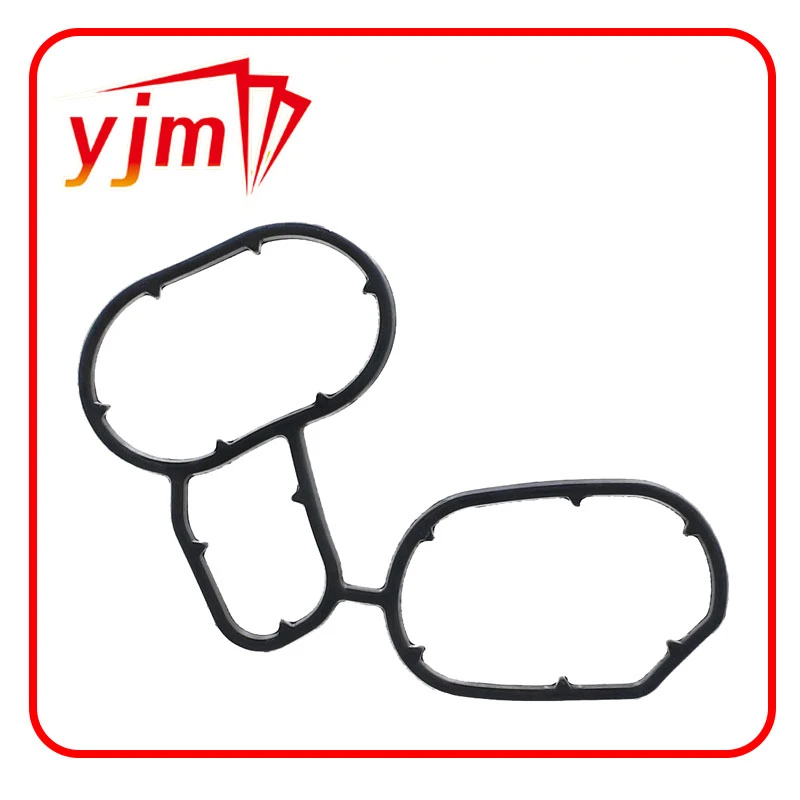
11427508970 BMW - OIL FILTER HOUSING GASKETS
-
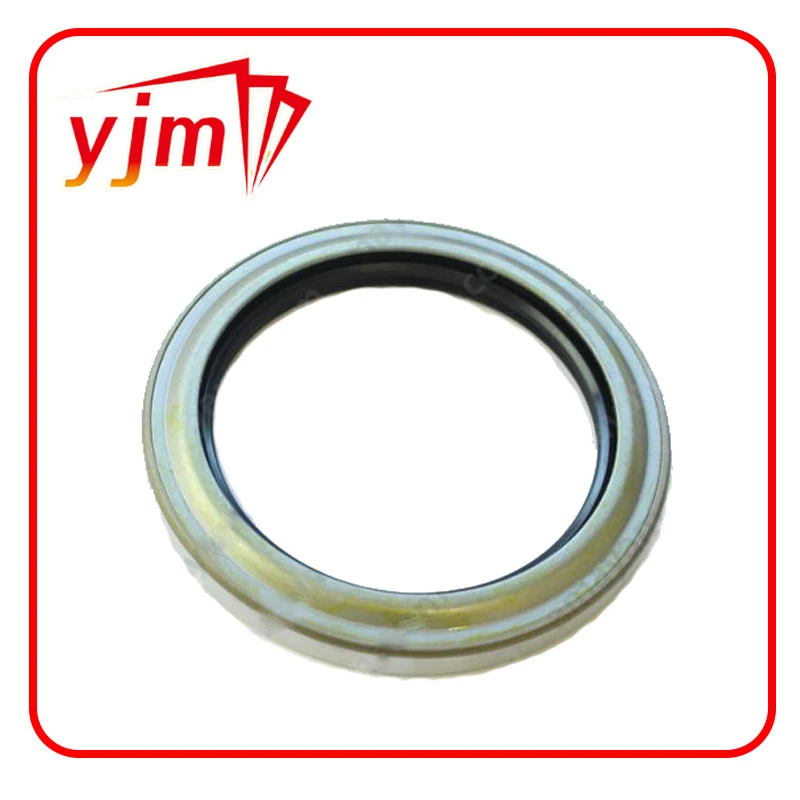
SEAL, OIL Genuine Toyota (9031170011)
-
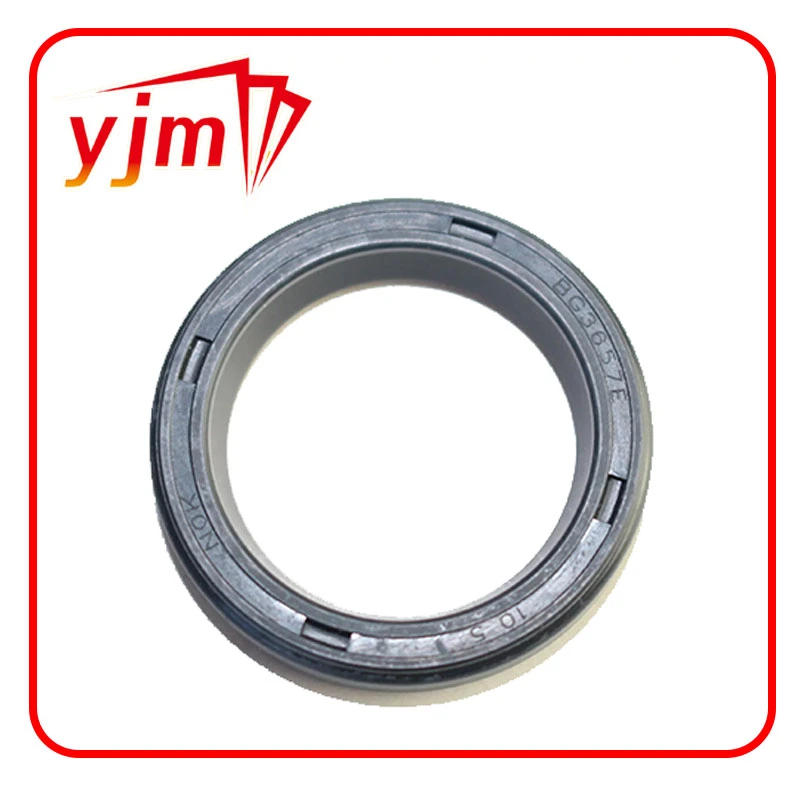
Transfer Case Output Shaft Seal Part 9031223001
-
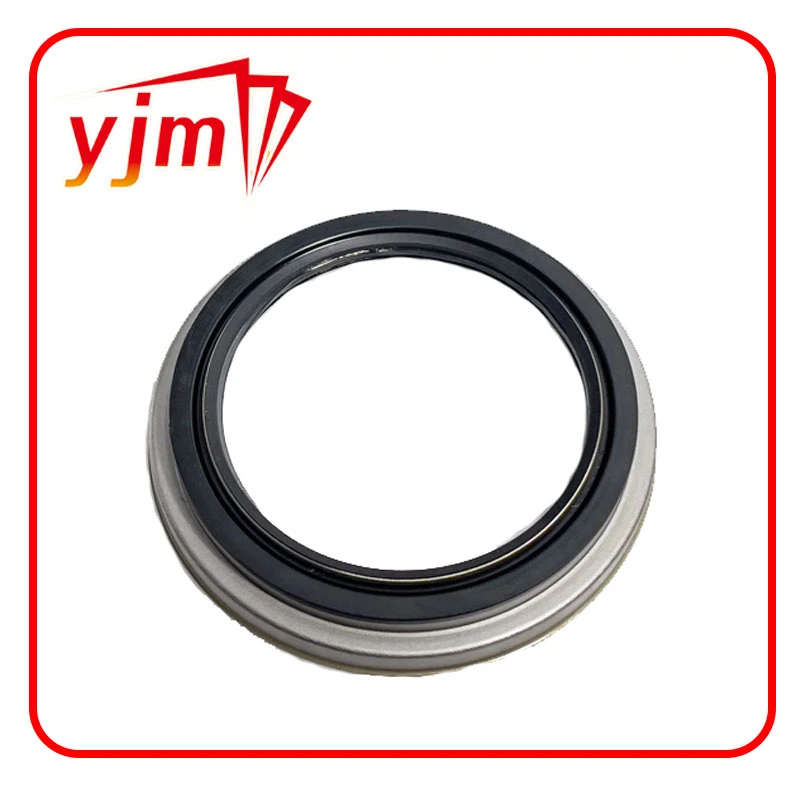
SEAL, OIL Genuine Toyota (9031672001)
-
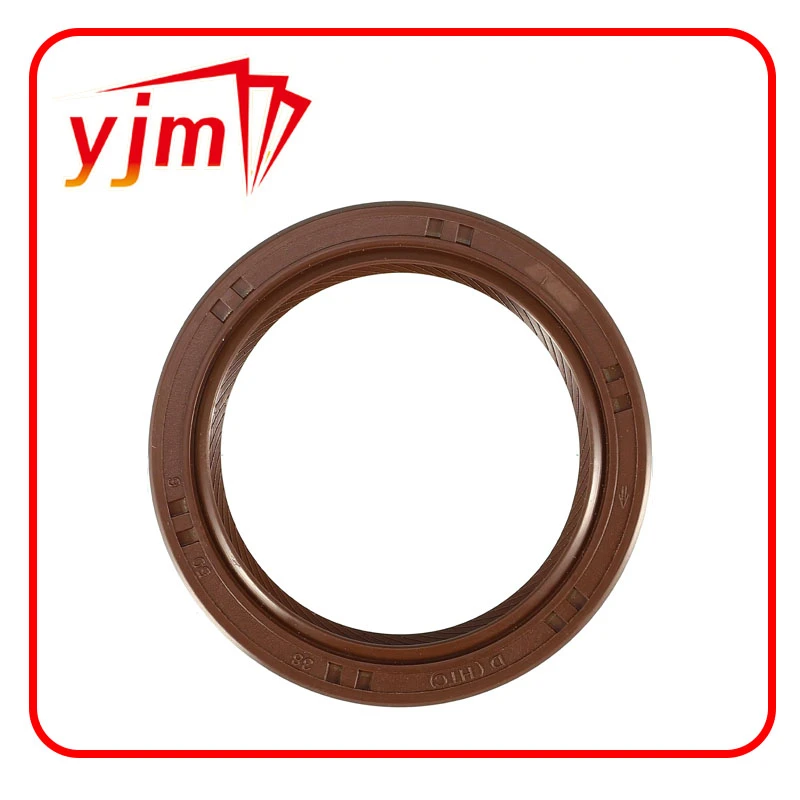
Engine Crankshaft Oil Seal No.9031138096
-
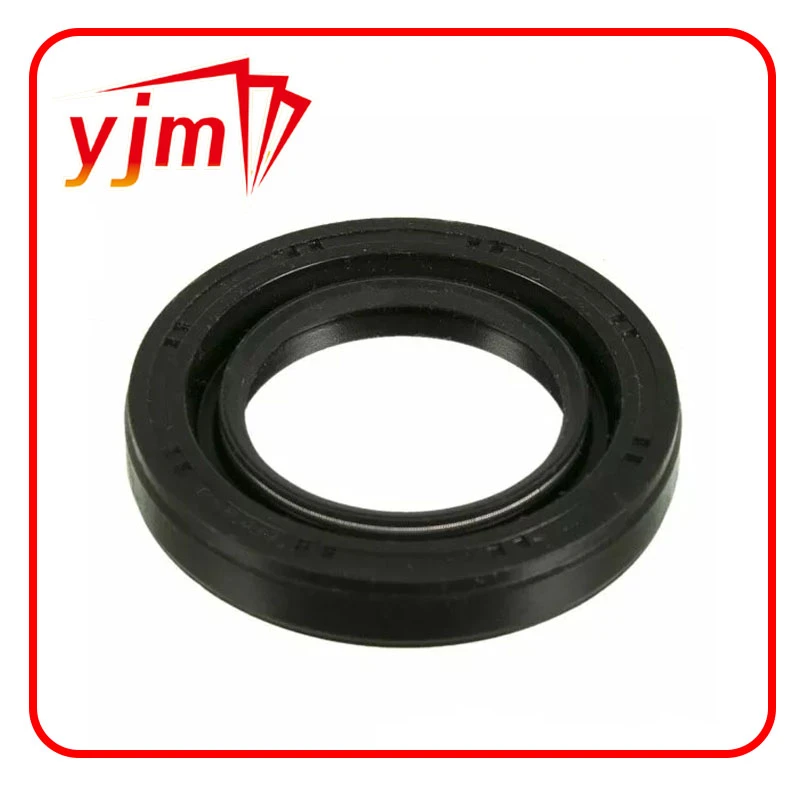
Toyota Transfer Case Output Shaft Seal Front 9031136006
-
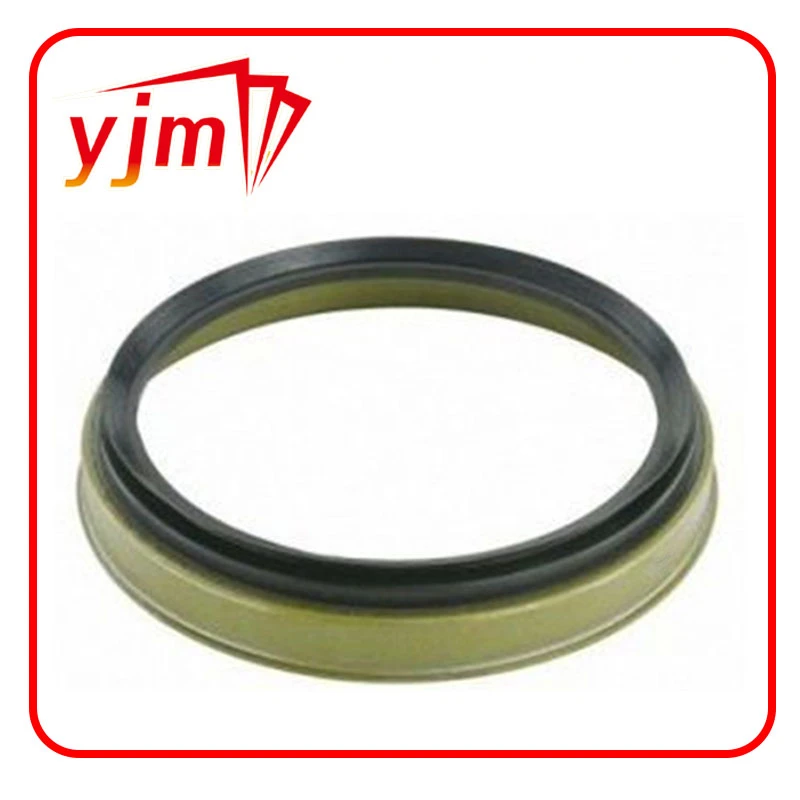
Seal, type v oil 9031287001 TOYOTA
-
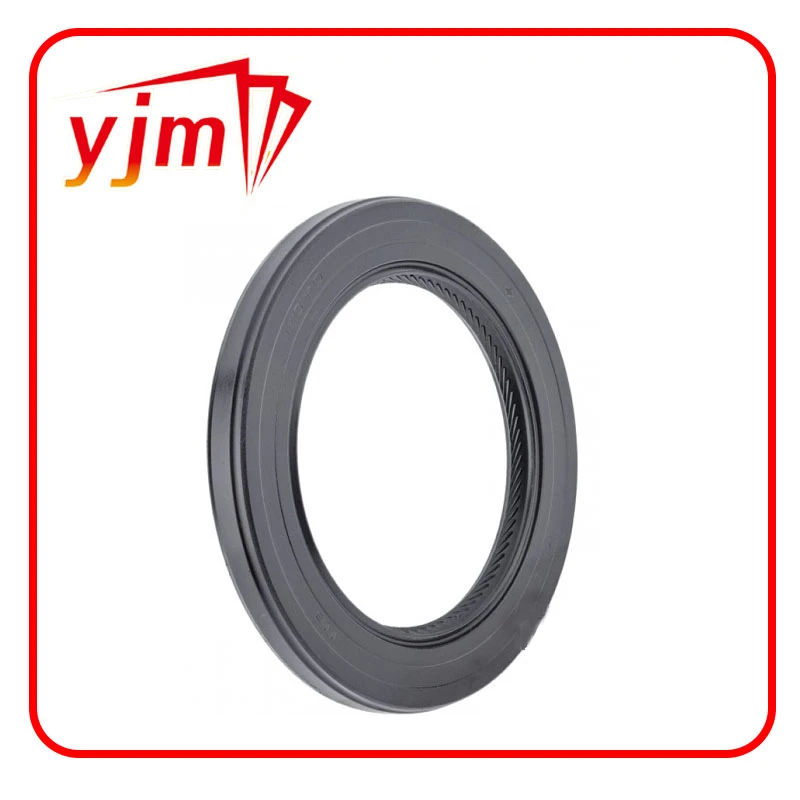
Oil pump seal 9031143010
-
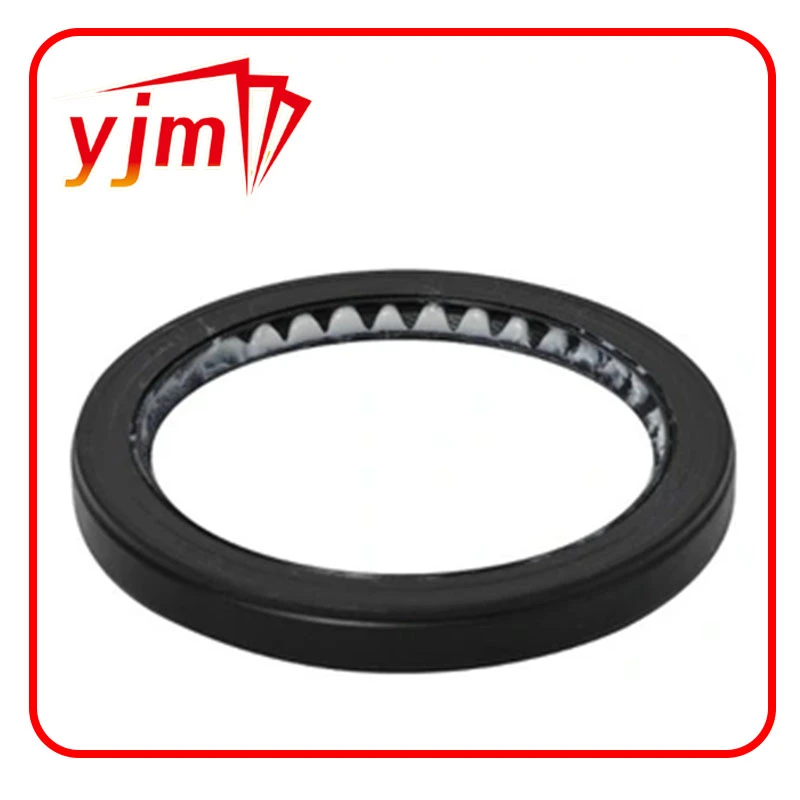
Genuine Toyota Oil SEAL 90311-54006
-
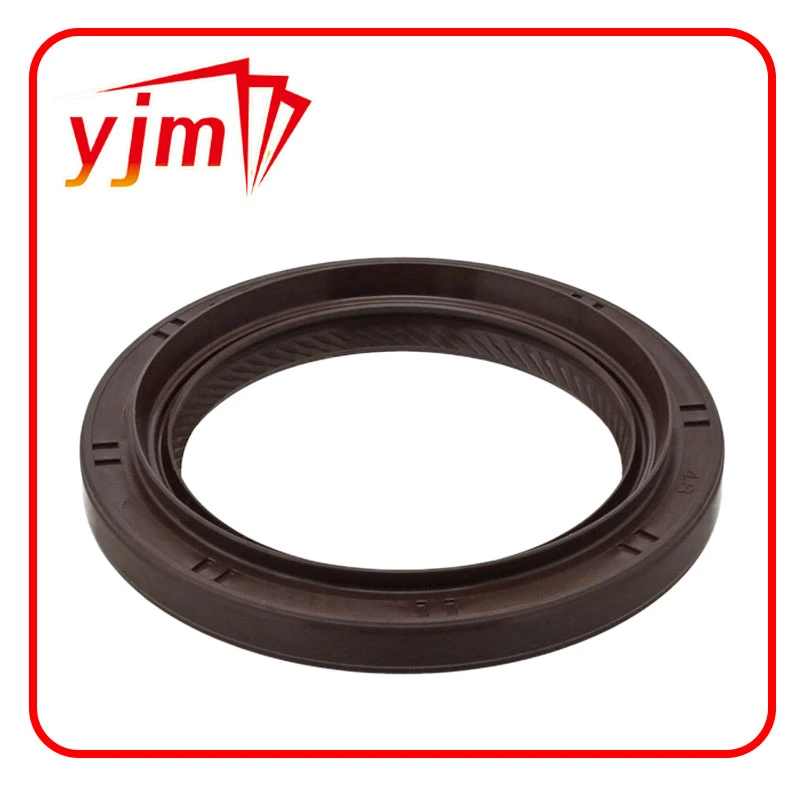
Toyota SEAL TYPE T OIL 90311-48031
-
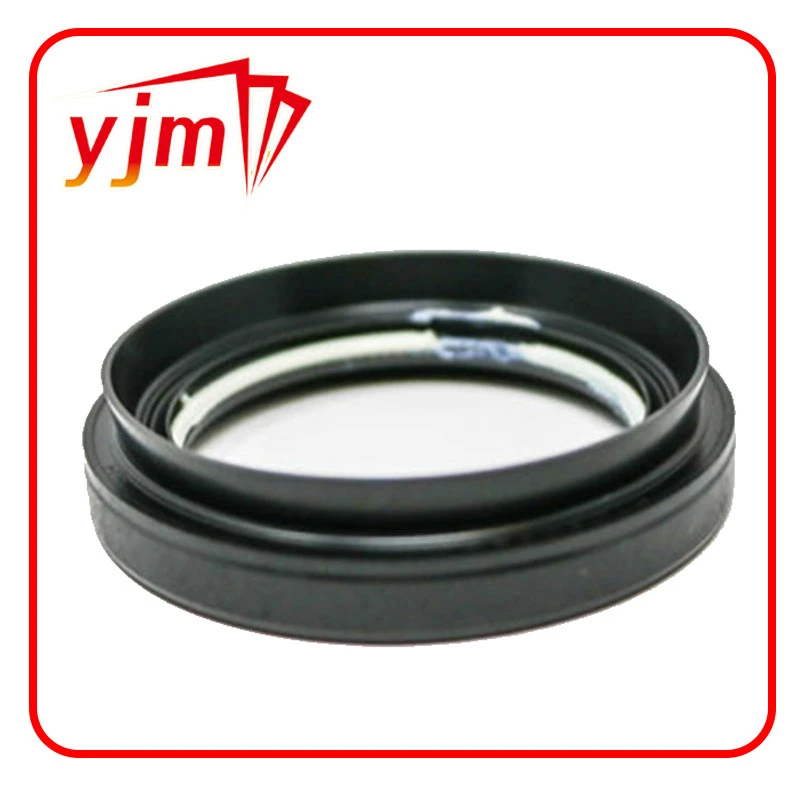
Type T Oil Seal, Front Drive Shaft, Left 9031150064
-
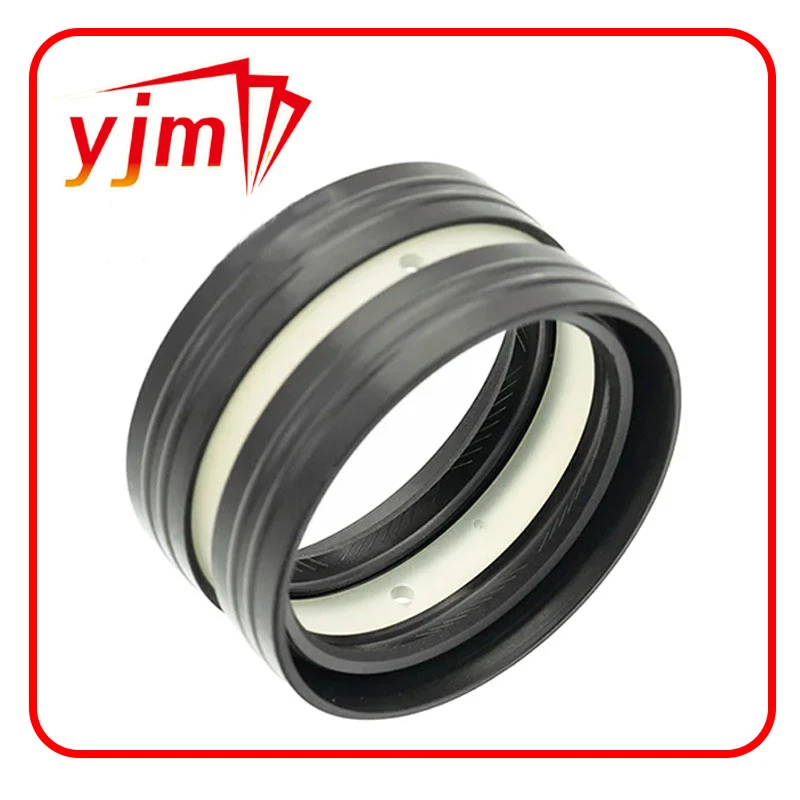
Seal, type d oil 9031634001 TOYOTA
 Afrikaans
 Albanian
 Amharic
 Arabic
 Armenian
 Azerbaijani
 Basque
 Belarusian
 Bengali
 Bosnian
 Bulgarian
 Catalan
 Cebuano
 Corsican
 Croatian
 Czech
Czech
 Danish
 Dutch
Dutch
 Esperanto
 Estonian
 Finnish
 French
 Frisian
 Galician
 Georgian
 German
 Greek
Greek
 Gujarati
 Haitian Creole
 Hausa
Hausa
 Hawaiian
 Hebrew
 Hindi
Hindi
 Miao
Miao
 Hungarian
 Icelandic
 Igbo
Igbo
 Indonesian
 Irish
Irish
 Italian
 Japanese
 Javanese
 Kannada
 Kazakh
 Khmer
Khmer
 Rwandese
 Korean
 Kurdish
 Kyrgyz
 Lao
Lao
 Latin
Latin
 Latvian
 Lithuanian
 Luxembourgish
 Macedonian
 Malgashi
 Malay
Malay
 Malayalam
 Maltese
 Maori
Maori
 Marathi
 Mongolian
 Myanmar
 Nepali
 Norwegian
 Norwegian
 Occitan
 Pashto
 Persian
 Polish
 Portuguese
 Punjabi
 Romanian
 Russian
 Samoan
 Scottish Gaelic
 Serbian
 Sesotho
 Shona
Shona
 Sindhi
 Sinhala
 Slovak
 Slovenian
 Somali
 Spanish
 Sundanese
 Swahili
 Swedish
 Tagalog
 Tajik
Tajik
 Tamil
Tamil
 Tatar
Tatar
 Telugu
 Thai
Thai
 Turkish
 Turkmen
 Ukrainian
 Urdu
Urdu
 Uighur
 Uzbek
Uzbek
 Vietnamese
 Welsh
Welsh
 Bantu
Bantu
 Yiddish
 Yoruba
 Zulu
Zulu
 English