Crankshaft Rear Main Oil Seal: Essential Guide for Global Industry Applications
Understanding the Crankshaft Rear Main Oil Seal: Why It Matters Globally
Let’s start simply: the crankshaft rear main oil seal might not be the most glamorous part of an engine, but it sure is one of the unsung heroes keeping things running smoothly. It’s crucial to preventing oil leakage around the crankshaft area where the engine meets the transmission. Globally, understanding and maintaining this component means fewer leaks, less pollution, and improved engine durability — all vital as industries worldwide push for sustainability and reliability.
Introduction: Global Relevance and Industry Context
Oddly enough, a tiny oil seal in engines plays a big role in the automotive and heavy machinery sectors across continents. According to the International Organization for Standardization (ISO), equipment downtime due to seal failures contributes significantly to maintenance costs and environmental hazards globally. The World Bank reports that vehicle efficiency improvements can reduce carbon emissions by up to 25%, where every component, including oil seals, counts.
The problem? These seals endure extreme heat, pressure, and mechanical stress. If they fail, oil leaks can damage engines and contaminate the environment. That’s why the demand for reliable crankshaft rear main oil seal solutions is rising exponentially, especially in regions investing in heavy transport and manufacturing infrastructure.
What Exactly Is a Crankshaft Rear Main Oil Seal?
In plain English, it’s a flexible rim that fits snugly around the crankshaft’s rear end inside the engine block. Its job: to keep engine oil from dripping out and to stop dirt or dust from slipping in. This little seal is critical in maintaining engine lubrication and performance.
It’s tied closely to modern industry because, as machines get more powerful and precise, so must their seals. Humanitarian and industrial sectors also rely on engines that won’t fail unexpectedly, especially in remote or disaster-prone areas where quick repair isn’t always possible.
Key Factors of Crankshaft Rear Main Oil Seals
1. Durability
Durability is non-negotiable here. These seals continuously tolerate high temperatures up to 150°C and friction from spinning shafts — often exceeding 4,000 RPM. Materials like Viton® or nitrile rubber are often chosen for their resilience and resistance to oil and heat.
2. Precision Engineering
The fit has to be perfect. Too loose — and leakages sneak in; too tight — and excessive wear happens. Manufacturers carefully control tolerances to microns, ensuring optimal sealing without hindering shaft motion.
3. Cost Efficiency
A top-quality seal might cost a bit more initially but far outpaces cheap alternatives by avoiding frequent replacements and preventing engine repair bills. Many engineers say investing in good seals saves money and headaches in the long run.
4. Compatibility
It needs to match various crankshaft sizes and engine designs. This adaptability is essential for industries ranging from automotive to marine engines.
5. Environmental Resistance
Resistance to contaminants like dust, water, and chemical exposure is vital to maintain sealing integrity and prevent premature failure.
Specifications Snapshot
| Specification | Typical Range / Value | Notes |
|---|---|---|
| Material | Viton®, Nitrile Rubber (NBR) | Depends on temperature, chemical resistance |
| Temperature Range | -40°C to 150°C | High-temperature seals available |
| Shaft Diameter Range | 20mm – 100mm+ | Custom sizes possible |
| Pressure Rating | Up to 1.5 bar (standard) | Varies with design |
Mini takeaway: The crankshaft rear main oil seal blends material science with mechanical precision to safeguard engine integrity, and it’s a tiny part doing mighty work.
Global Applications and Use Cases
From passenger cars in Europe to heavy-duty mining trucks in Australia, the crankshaft rear main oil seal is everywhere — quietly preventing disasters. In places like Southeast Asia, where monsoon rains challenge vehicle reliability, robust oil seals prevent critical leaks that could otherwise disable engines.
In industrial zones across North America, machinery with well-maintained seals yields higher uptime, supporting productivity and economic growth. Even humanitarian organizations depend on reliable engines with quality crankshaft rear main oil seal components in emergency vehicles and portable generators in disaster zones.
Vendor Comparison: Top Seal Manufacturers
| Vendor | Material Options | Customization | Typical Industries Served | Price Range |
|---|---|---|---|---|
| YJM Seal | Viton®, NBR, Silicone | High; custom sizes and specs | Automotive, marine, heavy machinery | $5-$20 per unit |
| ABC Seals | NBR, EPDM | Medium; standard stock sizes | General automotive, small engines | $3-$15 per unit |
| Global Seal Tech | Viton®, PTFE | High; advanced materials available | Aerospace, heavy industry | $10-$30 per unit |
Mini takeaway: Choosing the right vendor depends on your industry, material needs, and budget—the right crankshaft rear main oil seal supplier can make all the difference in engine reliability.
Advantages and Long-Term Value
- Cost Savings: Fewer replacements and repairs thanks to leak prevention.
- Environmental Impact: Reduced oil leaks mean less pollution and better compliance with environmental standards.
- Safety & Trust: Reliable engines translate to safer vehicles and machinery for workers and drivers.
- Innovation Leverage: New materials and designs support advances in engine efficiency and durability.
Looking Ahead: Future Trends & Innovations
Sustainability is on everyone’s mind, including oil seal manufacturers. Eco-friendly, bio-based elastomers are starting to enter the market. Digital manufacturing techniques allow for ultra-precise, customizable seals. We’re also seeing seals designed to perform better with electric hybrid engines, where temperature profiles differ.
Integration of sensors for real-time monitoring of seal performance could become mainstream, reducing unplanned failures dramatically.
Challenges and Expert Solutions
The seal faces wear and tear from constant heat and friction. Occasionally, cheaper seals don’t meet OEM specs, leading to early failure. Experts recommend routine inspections and using high-grade materials matched carefully to engine conditions.
Also, not all engines are the same — tailored designs rather than one-size-fits-all approaches help. Several vendors now offer in-depth consultation and custom prototyping, which is frankly a significant step forward.
FAQ: Frequently Asked Questions About Crankshaft Rear Main Oil Seal
- What causes a crankshaft rear main oil seal to fail prematurely?
- Common causes include improper installation, using incompatible materials for the engine environment, excessive crankshaft wear, or exposure to contaminants. Regular maintenance and quality seals help reduce these risks.
- How do I know when to replace my crankshaft rear main oil seal?
- Signs include visible oil leaks under the vehicle, smoke from the rear engine area, or unusual oil consumption. If you notice these, it’s time to inspect the seal and possibly replace it.
- Are aftermarket seals as reliable as OEM parts?
- Not always. Some aftermarket seals meet or exceed OEM standards, especially from reputable vendors like YJM Seal. However, cheaper options may cut corners on materials or precision, risking leaks.
- Can I install a crankshaft rear main oil seal myself?
- Installation requires precision tools and experience to avoid damaging the seal or crankshaft. It’s usually best left to professionals or qualified mechanics.
Conclusion & Call to Action
To sum it all up, the humble crankshaft rear main oil seal plays a vital, though often overlooked, role in engine performance and environmental stewardship. Investing in quality seals improves safety, saves money, and supports sustainable industry practices worldwide.
Curious to explore quality seal options? Visit YJM Seal for a broad selection of reliable, customizable crankshaft rear main oil seals that suit various engines and industrial needs.
Reflecting on this, it feels like the tiniest parts often tell the biggest stories — about innovation, durability, and care in engineering.
-
Guide to Choosing the Right Washer for Oil Change and Sealing
News Apr.16,2026
-
Essential Guide to High Quality rubber washer oil drain plug
News Apr.09,2026
-
Understanding Rubber Crush Washers for Optimal Sealing Performance
News Apr.07,2026
-
Comprehensive Guide to Understanding and Reusing Crush Washer for Optimal Sealing
News Apr.04,2026
-
The Vital Role of a Drain Screw Gasket in Fluid System Integrity
News Mar.31,2026
-
The Essential Guide to Drain Crush Washer Selection and Plumbing Leak Prevention
News Mar.28,2026
-
The Vital Role of a Crush Washer in Oil Changes for Engine Protection
News Mar.26,2026
Products categories
-
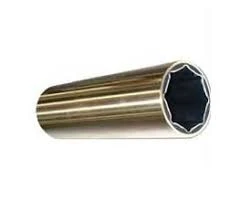
Brass cutlass marine bearing
-
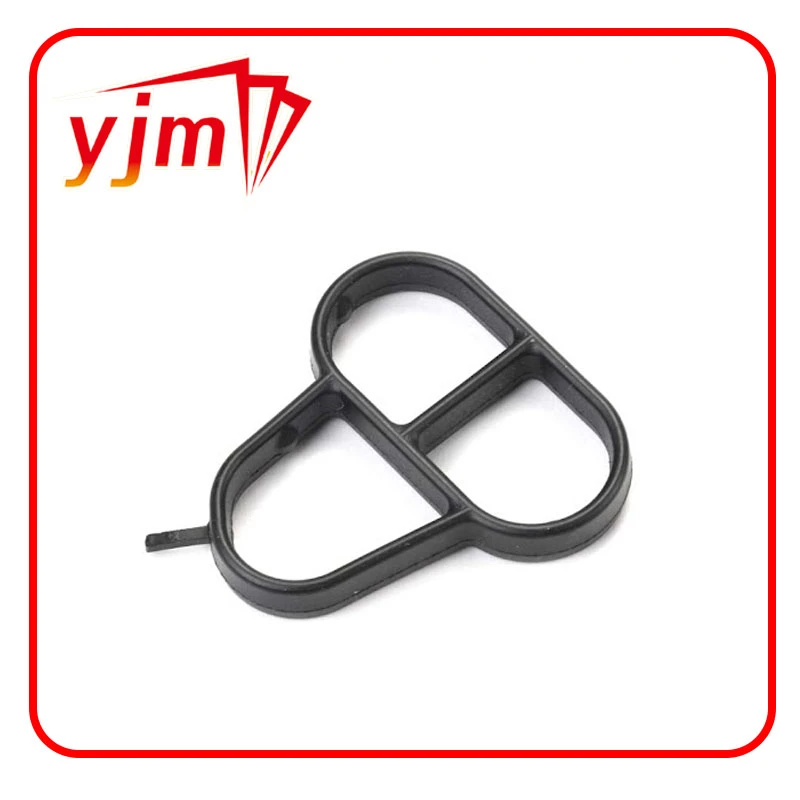
Genuine OEM Engine Oil Filter Housing Cover O-Ring For VW/Audi 06E115446
-
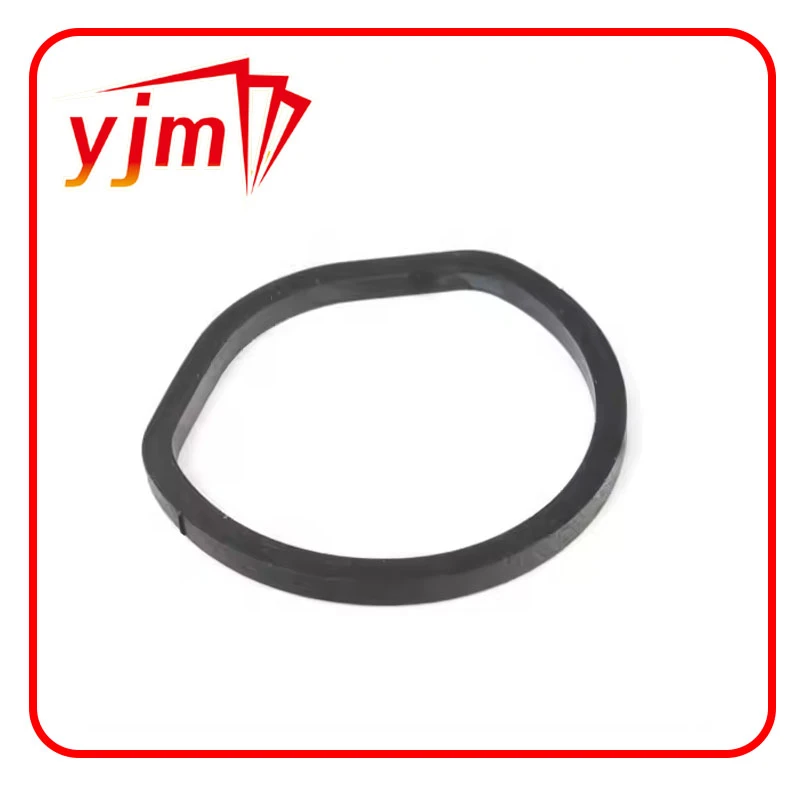
Oil Filter Stand Gasket,Oil filter cover seal
-
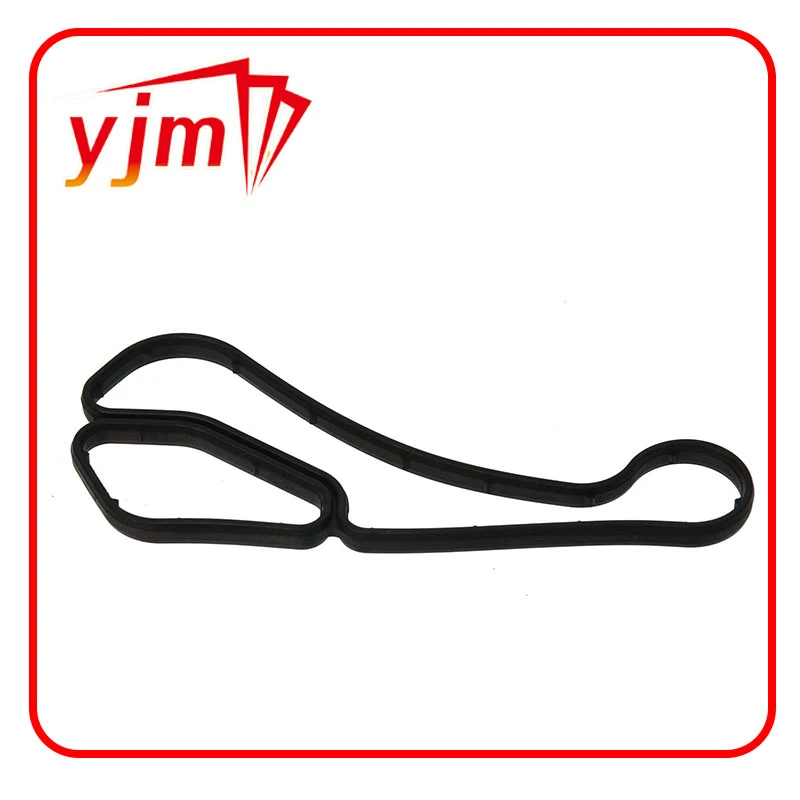
Oil Cooler Gasket, Oil Cooler to Oil Filter Housing 11427525335
-
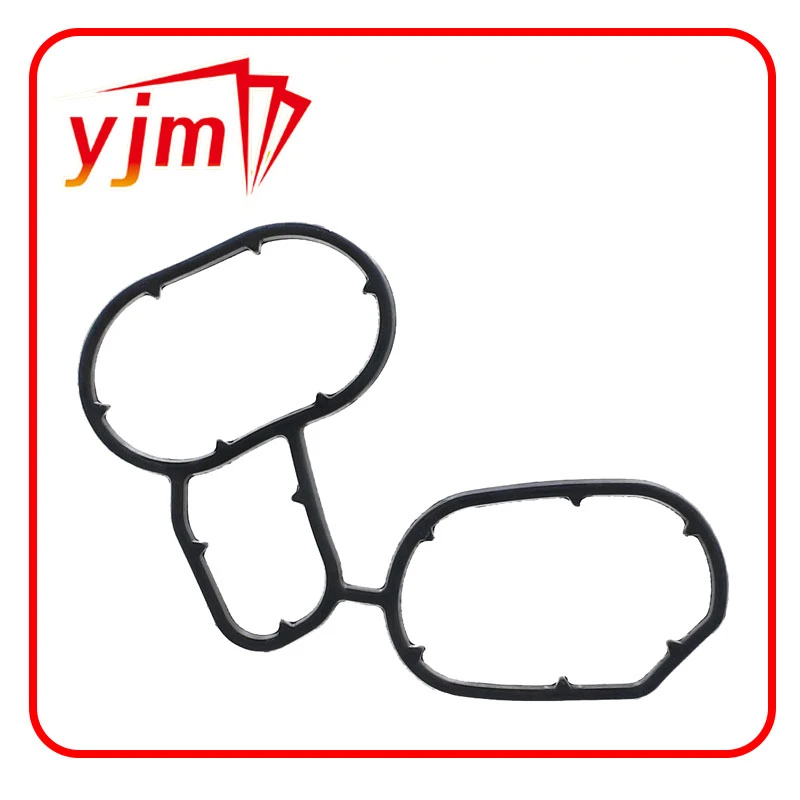
11427508970 BMW - OIL FILTER HOUSING GASKETS
-
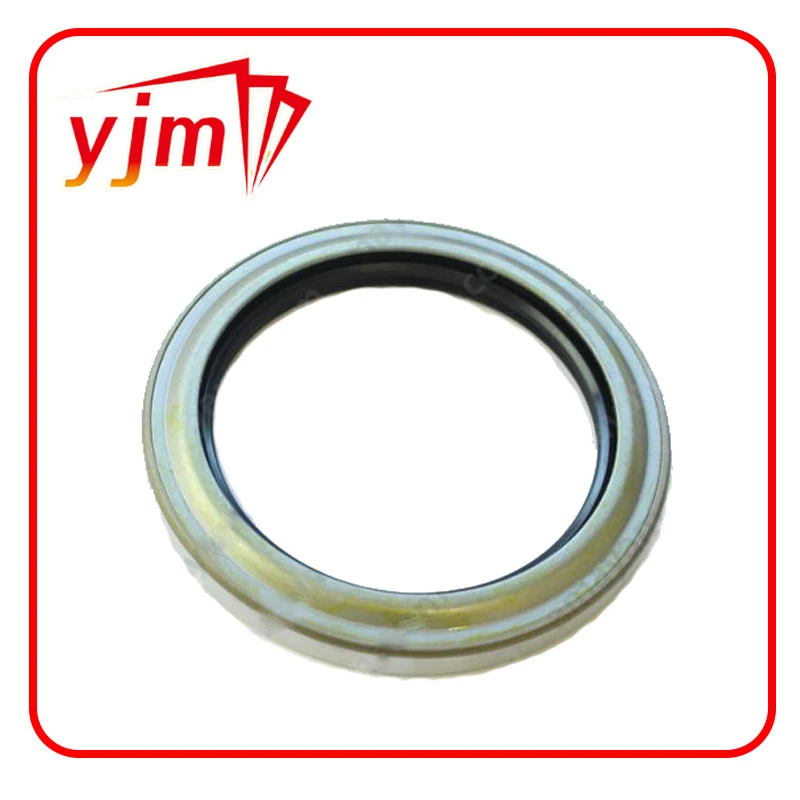
SEAL, OIL Genuine Toyota (9031170011)
-
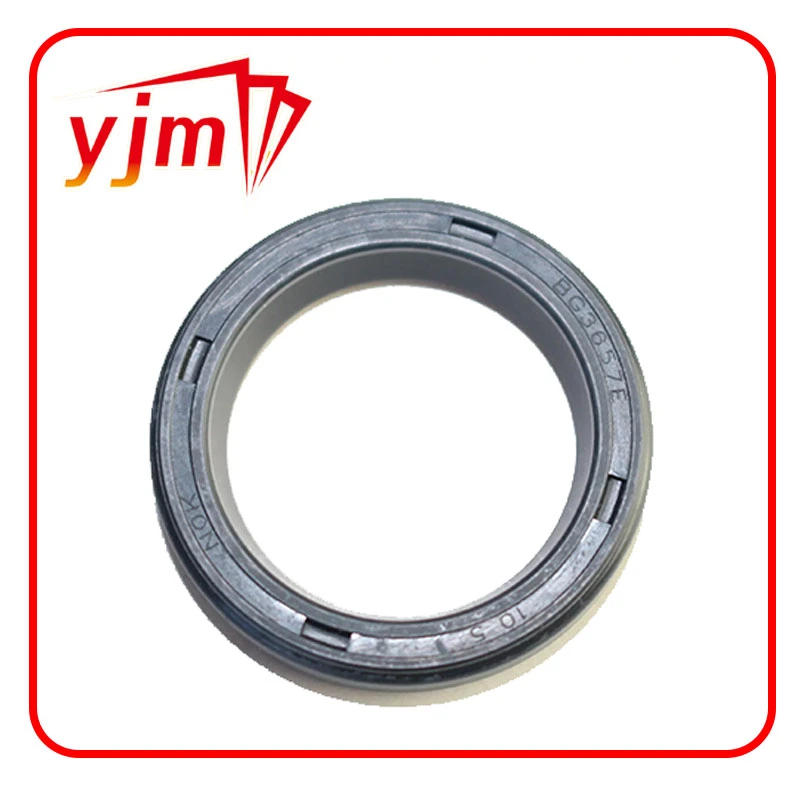
Transfer Case Output Shaft Seal Part 9031223001
-
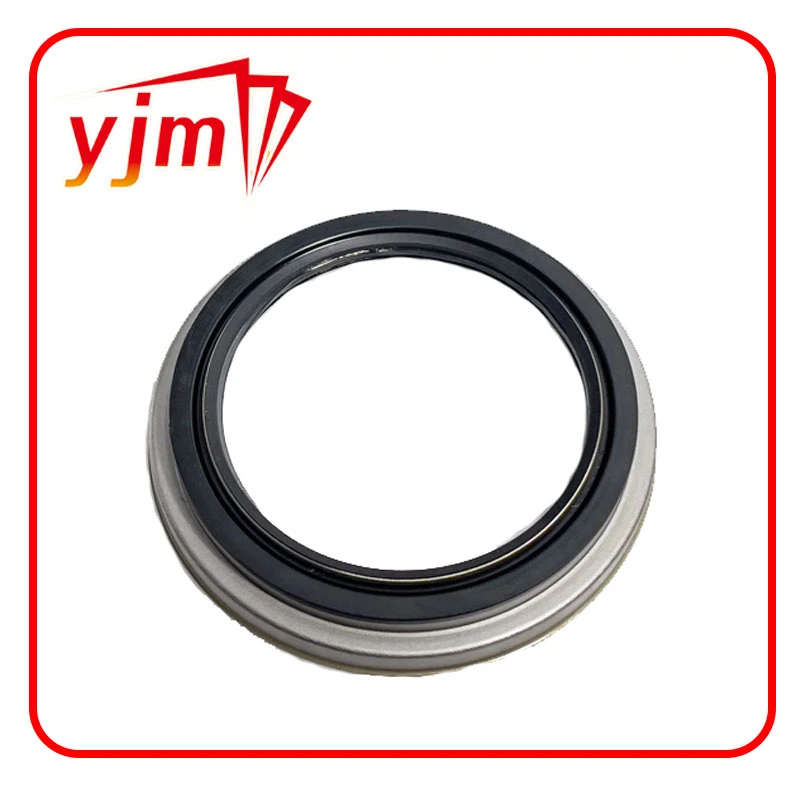
SEAL, OIL Genuine Toyota (9031672001)
-
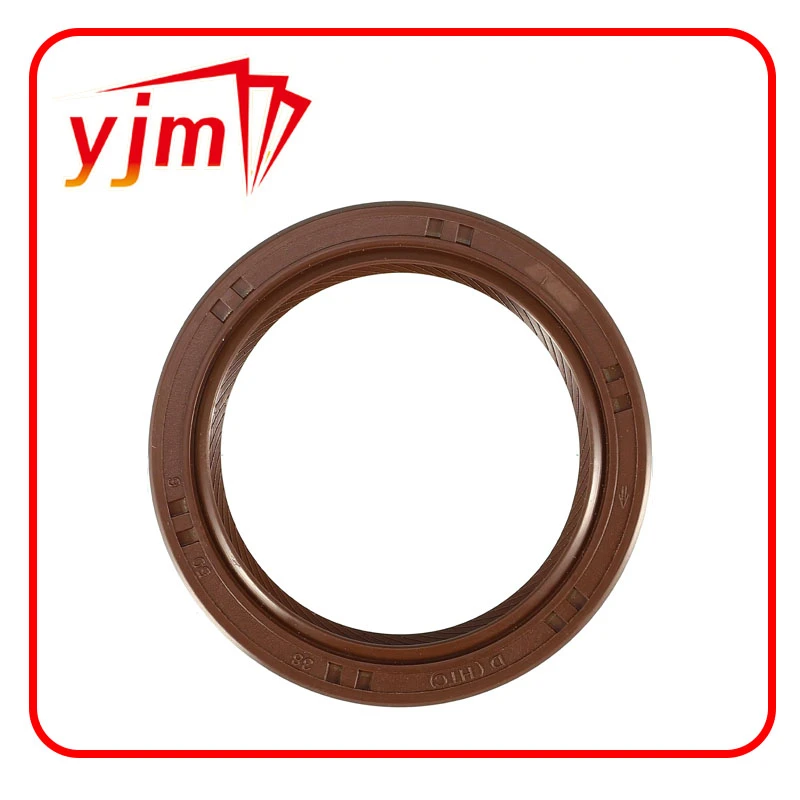
Engine Crankshaft Oil Seal No.9031138096
-
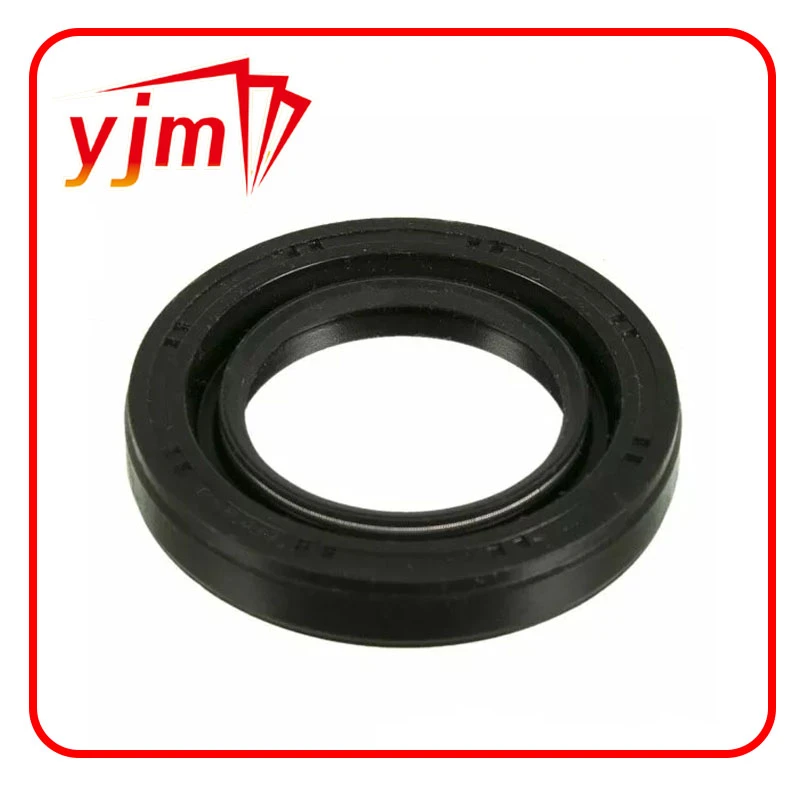
Toyota Transfer Case Output Shaft Seal Front 9031136006
-
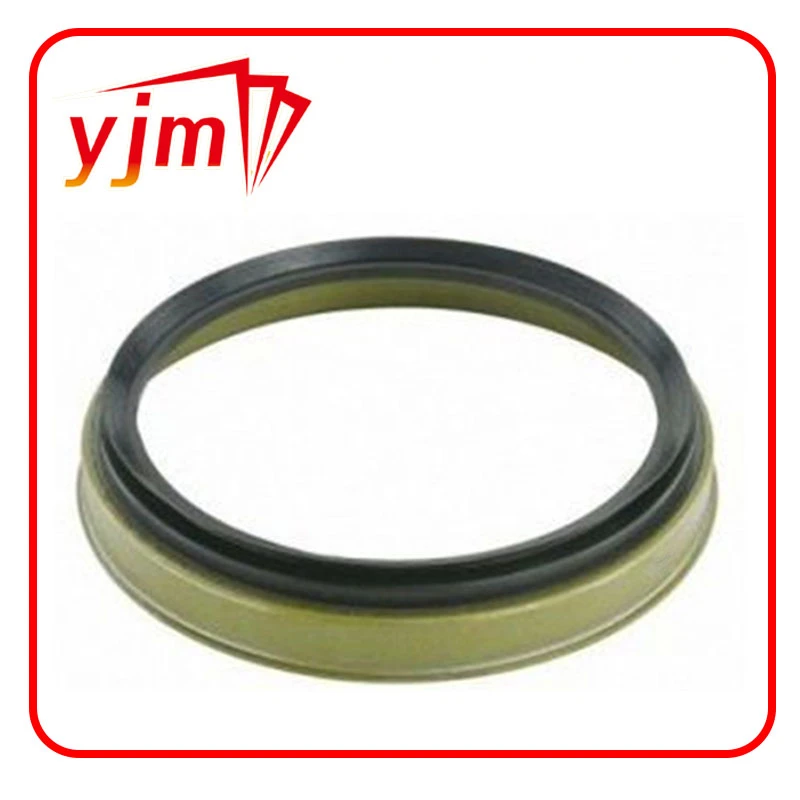
Seal, type v oil 9031287001 TOYOTA
-
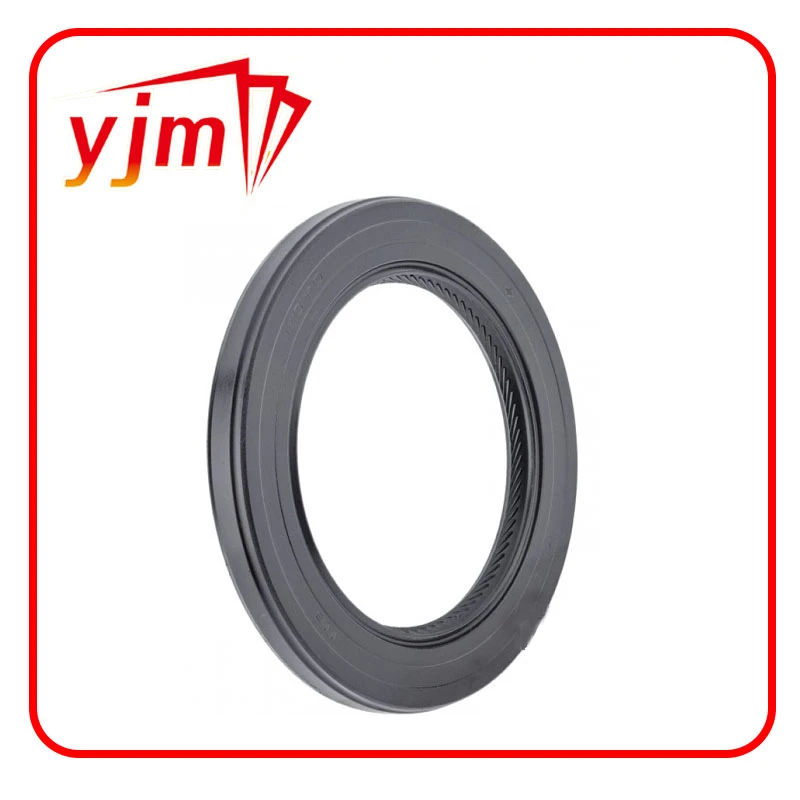
Oil pump seal 9031143010
-
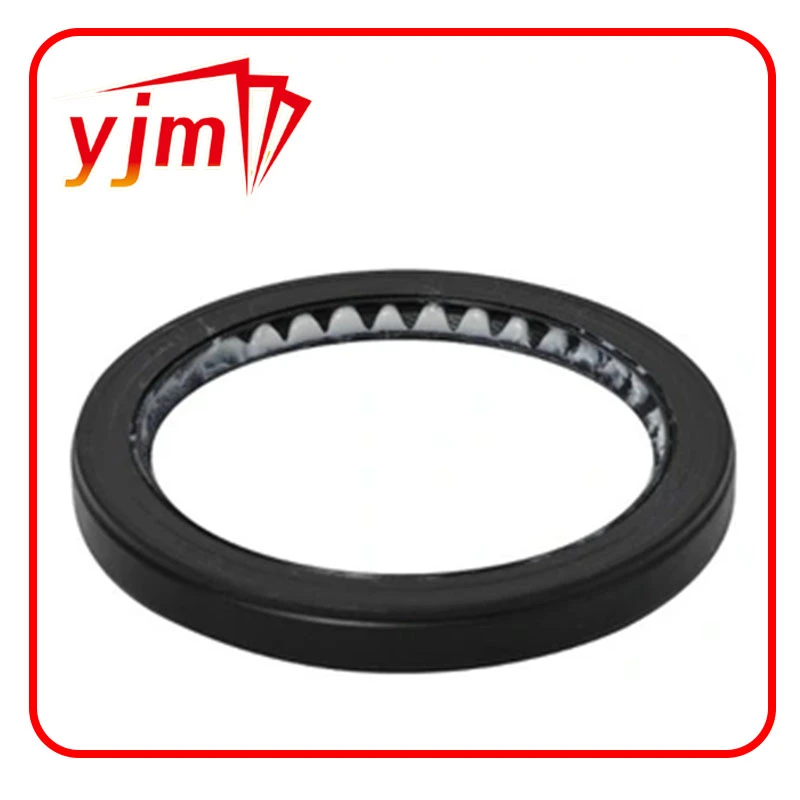
Genuine Toyota Oil SEAL 90311-54006
-
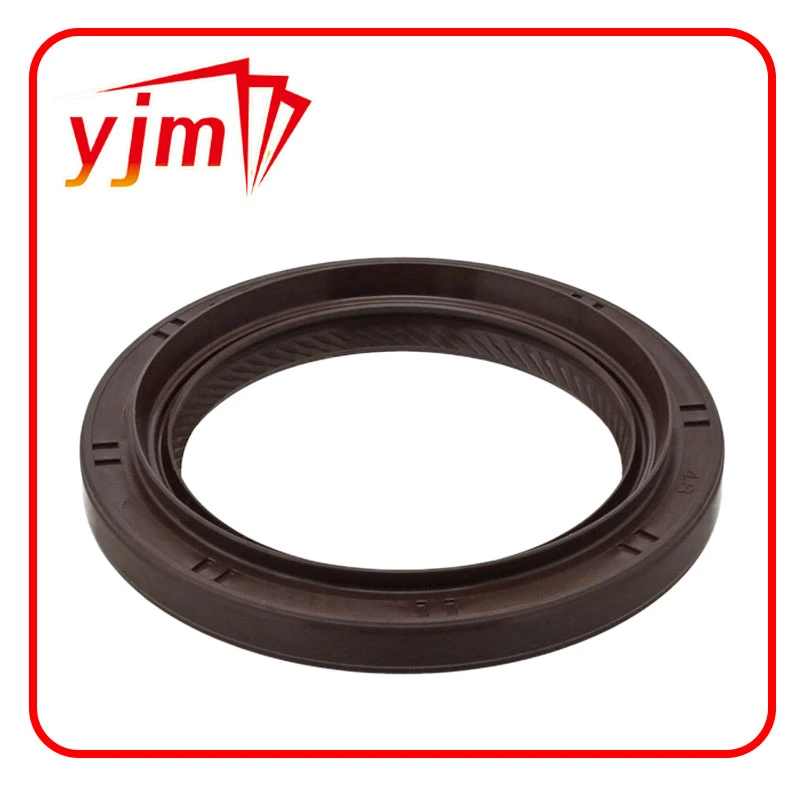
Toyota SEAL TYPE T OIL 90311-48031
-
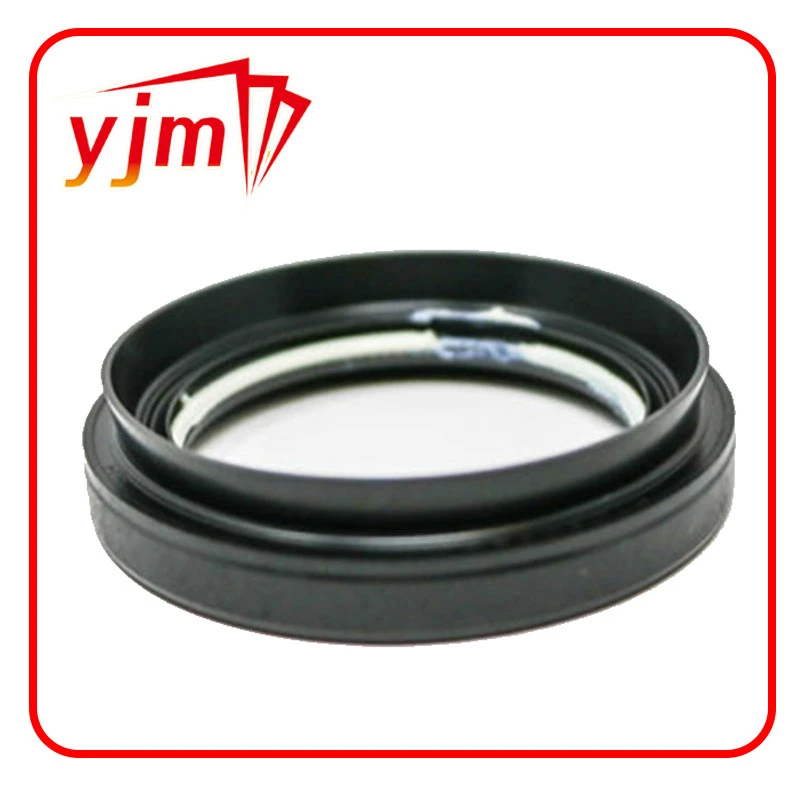
Type T Oil Seal, Front Drive Shaft, Left 9031150064
-
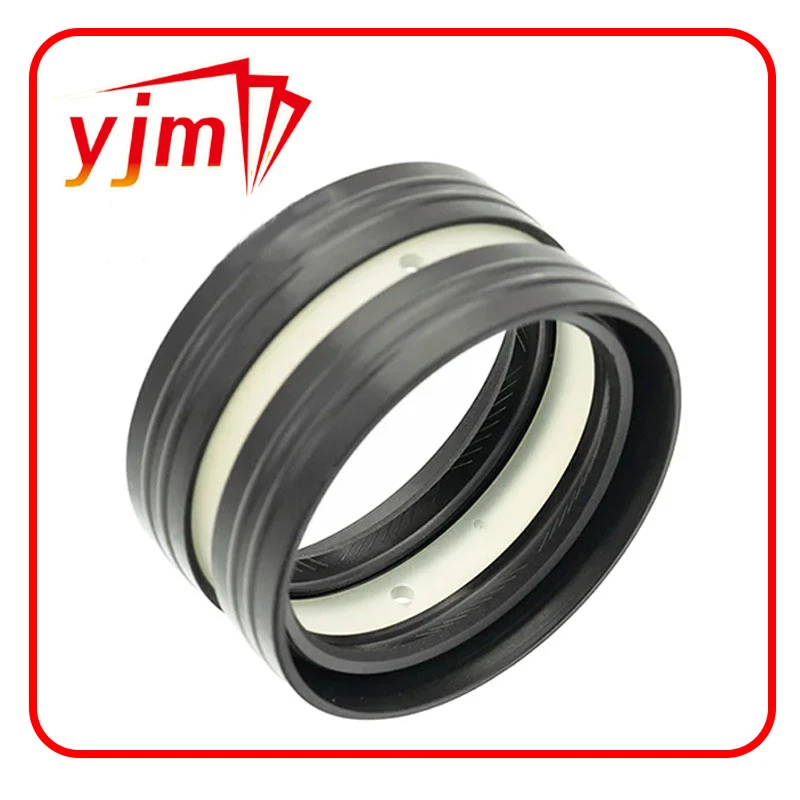
Seal, type d oil 9031634001 TOYOTA
 Afrikaans
 Albanian
 Amharic
 Arabic
 Armenian
 Azerbaijani
 Basque
 Belarusian
 Bengali
 Bosnian
 Bulgarian
 Catalan
 Cebuano
 Corsican
 Croatian
 Czech
Czech
 Danish
 Dutch
Dutch
 Esperanto
 Estonian
 Finnish
 French
 Frisian
 Galician
 Georgian
 German
 Greek
Greek
 Gujarati
 Haitian Creole
 Hausa
Hausa
 Hawaiian
 Hebrew
 Hindi
Hindi
 Miao
Miao
 Hungarian
 Icelandic
 Igbo
Igbo
 Indonesian
 Irish
Irish
 Italian
 Japanese
 Javanese
 Kannada
 Kazakh
 Khmer
Khmer
 Rwandese
 Korean
 Kurdish
 Kyrgyz
 Lao
Lao
 Latin
Latin
 Latvian
 Lithuanian
 Luxembourgish
 Macedonian
 Malgashi
 Malay
Malay
 Malayalam
 Maltese
 Maori
Maori
 Marathi
 Mongolian
 Myanmar
 Nepali
 Norwegian
 Norwegian
 Occitan
 Pashto
 Persian
 Polish
 Portuguese
 Punjabi
 Romanian
 Russian
 Samoan
 Scottish Gaelic
 Serbian
 Sesotho
 Shona
Shona
 Sindhi
 Sinhala
 Slovak
 Slovenian
 Somali
 Spanish
 Sundanese
 Swahili
 Swedish
 Tagalog
 Tajik
Tajik
 Tamil
Tamil
 Tatar
Tatar
 Telugu
 Thai
Thai
 Turkish
 Turkmen
 Ukrainian
 Urdu
Urdu
 Uighur
 Uzbek
Uzbek
 Vietnamese
 Welsh
Welsh
 Bantu
Bantu
 Yiddish
 Yoruba
 Zulu
Zulu
 English