Comprehensive Guide to Sump Plug Seals: Benefits, Applications & Innovations
Understanding the Sump Plug Seal: Essential Insights for Industry and Beyond
The sump plug seal might not be a phrase you hear every day, but in many industrial sectors and maintenance operations globally, it’s absolutely vital. Simply put, it’s the tiny component that prevents leakage, contamination, or environmental hazards at the base of sump pumps, drainage systems, and oil pans. Given that fluid containment plays a huge role in everything from automotive manufacturing to wastewater treatment, understanding sump plug seals isn’t just a technicality. It’s a matter of safety, sustainability, and cost-effectiveness worldwide.
In an era where industries are pushing harder for efficiency and environmental responsibility, small upgrades in seals can have huge ripple effects. And frankly, you’d be surprised how often a sump plug seal can be a hidden hero in preventing costly leaks or even pollution events. So, whether you’re a mechanical engineer, facility manager, or just curious about maintenance tech, this rundown will clarify why sump plug seals matter.
Global Context: Why the Sump Plug Seal Matters in Industry
As of the latest UN environmental statistics, industries contribute to nearly 30% of global water pollution through accidental leaks and improper fluid containment. While this is a massive topic, inefficient sealing systems at sump plugs often play a surprisingly key role.
The International Organization for Standardization (ISO) has developed rigorous standards (ISO 3601-3 seals for hydraulic fluids and fuels) that necessitate reliable sump plug sealing to avoid environmental contamination. In high-volume sectors like petrochemicals, mining, and municipal water treatment plants, the seal's integrity directly impacts operations, compliance, and long-term costs.
Leakages don’t just mean lost fluids – they mean potential health hazards, safety violations, and expensive downtime. The global shift toward stricter environmental regulations means sump plug seal quality is more than just an engineering concern—it’s an economic and ethical imperative.
What Is a Sump Plug Seal?
In essence, a sump plug seal is a gasket or O-ring placed around the plug that goes into a sump’s drain hole or oil pan. Its primary job is to form a watertight (or fluid-tight) barrier to prevent leakage of oil, water, or chemicals from the sump or machinery. Unlike other seals, sump plug seals have to withstand pressure fluctuations, temperature changes, and chemical exposure.
Think of it as the unsung hero sitting quietly at the base of your drainage or sump system—holding back leaks and making sure contamination stays out of surrounding soil or water. The seal’s simple design masks its critical role in modern industry and environmental management.
Key Components & Factors in Sump Plug Seal Selection
Durability
Materials like nitrile rubber, silicone, or Viton are popular because they resist wear and chemical degradation. A seal that fails after a short service period can cause leaks and costly maintenance.
Temperature Resistance
Since sumps may be exposed to hot oils or cold water, the seal material must handle from -40°C up to 150°C in many cases, sometimes even more depending on the application.
Chemical Compatibility
It’s vital that the seal won’t swell, crack, or dissolve when in contact with fuels, lubricants, or industrial chemicals.
Ease of Installation & Maintenance
Quick, foolproof installation minimizes downtime. Many sump plug seals now come with design enhancements like chamfered edges to facilitate easier fitting.
Cost Efficiency
Not just price per unit, but factoring in longevity and maintenance savings.
| Specification | Typical Range | Materials |
|---|---|---|
| Temperature Range | -40°C to +150°C | Nitrile, Silicone, Viton |
| Chemical Resistance | High (fuels, oils, water) | Fluoroelastomers, Polyurethane |
| Hardness (Shore A) | 50-80 | Various elastomers |
| Service Life | 2-10 years (depends on conditions) | N/A |
Mini takeaway: Picking the right sump plug seal is a balance of material science, cost, and real-world conditions—each factor shaping longevity and safety.
Global Applications & Use Cases for Sump Plug Seals
- Automotive industry: Prevents oil pan leaks, crucial for emissions standards and maintenance.
- Wastewater treatment plants: Ensures drainage systems maintain fluid integrity and no contamination spills.
- Mining operations: In harsh environments, sump plug seals protect pumps handling slurry and chemicals.
- Shipping and marine: Marine vessels depend on them to secure bilge sump pumps against seawater intrusion.
- Post-disaster relief: Temporary water management systems use reliable sump plug seals to avoid contamination during recovery.
Oddly enough, even in remote industrial zones in Australia or Canada, the humble sump plug seal can make the difference between environmental compliance and penalties.
Advantages and Long-Term Value
It’s a bit like investing in good shoes—you might not notice them until they fail. Good sump plug seals deliver:
- Leak prevention: Avoid costly cleanup and downtime.
- Environmental safety: Limits soil and water contamination.
- Cost savings: Long service life reduces frequency of replacements.
- Compliance assurance: Meets ISO and local regulatory standards.
- Peace of mind: Safety for workers and nearby communities.
Many engineers I've talked to emphasize the “trust factor” — knowing your seals will hold up under pressure makes a big difference in daily operations.
Future Trends and Innovations
The world is moving fast: new materials like graphene-infused elastomers promise even better resilience, while smart seals equipped with sensors to detect wear and leakage are on the horizon. Sustainability is also a big deal — biodegradable or recyclable seal materials could reduce waste in high-turnover industries.
Digital transformation means predictive maintenance could monitor seal performance in real-time, preventing failures before they happen. Also, automation in manufacturing means seals are becoming more uniform, thus more reliable.
Challenges and Expert Solutions
That said, not all sump plug seals are created equal. Some challenges persist:
- Material degradation: Especially in exposed, fluctuating environments.
- Installation errors: Incorrect fitting leads to premature leaks.
- Supply chain issues: Specialized materials sometimes face supply delays.
Leading seal vendors now offer tailored training for installation teams and flexible sourcing options. Using quality controls like ISO 3601 standards testing and third-party verification can also reduce failures.
| Vendor | Material Options | Price Range | Lead Time | Notes |
|---|---|---|---|---|
| YJM Seal | Nitrile, Viton, Silicone | $$ - Competitive | 2-3 weeks | ISO certified, customizable sizes |
| SealTech Pro | Fluoroelastomers, Polyurethane | $$$ - Premium | 4-6 weeks | Advanced durability, integrated sensors |
| Global Seal Inc. | Silicone, Nitrile | $ - Budget | 1-2 weeks | Wide availability, less customizable |
FAQ: Frequently Asked Questions About Sump Plug Seals
- What materials are best for sump plug seals in oil-contaminated environments?
- Nitrile and Viton are generally preferred due to their excellent resistance to oils and fuels. Viton especially offers superior chemical resistance and temperature tolerance, making it ideal for demanding industrial conditions.
- How often should sump plug seals be replaced?
- Replacement intervals vary depending on operating conditions but typically range from 2 to 5 years. Regular inspections, particularly after maintenance or exposure to harsh chemicals, help catch wear before leaks occur.
- Can sump plug seals help meet environmental compliance?
- Absolutely. Reliable sealing prevents leakages that could contaminate soil or water. Using ISO-certified seals aids in meeting regulatory requirements and avoiding penalties.
- Are there automated monitoring options for sump plug seals?
- While still emerging, some suppliers offer sensor-integrated seals or external leak-detection systems that notify maintenance teams of issues early, reducing unplanned downtime.
- Where can I buy quality sump plug seals?
- You can source seals from specialized vendors such as YJM Seal, who offer a range of materials, sizes, and certifications tailored to your application.
Conclusion & Call to Action
Long story short: the sump plug seal may be a tiny part of your system, but it’s a linchpin for efficient, safe, and eco-conscious industrial operations. Choosing the right seal means reduced downtime, stronger compliance with global standards, and genuine peace of mind.
If you want to explore dependable sump plug seals tailored to your needs, what I’d recommend is visiting YJM Seal. They’re industry veterans who deliver quality that truly lasts.
It’s funny how a simple rubber ring can make such a difference – reminds me that sometimes, small details carry the weight of big outcomes.
References
-
Guide to Choosing the Right Washer for Oil Change and Sealing
News Apr.16,2026
-
Essential Guide to High Quality rubber washer oil drain plug
News Apr.09,2026
-
Understanding Rubber Crush Washers for Optimal Sealing Performance
News Apr.07,2026
-
Comprehensive Guide to Understanding and Reusing Crush Washer for Optimal Sealing
News Apr.04,2026
-
The Vital Role of a Drain Screw Gasket in Fluid System Integrity
News Mar.31,2026
-
The Essential Guide to Drain Crush Washer Selection and Plumbing Leak Prevention
News Mar.28,2026
-
The Vital Role of a Crush Washer in Oil Changes for Engine Protection
News Mar.26,2026
Products categories
-
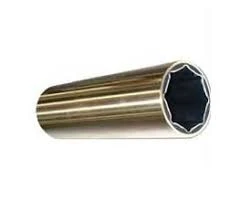
Brass cutlass marine bearing
-
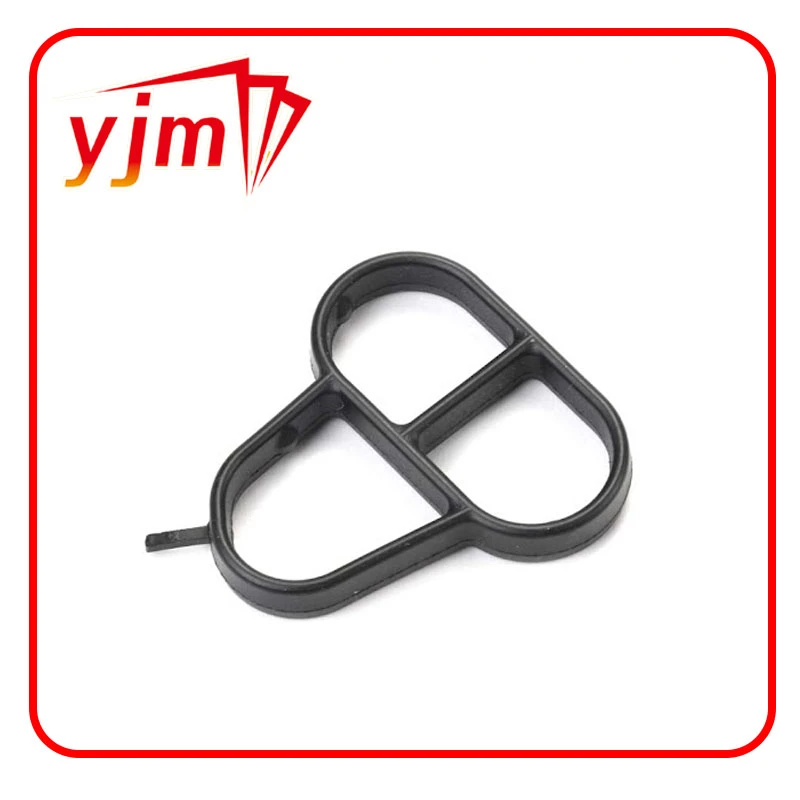
Genuine OEM Engine Oil Filter Housing Cover O-Ring For VW/Audi 06E115446
-
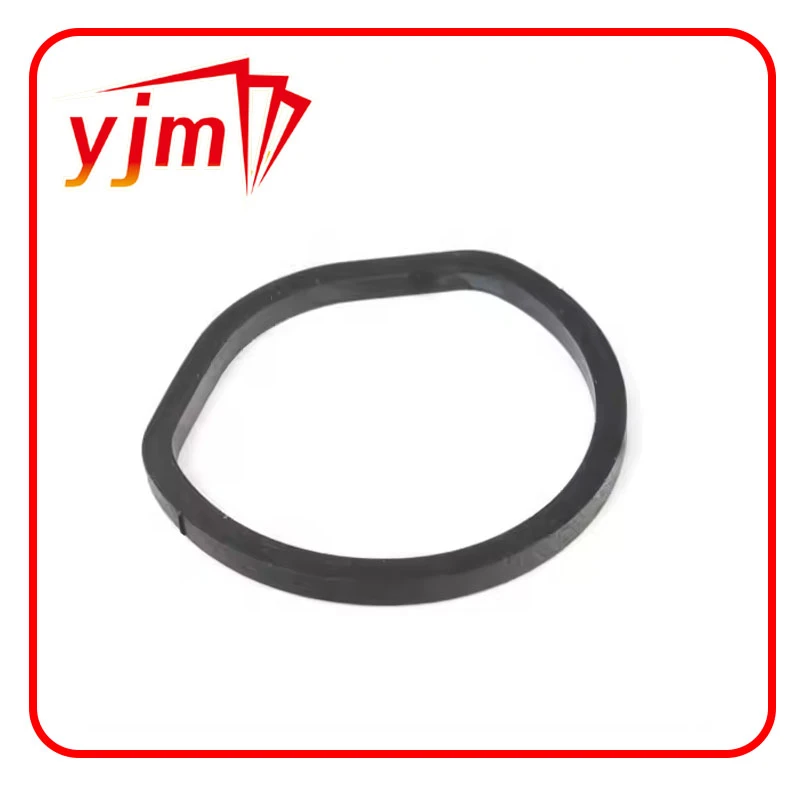
Oil Filter Stand Gasket,Oil filter cover seal
-
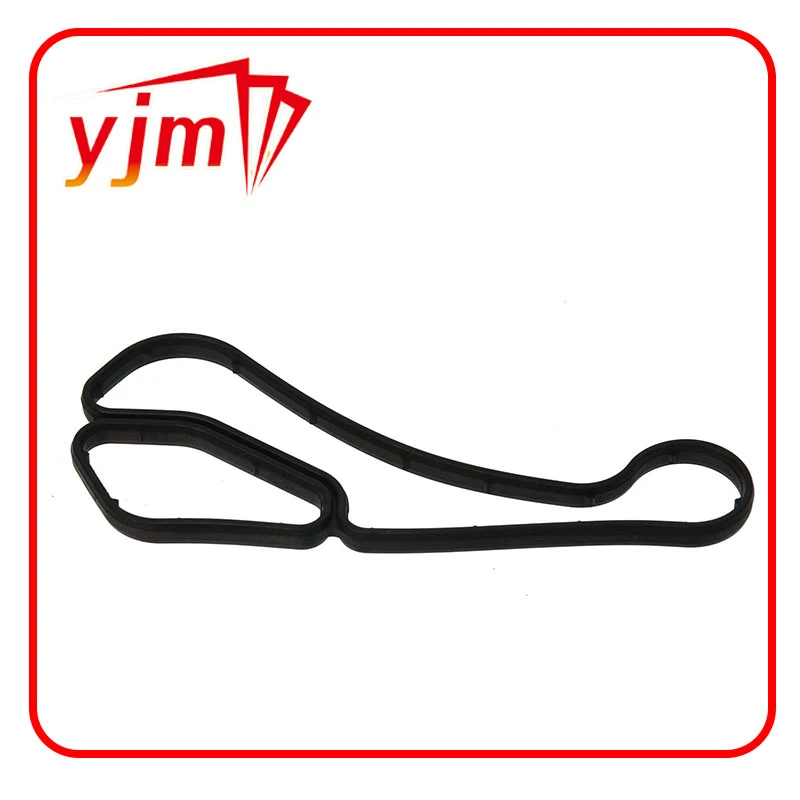
Oil Cooler Gasket, Oil Cooler to Oil Filter Housing 11427525335
-
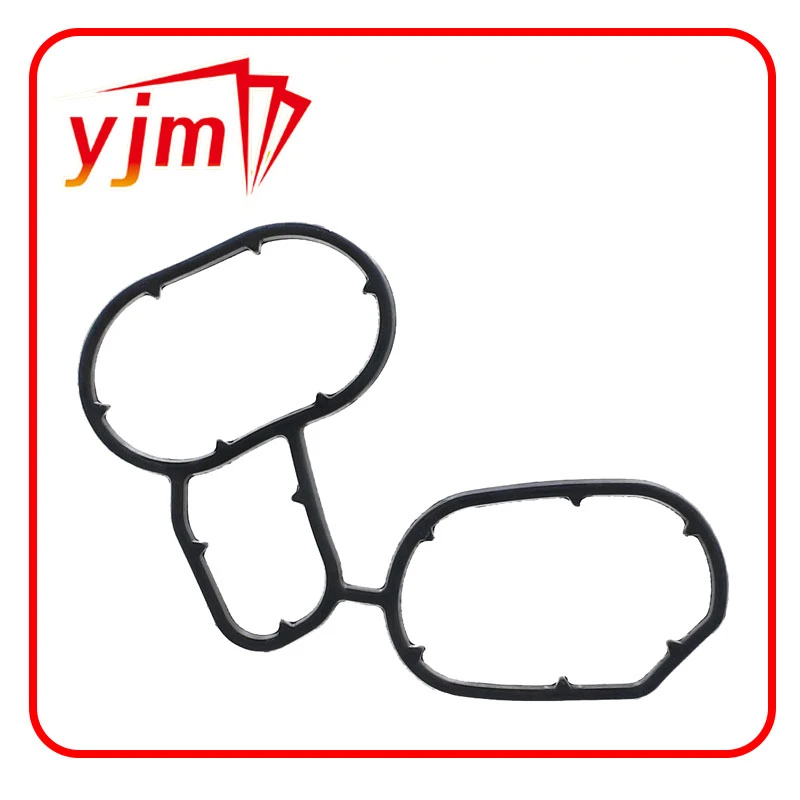
11427508970 BMW - OIL FILTER HOUSING GASKETS
-
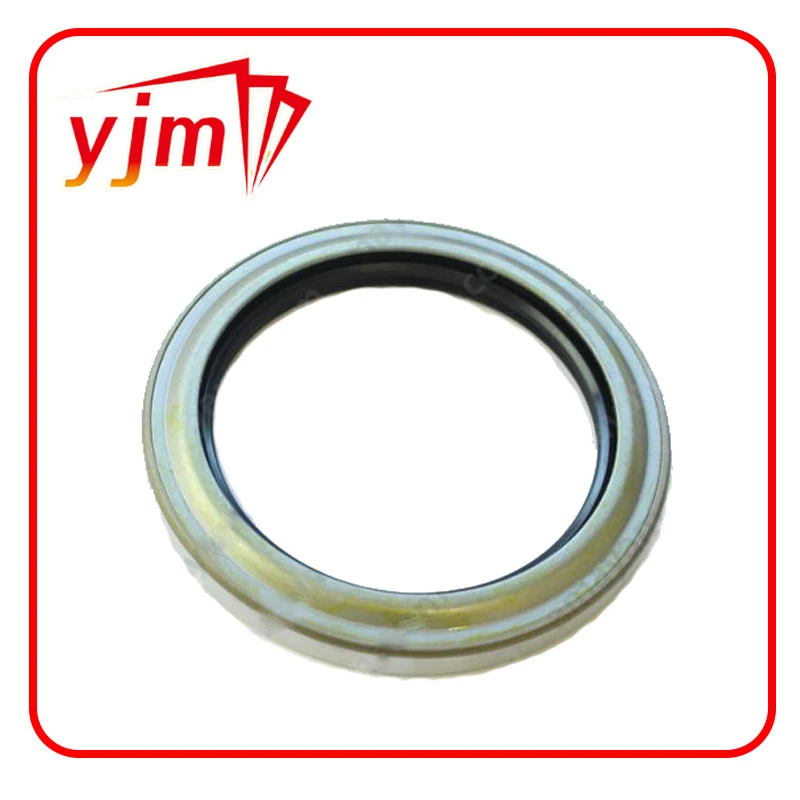
SEAL, OIL Genuine Toyota (9031170011)
-
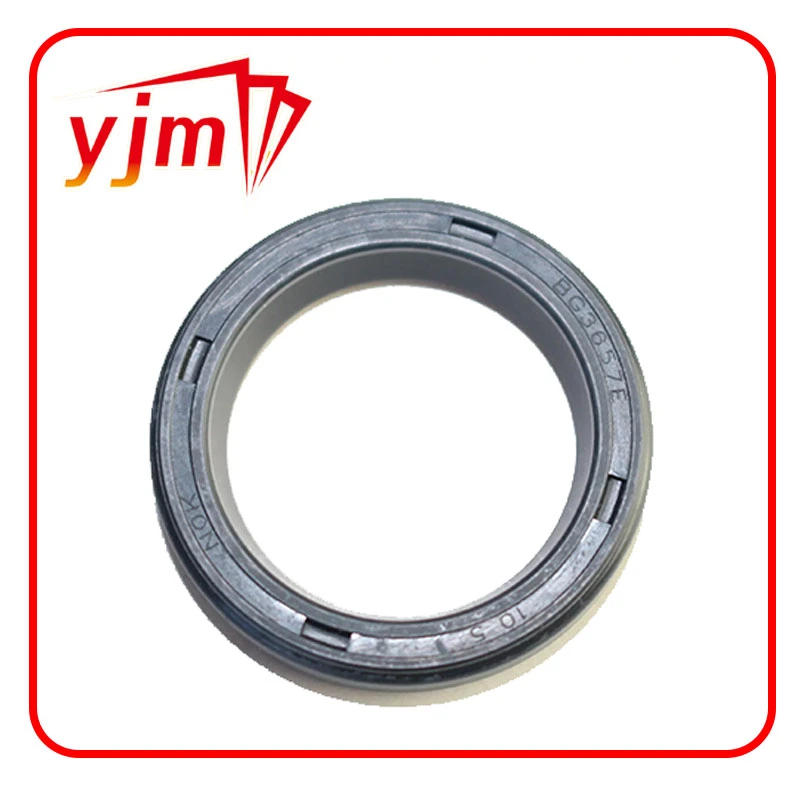
Transfer Case Output Shaft Seal Part 9031223001
-
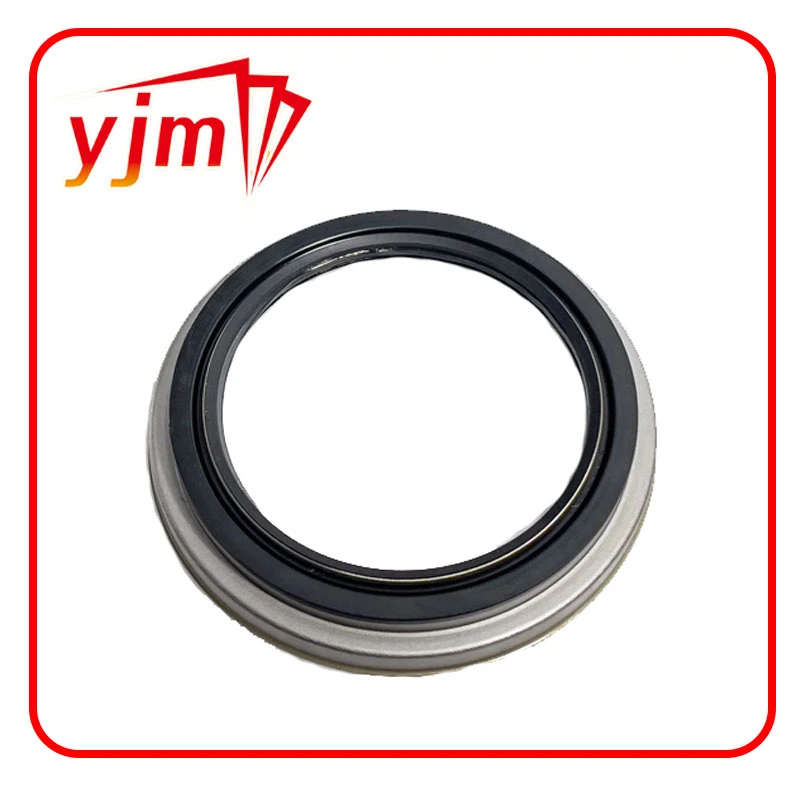
SEAL, OIL Genuine Toyota (9031672001)
-
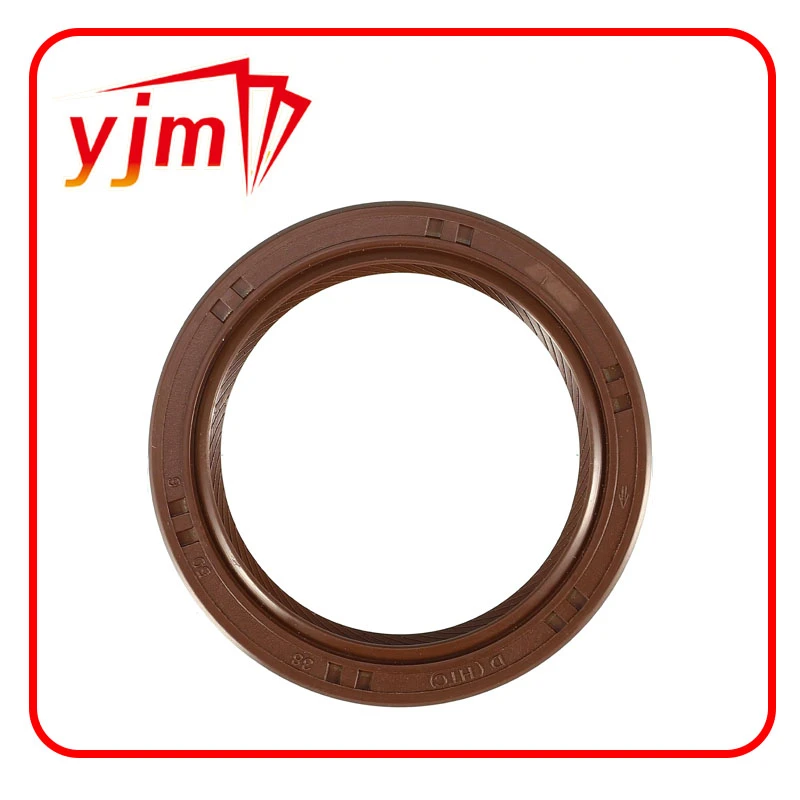
Engine Crankshaft Oil Seal No.9031138096
-
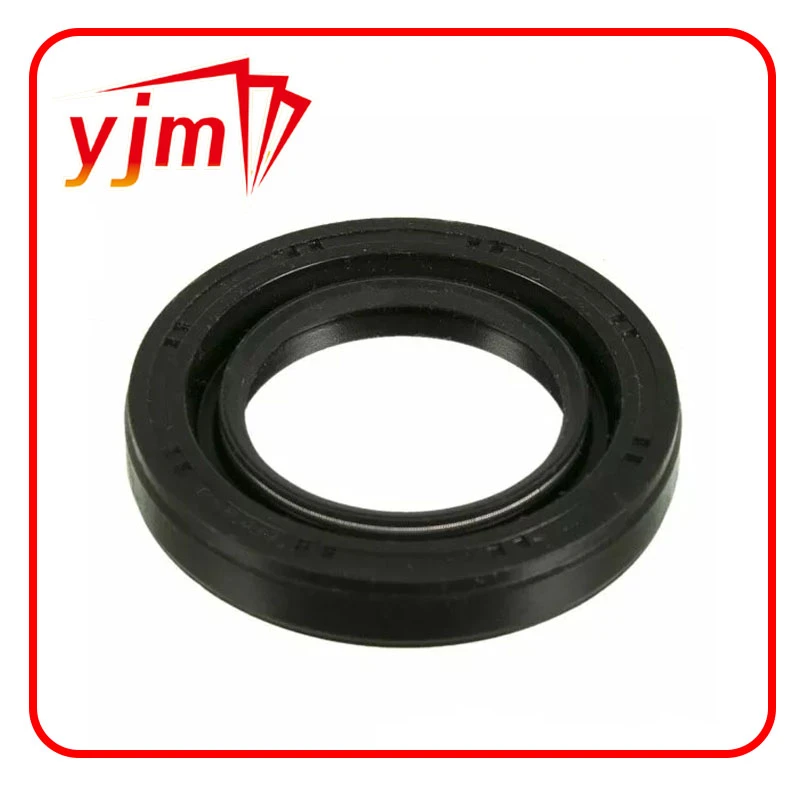
Toyota Transfer Case Output Shaft Seal Front 9031136006
-
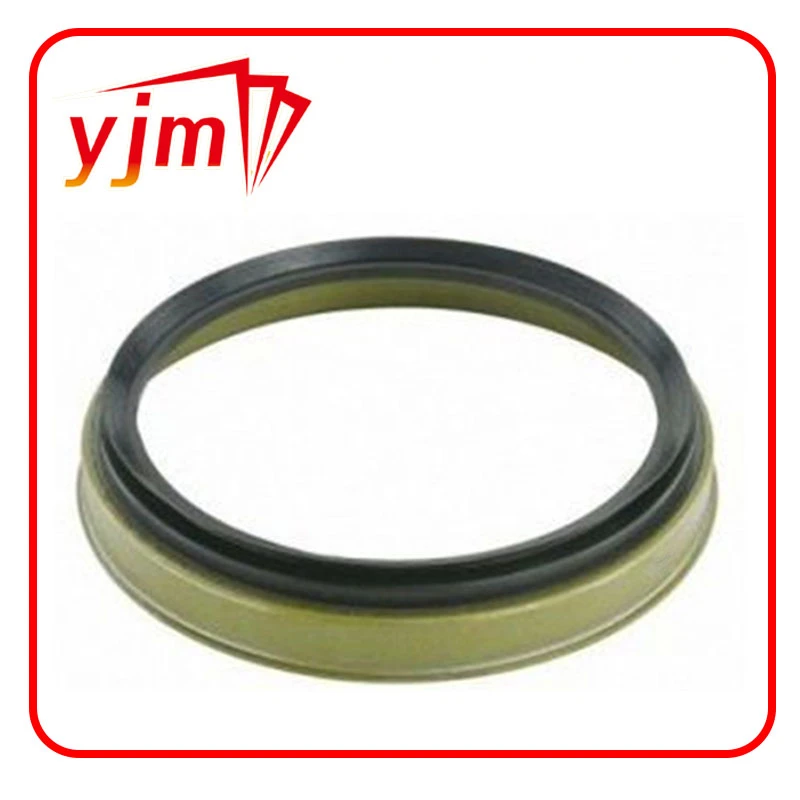
Seal, type v oil 9031287001 TOYOTA
-
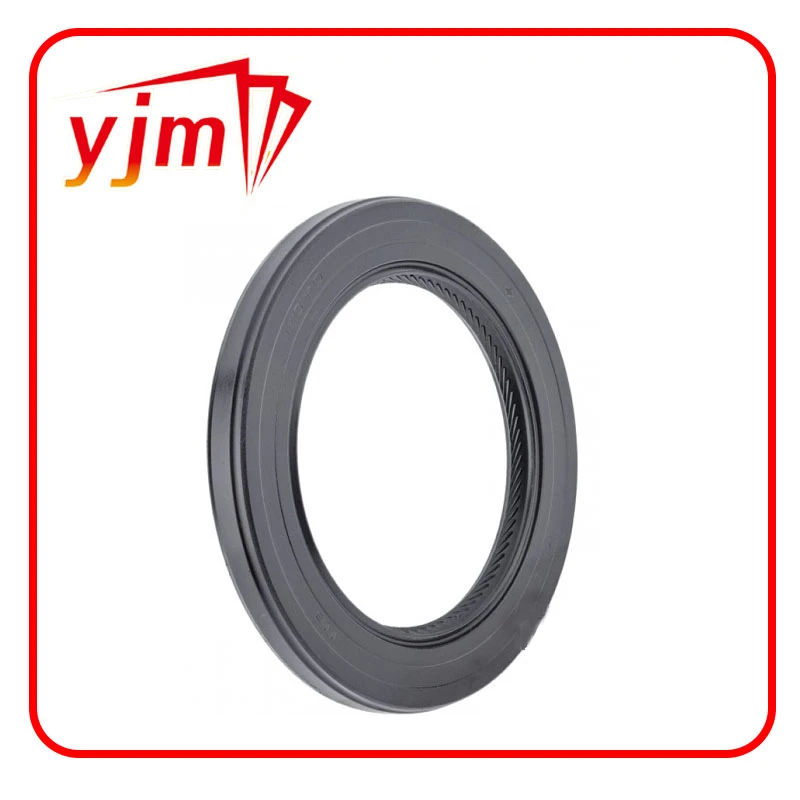
Oil pump seal 9031143010
-
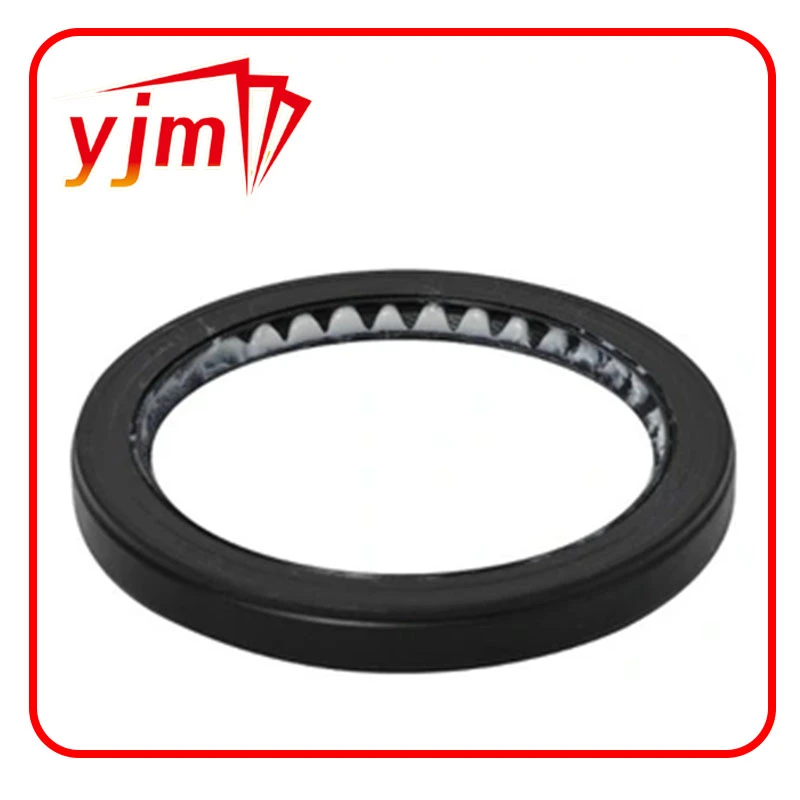
Genuine Toyota Oil SEAL 90311-54006
-
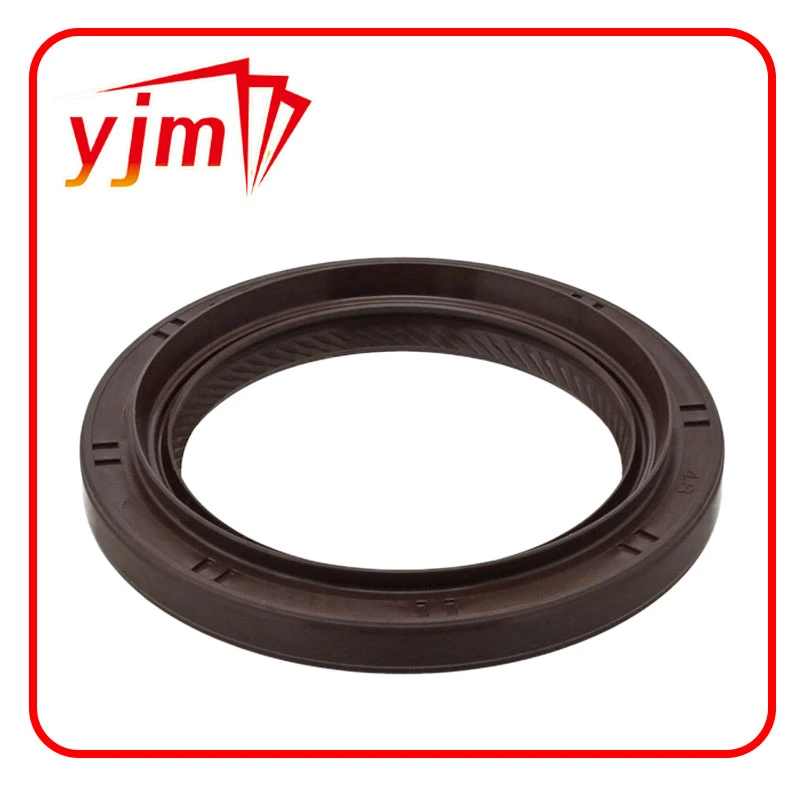
Toyota SEAL TYPE T OIL 90311-48031
-
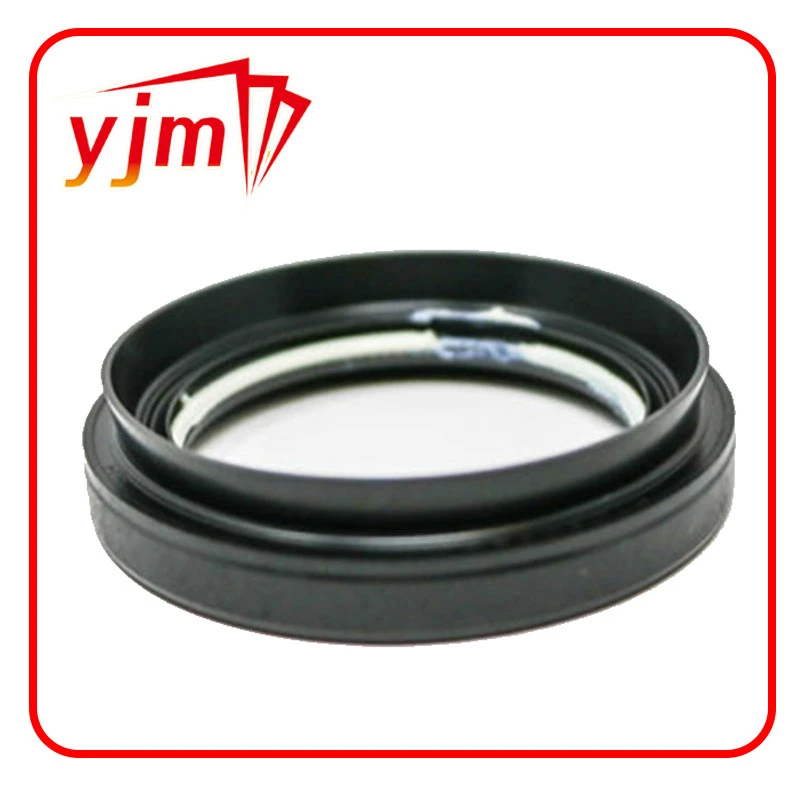
Type T Oil Seal, Front Drive Shaft, Left 9031150064
-
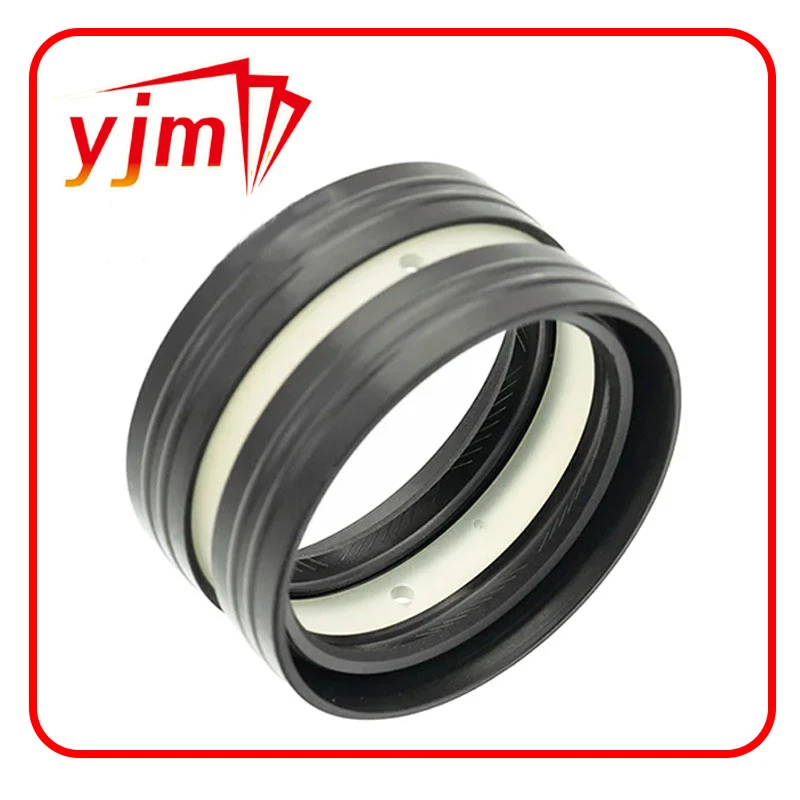
Seal, type d oil 9031634001 TOYOTA
 Afrikaans
 Albanian
 Amharic
 Arabic
 Armenian
 Azerbaijani
 Basque
 Belarusian
 Bengali
 Bosnian
 Bulgarian
 Catalan
 Cebuano
 Corsican
 Croatian
 Czech
Czech
 Danish
 Dutch
Dutch
 Esperanto
 Estonian
 Finnish
 French
 Frisian
 Galician
 Georgian
 German
 Greek
Greek
 Gujarati
 Haitian Creole
 Hausa
Hausa
 Hawaiian
 Hebrew
 Hindi
Hindi
 Miao
Miao
 Hungarian
 Icelandic
 Igbo
Igbo
 Indonesian
 Irish
Irish
 Italian
 Japanese
 Javanese
 Kannada
 Kazakh
 Khmer
Khmer
 Rwandese
 Korean
 Kurdish
 Kyrgyz
 Lao
Lao
 Latin
Latin
 Latvian
 Lithuanian
 Luxembourgish
 Macedonian
 Malgashi
 Malay
Malay
 Malayalam
 Maltese
 Maori
Maori
 Marathi
 Mongolian
 Myanmar
 Nepali
 Norwegian
 Norwegian
 Occitan
 Pashto
 Persian
 Polish
 Portuguese
 Punjabi
 Romanian
 Russian
 Samoan
 Scottish Gaelic
 Serbian
 Sesotho
 Shona
Shona
 Sindhi
 Sinhala
 Slovak
 Slovenian
 Somali
 Spanish
 Sundanese
 Swahili
 Swedish
 Tagalog
 Tajik
Tajik
 Tamil
Tamil
 Tatar
Tatar
 Telugu
 Thai
Thai
 Turkish
 Turkmen
 Ukrainian
 Urdu
Urdu
 Uighur
 Uzbek
Uzbek
 Vietnamese
 Welsh
Welsh
 Bantu
Bantu
 Yiddish
 Yoruba
 Zulu
Zulu
 English