Comprehensive Guide to Front Crank Shaft: Design, Applications & Innovations
Understanding the Front Crank Shaft: Key to Modern Mechanical Efficiency
The front crank shaft might sound like a niche technical term, but it quietly powers many of the machines and vehicles we rely on daily. Globally, as industrial sectors and transportation evolve, grasping the role and significance of this mechanical component is more important than ever. It’s not just about engineering anymore; it’s about safety, sustainability, and efficiency across countless industries.
Introduction: Why the Front Crank Shaft Matters Globally
Across the automotive, manufacturing, and energy sectors, the front crank shaft plays a pivotal role. According to the International Organization for Standardization (ISO), thousands of crankshafts are produced and utilized annually worldwide as part of engines that power everything from cars to construction machinery. The global automotive industry alone accounted for around 91 million vehicles produced in 2023, each requiring a precisely engineered crankshaft—often with a front crank shaft that’s optimized for durability and performance.
Despite its unassuming appearance, the front crank shaft addresses critical challenges, like reducing vibrations, improving engine balance, and enabling higher efficiency. In an era that demands lower emissions and better fuel economy, innovations in this component reflect wider pressures on engineering to meet sustainability goals and regulatory standards.
Defining the Front Crank Shaft
Put simply, the front crank shaft is the primary rotating shaft at the front end of an engine—connecting the pistons' reciprocating motion to rotational motion that powers the vehicle or machine. Often part of the larger crankshaft assembly, it directly interfaces with various engine components, including pulleys, timing gears, and belts.
This component is fundamental not just in vehicles but in generators, pumps, and industrial equipment. Its precision engineering ensures smooth operation, which translates to reliability on the roads and in factories. Notably, in humanitarian scenarios such as post-disaster reconstruction, dependable machinery often relies on well-made front crank shafts to keep equipment running in harsh conditions.
Key Factors of the Front Crank Shaft
Durability
Given the high stresses involved, front crank shafts must resist wear, bending, and fatigue. Materials like forged steel and advanced alloys are standard to ensure longevity under intense conditions.
Precision Engineering
The shaft’s balanced design minimizes vibrations, which — if unchecked — can lead to rapid component failure or system inefficiencies.
Cost Efficiency
Manufacturers aim to optimize production processes to reduce costs without sacrificing quality—a tricky balance demanding increasingly sophisticated machining and testing techniques.
Customization & Scalability
Vehicle types, engine sizes, and regional market needs often require tailored front crank shaft designs. This flexibility supports scalability from small motorcycles to large heavy-duty trucks.
Integration with Modern Technologies
With the push towards hybrid and electric vehicles, crankshaft designs are adapting, balancing traditional mechanical roles with new powertrain configurations.
Global Applications & Use Cases
- Automotive Manufacturing: From Asia to Europe, automotive plants rely on front crank shaft quality to meet performance benchmarks and emission standards.
- Construction Equipment: In remote industrial zones, machinery with robust crankshafts keeps operations running smoothly despite extreme environments.
- Disaster Relief Efforts: Portable generators and pumps featuring reliable front crank shafts assist in restoring essential services quickly after natural disasters.
- Maritime Engines: Marine vessels depend on durable crankshafts engineered to withstand saltwater corrosion and constant operation.
Oddly enough, many smaller manufacturers in emerging economies prioritize crankshaft modifications to adapt machinery for local fuel qualities or operating conditions.
Advantages & Long-Term Value
The front crank shaft’s tangible benefits stretch beyond mere mechanics. Lower maintenance means cost savings; precision design improves fuel efficiency contributing to sustainability; and robustness enhances safety by reducing unexpected breakdowns.
There’s also a human element: high-quality components foster trust between manufacturers, mechanics, and end-users. Knowing a machine has been built with care and expertise simply feels reassuring.
Product Specification Table: Typical Front Crank Shaft Features
| Feature | Specification |
|---|---|
| Material | Forged Steel Alloy (e.g., 4140, 4340) |
| Length | Varies (typically 25 - 60 cm) |
| Weight | 1.5 - 5 kg |
| Surface Treatment | Nitriding or Shot Peening for fatigue resistance |
| Tolerance | ±0.01 mm |
Vendor Comparison: Leading Front Crank Shaft Manufacturers
| Vendor | Material Quality | Customization Options | Pricing (per unit) | Lead Time |
|---|---|---|---|---|
| YJM Seal | Premium Forged Steel | Full Customization Available | $$$ | 3-4 Weeks |
| GlobalDrive | High-Grade Steel | Limited | $$ | 2-3 Weeks |
| PowerShaft Inc. | Standard Steel Alloy | Standard Sizes | $ | 1-2 Weeks |
Future Trends & Innovations in Front Crank Shaft Technology
We’re seeing a pivot towards green materials and digitally enhanced manufacturing. For instance, some companies experiment with carbon-fiber reinforced shafts to cut weight without losing strength. Digital twin technology now allows engineers to simulate stresses on crankshafts before production—saving costly rework.
Further, as electric vehicles rise, the traditional crankshaft’s role is evolving—but internal combustion engines won’t vanish overnight. Hybrid systems often incorporate front crank shafts engineered for hybrid configurations, blending mechanical durability with electronic control.
Challenges and Innovative Solutions
Common challenges include managing thermal expansion, stress cracks, and efficient mass production. Frankly, balancing cost, performance, and longevity remains a tricky dance. Some manufacturers now apply ultrasonic testing and laser measurement to maintain tight tolerances and catch flaws early.
Advanced coatings and treatments also prolong service life, especially in harsh industrial or marine environments. Collaborative automotive consortiums worldwide are sharing data to refine designs faster, which is encouraging for the entire supply chain.
FAQ: Frequently Asked Questions About Front Crank Shaft
Q: What materials are typically used in manufacturing front crank shafts?
A: Most front crank shafts use forged steel alloys such as 4140 or 4340, prized for their strength and fatigue resistance. Advanced surface treatments like nitriding further improve durability.
Q: How long does a front crank shaft last in heavy-duty vehicles?
A: With proper maintenance and quality manufacturing, front crank shafts can last hundreds of thousands of kilometers—often matching the vehicle’s expected lifespan.
Q: Can front crank shafts be customized for different engine types?
A: Absolutely. Manufacturers offer bespoke designs tailored to engine size, power output, and vehicle specification, ensuring optimal balance and performance.
Q: Where can I source reliable front crank shafts for industrial applications?
A: Vendors like YJM Seal specialize in high-quality front crank shafts with customization and rigorous testing, suitable for various industries worldwide.
Conclusion: Why Investing in Quality Front Crank Shafts Matters
In the grander scheme, a well-designed front crank shaft is a fountain of benefits: it promises efficiency, reliability, and safety—and supports broader goals like sustainability and innovation. Whether you're an OEM, fleet manager, or engineer, knowing what makes a front crank shaft tick equips you to make smarter choices. Curious? Dive deeper with our trusted partners at YJM Seal to explore tailored solutions backed by expertise.
Mini takeaway: The front crank shaft might just be the overlooked workhorse that keeps the wheels turning in all corners of the mechanical world—literally and metaphorically.
References
-
Guide to Choosing the Right Washer for Oil Change and Sealing
News Apr.16,2026
-
Essential Guide to High Quality rubber washer oil drain plug
News Apr.09,2026
-
Understanding Rubber Crush Washers for Optimal Sealing Performance
News Apr.07,2026
-
Comprehensive Guide to Understanding and Reusing Crush Washer for Optimal Sealing
News Apr.04,2026
-
The Vital Role of a Drain Screw Gasket in Fluid System Integrity
News Mar.31,2026
-
The Essential Guide to Drain Crush Washer Selection and Plumbing Leak Prevention
News Mar.28,2026
-
The Vital Role of a Crush Washer in Oil Changes for Engine Protection
News Mar.26,2026
Products categories
-
Brass cutlass marine bearing
-
Genuine OEM Engine Oil Filter Housing Cover O-Ring For VW/Audi 06E115446
-
Oil Filter Stand Gasket,Oil filter cover seal
-
Oil Cooler Gasket, Oil Cooler to Oil Filter Housing 11427525335
-
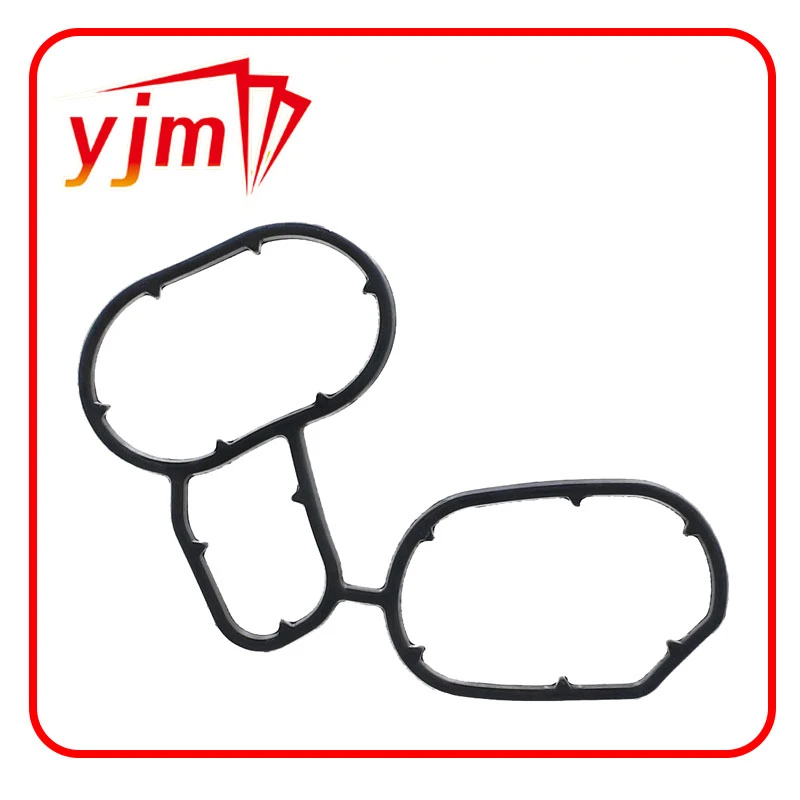
11427508970 BMW - OIL FILTER HOUSING GASKETS
-
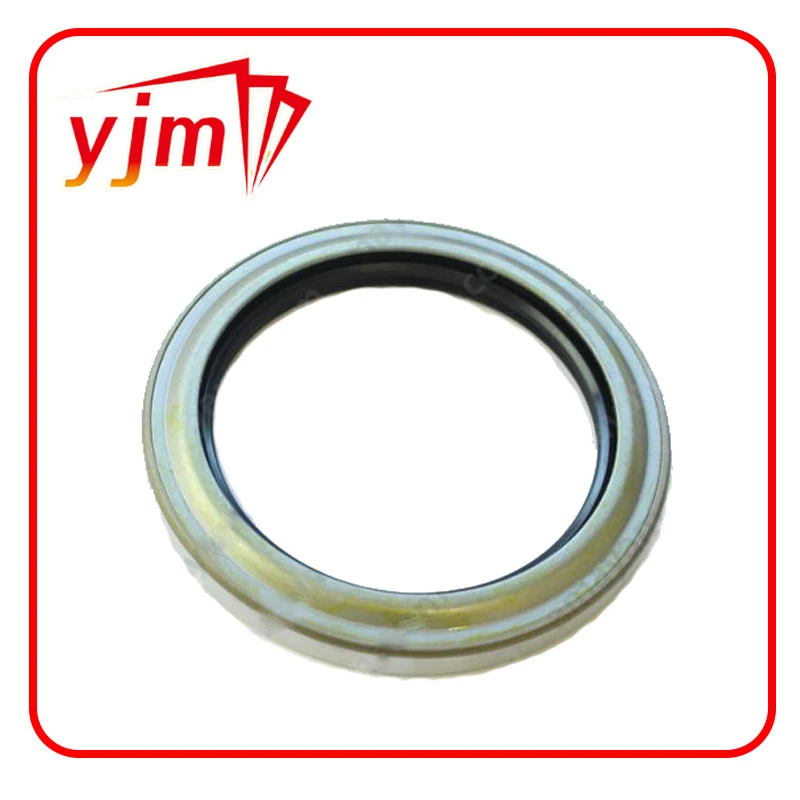
SEAL, OIL Genuine Toyota (9031170011)
-
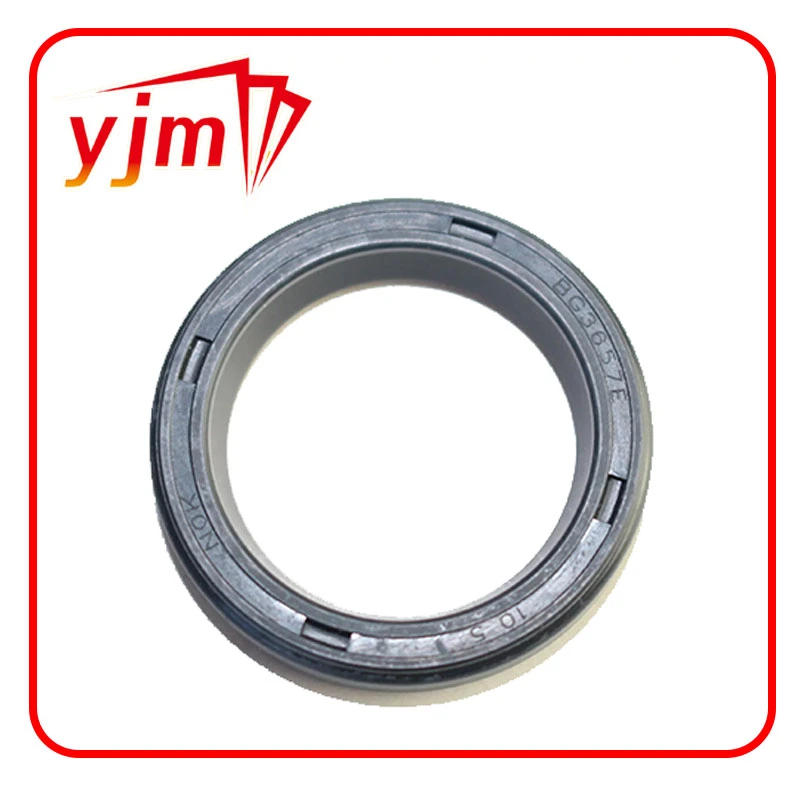
Transfer Case Output Shaft Seal Part 9031223001
-
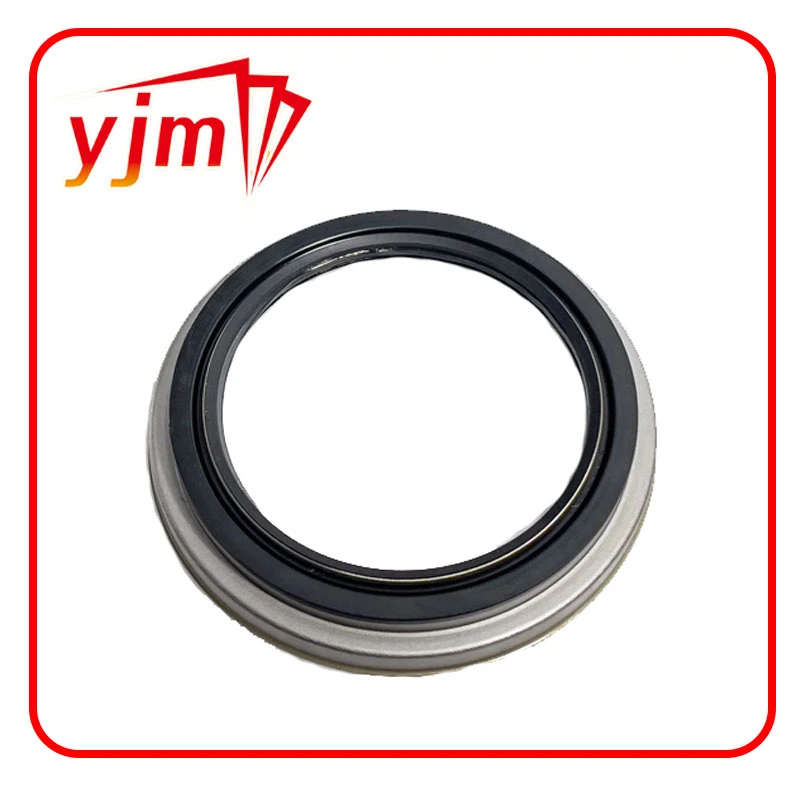
SEAL, OIL Genuine Toyota (9031672001)
-
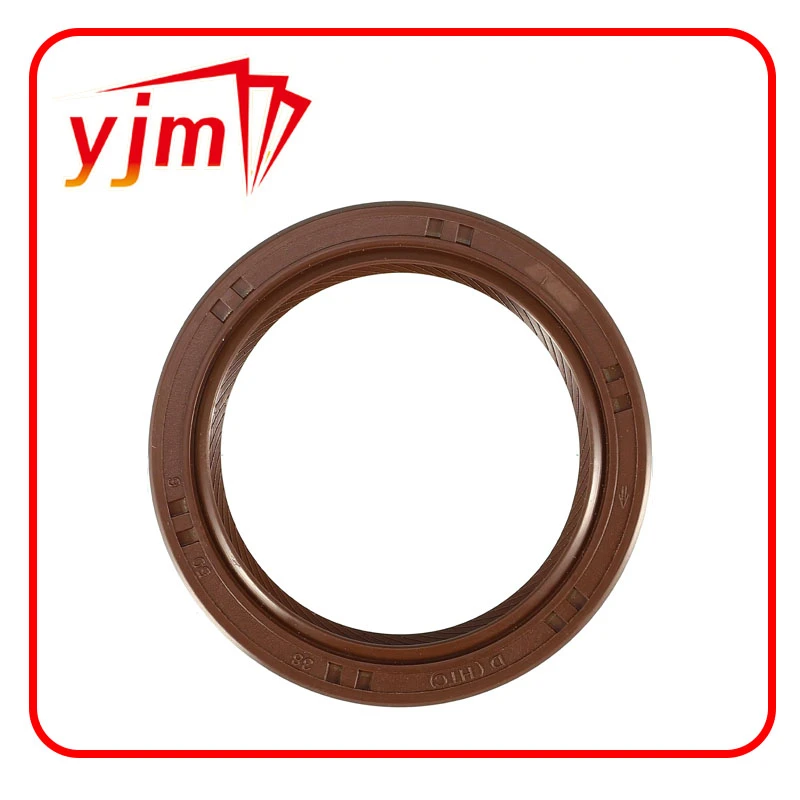
Engine Crankshaft Oil Seal No.9031138096
-
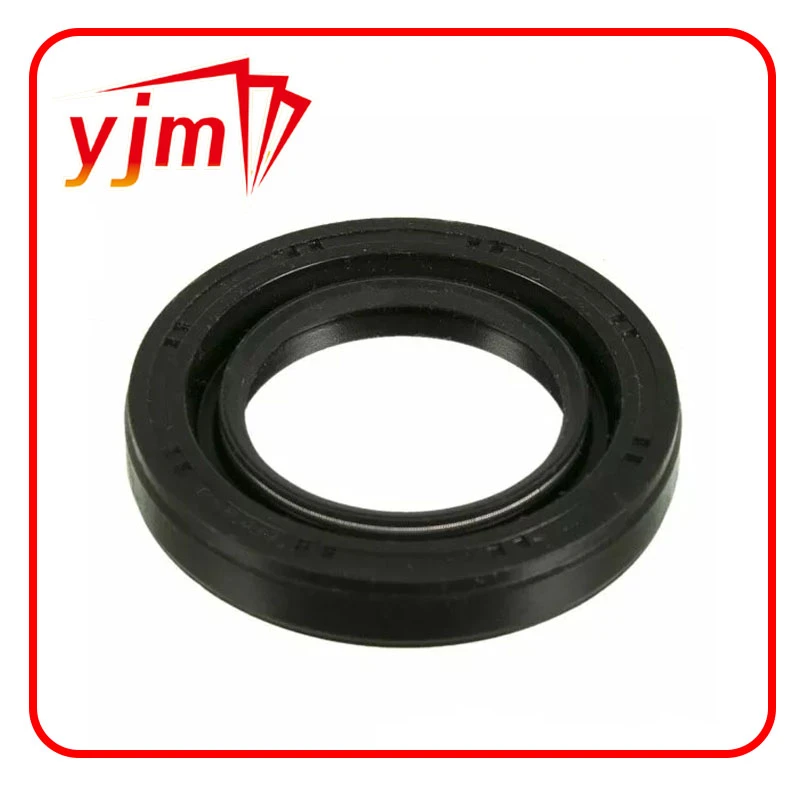
Toyota Transfer Case Output Shaft Seal Front 9031136006
-
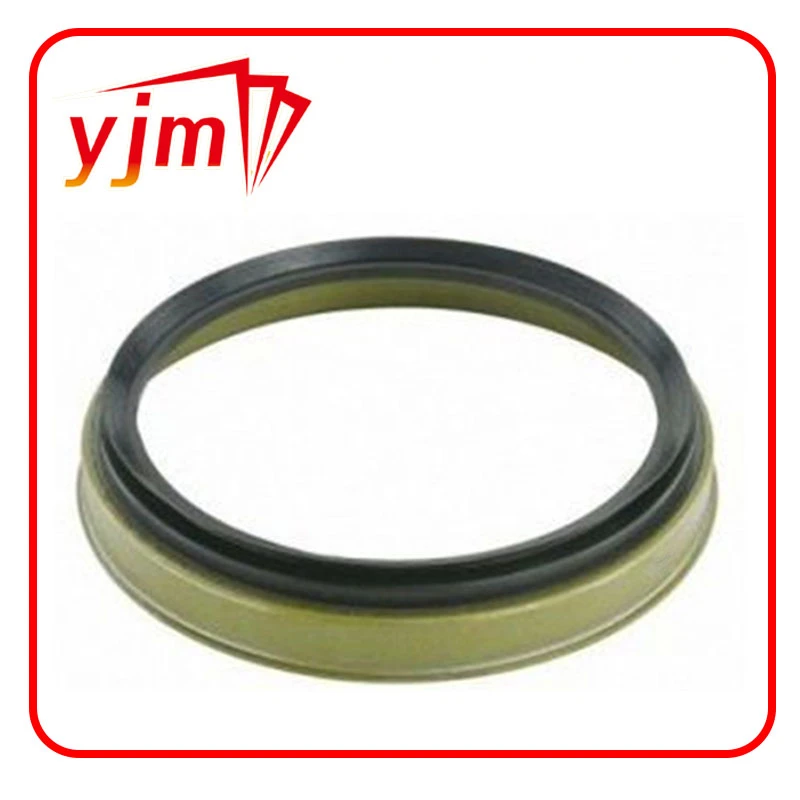
Seal, type v oil 9031287001 TOYOTA
-
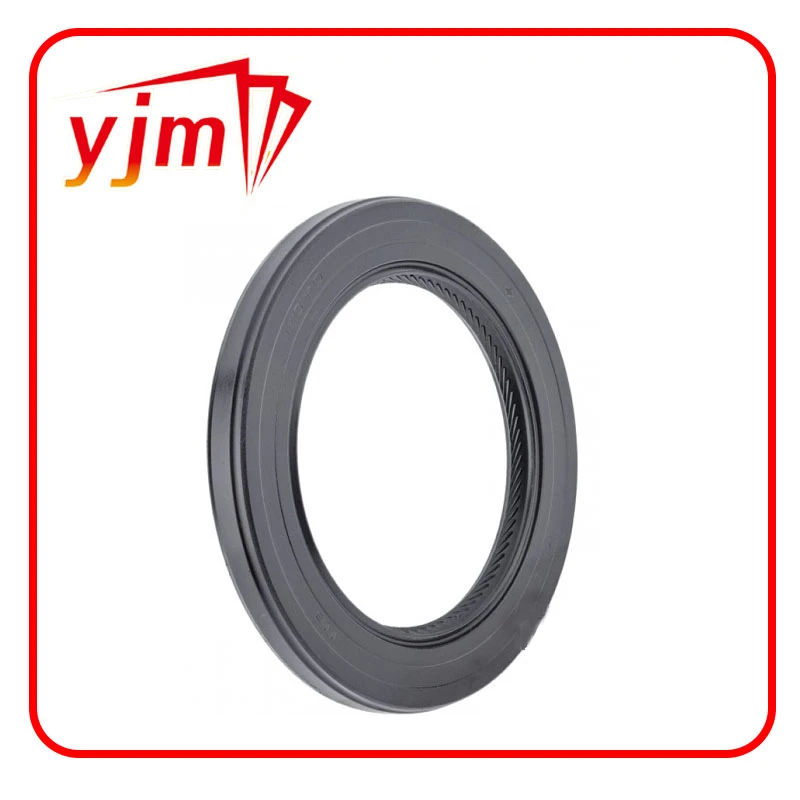
Oil pump seal 9031143010
-
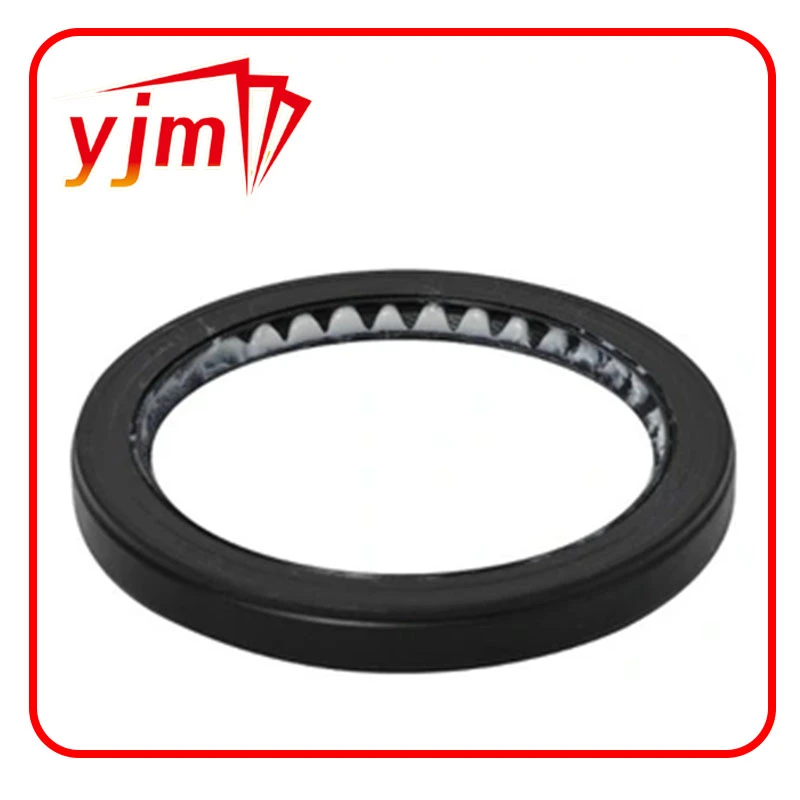
Genuine Toyota Oil SEAL 90311-54006
-
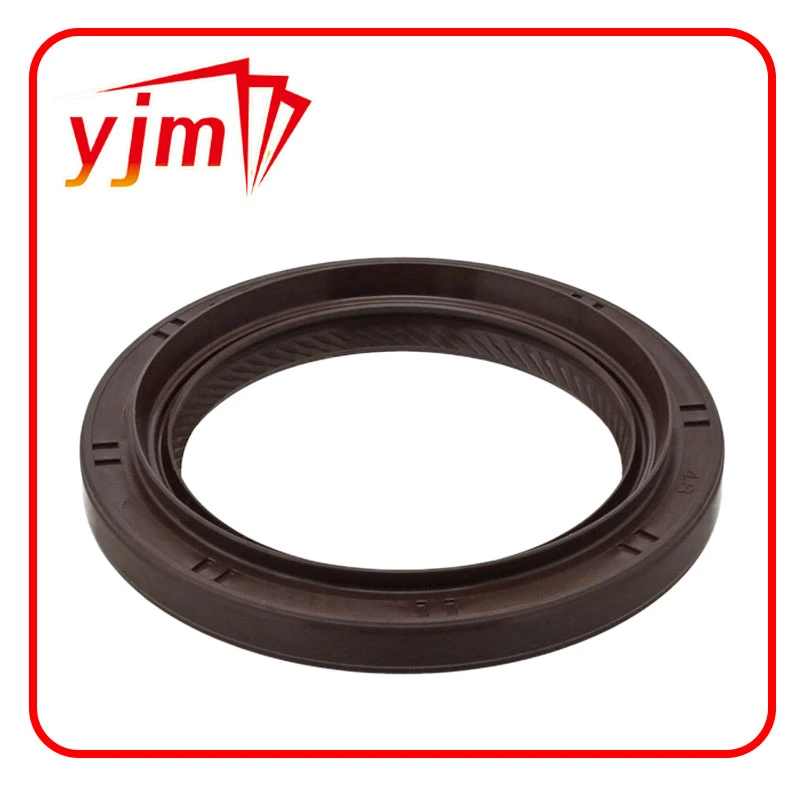
Toyota SEAL TYPE T OIL 90311-48031
-
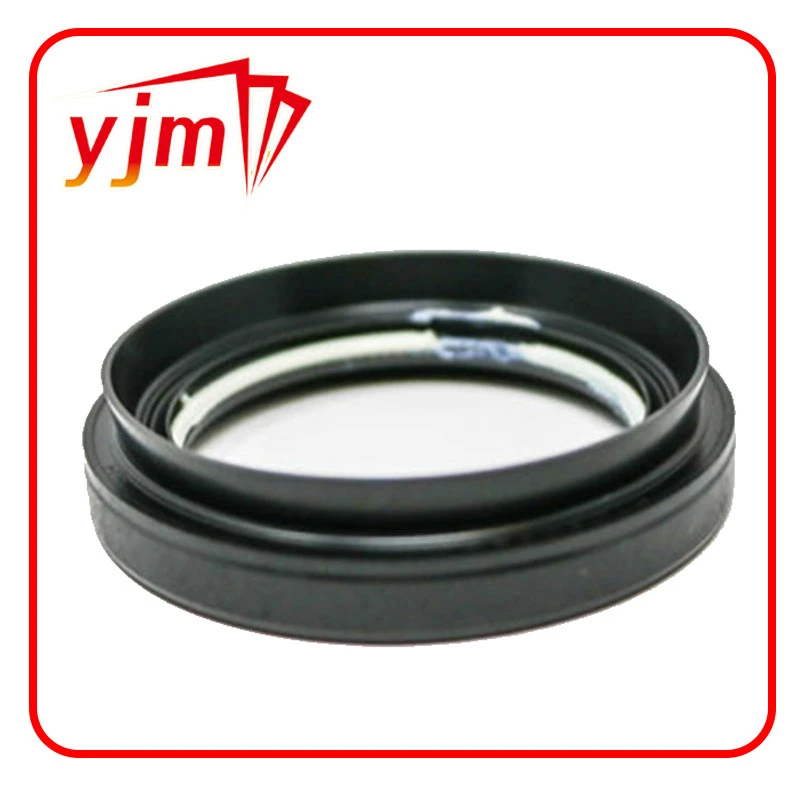
Type T Oil Seal, Front Drive Shaft, Left 9031150064
-
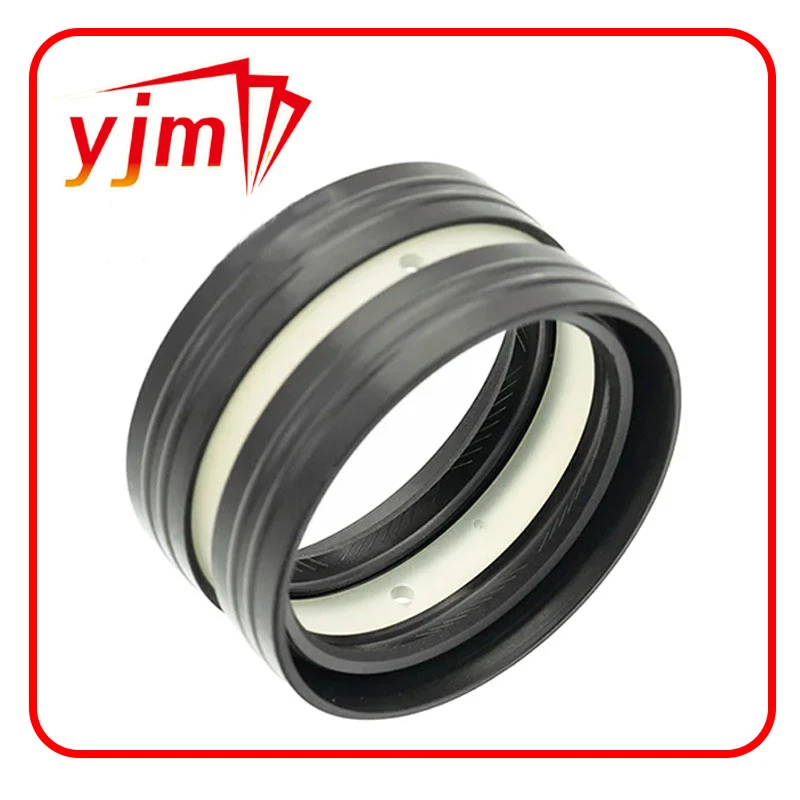
Seal, type d oil 9031634001 TOYOTA
 Afrikaans
 Albanian
 Amharic
 Arabic
 Armenian
 Azerbaijani
 Basque
 Belarusian
 Bengali
 Bosnian
 Bulgarian
 Catalan
 Cebuano
 Corsican
 Croatian
 Czech
Czech
 Danish
 Dutch
Dutch
 Esperanto
 Estonian
 Finnish
 French
 Frisian
 Galician
 Georgian
 German
 Greek
Greek
 Gujarati
 Haitian Creole
 Hausa
Hausa
 Hawaiian
 Hebrew
 Hindi
Hindi
 Miao
Miao
 Hungarian
 Icelandic
 Igbo
Igbo
 Indonesian
 Irish
Irish
 Italian
 Japanese
 Javanese
 Kannada
 Kazakh
 Khmer
Khmer
 Rwandese
 Korean
 Kurdish
 Kyrgyz
 Lao
Lao
 Latin
Latin
 Latvian
 Lithuanian
 Luxembourgish
 Macedonian
 Malgashi
 Malay
Malay
 Malayalam
 Maltese
 Maori
Maori
 Marathi
 Mongolian
 Myanmar
 Nepali
 Norwegian
 Norwegian
 Occitan
 Pashto
 Persian
 Polish
 Portuguese
 Punjabi
 Romanian
 Russian
 Samoan
 Scottish Gaelic
 Serbian
 Sesotho
 Shona
Shona
 Sindhi
 Sinhala
 Slovak
 Slovenian
 Somali
 Spanish
 Sundanese
 Swahili
 Swedish
 Tagalog
 Tajik
Tajik
 Tamil
Tamil
 Tatar
Tatar
 Telugu
 Thai
Thai
 Turkish
 Turkmen
 Ukrainian
 Urdu
Urdu
 Uighur
 Uzbek
Uzbek
 Vietnamese
 Welsh
Welsh
 Bantu
Bantu
 Yiddish
 Yoruba
 Zulu
Zulu
 English