Crankshaft Oil Seal: Your Engine’s Silent Protector for Global Industry
Why The Crankshaft Oil Seal Matters in Modern Industry
At first glance, a crankshaft oil seal might seem like a small, almost insignificant component in the vast machinery of engines. But in reality, it plays a crucial role in keeping modern machines running smoothly and preventing costly breakdowns worldwide. Given the global reliance on engines for transport, agriculture, and power generation, understanding this tiny yet mighty piece means better maintenance, lower emissions, and improved reliability—a win for industries and end-users alike.
Think about it: The United Nations estimates that motorized vehicles and machinery power more than 60% of global commerce. If a crankshaft oil seal fails, oil leaks can lead to production halts or worse, environmental hazards. So, having durable, precisely engineered seals is a genuine backbone in the industrial supply chain.
A Quick Intro to Crankshaft Oil Seals: What Are They?
In straightforward terms, a crankshaft oil seal is a ring-shaped component made primarily from rubber or synthetic materials combined with a metal casing. Its job? To keep lubricating oil inside the engine while keeping dirt and dust out. You'll find these seals wrapping tightly around the crankshaft, which itself translates the engine’s linear piston motion into rotational motion—basically, making your car, tractor, or generator move.
Without a functional crankshaft oil seal, oil escapes, contaminants get in, and engine parts wear prematurely. For humanitarian or industrial sectors operating in harsh environments—say, rural electrification projects or emergency relief vehicle fleets—reliable seals are a must-have to keep machines resilient and running.
Core Components of Crankshaft Oil Seals
1. Durability
These seals face a brutal cocktail of heat, friction, and chemical exposure—so their material must resist degradation over years of continuous operation. Often it's a mix of nitrile rubber or Viton, prized for heat and oil resistance. Durability means less frequent replacements, lower downtime, and reduced maintenance budgets.
2. Precision Fit & Scalability
The seal’s dimensions need to match a variety of crankshaft sizes and speeds, from tiny motorcycle engines to massive industrial diesel generators. Manufacturers often offer customizable sizes and lip designs, allowing a sort of scalability—whether the seal is for a compact engine or a large marine vessel.
3. Cost Efficiency
While premium seals cost a bit more upfront, the long-term savings from avoided leaks and component damage can be immense. I’ve noticed many plant managers lean toward seals balancing cost with proven performance rather than just going cheap.
4. Environmental Resistance
From dust storms in deserts to salty coastal air, these seals need to fight corrosion, wear, and contamination. It’s a reason why some countries mandate strict ISO standards for seal material quality and testing.
5. Easy Installation & Maintenance
In remote or crisis regions, simple installation can make all the difference. Some innovative designs now allow for quick-change seals without dismantling major engine parts—a huge advantage for field technicians dealing with limited tools.
Global Applications: Where the Crankshaft Oil Seal Really Shows Its Worth
If you zoom out, you’ll find these seals embedded in machines worldwide. In Europe and North America, high-performance vehicle engines demand the latest sealing tech for maximum efficiency and emission controls. Meanwhile, in places like Southeast Asia and Africa, reliability under heat and dust means they’re critical for agricultural machinery that fuels food security.
Post-disaster relief often relies on portable generators, which in turn depend on tough crankshaft oil seals to operate continuously, delivering electricity for hospitals or water pumps. Remote mining operations in Australia or Canada similarly benefit: this small seal ensures large engines keep extracting valuable minerals without sudden stoppages.
Tangible Benefits and Long-Term Value of Crankshaft Oil Seals
- Cost Savings: Avoiding oil leaks protects other engine parts, reducing expensive repairs.
- Environmental Impact: Less leakage means fewer contaminants in soil and water.
- Safety: For emergency or commercial vehicles, it translates to reliable operation and fewer breakdown risks.
- Innovation & Trust: New materials and designs build confidence in machines that sustain livelihoods.
On a more emotional note, think about the trust placed in every vehicle or generator: a farmer counting on their tractor at dawn, or medics needing a reliable ambulance engine. The crankshaft oil seal quietly supports those hopes.
Product Specifications at a Glance
| Spec | Typical Value | Notes |
|---|---|---|
| Material | Nitrile rubber (NBR), Viton | Heat resistance up to 150°C |
| Inner Diameter | 20mm - 300mm | Custom options available |
| Operating Speed | Up to 7000 RPM | Depends on seal lip design |
| Pressure Range | 0.1 - 0.5 bar | Suits most engine oils |
| Lifespan | Up to 100,000 km or 5 years | Varies by environment & maintenance |
How Do Popular Vendors Stack Up?
| Vendor | Product Range | Price Range | Special Features |
|---|---|---|---|
| YJM Seals | Wide (20mm–300mm); Custom | $$ | Quick-install design, durable rubber blends |
| SKF | Extensive industrial range | $$$ | High precision, global support network |
| Freudenberg | Premium sealing solutions | $$$$ | Advanced materials, long-life warranties |
Looking Ahead: Future Trends in Crankshaft Oil Seal Technology
With the push towards greener engines and tighter emissions regulations, seals are evolving fast. For starters, new fluoropolymer elastomers push temperature tolerances beyond 200°C while holding up to novel bio-based oils. Meanwhile, automation in assembly lines lets manufacturers finely tune seal fits with micron-level precision. Oddly enough, some companies are even exploring “smart seals” embedded with sensors to monitor wear — promising a future where seal failures are predicted before they cause trouble.
Challenges and Clever Solutions
Still, all isn’t perfect. Extreme cold weather can make seals brittle. Oil additives might chemically react in unforeseen ways. Installation errors remain a pesky issue, especially in the field. Luckily, the industry’s moving towards better user guides, more forgiving materials, and modular designs. Field technicians report that hands-on training, combined with growing online resources, is cutting down errors significantly.
FAQ: Your Most Common Questions About Crankshaft Oil Seals
- How often should I replace a crankshaft oil seal?
- Typically, seals last 3-5 years or up to 100,000 km, but this depends on operating conditions. Watch for oil leaks or unusual engine noises as a sign to inspect.
- Can I install a crankshaft oil seal myself?
- For experienced mechanics, yes. However, special tools and precision are crucial to avoid damaging the seal. When in doubt, seek professional installation to ensure reliability.
- Are there eco-friendly options for crankshaft oil seals?
- Yes. Emerging materials use bio-based rubbers and reduced volatile compounds. These options minimize environmental impact without compromising durability.
- What engines benefit most from upgraded oil seals?
- High-performance, heavy-duty, or frequently used engines—like commercial vehicles and industrial generators—gain the most from top-tier seals due to their demanding operating conditions.
Wrapping Up: Why Crankshaft Oil Seals Are More Than Just Small Parts
The truth is, reliable crankshaft oil seal technology underpins much more than just the mechanical function of engines. It impacts efficiency, sustainability, safety—and even the livelihoods of countless people globally. As the sealing industry advances with new materials and smart tech, these tiny rings will keep quietly safeguarding the heavy lifters of progress.
If you’re ready to explore quality sealing solutions with proven durability, I’d recommend visiting YJM Seal for detailed product info and expert advice. In engines, as in life, sometimes the smallest parts play the biggest roles.
References:
-
Guide to Choosing the Right Washer for Oil Change and Sealing
News Apr.16,2026
-
Essential Guide to High Quality rubber washer oil drain plug
News Apr.09,2026
-
Understanding Rubber Crush Washers for Optimal Sealing Performance
News Apr.07,2026
-
Comprehensive Guide to Understanding and Reusing Crush Washer for Optimal Sealing
News Apr.04,2026
-
The Vital Role of a Drain Screw Gasket in Fluid System Integrity
News Mar.31,2026
-
The Essential Guide to Drain Crush Washer Selection and Plumbing Leak Prevention
News Mar.28,2026
-
The Vital Role of a Crush Washer in Oil Changes for Engine Protection
News Mar.26,2026
Products categories
-
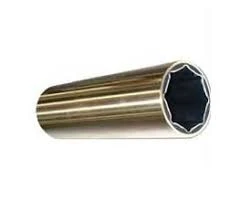
Brass cutlass marine bearing
-
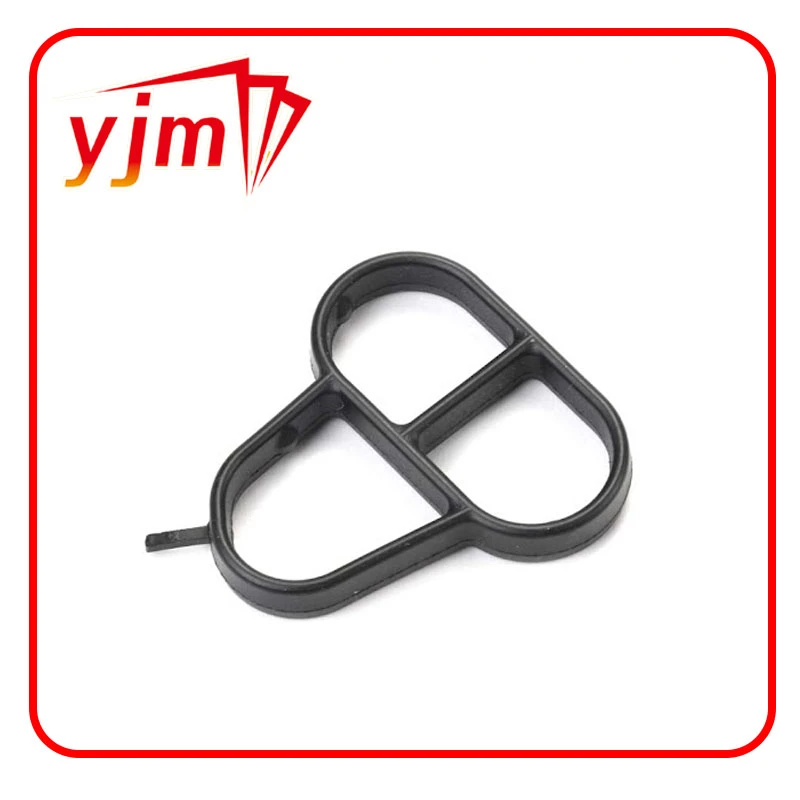
Genuine OEM Engine Oil Filter Housing Cover O-Ring For VW/Audi 06E115446
-
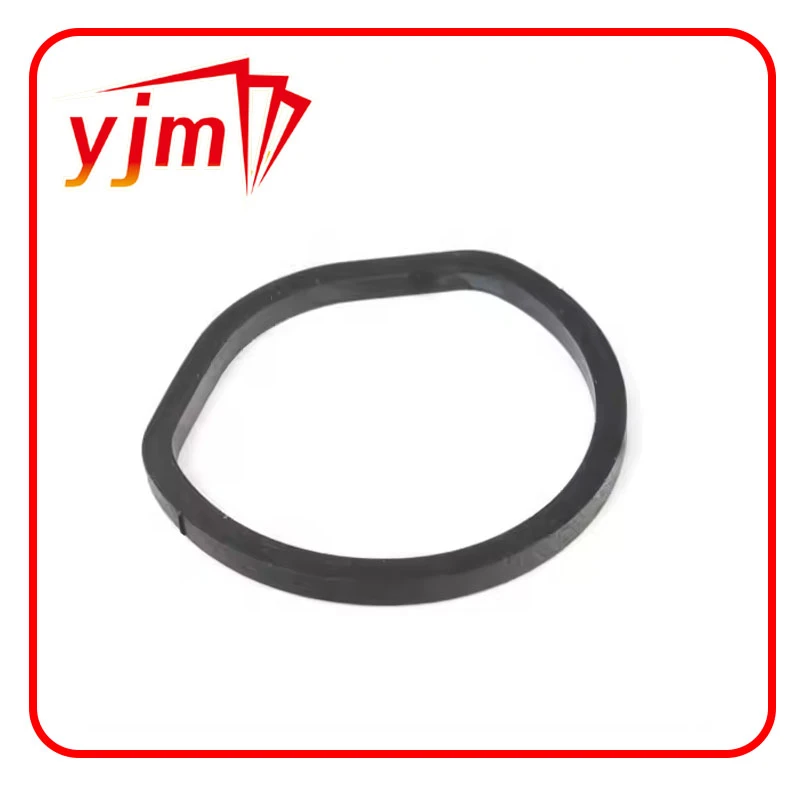
Oil Filter Stand Gasket,Oil filter cover seal
-
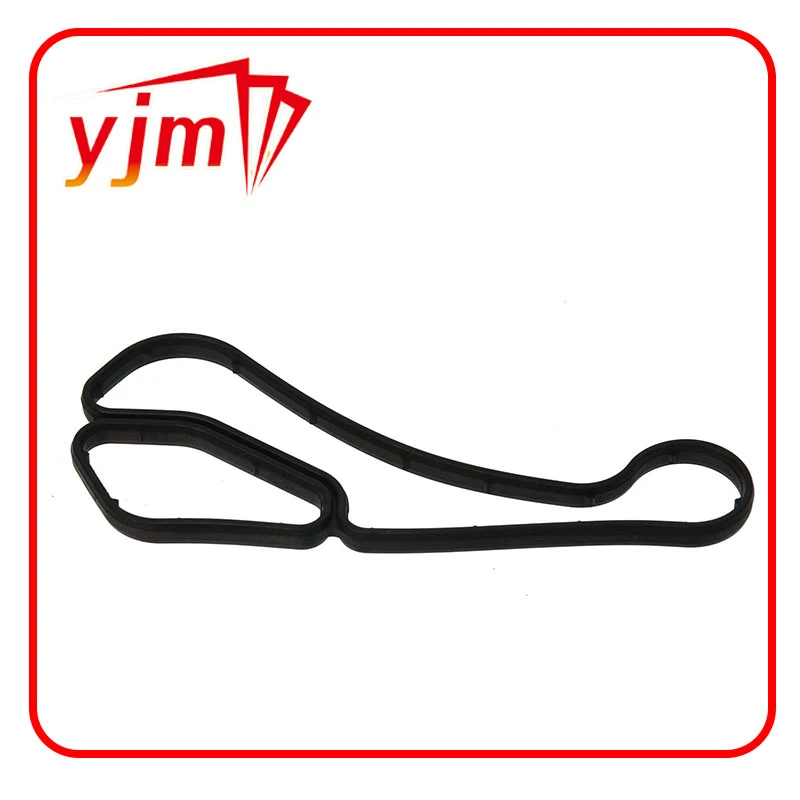
Oil Cooler Gasket, Oil Cooler to Oil Filter Housing 11427525335
-
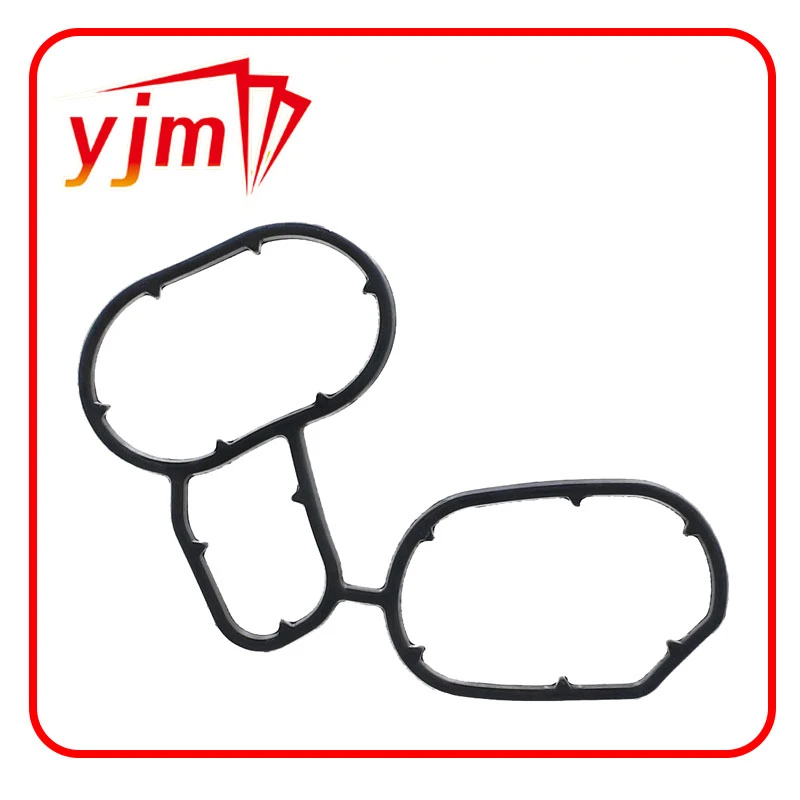
11427508970 BMW - OIL FILTER HOUSING GASKETS
-
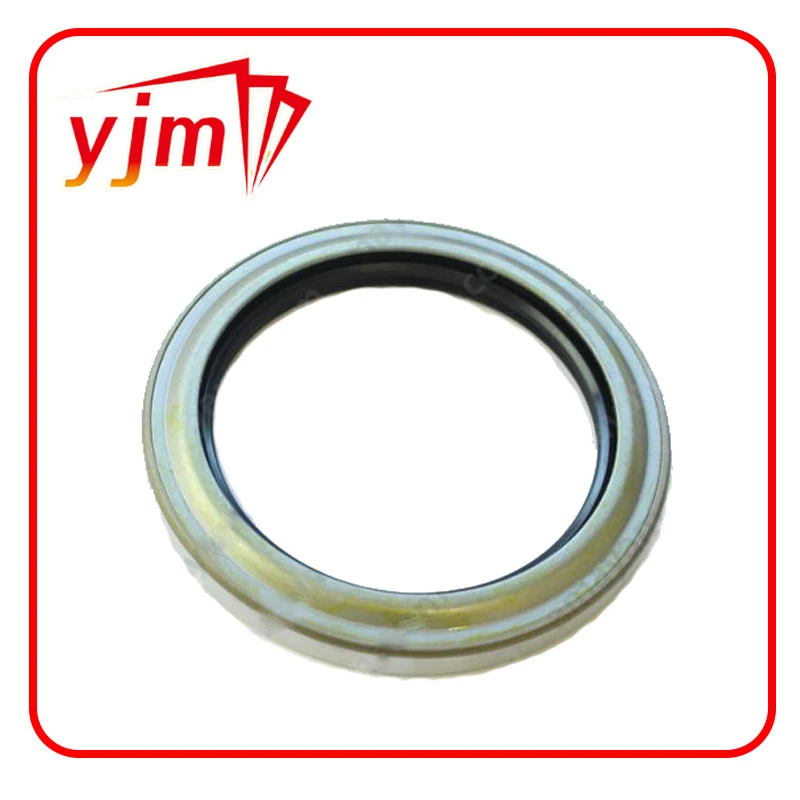
SEAL, OIL Genuine Toyota (9031170011)
-
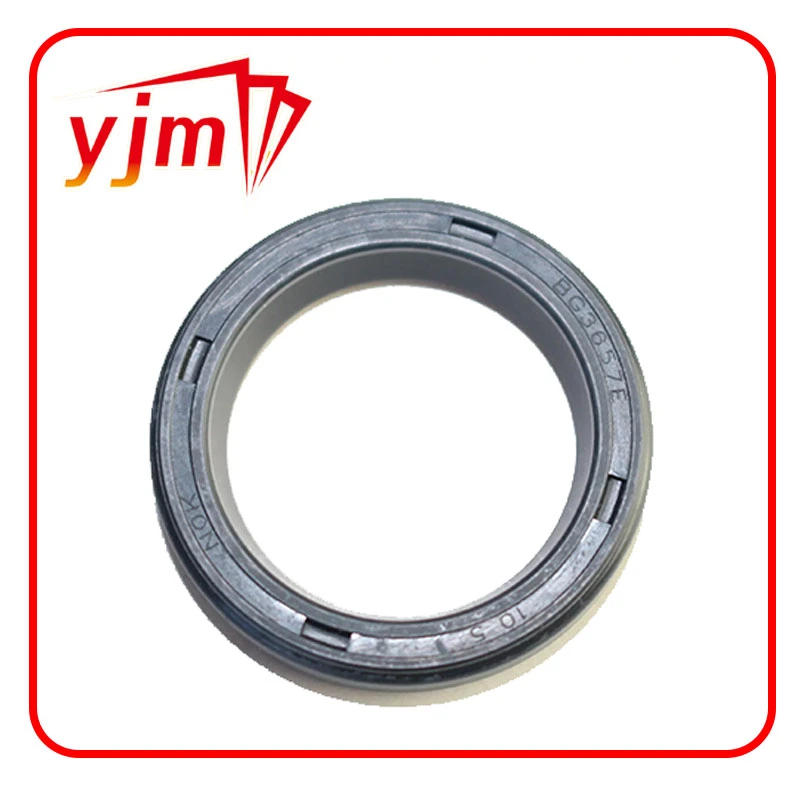
Transfer Case Output Shaft Seal Part 9031223001
-
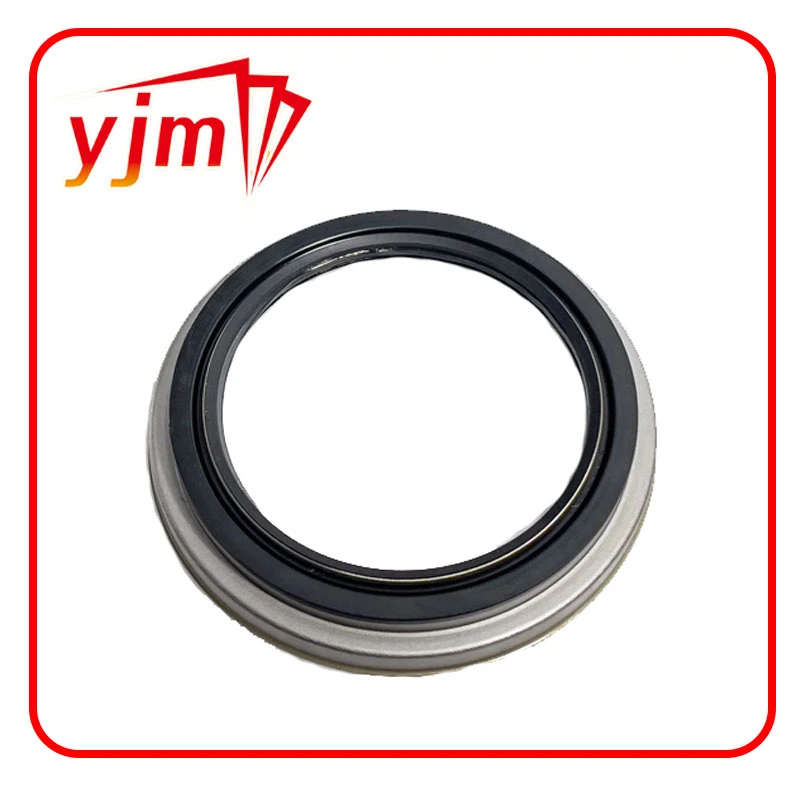
SEAL, OIL Genuine Toyota (9031672001)
-
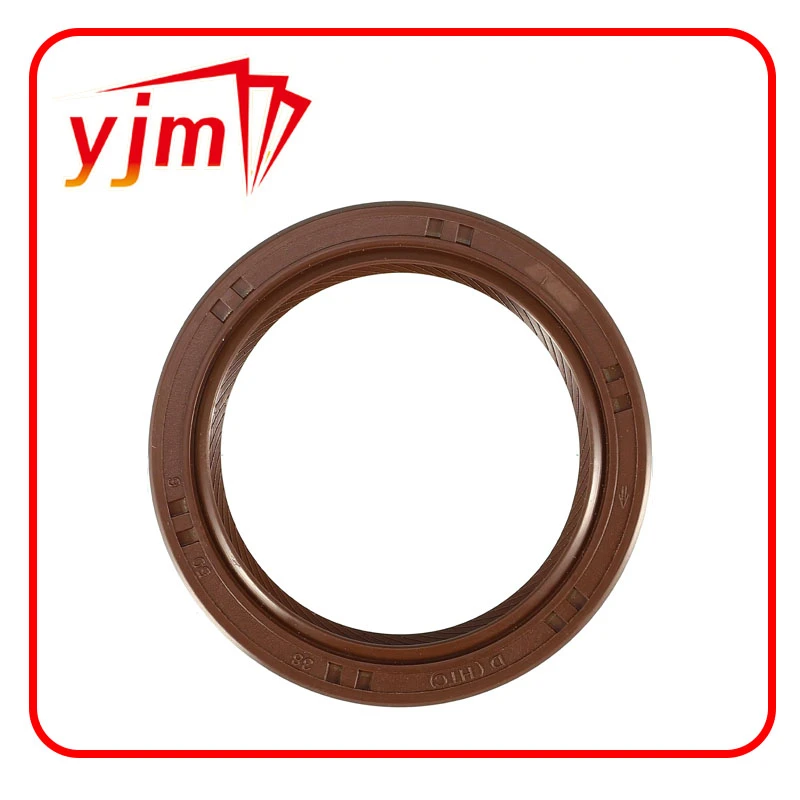
Engine Crankshaft Oil Seal No.9031138096
-
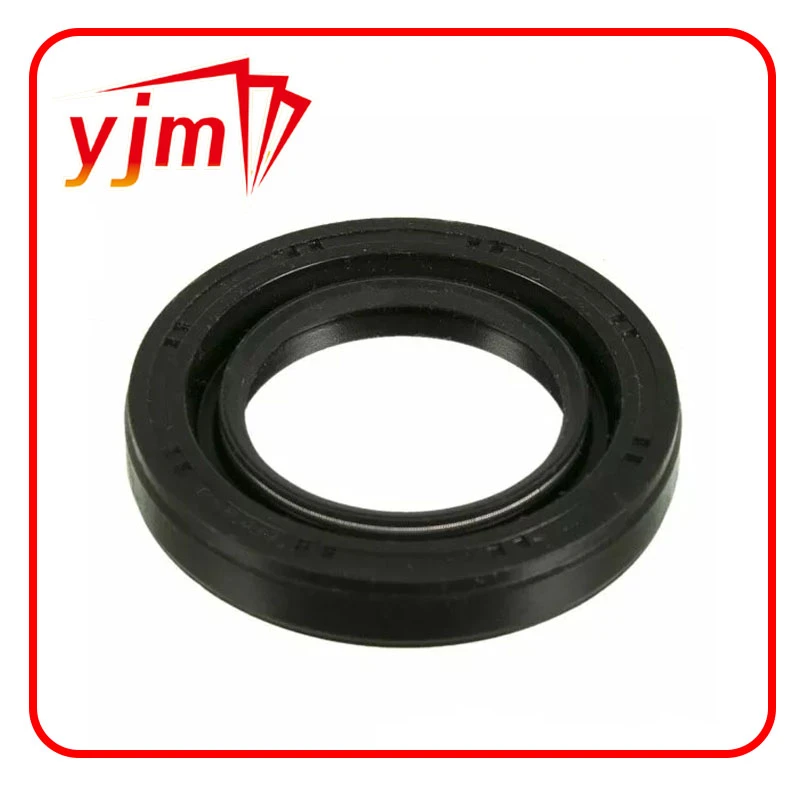
Toyota Transfer Case Output Shaft Seal Front 9031136006
-
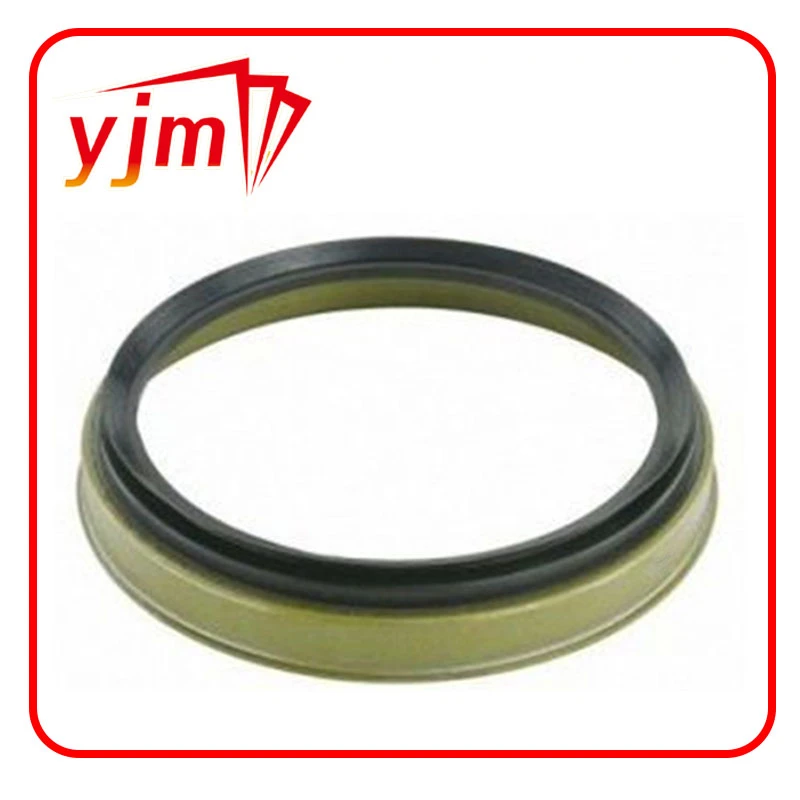
Seal, type v oil 9031287001 TOYOTA
-
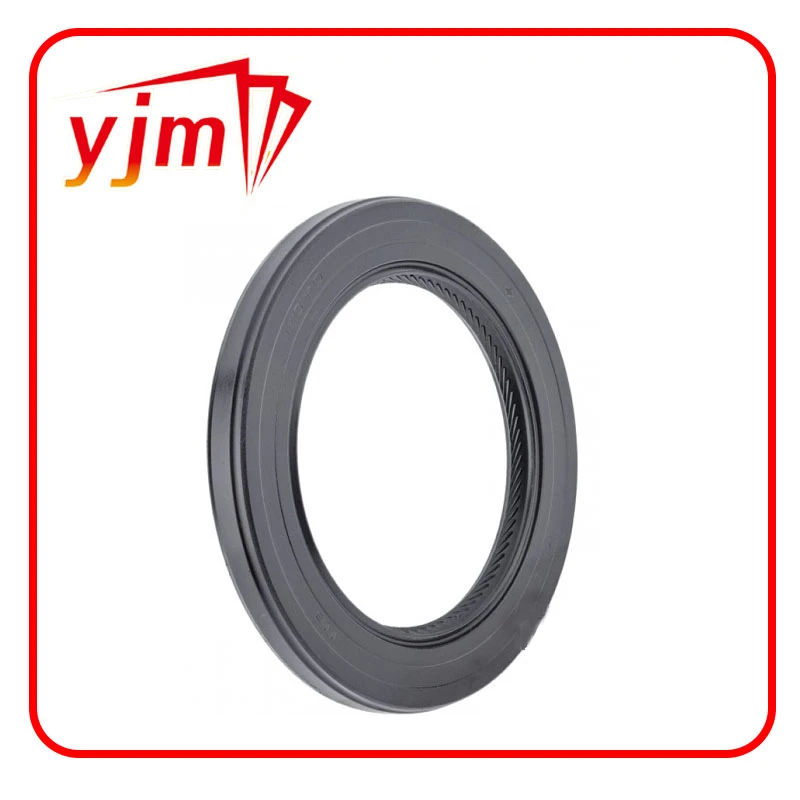
Oil pump seal 9031143010
-
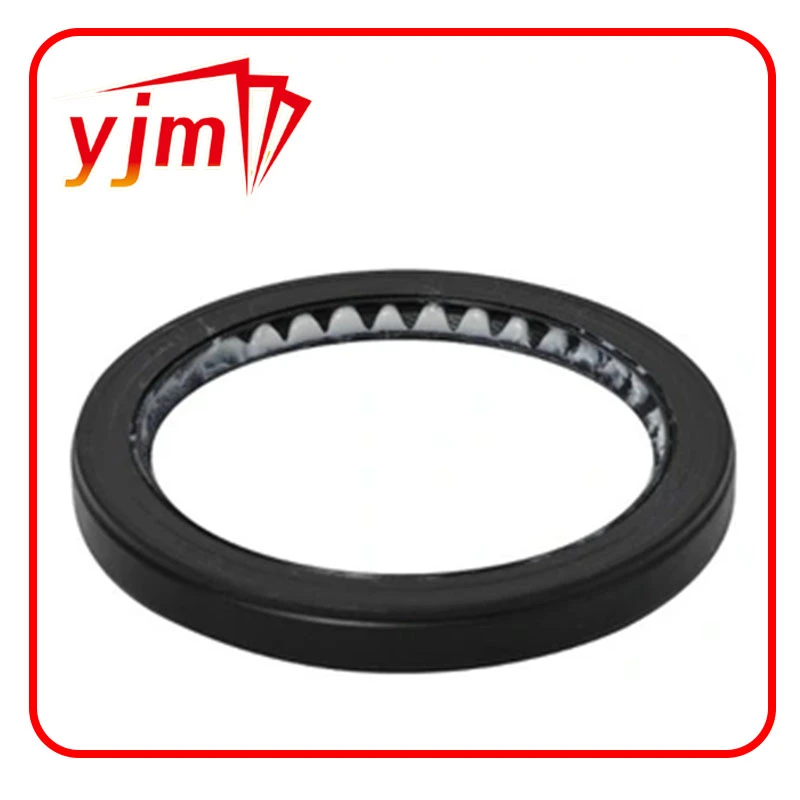
Genuine Toyota Oil SEAL 90311-54006
-
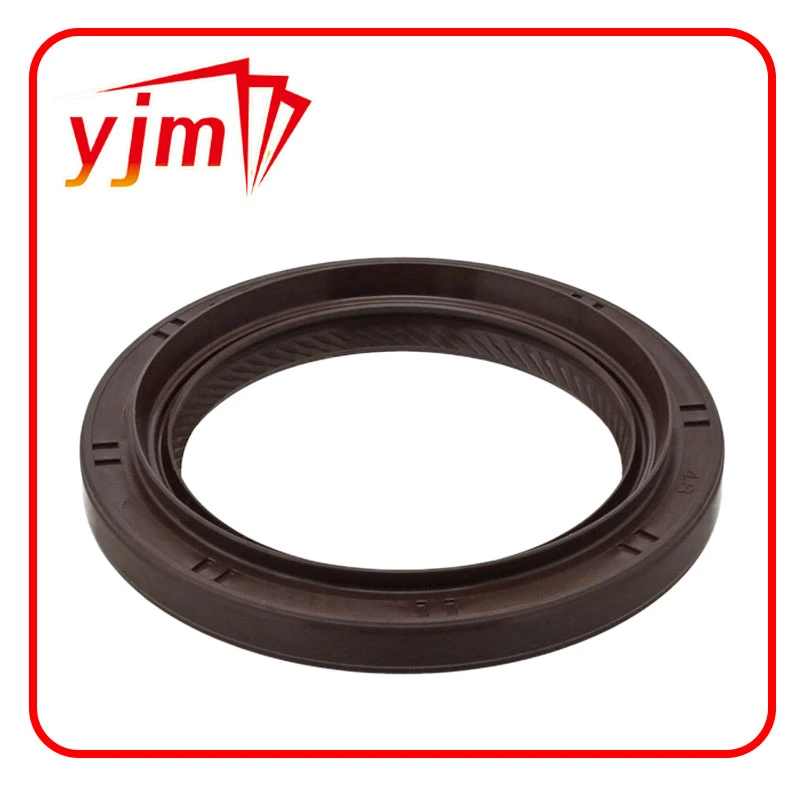
Toyota SEAL TYPE T OIL 90311-48031
-
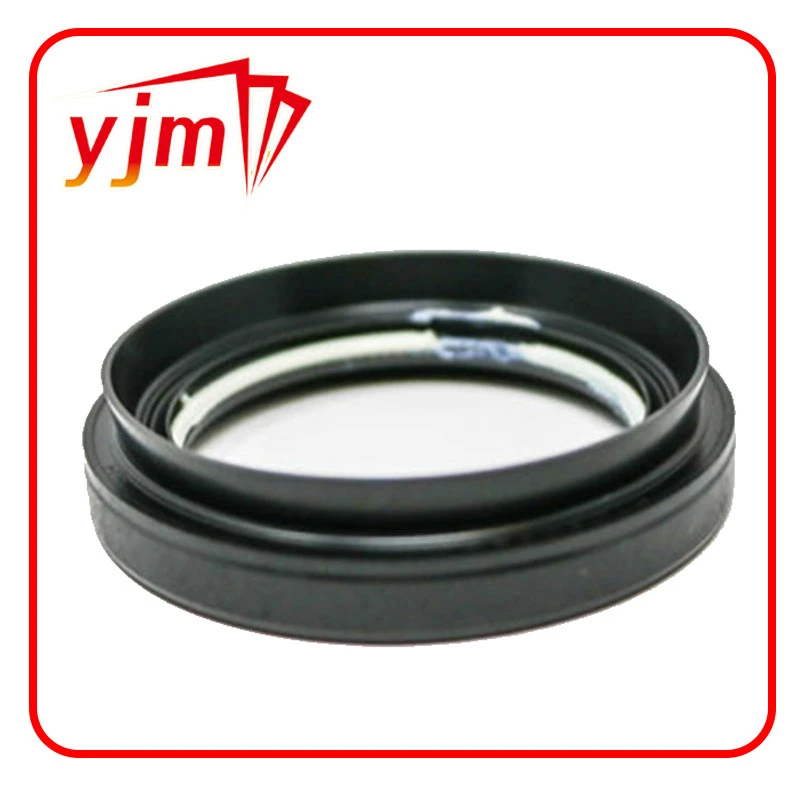
Type T Oil Seal, Front Drive Shaft, Left 9031150064
-
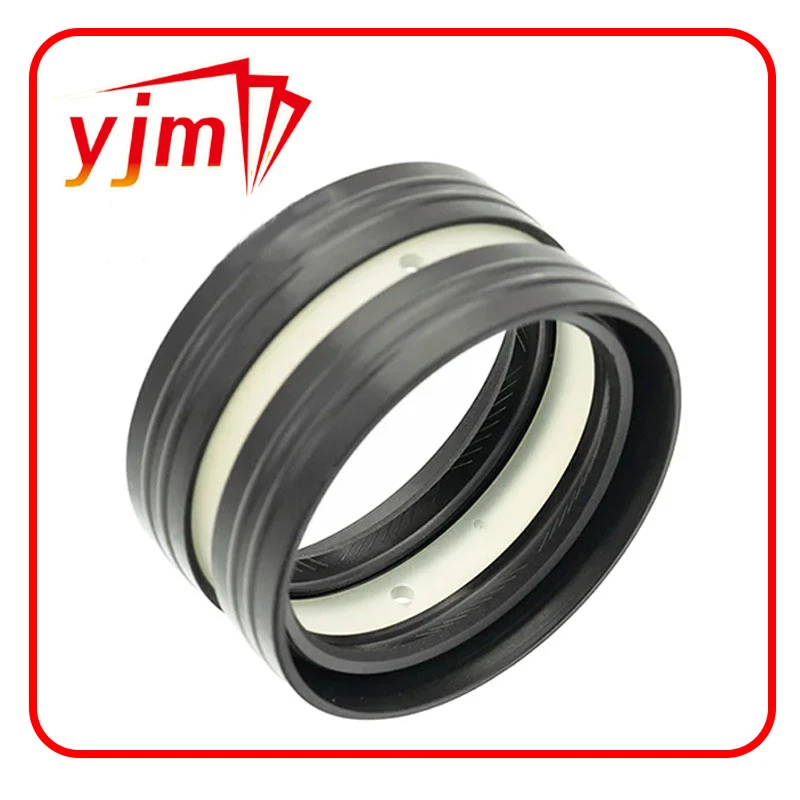
Seal, type d oil 9031634001 TOYOTA
 Afrikaans
 Albanian
 Amharic
 Arabic
 Armenian
 Azerbaijani
 Basque
 Belarusian
 Bengali
 Bosnian
 Bulgarian
 Catalan
 Cebuano
 Corsican
 Croatian
 Czech
Czech
 Danish
 Dutch
Dutch
 Esperanto
 Estonian
 Finnish
 French
 Frisian
 Galician
 Georgian
 German
 Greek
Greek
 Gujarati
 Haitian Creole
 Hausa
Hausa
 Hawaiian
 Hebrew
 Hindi
Hindi
 Miao
Miao
 Hungarian
 Icelandic
 Igbo
Igbo
 Indonesian
 Irish
Irish
 Italian
 Japanese
 Javanese
 Kannada
 Kazakh
 Khmer
Khmer
 Rwandese
 Korean
 Kurdish
 Kyrgyz
 Lao
Lao
 Latin
Latin
 Latvian
 Lithuanian
 Luxembourgish
 Macedonian
 Malgashi
 Malay
Malay
 Malayalam
 Maltese
 Maori
Maori
 Marathi
 Mongolian
 Myanmar
 Nepali
 Norwegian
 Norwegian
 Occitan
 Pashto
 Persian
 Polish
 Portuguese
 Punjabi
 Romanian
 Russian
 Samoan
 Scottish Gaelic
 Serbian
 Sesotho
 Shona
Shona
 Sindhi
 Sinhala
 Slovak
 Slovenian
 Somali
 Spanish
 Sundanese
 Swahili
 Swedish
 Tagalog
 Tajik
Tajik
 Tamil
Tamil
 Tatar
Tatar
 Telugu
 Thai
Thai
 Turkish
 Turkmen
 Ukrainian
 Urdu
Urdu
 Uighur
 Uzbek
Uzbek
 Vietnamese
 Welsh
Welsh
 Bantu
Bantu
 Yiddish
 Yoruba
 Zulu
Zulu
 English