Comprehensive Guide to Oil Pan Drain Plug Valve: Benefits, Uses & Innovations
Understanding the Oil Pan Drain Plug Valve: Essential Insights for Industry and Innovation
The oil pan drain plug valve may not be a household term, yet it’s a tiny component with a mighty role, touching everything from automotive maintenance to heavy machinery upkeep worldwide. This unassuming valve helps vehicles and machines drain used oil safely and efficiently, directly impacting durability, environmental stewardship, and operational cost. Globally, as industries push for sustainability and reliability, understanding these valves means better maintenance practices, less environmental pollution, and longer-lasting engines — a clear win-win.
Introduction: Global Relevance of Oil Pan Drain Plug Valves
Frankly, when we think about lubricants or engine oil management, the oil pan drain plug valve is often overlooked. However, according to ISO standards on engine maintenance and the World Bank's reports on industrial equipment efficiency, improving maintenance components like these valves can result in up to 15% savings in operational costs due to fewer oil leaks and less downtime. In areas where vehicle longevity affects livelihoods—think rural transport in Asia or heavy machinery in mining sectors across Africa—the reliability of these valves is not trivial. They address the challenge of clean, leak-proof oil drainage essential to reduce waste and protect the environment.
Definition & Meaning
Simply put, an oil pan drain plug valve is a specialized valve that replaces the standard drain plug in an engine’s oil pan, allowing oil to be drained in a controlled and often reusable manner. Unlike basic drain plugs, these valves often incorporate sealing mechanisms and sometimes even quick-release features, which reduce the risk of leaks or damage during oil changes. In today’s industrial landscape where precision and care are prized, these valves play a small but pivotal role in fostering sustainable machine maintenance and safety.
Key Factors or Core Components of Oil Pan Drain Plug Valves
1. Durability
These valves are commonly made from corrosion-resistant materials like stainless steel or reinforced polymers. Durability ensures long service life despite exposure to hot oil, contaminants, and physical stress — critical for reliability in harsh conditions.
2. Leak-Proof Sealing
A high-quality sealing mechanism (often utilizing rubber or silicone gaskets) prevents oil leaks, which reduces environmental contamination and saves money otherwise lost to oil wastage. Even minor leaks pose big problems in sensitive industries.
3. Ease of Maintenance
Many valves enable tool-less operation or quick-release functionality, making routine oil changes faster and reducing labor costs. In scenarios where time equals money, this is a major practical advantage.
4. Cost Efficiency
Though somewhat more expensive upfront than traditional plugs, these valves contribute to lower total cost of ownership by minimizing oil loss and preventing damage to threads or pans over time.
5. Compatibility and Scalability
They are designed to fit a broad range of engine oil pans — from passenger cars and commercial trucks to industrial generators — which means companies can standardize parts and streamline inventory.
Takeaway: The right oil pan drain plug valve combines toughness, leak prevention, and user-friendly design, directly translating to better machine health and operational savings.
Global Applications & Use Cases
This valve finds home across continents and sectors. In European automotive industries, high-precision sealing valves support strict environmental regulations by preventing oil leakage. In developing regions, logistics fleets benefit from robust valves that withstand rough roads, preventing spills during oil changes miles from the nearest service station.
For instance, in post-disaster relief operations, heavy machinery using reliable oil pan drain valves can keep running longer without frequent maintenance—vital when repair facilities are sparse. Similarly, remote mining camps in South America favor these valves for ease of servicing and reducing downtime.
| Feature | Specification |
|---|---|
| Material | Stainless Steel 316, Reinforced Nylon |
| Thread Size | M16, M20 (metric standards) |
| Seal Type | Silicone Gasket with O-ring |
| Pressure Tolerance | Up to 5 bar |
| Operating Temperature | -40°C to 150°C |
Advantages & Long-Term Value
Investing in a quality oil pan drain plug valve pays off in many ways. Economically, the reduction of oil spills and ease of draining means less waste, fewer replacements, and less mess. In turn, this protects workers’ safety and satisfies regulatory rules. Emotionally, operators appreciate the trust that their equipment will not fail due to a silly leak — it’s a dignity issue as much as a technical one.
On the sustainability front, curbing oil leakage markedly decreases soil and water contamination risks, aligning with global environmental initiatives like the UN’s Sustainable Development Goals (SDG 12: Responsible Consumption and Production). The valve’s reusability further cuts down on resource consumption.
Future Trends & Innovations
Looking ahead, innovations in materials science are producing valves with enhanced heat resistance and self-healing seals, adapting better to harsh operational environments. There's also growing interest in smart valves equipped with sensors that monitor oil levels and leakage in real-time, feeding data into maintenance management systems — automation meets sustainability.
Green manufacturing processes and recyclable components are also in focus, aligning with rising global eco-standards. Vendors increasingly offer customizable valve designs tailored to unique engine models or industrial needs, highlighting scalability and precision engineering.
Challenges & Solutions
Of course, not all is smooth sailing. Some common challenges include incompatible valve fits due to varying thread standards, and wear of sealing gaskets over time causing leaks. However, many manufacturers now adhere to strict ISO standards (ISO 4020 for gasket materials, for example) and offer adaptable fittings to suit different models.
Expert installers recommend regular inspections and prompt gasket replacements, which extends valve life. Furthermore, innovations like quick-disconnect fittings minimize the risk of cross-threading damage—a traditional weak point.
Vendor Comparison: Popular Oil Pan Drain Plug Valve Suppliers
| Vendor | Material Quality | Product Range | Price Range | Unique Feature |
|---|---|---|---|---|
| YJMSeal | Premium stainless steel & polymers | Wide (automotive to industrial) | Moderate | Custom valve designs & quick-release tech |
| LeakGuard Co. | High-grade alloys | Specialized for heavy equipment | Higher-end | Integrated sensor options |
| EcoSeal | Recyclable components | Light vehicles & eco-friendly focus | Budget-friendly | Bio-based seal materials |
FAQ: Frequently Asked Questions About Oil Pan Drain Plug Valve
-
Q: How often should I replace my oil pan drain plug valve?
A: It depends on usage, but generally every 50,000 km or during every major oil change cycle. Inspect seals for wear, and replace sooner if any leakage occurs. -
Q: Can I retrofit an oil pan drain plug valve on any vehicle?
A: Most valves are designed for standard thread sizes, but not every engine pan is compatible. Check OEM specs or consult oil pan drain plug valve providers for compatible models. -
Q: Are these valves environmentally friendly?
A: Yes, their leak-proof design minimizes oil spills, reducing soil and water contamination. Some manufacturers also use recyclable or bio-based materials. -
Q: What if the valve develops a leak?
A: Leaks often come from worn seals. Replacing the gasket usually solves the problem. Persistent leaks might require a valve replacement.
Conclusion & Call to Action
In real terms, the humble oil pan drain plug valve quietly supports big operational goals: reducing costs, lowering environmental impact, and enhancing mechanical reliability. Its impact crosses geography and industry, from rugged industrial zones to automated urban garage floors. If you’re looking to upgrade your maintenance efficiency or reduce oil waste, exploring quality oil pan drain plug valves is a smart move.
Visit https://www.yjmseal.com to explore a wide range of premium oil pan drain plug valve options tailored for your needs.
Thanks for reading — it’s one of those small parts that surprises you with its outsized importance!
References:
-
Guide to Choosing the Right Washer for Oil Change and Sealing
News Apr.16,2026
-
Essential Guide to High Quality rubber washer oil drain plug
News Apr.09,2026
-
Understanding Rubber Crush Washers for Optimal Sealing Performance
News Apr.07,2026
-
Comprehensive Guide to Understanding and Reusing Crush Washer for Optimal Sealing
News Apr.04,2026
-
The Vital Role of a Drain Screw Gasket in Fluid System Integrity
News Mar.31,2026
-
The Essential Guide to Drain Crush Washer Selection and Plumbing Leak Prevention
News Mar.28,2026
-
The Vital Role of a Crush Washer in Oil Changes for Engine Protection
News Mar.26,2026
Products categories
-
Brass cutlass marine bearing
-
Genuine OEM Engine Oil Filter Housing Cover O-Ring For VW/Audi 06E115446
-
Oil Filter Stand Gasket,Oil filter cover seal
-
Oil Cooler Gasket, Oil Cooler to Oil Filter Housing 11427525335
-
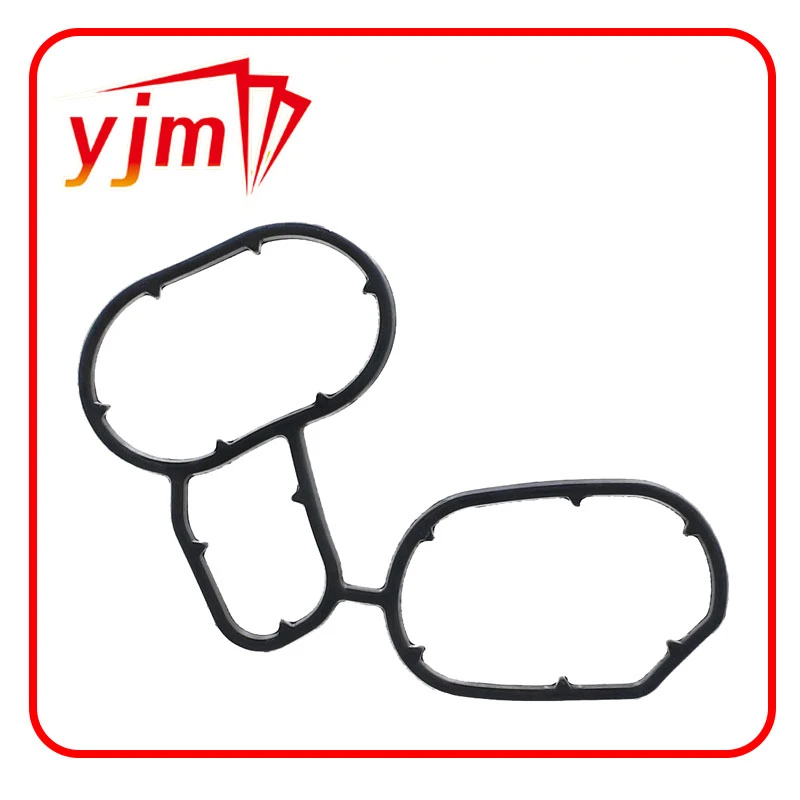
11427508970 BMW - OIL FILTER HOUSING GASKETS
-
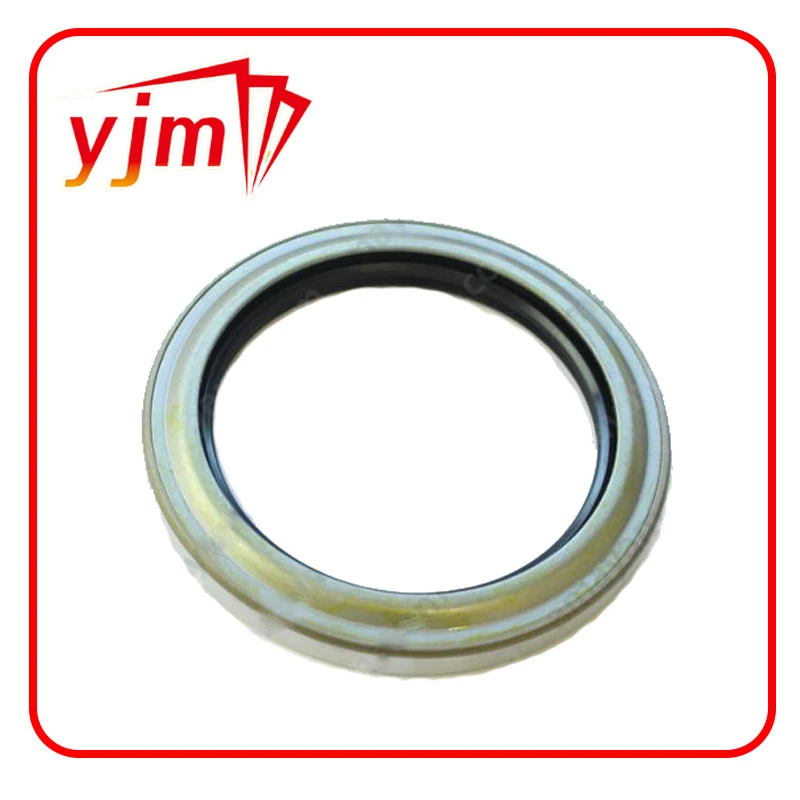
SEAL, OIL Genuine Toyota (9031170011)
-
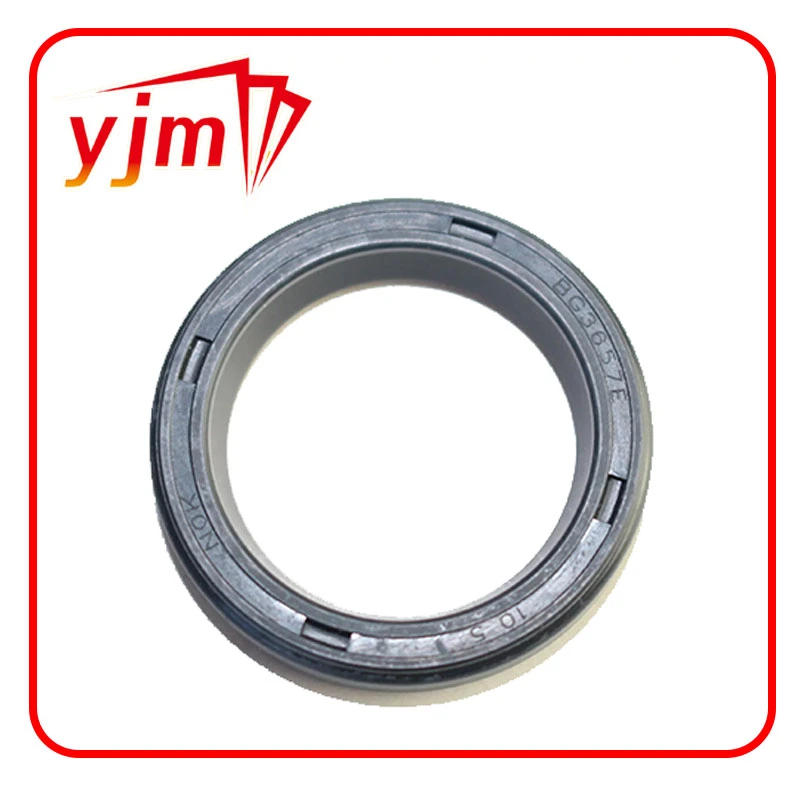
Transfer Case Output Shaft Seal Part 9031223001
-
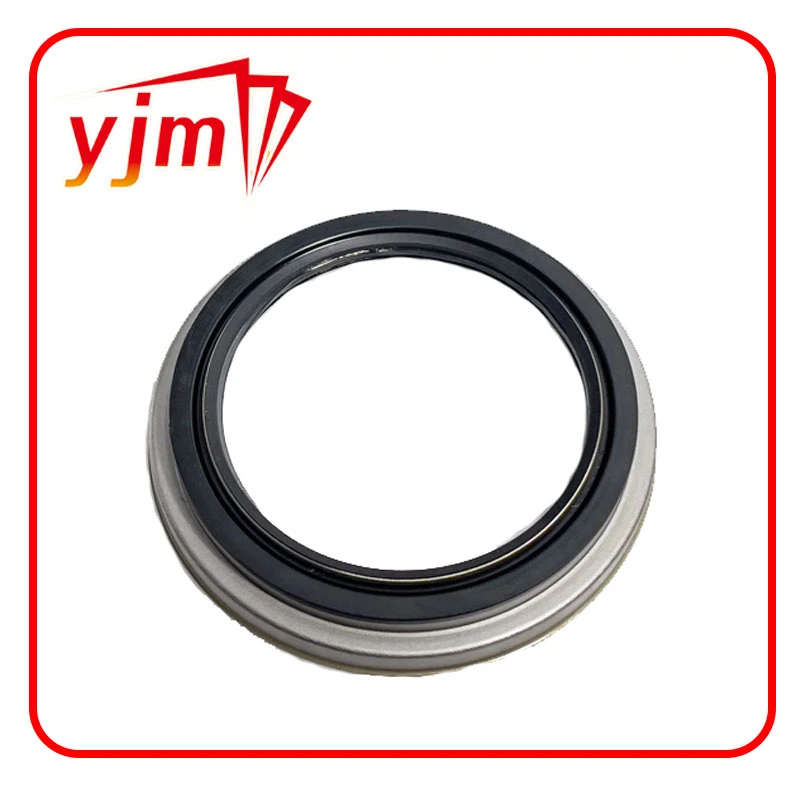
SEAL, OIL Genuine Toyota (9031672001)
-
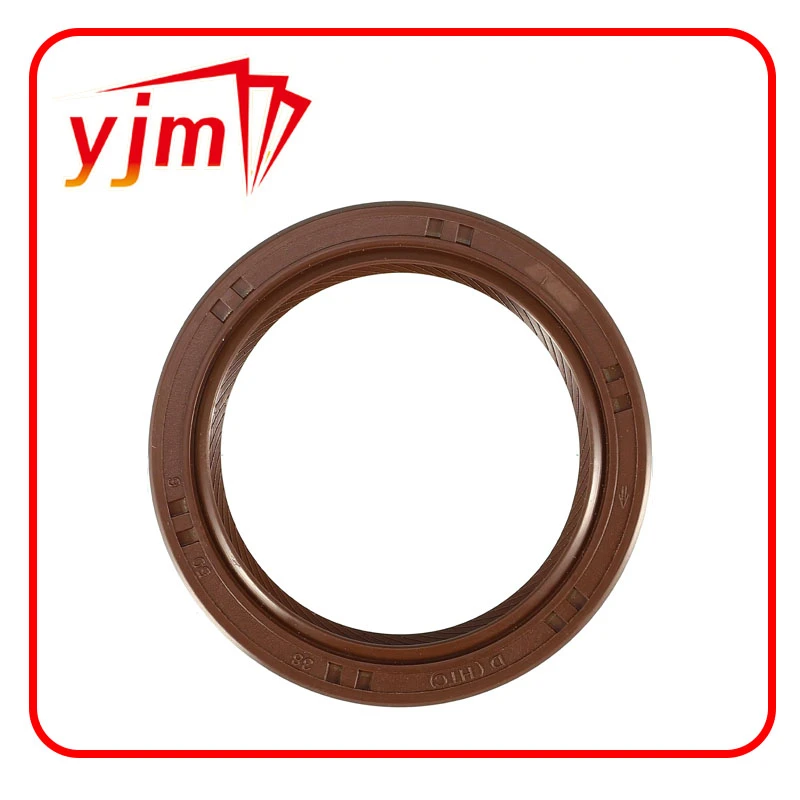
Engine Crankshaft Oil Seal No.9031138096
-
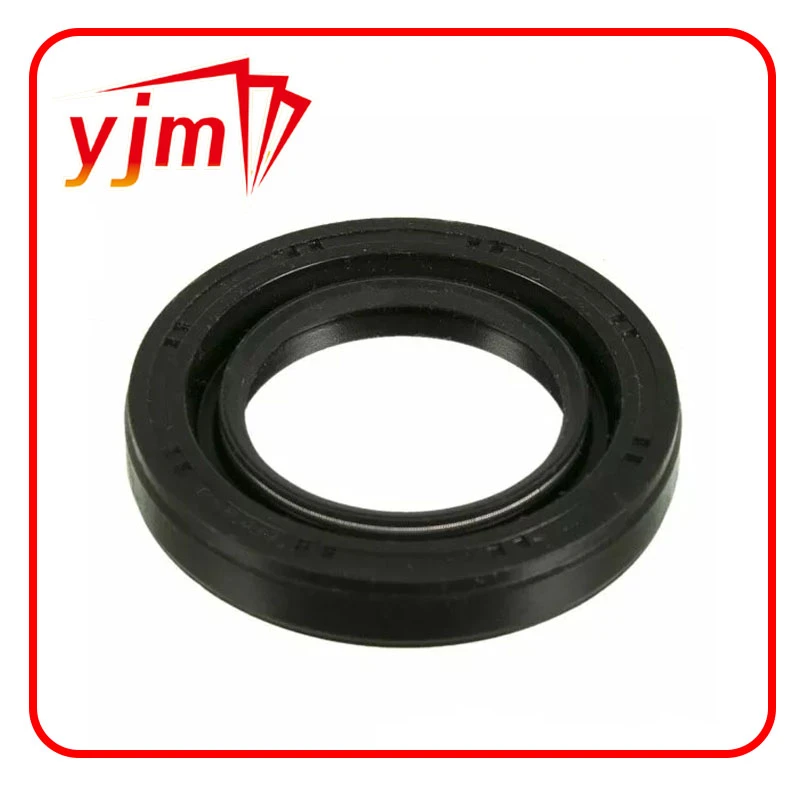
Toyota Transfer Case Output Shaft Seal Front 9031136006
-
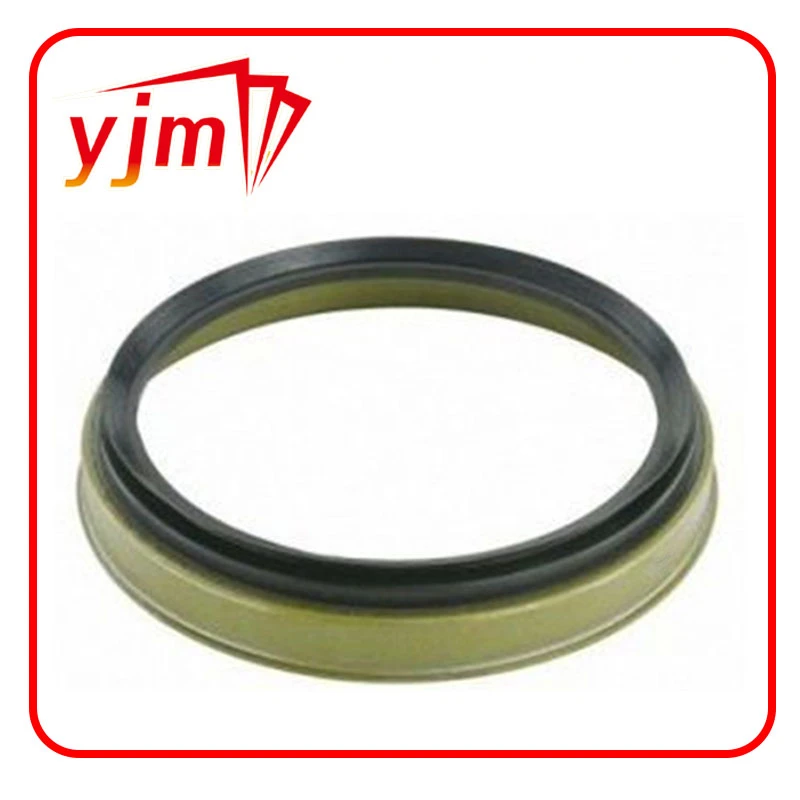
Seal, type v oil 9031287001 TOYOTA
-
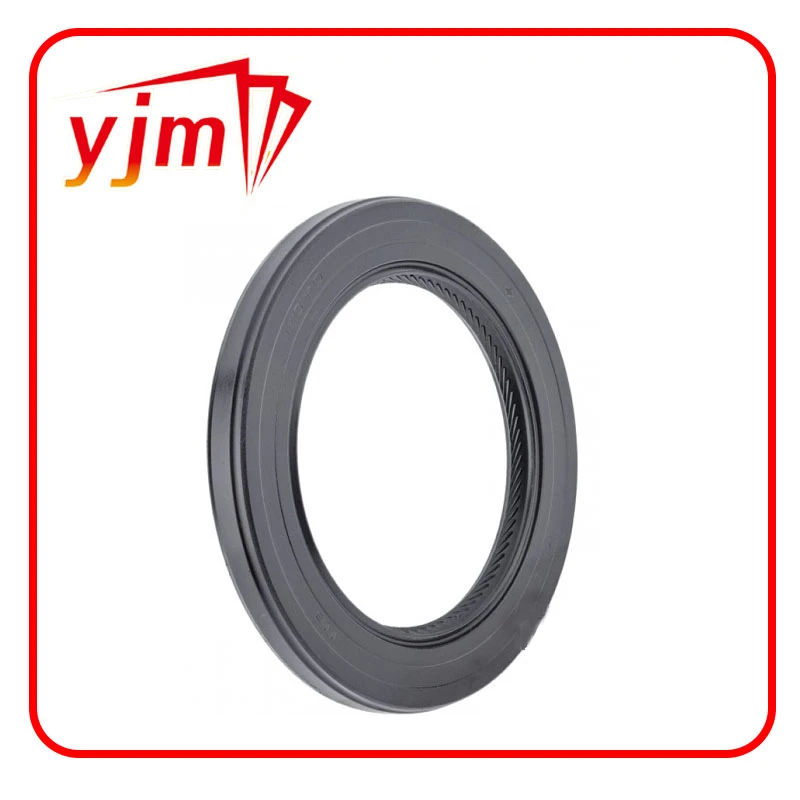
Oil pump seal 9031143010
-
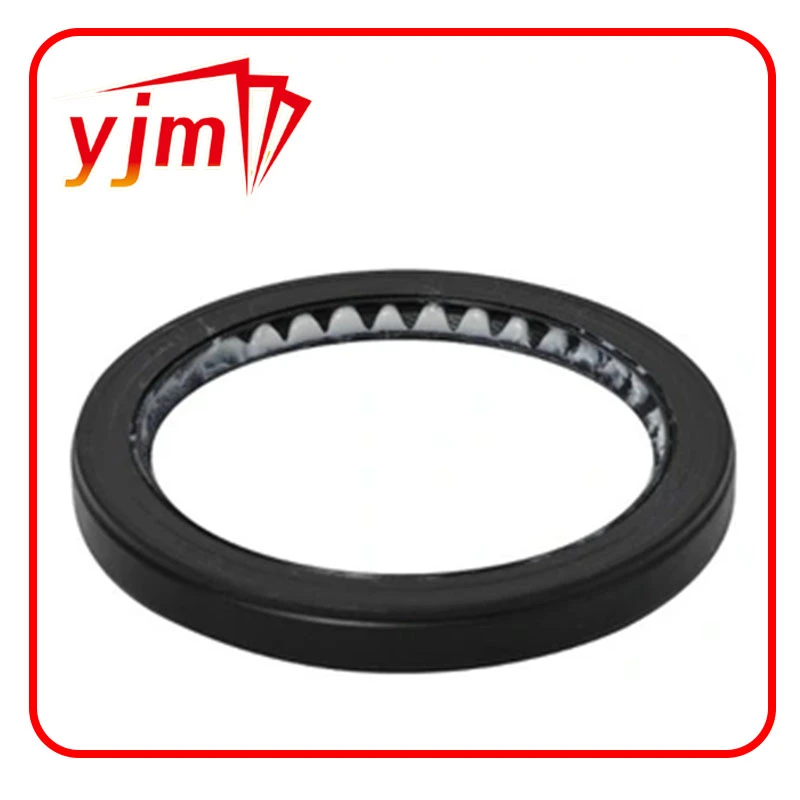
Genuine Toyota Oil SEAL 90311-54006
-
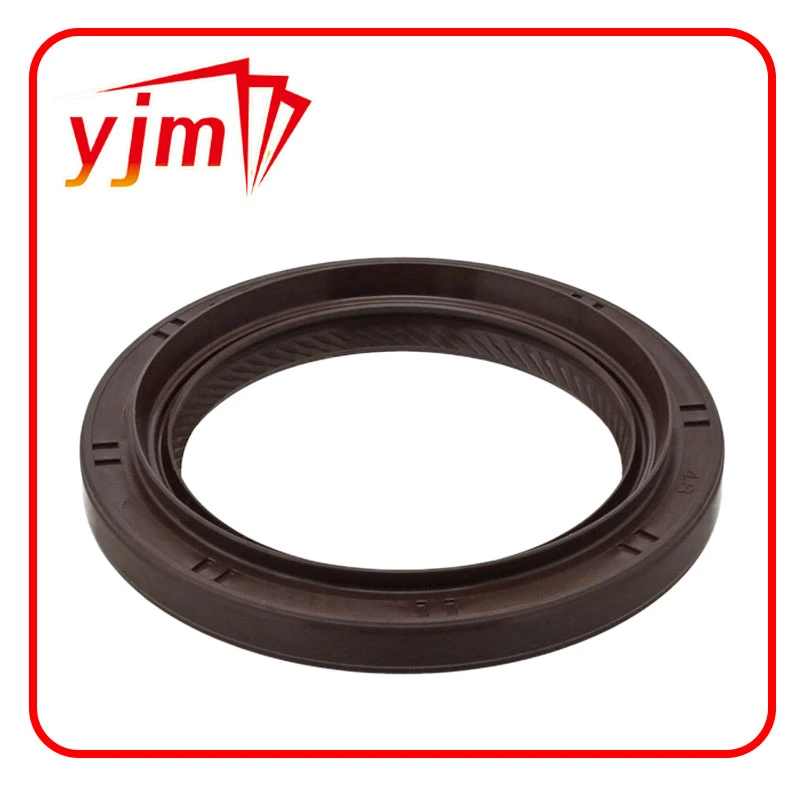
Toyota SEAL TYPE T OIL 90311-48031
-
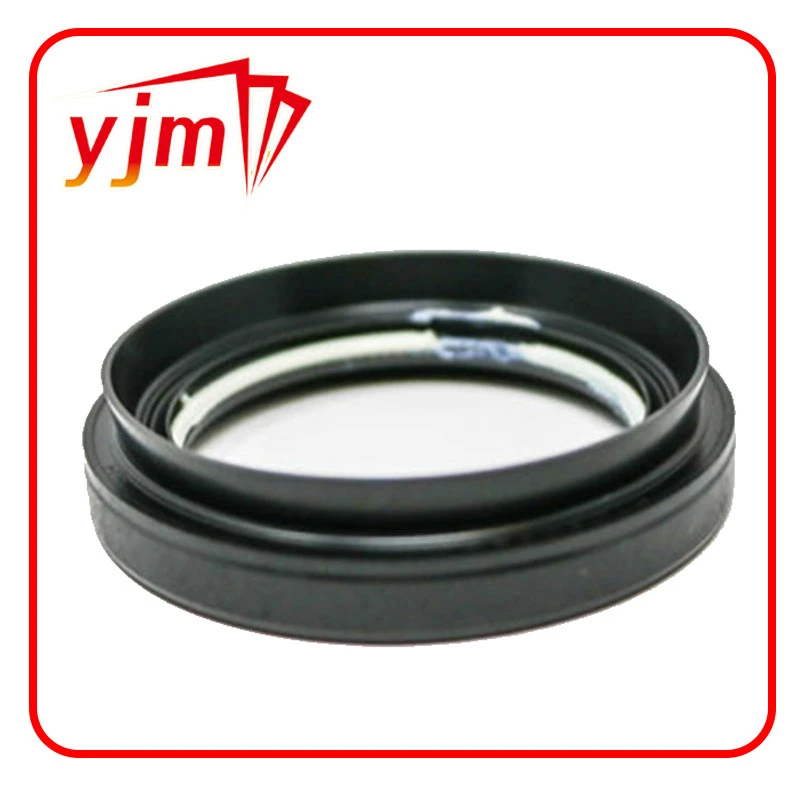
Type T Oil Seal, Front Drive Shaft, Left 9031150064
-
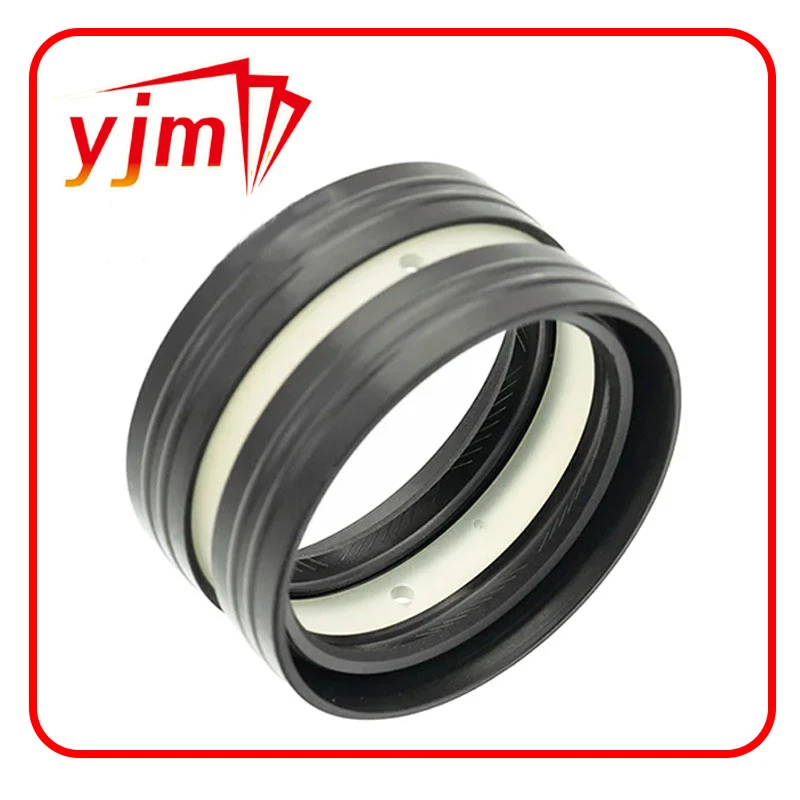
Seal, type d oil 9031634001 TOYOTA
 Afrikaans
 Albanian
 Amharic
 Arabic
 Armenian
 Azerbaijani
 Basque
 Belarusian
 Bengali
 Bosnian
 Bulgarian
 Catalan
 Cebuano
 Corsican
 Croatian
 Czech
Czech
 Danish
 Dutch
Dutch
 Esperanto
 Estonian
 Finnish
 French
 Frisian
 Galician
 Georgian
 German
 Greek
Greek
 Gujarati
 Haitian Creole
 Hausa
Hausa
 Hawaiian
 Hebrew
 Hindi
Hindi
 Miao
Miao
 Hungarian
 Icelandic
 Igbo
Igbo
 Indonesian
 Irish
Irish
 Italian
 Japanese
 Javanese
 Kannada
 Kazakh
 Khmer
Khmer
 Rwandese
 Korean
 Kurdish
 Kyrgyz
 Lao
Lao
 Latin
Latin
 Latvian
 Lithuanian
 Luxembourgish
 Macedonian
 Malgashi
 Malay
Malay
 Malayalam
 Maltese
 Maori
Maori
 Marathi
 Mongolian
 Myanmar
 Nepali
 Norwegian
 Norwegian
 Occitan
 Pashto
 Persian
 Polish
 Portuguese
 Punjabi
 Romanian
 Russian
 Samoan
 Scottish Gaelic
 Serbian
 Sesotho
 Shona
Shona
 Sindhi
 Sinhala
 Slovak
 Slovenian
 Somali
 Spanish
 Sundanese
 Swahili
 Swedish
 Tagalog
 Tajik
Tajik
 Tamil
Tamil
 Tatar
Tatar
 Telugu
 Thai
Thai
 Turkish
 Turkmen
 Ukrainian
 Urdu
Urdu
 Uighur
 Uzbek
Uzbek
 Vietnamese
 Welsh
Welsh
 Bantu
Bantu
 Yiddish
 Yoruba
 Zulu
Zulu
 English