Comprehensive Guide to Engine Oil Drain Plugs: Function, Specs, and Innovations
Understanding the Engine Oil Drain Plug: Function, Importance, and Innovation
When we talk about vehicle maintenance, some parts don't get the spotlight they deserve. The engine oil drain plug is one such humble yet essential component that keeps your engine healthy and running smoothly. Globally, as billions of vehicles and industrial machines operate daily, the role of this small piece cannot be overstated. Understanding its design, applications, and innovations not only empowers mechanics and enthusiasts but also impacts sustainability efforts and costs in the automotive industry.
Introduction: Why the Engine Oil Drain Plug Matters Globally
Believe it or not, the world consumes over 100 million barrels of motor oil annually, with a significant share being drained and replaced regularly during maintenance. According to the International Organization for Standardization (ISO), proper oil drainage is critical to engine longevity and environmental safety.[1] The engine oil drain plug facilitates this by providing the means to efficiently release used oil, but challenges like leaks or improper sealing can lead to contamination or engine damage. In emerging markets and remote industrial settings, a reliable oil drain plug reduces downtime and waste, directly influencing operational efficiency.
It's a tiny part, yet its global footprint touches environmental standards, manufacturing quality, and even humanitarian efforts — for instance, engines supporting disaster relief vehicles depend on trustworthy maintenance components.
What Exactly Is an Engine Oil Drain Plug?
Simply put, the engine oil drain plug is a threaded fastener screwed into the oil pan of most internal combustion engines. Its job — to seal the oil reservoir and allow old lubricating oil to be safely drained when maintenance is due. The plug ensures the engine's oil doesn't leak and contamination doesn't enter the oil sump, protecting the engine's internal parts.
Oddly enough, despite its small size, it connects deeply with broader machinery reliability and sustainability goals, especially as industries move toward longer lifespans for equipment.
Key Factors When Considering an Engine Oil Drain Plug
1. Durability
Drain plugs must withstand extreme temperatures, cyclic engine vibrations, and corrosive elements. Many use materials like high-grade steel or brass, sometimes coated with zinc or other rust-resistant finishes. Durability directly translates to fewer replacements and better engine protection — which frankly, everyone appreciates.
2. Seal Integrity
The seal around the drain plug is often enhanced by a washer or gasket, preventing oil leaks. Some high-performance plugs feature integrated O-rings or crush washers designed for easier removal and reinstallation without compromising the seal.
3. Ease of Use and Design
From traditional hex heads to magnetic plugs that capture metal particles, design innovations help mechanics save time and perform more thorough maintenance. The simplicity—or complexity—of the plug design dictates how often it might be stripped or damaged.
4. Cost-effectiveness
Because drain plugs are replaced during regular oil changes in many cases, they must be affordable without sacrificing quality. This balance is key for fleet managers and individual owners alike.
5. Environmental Impact
Leaking oil due to faulty plugs contributes to ground and water contamination. Environmentally sound drain plug designs minimize this risk and support extended oil change intervals, aligning with global sustainability goals.
Typical Specifications of an Engine Oil Drain Plug
| Specification | Typical Range | Description |
|---|---|---|
| Material | Steel, Brass, Aluminum | Impact on durability and corrosion resistance |
| Thread Size | M12, M14, 3/8" NPT | Compatibility with engine oil pan drain hole |
| Seal Type | Washer, O-ring, Crush washer | Ensures leak-proof sealing |
| Finish | Zinc plating, Black oxide | Corrosion protection and aesthetic |
| Head Style | Hex, Square, Magnetic | Ease of installation/removal and added features |
Global Applications & Use Cases
The engine oil drain plug is universal — think passenger vehicles, trucks, agricultural machinery, or industrial equipment. Its reliability is vital in remote mining operations in Australia, agricultural tractors in Sub-Saharan Africa, or fleet vehicles in urban U.S. settings. For example, in post-disaster relief operations, quick and efficient oil changes on rescue vehicles mean greater uptime and mission success.
Moreover, industries reliant on heavy machinery appreciate magnetic drain plugs that capture tiny metal particles, thus facilitating early fault detection and preventing catastrophic engine failures — a game-changer in places like Siberia's oil fields or offshore rigs in the North Sea.
How To Choose a Vendor: A Quick Comparison
| Vendor | Material Quality | Customization Options | Eco-friendly Practices | Pricing |
|---|---|---|---|---|
| YJM Seal | High-grade steel, zinc-plated | Yes — various thread sizes & magnetic options | Recyclable packaging, low-energy manufacturing | Competitive |
| GlobalAuto Parts | Standard steel & brass | Limited | Minimal focus | Moderate |
| EnginePro Supplies | Premium alloys | Custom finishes & seals | Some efforts in sustainability | Higher-end |
Advantages and Long-Term Value
What’s rewarding, from both a logical and emotional angle, is how a quality engine oil drain plug boosts reliability and safety. It reduces oil leaks — which is economically beneficial for vehicle owners and environmentally responsible. You also help maintain the engine’s long-term health, avoiding costly repairs. For fleet companies, that trust in equipment uptime translates into huge peace of mind.
On a broader level, innovations in plug materials and sealing technology align with growing sustainability efforts. Proper sealing reduces hazardous spills and supports longer oil change intervals, reducing waste. It’s a subtle nod towards corporate responsibility and innovation.
Future Trends & Innovations
Looking ahead, the engine oil drain plug market is seeing interesting tech improvements. For example, magnetic plugs with embedded sensors can detect and report metal debris in oil, integrating with digital vehicle health monitoring systems. Such automation enhances predictive maintenance regimes.
New materials—such as composite plastics with metal reinforcements—are also reducing weight and improving corrosion resistance, which is a boon for electric and hybrid vehicles’ thermal management systems.
Sustainability drives greener manufacturing processes, from recycled raw materials to emission-conscious factories, and these changes aren’t stopping soon.
Challenges & Expert Solutions
Despite progress, some challenges persist. For instance, stripped threads from improper tool use or cross-threading remain common. For this, many mechanics recommend torque-limiting wrenches and educational initiatives to reduce human error.
Another issue is compatibility — the myriad engine designs require custom sizes and thread standards, which complicates supply chain logistics. Vendors like YJM Seal address this by offering wide-ranging standard and custom solutions.
FAQ: Frequently Asked Questions About Engine Oil Drain Plug
Q1: How often should I replace my engine oil drain plug?
A: Usually, the drain plug is replaced during every oil change, especially if it has a crush washer. If the plug shows signs of wear, stripped threads, or corrosion, replacement is necessary to avoid leaks.
Q2: Can I reuse the drain plug washer?
A: It’s generally advised not to reuse crush washers as they deform to create a seal. Replacing the washer ensures a reliable seal and prevents oil leaks.
Q3: What are the benefits of magnetic engine oil drain plugs?
A: Magnetic plugs attract and hold metal particles floating in used oil, helping to prevent engine damage and providing a simple way to monitor engine wear.
Q4: Are aftermarket drain plugs safe to use?
A: Most reputable aftermarket plugs meet OEM specifications and are safe when properly matched to your engine model. Always verify compatibility and quality certifications.
Q5: How to prevent stripped drain plug threads?
A: Use the correct tool size, avoid overtightening (follow torque specs), and replace worn plugs immediately. Some professionals use thread repair kits if damage occurs.
Conclusion and Call to Action
In real terms, the engine oil drain plug might feel like a minor detail in the engine ecosystem, but it plays a pivotal role in maintenance, environmental safety, and machine reliability. Investing in quality plugs, understanding their specs, and embracing innovations can save money and extend engine life significantly.
For those interested in top-tier options and customization, visit our website: https://www.yjmseal.com to explore the latest in durable, eco-friendly engine oil drain plugs.
Mini takeaway: A well-chosen drain plug isn’t just a bolt; it’s a guardian of your engine’s health and efficiency.
References
-
Guide to Choosing the Right Washer for Oil Change and Sealing
News Apr.16,2026
-
Essential Guide to High Quality rubber washer oil drain plug
News Apr.09,2026
-
Understanding Rubber Crush Washers for Optimal Sealing Performance
News Apr.07,2026
-
Comprehensive Guide to Understanding and Reusing Crush Washer for Optimal Sealing
News Apr.04,2026
-
The Vital Role of a Drain Screw Gasket in Fluid System Integrity
News Mar.31,2026
-
The Essential Guide to Drain Crush Washer Selection and Plumbing Leak Prevention
News Mar.28,2026
-
The Vital Role of a Crush Washer in Oil Changes for Engine Protection
News Mar.26,2026
Products categories
-
Brass cutlass marine bearing
-
Genuine OEM Engine Oil Filter Housing Cover O-Ring For VW/Audi 06E115446
-
Oil Filter Stand Gasket,Oil filter cover seal
-
Oil Cooler Gasket, Oil Cooler to Oil Filter Housing 11427525335
-
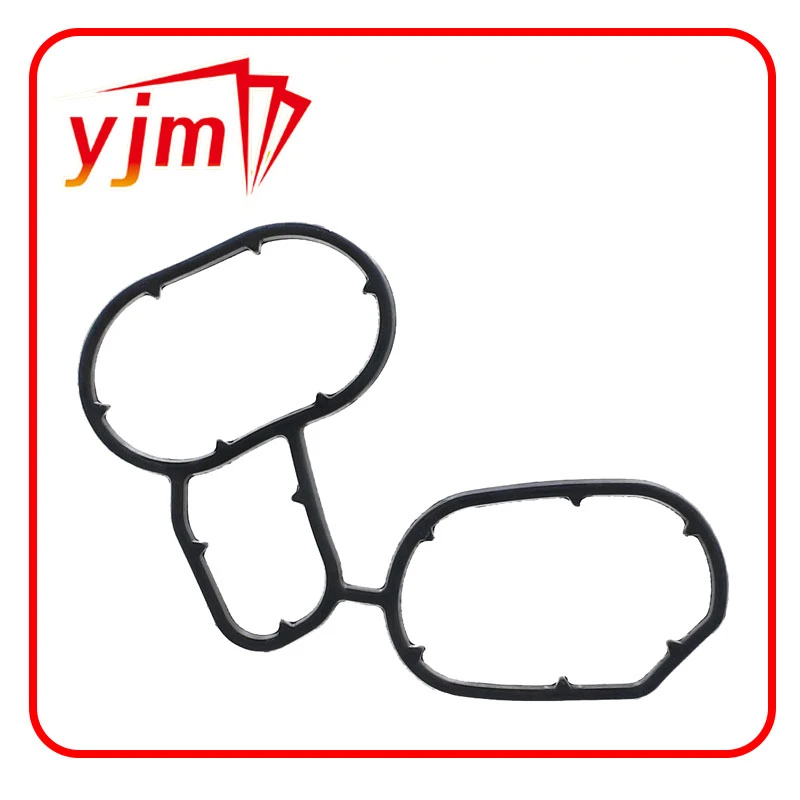
11427508970 BMW - OIL FILTER HOUSING GASKETS
-
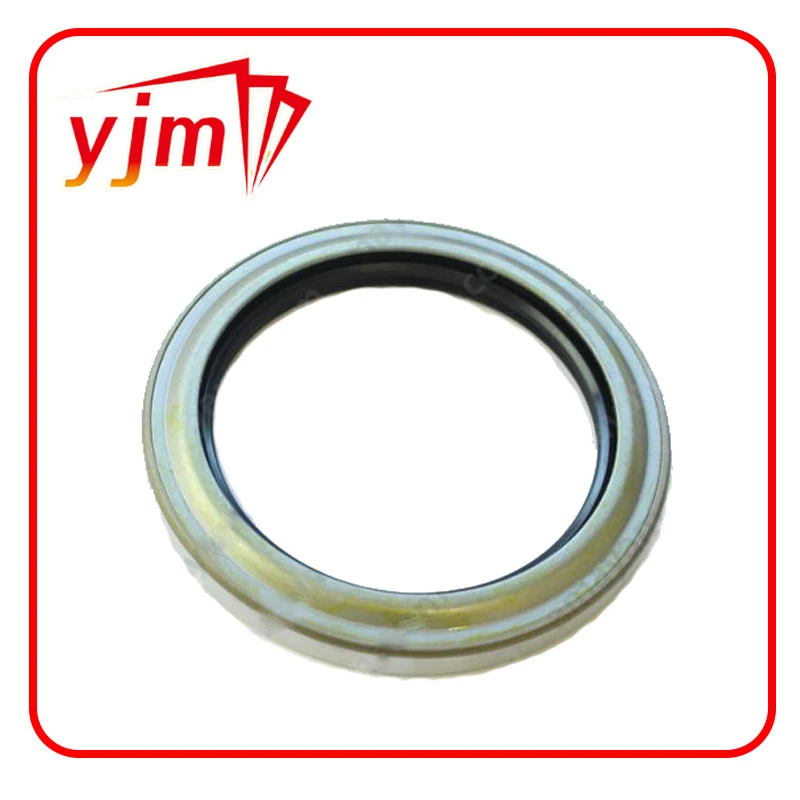
SEAL, OIL Genuine Toyota (9031170011)
-
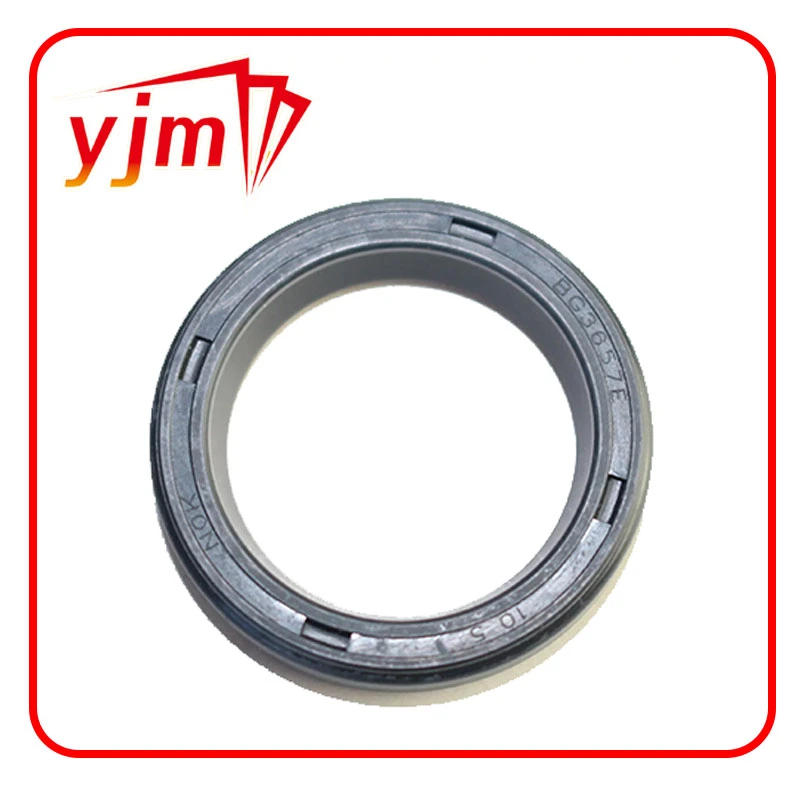
Transfer Case Output Shaft Seal Part 9031223001
-
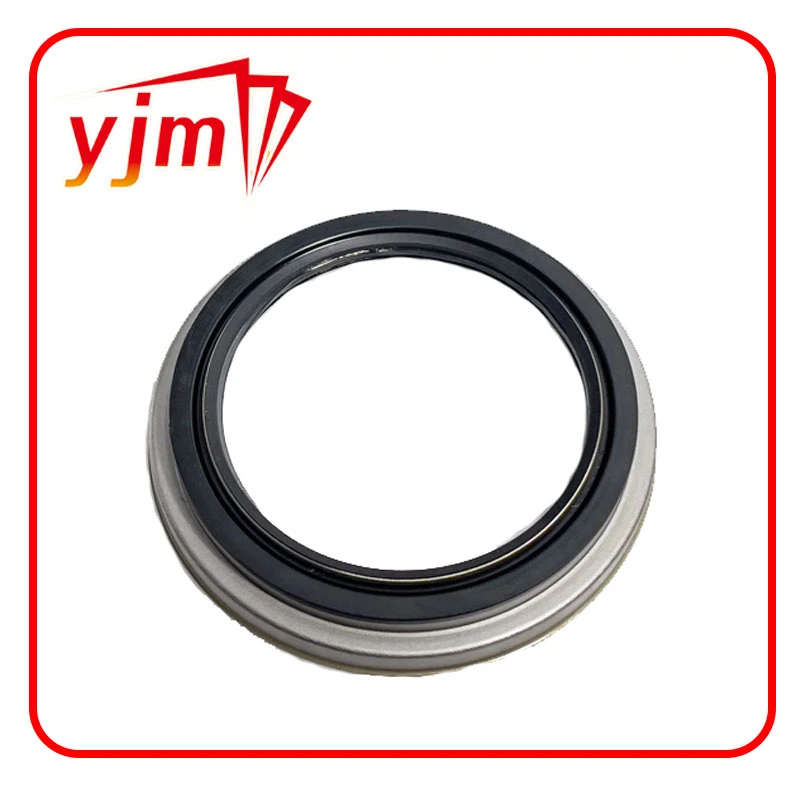
SEAL, OIL Genuine Toyota (9031672001)
-
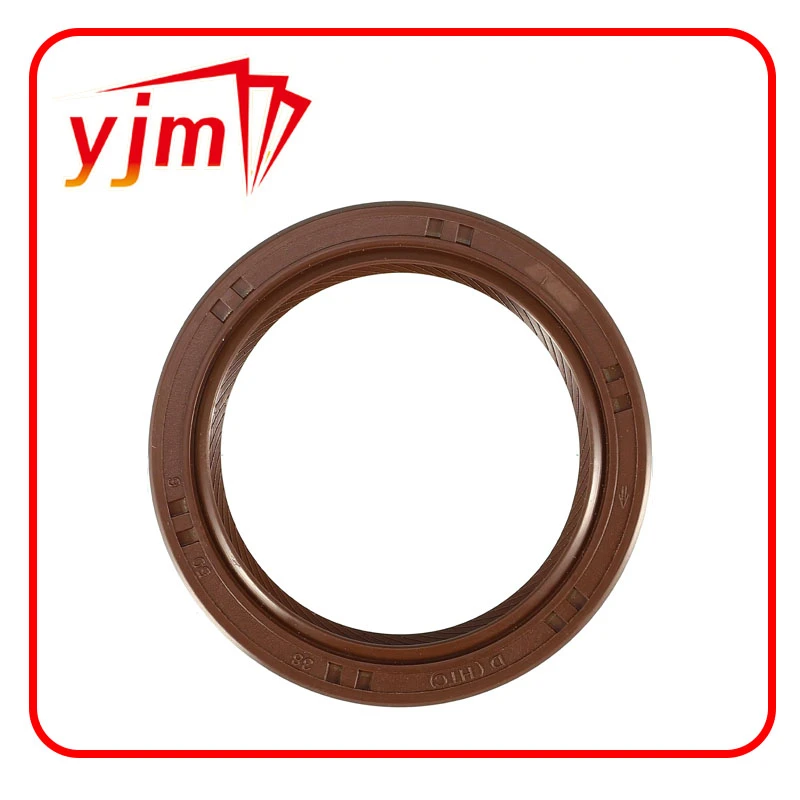
Engine Crankshaft Oil Seal No.9031138096
-
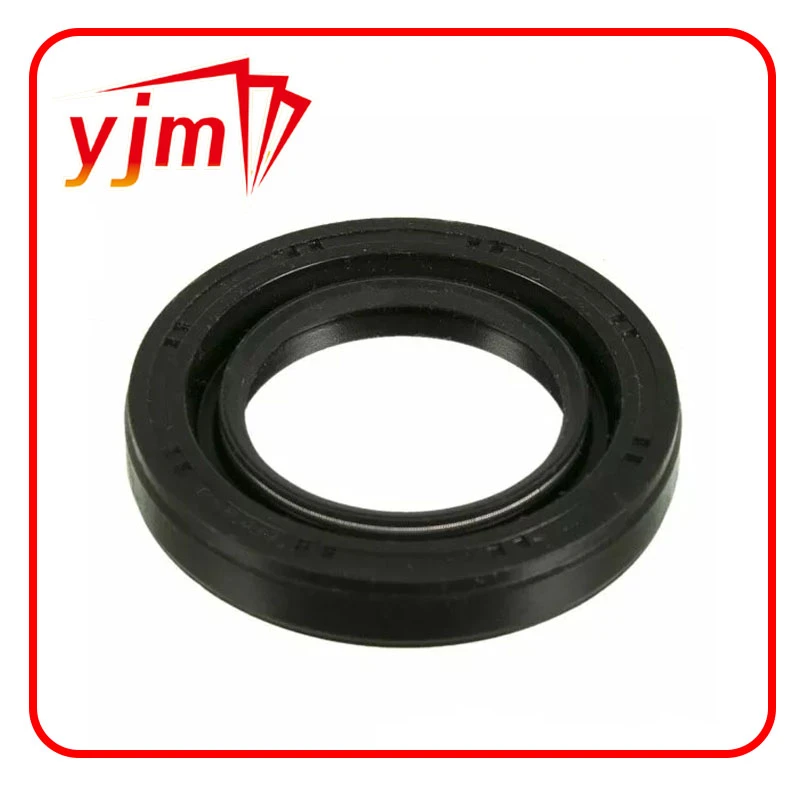
Toyota Transfer Case Output Shaft Seal Front 9031136006
-
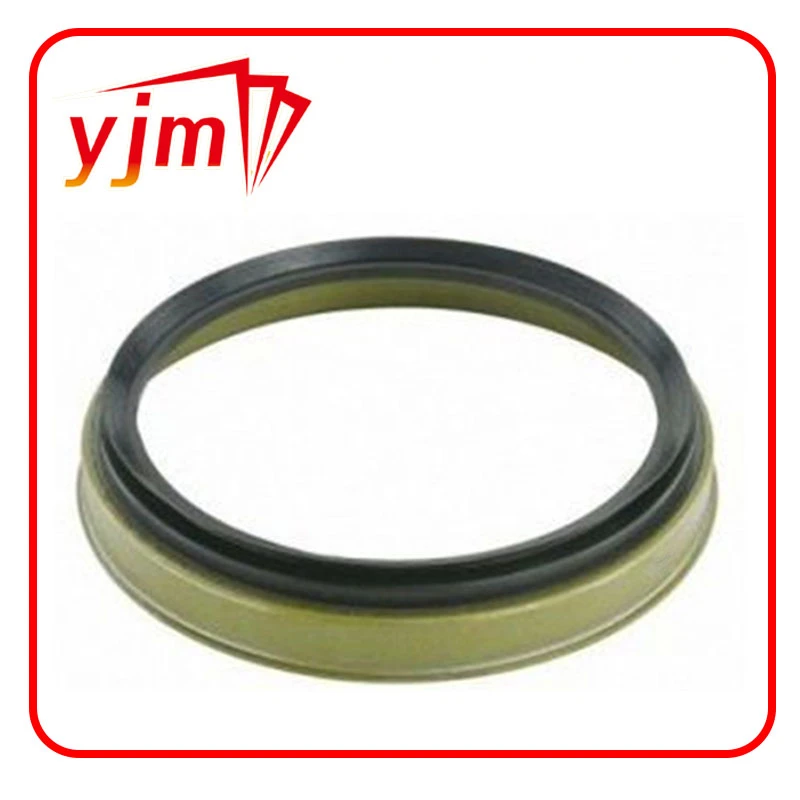
Seal, type v oil 9031287001 TOYOTA
-
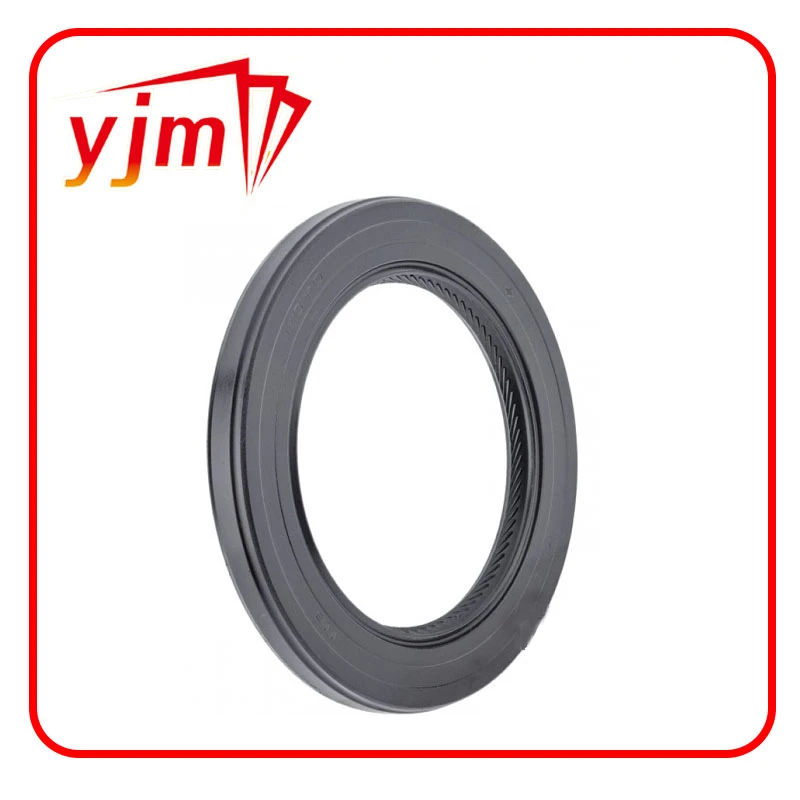
Oil pump seal 9031143010
-
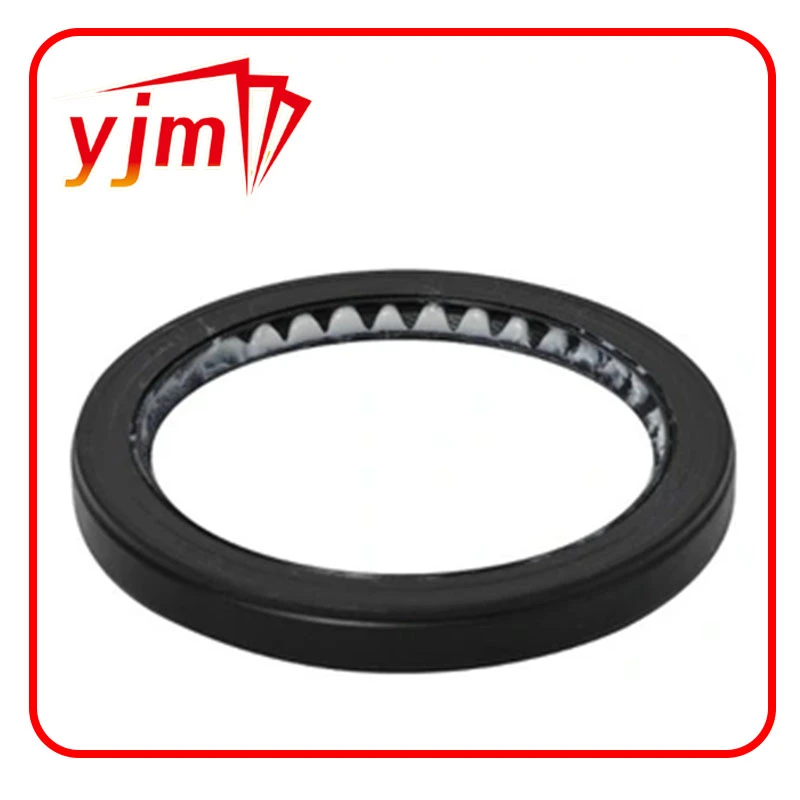
Genuine Toyota Oil SEAL 90311-54006
-
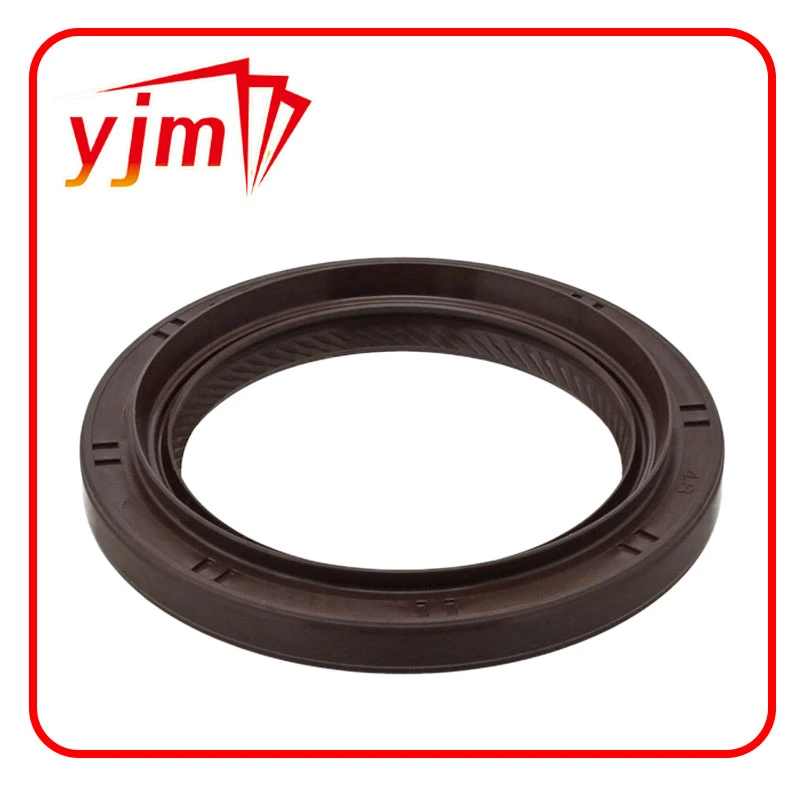
Toyota SEAL TYPE T OIL 90311-48031
-
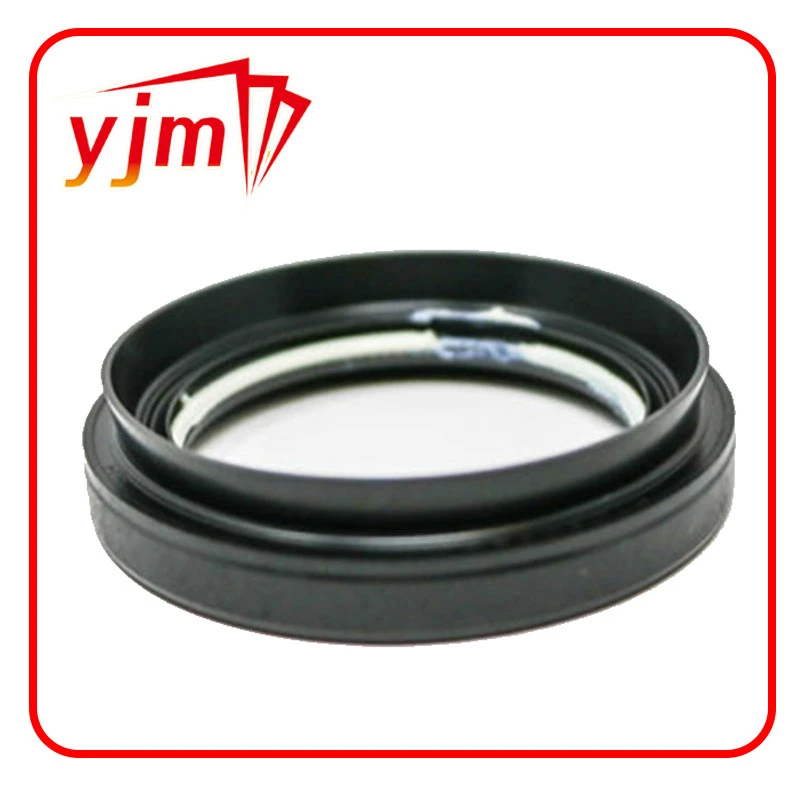
Type T Oil Seal, Front Drive Shaft, Left 9031150064
-
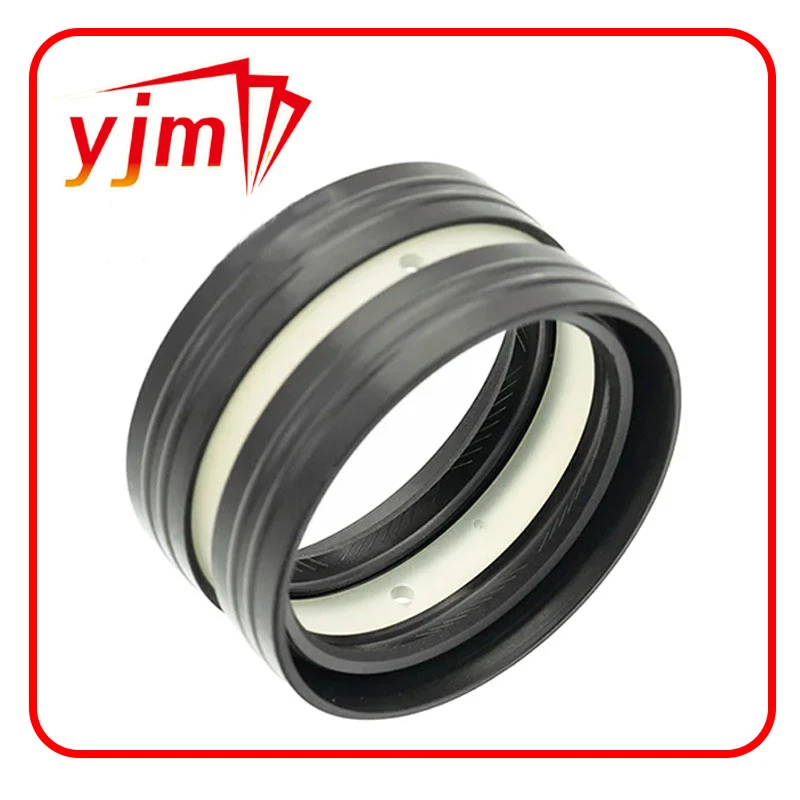
Seal, type d oil 9031634001 TOYOTA
 Afrikaans
 Albanian
 Amharic
 Arabic
 Armenian
 Azerbaijani
 Basque
 Belarusian
 Bengali
 Bosnian
 Bulgarian
 Catalan
 Cebuano
 Corsican
 Croatian
 Czech
Czech
 Danish
 Dutch
Dutch
 Esperanto
 Estonian
 Finnish
 French
 Frisian
 Galician
 Georgian
 German
 Greek
Greek
 Gujarati
 Haitian Creole
 Hausa
Hausa
 Hawaiian
 Hebrew
 Hindi
Hindi
 Miao
Miao
 Hungarian
 Icelandic
 Igbo
Igbo
 Indonesian
 Irish
Irish
 Italian
 Japanese
 Javanese
 Kannada
 Kazakh
 Khmer
Khmer
 Rwandese
 Korean
 Kurdish
 Kyrgyz
 Lao
Lao
 Latin
Latin
 Latvian
 Lithuanian
 Luxembourgish
 Macedonian
 Malgashi
 Malay
Malay
 Malayalam
 Maltese
 Maori
Maori
 Marathi
 Mongolian
 Myanmar
 Nepali
 Norwegian
 Norwegian
 Occitan
 Pashto
 Persian
 Polish
 Portuguese
 Punjabi
 Romanian
 Russian
 Samoan
 Scottish Gaelic
 Serbian
 Sesotho
 Shona
Shona
 Sindhi
 Sinhala
 Slovak
 Slovenian
 Somali
 Spanish
 Sundanese
 Swahili
 Swedish
 Tagalog
 Tajik
Tajik
 Tamil
Tamil
 Tatar
Tatar
 Telugu
 Thai
Thai
 Turkish
 Turkmen
 Ukrainian
 Urdu
Urdu
 Uighur
 Uzbek
Uzbek
 Vietnamese
 Welsh
Welsh
 Bantu
Bantu
 Yiddish
 Yoruba
 Zulu
Zulu
 English