Comprehensive Guide to Engine Front Seal: Importance, Applications & Innovations
Understanding the Engine Front Seal: A Vital Component in Modern Machinery
The engine front seal might sound like a mundane part in your vehicle or industrial equipment, but it plays a crucial role in preventing leaks, maintaining engine efficiency, and extending machinery life. Globally, as industries strive for sustainability and reliability, understanding components like the engine front seal becomes essential. Whether you're in automotive, manufacturing, or heavy equipment sectors, this small yet mighty seal offers big benefits in cost savings and environmental protection.
Global Industry Context: Why the Engine Front Seal Matters
On a worldwide scale, the reliability of engines in machinery—from cars to industrial generators—is paramount. According to the International Organization for Standardization (ISO), equipment efficiency and reduced industrial leakage are critical to meeting environmental regulations and reducing carbon footprints.1 An engine front seal helps combat one of the most common challenges: oil leaks that cause engine damage and pollution. As industries expand in Asia, Europe, and North America, the demand for durable and precise sealing solutions only grows.
Oddly enough, despite their technical importance, many end-users rarely appreciate the front seal’s role until a leak causes costly downtime or repairs. That’s why getting familiar with this component is not just technical jargon — it’s practical knowledge that saves money and boosts performance.
What Is an Engine Front Seal, Really?
Simply put, an engine front seal is a mechanical gasket that fits at the front end of an engine’s crankshaft. Its primary job is to prevent engine oil from leaking out while allowing the crankshaft to rotate smoothly. This sealing prevents contaminants from entering and oil from escaping, essentially keeping things running cleanly and efficiently.2
In modern industries—especially automotive manufacturing—the front seal supports performance, emissions control, and engine longevity. From humanitarian applications where engines power water pumps in disaster relief areas to remote mining equipment, a reliable front seal is foundational to operational success.
Key Components and Practical Aspects of Engine Front Seals
1. Durability
Engine front seals must resist heat, friction, and exposure to oils and contaminants. Materials such as fluoroelastomers or silicone rubber are commonly used due to their long service life and resistance to harsh conditions.
2. Precision Fit
The seal must fit precisely onto the crankshaft and engine block. Even a slight mismatch can cause leaks or premature wear. Manufacturers often use CNC machining or injection molding for this exact purpose.
3. Chemical Resistance
Since engine oil contains additives and chemicals, the seal material must resist swelling or degradation over time to maintain its effectiveness.
4. Cost Efficiency
While a front seal is a small part, its replacement cost includes labor and downtime – meaning high-quality, durable seals save money in the long run.
5. Ease of Installation
For mechanics or assembly lines, front seals need to be designed for straightforward installation to minimize errors and time.
Typical Product Specifications
| Specification | Details |
|---|---|
| Material | Fluoroelastomer / Nitrile Rubber |
| Temperature Range | -40°C to 150°C (up to 200°C for specialty seals) |
| Recommended Shaft Diameter | 20 mm to 100 mm, customizable |
| Wear Resistance | High, over 100,000 cycles tested |
| Typical Lifespan | Up to 100,000 miles or 5 years |
Global Applications & Use Cases
Engine front seals find applications across various sectors. In automotive manufacturing hubs of Germany, Japan, and the United States, they support engine assemblies ensuring tight oil control and emission standards compliance. Meanwhile, in remote mining operations in South America or Africa, reliable seals keep heavy machinery running in dusty, rugged environments.
In disaster relief zones, where portable generators and pumps are lifelines, the front seal’s effectiveness ensures minimal downtime and efficient operation. You’ll also find them in agricultural machinery, marine engines, and even aerospace prototypes—showcasing their versatile importance.
Vendor Comparison Table
| Vendor | Material Quality | Customization | Price Range | Lead Time |
|---|---|---|---|---|
| YJM Seal | Premium fluoroelastomer | High | $$$ | 2-3 weeks |
| Generic Supplier A | Standard nitrile rubber | Medium | $ | 1 week |
| Premium Seal Co. | Advanced silicone composites | High | $$$$ | 4 weeks |
Advantages & Long-Term Value of Engine Front Seals
The benefits of a properly selected and maintained engine front seal are clear. On a practical level, robust seals reduce expensive oil leaks, lower maintenance frequency, and improve overall engine performance. This means less downtime—and that adds up to significant cost savings, especially for businesses running fleets or heavy equipment.
From a sustainability perspective, preventing leaks helps reduce oil contamination and environmental harm. Emissions stay controlled, keeping the machine compliant with stricter global guidelines. On a personal level, it feels reassuring knowing your engine runs safer, quieter, and more reliably — all thanks to one small part.
Future Trends & Innovations
Looking forward, engine front seals are evolving with new materials that better resist heat and chemical stress. Manufacturers are exploring graphene-infused elastomers and advanced polymers to increase lifespan even further. Plus, the rise of electric and hybrid engines is transforming sealing needs, with innovations aimed at higher precision and adaptability.
Automation is also changing seal production, making custom designs faster and more consistent. Green energy policies worldwide push the industry toward eco-friendlier materials and fully recyclable seals — which is kind of exciting when you think about it.
Common Challenges & Their Solutions
Leaks due to improper installation or material mismatch remain the biggest headaches. Temperature fluctuations and aging materials can also cause premature failure. Expert mechanics often recommend routine inspections as a first defense.
Innovative approaches include advanced coatings and pre-lubricated seals to minimize friction wear. Some manufacturers now offer installation tools and training designed to reduce human error. Frankly, tackling these challenges head-on is key to maximizing front seal reliability.
FAQ: Frequently Asked Questions About Engine Front Seal
- Q: How often should the engine front seal be replaced?
A: Typically, front seals last 5 years or about 100,000 miles depending on usage conditions. Signs of leaks or crankshaft wobble mean it's time for replacement. - Q: Are front seals compatible with synthetic oils?
A: Yes, high-quality seals are designed to work with both conventional and synthetic lubricants without degradation. - Q: Can a bad engine front seal damage my engine?
A: Absolutely. Oil leaks due to faulty seals can lead to low oil levels, overheating, and eventually serious engine damage if ignored. - Q: Can I install the front seal myself?
A: While possible, it’s usually better to have a trained mechanic perform the installation to ensure proper fit and prevent leaks.
Conclusion & Call to Action
In real terms, the engine front seal is a small component with a big job—keeping engines sealed, efficient, and reliable over their lifespan. By investing in quality seals like those from trusted vendors, you safeguard your equipment, reduce environmental risks, and save money long-term.
If you're ready to learn more or source top-tier engine front seals, visit our site for detailed specs and expert advice: https://www.yjmseal.com.
Takeaway: Never underestimate the power of a well-engineered seal — sometimes the smallest part can make the biggest difference.
References:
1. ISO, ISO Standards Portal
2. Wikipedia, Crankshaft Article
3. World Bank Data, Global Industry Stats
-
Guide to Choosing the Right Washer for Oil Change and Sealing
News Apr.16,2026
-
Essential Guide to High Quality rubber washer oil drain plug
News Apr.09,2026
-
Understanding Rubber Crush Washers for Optimal Sealing Performance
News Apr.07,2026
-
Comprehensive Guide to Understanding and Reusing Crush Washer for Optimal Sealing
News Apr.04,2026
-
The Vital Role of a Drain Screw Gasket in Fluid System Integrity
News Mar.31,2026
-
The Essential Guide to Drain Crush Washer Selection and Plumbing Leak Prevention
News Mar.28,2026
-
The Vital Role of a Crush Washer in Oil Changes for Engine Protection
News Mar.26,2026
Products categories
-
Brass cutlass marine bearing
-
Genuine OEM Engine Oil Filter Housing Cover O-Ring For VW/Audi 06E115446
-
Oil Filter Stand Gasket,Oil filter cover seal
-
Oil Cooler Gasket, Oil Cooler to Oil Filter Housing 11427525335
-
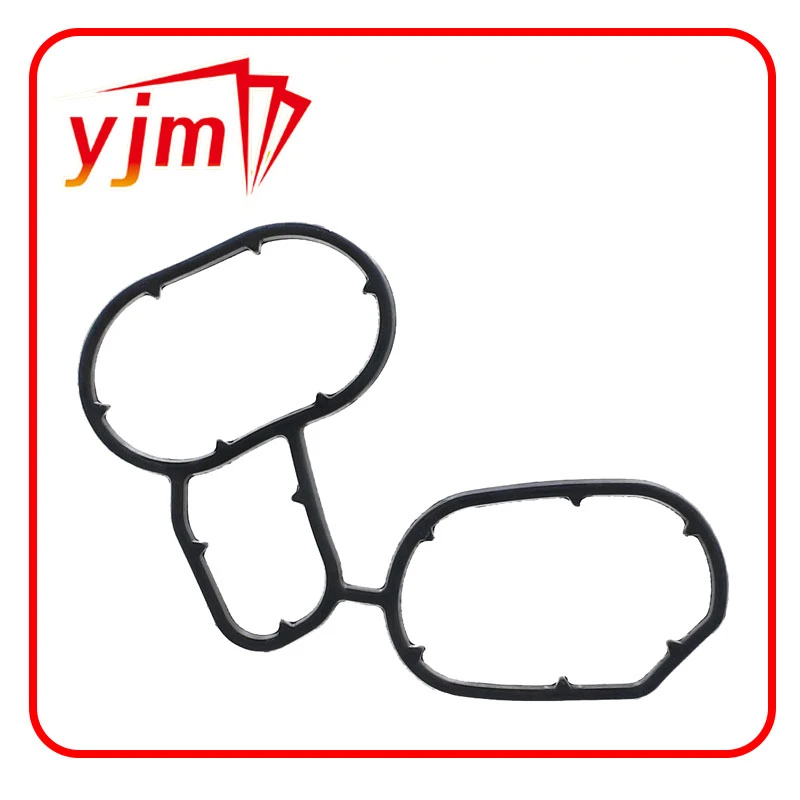
11427508970 BMW - OIL FILTER HOUSING GASKETS
-
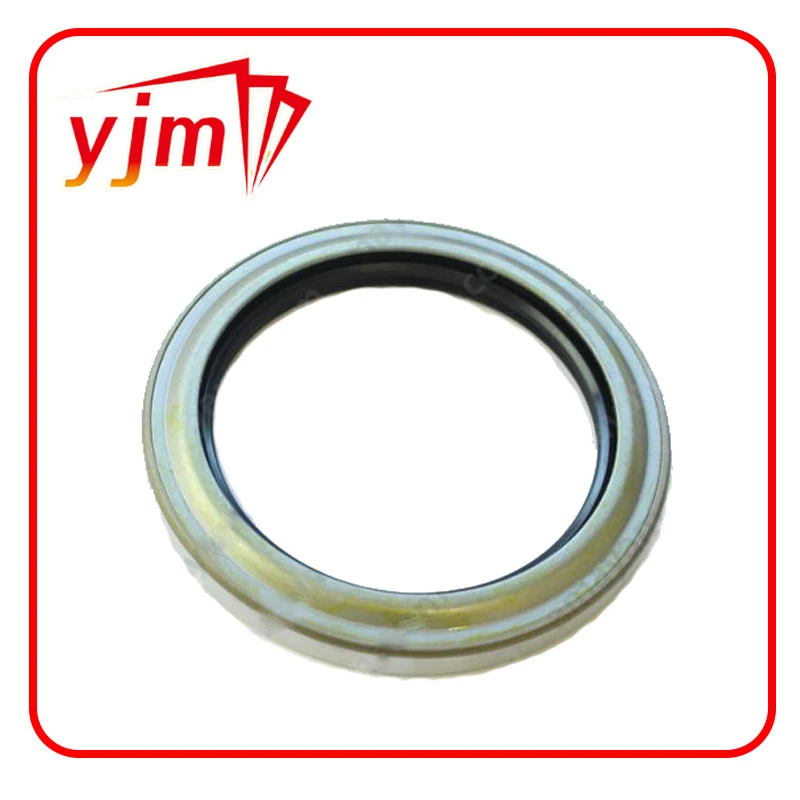
SEAL, OIL Genuine Toyota (9031170011)
-
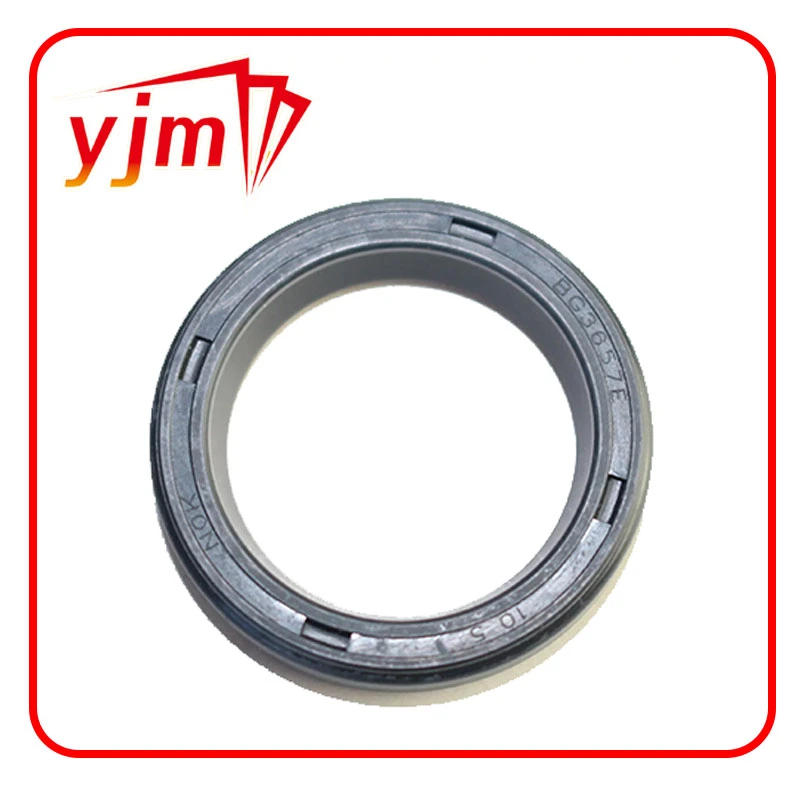
Transfer Case Output Shaft Seal Part 9031223001
-
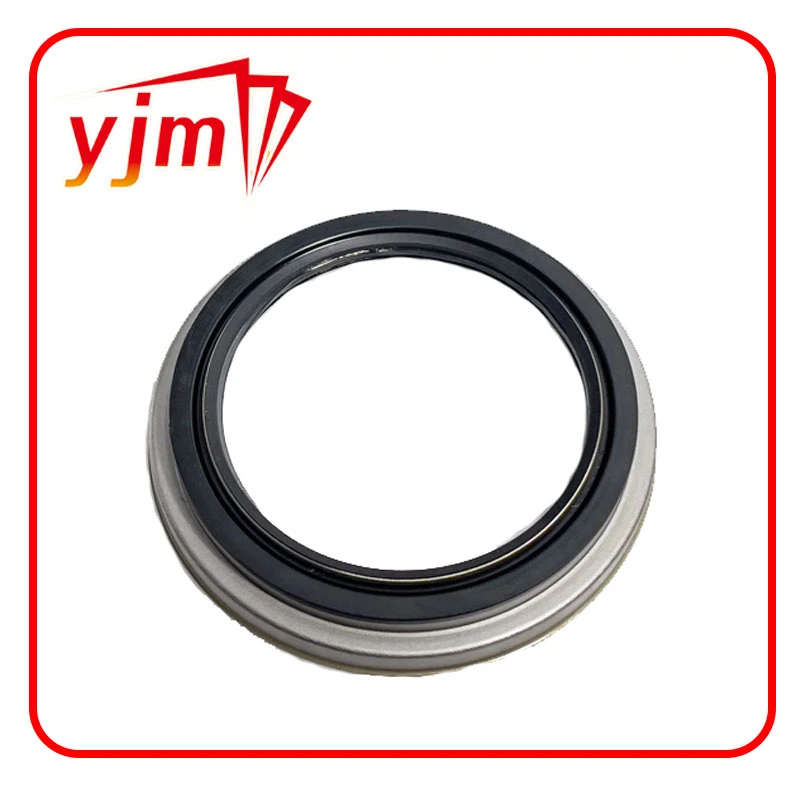
SEAL, OIL Genuine Toyota (9031672001)
-
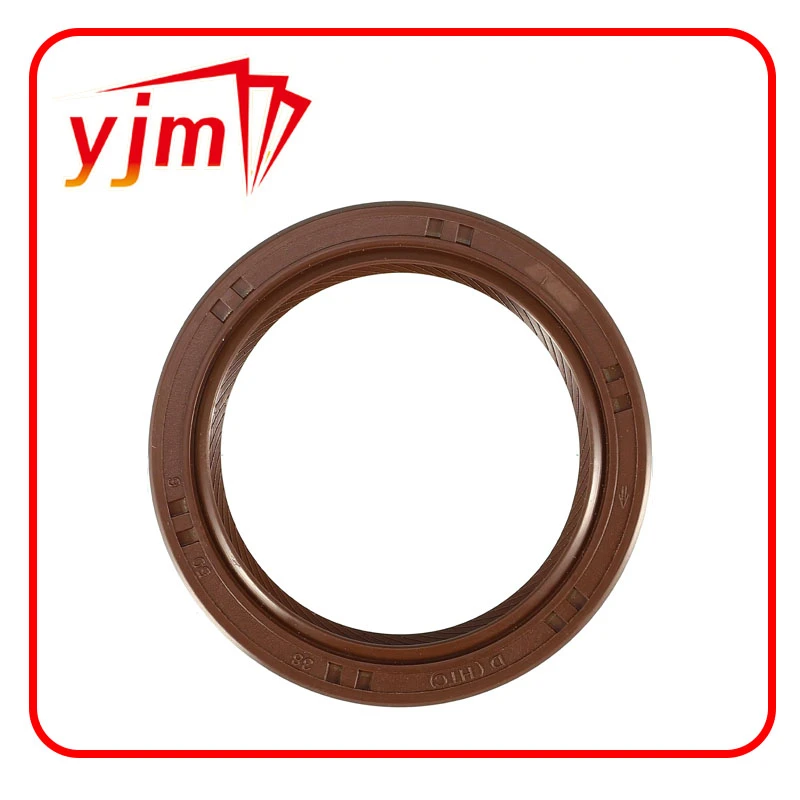
Engine Crankshaft Oil Seal No.9031138096
-
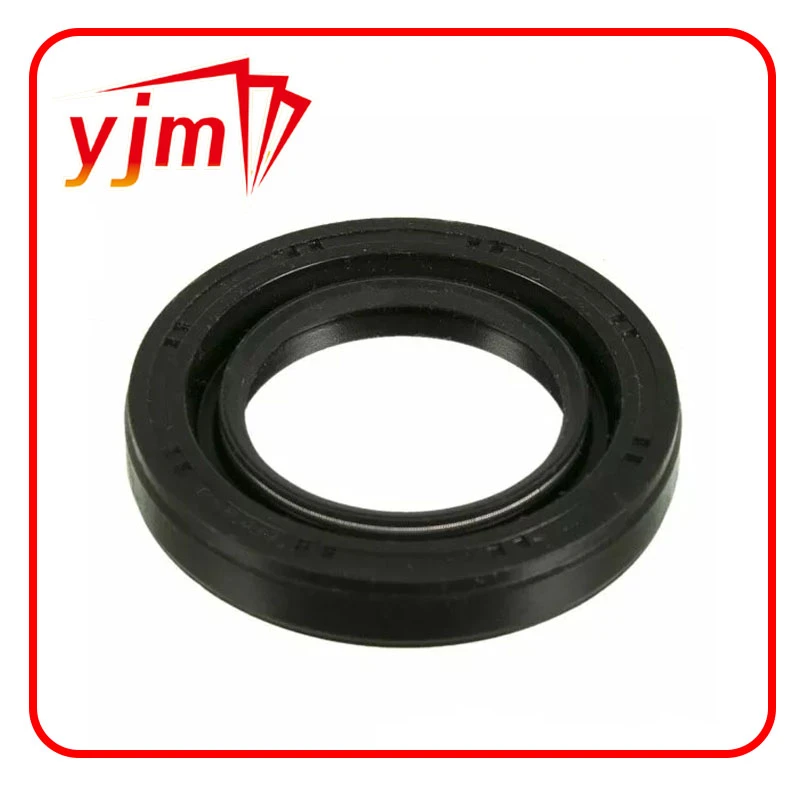
Toyota Transfer Case Output Shaft Seal Front 9031136006
-
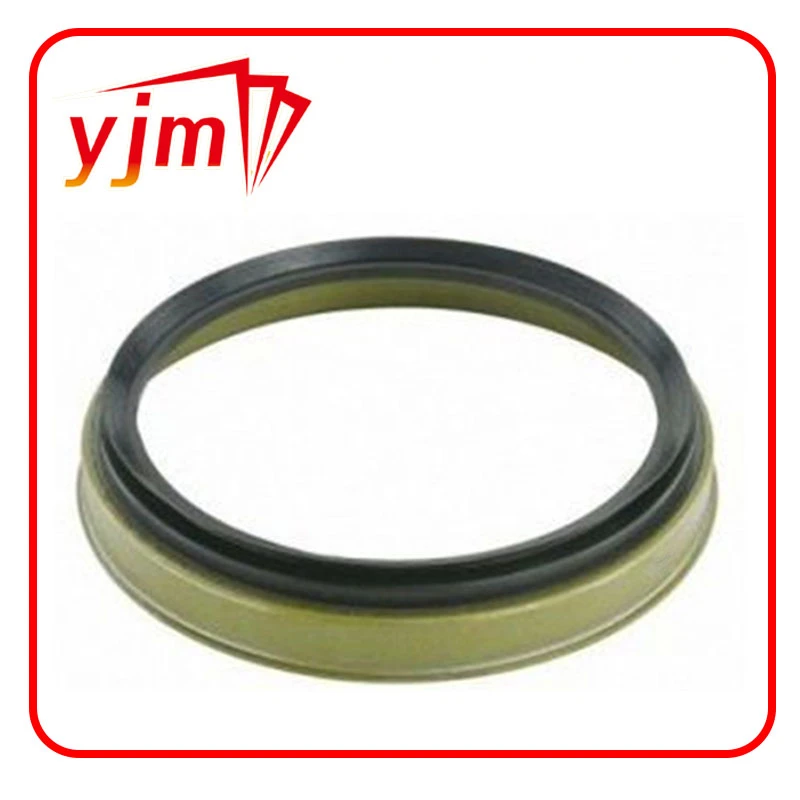
Seal, type v oil 9031287001 TOYOTA
-
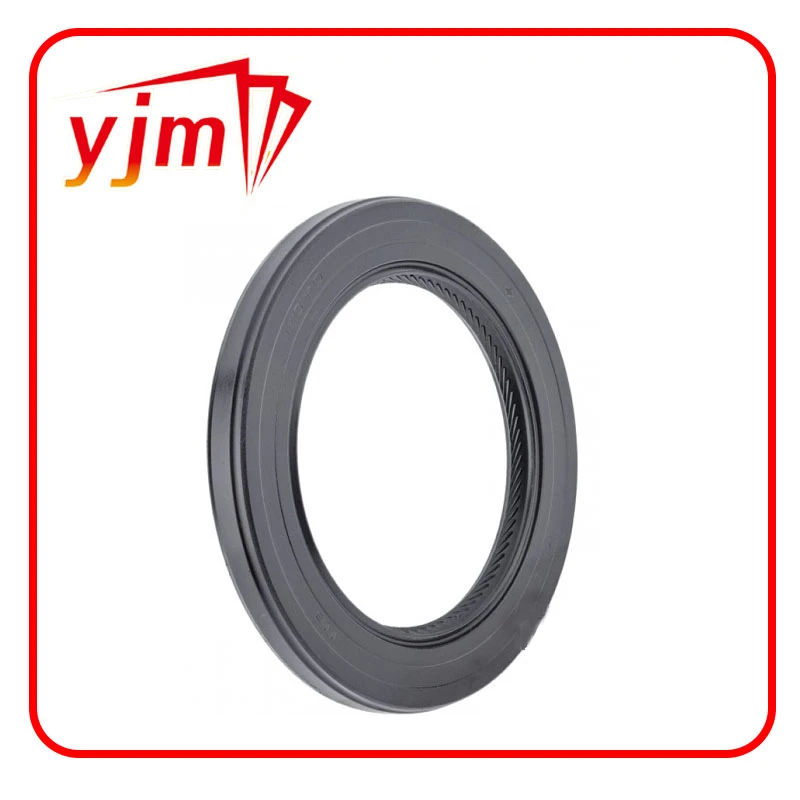
Oil pump seal 9031143010
-
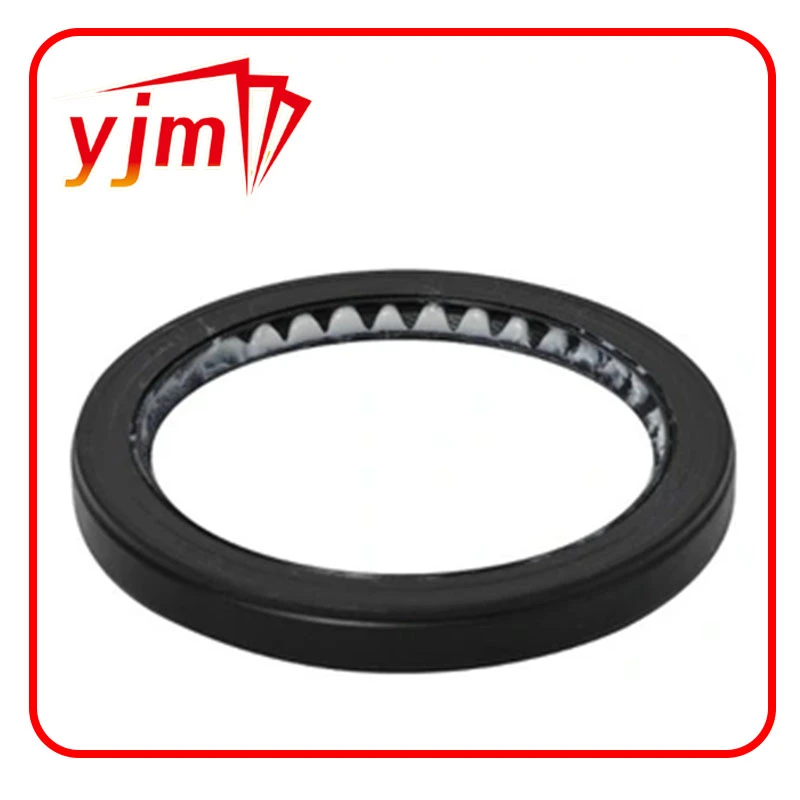
Genuine Toyota Oil SEAL 90311-54006
-
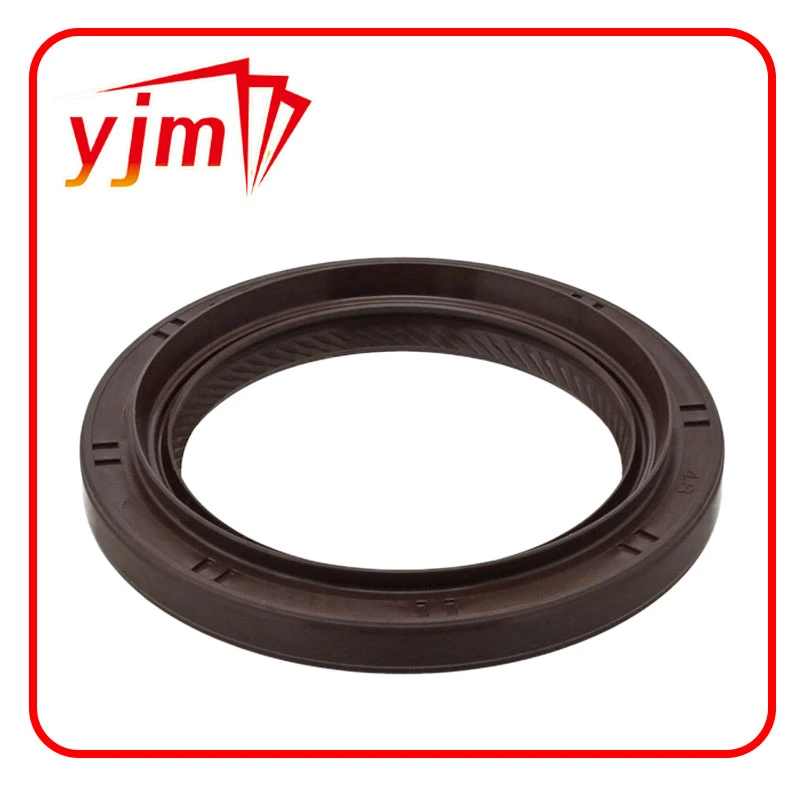
Toyota SEAL TYPE T OIL 90311-48031
-
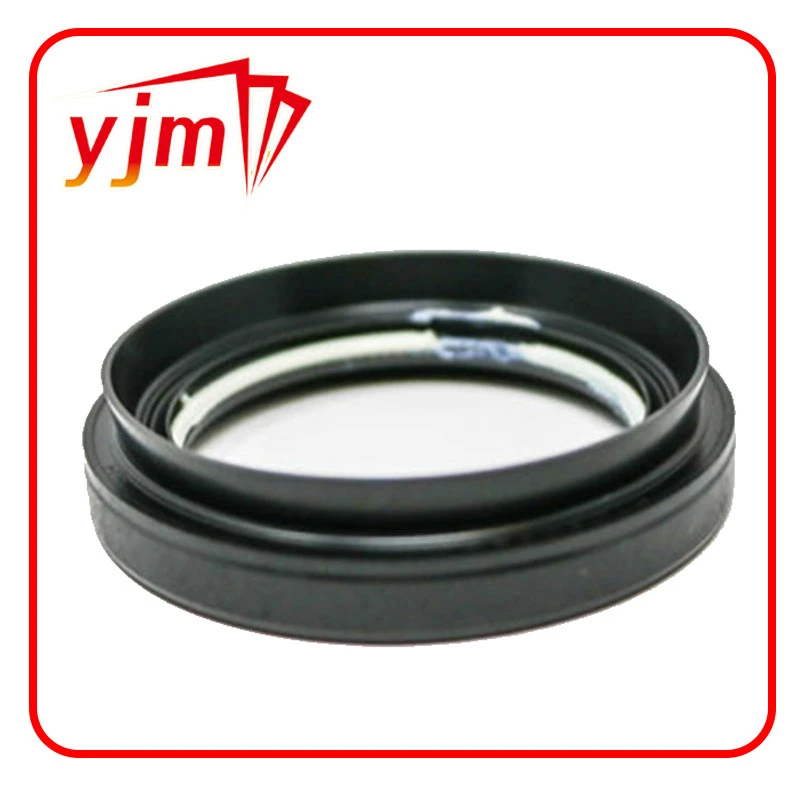
Type T Oil Seal, Front Drive Shaft, Left 9031150064
-
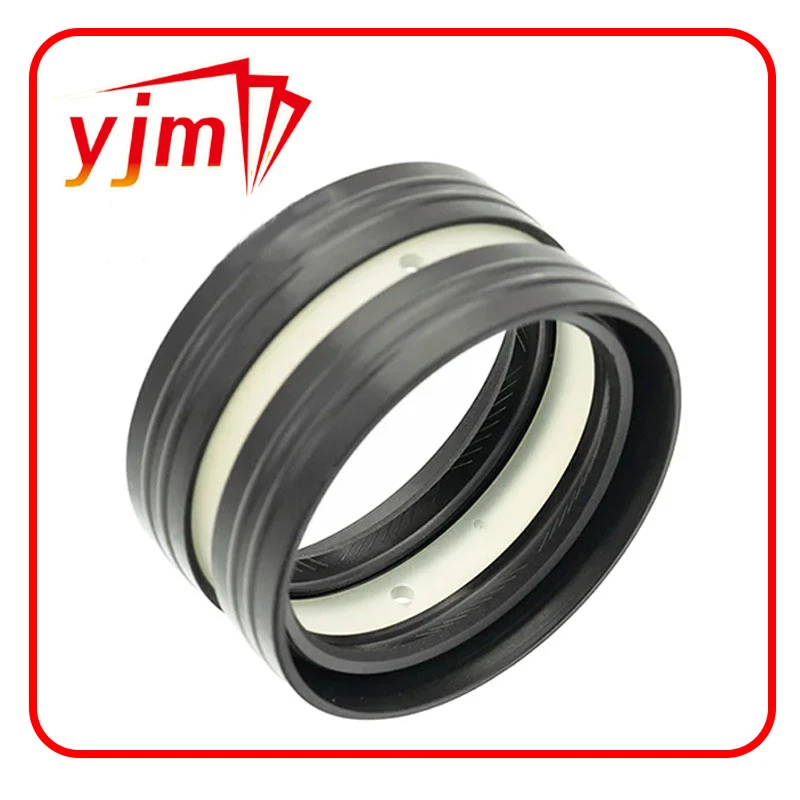
Seal, type d oil 9031634001 TOYOTA
 Afrikaans
 Albanian
 Amharic
 Arabic
 Armenian
 Azerbaijani
 Basque
 Belarusian
 Bengali
 Bosnian
 Bulgarian
 Catalan
 Cebuano
 Corsican
 Croatian
 Czech
Czech
 Danish
 Dutch
Dutch
 Esperanto
 Estonian
 Finnish
 French
 Frisian
 Galician
 Georgian
 German
 Greek
Greek
 Gujarati
 Haitian Creole
 Hausa
Hausa
 Hawaiian
 Hebrew
 Hindi
Hindi
 Miao
Miao
 Hungarian
 Icelandic
 Igbo
Igbo
 Indonesian
 Irish
Irish
 Italian
 Japanese
 Javanese
 Kannada
 Kazakh
 Khmer
Khmer
 Rwandese
 Korean
 Kurdish
 Kyrgyz
 Lao
Lao
 Latin
Latin
 Latvian
 Lithuanian
 Luxembourgish
 Macedonian
 Malgashi
 Malay
Malay
 Malayalam
 Maltese
 Maori
Maori
 Marathi
 Mongolian
 Myanmar
 Nepali
 Norwegian
 Norwegian
 Occitan
 Pashto
 Persian
 Polish
 Portuguese
 Punjabi
 Romanian
 Russian
 Samoan
 Scottish Gaelic
 Serbian
 Sesotho
 Shona
Shona
 Sindhi
 Sinhala
 Slovak
 Slovenian
 Somali
 Spanish
 Sundanese
 Swahili
 Swedish
 Tagalog
 Tajik
Tajik
 Tamil
Tamil
 Tatar
Tatar
 Telugu
 Thai
Thai
 Turkish
 Turkmen
 Ukrainian
 Urdu
Urdu
 Uighur
 Uzbek
Uzbek
 Vietnamese
 Welsh
Welsh
 Bantu
Bantu
 Yiddish
 Yoruba
 Zulu
Zulu
 English