The tc oil seal is a critical component in a vast array of mechanical systems, preventing leakage of fluids – oils, fuels, greases, and more – and safeguarding the integrity of machinery. Its significance extends across numerous industries, from automotive and aerospace to manufacturing and energy. Understanding the nuances of tc oil seal design, materials, and applications is paramount for ensuring optimal performance, extending equipment lifespan, and minimizing downtime. The tc oil seal isn’t just a rubber ring; it's a sophisticated engineered solution directly impacting efficiency and reliability.
Globally, the demand for high-performance seals like the tc oil seal is consistently growing, fueled by the increasing sophistication of machinery and stricter environmental regulations. According to industry reports, the global sealing market is projected to reach billions of dollars in the coming years, with a significant portion attributed to the automotive and industrial sectors. This growth underscores the vital role these seals play in supporting economic activity. The challenge lies in producing tc oil seals that can withstand increasingly demanding conditions – higher temperatures, greater pressures, and exposure to corrosive chemicals.
Essentially, a tc oil seal is a lip seal used to retain fluid within an assembly while excluding contaminants. It’s characterized by a rubber outer diameter, a reinforcing inner metal case, and a precision-engineered sealing lip. This configuration allows it to accommodate shaft misalignment and variations in operating conditions. In modern industry, the reliability offered by a well-designed tc oil seal directly translates to increased productivity and reduced maintenance costs, making it a cornerstone of operational efficiency and a key enabler of technological advancements.
The Core Principles of tc oil seal
The fundamental principle behind the tc oil seal is the creation of a dynamic barrier between rotating and stationary components. This barrier prevents the escape of fluids – crucial for lubrication, hydraulic systems, and overall equipment function – while simultaneously blocking the ingress of contaminants like dust, dirt, and debris. A precisely engineered sealing lip, made from materials like nitrile rubber, Viton, or silicone, maintains contact with the rotating shaft, forming this critical seal.
The effectiveness of a tc oil seal relies on several key factors, including material selection, lip geometry, spring tension, and surface finish. Different applications demand different materials to withstand varying temperatures, pressures, and chemical exposures. Understanding these principles is vital for choosing the right tc oil seal for a specific application, maximizing its lifespan, and ensuring optimal system performance.
Global Relevance and Industry Impact
The tc oil seal is pervasive across virtually every industry worldwide. The automotive sector is a major consumer, utilizing them in engines, transmissions, and axles. Manufacturing plants rely on them in pumps, gearboxes, and hydraulic systems. Aerospace applications demand high-reliability tc oil seals for critical engine and control surface components. Energy production, from oil and gas to renewable sources, uses them extensively. This widespread application highlights the integral role of tc oil seal in supporting global industrial processes.
The economic impact of tc oil seal is significant. Failures can lead to costly downtime, equipment damage, and environmental concerns. The availability of high-quality, reliable tc oil seal is therefore crucial for maintaining production efficiency and minimizing disruptions. Countries with robust manufacturing capabilities in seal technology benefit from export opportunities and contribute to the global supply chain.
Moreover, environmental considerations are driving the development of more sustainable tc oil seal materials and designs. Reducing leakage not only conserves valuable resources but also minimizes pollution. The increasing focus on sustainability is prompting manufacturers to explore bio-based materials and innovative sealing technologies, further solidifying the tc oil seal’s relevance in a changing world.
Defining the tc oil seal: A Technical Overview
A tc oil seal, at its core, comprises three primary elements: the sealing lip, the reinforcing case, and the outer diameter. The sealing lip, usually made of elastomer, is the critical component in direct contact with the rotating shaft, creating the sealing interface. Its shape – often a flexible, spring-loaded lip – is meticulously designed to maintain consistent contact despite shaft variations and misalignment. This lip is what prevents fluid leakage and ingress of contaminants.
The reinforcing case, typically constructed from metal (steel, stainless steel), provides structural support to the sealing lip and ensures dimensional stability. This case prevents the lip from distorting or failing under pressure. Different case designs – such as those with or without a dust lip – cater to specific application requirements, offering enhanced protection against external contaminants. This adds to the reliability and longevity of the tc oil seal.
Finally, the outer diameter, also made of elastomer, provides a secure interface with the housing bore. It ensures a tight fit, preventing the seal from extruding or migrating under pressure. The choice of elastomer for both the lip and outer diameter depends heavily on the operating environment, considering factors like temperature, chemical exposure, and fluid compatibility.
Key Performance Characteristics of tc oil seal
Durability is a paramount characteristic of any effective tc oil seal. It refers to the seal's ability to withstand continuous operation under specified conditions without failure. This is influenced by material selection, manufacturing quality, and operating parameters such as temperature, pressure, and speed.
Another key factor is chemical resistance. The tc oil seal must be compatible with the fluids it's designed to contain, resisting degradation or swelling that could compromise its sealing performance. This is especially important in applications involving aggressive chemicals or fuels.
tc oil seal Performance Metrics
Diverse Applications of tc oil seal Worldwide
The automotive industry is arguably the largest consumer of tc oil seal, employing them extensively in engines (crankshaft seals, camshaft seals), transmissions, differentials, and axles. These seals prevent oil leaks, ensuring optimal engine performance and longevity. The demand for advanced seals is driven by the increasing complexity of engine designs and the pursuit of greater fuel efficiency.
In the aerospace sector, tc oil seal play a critical role in hydraulic systems, engine components, and landing gear. These applications demand exceptionally high reliability and performance, often requiring seals made from specialized materials like fluorocarbons to withstand extreme temperatures and pressures. Failures in aerospace applications can have catastrophic consequences, highlighting the importance of robust sealing solutions.
Advantages and Long-Term Value Proposition
The economic benefits of using high-quality tc oil seal are substantial. Reduced leakage translates directly to lower fluid consumption, minimizing operating costs and reducing environmental impact. Furthermore, extended seal lifespan reduces the frequency of maintenance and replacements, minimizing downtime and maximizing productivity.
Beyond cost savings, the reliability offered by a well-designed tc oil seal enhances operational safety. Preventing fluid leaks mitigates the risk of fires, slip hazards, and equipment damage, creating a safer working environment. This contributes to a positive company image and fosters trust with customers and stakeholders.
Future Trends and Innovations in tc oil seal Technology
The development of new materials is a key trend in tc oil seal technology. Researchers are exploring bio-based elastomers and advanced polymers with enhanced chemical resistance, temperature stability, and wear resistance. These materials promise to deliver improved performance and sustainability.
Another area of innovation is the integration of smart technologies into tc oil seal. Sensors embedded within the seal can monitor its condition, providing real-time data on wear, temperature, and pressure. This data can be used to predict seal failures and schedule proactive maintenance, preventing costly downtime.
Furthermore, advancements in manufacturing processes, such as additive manufacturing (3D printing), are enabling the creation of customized tc oil seal designs tailored to specific application requirements. This opens up new possibilities for optimizing seal performance and addressing unique challenges.
Summary of Key Factors Influencing tc oil seal Performance
| Material Composition |
Operating Temperature |
Pressure Rating |
Shaft Surface Finish |
| Nitrile Rubber (NBR) |
-40°C to 120°C |
Up to 50 PSI |
Ra 16-32 µin |
| Viton (FKM) |
-20°C to 200°C |
Up to 200 PSI |
Ra 8-16 µin |
| Silicone Rubber (VMQ) |
-60°C to 230°C |
Up to 30 PSI |
Ra 32-64 µin |
| Polyurethane (PU) |
-30°C to 150°C |
Up to 100 PSI |
Ra 16-32 µin |
| PTFE (Teflon) |
-200°C to 260°C |
Up to 300 PSI |
Ra 4-8 µin |
| Hydrogenated Nitrile Butadiene Rubber (HNBR) |
-40°C to 175°C |
Up to 80 PSI |
Ra 16-32 µin |
FAQS
The lifespan of a tc oil seal varies significantly depending on operating conditions. Factors like temperature, pressure, shaft speed, fluid compatibility, and the presence of contaminants all play a role. Generally, a well-maintained tc oil seal can last anywhere from several thousand to tens of thousands of operating hours. Regular inspection and proactive replacement based on operating conditions are key to maximizing lifespan.
Selecting the appropriate material is crucial. Nitrile rubber (NBR) is a versatile and cost-effective option for many applications. Viton (FKM) offers superior temperature and chemical resistance. Silicone is ideal for extreme temperatures. Polyurethane (PU) provides excellent abrasion resistance. PTFE (Teflon) excels in harsh chemical environments. Consider the fluid type, temperature range, pressure, and potential contaminants when making your selection.
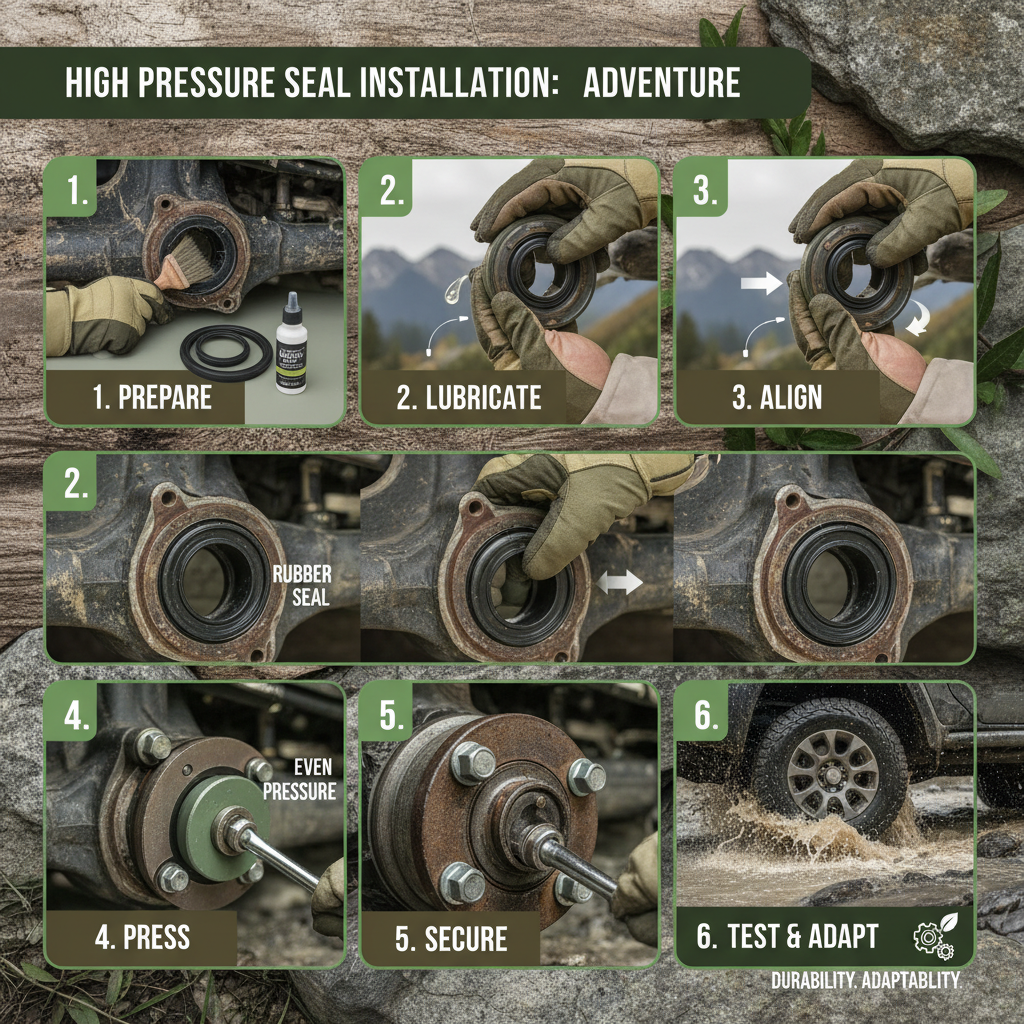
Premature failure can stem from several issues. Improper installation, shaft misalignment, abrasive contaminants, incompatible fluids, excessive temperatures, and high pressures are common culprits. Regular maintenance, including proper lubrication and inspection for damage, can help prevent premature failure. Ensure the shaft surface finish is within the specified range for the chosen seal material.
Yes, but specific considerations apply. Standard tc oil seals may not be suitable for high-vacuum environments due to outgassing and potential collapse. Specialized vacuum seals, often made from materials like Viton or PTFE, are designed to withstand low-pressure conditions. Careful material selection and design are essential for successful vacuum sealing.
Shaft surface finish is extremely important. A rough surface can cause premature wear and leakage. The ideal surface finish depends on the seal material and application. Typically, a Ra value between 8 and 32 microinches is recommended. Smoother finishes are generally preferred for higher speeds and pressures.
A dust lip provides an additional barrier against external contaminants, protecting the primary sealing lip from dirt, debris, and other abrasive particles. This significantly extends the seal's lifespan, particularly in harsh environments. It's highly recommended for applications exposed to dust, grime, or other airborne pollutants.
Conclusion
In conclusion, the tc oil seal is a deceptively simple yet profoundly important component in modern machinery. Its ability to prevent fluid leakage and contamination contributes directly to efficiency, reliability, and safety across a vast range of industries. Understanding the core principles of tc oil seal design, material selection, and application is critical for optimizing performance and minimizing downtime.
Looking ahead, ongoing innovations in materials, manufacturing, and sensor technologies promise to further enhance the capabilities of tc oil seal. Embracing these advancements and adopting proactive maintenance practices will be essential for maximizing the long-term value of this indispensable component. For superior tc oil seal solutions and expert guidance, visit our website: tc oil seal.






 English
  Afrikaans
  Albanian
  Amharic
  Arabic
  Armenian
  Azerbaijani
  Basque
  Belarusian
  Bengali
  Bosnian
  Bulgarian
  Catalan
  Cebuano
  Corsican
  Croatian
  Czech
Czech  Danish
  Dutch
Dutch  Esperanto
  Estonian
  Finnish
  French
  Frisian
  Galician
  Georgian
  German
  Greek
Greek  Gujarati
  Haitian Creole
  Hausa
Hausa  Hawaiian
  Hebrew
  Hindi
Hindi  Miao
Miao  Hungarian
  Icelandic
  Igbo
Igbo  Indonesian
  Irish
Irish  Italian
  Japanese
  Javanese
  Kannada
  Kazakh
  Khmer
Khmer  Rwandese
  Korean
  Kurdish
  Kyrgyz
  Lao
Lao  Latin
Latin  Latvian
  Lithuanian
  Luxembourgish
  Macedonian
  Malgashi
  Malay
Malay  Malayalam
  Maltese
  Maori
Maori  Marathi
  Mongolian
  Myanmar
  Nepali
  Norwegian
  Norwegian
  Occitan
  Pashto
  Persian
  Polish
  Portuguese
  Punjabi
  Romanian
  Russian
  Samoan
  Scottish Gaelic
  Serbian
  Sesotho
  Shona
Shona  Sindhi
  Sinhala
  Slovak
  Slovenian
  Somali
  Spanish
  Sundanese
  Swahili
  Swedish
  Tagalog
  Tajik
Tajik  Tamil
Tamil  Tatar
Tatar  Telugu
  Thai
Thai  Turkish
  Turkmen
  Ukrainian
  Urdu
Urdu  Uighur
  Uzbek
Uzbek  Vietnamese
  Welsh
Welsh  Bantu
Bantu  Yiddish
  Yoruba
  Zulu
Zulu