Let me tell you, after years spent on dusty construction sites, knee-deep in concrete and grease, you learn a thing or two about what really keeps things running. It’s not always the fancy tech or the big promises, it’s the reliability of the simple stuff. And when it comes to keeping machinery alive, a quality radial oil seal is right up there with a good pair of work boots. It’s the unsung hero preventing catastrophic failures, and frankly, saving a lot of headaches – and money. I’ve seen projects ground to a halt because of a failed seal, and trust me, you don't want to be there when that happens.
We’re talking about a component that’s vital in everything from heavy-duty excavators and pumps to delicate hydraulic systems. It's a surprisingly complex piece of engineering, but its job is straightforward: keep the oil in and the contaminants out. A seemingly small part, but when it fails, it’s rarely a small problem. You start seeing decreased efficiency, increased wear and tear, and ultimately, expensive repairs. That’s why choosing the right radial oil seal is critical. It’s not an area to cut corners on.
I've seen operators try to "make do" with inferior seals, and it almost always backfires. It’s a false economy. The downtime, the damage to other components… it quickly outweighs the initial savings. Good engineering – and a reliable supply chain – are what matter. That’s why I always look for seals that meet or exceed OEM specifications, and have a proven track record in demanding environments.
Understanding the Critical Role of Radial Oil Seals
Look, I’ve been fixing machinery for over 20 years. The one thing I’ve learned is that preventative maintenance is king. And a cornerstone of that is the radial oil seal. It’s a small component that protects massive investments – engines, hydraulic systems, gearboxes – from wear, contamination, and ultimately, failure. You’d be surprised how often a simple seal replacement can save you thousands in repair costs and downtime.
It's not just about the cost of the seal itself; it's about the ripple effect of a failure. Imagine an excavator breaking down mid-project. It delays everything, impacts schedules, and eats into profits. The radial oil seal's role in preventing that is invaluable. It’s a silent guardian, working tirelessly to keep things running smoothly.
Defining the Radial Oil Seal
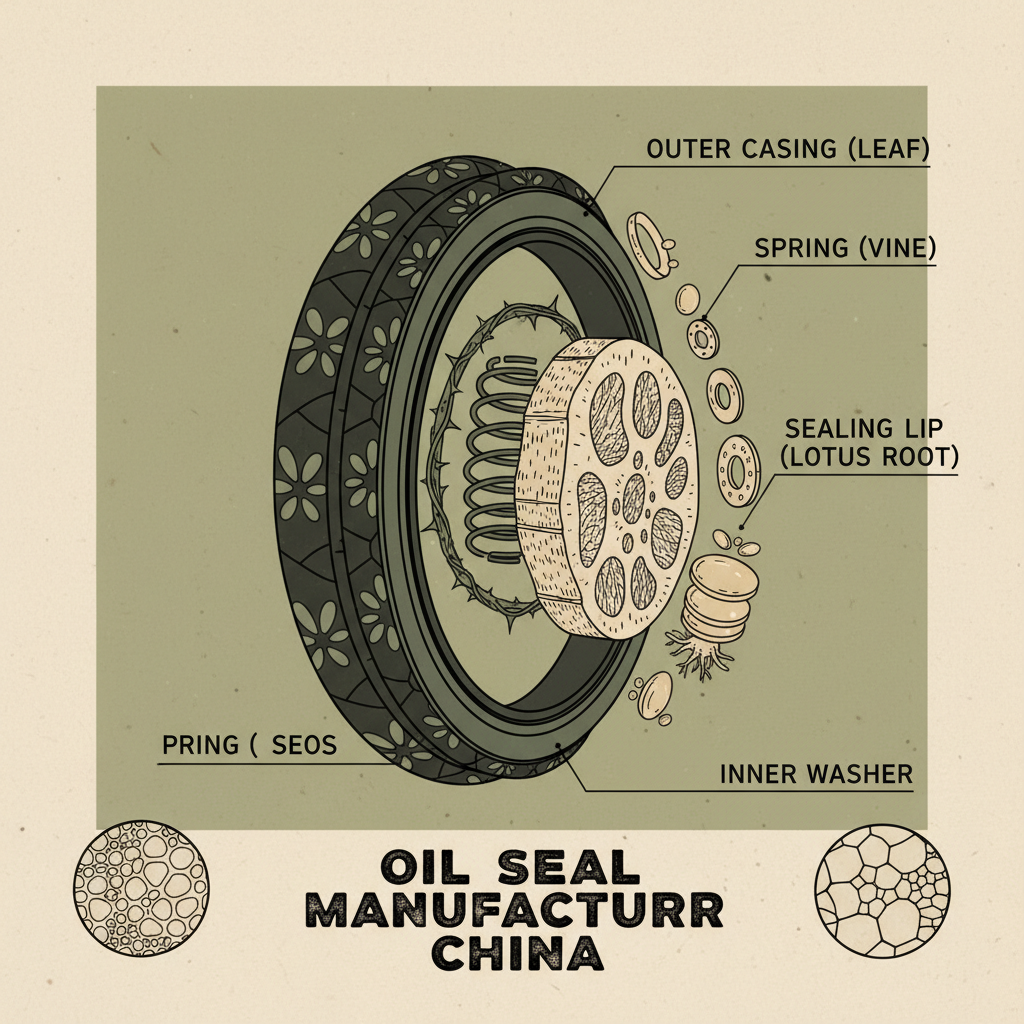
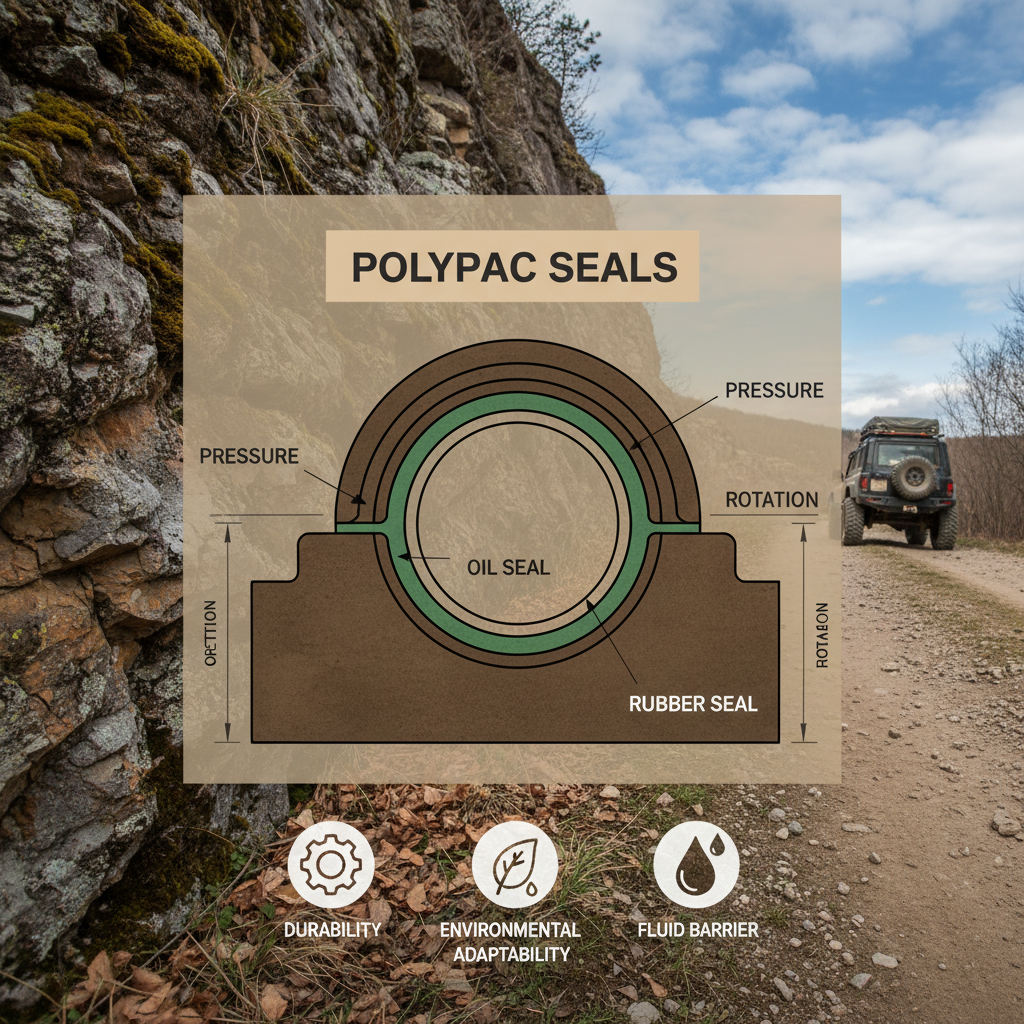
Simply put, a radial oil seal is a mechanical component used to prevent leakage of fluids (typically oil) from rotating shafts. It creates a dynamic barrier between the rotating shaft and the stationary housing. It’s made up of a few key parts: a sealing lip, a reinforcing case (usually metal), and often an elastomer material like nitrile rubber, Viton, or silicone. The sealing lip is the workhorse, pressing against the shaft to form a tight seal.
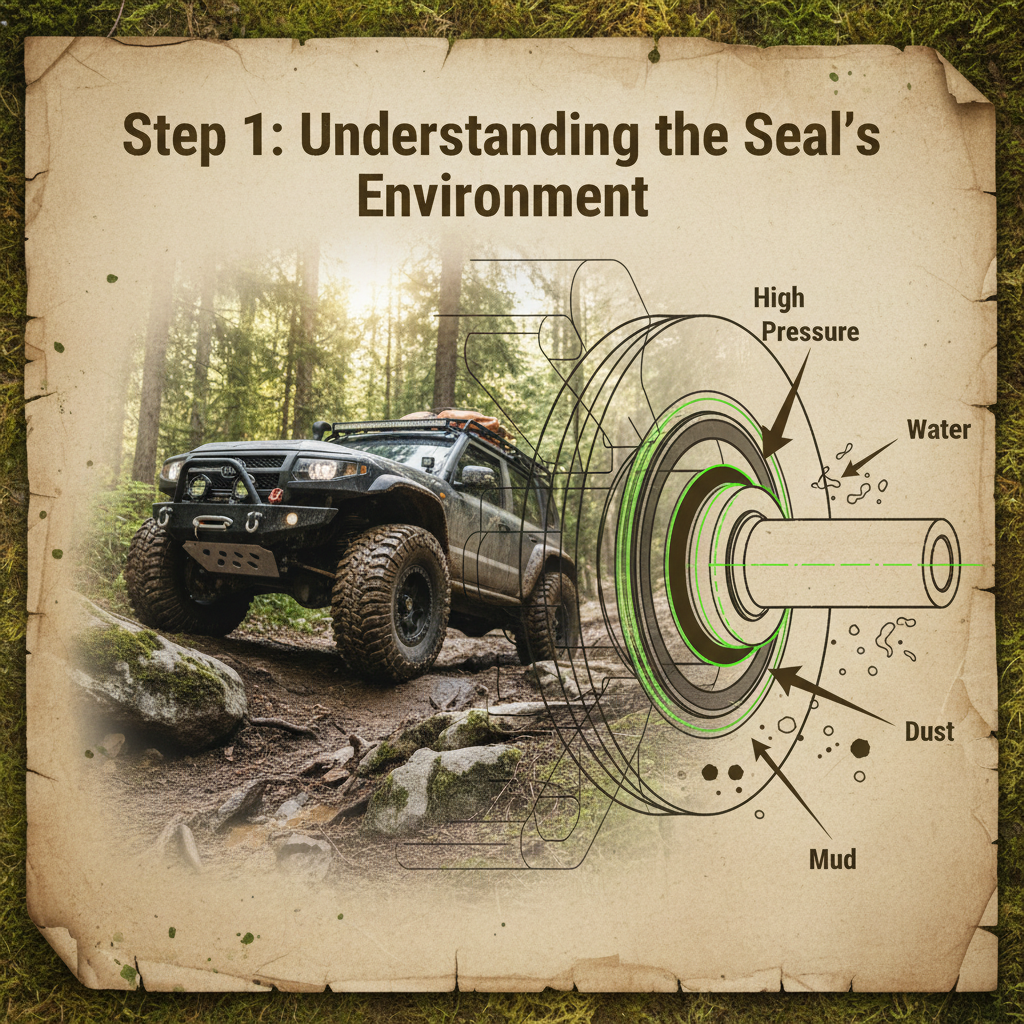
Now, it’s more than just a rubber ring. The design and materials are carefully chosen based on the application, operating conditions, and the type of fluid being sealed. Factors like shaft speed, temperature, pressure, and the presence of abrasive particles all play a role. Choosing the wrong material can lead to rapid wear and premature failure. I’ve seen seals disintegrate in a matter of hours when exposed to incompatible fluids.
It’s a critical component in a world that runs on hydraulics and lubrication. Without it, everything grinds to a halt, literally. From the heavy machinery on construction sites to the precision instruments in manufacturing facilities, the radial oil seal is a foundational element.
Key Factors Influencing Radial Oil Seal Performance
First and foremost, material compatibility is huge. Using a nitrile seal in a high-temperature application with synthetic oils? That’s a recipe for disaster. Then there's shaft hardness and surface finish. A rough shaft will shred a seal in no time. Proper lubrication is vital too – a dry seal is a dead seal.
Proper installation is another big one. I’ve seen guys just hammer them in with a wrench. No. You need the right tools and techniques to ensure the seal is seated correctly and isn’t damaged during installation. A damaged seal will fail almost immediately. It's a deceptively simple process, but it requires attention to detail.
Finally, operating conditions matter. Excessive pressure, extreme temperatures, and the presence of abrasive contaminants will all shorten the life of the seal. Regular inspection and maintenance – including fluid analysis – can help identify potential problems before they lead to a catastrophic failure.
Global Applications of Radial Oil Seals
You see these things everywhere. I’ve worked on projects in remote corners of the world, and a radial oil seal is always part of the equation. In the oil and gas industry, they’re used in pumps, compressors, and drilling equipment. In mining, they’re critical for keeping heavy machinery running in harsh environments.
In manufacturing, they're found in everything from CNC machines to hydraulic presses. Even in the automotive industry, they’re essential for sealing engines, transmissions, and differentials. The demand is global, driven by the need for reliable machinery in all sectors. From a small farm in Iowa to a massive construction project in Dubai, the principle remains the same: keep the oil in, keep the dirt out.
I've seen them used extensively in water treatment plants, ensuring pumps and motors function efficiently. And in the renewable energy sector, in wind turbines and hydroelectric generators. It's truly a ubiquitous component – a silent workhorse powering industries around the world.
Radial Oil Seal Application by Industry
Advantages and Long-Term Value Proposition
The biggest advantage is, without a doubt, reliability. A good radial oil seal minimizes downtime and extends the life of expensive equipment. That translates directly into cost savings. I've seen operations save tens of thousands of dollars a year just by investing in quality seals.
Beyond the financial benefits, there’s also a safety aspect. A seal failure can lead to fluid leaks, creating hazardous working conditions. Protecting your workforce is paramount, and a reliable seal contributes to a safer environment. Ultimately, choosing a high-quality radial oil seal is an investment in the long-term health and productivity of your operations.
Future Trends in Radial Oil Seal Technology
We’re seeing a push towards more advanced materials – seals that can withstand higher temperatures, pressures, and exposure to aggressive chemicals. There’s also a growing interest in smart seals, incorporating sensors to monitor seal performance and predict failures. That kind of preventative insight is a game-changer.
Another trend is the development of eco-friendly materials and manufacturing processes. Sustainability is becoming increasingly important, and seal manufacturers are responding by offering more environmentally responsible products. I think we’ll see continued innovation in this area, driven by both regulatory pressures and consumer demand.
Challenges and Innovative Solutions
One of the biggest challenges is dealing with increasingly demanding operating conditions. Engines are running hotter, pressures are higher, and fluids are more complex. This requires seals that can withstand extreme stresses. Another challenge is the shortage of skilled labor. Proper seal installation requires expertise, and finding qualified technicians can be difficult.
Solutions include developing more robust seal designs, investing in training programs for technicians, and utilizing automated installation equipment. And, of course, collaborating closely with seal manufacturers to develop custom solutions for specific applications. It’s about embracing innovation and proactively addressing the challenges we face.
I've also seen advancements in surface treatment technologies that improve seal life and reduce friction. It’s a constant evolution, driven by the need for greater efficiency, reliability, and sustainability.
Radial Oil Seal Performance Analysis
| Seal Material |
Temperature Resistance (°C) |
Chemical Compatibility |
Durability Score (1-10) |
| Nitrile Rubber (NBR) |
-40 to 120 |
Good with petroleum-based oils |
6 |
| Viton (FKM) |
-20 to 200 |
Excellent with wide range of chemicals |
9 |
| Silicone Rubber (VMQ) |
-60 to 230 |
Good with water & some oils |
7 |
| Polyurethane (PU) |
-30 to 100 |
Good abrasion resistance |
8 |
| PTFE (Teflon) |
-200 to 260 |
Excellent chemical resistance |
10 |
| Acrylic Rubber (ACM) |
-20 to 175 |
Good with hot oils |
7 |
FAQS
The lifespan varies significantly based on operating conditions, the seal material, and maintenance practices. Generally, in demanding applications like construction equipment, you can expect a well-maintained radial oil seal to last between 1,000 and 5,000 hours. However, factors like excessive heat, contamination, and improper installation can drastically reduce this lifespan. Regular inspections and fluid analysis are key to maximizing seal life and preventing premature failures.
Determining the correct size is crucial. You'll need to measure the shaft diameter, housing bore diameter, and seal width. It's also important to consider the shaft speed and operating temperature. Refer to the manufacturer’s specifications or consult with a seal specialist to ensure you select the correct seal for your application. Using the wrong size can lead to leaks, premature wear, and equipment damage.
Common signs include visible oil leaks around the shaft, reduced equipment performance, increased fluid consumption, and unusual noises. A sticky or sluggish operation can also indicate a failing seal. Catching these signs early can prevent more significant damage and costly repairs. Don't ignore even a small leak – it can escalate quickly.
Compatibility depends heavily on the seal material. Nitrile rubber (NBR) is common for petroleum-based oils, while Viton (FKM) offers excellent resistance to a wider range of chemicals, including synthetic oils and fuels. Silicone rubber (VMQ) is good for water-based fluids. Always check the seal manufacturer’s compatibility chart to ensure the material is suitable for the fluid you're using. Incompatibility can cause the seal to swell, crack, or disintegrate.
Proper installation is extremely important. Incorrect installation is a major cause of seal failure. You need to use the correct tools, ensure the shaft and housing surfaces are clean and free of damage, and apply a lubricant during installation. Avoid using excessive force, which can damage the sealing lip. A properly installed seal will provide a much longer and more reliable service life.
Generally, no. Once a radial oil seal has been removed, it should be replaced with a new one. The sealing lip can be deformed or damaged during removal, compromising its ability to create a tight seal. Reusing a seal can lead to leaks and premature failure. It's a small cost compared to the potential damage caused by a faulty seal.
Conclusion
The radial oil seal might seem like a simple component, but it’s absolutely critical for the reliable operation of countless machines across the globe. From construction sites to manufacturing plants, it quietly protects valuable equipment, minimizes downtime, and ensures safety. Understanding its importance, selecting the right materials, and prioritizing proper installation are all key to maximizing its lifespan and realizing its full potential.
Looking ahead, innovation in seal technology will continue to drive improvements in performance and sustainability. Investing in quality seals and embracing preventative maintenance are smart strategies for any organization that relies on machinery. For more information on high-quality radial oil seals and expert advice, visit our website: www.yjmseal.com.



 English
  Afrikaans
  Albanian
  Amharic
  Arabic
  Armenian
  Azerbaijani
  Basque
  Belarusian
  Bengali
  Bosnian
  Bulgarian
  Catalan
  Cebuano
  Corsican
  Croatian
  Czech
Czech  Danish
  Dutch
Dutch  Esperanto
  Estonian
  Finnish
  French
  Frisian
  Galician
  Georgian
  German
  Greek
Greek  Gujarati
  Haitian Creole
  Hausa
Hausa  Hawaiian
  Hebrew
  Hindi
Hindi  Miao
Miao  Hungarian
  Icelandic
  Igbo
Igbo  Indonesian
  Irish
Irish  Italian
  Japanese
  Javanese
  Kannada
  Kazakh
  Khmer
Khmer  Rwandese
  Korean
  Kurdish
  Kyrgyz
  Lao
Lao  Latin
Latin  Latvian
  Lithuanian
  Luxembourgish
  Macedonian
  Malgashi
  Malay
Malay  Malayalam
  Maltese
  Maori
Maori  Marathi
  Mongolian
  Myanmar
  Nepali
  Norwegian
  Norwegian
  Occitan
  Pashto
  Persian
  Polish
  Portuguese
  Punjabi
  Romanian
  Russian
  Samoan
  Scottish Gaelic
  Serbian
  Sesotho
  Shona
Shona  Sindhi
  Sinhala
  Slovak
  Slovenian
  Somali
  Spanish
  Sundanese
  Swahili
  Swedish
  Tagalog
  Tajik
Tajik  Tamil
Tamil  Tatar
Tatar  Telugu
  Thai
Thai  Turkish
  Turkmen
  Ukrainian
  Urdu
Urdu  Uighur
  Uzbek
Uzbek  Vietnamese
  Welsh
Welsh  Bantu
Bantu  Yiddish
  Yoruba
  Zulu
Zulu