Reliable Plastic Oil Plug Solutions for Industrial Equipment
Plastic Oil Plug: A Workhorse in Industrial Equipment Maintenance
After spending over two decades in the industrial equipment sector, I’ve developed a keen eye for the little components that often go unnoticed but play pivotal roles. One such component is the plastic oil plug. Oddly enough, it’s a small, simple part, yet its design and material choices can make or break the efficiency and uptime of heavy machinery.
You see, oil plugs aren’t just about sealing oil reservoirs. They protect against contamination, leaking, and even pressure fluctuations. In the field, I’ve seen too many cases where a subpar plug led to premature wear or unexpected downtime. Frankly, it feels like a kind of backstage hero — rarely praised but always essential.
Material Matters: Why Plastic?
When we talk about plastic oil plugs, many engineers immediately raise an eyebrow. Aren’t metal plugs tougher? Well, yes — but plastics nowadays are far more advanced than just cheap polymer. High-grade plastics such as nylon or polypropylene, sometimes reinforced with additives, offer excellent resistance to corrosion and chemicals. Plus, they’re lightweight and easier to install without specialized tools.
I remember a client in heavy mining who switched from metal to plastic plugs for their excavators. The results? They noticed fewer stripped threads and no oil seepage even after months of harsh vibration and heat. There’s a kind of resilience in these plastics that sometimes you have to see to believe.
Key Specifications of a Reliable Plastic Oil Plug
| Specification | Details |
|---|---|
| Material | Nylon 6/6 or Polypropylene (sometimes with UV stabilizers) |
| Temperature Range | -40°C to +120°C (varies by specific grade) |
| Thread Types | Metric, BSP, NPT – customized options available |
| Sealing Method | O-ring, integrated gasket, or tapered design |
| Color Options | Black, blue, sometimes custom colors for identification |
| Resistance | Oil, chemical solvents, UV exposure |
One small tip—always confirm the plug’s compatibility with your oil type and operating environment. A plastic plug that swells or degrades quickly under certain lubricants can cause more harm than good. Testing under real-world conditions is absolutely key.
Comparing Vendors: What to Look For
| Vendor A | Vendor B | Vendor C | |
|---|---|---|---|
| Material Quality | High-grade nylon | Standard polypropylene | Reinforced nylon + additives |
| Customization Options | Thread, color, sealing type | Limited sizes, no colors | Full customization with MOQ |
| Lead Time | 2-3 weeks | 1 week (stock items) | 3-4 weeks |
| Price Range | $$$ (premium) | $ (budget) | $$ (mid-range) |
| Customer Support | Consultative, technical support included | Limited, mostly order processing | Good, but not specialized |
When choosing your plastic oil plug supplier, consider not only price but also expertise and custom options. From what I’ve seen, cutting corners on small parts can lead to bigger headaches down the line—trust me on that.
Oddly enough, a colleague once joked that by focusing on these “small details,” you might just save a fortune in maintenance costs over time. And in the end, isn’t that what every maintenance manager secretly hopes for?
For anyone looking to explore plastic oil plugs, this site is a solid starting point — their range and technical specs line up well with real-world industrial needs.
— Looking back, it always feels like the smallest parts bear the greatest responsibility. Never underrate the oil plug, even if it’s made of plastic.
References:
1. Industrial Manufacturing Review, 2022 Edition
2. Machine Maintenance Monthly, June 2023
3. Personal communications, field maintenance teams, 2019-2024
-
Guide to Choosing the Right Washer for Oil Change and Sealing
News Apr.16,2026
-
Essential Guide to High Quality rubber washer oil drain plug
News Apr.09,2026
-
Understanding Rubber Crush Washers for Optimal Sealing Performance
News Apr.07,2026
-
Comprehensive Guide to Understanding and Reusing Crush Washer for Optimal Sealing
News Apr.04,2026
-
The Vital Role of a Drain Screw Gasket in Fluid System Integrity
News Mar.31,2026
-
The Essential Guide to Drain Crush Washer Selection and Plumbing Leak Prevention
News Mar.28,2026
-
The Vital Role of a Crush Washer in Oil Changes for Engine Protection
News Mar.26,2026
Products categories
-
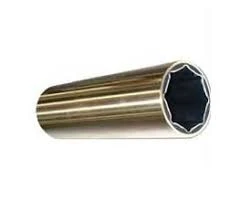
Brass cutlass marine bearing
-
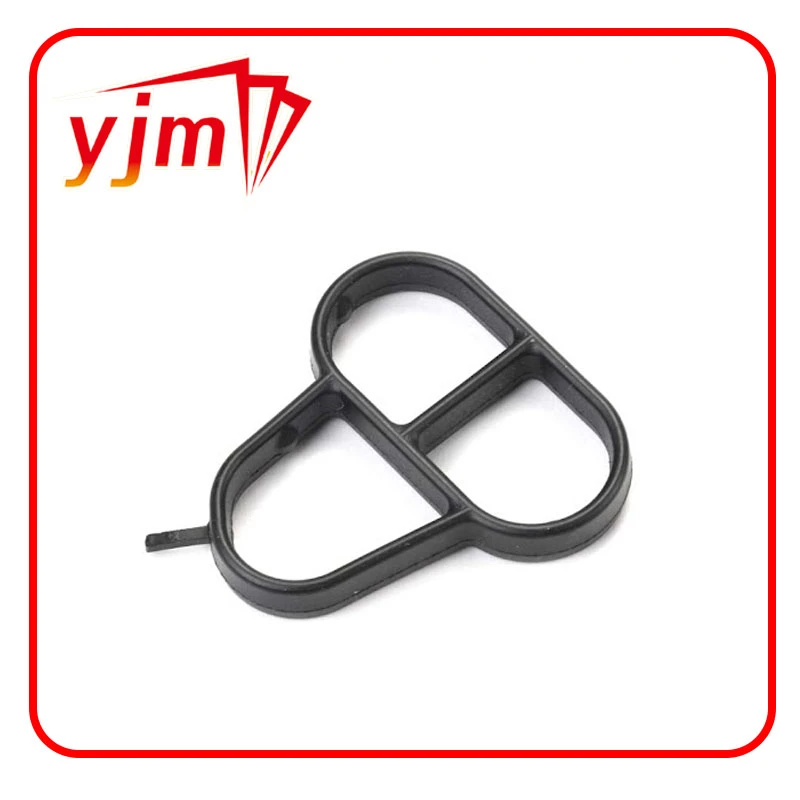
Genuine OEM Engine Oil Filter Housing Cover O-Ring For VW/Audi 06E115446
-
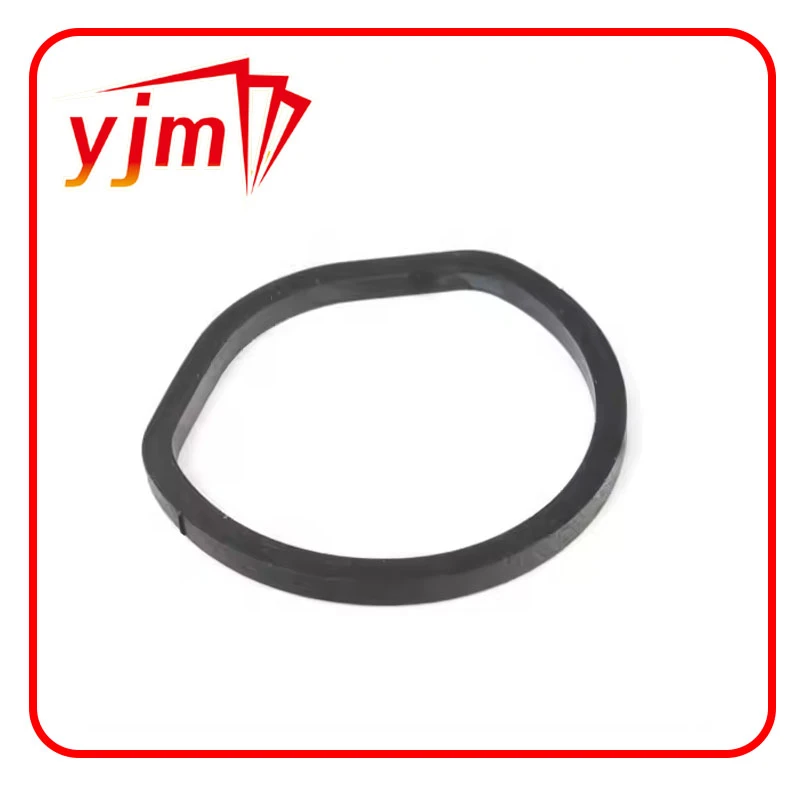
Oil Filter Stand Gasket,Oil filter cover seal
-
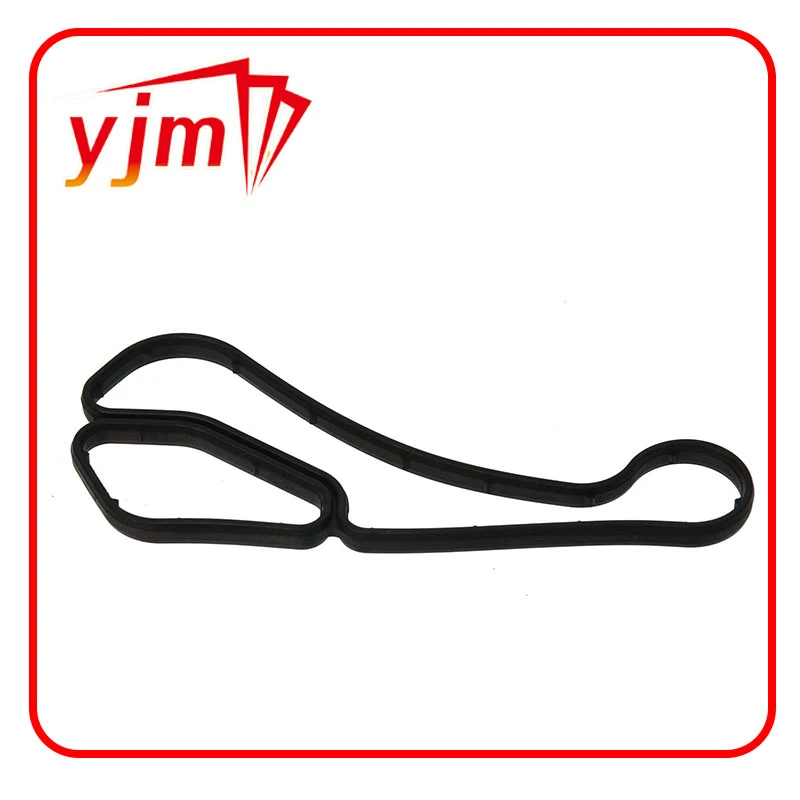
Oil Cooler Gasket, Oil Cooler to Oil Filter Housing 11427525335
-
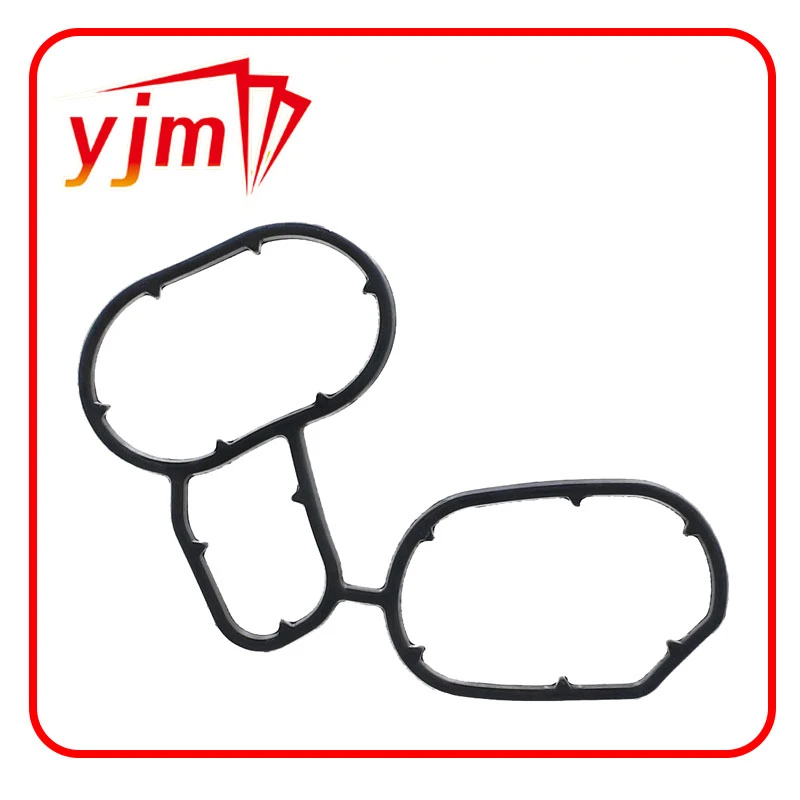
11427508970 BMW - OIL FILTER HOUSING GASKETS
-
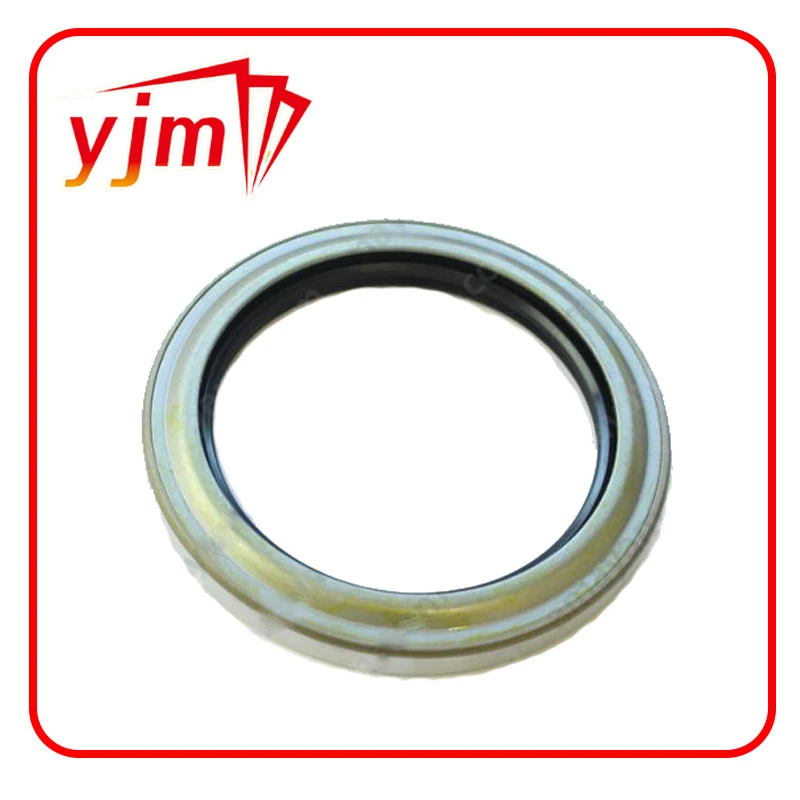
SEAL, OIL Genuine Toyota (9031170011)
-
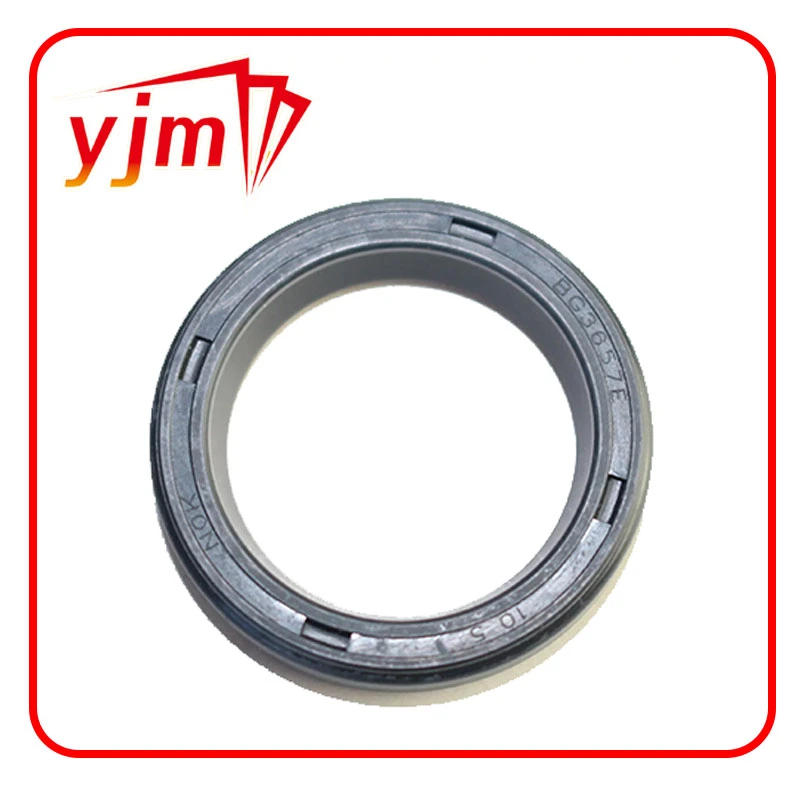
Transfer Case Output Shaft Seal Part 9031223001
-
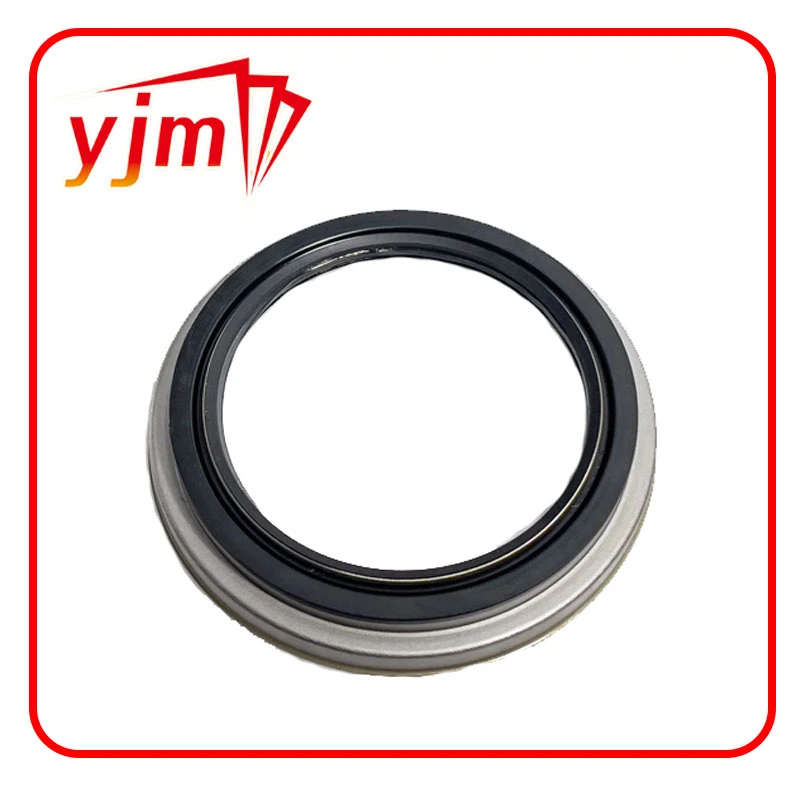
SEAL, OIL Genuine Toyota (9031672001)
-
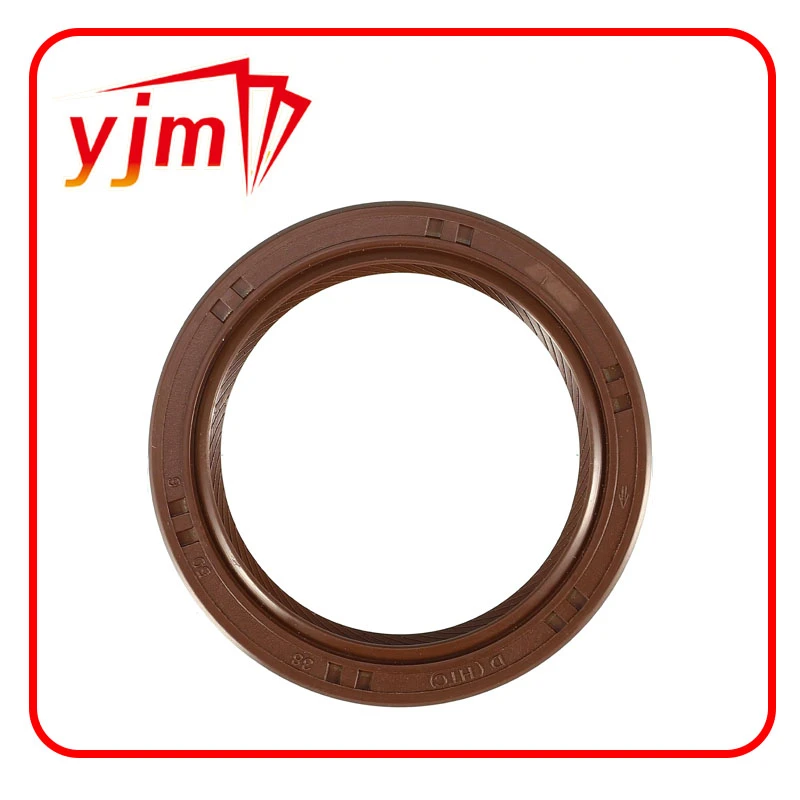
Engine Crankshaft Oil Seal No.9031138096
-
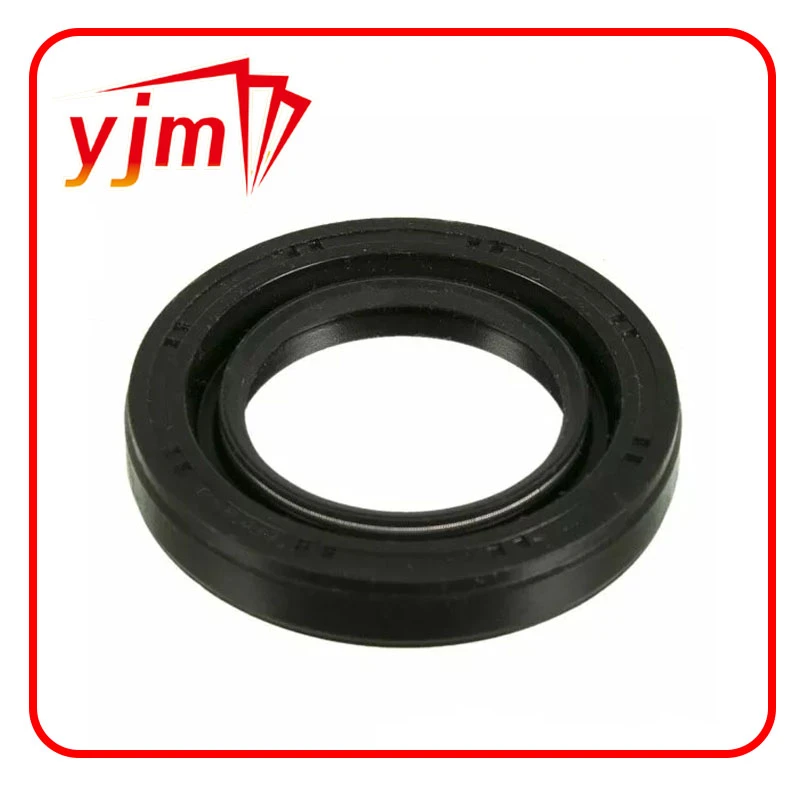
Toyota Transfer Case Output Shaft Seal Front 9031136006
-
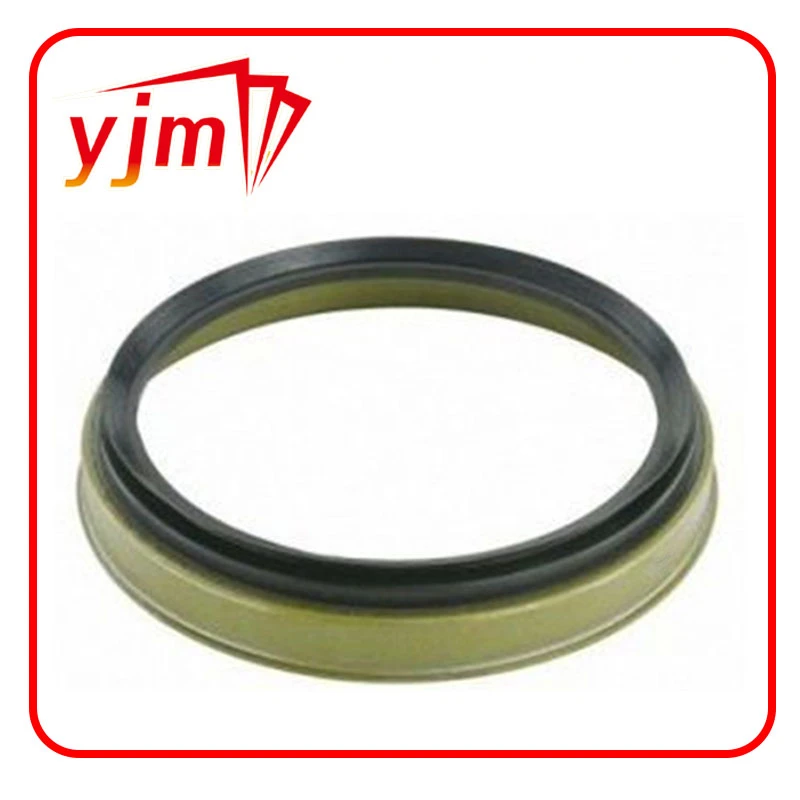
Seal, type v oil 9031287001 TOYOTA
-
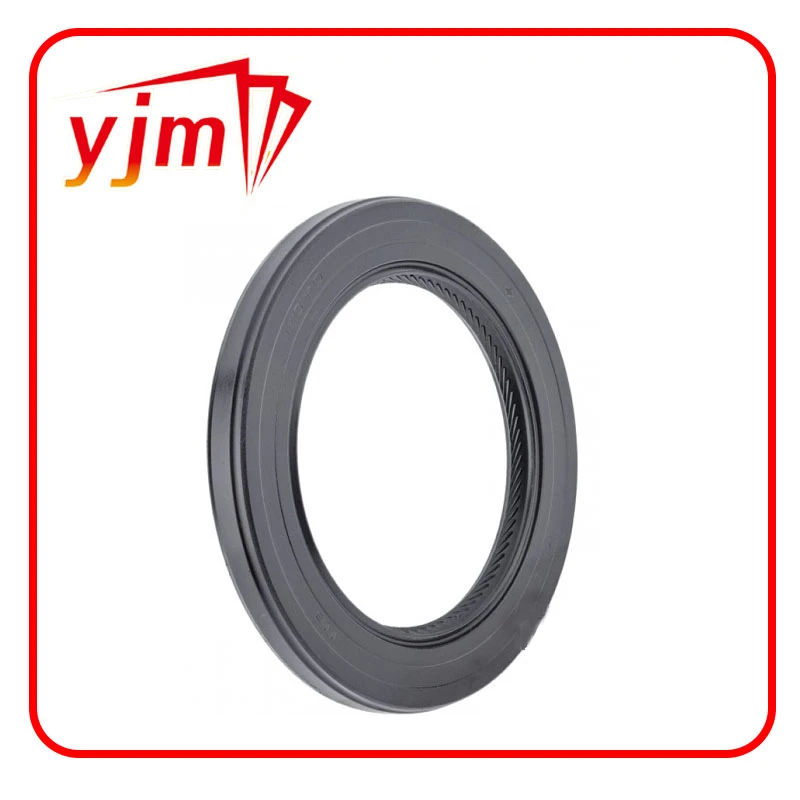
Oil pump seal 9031143010
-
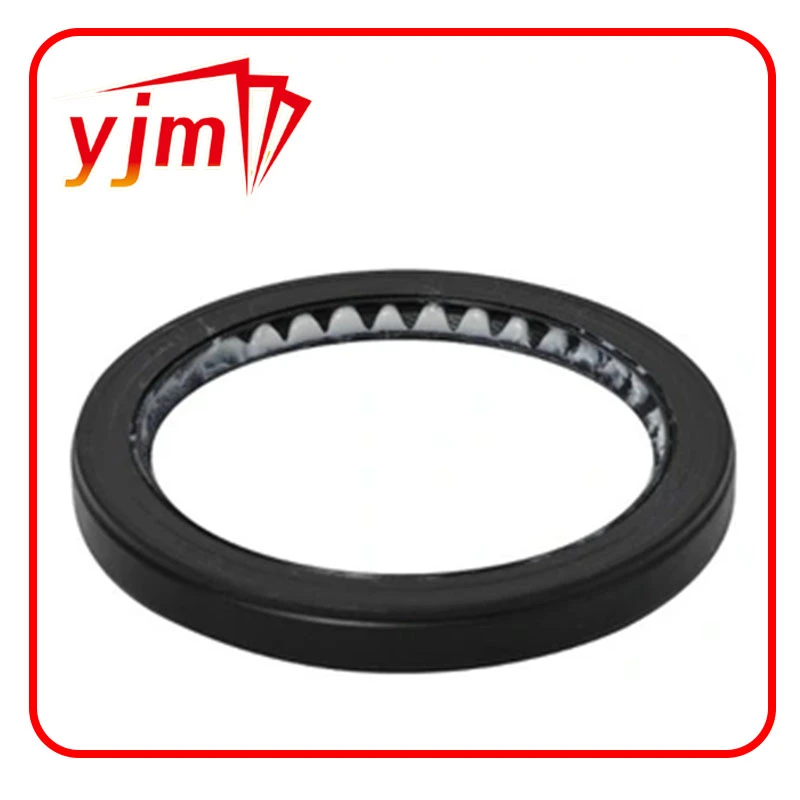
Genuine Toyota Oil SEAL 90311-54006
-
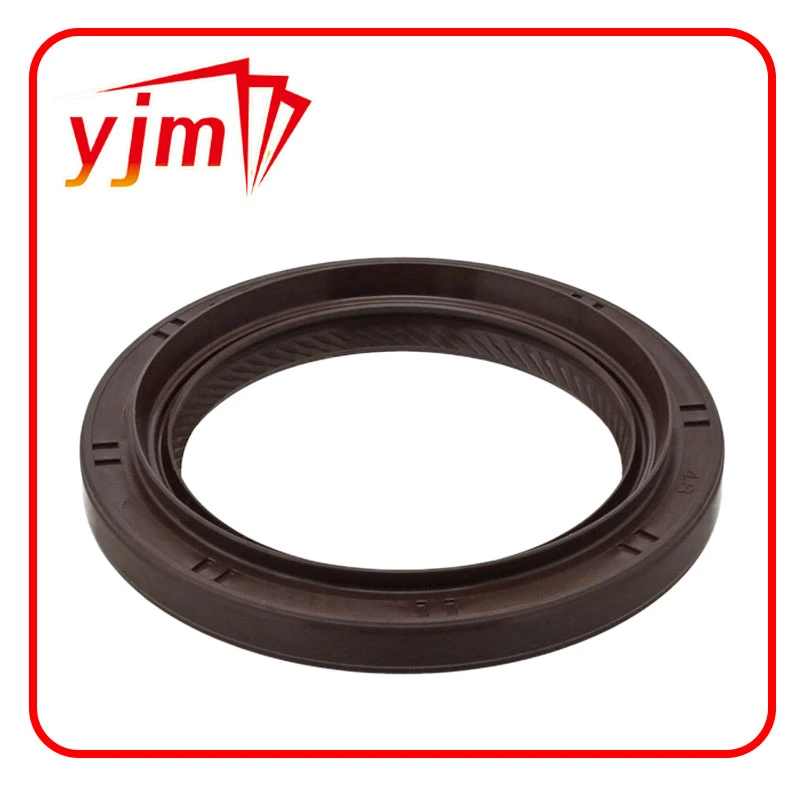
Toyota SEAL TYPE T OIL 90311-48031
-
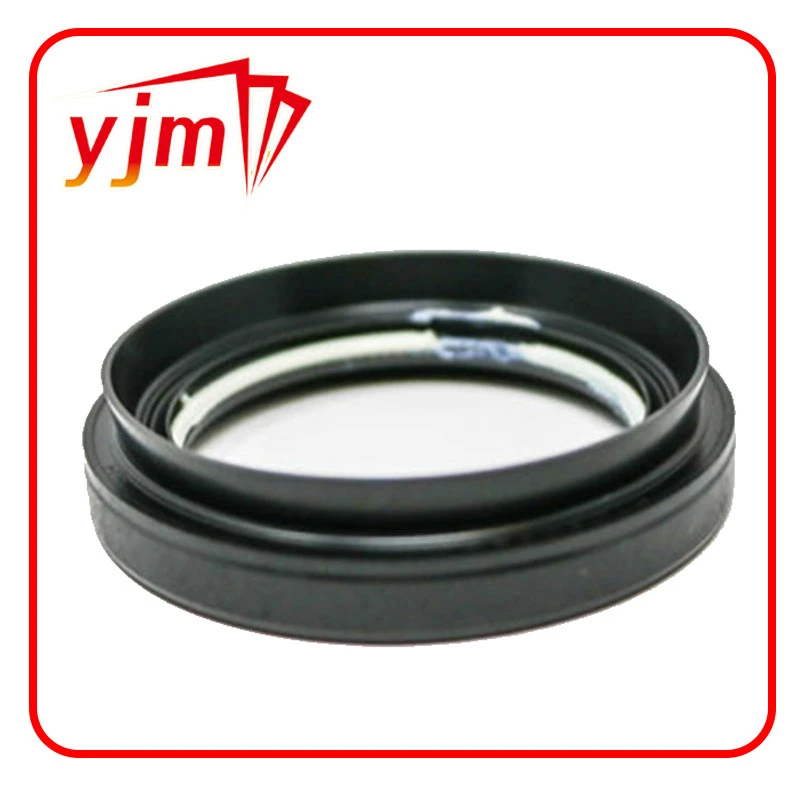
Type T Oil Seal, Front Drive Shaft, Left 9031150064
-
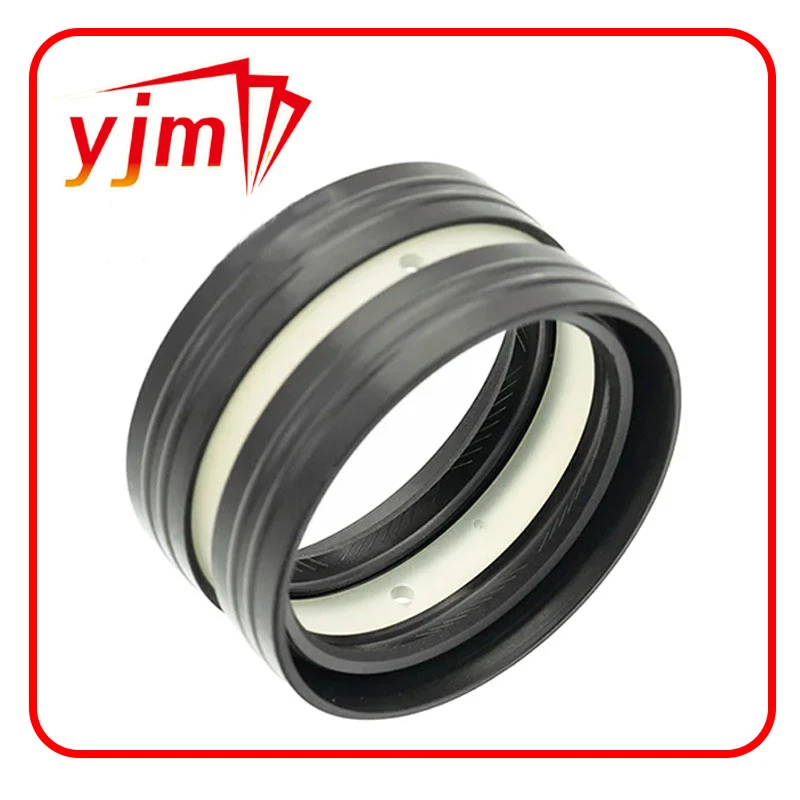
Seal, type d oil 9031634001 TOYOTA
 Afrikaans
 Albanian
 Amharic
 Arabic
 Armenian
 Azerbaijani
 Basque
 Belarusian
 Bengali
 Bosnian
 Bulgarian
 Catalan
 Cebuano
 Corsican
 Croatian
 Czech
Czech
 Danish
 Dutch
Dutch
 Esperanto
 Estonian
 Finnish
 French
 Frisian
 Galician
 Georgian
 German
 Greek
Greek
 Gujarati
 Haitian Creole
 Hausa
Hausa
 Hawaiian
 Hebrew
 Hindi
Hindi
 Miao
Miao
 Hungarian
 Icelandic
 Igbo
Igbo
 Indonesian
 Irish
Irish
 Italian
 Japanese
 Javanese
 Kannada
 Kazakh
 Khmer
Khmer
 Rwandese
 Korean
 Kurdish
 Kyrgyz
 Lao
Lao
 Latin
Latin
 Latvian
 Lithuanian
 Luxembourgish
 Macedonian
 Malgashi
 Malay
Malay
 Malayalam
 Maltese
 Maori
Maori
 Marathi
 Mongolian
 Myanmar
 Nepali
 Norwegian
 Norwegian
 Occitan
 Pashto
 Persian
 Polish
 Portuguese
 Punjabi
 Romanian
 Russian
 Samoan
 Scottish Gaelic
 Serbian
 Sesotho
 Shona
Shona
 Sindhi
 Sinhala
 Slovak
 Slovenian
 Somali
 Spanish
 Sundanese
 Swahili
 Swedish
 Tagalog
 Tajik
Tajik
 Tamil
Tamil
 Tatar
Tatar
 Telugu
 Thai
Thai
 Turkish
 Turkmen
 Ukrainian
 Urdu
Urdu
 Uighur
 Uzbek
Uzbek
 Vietnamese
 Welsh
Welsh
 Bantu
Bantu
 Yiddish
 Yoruba
 Zulu
Zulu
 English