Comprehensive Guide to Front Differentials: Technology, Applications & Future Trends
Understanding the Front Diff: Why It Matters Across Industries
“Front diff.” It’s a small phrase packed with big importance in the world of automotive engineering, machinery, and beyond. But what really is a front diff, and why should someone outside a garage—or even a factory floor—care? In short, the front differential is a vital component that ensures power from the engine is effectively distributed to the front wheels, especially in all-wheel-drive or 4x4 vehicles. Globally, this impacts everything from the safety of daily commutes in icy cities to the performance of off-road vehicles used by humanitarian groups in disaster zones.
Understanding front differentials and their types doesn't just help manufacturers improve vehicle efficiency but also contributes to sustainability by optimizing fuel consumption and extending vehicle life spans—benefits that resonate worldwide.
A Global Perspective: The Reach and Relevance of Front Differentials
In the bigger picture, front differentials play a key role in enabling mobility across diverse geographies—whether it’s the snowy streets of Moscow or rugged Kenyan terrains. According to ISO standards on automotive systems, vehicles equipped with efficient drivetrains reduce emissions and increase safety.
Yet, as terrain and climate challenges mount globally, ensuring reliable front differential technology becomes crucial for industry leaders and humanitarian agencies alike. For example, during recent flood relief operations, vehicles with smart front diffs allowed responders to navigate treacherous environments without getting stuck. There’s a fascinating interplay where engineering meets real-world problems — and solutions emerge that save time, money, and sometimes even lives.
Front Diff Explained: The Heart of Front-Wheel Power
At its core, a front diff (short for “front differential”) is a gearbox that allows the front wheels of a vehicle to rotate at different speeds, especially during turns. Put simply: when your vehicle is turning a corner, the outside wheel travels farther than the inside one. The differential makes sure power is split and adjusted accordingly, preventing tyre slip and ensuring smooth handling.
In the age of electrification and smart vehicles, front differentials remain foundational — whether in traditional combustion engine vehicles or hybrid models. Beyond cars, they’re key in industrial vehicles, agricultural machinery, and even robotics, making sure power delivery systems work seamlessly.
Core Components of a Front Diff: What Makes Them Tick?
1. Durability
The front diff undergoes intense stress — torque swings, dirt, extreme temperatures. Components need to be made from high-strength metals and undergo strict quality testing to last tens of thousands of miles without failure.
2. Scalability
Manufacturers often design front differentials in modular ways, allowing easy adaptation for SUVs, trucks, or compact cars, impacting cost and inventory management.
3. Cost Efficiency
Every part counts when balancing price and performance. Precision machining reduces friction losses, enhancing fuel economy and lowering production costs — a careful balancing act every engineer knows well.
4. Integration with Vehicle Systems
Modern front differentials pair with traction control, ABS, and electronic stability programs. This makes what once was a purely mechanical addition now an electronically integrated smart component.
5. Maintenance & Serviceability
Many vehicles use sealed, maintenance-free front diffs, but in heavy-duty or industrial contexts, accessibility to service parts drives long-term reliability and reduction in downtime.
Real-World Uses of the Front Diff: From Harsh Terrain to Urban Streets
- Industrial Vehicles: Front diffs help mining and construction vehicles handle slippery or uneven surfaces safely.
- Emergency Response: Relief organizations use 4WD vehicles with advanced differentials to traverse flood zones or rough terrain efficiently.
- Agriculture: Tractors equipped with front diffs improve maneuverability and reduce soil compaction.
- Off-Road Recreation: Enthusiasts rely heavily on robust front diffs to conquer trails — a booming market worldwide.
- Daily Commuting: Modern passenger cars increasingly have front diffs integrated with safety systems, aiding urban drivers in wet or icy roads.
In remote industrial zones in Siberia, the reliability of front diffs determines entire project logistics. Oddly enough, a simple mechanical concept cascades into complex operations impacting thousands of people.
The Advantages: Long-Term Value of Front Differentials
Why invest in a quality front diff? It’s about:
- Cost Savings: Efficient power distribution improves fuel economy and reduces tire wear.
- Safety & Stability: Better handling reduces accident risks, especially under poor conditions.
- Environmental Impact: Optimized drivetrain means lower emissions — a win in the sustainability race.
- Social Benefits: For organizations working in remote or disaster-prone areas, a dependable front diff means reliability and trust, crucial for missions.
As one engineer said recently, “A good front diff saves lives more than you think. It’s the unsung hero of vehicle safety and reliability.”
Product Specification Table: Typical Front Differential Specs
| Specification | Typical Values | Notes |
|---|---|---|
| Torque Capacity | 350-700 Nm | Varies by vehicle size |
| Material | Hardened steel alloy | Ensures durability |
| Lubrication Type | Synthetic gear oil | For reduced friction & wear |
| Weight | 5-15 kg | Depends on design & materials |
| Integration | ECU compatible | Allows electronic stability control |
Comparing Leading Front Diff Vendors
| Vendor | Typical Applications | Strengths | Limitations |
|---|---|---|---|
| YJM Seal | Off-road, industrial | High durability, customizable | Lead times can vary |
| Dana Incorporated | Automotive, heavy vehicles | Innovative tech, global presence | Premium pricing |
| GKN Driveline | Passenger vehicles, hybrids | Lightweight designs, efficiency | Limited heavy-duty options |
What Does the Future Hold? Trends in Front Diff Technology
The story doesn’t end with traditional engineering. New front differentials incorporate lightweight composites, advanced sensors, and smart fluid dynamics. The industry is also moving towards greener materials and manufacturing processes, cutting CO2 footprints substantially.
Autonomous vehicles will demand even more precise drivetrain control. Front diffs will increasingly pair with AI-enabled systems to optimize traction dynamically — even anticipating terrain changes before they happen.
For NGOs and industries, this means vehicles won’t just be tools but intelligent partners in complex environments, reducing risk, improving efficiency, and enhancing safety.
Overcoming Challenges: Smarter Solutions for Common Front Diff Issues
All is not perfect in front diff land, of course. Challenges like wear and tear, lubrication failures, or costly repairs still exist. Some applications need custom builds that raise prices.
Recent breakthroughs in self-lubricating materials, modular repair kits, and remote monitoring via IoT give hope. By detecting wear early, maintenance moves from reactive to predictive — saving fleets huge downtime costs. Engineers say this shift alone could redefine vehicle reliability in extreme environments.
FAQ: Common Questions About Front Differentials
- Q: How does a front diff improve vehicle safety?
- A: By ensuring front wheels can rotate at different speeds, the front differential prevents loss of traction and wheel slip during turns or uneven terrain, making vehicle handling safer.
- Q: Are front differentials maintenance-heavy?
- A: Many modern front diffs are sealed and require little maintenance, but in industrial or off-road vehicles, regular inspections and lubricant changes are recommended to extend lifespan.
- Q: Can front diffs be upgraded for electric vehicles?
- A: Yes, electric and hybrid vehicles can use specialized front differentials integrated with electronic control units to optimize torque and efficiency.
- Q: What role does a front diff play in off-road recovery?
- A: It helps distribute torque between front wheels to maintain traction on loose or uneven surfaces, preventing vehicle immobilization in challenging terrain.
- Q: How can NGOs source quality front diffs internationally?
- A: Working with reputable manufacturers like front diff suppliers offers reliable products with export experience, ensuring smooth customs and delivery.
Wrapping Up: The Last Word on Front Differentials
In essence, front differentials are humble yet essential components that quietly keep the wheels turning—literally and figuratively. Their influence stretches from everyday cars to the farthest reaches of rugged landscapes, contributing to safety, efficiency, and innovation. And as technology advances, these components only get smarter and more indispensable.
Curious to explore front diff options or need a consult for your vehicle fleet? Don’t hesitate — visit our website at https://www.yjmseal.com and discover how modern front differentials can power your next project.
References
-
Guide to Choosing the Right Washer for Oil Change and Sealing
News Apr.16,2026
-
Essential Guide to High Quality rubber washer oil drain plug
News Apr.09,2026
-
Understanding Rubber Crush Washers for Optimal Sealing Performance
News Apr.07,2026
-
Comprehensive Guide to Understanding and Reusing Crush Washer for Optimal Sealing
News Apr.04,2026
-
The Vital Role of a Drain Screw Gasket in Fluid System Integrity
News Mar.31,2026
-
The Essential Guide to Drain Crush Washer Selection and Plumbing Leak Prevention
News Mar.28,2026
-
The Vital Role of a Crush Washer in Oil Changes for Engine Protection
News Mar.26,2026
Products categories
-
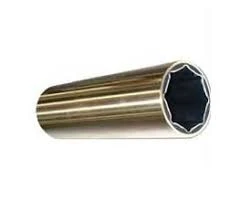
Brass cutlass marine bearing
-
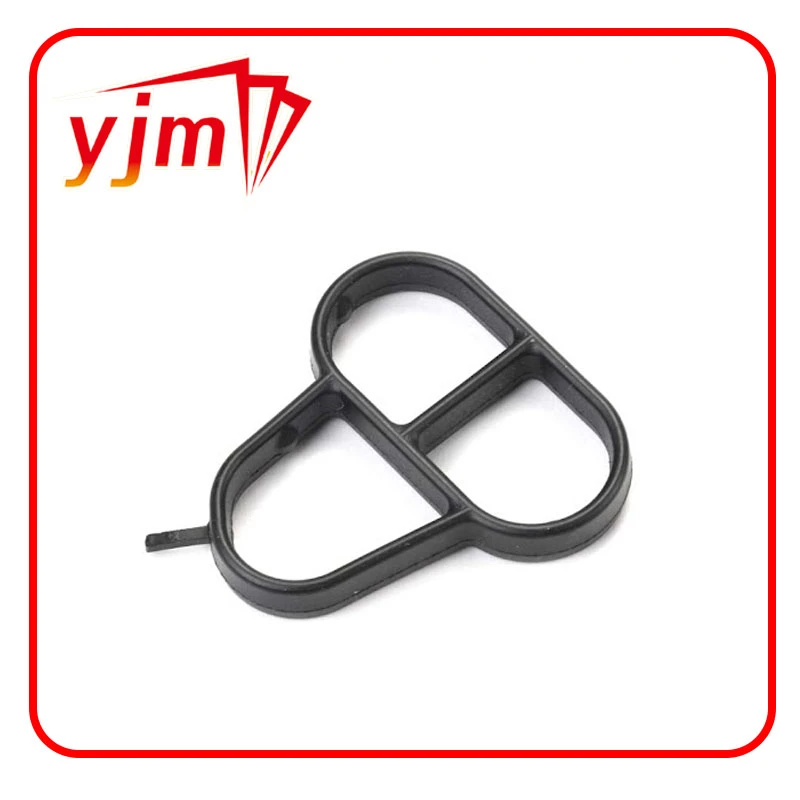
Genuine OEM Engine Oil Filter Housing Cover O-Ring For VW/Audi 06E115446
-
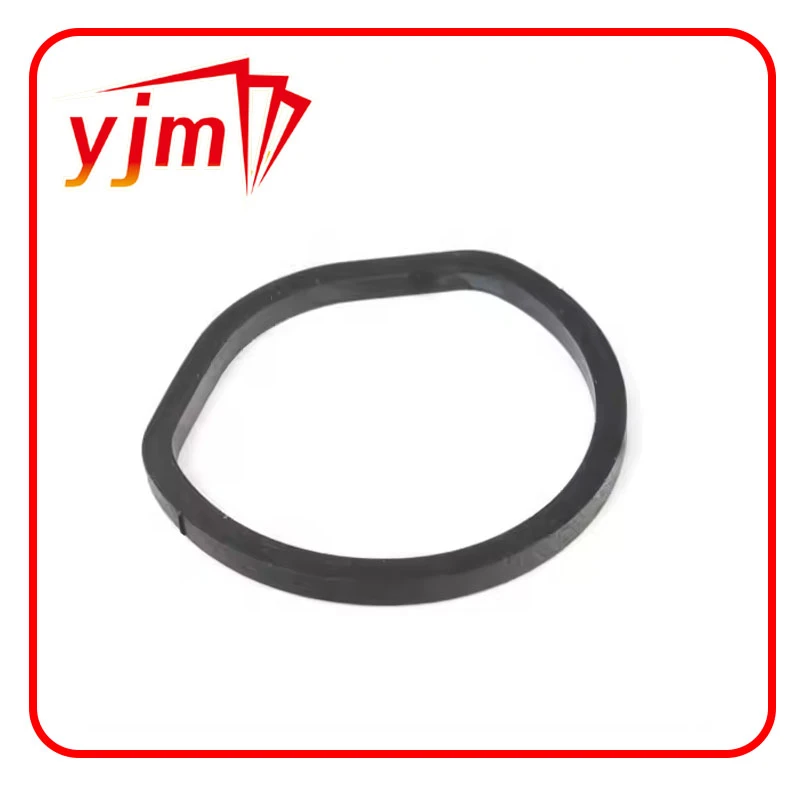
Oil Filter Stand Gasket,Oil filter cover seal
-
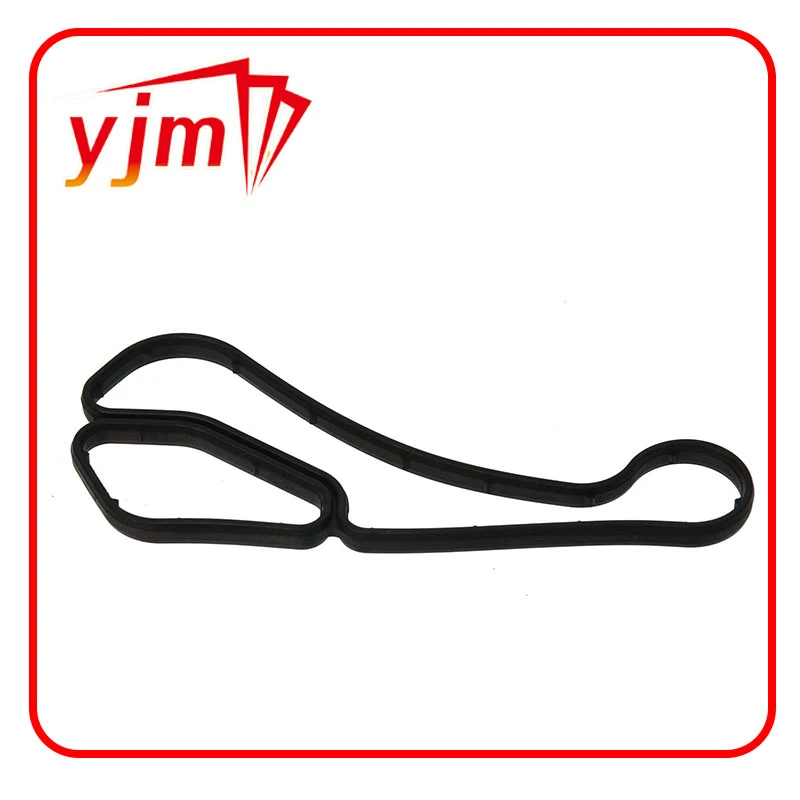
Oil Cooler Gasket, Oil Cooler to Oil Filter Housing 11427525335
-
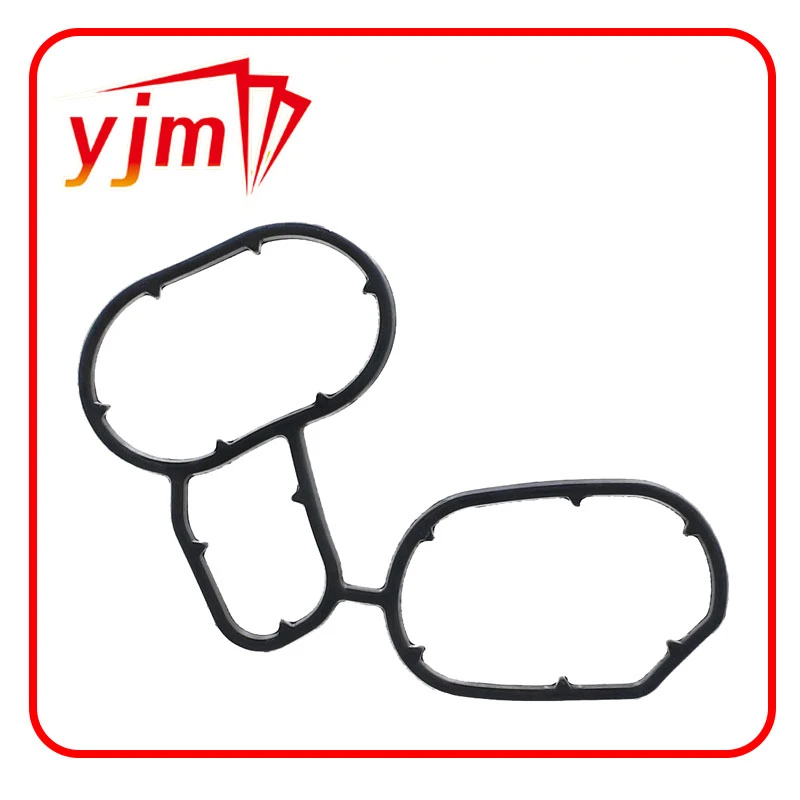
11427508970 BMW - OIL FILTER HOUSING GASKETS
-
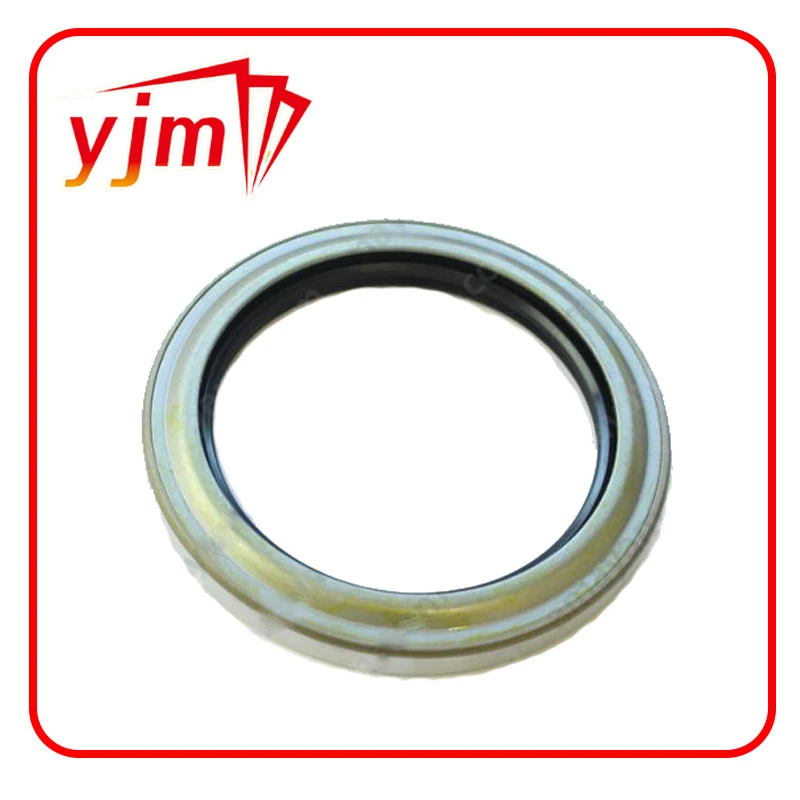
SEAL, OIL Genuine Toyota (9031170011)
-
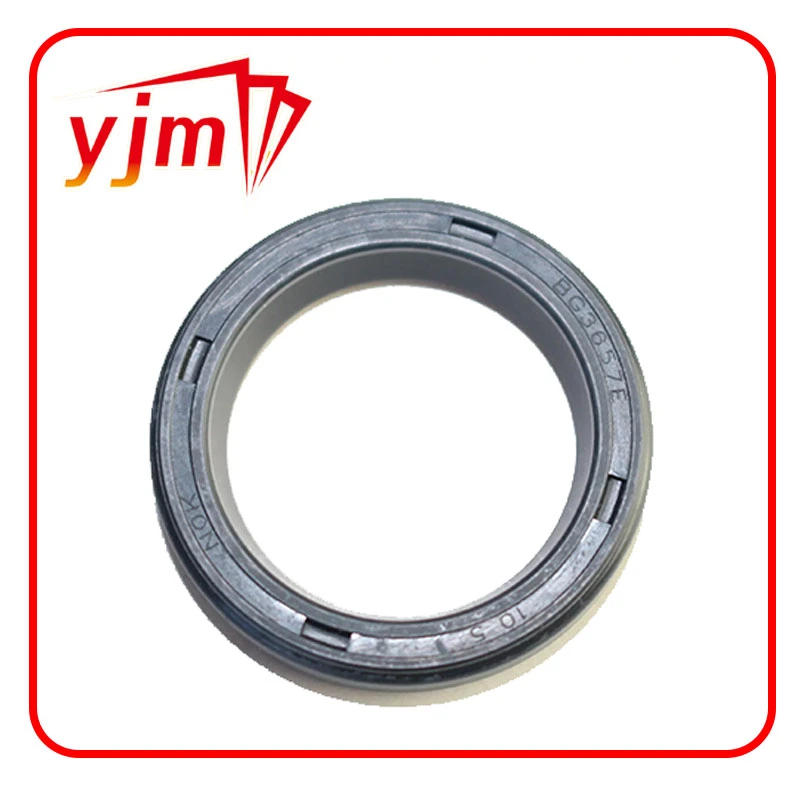
Transfer Case Output Shaft Seal Part 9031223001
-
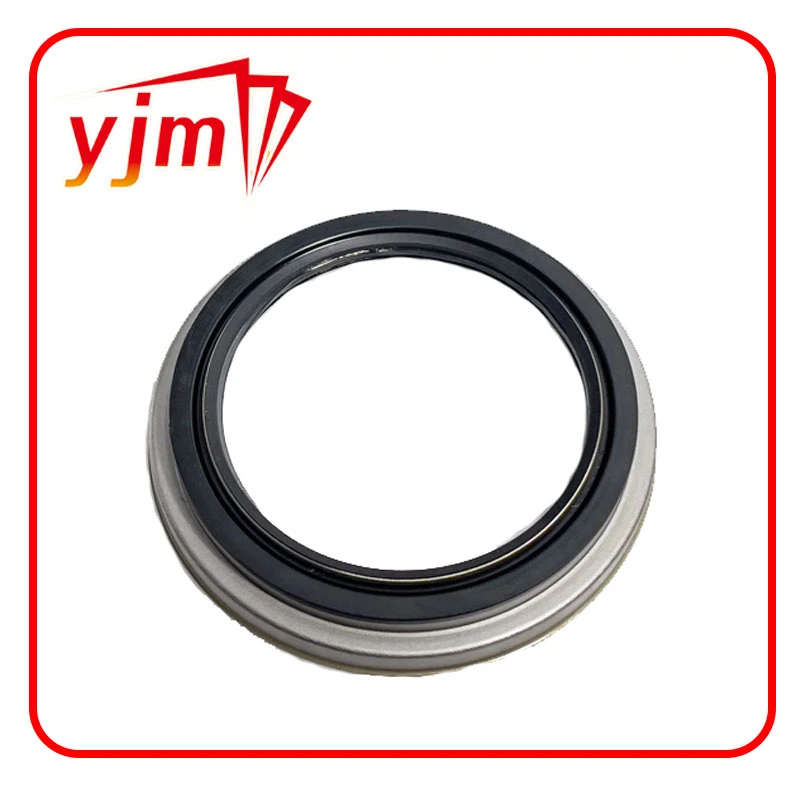
SEAL, OIL Genuine Toyota (9031672001)
-
Engine Crankshaft Oil Seal No.9031138096
-
Toyota Transfer Case Output Shaft Seal Front 9031136006
-
Seal, type v oil 9031287001 TOYOTA
-
Oil pump seal 9031143010
-
Genuine Toyota Oil SEAL 90311-54006
-
Toyota SEAL TYPE T OIL 90311-48031
-
Type T Oil Seal, Front Drive Shaft, Left 9031150064
-
Seal, type d oil 9031634001 TOYOTA
 Afrikaans
 Albanian
 Amharic
 Arabic
 Armenian
 Azerbaijani
 Basque
 Belarusian
 Bengali
 Bosnian
 Bulgarian
 Catalan
 Cebuano
 Corsican
 Croatian
 Czech
Czech
 Danish
 Dutch
Dutch
 Esperanto
 Estonian
 Finnish
 French
 Frisian
 Galician
 Georgian
 German
 Greek
Greek
 Gujarati
 Haitian Creole
 Hausa
Hausa
 Hawaiian
 Hebrew
 Hindi
Hindi
 Miao
Miao
 Hungarian
 Icelandic
 Igbo
Igbo
 Indonesian
 Irish
Irish
 Italian
 Japanese
 Javanese
 Kannada
 Kazakh
 Khmer
Khmer
 Rwandese
 Korean
 Kurdish
 Kyrgyz
 Lao
Lao
 Latin
Latin
 Latvian
 Lithuanian
 Luxembourgish
 Macedonian
 Malgashi
 Malay
Malay
 Malayalam
 Maltese
 Maori
Maori
 Marathi
 Mongolian
 Myanmar
 Nepali
 Norwegian
 Norwegian
 Occitan
 Pashto
 Persian
 Polish
 Portuguese
 Punjabi
 Romanian
 Russian
 Samoan
 Scottish Gaelic
 Serbian
 Sesotho
 Shona
Shona
 Sindhi
 Sinhala
 Slovak
 Slovenian
 Somali
 Spanish
 Sundanese
 Swahili
 Swedish
 Tagalog
 Tajik
Tajik
 Tamil
Tamil
 Tatar
Tatar
 Telugu
 Thai
Thai
 Turkish
 Turkmen
 Ukrainian
 Urdu
Urdu
 Uighur
 Uzbek
Uzbek
 Vietnamese
 Welsh
Welsh
 Bantu
Bantu
 Yiddish
 Yoruba
 Zulu
Zulu
 English