The Essential Guide to Oil Seal Use: Benefits, Applications, and Innovations
Understanding Oil Seal Use: Why It Matters Globally
It's easy to overlook the humble oil seal, but its role is quite pivotal across countless industries worldwide. So what is oil seal use really all about? Simply put, it’s the implementation of sealing technology to contain lubricants and prevent contaminants from sneaking into machinery. It might sound small, but the impact is massive—especially when you consider that poorly sealed equipment can cause costly downtime, safety hazards, and environmental damage.
On a global scale, the demand for oil seal use reflects broader industrial growth. Based on ISO standards and industrial data, effective sealing translates directly into greater machinery longevity and efficiency. And with industries expanding in developing regions, understanding this technology isn't just technical mumbo jumbo; it’s a cornerstone of sustainable and safe manufacturing.
Mini takeaway: Oil seals aren’t just small ring-shaped parts but key players in reducing waste, boosting safety, and driving industrial progress worldwide.
The Global Context: Oil Seal Use Across Industries
Globally, industrial machinery powers infrastructure, transportation, agriculture, and more. According to the World Bank, manufacturing output in emerging economies has grown by roughly 4% annually over the past decade. With that, the need to keep machines running smoothly has never been more urgent.
Challenges such as pollution, fluctuating raw material prices, and stricter environmental regulations put a spotlight on efficient lubrication and sealing solutions. Oil seal use acts as a frontline defense against leaks and contamination, mitigating maintenance costs and environmental harm.
But here’s the catch — even minor imperfections in sealing can cascade into severe equipment failure. This is why many industries worldwide are quickly adapting to advanced sealing materials and designs that promise higher performance and durability.
Mini takeaway:
- Rapid industrialization escalates the need for improved oil seal use.
- Maintenance cost and environmental impact both hinge on seal quality.
What Exactly Is Oil Seal Use?
In plain English, oil seal use is the practice of installing specially designed components that prevent lubricants from leaking out of a mechanical assembly—think engines, pumps, gearboxes—while keeping dirt, dust, and moisture from getting in. It’s one of those behind-the-scenes heroes in mechanical engineering.
Modern applications stretch from automotive manufacturing to renewable energy setups, and even humanitarian machinery deployed in harsh environments. For instance, in remote water pumps powering agricultural communities, efficient oil seals reduce downtime and support food security.
So the connection is strong: oil seal use directly contributes to the reliability and sustainability of essential machines.
Mini takeaway:
- Oil seals guard lubricant integrity and equipment health.
- Their use spans multiple sectors — from heavy industry to humanitarian efforts.
Core Components of Effective Oil Seal Use
1. Durability
Many engineers say that a seal’s material choice—whether nitrile rubber, fluorocarbon, or polyurethane—dictates how long it lasts under stress. A durable seal withstands harsh temperatures, pressures, and chemical exposure.
2. Compatibility
Compatibility with the type of lubricant and operating environment is crucial. For example, seals in marine engines face salty water, demanding corrosion resistance.
3. Installation Precision
Improper installation can negate even the best seals. Precision in fitting and alignment reduces mechanical wear and leakage risks.
4. Cost Efficiency
While high-grade seals cost more initially, they save money over time by preventing failures and reducing maintenance.
5. Scalability
From small motors to giant turbines, seals come in various sizes—scalable to meet specific industrial needs.
Every factor intertwines in real-world use. For instance, a seal that’s ultra-durable but too expensive might not suit a cost-sensitive project.
Mini takeaway:
- Balancing durability, compatibility, and cost is key.
- Proper installation is often underestimated but critical.
Global Applications & Real-World Use Cases
Oil seal use really shines when you look at varied environments:
- Automotive manufacturing relies on oil seals to maintain engine efficiency and reduce emissions.
- Renewable energy sectors—especially wind turbines—depend on seals to keep grease in place through harsh weather.
- Mining operations in Africa and South America use special oil seals to protect heavy equipment from abrasive dust and mud.
- Humanitarian machinery deployed in disaster zones integrates reliable seals to keep generators and pumps running during critical relief efforts.
A recent case in Indonesia showed how replacing old seals with advanced ones increased pump uptime during flood relief by 30%. It’s small, but it created a big impact for the community relying on clean water.
Mini takeaway:
- Oil seal use is critical across diverse regions and industries.
- Real-world benefits include improved reliability and less downtime.
The Advantages & Long-Term Value of Oil Seal Use
Think about it: less leakage means fewer spills, less contamination, and longer equipment life. It saves companies money but also builds trust — customers and communities feel safer when machinery works well without unexpected breakdowns.
There’s also a sustainability angle. Efficient oil seals reduce waste and avoid environmental damage—the kind of impact that aligns with global targets like the UN Sustainable Development Goals.
In safety terms, strong sealing helps avoid workplace accidents related to lubricant leaks, which is a huge plus for staff welfare.
Mini takeaway:
- Oil seal use saves costs and protects the environment.
- It contributes to workplace safety and community trust.
Future Trends & Innovations in Oil Seal Technology
Honestly, it’s exciting seeing how materials science is shaking things up here. New polymer blends and nano-coatings promise seals that last longer even in extreme heat or corrosive environments.
Automation is another wave — using sensors to monitor seal wear and predict replacements before failures happen. It’s part of the bigger “Industry 4.0” movement.
Some companies are exploring biodegradable sealing materials for eco-conscious industries. And with the rise of electric vehicles, sealing techniques adapt to new lubrication fluids and operating conditions.
Mini takeaway:
- Materials and sensor tech will make oil seals smarter and longer lasting.
- Sustainability influences innovation in seal design and materials.
Challenges & How Experts Are Tackling Them
Still, oil seal use isn’t without hurdles. Some typical issues include premature wear, improper installs, and incompatibility with specialty lubricants. These cause unexpected downtime and cost overruns.
Leaders in the field suggest: ongoing training for technicians, rigorous testing protocols, and tailoring seal designs specifically to application needs. Industry associations like ASTM International provide standards to improve consistency and quality worldwide.
Also, digitization helps pinpoint failures earlier—preventive maintenance is the game changer.
Mini takeaway:
- Education, standards, and technology help overcome sealing challenges.
- Digital tools increasingly support maintenance and longevity.
FAQ: Frequently Asked Questions about Oil Seal Use
- Q: How do I know which oil seal material suits my application?
- A: Consider operating temperature, chemical exposure, and pressure conditions. For example, nitrile seals are economical but less heat-resistant, while fluorocarbon seals work well in higher temperatures and chemical-heavy environments.
- Q: Can improper installation damage the oil seal?
- A: Absolutely. Improper fitting or using wrong tools can cause tears or misalignment, leading to leaks. Always follow manufacturer guidelines or get expert help if installing complex seals.
- Q: How long do oil seals typically last?
- Longevity varies widely depending on conditions, but typical seals last from 3 to 10 years under standard use. Environment, load, and maintenance heavily influence this.
- Q: Are oil seals reusable after removal?
- Generally no. Reusing seals is discouraged as sealing surfaces and materials suffer wear during service and removal, compromising performance.
- Q: Where can I learn more about proper oil seal selection?
- Industry sites like oil seal use resources offer comprehensive guides. Additionally, standards organizations and manufacturers provide application charts and technical documents.
Product Specification Table: Typical Oil Seal Properties
| Specification | Description | Typical Value |
|---|---|---|
| Material | Nitrile Butadiene Rubber (NBR) | Standard |
| Temperature Range | Operating temperature limits | -40°C to +120°C |
| Pressure Resistance | Maximum operating pressure | Up to 0.5 MPa |
| Hardness | Shore A scale | 70 ± 5 |
| Lubricant Compatibility | Compatible fluids | Mineral oils, synthetic oils |
Vendor Comparison: Leading Oil Seal Manufacturers
| Feature | Manufacturer A | Manufacturer B | Manufacturer C |
|---|---|---|---|
| Material Variety | Wide (NBR, FKM, PU) | Medium (NBR, Silicone) | Wide (NBR, FKM, PTFE) |
| Lead Time | 2 weeks | 1 week | 3 weeks |
| Customization Options | High | Low | Medium |
| Price Range | $$ | $ | $$$ |
| Global Shipping | Yes | Limited | Yes |
Wrapping It Up: Why Oil Seal Use Deserves Your Attention
Honestly, oil seal use might seem like a small piece of a big puzzle, but its absence would cause large, costly problems. Improved seals mean longer machine life, safer operations, less environment impact, and yes — less frustration for technicians called out for emergency repairs at midnight.
If you’re involved in manufacturing, maintenance, or even industrial design, getting a grip on seal technology is a no-brainer. For more insights and trusted products, check out oil seal use specialists who keep this vital component running smoothly worldwide.
Small seals. Big impact. That’s the story.
References
-
Guide to Choosing the Right Washer for Oil Change and Sealing
News Apr.16,2026
-
Essential Guide to High Quality rubber washer oil drain plug
News Apr.09,2026
-
Understanding Rubber Crush Washers for Optimal Sealing Performance
News Apr.07,2026
-
Comprehensive Guide to Understanding and Reusing Crush Washer for Optimal Sealing
News Apr.04,2026
-
The Vital Role of a Drain Screw Gasket in Fluid System Integrity
News Mar.31,2026
-
The Essential Guide to Drain Crush Washer Selection and Plumbing Leak Prevention
News Mar.28,2026
-
The Vital Role of a Crush Washer in Oil Changes for Engine Protection
News Mar.26,2026
Products categories
-
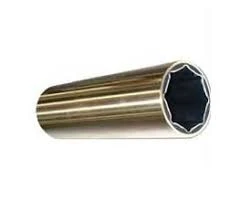
Brass cutlass marine bearing
-
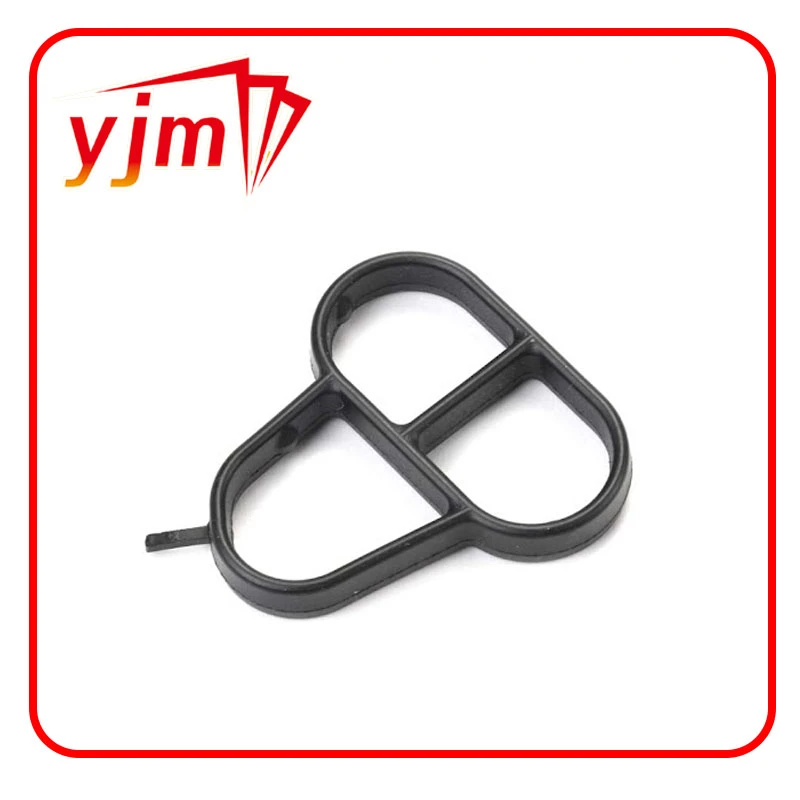
Genuine OEM Engine Oil Filter Housing Cover O-Ring For VW/Audi 06E115446
-
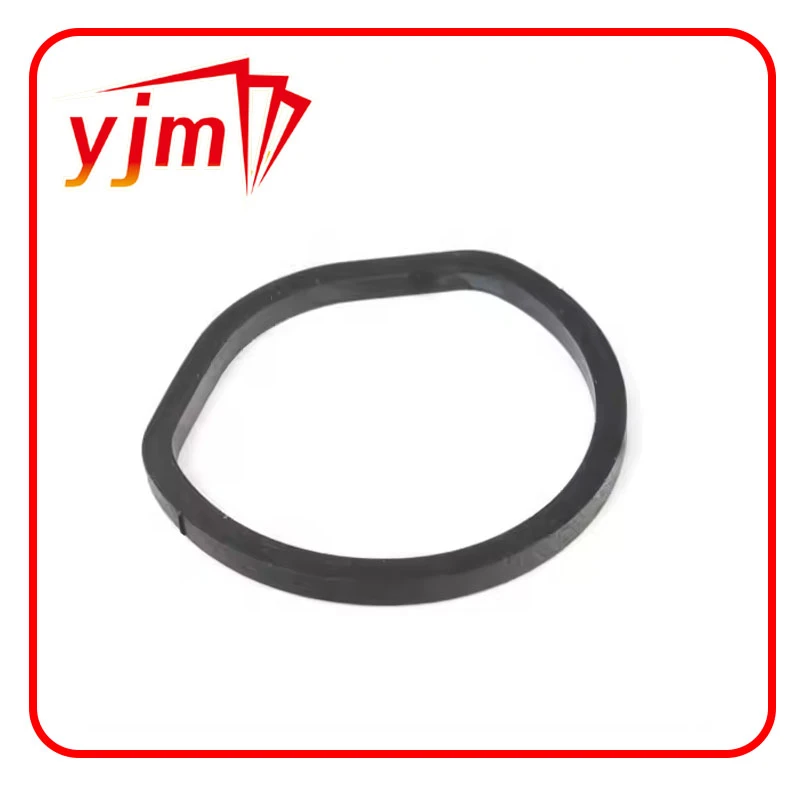
Oil Filter Stand Gasket,Oil filter cover seal
-
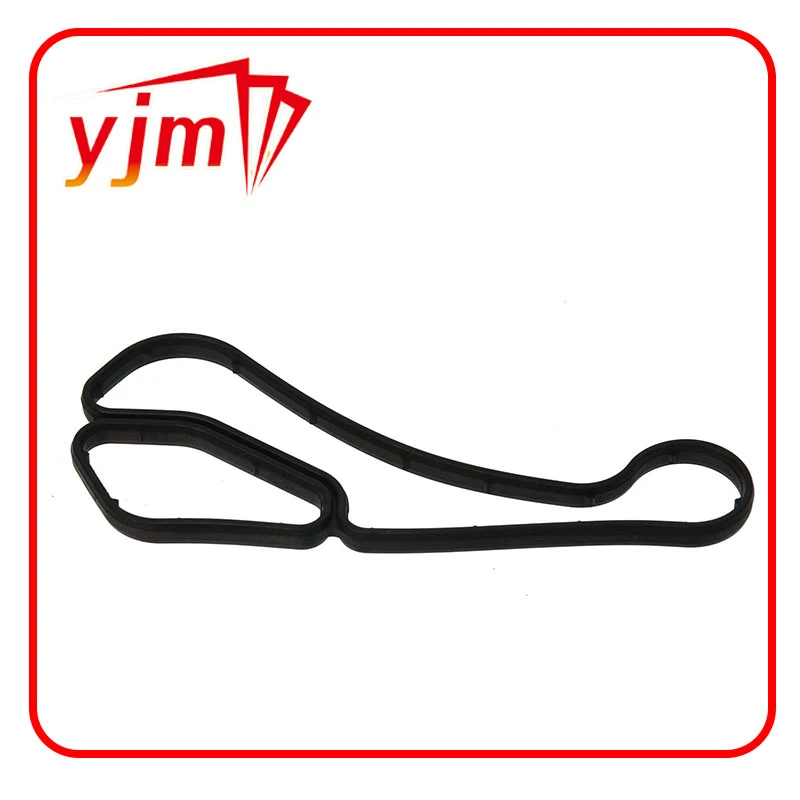
Oil Cooler Gasket, Oil Cooler to Oil Filter Housing 11427525335
-
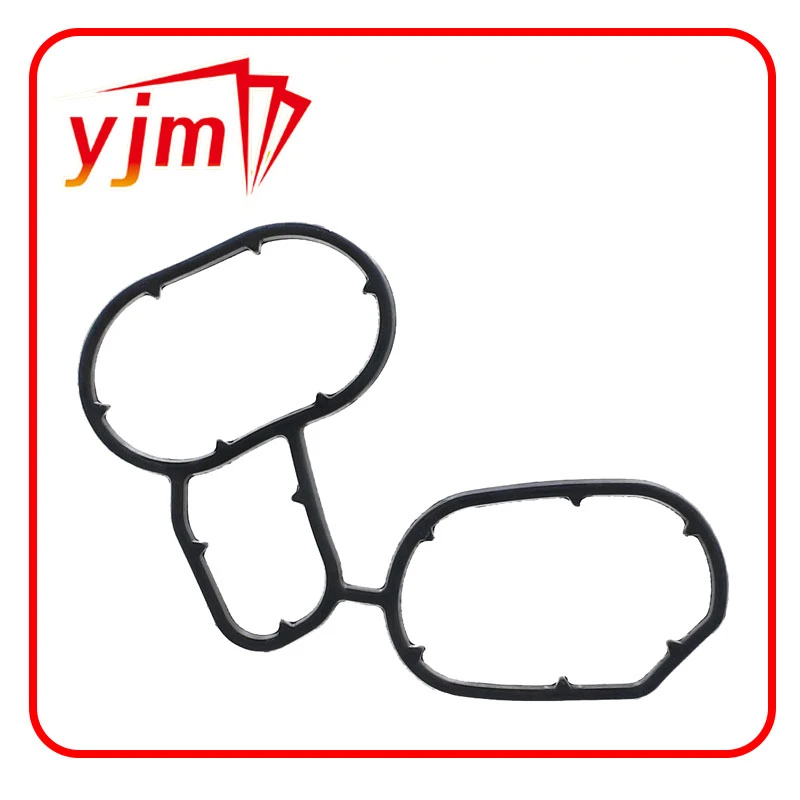
11427508970 BMW - OIL FILTER HOUSING GASKETS
-
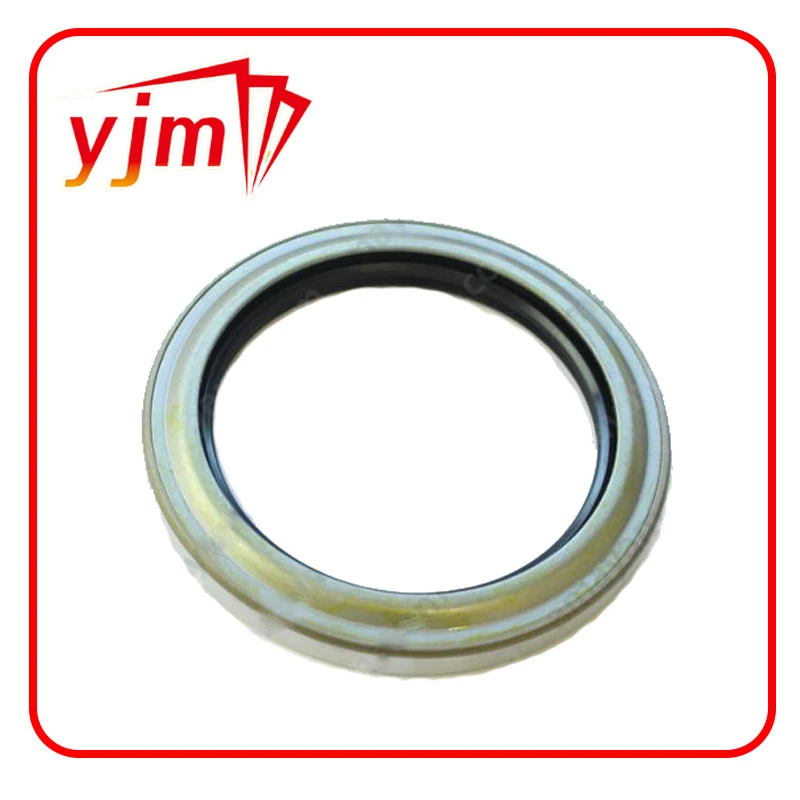
SEAL, OIL Genuine Toyota (9031170011)
-
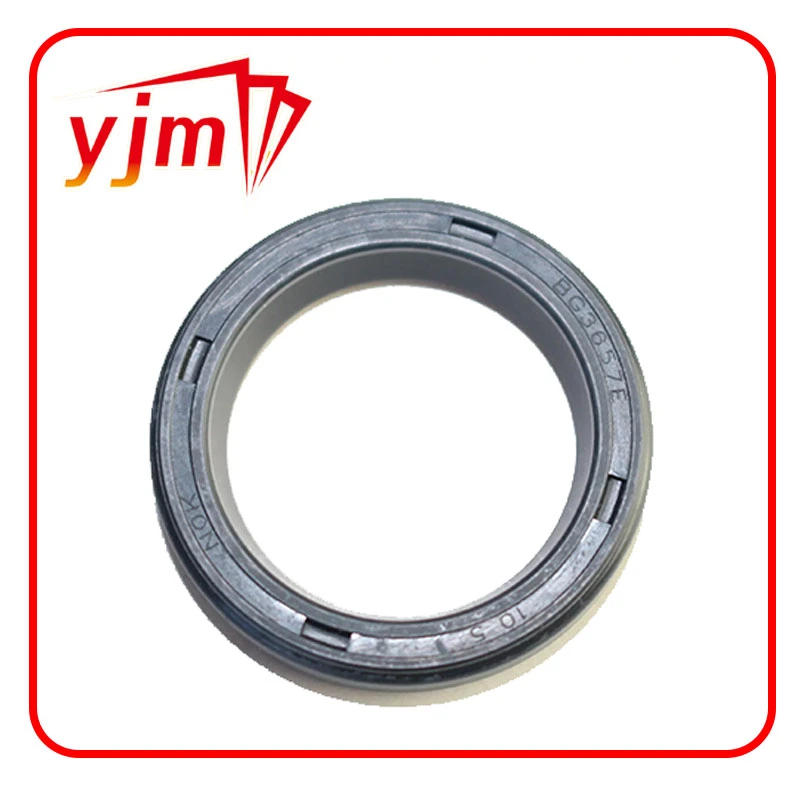
Transfer Case Output Shaft Seal Part 9031223001
-
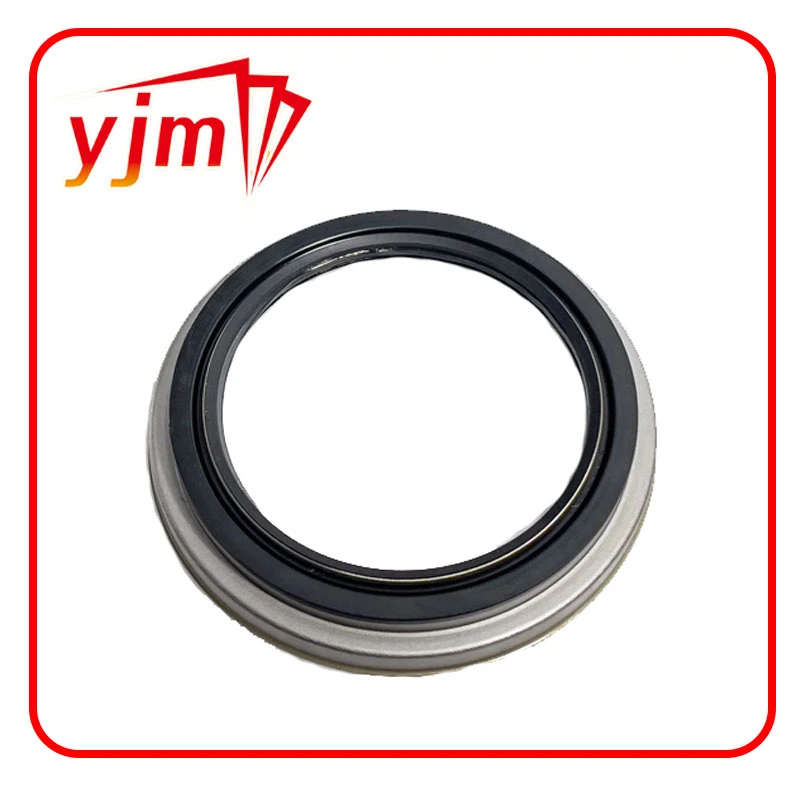
SEAL, OIL Genuine Toyota (9031672001)
-
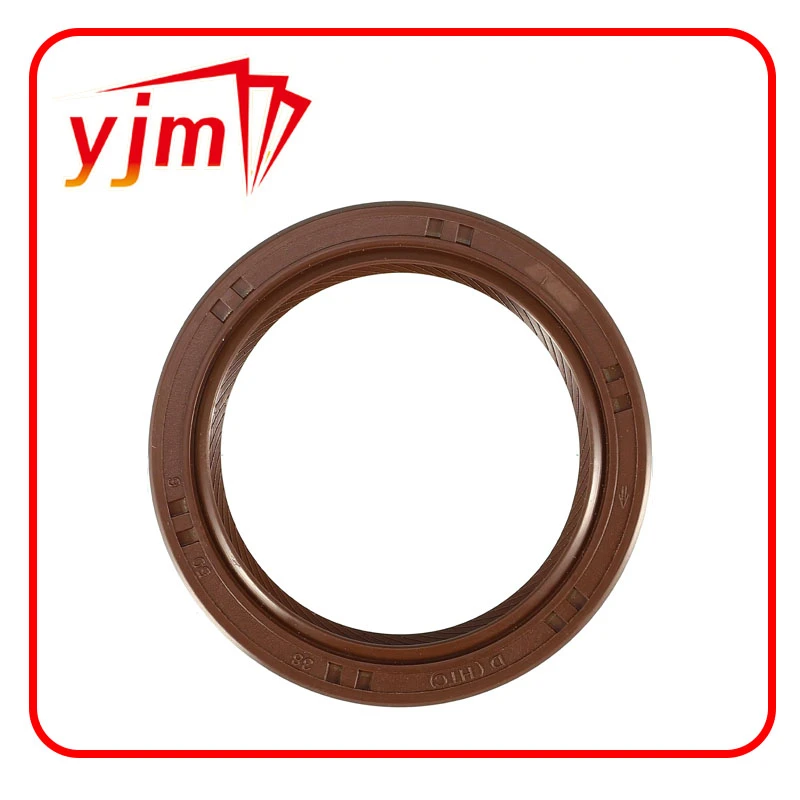
Engine Crankshaft Oil Seal No.9031138096
-
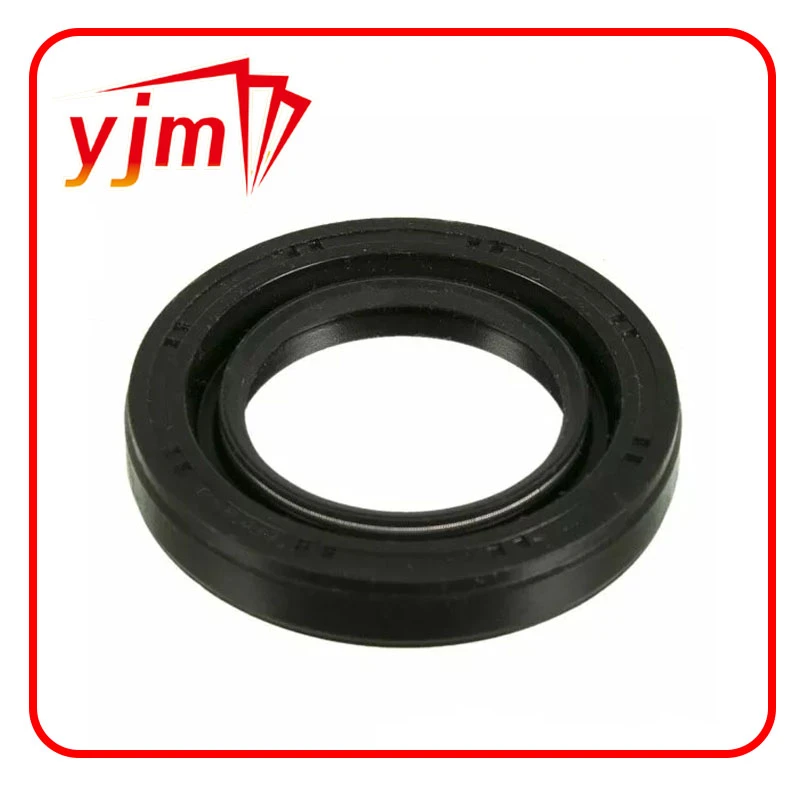
Toyota Transfer Case Output Shaft Seal Front 9031136006
-
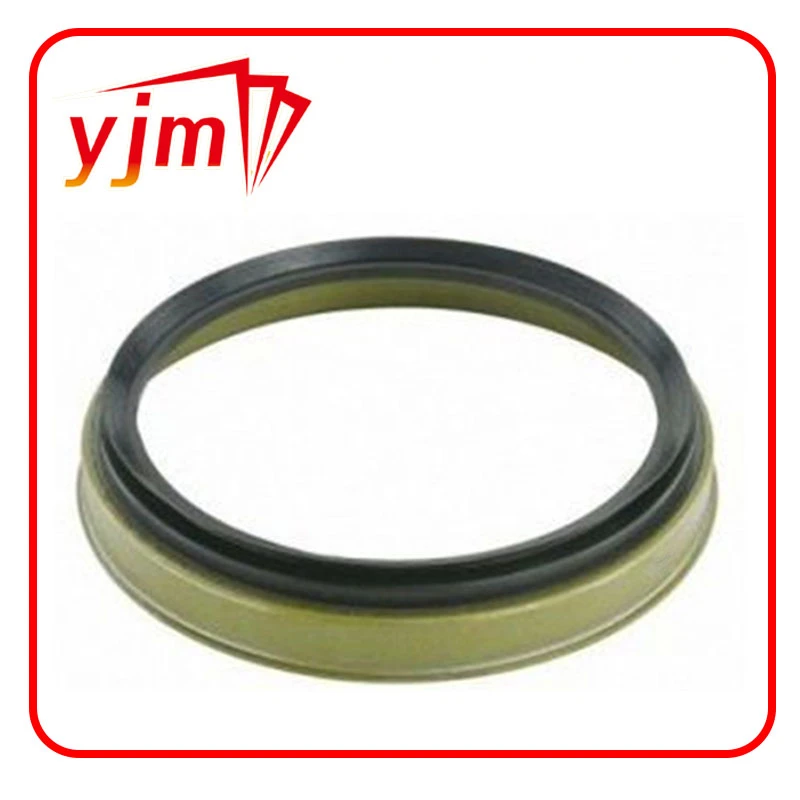
Seal, type v oil 9031287001 TOYOTA
-
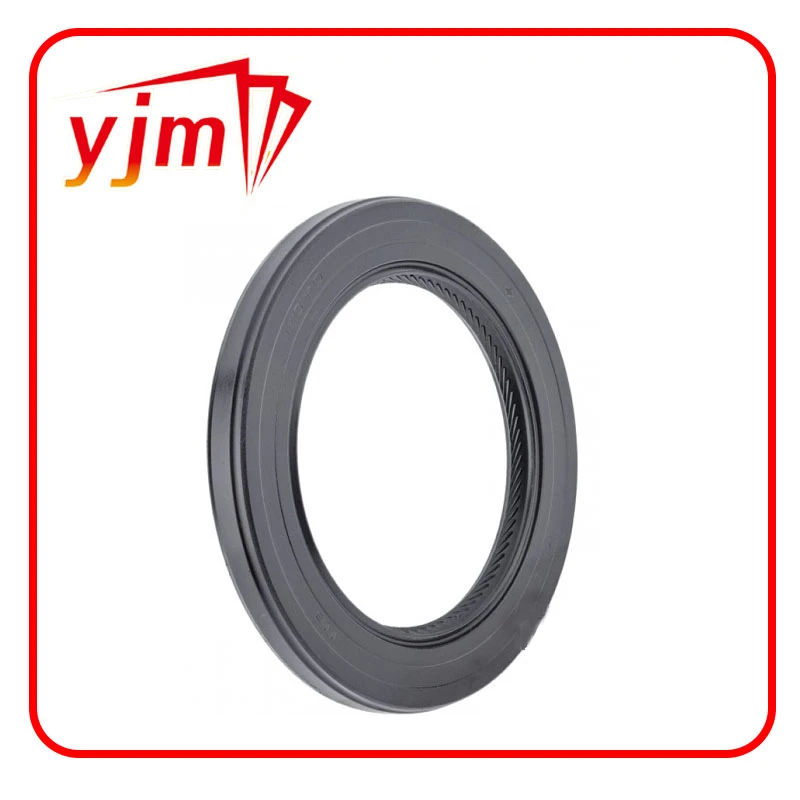
Oil pump seal 9031143010
-
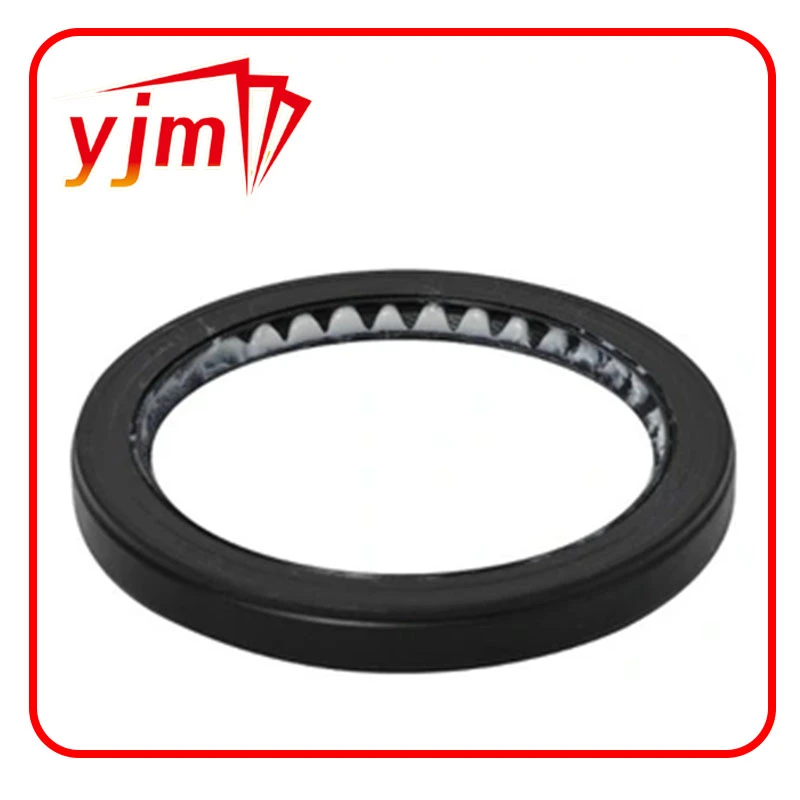
Genuine Toyota Oil SEAL 90311-54006
-
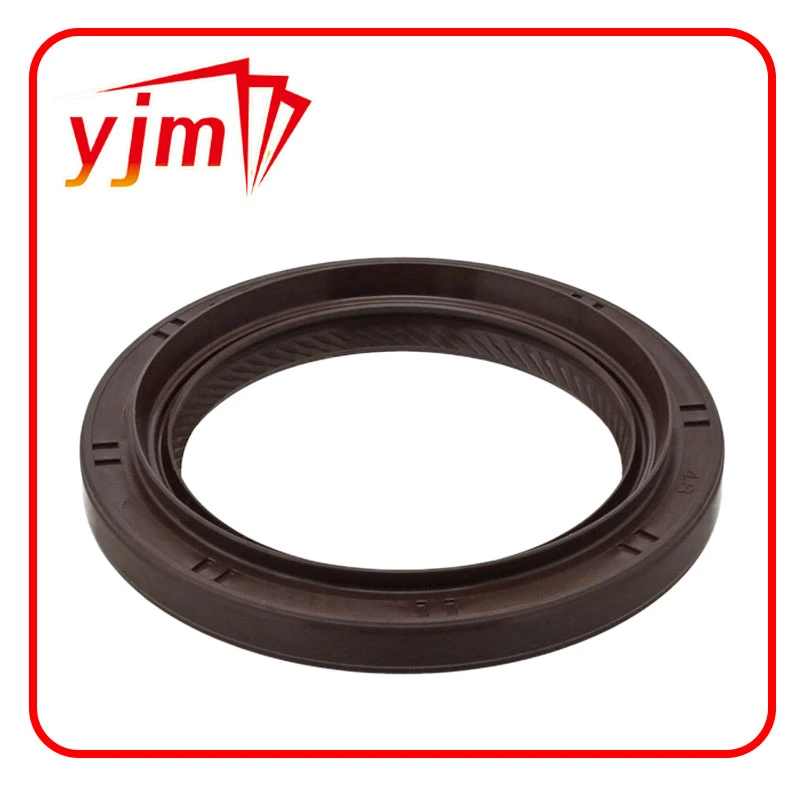
Toyota SEAL TYPE T OIL 90311-48031
-
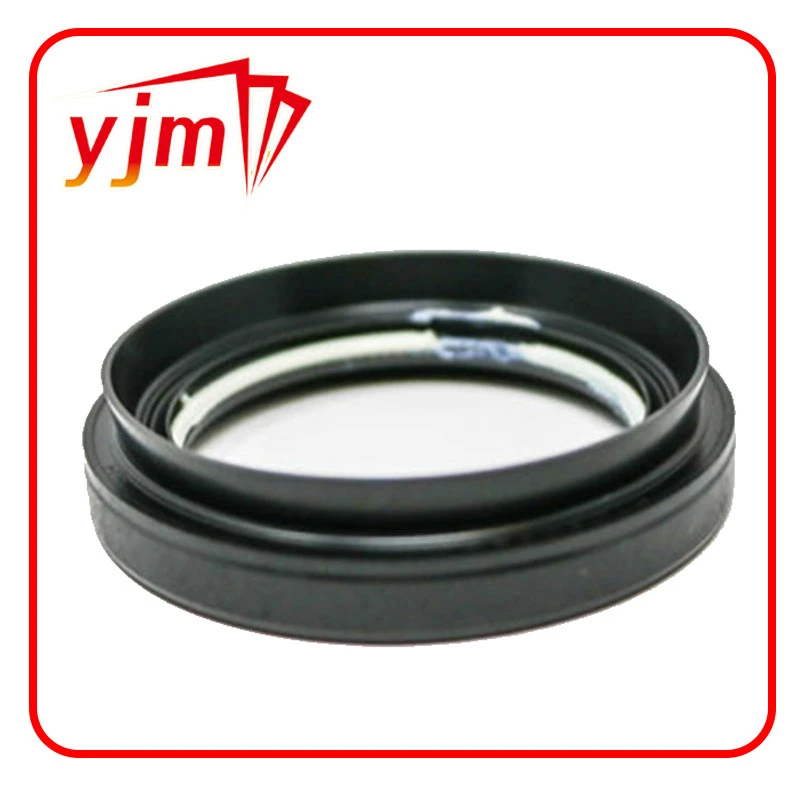
Type T Oil Seal, Front Drive Shaft, Left 9031150064
-
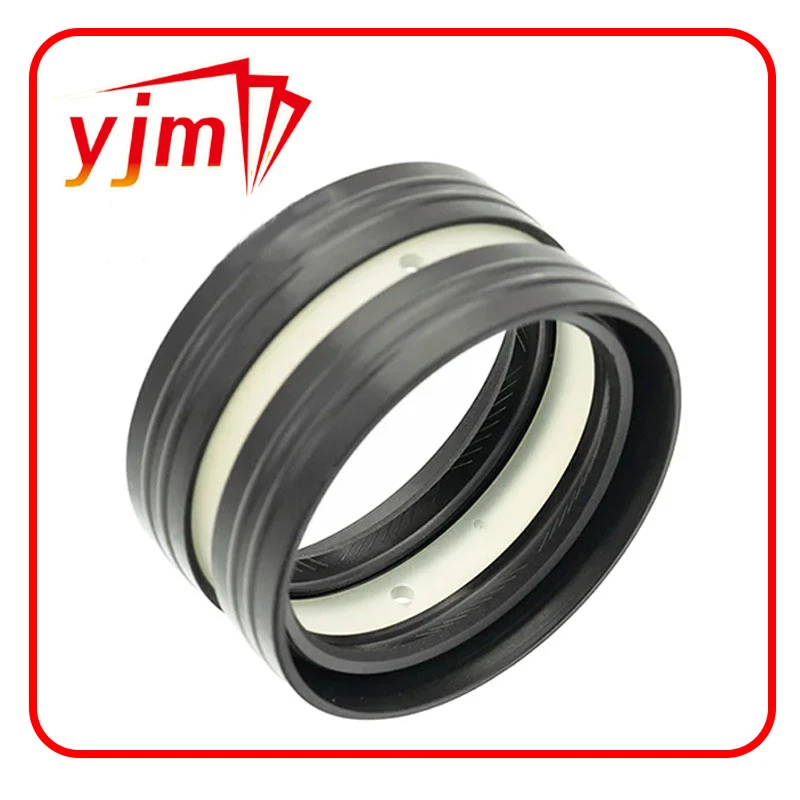
Seal, type d oil 9031634001 TOYOTA
 Afrikaans
 Albanian
 Amharic
 Arabic
 Armenian
 Azerbaijani
 Basque
 Belarusian
 Bengali
 Bosnian
 Bulgarian
 Catalan
 Cebuano
 Corsican
 Croatian
 Czech
Czech
 Danish
 Dutch
Dutch
 Esperanto
 Estonian
 Finnish
 French
 Frisian
 Galician
 Georgian
 German
 Greek
Greek
 Gujarati
 Haitian Creole
 Hausa
Hausa
 Hawaiian
 Hebrew
 Hindi
Hindi
 Miao
Miao
 Hungarian
 Icelandic
 Igbo
Igbo
 Indonesian
 Irish
Irish
 Italian
 Japanese
 Javanese
 Kannada
 Kazakh
 Khmer
Khmer
 Rwandese
 Korean
 Kurdish
 Kyrgyz
 Lao
Lao
 Latin
Latin
 Latvian
 Lithuanian
 Luxembourgish
 Macedonian
 Malgashi
 Malay
Malay
 Malayalam
 Maltese
 Maori
Maori
 Marathi
 Mongolian
 Myanmar
 Nepali
 Norwegian
 Norwegian
 Occitan
 Pashto
 Persian
 Polish
 Portuguese
 Punjabi
 Romanian
 Russian
 Samoan
 Scottish Gaelic
 Serbian
 Sesotho
 Shona
Shona
 Sindhi
 Sinhala
 Slovak
 Slovenian
 Somali
 Spanish
 Sundanese
 Swahili
 Swedish
 Tagalog
 Tajik
Tajik
 Tamil
Tamil
 Tatar
Tatar
 Telugu
 Thai
Thai
 Turkish
 Turkmen
 Ukrainian
 Urdu
Urdu
 Uighur
 Uzbek
Uzbek
 Vietnamese
 Welsh
Welsh
 Bantu
Bantu
 Yiddish
 Yoruba
 Zulu
Zulu
 English