Reliable 300tdi Crankshaft Oil Seal for Long-Lasting Diesel Engines | YJM Seal
Understanding the 300tdi Crankshaft Oil Seal: Why It Matters Globally
If you’ve ever peeked under the hood of a reliable Land Rover 300tdi diesel engine—or just wondered how a tiny component keeps an engine healthy—you’ve brushed up against the humble yet critical 300tdi crankshaft oil seal. This small ring of resilience stops oil from leaking where it shouldn’t, ensuring the engine runs smoothly and lasting much longer. Globally, the importance of a quality crankshaft oil seal isn’t just about keeping vehicles running, but also about sustainability, cost efficiency, and minimizing environmental impact—especially in developing regions where maintenance resources are tight. Knowing the ins and outs of this seal can save downtime, money, and headaches.Introduction: The Global Context of the 300tdi Crankshaft Oil Seal
Despite being a niche item, the 300tdi crankshaft oil seal plays a surprisingly crucial role worldwide. Land Rover’s 300tdi diesel engine powers everything from rugged rural transport in Africa to emergency vehicles in Europe. According to an UN report on sustainable transport, reliable engine components improve vehicle longevity, reducing waste and emissions. Yet, replacing or poorly maintaining these seals can result in costly engine damage and increased oil leakage—polluting landscapes and straining budgets. Oddly enough, while major automakers focus on electric propulsion, many regions still rely predominantly on diesel engines with classic components like the 300tdi seal—making quality and availability ever so critical. Improving these seals’ durability supports global efforts to maintain transport efficiency and reduce oil waste.What Exactly is a 300tdi Crankshaft Oil Seal?
Simply put, a crankshaft oil seal provides a tight barrier between the rotating crankshaft of the engine and the external environment. Without it, engine oil would leak out, and contaminants like dirt and water would seep in — a recipe for mechanical disaster. For the Land Rover 300tdi engine, this seal fits snugly around the crankshaft, stopping oil from escaping the crankcase. These seals are precision-engineered from materials like nitrile rubber or Viton to withstand heat, pressure, and oil exposure. In modern industry, components like the 300tdi crankshaft oil seal connect directly to broader goals around equipment reliability and sustainability. Sturdy seals minimize waste, prolong engine lifespans, and indirectly support humanitarian logistics and infrastructure projects that rely on durable vehicles.Mini Takeaway:
The 300tdi crankshaft oil seal might seem simple, but it’s a linchpin of engine reliability—key to reducing waste and extending vehicle use globally.Core Components and Factors of 300tdi Crankshaft Oil Seals
1. Material Durability
Quality seals use advanced rubber compounds resistant to heat, oil degradation, and mechanical wear. Manufacturers often test seals for resistance to engine temperature ranges between -40°C to 150°C, ensuring reliable service even in extreme climates.2. Precise Fit and Design
The seal must perfectly match the crankshaft diameter and groove design. If it’s even slightly off, leakage can begin immediately or after wear develops—making precision manufacturing a must-have.3. Resistance to Contaminants
Dirt, dust, and water are enemies of any seal. Designs that incorporate dust lips or additional shielding greatly improve longevity, especially in rough terrain or dusty construction zones.4. Cost Efficiency
While premium seals may cost more upfront, the payoff in fewer maintenance interventions and less engine oil loss makes them more economical. It’s a classic case of “spend a little, save a lot.”5. Compatibility & Scalability
Because the 300tdi engine has many variants and is used worldwide, seals must adhere to standardized sizing but also accommodate slight engine design tweaks.| Specification | Details |
|---|---|
| Inner Diameter | 35 mm |
| Outer Diameter | 62 mm |
| Width | 7 mm |
| Material | Nitrile Rubber (NBR) or Viton |
| Temperature Range | -40°C to 150°C |
Mini Takeaway:
Focus on material quality and fit is paramount. A cheap seal rarely saves money in the long run.Real-World Applications and Global Use
The 300tdi crankshaft oil seal is everywhere—at least anywhere the Land Rover 300tdi diesel engine runs. That’s across Africa’s savannahs, UK’s farmlands, Australia’s outback, and parts of Asia’s construction sites. In humanitarian missions, NGOs depend on well-maintained 4x4s for remote access, where a leaking crankshaft seal could mean mission failure. In mining operations or agricultural trucking, oil seal integrity means fewer spills, less downtime, and safer working environments. Oddly, while such components rarely make headlines, they underpin whole supply chains and emergency response systems. 300tdi crankshaft oil seal availability, especially through local or online vendors, helps mechanics in tougher-to-reach regions save time and keep machines running.Comparing Popular Vendors for 300tdi Crankshaft Oil Seals
| Vendor | Seal Material | Price Range (USD) | Global Shipping | Warranty |
|---|---|---|---|---|
| YJM Seal | Viton | $12 - $20 | Yes | 2 years |
| OEM Land Rover | Nitrile Rubber | $18 - $25 | Limited | 1 year |
| Aftermarket Brands | Varies (Mostly NBR) | $5 - $15 | Often | Varies |
Mini Takeaway:
Choosing a vendor is not just price-based. Warranty and material make a real difference.Why the 300tdi Crankshaft Oil Seal Is a Smart Long-Term Investment
This small seal saves money and trouble in multiple ways:- Cost savings: Avoid costly engine repairs by preventing leaks early.
- Sustainability: Prevent oil spills that pollute soil and waterways.
- Reliability: Keep vehicles operational in remote regions without frequent downtime.
- Trust: Dependable parts foster confidence in mechanics and drivers.
Emerging Trends and Innovations
While the 300tdi engine is a classic, innovations trickle in. New elastomeric materials with higher heat resistance and longer life cycles are emerging. Some are exploring bio-based “green” seals, reducing petrochemical dependence. Digital tools now allow mechanics to track seal performance via sensors—though still rare in diesel tech like this. Automated manufacturing and tighter quality controls promise fewer faulty seals flooding the supply chain. In short, even a small part like this is evolving to meet stricter environmental and reliability standards.Challenges in Current Use and Possible Solutions
Common headaches include:- Seal degradation under high heat or poor oil quality.
- Incorrect installation causing premature failures.
- Limited availability in remote areas leading to makeshift fixes.
FAQ: Your Top Questions About the 300tdi Crankshaft Oil Seal
Q1: How often should I replace my 300tdi crankshaft oil seal?Usually, every 60,000 to 90,000 miles—or during major engine overhauls. If you notice oil leaks or crankcase contamination, inspect earlier. Q2: Can I use aftermarket seals instead of OEM parts?
Yes, but quality varies widely. Choose seals made from durable materials like Viton with warranty support to avoid early failure. Q3: What happens if the seal leaks oil?
Oil leakage leads to dirt ingress, poor lubrication, and ultimately engine damage. It also wastes oil—bad for environment and wallet. Q4: Are all 300tdi crankshaft oil seals the same size?
Mostly standard, but slight engine model differences or year variants require confirming exact specs before purchase. Q5: How can I quickly get replacement seals in remote locations?
Using trusted online vendors like YJM Seal, which ship globally, is often the best bet. Local stockists may be limited.
Conclusion: Keeping Engines Healthy and Sustainable
The 300tdi crankshaft oil seal might look like a minor part, but it underpins engine health, sustainability, and cost-effectiveness globally. Investing in quality seals and proper maintenance means smoother journeys and fewer unexpected breakdowns, especially in remote or resource-strapped areas. If you want to keep your Land Rover or other diesel engines running like a charm, visit our website for premium 300tdi crankshaft oil seals and expert support. Stay ahead of wear and tear with the right seal—it’s one of those behind-the-scenes heroes making transport and industry happen.References
-
Essential Guide to High Quality rubber washer oil drain plug
News Apr.09,2026
-
Understanding Rubber Crush Washers for Optimal Sealing Performance
News Apr.07,2026
-
Comprehensive Guide to Understanding and Reusing Crush Washer for Optimal Sealing
News Apr.04,2026
-
The Vital Role of a Drain Screw Gasket in Fluid System Integrity
News Mar.31,2026
-
The Essential Guide to Drain Crush Washer Selection and Plumbing Leak Prevention
News Mar.28,2026
-
The Vital Role of a Crush Washer in Oil Changes for Engine Protection
News Mar.26,2026
-
The Critical Role of an 18mm Drain Plug Washer in Maintaining System Integrity
News Mar.24,2026
Products categories
-
Brass cutlass marine bearing
-
Genuine OEM Engine Oil Filter Housing Cover O-Ring For VW/Audi 06E115446
-
Oil Filter Stand Gasket,Oil filter cover seal
-
Oil Cooler Gasket, Oil Cooler to Oil Filter Housing 11427525335
-
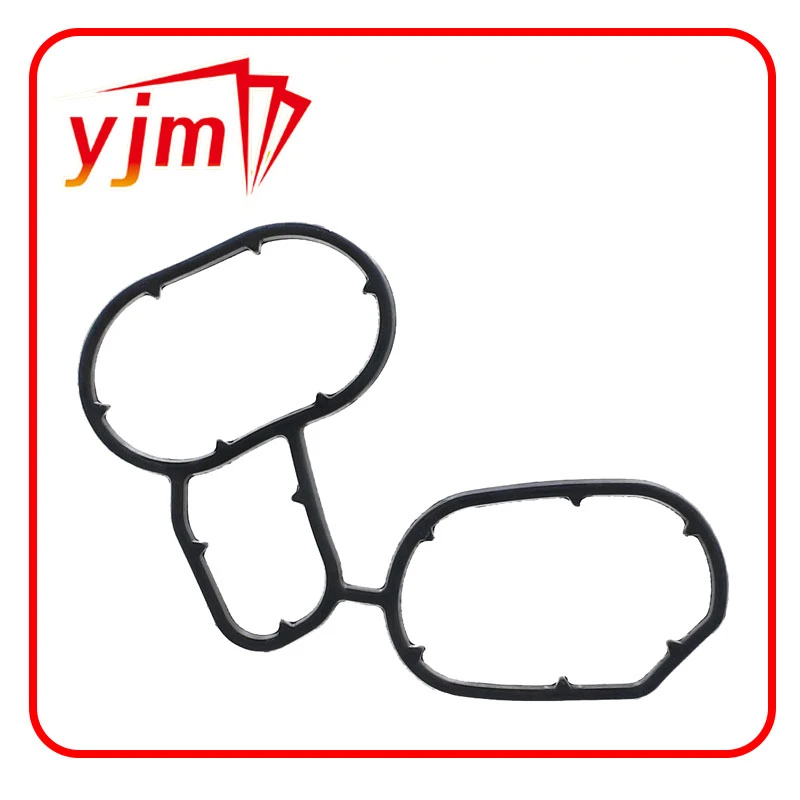
11427508970 BMW - OIL FILTER HOUSING GASKETS
-
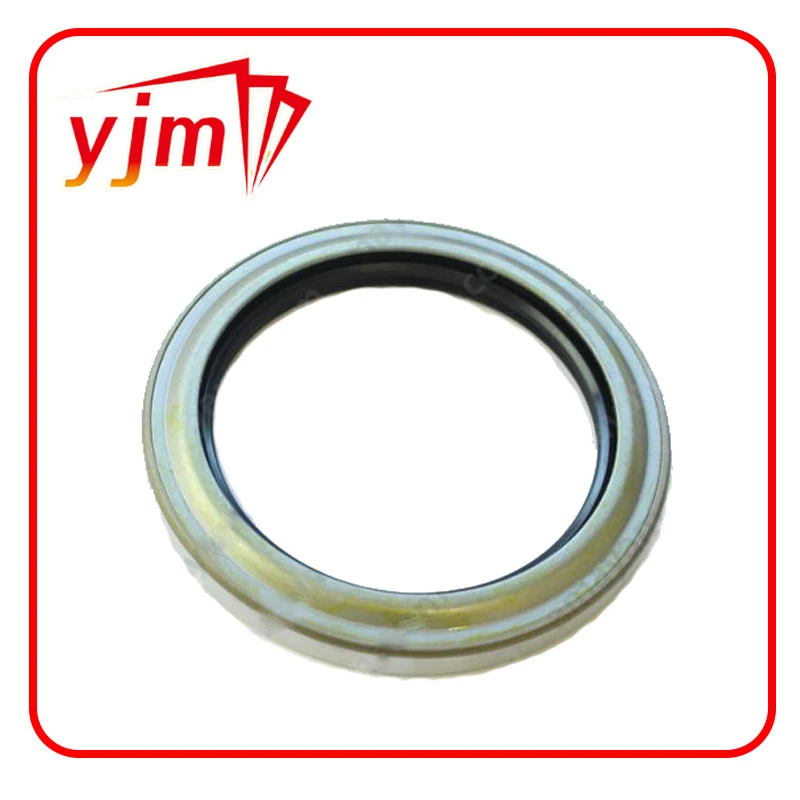
SEAL, OIL Genuine Toyota (9031170011)
-
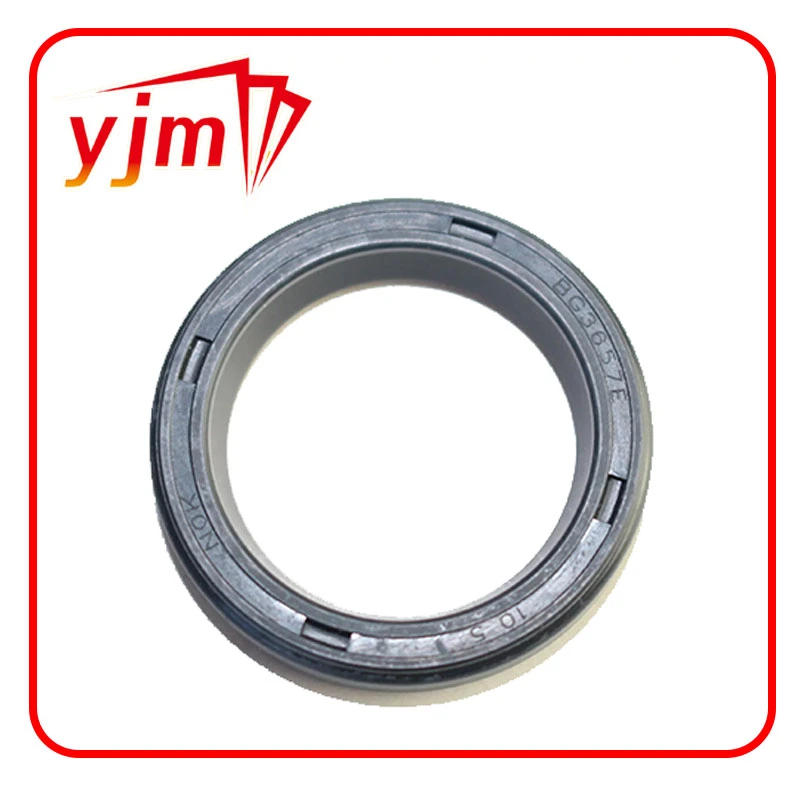
Transfer Case Output Shaft Seal Part 9031223001
-
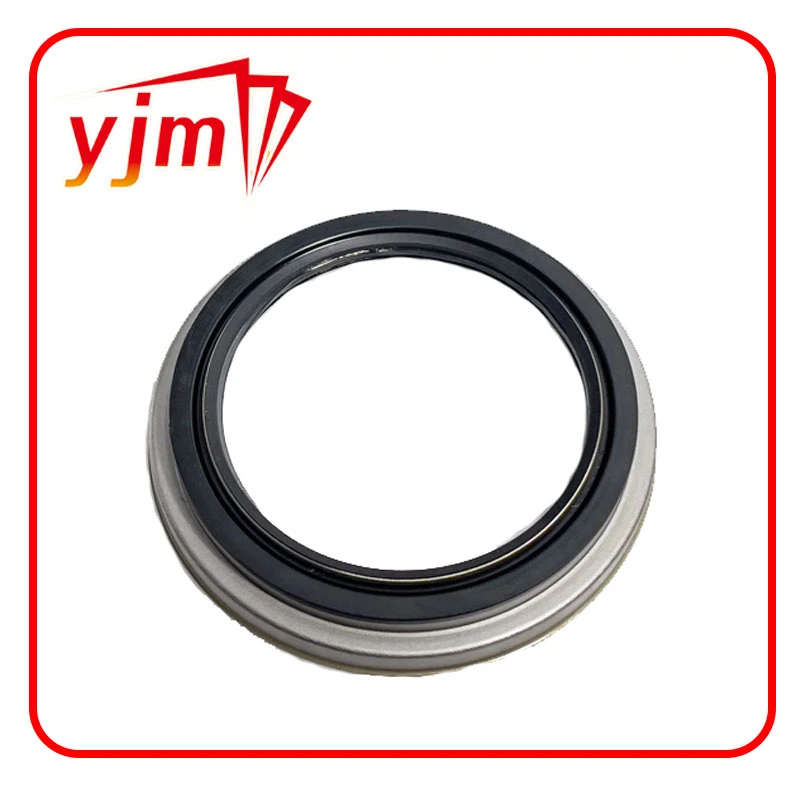
SEAL, OIL Genuine Toyota (9031672001)
-
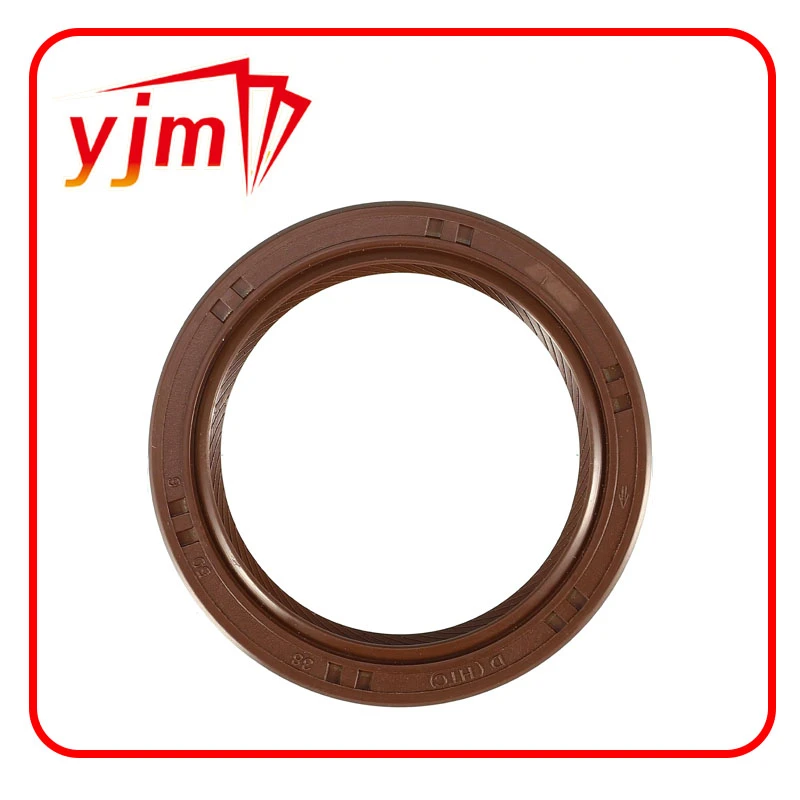
Engine Crankshaft Oil Seal No.9031138096
-
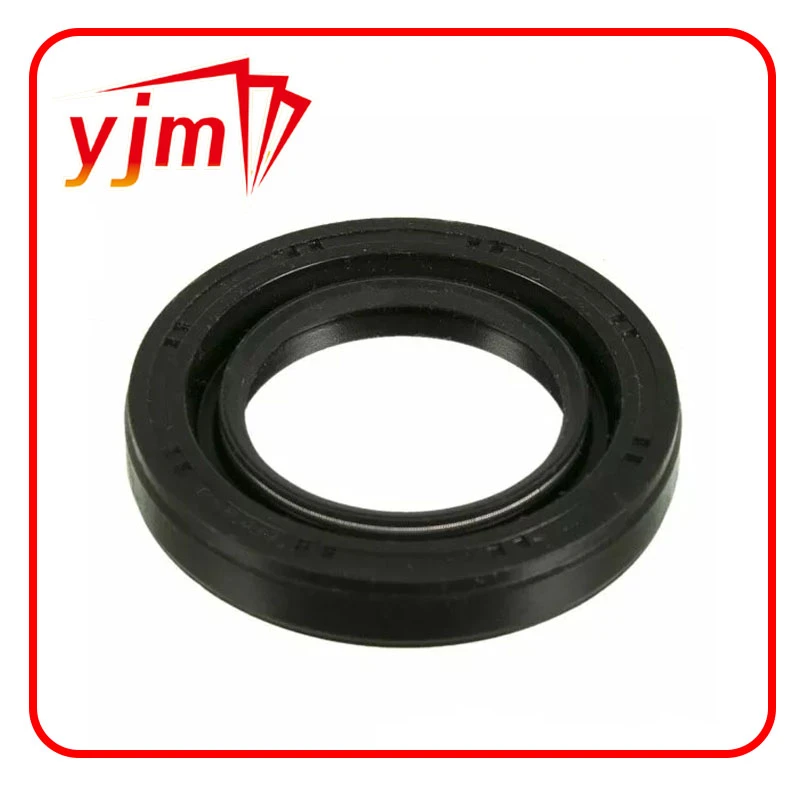
Toyota Transfer Case Output Shaft Seal Front 9031136006
-
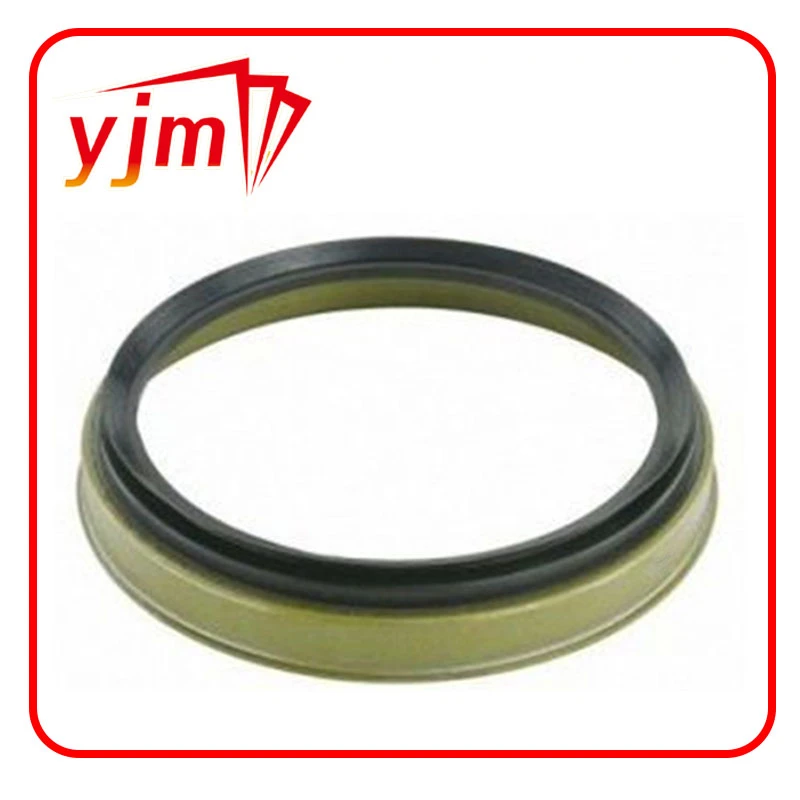
Seal, type v oil 9031287001 TOYOTA
-
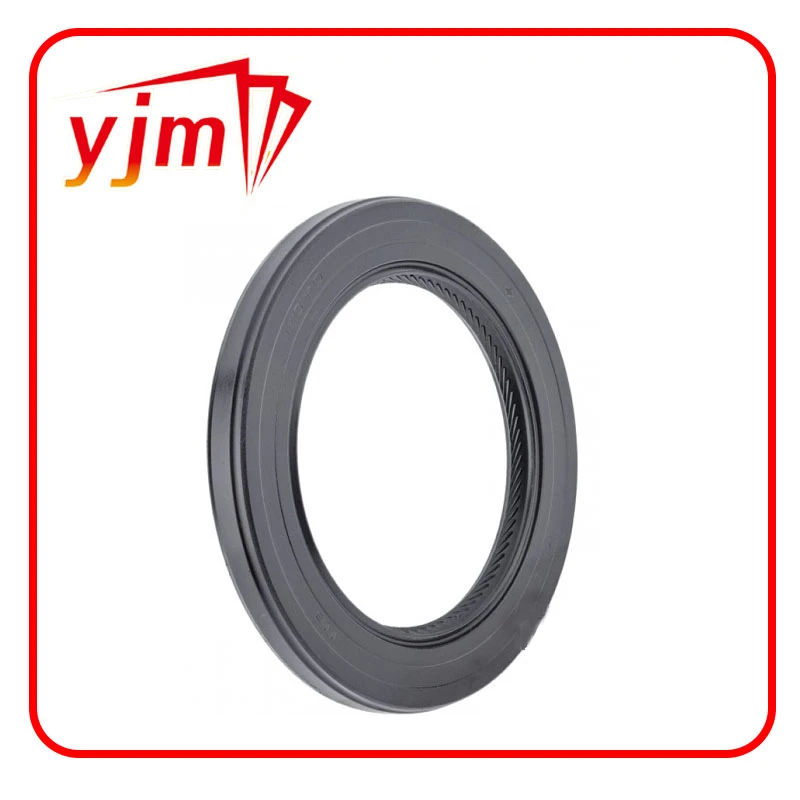
Oil pump seal 9031143010
-
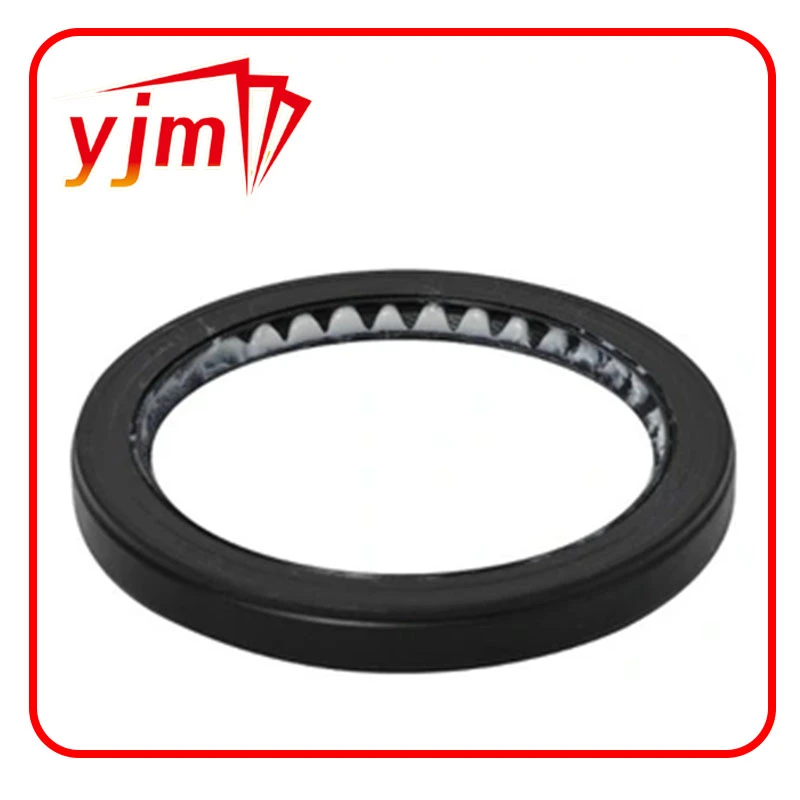
Genuine Toyota Oil SEAL 90311-54006
-
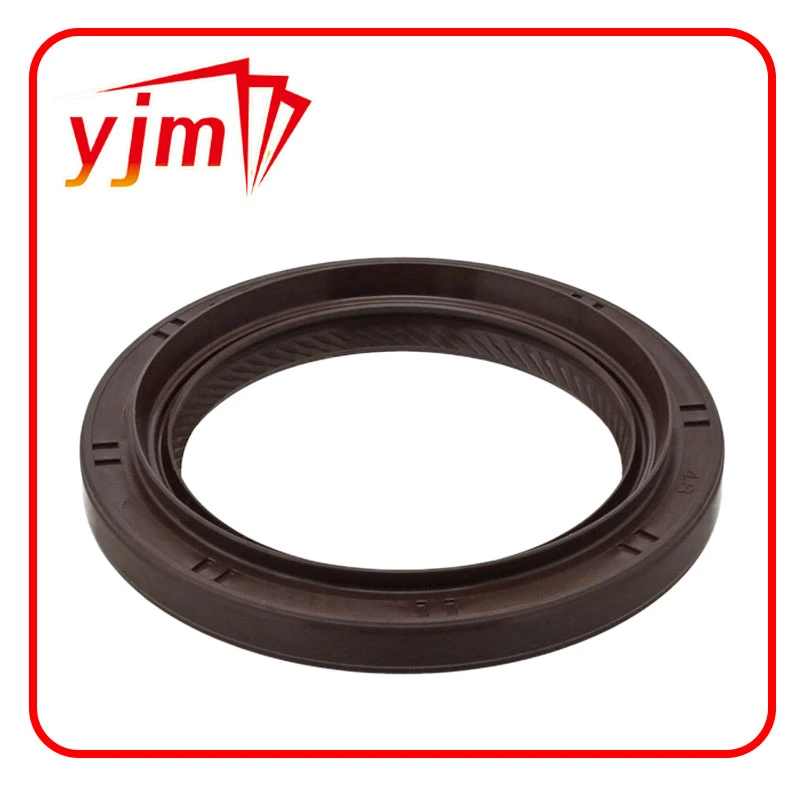
Toyota SEAL TYPE T OIL 90311-48031
-
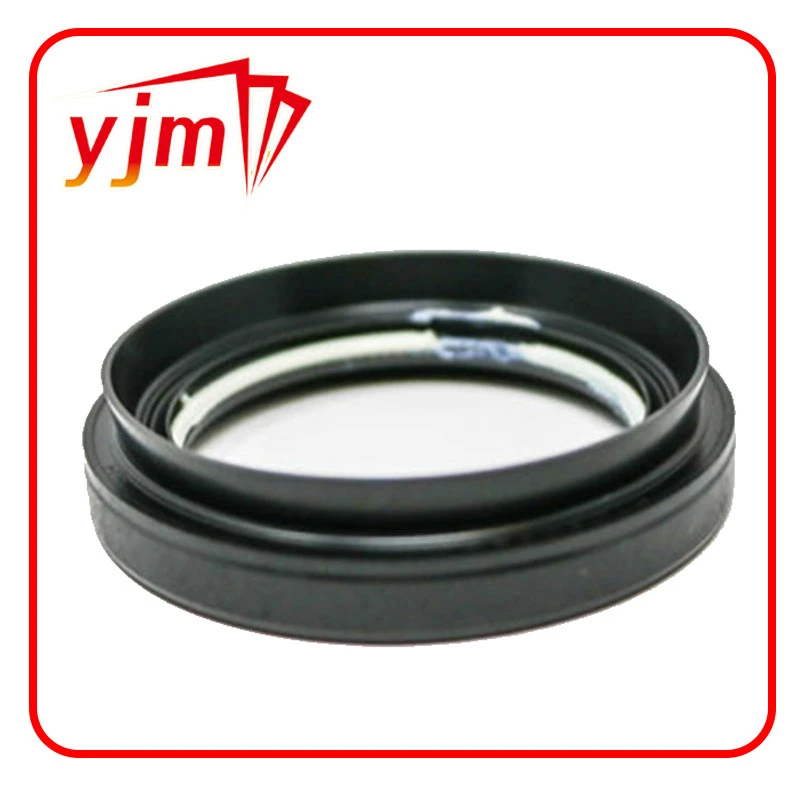
Type T Oil Seal, Front Drive Shaft, Left 9031150064
-
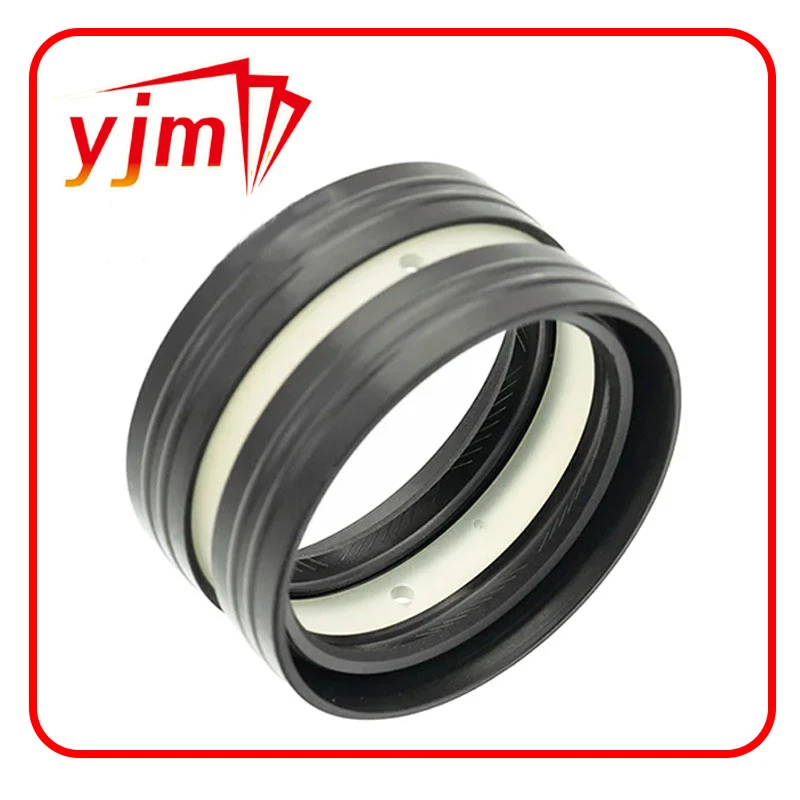
Seal, type d oil 9031634001 TOYOTA
 Afrikaans
 Albanian
 Amharic
 Arabic
 Armenian
 Azerbaijani
 Basque
 Belarusian
 Bengali
 Bosnian
 Bulgarian
 Catalan
 Cebuano
 Corsican
 Croatian
 Czech
Czech
 Danish
 Dutch
Dutch
 Esperanto
 Estonian
 Finnish
 French
 Frisian
 Galician
 Georgian
 German
 Greek
Greek
 Gujarati
 Haitian Creole
 Hausa
Hausa
 Hawaiian
 Hebrew
 Hindi
Hindi
 Miao
Miao
 Hungarian
 Icelandic
 Igbo
Igbo
 Indonesian
 Irish
Irish
 Italian
 Japanese
 Javanese
 Kannada
 Kazakh
 Khmer
Khmer
 Rwandese
 Korean
 Kurdish
 Kyrgyz
 Lao
Lao
 Latin
Latin
 Latvian
 Lithuanian
 Luxembourgish
 Macedonian
 Malgashi
 Malay
Malay
 Malayalam
 Maltese
 Maori
Maori
 Marathi
 Mongolian
 Myanmar
 Nepali
 Norwegian
 Norwegian
 Occitan
 Pashto
 Persian
 Polish
 Portuguese
 Punjabi
 Romanian
 Russian
 Samoan
 Scottish Gaelic
 Serbian
 Sesotho
 Shona
Shona
 Sindhi
 Sinhala
 Slovak
 Slovenian
 Somali
 Spanish
 Sundanese
 Swahili
 Swedish
 Tagalog
 Tajik
Tajik
 Tamil
Tamil
 Tatar
Tatar
 Telugu
 Thai
Thai
 Turkish
 Turkmen
 Ukrainian
 Urdu
Urdu
 Uighur
 Uzbek
Uzbek
 Vietnamese
 Welsh
Welsh
 Bantu
Bantu
 Yiddish
 Yoruba
 Zulu
Zulu
 English