Quality 1.9 TDI Rear Main Seal – Reliable, Durable Diesel Engine Seal Solutions
What is the 1.9 TDI Rear Main Seal and Why Should You Care?
If you’ve ever poked around the engine bay of a Volkswagen or Audi sporting the well-known 1.9 TDI diesel engine, chances are you’ve heard of the rear main seal—or maybe you haven’t, but your mechanic certainly has. The 1.9 TDI rear main seal, while often overlooked, plays a pivotal role in engine performance and longevity. In essence, it prevents oil from leaking where the crankshaft exits the block, safeguarding internal components from damage caused by oil loss or contamination. Globally, with millions of vehicles still relying on the robust 1.9 TDI powerplant—an engine praised for its fuel efficiency and durability—the rear main seal is a common maintenance concern. Understanding this component not only helps in prolonging engine life but also reduces environmental impact by preventing harmful leaks. Whether you’re a fleet manager in Europe, a DIY enthusiast in the Americas, or a mechanic servicing diesel engines in Asia, the 1.9 TDI rear main seal is a piece worth knowing about. ---The Global Context: Keeping Diesel Engines Running Efficiently
Diesel engines underpin a vast portion of commercial and personal transport worldwide. According to the International Energy Agency, diesel-powered vehicles accounted for nearly 40% of road freight transport globally as of 2022. Given stringent emissions standards and rising demand for longevity and fuel economy, components like the 1.9 TDI rear main seal have never been more critical. But here’s the kicker: rear main seal failures are a silent problem in many regions, leading to oil leaks, reduced efficiency, and sometimes costly engine rebuilds. In an industry driven by tight margins and high-value equipment, these issues translate into significant downtime and expense. Furthermore, with tighter environmental laws (think ISO 14001 and similar initiatives pushing cleaner operations), preventing oil leaks isn’t just good sense—it’s mandatory. Mini Takeaway: The 1.9 TDI rear main seal is a small part with big implications, especially for compliance, cost savings, and engine durability worldwide. ---What Exactly is the 1.9 TDI Rear Main Seal?
Put simply, the rear main seal is a circular gasket positioned on the rear side of the engine block, sealing the crankshaft where it exits to connect with the transmission. On the 1.9 TDI, which is known for its distinctive design and modest oil consumption, the rear main seal acts as the last line of defense against oil leaks. This seal is made from specialized elastomers designed to withstand heat, oil exposure, and mechanical wear. Its proper function ensures that the crankcase remains sealed, preventing oil contamination and maintaining engine pressure balance. Oddly enough, despite its basic function, the rear main seal can be a nightmare to replace because it often requires separating the engine from the transmission — a labor-intensive job, something many technicians remind me of whenever I ask. Mini Takeaway: The rear main seal’s role is vital, but replacing it requires skill, so proactive care is key. ---Core Features of the 1.9 TDI Rear Main Seal
1. Durability
The seal is crafted from robust materials like Viton or nitrile rubber, combining chemical resistance with flexibility to last through countless heat cycles.2. Precision Fit
Fitment is critical: too tight, and the seal wears prematurely; too loose, and oil leaks start. Manufacturers ensure tight tolerances, but variations in installations can affect performance.3. Temperature Resistance
Engines run hot, and the 1.9 TDI is no exception. The seal must endure temperatures exceeding 120°C (248°F) without degradation.4. Oil Compatibility
Because diesel engines often use different lubricants than gasoline ones, seals are optimized to resist diesel fuel, additives, and motor oil compositions.5. Installation Complexity
As mentioned, replacing the rear main seal requires skill and sometimes specialized tools, often increasing labor costs significantly. ---Specifications at a Glance
| Specification | Details |
|---|---|
| Compatible Engines | Volkswagen 1.9 TDI PD models (e.g., ALH, BEW, 1Z) |
| Material | Viton rubber or Premium Nitrile |
| Operating Temp Range | -40°C to 140°C (-40°F to 284°F) |
| Seal Diameter | Approximately 79 mm (outer), 55 mm (inner) |
| Service Life | 50,000 – 100,000 miles under normal conditions |
Who’s Making Them? A Vendor Comparison
| Vendor | Material Quality | Price Range (USD) | Warranty | User Reviews |
|---|---|---|---|---|
| YJM Seal | High-grade Viton | $15 - $25 | 1 year | 4.8 / 5 (mechanic community) |
| Genuine OEM | OEM-Grade Elastomer | $30 - $50 | 1 year | 4.5 / 5 |
| Aftermarket Brand X | Standard Nitrile | $8 - $15 | 6 months | 3.9 / 5 |
Where Does the 1.9 TDI Rear Main Seal Really Make a Difference?
This tiny seal finds its importance everywhere from the bustling autobahns in Germany to the rough rural roads in South America. Fleet operators appreciate the reliability it brings by curbing leaks, thereby lowering unscheduled repairs and minimizing oil waste. Even in classic car restoration circles, sourcing quality rear main seals extends the viability of vintage 1.9 TDI engines. In regions with less service infrastructure, a leaky rear main seal can mean serious downtime or environmental hazards due to oil runoff. That’s why quality seals and thoughtful maintenance can be a lifeline in emerging markets or harsh environments. Mini Takeaway: Reliable rear main seals contribute not just to engine life but environmental protection and operational efficiency worldwide. ---Why Investing in a Good Rear Main Seal Pays Off
Few parts are as cost-effective as the rear main seal when it comes to preventing big headaches. A proper seal… - Saves on potentially expensive engine rebuilds caused by oil starvation. - Maintains engine oil pressure, which ensures optimal combustion and power. - Helps trucks and passenger cars maintain cleaner operations, aligning with environmental regulations. - Builds trust with fleet managers and end users through more reliable vehicles. On an emotional level — a correctly functioning seal means fewer “catastrophes” on the roadside, and a little peace of mind that your hard-earned cash won’t go up in smoke (or oil). Trust me, many technicians mention that once you’ve replaced a leaky rear main seal, you almost forget it exists — a sign of job well done. ---Future Trends: Innovation Around the Rear Main Seal
While the concept of oil seals is older than most of us, materials science continues to evolve. Newer seals incorporate fluorocarbon-based rubbers that offer higher heat resistance and longer life cycles. Additionally, some companies explore composite or coated seals that dramatically lower friction loss. Digitally monitored components might soon signal seal wear before leaks occur—part of the move towards predictive maintenance powered by IoT. Sustainability is also nudging manufacturers towards bio-based and recyclable materials, cutting down the carbon footprint of production and disposal. ---Challenges—and How to Overcome Them
Replacing rear main seals is tricky. That labor intensity raises the cost layers — a problem especially for DIYers or small shops. Plus, low-quality seals can harden prematurely or fail due to poor material choice. Expert advice? Always choose a quality, tested seal — it may cost more upfront but saves in the long run. When servicing, ensure clean installation and measure properly; even the best seal can fail if mishandled. ---FAQ: Common Questions About the 1.9 TDI Rear Main Seal
Q1: How do I know if my 1.9 TDI rear main seal is leaking?A1: Common symptoms include oil spots under your vehicle near the transmission area, increased oil consumption, or a burning oil smell. A thorough inspection during service can confirm whether the seal is the culprit. Q2: Can I replace the rear main seal myself?
A2: While possible for experienced mechanics, replacing the rear main seal often requires transmission removal and careful cleaning. It’s generally recommended to seek professional help unless you have proper tools and experience. Q3: Are aftermarket rear main seals reliable for the 1.9 TDI?
A3: Many aftermarket seals offer good quality at lower prices. However, it's crucial to select products from reputable vendors known for material quality and fitment since poor seals can lead to premature failure. Q4: How often should I check or replace the rear main seal?
A4: Typically, these seals last from 50,000 to over 100,000 miles. Regular oil top-ups and engine inspections can help catch leaks early. Consider seal replacement during clutch or transmission work. ---
Wrapping It Up: Why the 1.9 TDI Rear Main Seal Matters for You
In the end, the 1.9 TDI rear main seal may not be the flashiest part under your hood, but it quietly keeps your engine lubricated, healthy, and environmentally friendlier. Whether you’re managing fleets, restoring classics, or servicing your daily driver, investing attention here makes all the difference. Want the best? Visit our website for high-quality, durable 1.9 tdi rear main seal options trusted worldwide. Because sometimes the smallest parts make the biggest impact. ---References
-
Guide to Choosing the Right Washer for Oil Change and Sealing
News Apr.16,2026
-
Essential Guide to High Quality rubber washer oil drain plug
News Apr.09,2026
-
Understanding Rubber Crush Washers for Optimal Sealing Performance
News Apr.07,2026
-
Comprehensive Guide to Understanding and Reusing Crush Washer for Optimal Sealing
News Apr.04,2026
-
The Vital Role of a Drain Screw Gasket in Fluid System Integrity
News Mar.31,2026
-
The Essential Guide to Drain Crush Washer Selection and Plumbing Leak Prevention
News Mar.28,2026
-
The Vital Role of a Crush Washer in Oil Changes for Engine Protection
News Mar.26,2026
Products categories
-
Brass cutlass marine bearing
-
Genuine OEM Engine Oil Filter Housing Cover O-Ring For VW/Audi 06E115446
-
Oil Filter Stand Gasket,Oil filter cover seal
-
Oil Cooler Gasket, Oil Cooler to Oil Filter Housing 11427525335
-
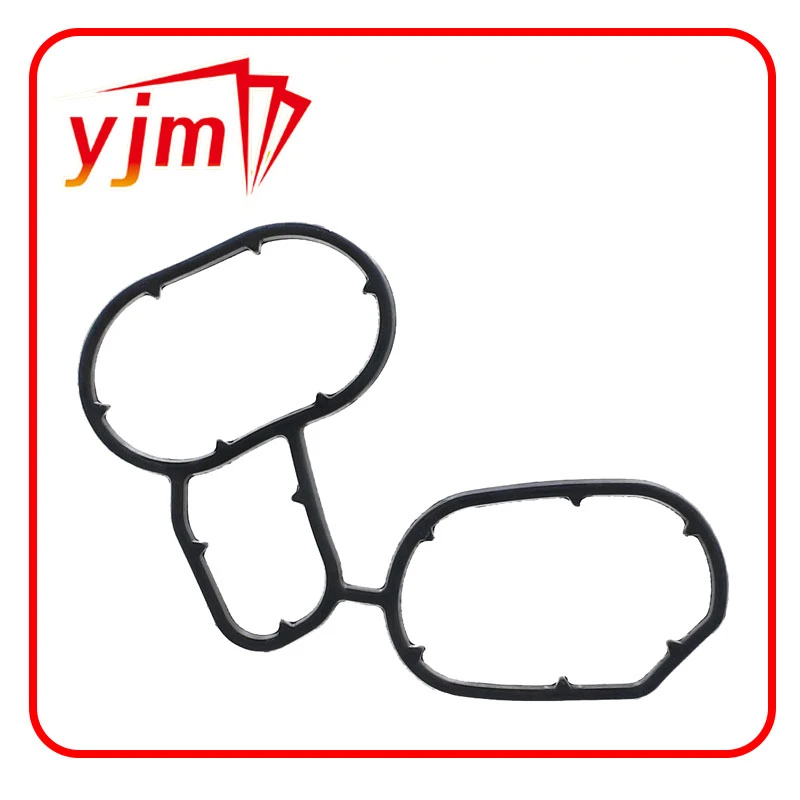
11427508970 BMW - OIL FILTER HOUSING GASKETS
-
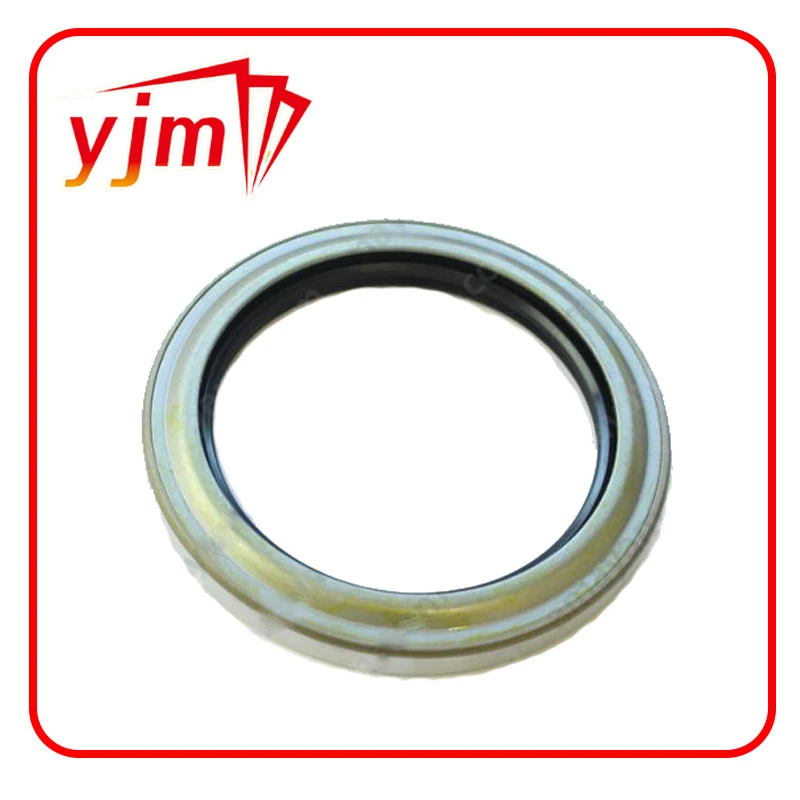
SEAL, OIL Genuine Toyota (9031170011)
-
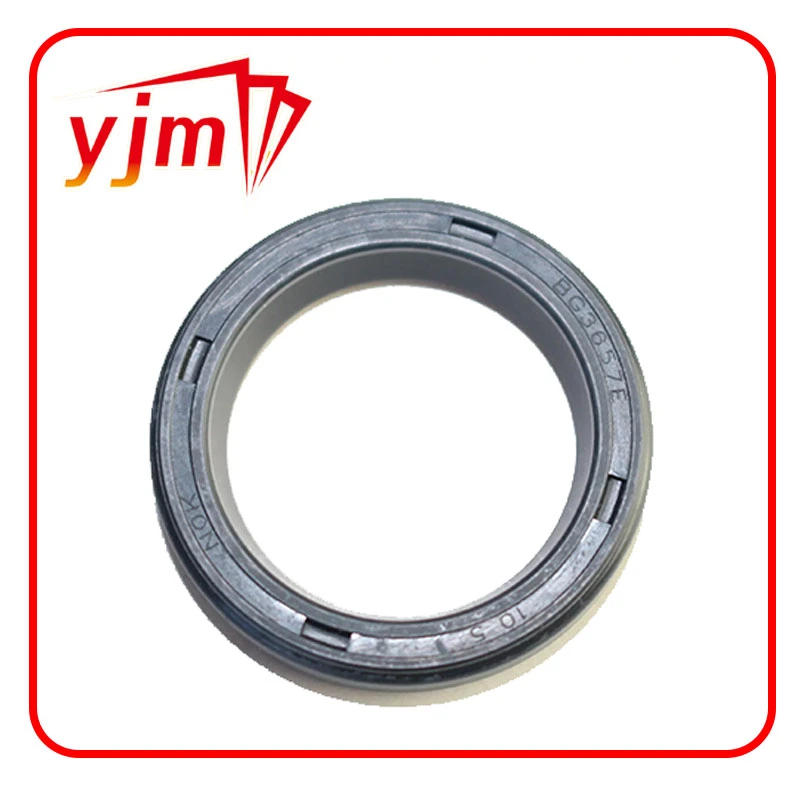
Transfer Case Output Shaft Seal Part 9031223001
-
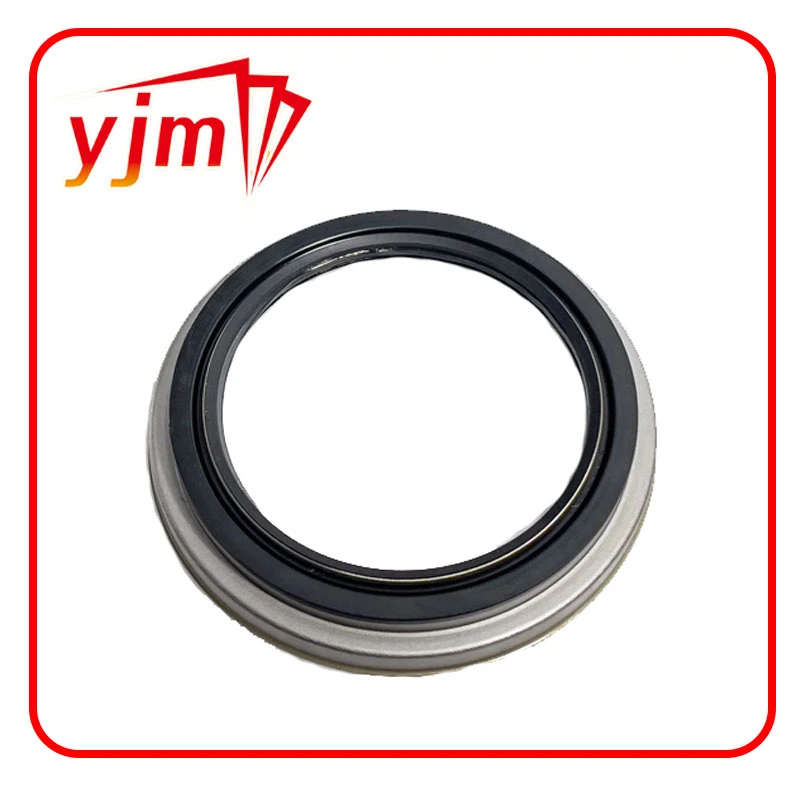
SEAL, OIL Genuine Toyota (9031672001)
-
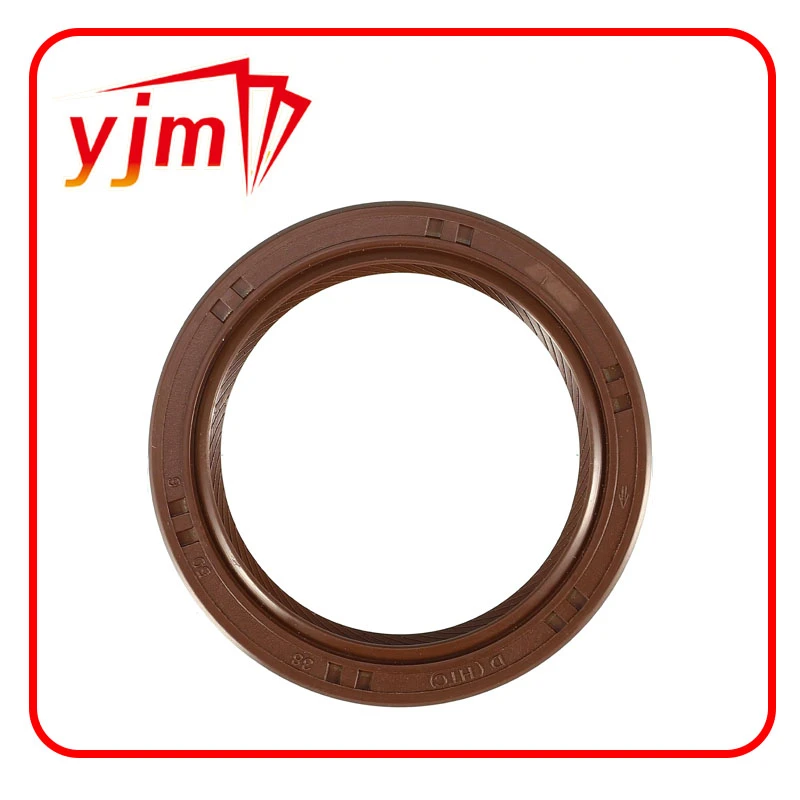
Engine Crankshaft Oil Seal No.9031138096
-
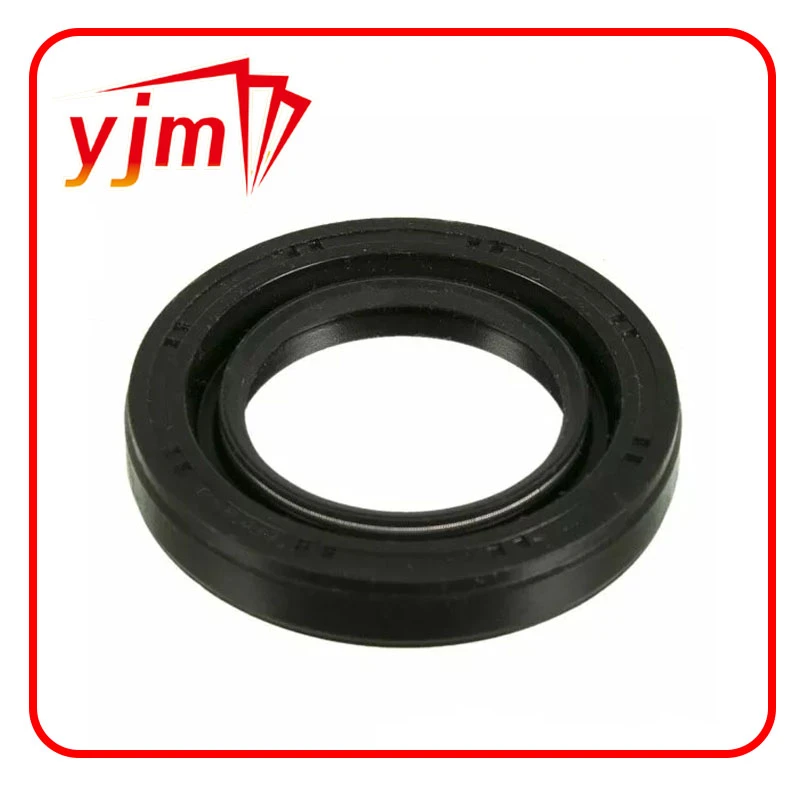
Toyota Transfer Case Output Shaft Seal Front 9031136006
-
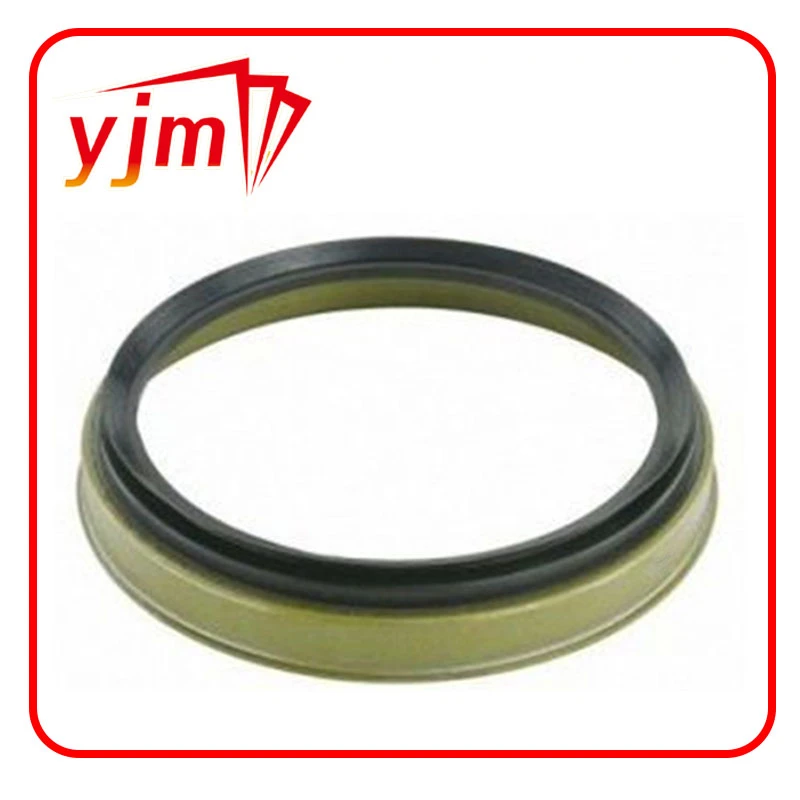
Seal, type v oil 9031287001 TOYOTA
-
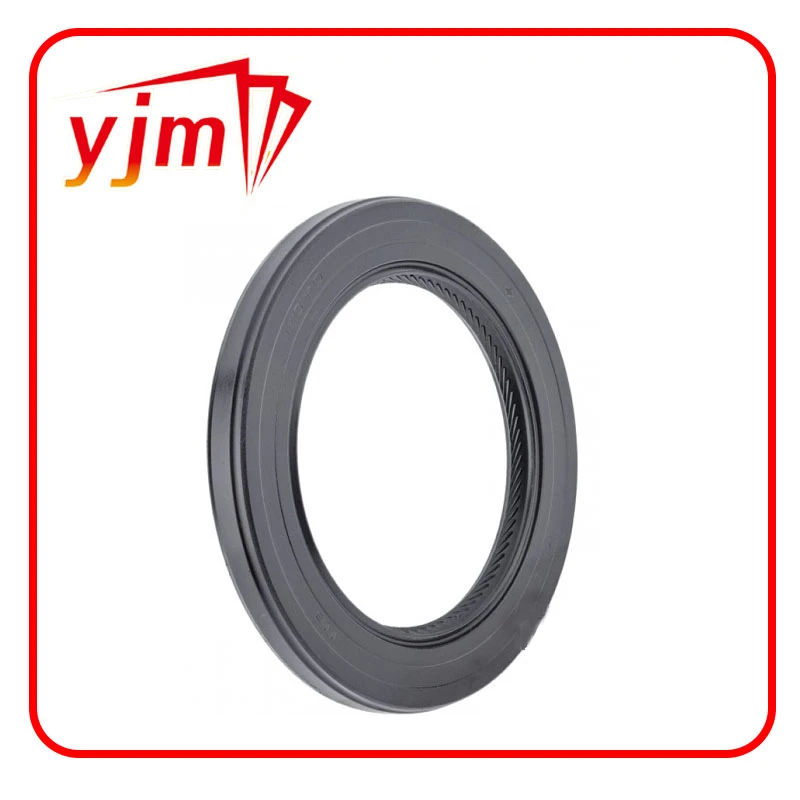
Oil pump seal 9031143010
-
Genuine Toyota Oil SEAL 90311-54006
-
Toyota SEAL TYPE T OIL 90311-48031
-
Type T Oil Seal, Front Drive Shaft, Left 9031150064
-
Seal, type d oil 9031634001 TOYOTA
 Afrikaans
 Albanian
 Amharic
 Arabic
 Armenian
 Azerbaijani
 Basque
 Belarusian
 Bengali
 Bosnian
 Bulgarian
 Catalan
 Cebuano
 Corsican
 Croatian
 Czech
Czech
 Danish
 Dutch
Dutch
 Esperanto
 Estonian
 Finnish
 French
 Frisian
 Galician
 Georgian
 German
 Greek
Greek
 Gujarati
 Haitian Creole
 Hausa
Hausa
 Hawaiian
 Hebrew
 Hindi
Hindi
 Miao
Miao
 Hungarian
 Icelandic
 Igbo
Igbo
 Indonesian
 Irish
Irish
 Italian
 Japanese
 Javanese
 Kannada
 Kazakh
 Khmer
Khmer
 Rwandese
 Korean
 Kurdish
 Kyrgyz
 Lao
Lao
 Latin
Latin
 Latvian
 Lithuanian
 Luxembourgish
 Macedonian
 Malgashi
 Malay
Malay
 Malayalam
 Maltese
 Maori
Maori
 Marathi
 Mongolian
 Myanmar
 Nepali
 Norwegian
 Norwegian
 Occitan
 Pashto
 Persian
 Polish
 Portuguese
 Punjabi
 Romanian
 Russian
 Samoan
 Scottish Gaelic
 Serbian
 Sesotho
 Shona
Shona
 Sindhi
 Sinhala
 Slovak
 Slovenian
 Somali
 Spanish
 Sundanese
 Swahili
 Swedish
 Tagalog
 Tajik
Tajik
 Tamil
Tamil
 Tatar
Tatar
 Telugu
 Thai
Thai
 Turkish
 Turkmen
 Ukrainian
 Urdu
Urdu
 Uighur
 Uzbek
Uzbek
 Vietnamese
 Welsh
Welsh
 Bantu
Bantu
 Yiddish
 Yoruba
 Zulu
Zulu
 English