Front Crank Oil Seal: Key Insights, Global Applications & Innovations
Understanding the Front Crank Oil Seal: Why It Matters Globally
At first glance, the front crank oil seal might seem like just another small part within the vast ecosystem of an engine. But, frankly, its importance is anything but small. It plays a critical role in preventing oil leaks, maintaining engine integrity, and ensuring optimal performance. With global industries—especially automotive and heavy machinery sectors—relying heavily on durable and efficient engines, understanding this seal is essential. From manufacturing lines in Germany to transportation fleets in Southeast Asia, the longevity and reliability of engines hinge on this often-overlooked component.
Why does it matter? Well, oil leaks don't just mean messy engines; they cause efficiency loss, contribute to environmental hazards, and can lead to costly breakdowns affecting millions of vehicles worldwide. Plus, the global push for better emissions and sustainability standards means seals like these need to evolve, too.
Mini takeaway: Although tiny, the front crank oil seal impacts global engine reliability, environmental sustainability, and operational costs across multiple industries.
Introduction: The Global Context for Front Crank Seals
The automotive industry alone accounted for over 90 million vehicles produced globally in 2023, with countless engines fitted with front crank oil seals. According to the International Organization for Standardization (ISO), sealing technology improvements can contribute significantly to energy savings and emissions reductions. Yet, facing harsh operating conditions—from the freezing winters of Scandinavia to the scorching deserts of the Middle East—the demand for reliable seals has never been more pressing.
Industry challenges include: premature seal wear, oil leak-related pollution, and maintenance downsides. These concerns inspired innovation in materials and designs for the front crank oil seal, aiming to balance durability with cost efficiency. Oddly enough, even as engines become more advanced, the seal remains a linchpin for smooth operation.
What Is a Front Crank Oil Seal?
Put simply, a front crank oil seal is a specialized gasket placed at the front end of the crankshaft housing. It prevents engine oil from leaking out where the crankshaft exits the engine block. Think of it as a watchful gatekeeper—keeping precious oil inside the engine to lubricate moving parts and preventing dirt or debris from sneaking in.
Industrially, it’s vital for nearly every internal combustion engine, particularly in cars, trucks, and industrial machinery. From humanitarian logistics vehicles ferrying aid to remote areas to shipping fleets powering global trade, this seal quietly underpins reliable transportation and commerce.
Core Components and Key Factors of Front Crank Oil Seals
Durability
Most seals are made from synthetic rubber (like nitrile or fluoroelastomer) combined with a metal or plastic casing. Durability means withstanding heat, pressure, and chemical exposure—conditions engines endure daily. The better the materials, the longer the lifespan, and the fewer replacements needed.
Seal Lip Design
The lip is the actual contact point with the crankshaft. Its design impacts sealing efficiency and friction. Some manufacturers use multi-lip designs or incorporate spring reinforcement to maintain tight contact over time.
Temperature Resistance
Engines run hot—often well over 100°C. Front crank oil seals must resist degradation under these conditions. Emerging materials now allow seals to withstand temperatures up to 200°C or more.
Installation and Fit
Exact specifications for diameter and thickness ensure a snug fit. An improperly installed seal can lead to leaks or premature wear. That’s why standardization (ISO 6194 series) plays a big role in quality and compatibility.
Cost Efficiency
Given the volume used globally, cost per seal matters. Yet, balancing low cost with top-tier performance is tricky. Cheaper seals may save money upfront but lead to costly repairs later on.
| Parameter | Typical Range | Notes |
|---|---|---|
| Inner Diameter | 20–100 mm | Depends on engine model |
| Outer Diameter | 40–140 mm | Press fit size |
| Material | Nitrile, FKM, Silicone | Material affects durability |
| Max Temp | 120–200 °C | Varies by seal type |
| Pressure Resistance | Up to 0.5 bar | Seals under crankcase pressure |
Global Applications & Use Cases
The front crank oil seal finds its way everywhere engines do. Automakers across Europe, Asia, and North America source seals to keep vehicles running smoothly. Construction equipment in developing economies—think India or Brazil—also rely heavily on reliable seals to minimize downtime during critical infrastructure projects.
Oddly enough, even humanitarian aid convoys moving through challenging terrains depend on trucks with well-maintained engines, where durable seals prevent breakdowns. Remote industrial zones, like mining operations in Australia or oil rigs in the North Sea, benefit greatly from seals that tolerate harsh, corrosive environments.
Advantages & Long-Term Value
Using a high-quality front crank oil seal results in tangible savings: fewer repairs, less downtime, and reduced oil consumption. But beyond the dollars and cents, there's a deeper value. Oil spills can harm the environment, and reliable seals help prevent that, supporting sustainability goals. On a more human level, vehicle owners enjoy peace of mind knowing their engines won’t unexpectedly fail.
Innovation-driven manufacturers also emphasize safety, trust, and dignity — qualities that elevate simply having a well-maintained vehicle into a source of confidence and pride for users worldwide.
Future Trends & Innovations
Looking ahead, seal technology is embracing sustainable materials and digital manufacturing. Researchers are developing bio-based elastomers and composites that reduce environmental impact without sacrificing performance. Also, automation in quality control — like AI-powered inspection systems — is catching on, ensuring seals meet exacting standards before shipping.
There's growing interest in integrating sensors within seals to monitor wear in real-time, promising predictive maintenance that could transform how industries manage engine health. And as electric vehicles grow, the seal’s role shifts, but combustion engines will remain relevant in the foreseeable future, keeping demand steady.
Challenges & Solutions
Of course, challenges remain. Factors like inconsistent material quality, installation errors, or extreme operating conditions can cause seal failure. However, advances in standardization—ISO 6194 and SAE J1453 standards—help mitigate these risks.
Some manufacturers now offer customized solutions tailored to specific engine designs, enhancing fit and longevity. End-user training on proper installation and maintenance also proves critical. Ultimately, combining better materials, design improvements, and user awareness forms a pathway around common pitfalls.
| Vendor | Material Options | Customization | Price Range | Global Shipping |
|---|---|---|---|---|
| YJM Seal | NBR, FKM, Silicone | Full custom design | Moderate | Worldwide |
| SealTech Ltd. | NBR, Viton | Limited customization | Budget | Europe & Asia only |
| Alpha Seals | FKM, Silicone | Standard products | Premium | Worldwide |
FAQ: Frequently Asked Questions About Front Crank Oil Seals
- What causes front crank oil seals to fail prematurely?
- Most failures arise from poor installation, inferior materials, or exposure to extreme temperatures and contaminants. Using high-quality seals and proper installation practices can vastly reduce failures.
- How often should I replace my front crank oil seal?
- Typically, seals last around 75,000 to 100,000 kilometers, but this varies by vehicle and usage. Look for signs of oil leaks or engine performance issues as indicators for replacement.
- Can front crank oil seals be customized for specialized engines?
- Absolutely. Many manufacturers offer tailored seals to accommodate unique engine sizes, materials, or environmental demands, enhancing performance and longevity.
- Is there an environmental benefit to choosing advanced front crank oil seals?
- Yes. Reliable seals prevent oil leakage, reducing pollution risks and waste. Innovations in eco-friendly materials also drive sustainability in manufacturing.
- Where can I buy quality front crank oil seals internationally?
- Several vendors, including YJM Seal, ship worldwide and provide technical support for selecting suitable seals based on your needs.
Conclusion: Why Understanding Front Crank Oil Seals Matters
The front crank oil seal is more than a tiny engine component—it's a critical guardian of engine health worldwide. Its influence touches cost savings, environmental responsibility, and operational reliability. Investing in quality seals and understanding their technology pumps confidence into industries that run our modern world.
To explore more about how advanced front crank oil seals can enhance your equipment and save costs, do visit our website: https://www.yjmseal.com.
Mini takeaway: Treating front crank oil seals with the attention they deserve safeguards engines, supports sustainability, and enhances global industrial efficiency.
References:
1. ISO 6194 Standard for Rotary Shaft Lip-Type Seals - International Organization for Standardization
2. "Automotive Industry Trends," International Organization of Motor Vehicle Manufacturers (OICA), 2023.
3. Environmental Impact of Oil Leakage, United Nations Environmental Programme (UNEP).
-
Guide to Choosing the Right Washer for Oil Change and Sealing
News Apr.16,2026
-
Essential Guide to High Quality rubber washer oil drain plug
News Apr.09,2026
-
Understanding Rubber Crush Washers for Optimal Sealing Performance
News Apr.07,2026
-
Comprehensive Guide to Understanding and Reusing Crush Washer for Optimal Sealing
News Apr.04,2026
-
The Vital Role of a Drain Screw Gasket in Fluid System Integrity
News Mar.31,2026
-
The Essential Guide to Drain Crush Washer Selection and Plumbing Leak Prevention
News Mar.28,2026
-
The Vital Role of a Crush Washer in Oil Changes for Engine Protection
News Mar.26,2026
Products categories
-
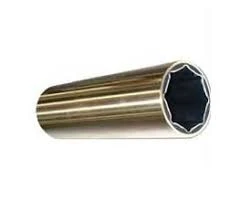
Brass cutlass marine bearing
-
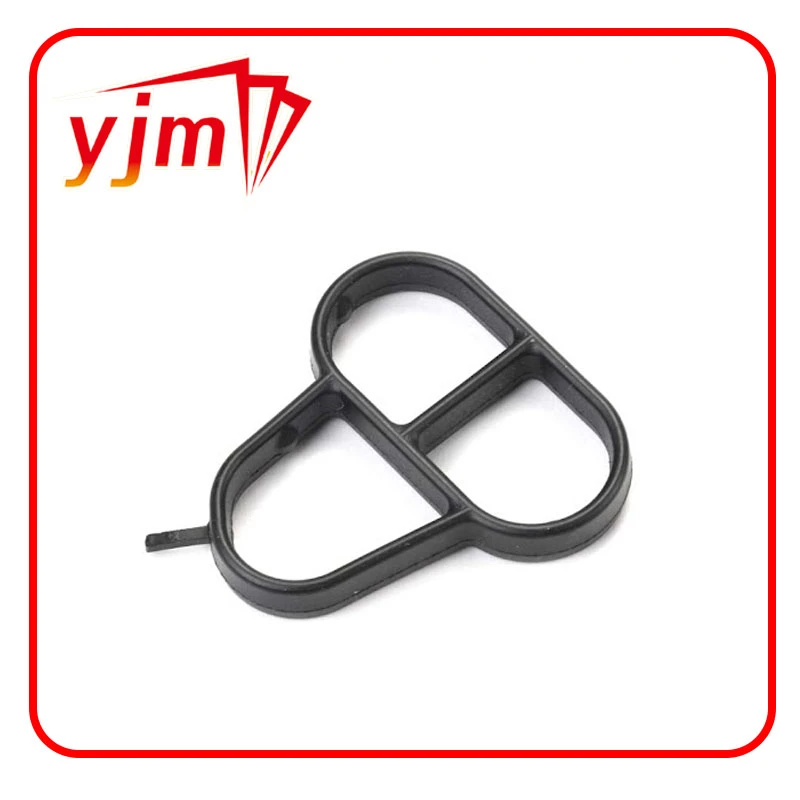
Genuine OEM Engine Oil Filter Housing Cover O-Ring For VW/Audi 06E115446
-
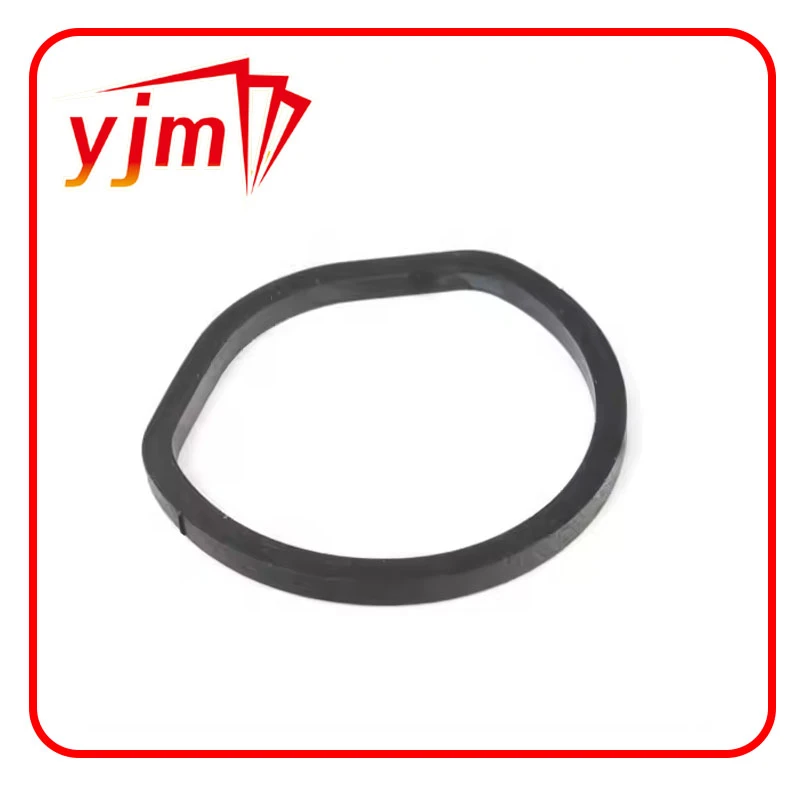
Oil Filter Stand Gasket,Oil filter cover seal
-
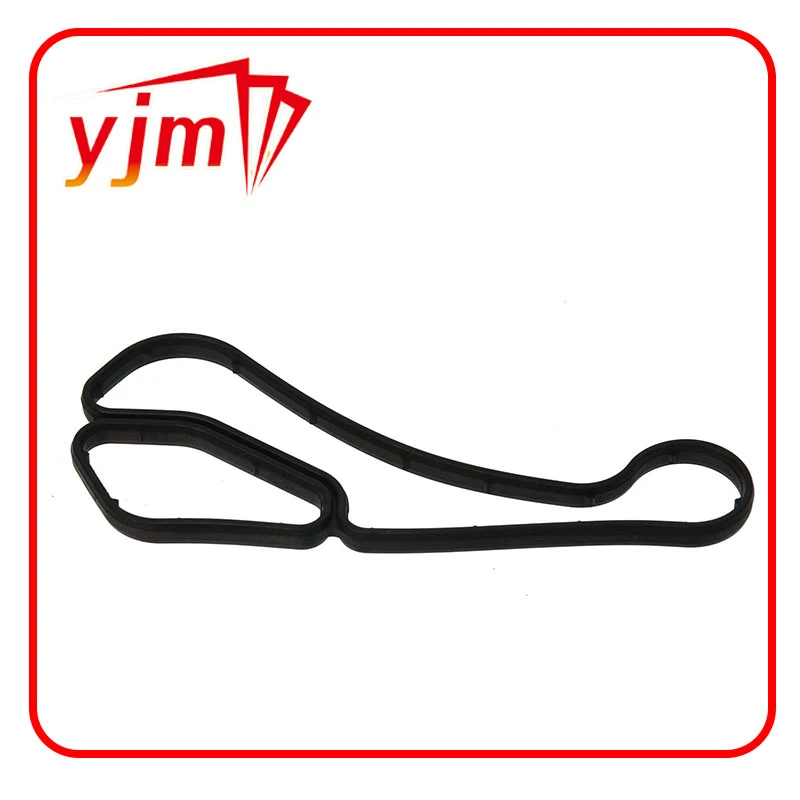
Oil Cooler Gasket, Oil Cooler to Oil Filter Housing 11427525335
-
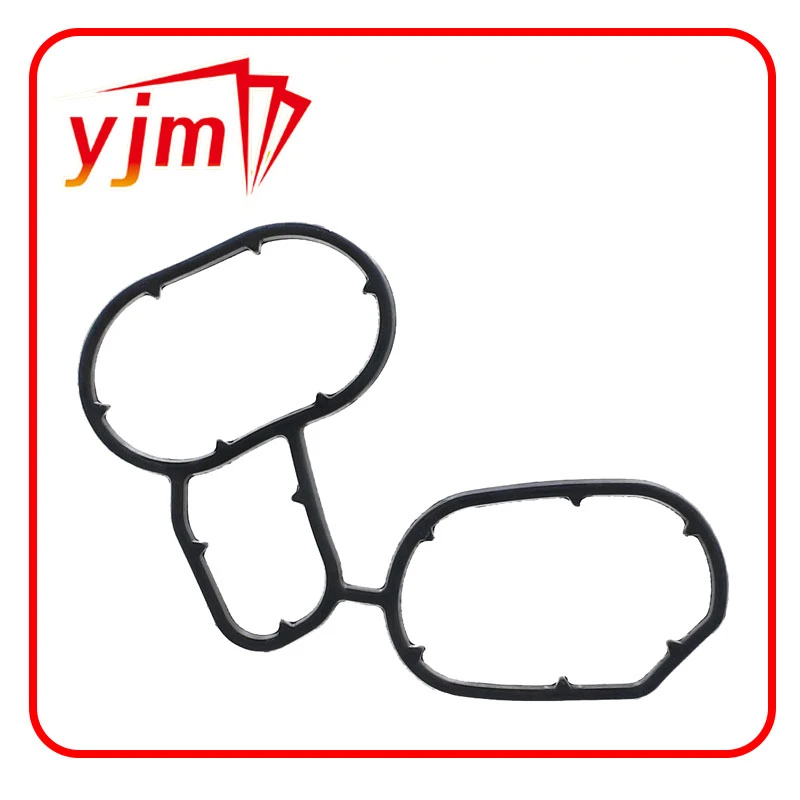
11427508970 BMW - OIL FILTER HOUSING GASKETS
-
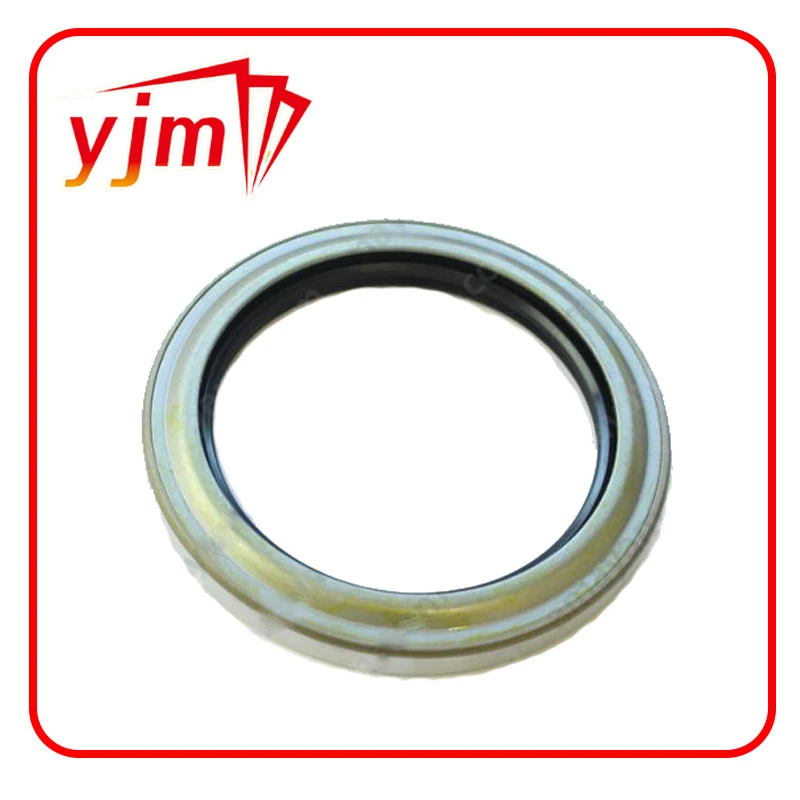
SEAL, OIL Genuine Toyota (9031170011)
-
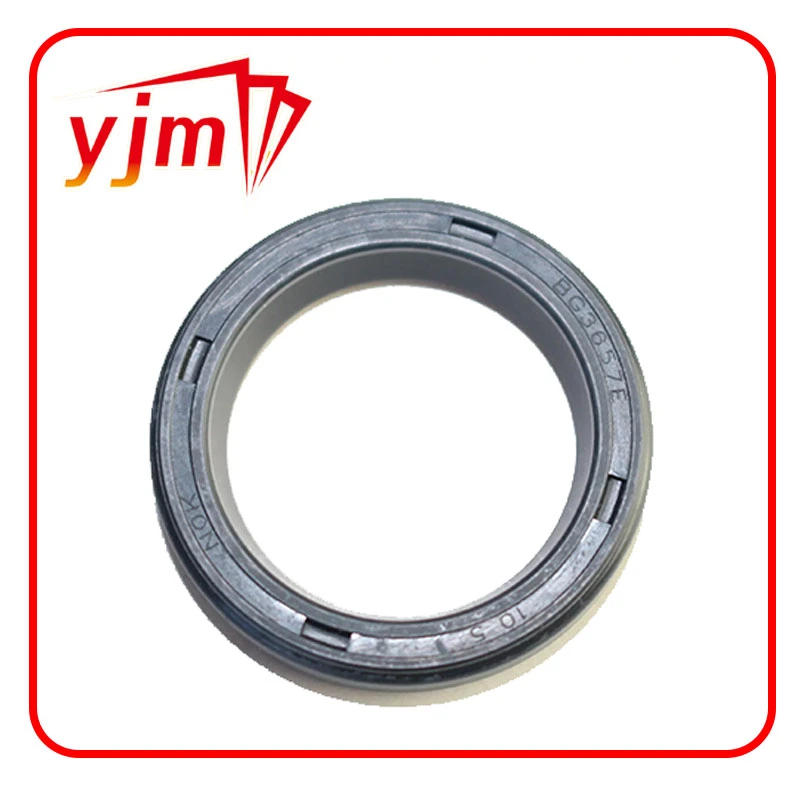
Transfer Case Output Shaft Seal Part 9031223001
-
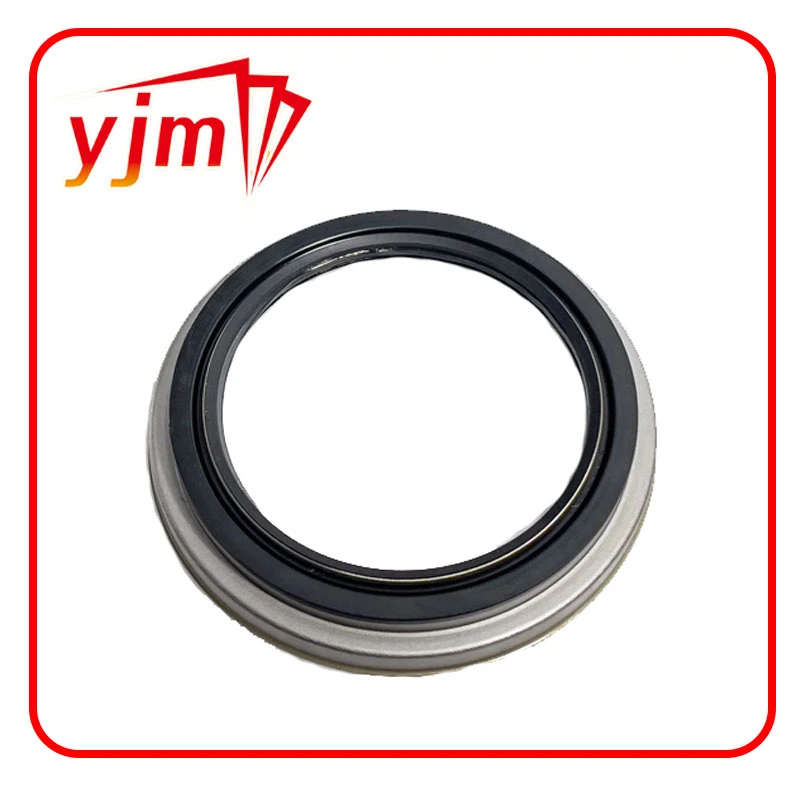
SEAL, OIL Genuine Toyota (9031672001)
-
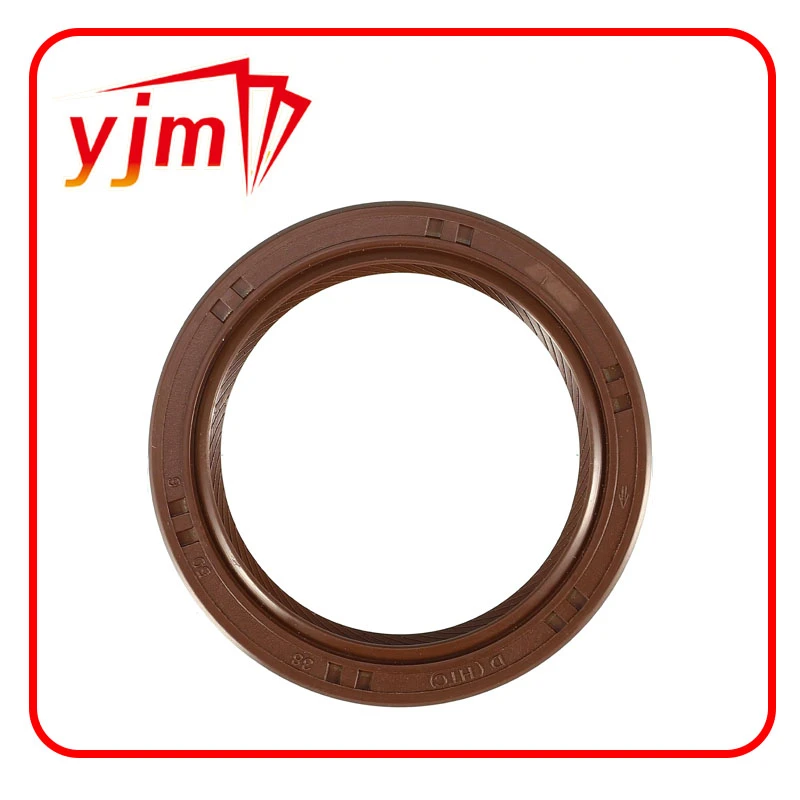
Engine Crankshaft Oil Seal No.9031138096
-
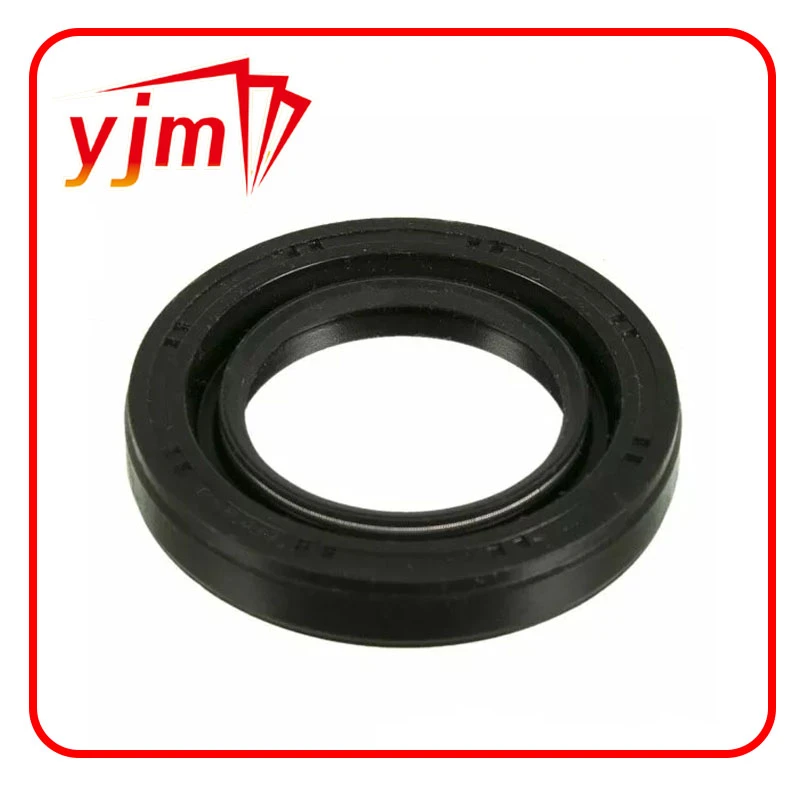
Toyota Transfer Case Output Shaft Seal Front 9031136006
-
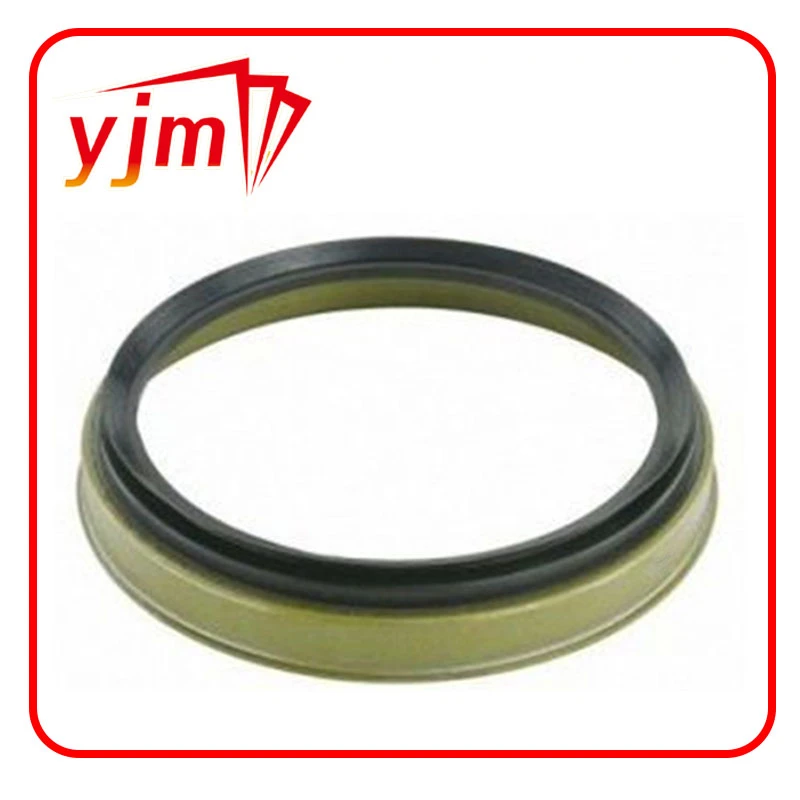
Seal, type v oil 9031287001 TOYOTA
-
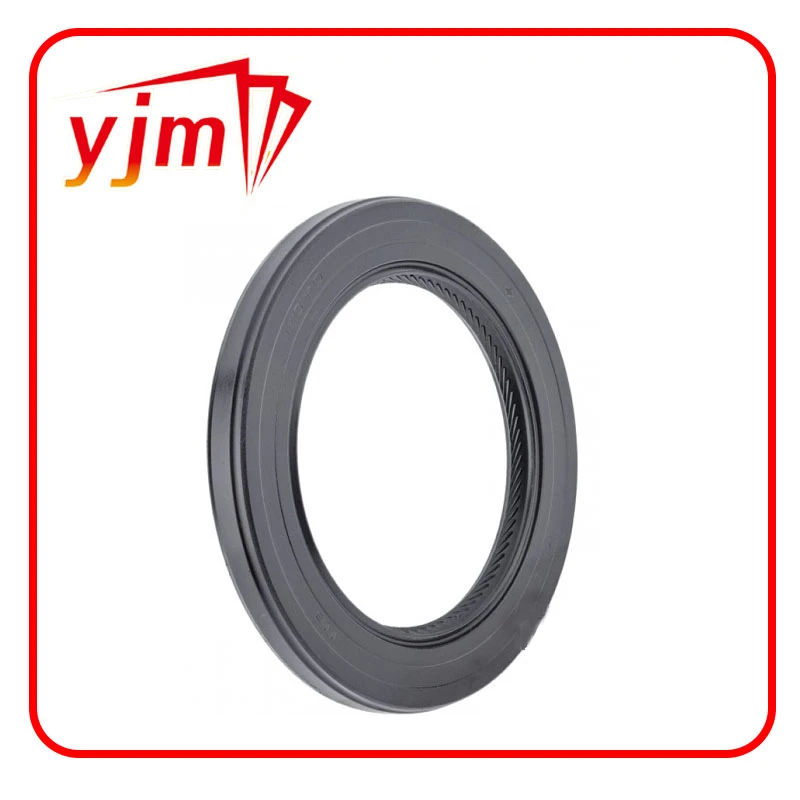
Oil pump seal 9031143010
-
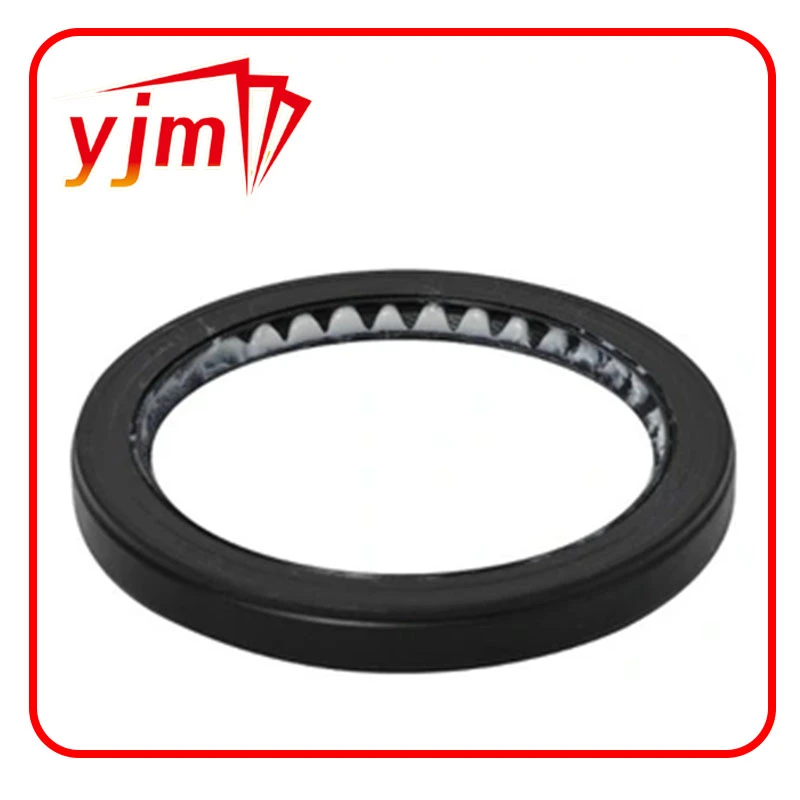
Genuine Toyota Oil SEAL 90311-54006
-
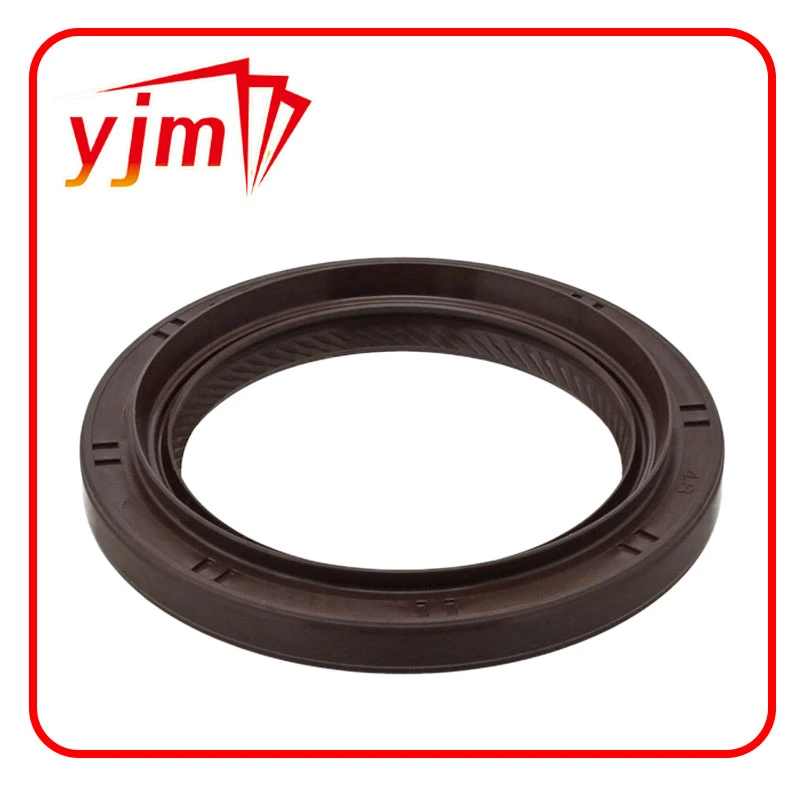
Toyota SEAL TYPE T OIL 90311-48031
-
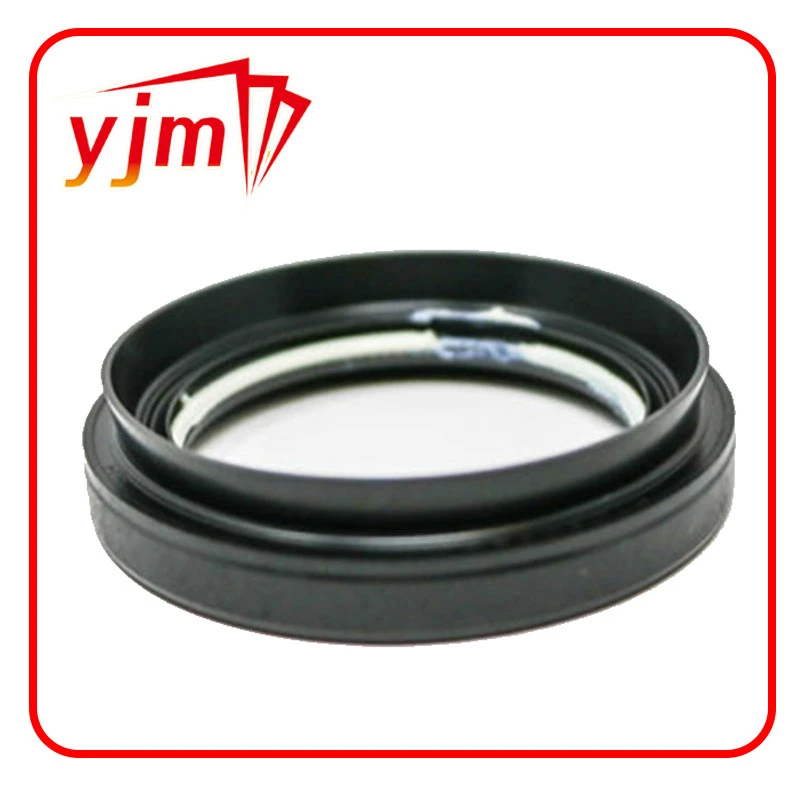
Type T Oil Seal, Front Drive Shaft, Left 9031150064
-
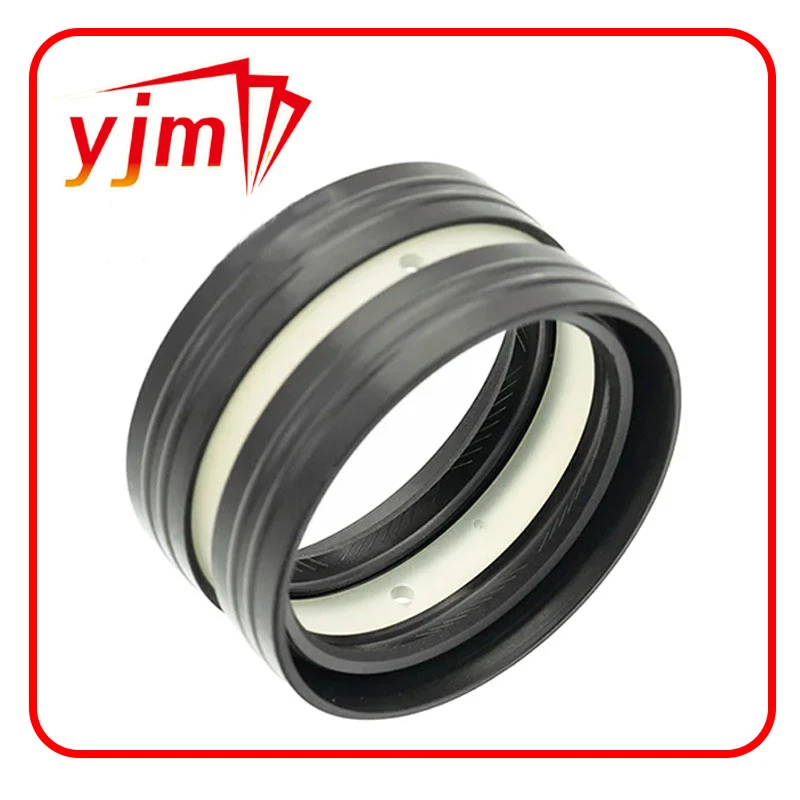
Seal, type d oil 9031634001 TOYOTA
 Afrikaans
 Albanian
 Amharic
 Arabic
 Armenian
 Azerbaijani
 Basque
 Belarusian
 Bengali
 Bosnian
 Bulgarian
 Catalan
 Cebuano
 Corsican
 Croatian
 Czech
Czech
 Danish
 Dutch
Dutch
 Esperanto
 Estonian
 Finnish
 French
 Frisian
 Galician
 Georgian
 German
 Greek
Greek
 Gujarati
 Haitian Creole
 Hausa
Hausa
 Hawaiian
 Hebrew
 Hindi
Hindi
 Miao
Miao
 Hungarian
 Icelandic
 Igbo
Igbo
 Indonesian
 Irish
Irish
 Italian
 Japanese
 Javanese
 Kannada
 Kazakh
 Khmer
Khmer
 Rwandese
 Korean
 Kurdish
 Kyrgyz
 Lao
Lao
 Latin
Latin
 Latvian
 Lithuanian
 Luxembourgish
 Macedonian
 Malgashi
 Malay
Malay
 Malayalam
 Maltese
 Maori
Maori
 Marathi
 Mongolian
 Myanmar
 Nepali
 Norwegian
 Norwegian
 Occitan
 Pashto
 Persian
 Polish
 Portuguese
 Punjabi
 Romanian
 Russian
 Samoan
 Scottish Gaelic
 Serbian
 Sesotho
 Shona
Shona
 Sindhi
 Sinhala
 Slovak
 Slovenian
 Somali
 Spanish
 Sundanese
 Swahili
 Swedish
 Tagalog
 Tajik
Tajik
 Tamil
Tamil
 Tatar
Tatar
 Telugu
 Thai
Thai
 Turkish
 Turkmen
 Ukrainian
 Urdu
Urdu
 Uighur
 Uzbek
Uzbek
 Vietnamese
 Welsh
Welsh
 Bantu
Bantu
 Yiddish
 Yoruba
 Zulu
Zulu
 English