Essential Insights into Oil Seal Function: Durability, Efficiency, and Industrial Impact
The Essential Role of Oil Seal Function in Modern Industry
If you’ve ever wondered what keeps machines humming quietly and without leaks for years, you'd be surprised at how often it comes down to the humble—but crucial—oil seal function. Globally, this tiny component plays a massive role in keeping equipment efficient, reliable, and safe. Understanding oil seals is pretty much like grasping a vital piece of an invisible puzzle that supports everything from your car’s engine to the massive turbines powering cities.
Why should we care? Because globally, industries lose billions annually due to equipment failure often caused by seal leaks. The oil seal function ensures mechanical systems maintain lubrication while keeping contaminants out—protecting expensive machinery and, ultimately, livelihoods. In a world leaning ever more on technology and automation, the tiny oil seal becomes a silent guardian.
Global Context: Why Oil Seal Function Matters Now More Than Ever
Consider this: According to the International Organization for Standardization (ISO), equipment failures contribute heavily to wasted resources and energy. In sectors like manufacturing, mining, and transportation—industries accountable for around 30% of global GDP—the reliability of machines depends significantly on parts like oil seals.
Moreover, the United Nations’ Sustainable Development Goals hint at the importance of sustainable industrial innovation. Keeping equipment running efficiently via excellent oil seal function contributes indirectly to goals like responsible consumption and climate action. These seals prevent lubricants from leaking, which not only conserves resources but reduces harmful leaks that might contaminate environments.
Yet, challenges are still real. Harsh conditions, high-speed shafts, and temperature swings all test seal performance relentlessly. This tension between demand and durability is what keeps innovation buzzing in seal design.
What Exactly Is 'Oil Seal Function'?
At its core, the oil seal function describes the ability of a sealing device to contain lubricants within a machine's moving parts and prevent contaminants like dust, dirt, and water from entering. Picture a tiny ring, often made of rubber or synthetic materials, hugging a spinning shaft tightly but smoothly. This “hug” keeps the lubricant from leaking out and contaminants from sneaking in.
Why does that matter? Well, modern machinery depends heavily on lubrication for reducing friction and wear. Failed seals cause leakage and contamination — leading to overheating, metal fatigue, and ultimately costly breakdowns. From humanitarian relief operations using generators to automated assembly lines deploying robotic arms, oil seals quietly ensure the heart of machines beats steady.
Key Components of Effective Oil Seal Function
1. Durability and Material Selection
Materials like nitrile rubber, fluorocarbon, or silicone get chosen carefully depending on temperature, chemical exposure, and pressure requirements. A seal that fails under heat or oil attack is simply useless. For example, seals in automotive engines need to endure high temps and engine oils simultaneously, so the chemistry behind these materials is critical.
2. Precision Design and Fit
The seal doesn’t just sit loosely. It’s designed to match the exact shaft diameter and housing bore. This precision prevents leaks while minimizing friction losses, so energy efficiency is maintained. Even microscopic gaps can translate to unwanted oil drips or dust intrusion, which snowballs into wear and tear.
3. Resistance to Contaminants
Whether it’s fine dust in a desert factory or salt spray near offshore platforms, oil seals must keep external contaminants at bay. This is often achieved through secondary lips or dust guards incorporated into the seal design.
4. Adaptability to Operating Conditions
Seals vary greatly depending on whether they’re used in high-speed machinery, low-speed heavy-load equipment, or fluctuating thermal environments. The function adapts by mixing materials and design innovations tailored to these specific tasks.
Mini Takeaway:
- Oil seal function centers on durability, tight fit, contaminant resistance, and environmental adaptability.
- Material science and precision engineering combine to keep machines running smoothly in all conditions.
Where Oil Seal Function Comes Alive: Real-World Applications
Oil seals are everywhere you wouldn't immediately notice: in automotive engines, agricultural machinery, construction equipment, wind turbines, and even in humanitarian contexts. For example, in the aftermath of natural disasters, relief agencies depend on portable generators that rely heavily on sealed shafts to run efficiently in dusty, unpredictable environments.
In places like Southeast Asia or sub-Saharan Africa, where industrial infrastructure is growing rapidly, maintaining oil seal function means the difference between constant downtime and reliable service delivery. Even in polar regions, oil seals in drilling equipment and research stations must withstand brutal cold.
Some specific industries benefiting include:
- Automotive manufacturing: Engines, transmissions, and wheel hubs rely on seals to function properly.
- Mining and construction: Heavy-duty machines face abrasive environments demanding robust seals.
- Renewable energy: Wind turbines and hydropower stations require oil seals engineered for longevity and minimal maintenance.
Product Specification Table for Typical Oil Seals
| Specification | Typical Range | Notes |
|---|---|---|
| Material | Nitrile, Viton, Silicone | Chosen by temp & chemical resistance |
| Operating Temp | -40°C to 200°C | Varies by material technology |
| Shaft Speed | Up to 30 m/s | High-speed applications require special designs |
| Pressure Rating | Up to 1.0 MPa | Essential for hydraulic applications |
| Lifespan | 3–7 years typical | Depends on environment and maintenance |
Choosing Your Oil Seal Vendor: What to Look For
Picking the right supplier is less glamorous than the technology itself, but just as important. Thankfully, the market offers a range of specialist providers — from international giants to niche innovators. To make sense of it, here’s a quick vendor comparison you might find handy:
| Vendor | Product Range | Material Expertise | Industry Focus | Regional Presence |
|---|---|---|---|---|
| SealTech Inc. | Standard & custom seals | Nitrile, Viton, Silicone | Automotive, aerospace | Global |
| Global Seal Solutions | High-pressure seals, shaft seals | Fluoroelastomers, TPU | Oil & gas, mining | Americas, Asia |
| EverSeal Corp. | Eco-friendly seals, biodegradable | Eco rubber blends | Renewable energy, manufacturing | Europe, North America |
The Advantages & Long-Term Value of Proper Oil Seal Function
Frankly, a great oil seal isn’t just about less mess or downtime — it’s about total peace of mind. Reliable sealing protects machinery from premature wear, reduces maintenance costs, and keeps operations efficient. This directly boosts bottom lines and safety standards.
Beyond economics, there’s an emotional element. Operators trust their gear more. Maintenance teams spend less time firefighting leaks and more time improving equipment life. From a social perspective, preventing lubricant leaks helps reduce environmental contamination—a win for sustainability and community health.
Over time, investing in quality oil seal function proves its worth in durability and operational continuity, not to mention cutting unexpected breakdown stress.
Future Trends in Oil Seal Function
The field is quietly innovating: expect to see green-friendly materials, smarter seals embedded with sensors for predictive maintenance, and adaptive designs that self-adjust to shaft wear or temperature shifts. Automation and digitalization in manufacturing are pushing seal suppliers to deliver increasingly sophisticated products.
With the push for renewable energy, seals designed for wind turbines and electric vehicles are evolving fast. The trend leans hard on longer life spans, reduced friction, and zero environmental impact—an exciting frontier for such an overlooked hero.
Challenges & Solutions: What’s Holding Oil Seal Function Back?
Despite advances, harsh operating conditions still challenge seals. Rapid shaft movement, extreme temperatures, and chemical exposures can compromise seals prematurely. Also, installation errors can ruin what would otherwise be a perfect seal.
Experts suggest combining better training with improved materials and innovative designs, like multi-lip seals or composite blends, offers the best solution. Some companies now even use 3D scanning for fitting precision, aiming to eliminate guesswork in replacement or production.
FAQs About Oil Seal Function
- What factors affect the lifespan of an oil seal?
- Temperature extremes, shaft speed, seal material compatibility with fluids, and proper installation largely determine oil seal lifespan. Regular inspections and correct fit reduce premature failures.
- Can oil seals be reused after removal?
- Generally, it’s recommended to replace oil seals rather than reuse them, as removing often damages the sealing lip or the material’s elasticity, thereby compromising future performance.
- How do I know if my oil seal is failing?
- Common signs include oil leaks near rotating shafts, unusual noises from equipment, overheating, or contamination-related damages. Early detection can save costly repairs.
- Are there eco-friendly oil seal options?
- Yes, some manufacturers now offer seals made from biodegradable materials and low-impact production processes aimed at reducing environmental footprints.
- How significant is installation for oil seal function?
- Crucial. Even the best seal fails if installed improperly. Careful alignment, avoiding surface damage, and following torque specs ensure optimal sealing and lifespan.
Conclusion: Embracing the Small but Mighty Oil Seal Function
It might be easy to overlook, but the oil seal function is a backbone piece to keeping countless mechanical systems alive and thriving globally. By investing thought and care into selecting, designing, and maintaining oil seals, industries can save costs, reduce downtime, and improve sustainability outcomes.
Want to learn more or find the perfect oil seal solution for your needs? Don’t hesitate to visit our website for expert advice and product selections tailored to your unique challenges.
References
-
Guide to Choosing the Right Washer for Oil Change and Sealing
News Apr.16,2026
-
Essential Guide to High Quality rubber washer oil drain plug
News Apr.09,2026
-
Understanding Rubber Crush Washers for Optimal Sealing Performance
News Apr.07,2026
-
Comprehensive Guide to Understanding and Reusing Crush Washer for Optimal Sealing
News Apr.04,2026
-
The Vital Role of a Drain Screw Gasket in Fluid System Integrity
News Mar.31,2026
-
The Essential Guide to Drain Crush Washer Selection and Plumbing Leak Prevention
News Mar.28,2026
-
The Vital Role of a Crush Washer in Oil Changes for Engine Protection
News Mar.26,2026
Products categories
-
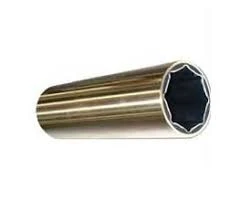
Brass cutlass marine bearing
-
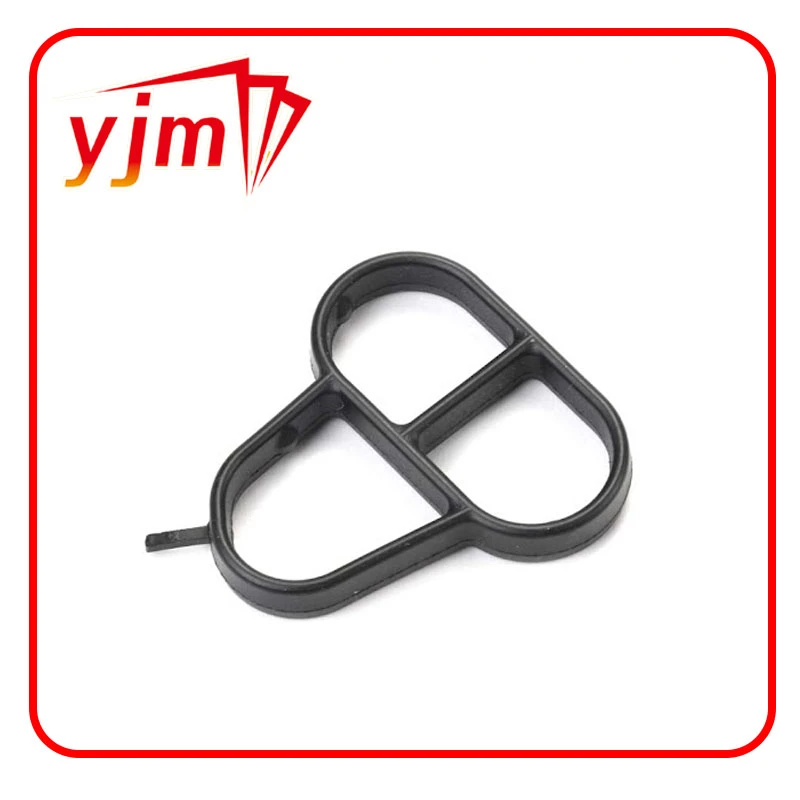
Genuine OEM Engine Oil Filter Housing Cover O-Ring For VW/Audi 06E115446
-
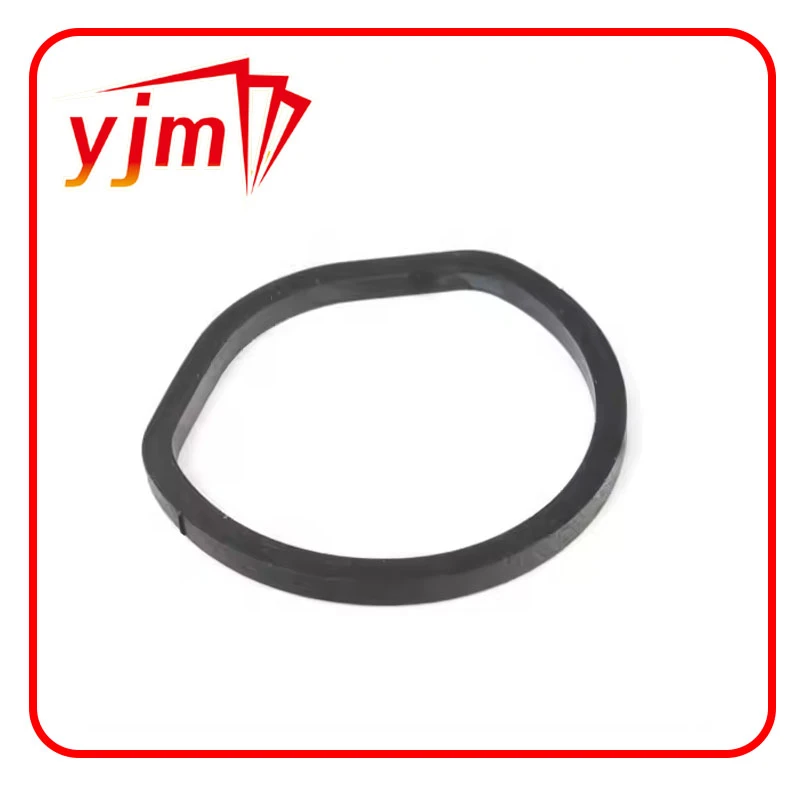
Oil Filter Stand Gasket,Oil filter cover seal
-
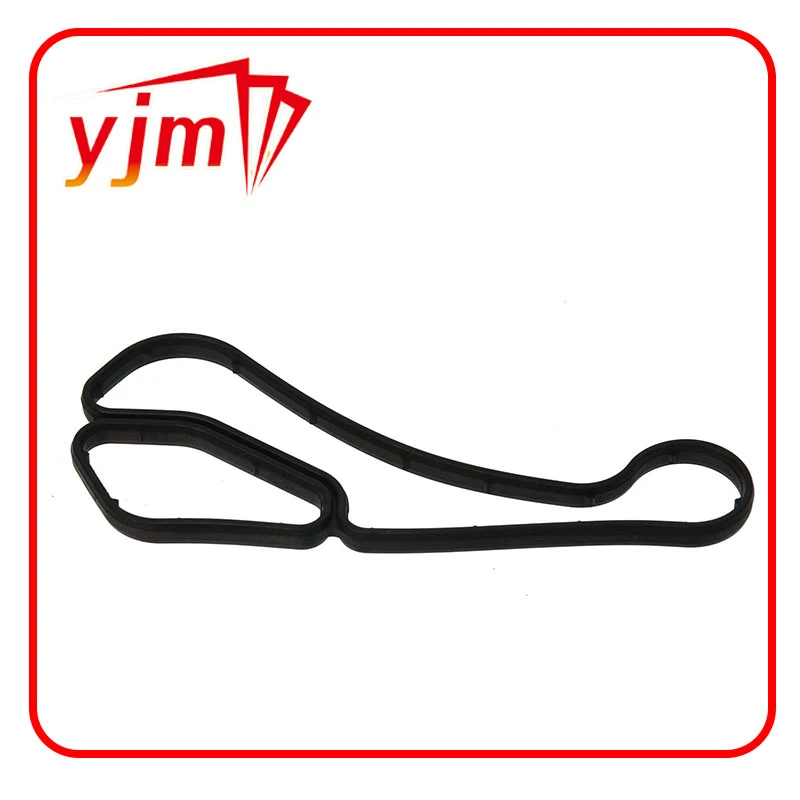
Oil Cooler Gasket, Oil Cooler to Oil Filter Housing 11427525335
-
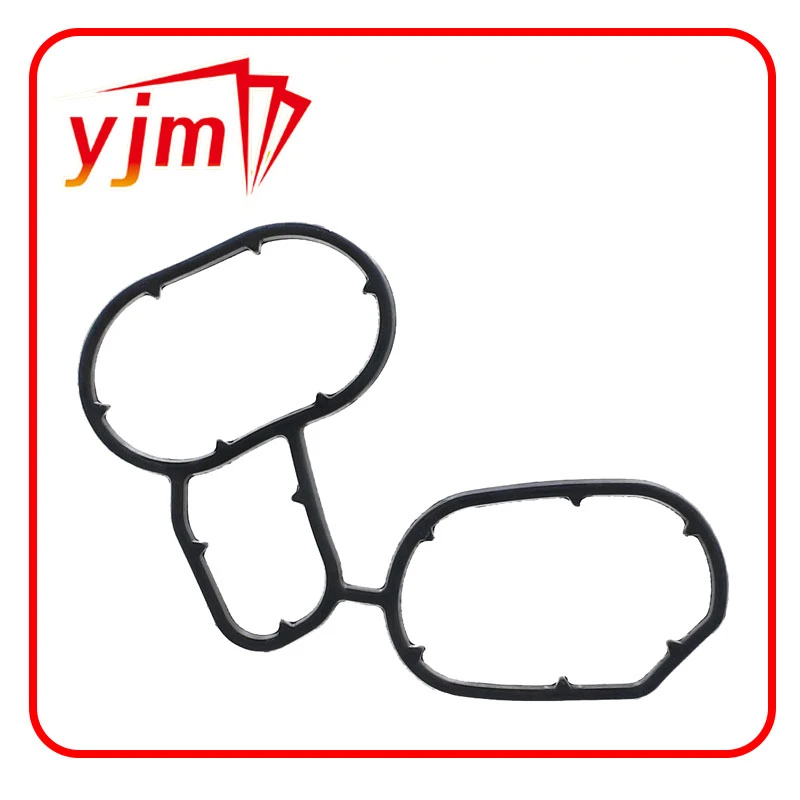
11427508970 BMW - OIL FILTER HOUSING GASKETS
-
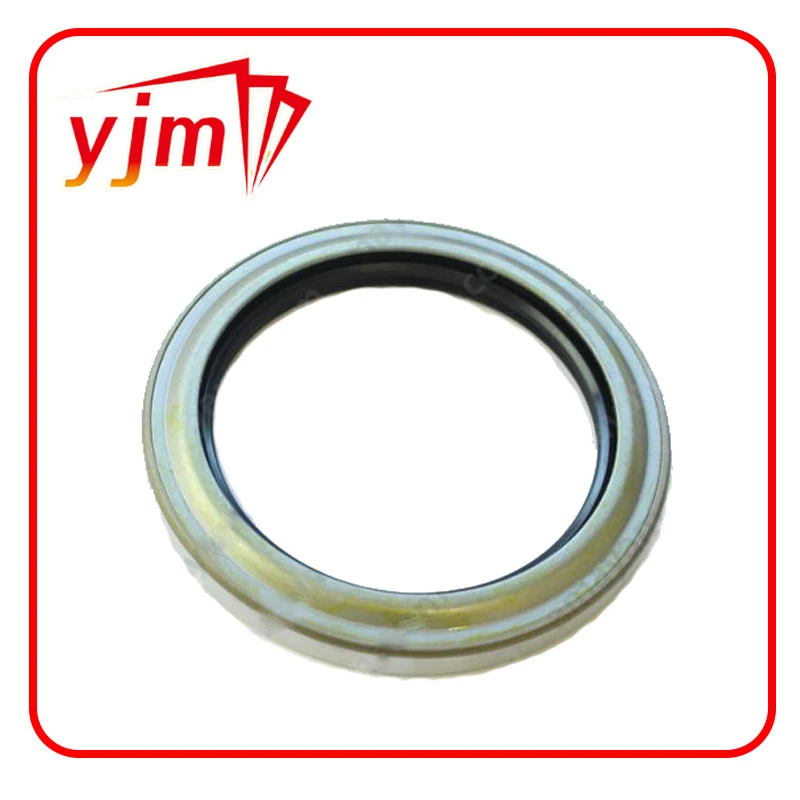
SEAL, OIL Genuine Toyota (9031170011)
-
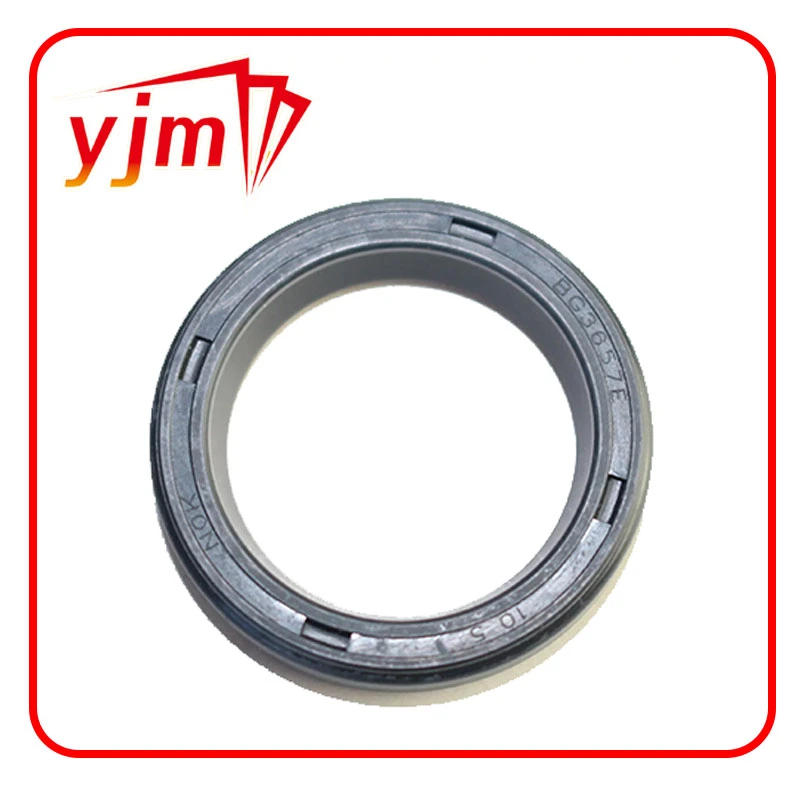
Transfer Case Output Shaft Seal Part 9031223001
-
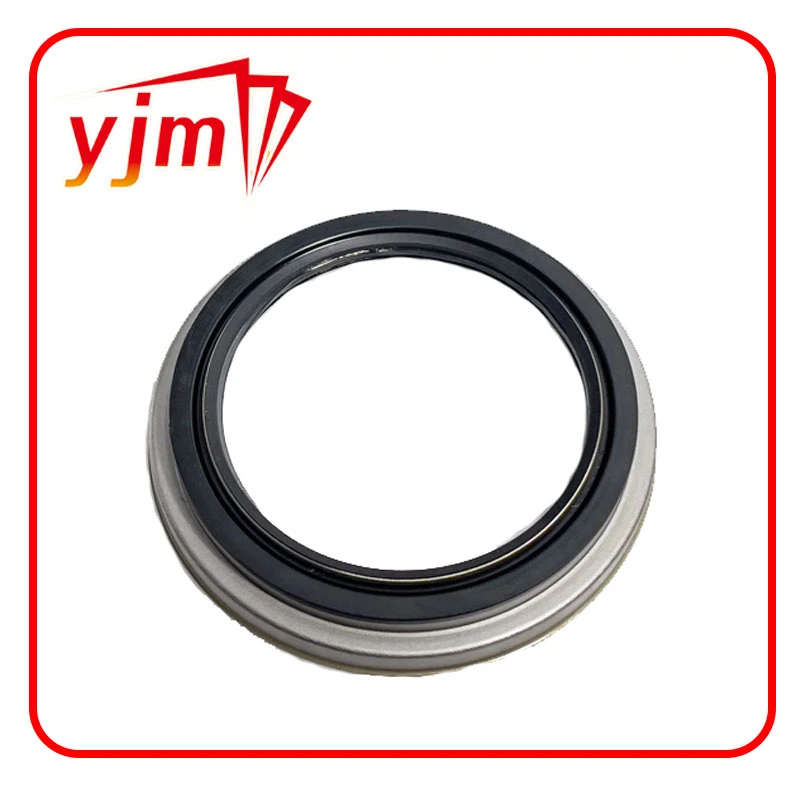
SEAL, OIL Genuine Toyota (9031672001)
-
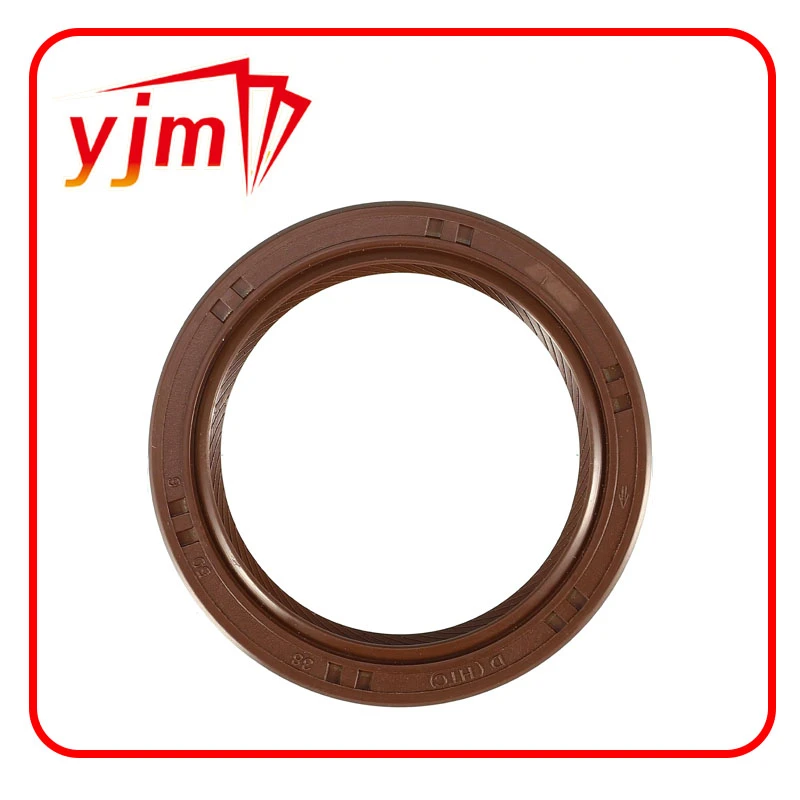
Engine Crankshaft Oil Seal No.9031138096
-
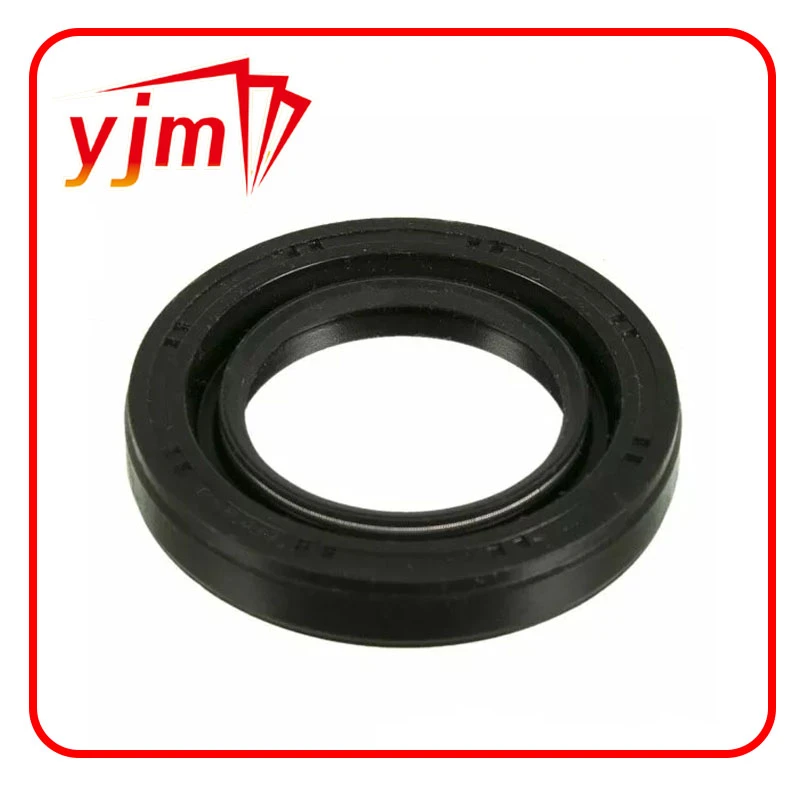
Toyota Transfer Case Output Shaft Seal Front 9031136006
-
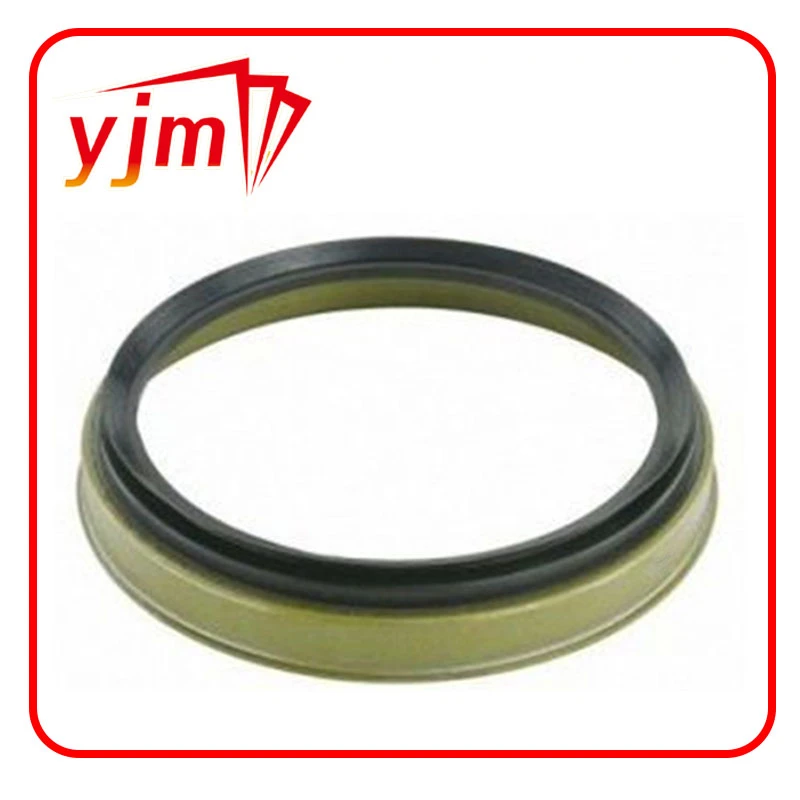
Seal, type v oil 9031287001 TOYOTA
-
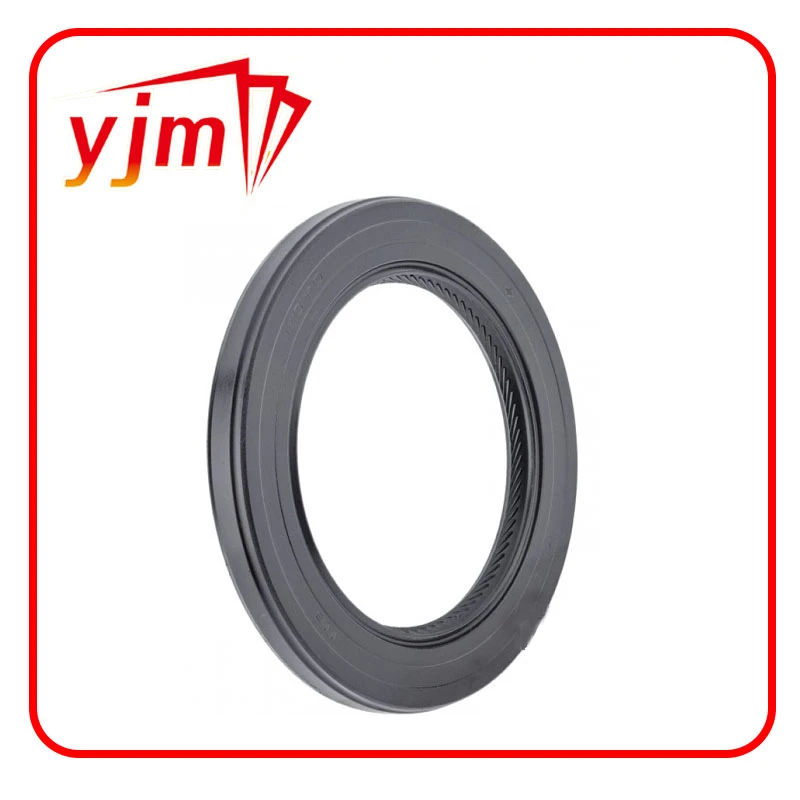
Oil pump seal 9031143010
-
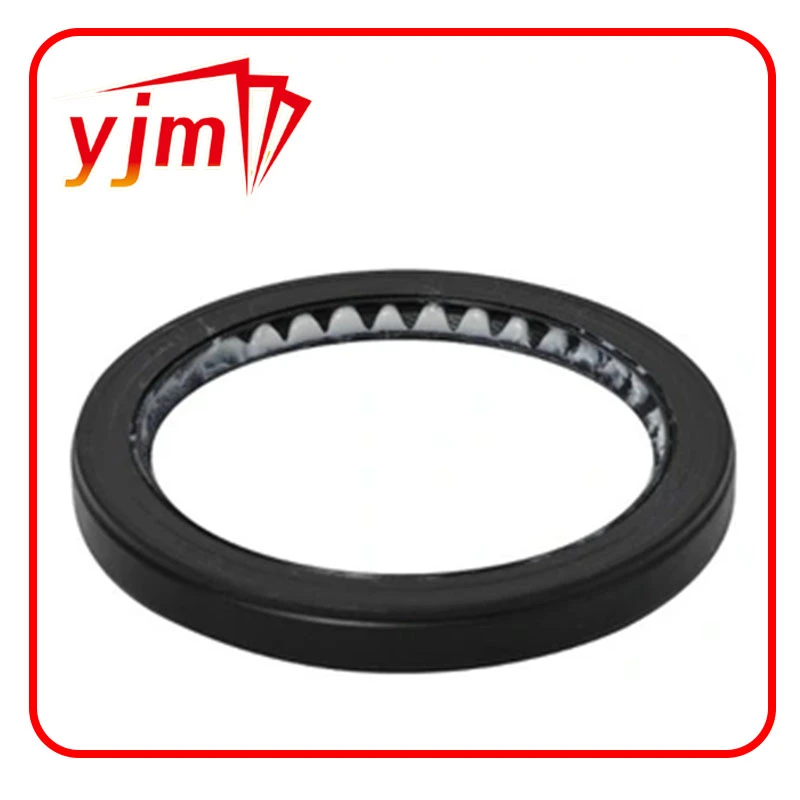
Genuine Toyota Oil SEAL 90311-54006
-
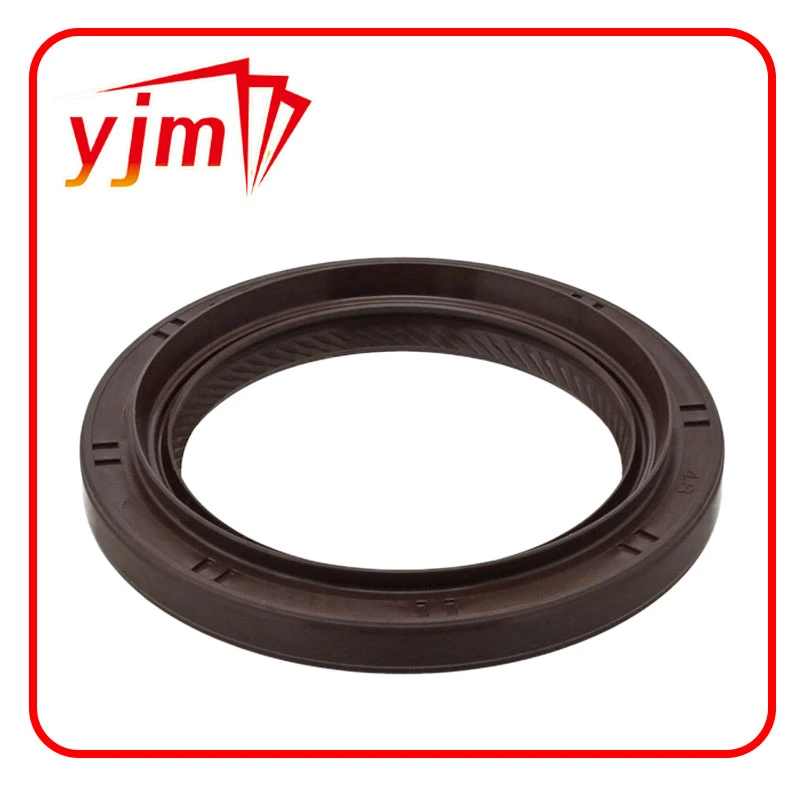
Toyota SEAL TYPE T OIL 90311-48031
-
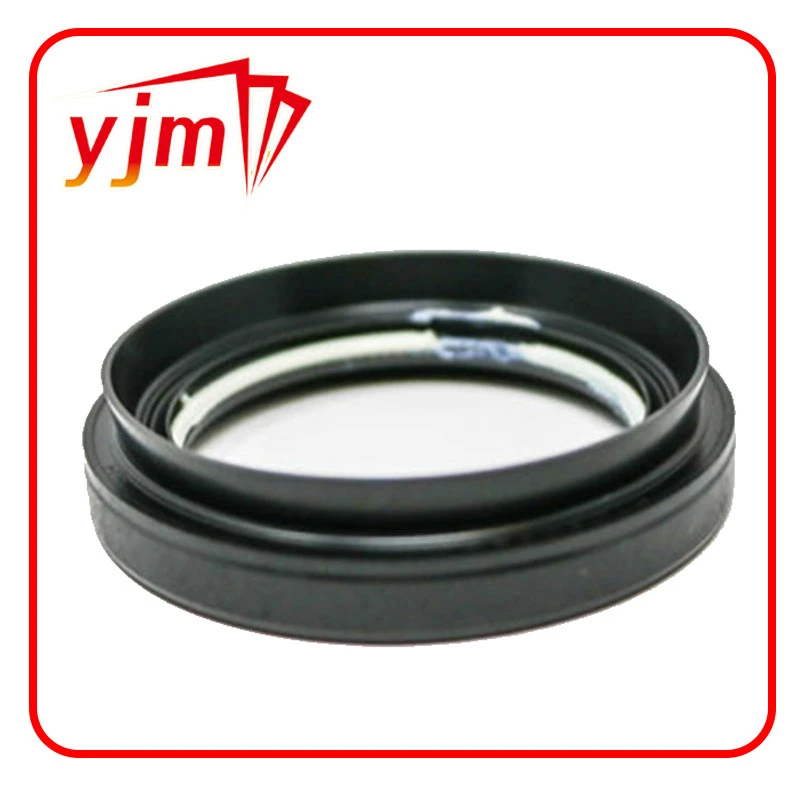
Type T Oil Seal, Front Drive Shaft, Left 9031150064
-
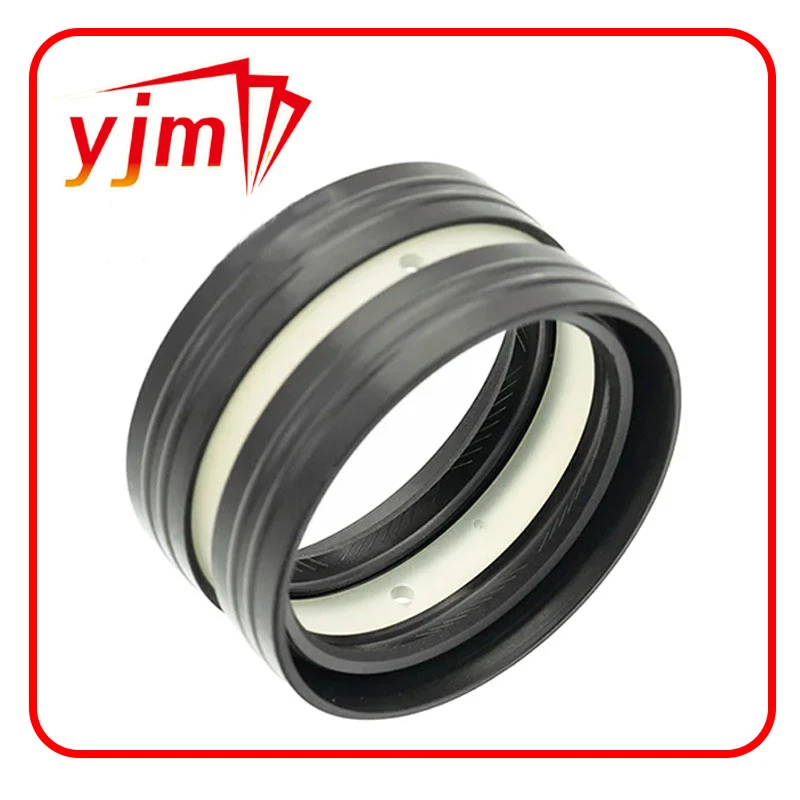
Seal, type d oil 9031634001 TOYOTA
 Afrikaans
 Albanian
 Amharic
 Arabic
 Armenian
 Azerbaijani
 Basque
 Belarusian
 Bengali
 Bosnian
 Bulgarian
 Catalan
 Cebuano
 Corsican
 Croatian
 Czech
Czech
 Danish
 Dutch
Dutch
 Esperanto
 Estonian
 Finnish
 French
 Frisian
 Galician
 Georgian
 German
 Greek
Greek
 Gujarati
 Haitian Creole
 Hausa
Hausa
 Hawaiian
 Hebrew
 Hindi
Hindi
 Miao
Miao
 Hungarian
 Icelandic
 Igbo
Igbo
 Indonesian
 Irish
Irish
 Italian
 Japanese
 Javanese
 Kannada
 Kazakh
 Khmer
Khmer
 Rwandese
 Korean
 Kurdish
 Kyrgyz
 Lao
Lao
 Latin
Latin
 Latvian
 Lithuanian
 Luxembourgish
 Macedonian
 Malgashi
 Malay
Malay
 Malayalam
 Maltese
 Maori
Maori
 Marathi
 Mongolian
 Myanmar
 Nepali
 Norwegian
 Norwegian
 Occitan
 Pashto
 Persian
 Polish
 Portuguese
 Punjabi
 Romanian
 Russian
 Samoan
 Scottish Gaelic
 Serbian
 Sesotho
 Shona
Shona
 Sindhi
 Sinhala
 Slovak
 Slovenian
 Somali
 Spanish
 Sundanese
 Swahili
 Swedish
 Tagalog
 Tajik
Tajik
 Tamil
Tamil
 Tatar
Tatar
 Telugu
 Thai
Thai
 Turkish
 Turkmen
 Ukrainian
 Urdu
Urdu
 Uighur
 Uzbek
Uzbek
 Vietnamese
 Welsh
Welsh
 Bantu
Bantu
 Yiddish
 Yoruba
 Zulu
Zulu
 English