Comprehensive Guide to Seal 20x32x6: Essential Specifications, Uses, and Suppliers
The Global Influence and Value of the Seal 20x32x6
If you've ever peeked inside a gearbox, drivetrain, or even a household appliance, chances are you’ve come across a feature as humble as a seal 20x32x6. While it sounds almost like a random string of numbers, this particular seal size is an essential “unsung hero” in countless machines worldwide. Understanding why such a little component matters globally sheds light on interconnected manufacturing, sustainability, and reliability challenges in modern industry.
Globally, industries ranging from automotive to renewable energy rely heavily on reliable seals. A failed seal can mean downtime, costly repairs, or even environmental hazards. That’s why the seal 20x32x6 — a very common radial shaft seal — enjoys wide application and rigorous design standards across sectors. Its benefits touch cost efficiency, durability, and operational safety, making it a critical piece in the machinery puzzle.
Understanding the Context: Why Seal 20x32x6 Is a Global Workhorse
According to the International Organization for Standardization (ISO), numerous machinery failures trace back to seal leaks or damages. Annually, industries waste millions due to fluid leaks and contamination, which seals are designed to prevent. The World Bank notes that industrial efficiency improvements, including better sealing technology, can improve manufacturing output by up to 12% in emerging economies — a huge impact.
The seal 20x32x6 addresses a significant challenge: providing a compact, dependable barrier that keeps lubricants in and contaminants out, even under strenuous operating conditions. Whether in the sprawling assembly lines of China or the automated wind farms of Northern Europe, this small seal size carries a heavy load, quite literally.
So, What Exactly Is a Seal 20x32x6?
Simply put, a seal 20x32x6 describes a radial shaft oil seal with an inner diameter of 20 mm, an outer diameter of 32 mm, and a thickness of 6 mm. These dimensions make it ideal for medium-duty applications where a shaft rotates inside a housing, such as electric motors, pumps, or gearboxes.
Technically, it’s a ring-shaped component usually made from synthetic rubber bonded with a metal casing, designed to prevent fluids from escaping and contaminants from entering. The "20x32x6" nomenclature is a standardized sizing approach for easy identification and replacement.
Its Connection to Industry and Beyond
From humanitarian logistics relying on robust vehicle operation to industrial manufacturing pipelining continuous processes, having dependable seals like the 20x32x6 underpin many modern developments. They contribute quietly to everything running smoothly, uninterrupted — a true backbone of industrial reliability.
Core Features of the Seal 20x32x6
1. Durability Under Harsh Conditions
Many engineers praise the seal 20x32x6’s ability to withstand a range of temperatures, pressures, and chemical exposures. Made from nitrile rubber or advanced fluoroelastomers (often Viton), it endures oils, greases, and sometimes aggressive industrial fluids with minimal wear.
2. Precision Fit and Scalability
The standardized sizing allows manufacturers to source and replace these seals globally, promoting scalability in supply chains. Being able to count on consistent dimensions means less downtime and better interchangeability.
3. Cost-Efficiency in Maintenance
Because of its common sizing and mass production, the seal 20x32x6 is generally affordable without compromising quality. This reduces the total cost of maintenance and boosts asset longevity.
4. Ease of Installation and Replacement
Seal designs have improved over the years to allow quicker fit on shafts or housings, sometimes featuring integrated garter springs to maintain lip contact pressures. This characteristic means fittings—even in the tightest spaces—are less prone to error or damage.
5. Environmental Impact and Sustainability
Leading manufacturers are pushing for seals with lower environmental footprints, using longer-lasting materials and recyclable metals. By preventing leaks, these seals also play a role in avoiding lubricant wastage and environmental contamination.
| Specification | Detail |
|---|---|
| Inner Diameter (ID) | 20 mm |
| Outer Diameter (OD) | 32 mm |
| Thickness | 6 mm |
| Material | Nitrile (NBR), Fluoroelastomer (FKM) |
| Operating Temperature | -40°C to 120°C (varies by material) |
| Typical Applications | Motors, Pumps, Gearboxes, Automotive |
How Seal 20x32x6 Shapes Industries Around the World
It’s always surprising how such a small part is so critical in various fields:
- Automotive Manufacturing: Used in drive shafts and engine components across Europe, Asia, and America to maintain oil pressure and prevent dirt ingestion.
- Renewable Energy: Wind turbines in Northern Europe depend on similar seal sizes to keep gearboxes running smoothly for years.
- Heavy Machinery in Mining: In South Africa and Australia, seals resist tough abrasive conditions, reducing unscheduled downtimes.
- Emergency Relief Vehicles: In disaster zones, reliable seal performance translates directly to life-saving equipment uptime.
These examples underscore how integral “seal 20x32x6” types are—not just obscure parts but vital enablers of global industry and humanitarian efforts.
Advantages and the Long-Term Value of Investing in Quality Seals
From a practical standpoint, investing in high-quality seals like the seal 20x32x6 brings multiple benefits:
- Cost Savings: Fewer leaks mean lower lubricant use and less machine wear, which reduces total operational expenses.
- Sustainability: By extending equipment life and preventing contamination, these seals align with global green manufacturing goals.
- Reliability & Safety: Machines run smoothly without unexpected breakdowns, enhancing workplace safety and trust.
- Emotional and Brand Trust: When equipment reliably performs, operators feel confident and valued, increasing brand goodwill and repeat business.
Oddly enough, a tiny seal can quietly safeguard complex human efforts in factories, fields, and beyond.
Emerging Trends and Innovations in Sealing Technology
Technology isn’t static here. Some exciting advances on the horizon include:
- Smart Materials: Seals embedded with sensors to monitor wear and operating conditions in real-time.
- Eco-friendly Elastomers: Biodegradable or recycled materials that reduce environmental impact.
- 3D Printing: Customized seal geometries for specialized machines, speeding prototyping.
- Automation in Assembly: Robots precisely install seals for consistent performance.
These innovations suggest the seal 20x32x6 – modest and common now – may soon become a much more intelligent component.
Challenges and Solutions in Current Seal Use
Let’s be honest — seals aren’t perfect. Common challenges include:
- Material Degradation: Exposure to harsh chemicals or extreme temps can shorten seal life.
- Installation Errors: Damage during fitting may cause early failure.
- Supply Chain Interruptions: Especially in remote areas, lack of timely replacements causes downtime.
Experts recommend:
- Using higher-grade materials tailored to applications.
- Training technicians on proper installation techniques.
- Maintaining safety stock inventories in strategic locations.
Vendor Comparison: Choosing Your Seal 20x32x6 Supplier
| Supplier | Material Options | Delivery Speed | Customization | Price Range |
|---|---|---|---|---|
| YJM Seal | NBR, FKM, Silicone | 3-5 days | Tailored sealing lips, OEM sizes | $$ (Competitive) |
| GlobalSeal Co. | NBR, Polyurethane | 1-2 weeks | Standard Sizes Only | $ (Budget) |
| PrimeSeal Ltd. | FKM, Silicone | 5 days | High customization, small runs | $$$ (Premium) |
Frequently Asked Questions About Seal 20x32x6
Q1: What makes the seal 20x32x6 so widely used compared to other sizes?
A1: Its size fits many medium-duty shafts found in automotive, industrial, and consumer products. It strikes a balance between small and large applications, making it a versatile and universally stocked size globally.
Q2: How long can I expect a quality seal 20x32x6 to last under normal conditions?
A2: Depending on the material and operating environment, typical service life ranges from 3 to 7 years. Harsh chemicals or extreme temperatures may shorten this, so selecting the right elastomer is key.
Q3: Is the seal 20x32x6 suitable for high-speed rotating equipment?
A3: Yes, especially if made from advanced materials like FKM and designed with proper lip geometry. However, for ultra-high-speed or high-temperature applications, specialized seals may be preferable.
Q4: Can these seals be replaced without removing the entire equipment?
A4: In many cases, yes. Correct tools and procedures allow seal replacement in situ, saving time and cost. Training is recommended to avoid installation damage.
Q5: How can I order a customized seal 20x32x6 for a specific machine?
A5: Contact suppliers like YJM Seal who offer OEM services—specify material, lip design, and other requirements for tailored solutions.
Wrapping Up: Why Seal 20x32x6 Matters Now and Tomorrow
So, the seal 20x32x6 isn’t just a technical detail—it’s a vital enabler of machinery uptime, sustainability, and global industry efficiency. Investing in quality seals means fewer leaks, longer equipment life, and more trust in your operation’s safety. If you’re looking to source dependable, cost-effective seals with customization options, I’d recommend checking out YJM Seal — their experience and product range stand out.
As industries evolve, so too will these small but mighty components, quietly powering everything around us.
References
-
Guide to Choosing the Right Washer for Oil Change and Sealing
News Apr.16,2026
-
Essential Guide to High Quality rubber washer oil drain plug
News Apr.09,2026
-
Understanding Rubber Crush Washers for Optimal Sealing Performance
News Apr.07,2026
-
Comprehensive Guide to Understanding and Reusing Crush Washer for Optimal Sealing
News Apr.04,2026
-
The Vital Role of a Drain Screw Gasket in Fluid System Integrity
News Mar.31,2026
-
The Essential Guide to Drain Crush Washer Selection and Plumbing Leak Prevention
News Mar.28,2026
-
The Vital Role of a Crush Washer in Oil Changes for Engine Protection
News Mar.26,2026
Products categories
-
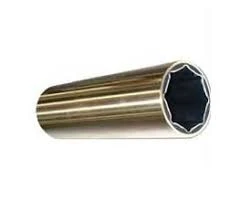
Brass cutlass marine bearing
-
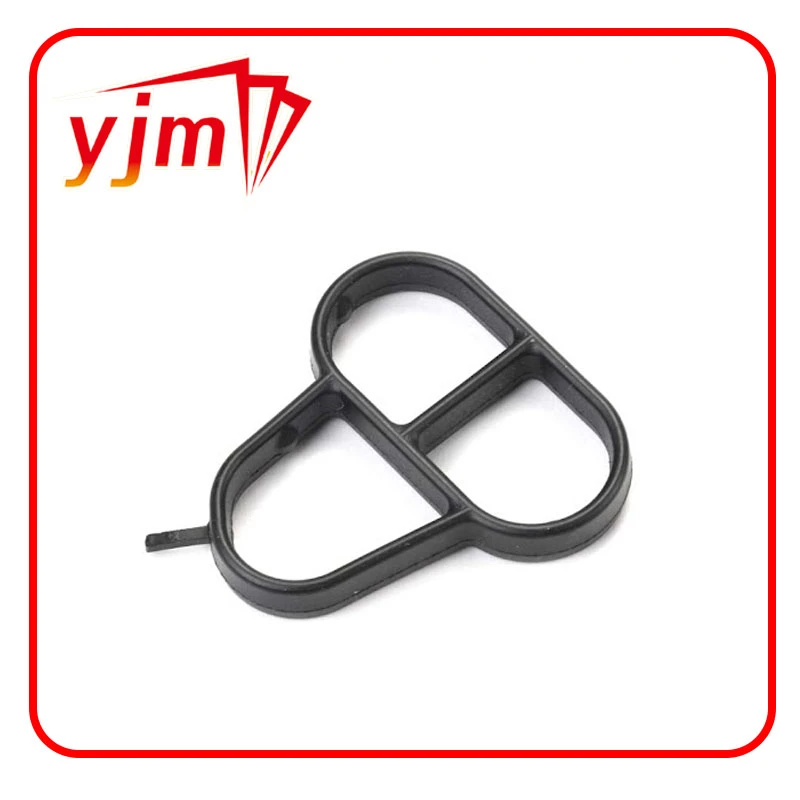
Genuine OEM Engine Oil Filter Housing Cover O-Ring For VW/Audi 06E115446
-
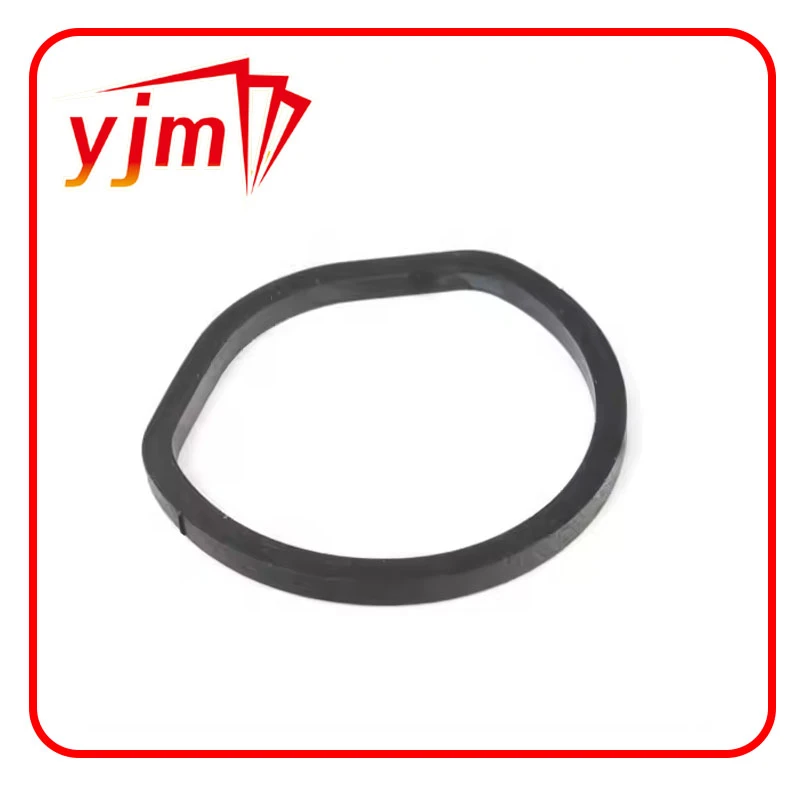
Oil Filter Stand Gasket,Oil filter cover seal
-
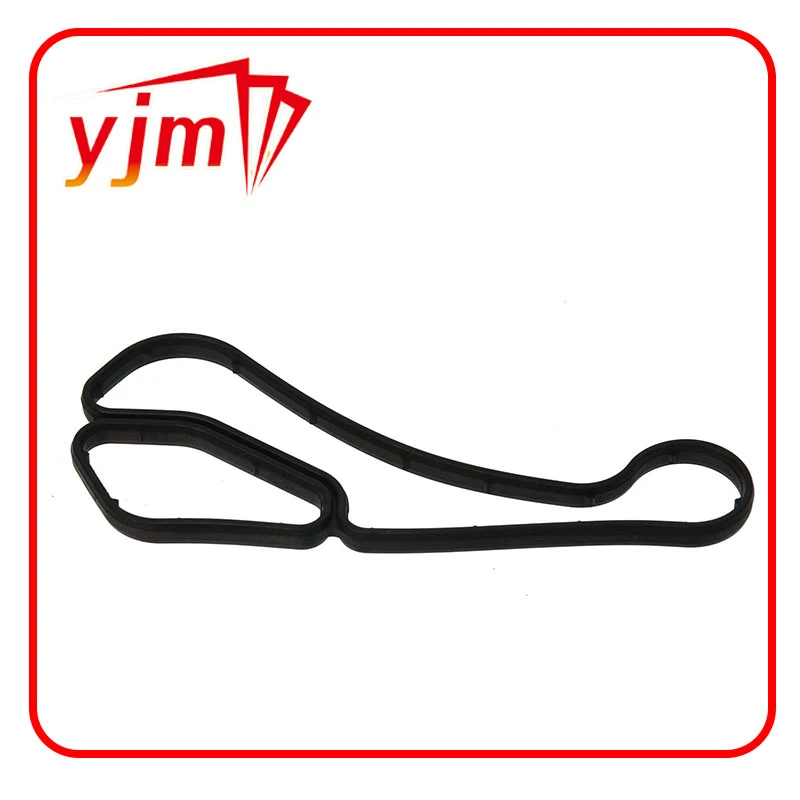
Oil Cooler Gasket, Oil Cooler to Oil Filter Housing 11427525335
-
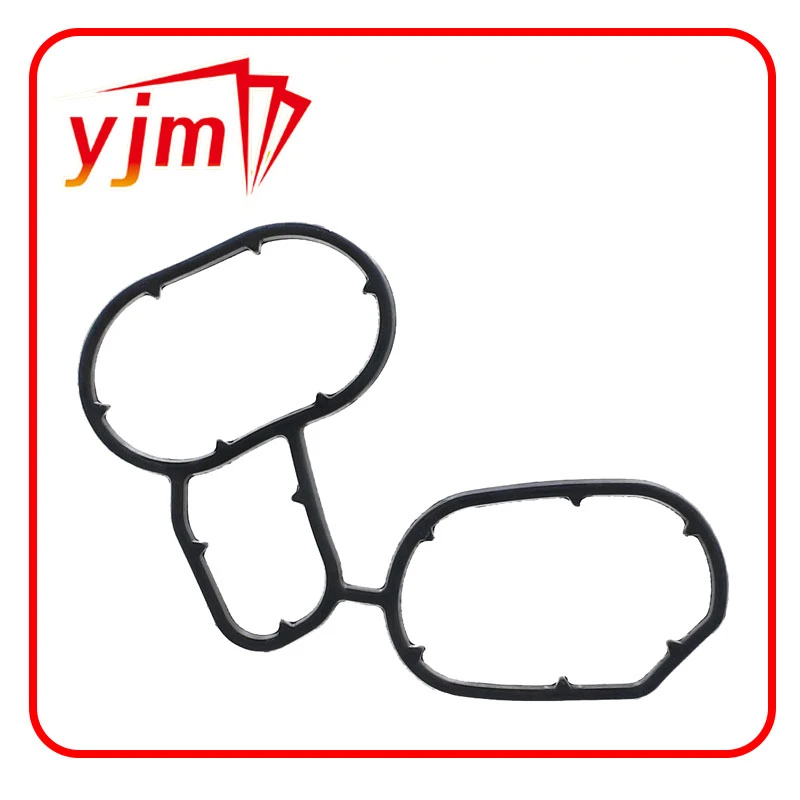
11427508970 BMW - OIL FILTER HOUSING GASKETS
-
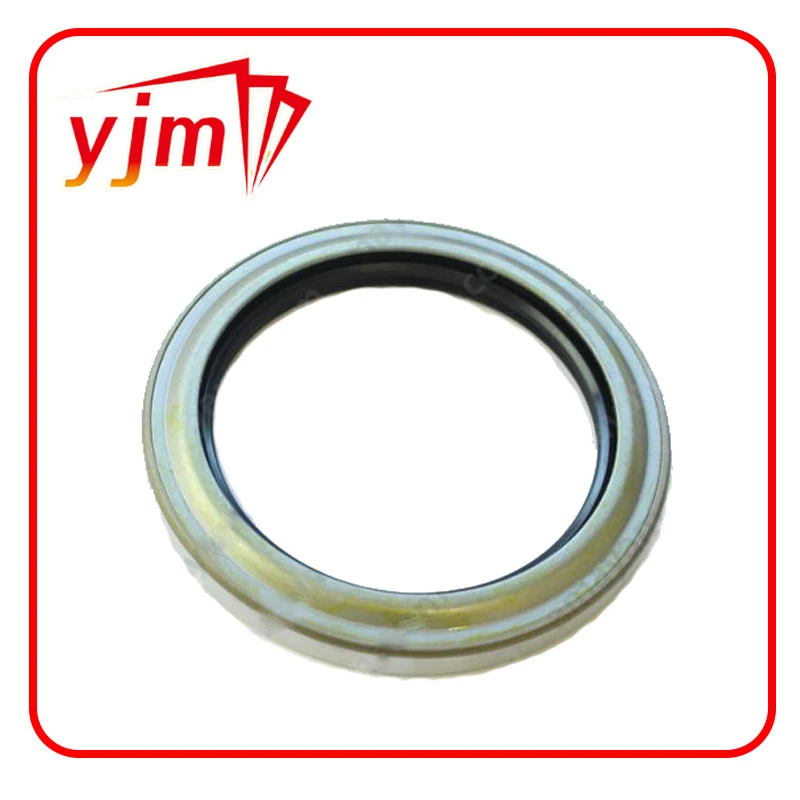
SEAL, OIL Genuine Toyota (9031170011)
-
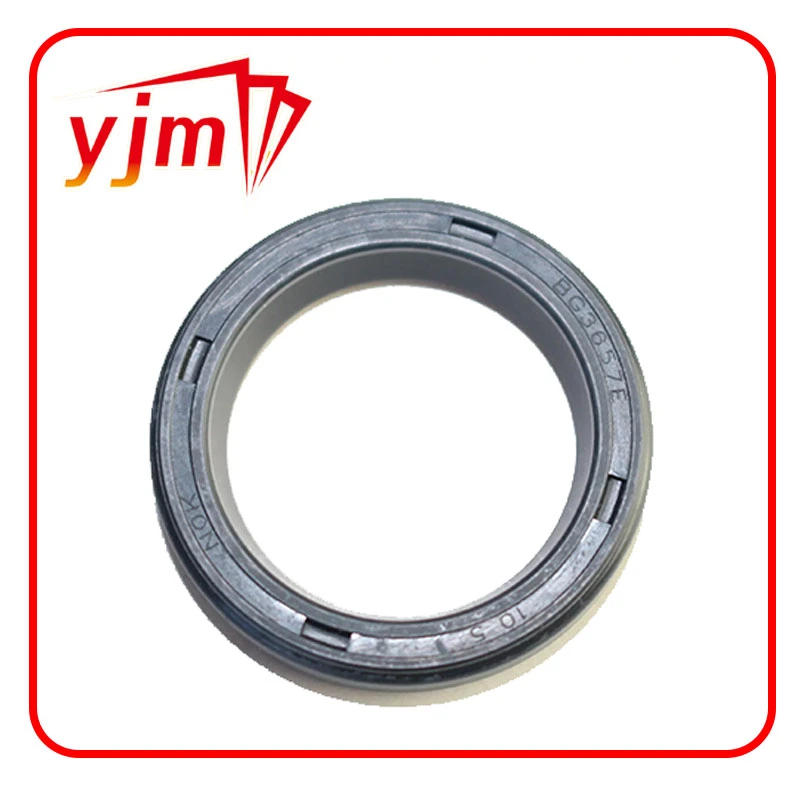
Transfer Case Output Shaft Seal Part 9031223001
-
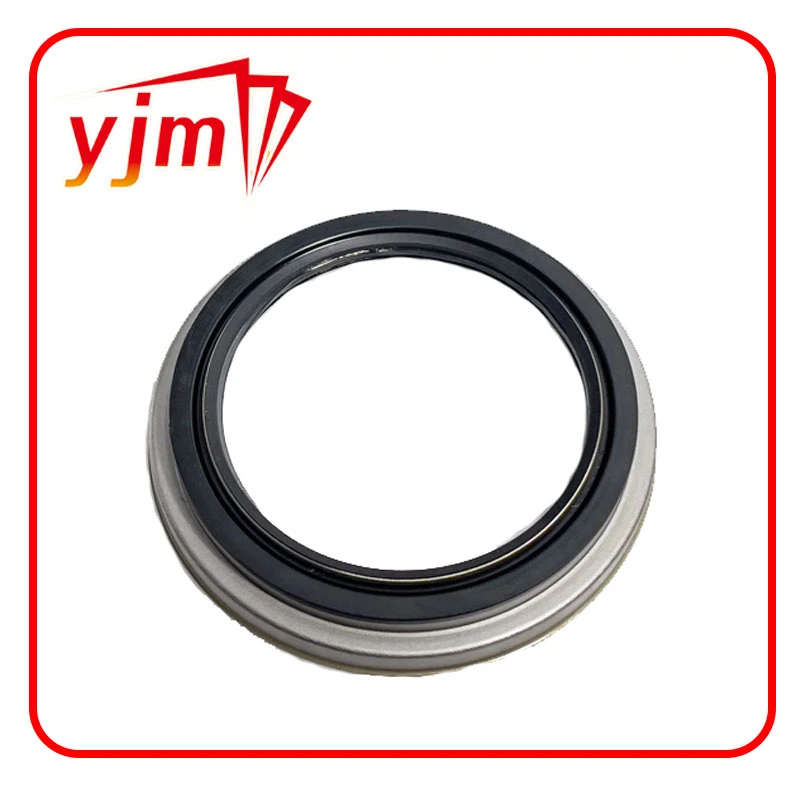
SEAL, OIL Genuine Toyota (9031672001)
-
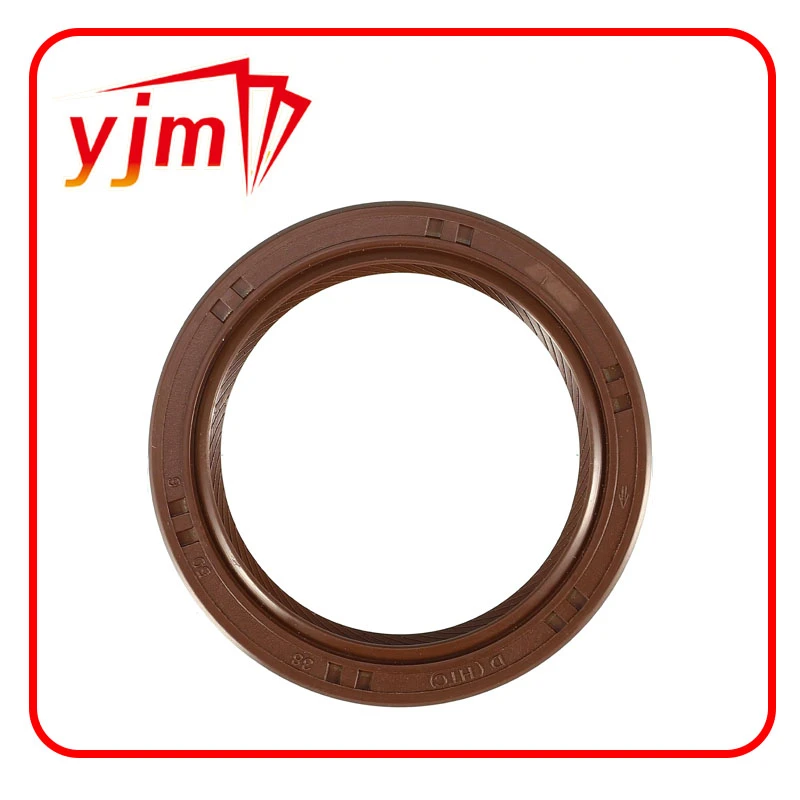
Engine Crankshaft Oil Seal No.9031138096
-
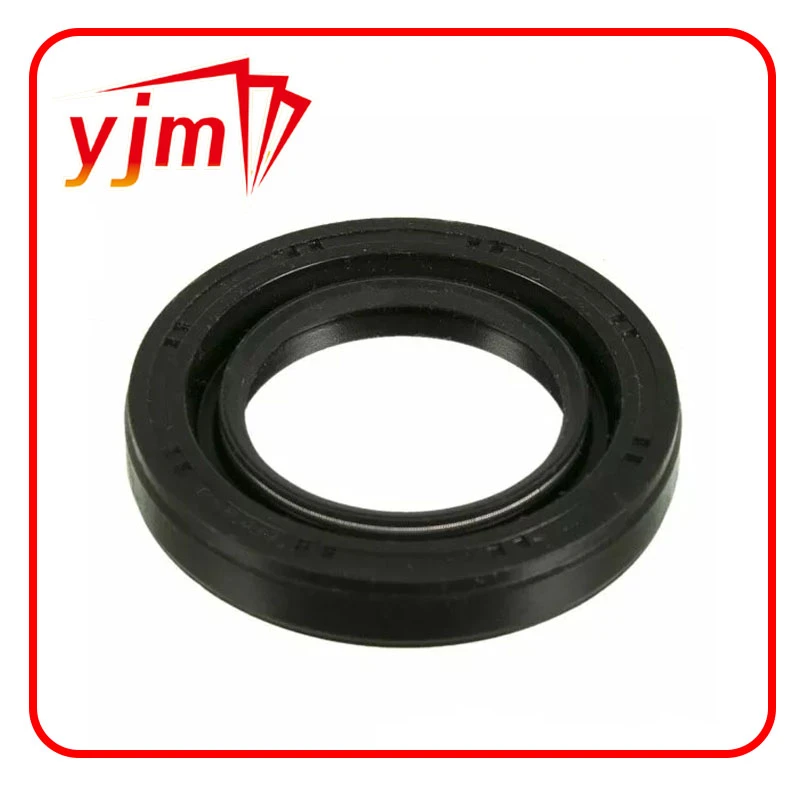
Toyota Transfer Case Output Shaft Seal Front 9031136006
-
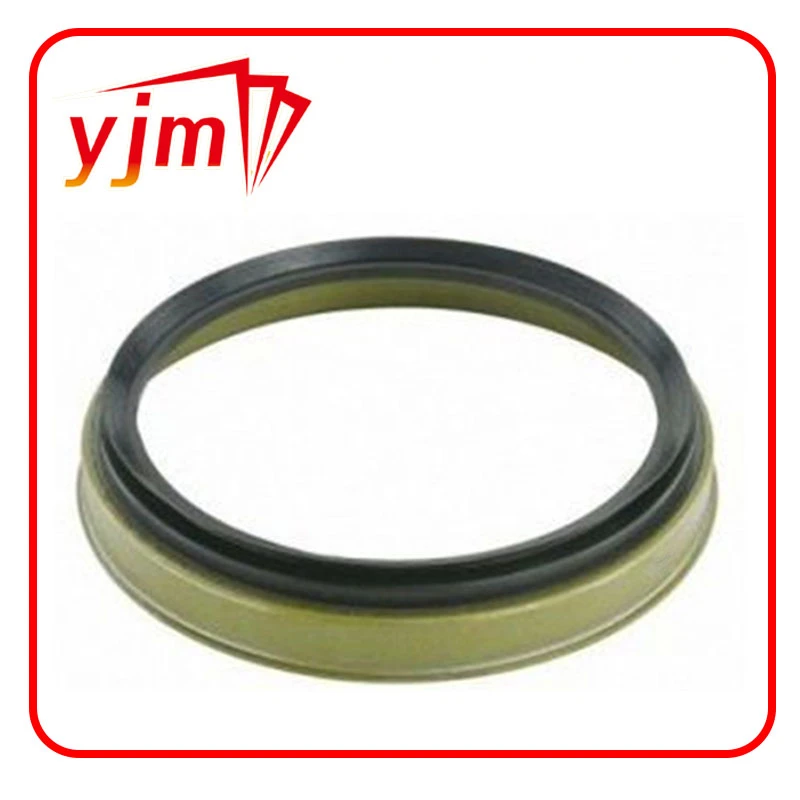
Seal, type v oil 9031287001 TOYOTA
-
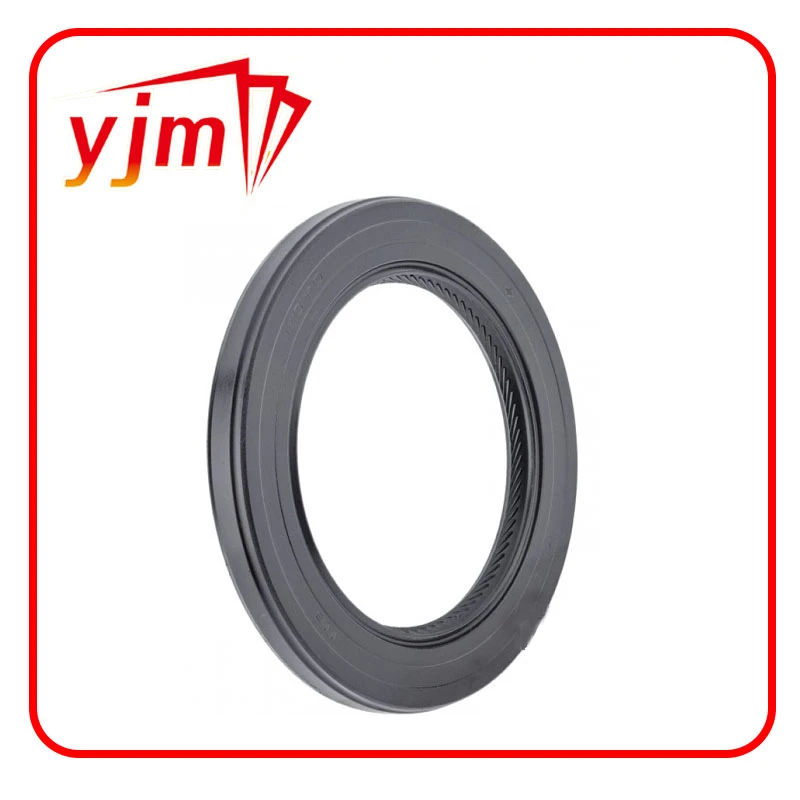
Oil pump seal 9031143010
-
Genuine Toyota Oil SEAL 90311-54006
-
Toyota SEAL TYPE T OIL 90311-48031
-
Type T Oil Seal, Front Drive Shaft, Left 9031150064
-
Seal, type d oil 9031634001 TOYOTA
 Afrikaans
 Albanian
 Amharic
 Arabic
 Armenian
 Azerbaijani
 Basque
 Belarusian
 Bengali
 Bosnian
 Bulgarian
 Catalan
 Cebuano
 Corsican
 Croatian
 Czech
Czech
 Danish
 Dutch
Dutch
 Esperanto
 Estonian
 Finnish
 French
 Frisian
 Galician
 Georgian
 German
 Greek
Greek
 Gujarati
 Haitian Creole
 Hausa
Hausa
 Hawaiian
 Hebrew
 Hindi
Hindi
 Miao
Miao
 Hungarian
 Icelandic
 Igbo
Igbo
 Indonesian
 Irish
Irish
 Italian
 Japanese
 Javanese
 Kannada
 Kazakh
 Khmer
Khmer
 Rwandese
 Korean
 Kurdish
 Kyrgyz
 Lao
Lao
 Latin
Latin
 Latvian
 Lithuanian
 Luxembourgish
 Macedonian
 Malgashi
 Malay
Malay
 Malayalam
 Maltese
 Maori
Maori
 Marathi
 Mongolian
 Myanmar
 Nepali
 Norwegian
 Norwegian
 Occitan
 Pashto
 Persian
 Polish
 Portuguese
 Punjabi
 Romanian
 Russian
 Samoan
 Scottish Gaelic
 Serbian
 Sesotho
 Shona
Shona
 Sindhi
 Sinhala
 Slovak
 Slovenian
 Somali
 Spanish
 Sundanese
 Swahili
 Swedish
 Tagalog
 Tajik
Tajik
 Tamil
Tamil
 Tatar
Tatar
 Telugu
 Thai
Thai
 Turkish
 Turkmen
 Ukrainian
 Urdu
Urdu
 Uighur
 Uzbek
Uzbek
 Vietnamese
 Welsh
Welsh
 Bantu
Bantu
 Yiddish
 Yoruba
 Zulu
Zulu
 English