Understanding the Critical Role of a 12mm Crush Washer in Sealing Applications
Understanding the Importance of a 12mm Crush Washer
In various industrial applications, particularly those involving fluid systems, maintaining a leak-proof seal is critical. A key component in achieving this is the often-overlooked 12mm crush washer. These small but mighty washers play a crucial role in ensuring the integrity and efficiency of connections. This article will explore the function, materials, applications, and benefits of 12mm crush washers, helping you understand why choosing the right one is essential for your specific needs. Properly selected and installed crush washers contribute to system reliability and reduced maintenance costs.

What is a 12mm Crush Washer and How Does it Work?
A 12mm crush washer is a metal ring designed to be deformed – ‘crushed’ – when compressed between two mating surfaces. This deformation creates a tight, leak-proof seal. Unlike traditional gaskets, crush washers don't rely on complex shapes or adhesives. They achieve sealing through the force applied during tightening. The 12mm dimension refers to the outer diameter of the washer. The effectiveness of a crush washer lies in its ability to fill microscopic imperfections on the connecting surfaces, ensuring a complete barrier against fluids. YJM Seal offers a wide range of high-quality 12mm crush washers for diverse applications.
Key Benefit: Provides a reliable seal by conforming to surface irregularities and creating a tight barrier against fluids.
Common Materials Used in 12mm Crush Washers
The material of a crush washer is critical, as it needs to withstand the specific fluids, temperatures, and pressures of the application. Common materials include:
- Copper: Excellent corrosion resistance and good sealing properties. Often used in brake lines and hydraulic systems.
- Aluminum: Lightweight and suitable for low-pressure applications. Commonly found in oil drain plugs.
- Stainless Steel: Offers high strength, corrosion resistance, and temperature stability. Ideal for demanding environments.
- Carbon Steel: Economical and suitable for general-purpose applications. May require protective coatings.
The selection of the material directly impacts the lifespan and performance of the seal.
Material Selection Guide:
• Copper: Brake lines, hydraulic systems
• Aluminum: Oil drain plugs, low-pressure systems
• Stainless Steel: High-temperature, corrosive environments
• Carbon Steel: General purpose applications
12mm Crush Washer Applications: Where Are They Used?
12mm crush washers find application in a diverse range of industries and systems, including:
- Automotive: Brake fittings, oil drain plugs, fuel lines.
- Hydraulics: Hydraulic fittings, pumps, and valves.
- Plumbing: Flare fittings in gas and liquid lines.
- Industrial Machinery: Various fluid connections in manufacturing equipment.
The specific application dictates the material and dimensions of the crush washer required. YJM Seal can help you identify the optimal crush washer for your unique needs.
Benefits of Using High-Quality 12mm Crush Washers
Investing in quality 12mm crush washers offers several advantages:
- Enhanced Sealing: Reduces the risk of leaks and ensures system integrity.
- Increased Reliability: Minimizes downtime and maintenance costs.
- Longer Service Life: Durable materials resist corrosion and degradation.
- Cost-Effectiveness: Prevents costly repairs and replacements due to leaks.
Choosing the right supplier, like YJM Seal, is essential for consistent quality and performance.
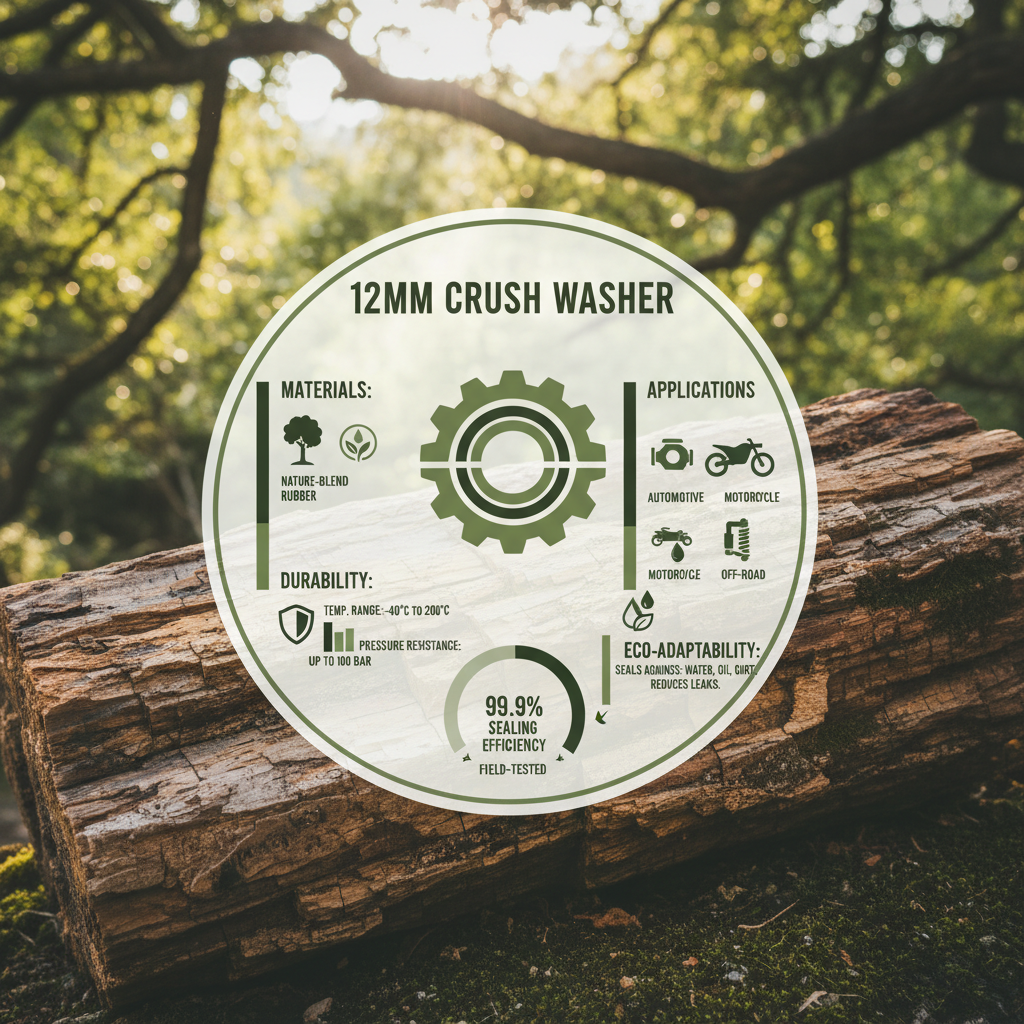
Selecting the Right 12mm Crush Washer: Key Considerations
When selecting a 12mm crush washer, consider the following factors:
- Fluid Compatibility: Ensure the material is compatible with the fluid being sealed.
- Temperature Range: Verify the washer can withstand the operating temperature.
- Pressure Requirements: Choose a washer with sufficient strength for the system pressure.
- Material: Select a material that offers the necessary corrosion resistance and durability.
Don't hesitate to consult with a sealing specialist at YJM Seal to ensure you select the optimal washer for your application.
Conclusion: Ensuring Reliable Sealing with Quality 12mm Crush Washers
The 12mm crush washer is a small component with a significant impact on system performance and reliability. By understanding its function, materials, and applications, you can make informed decisions to ensure a leak-proof seal. Investing in high-quality crush washers from a trusted supplier like YJM Seal is a proactive step towards minimizing downtime, reducing maintenance costs, and maximizing the lifespan of your equipment. Don't underestimate the power of a properly selected and installed crush washer.
Frequently Asked Questions (FAQs)
What is the proper torque for tightening a fitting using a 12mm crush washer?
The correct torque specification varies depending on the fitting size, material, and application. Generally, it's crucial to consult the manufacturer's recommendations for the specific fitting being used. Over-tightening can damage the washer or the fitting, leading to leaks, while under-tightening may result in an incomplete seal. A torque wrench is highly recommended to ensure accurate tightening. As a general guideline, start with a moderate torque and gradually increase it until the seal is achieved, but always stay within the manufacturer's specified range.
Can a 12mm crush washer be reused?
Generally, it's not recommended to reuse a 12mm crush washer. The deformation that occurs during tightening is permanent, and reusing a crushed washer may not provide a reliable seal. The washer's ability to conform to surface irregularities is compromised after the initial crush. Replacing the washer with a new one each time ensures optimal sealing performance and prevents potential leaks.
What should I do if a leak persists after replacing the 12mm crush washer?
If a leak persists after replacing the crush washer, several factors could be contributing to the issue. First, double-check that the correct type of washer is being used for the application. Ensure the fitting surfaces are clean and free of any debris or damage. Verify that the fitting is properly tightened to the manufacturer's recommended torque specification. If the leak continues, inspect the fitting itself for cracks or other defects. It may be necessary to replace the entire fitting if it's damaged. Contact YJM Seal for assistance.
What is the difference between a crush washer and a traditional gasket?
A crush washer relies on deformation to create a seal, while a traditional gasket uses compression of a pre-formed shape. Gaskets often require adhesives or specific installation procedures, whereas crush washers simply require tightening. Crush washers are particularly effective in applications where the surfaces are not perfectly smooth, as they conform to irregularities. Gaskets are generally used in applications requiring a more substantial seal or when the surfaces are more delicate.
-
Guide to Choosing the Right Washer for Oil Change and Sealing
News Apr.16,2026
-
Essential Guide to High Quality rubber washer oil drain plug
News Apr.09,2026
-
Understanding Rubber Crush Washers for Optimal Sealing Performance
News Apr.07,2026
-
Comprehensive Guide to Understanding and Reusing Crush Washer for Optimal Sealing
News Apr.04,2026
-
The Vital Role of a Drain Screw Gasket in Fluid System Integrity
News Mar.31,2026
-
The Essential Guide to Drain Crush Washer Selection and Plumbing Leak Prevention
News Mar.28,2026
-
The Vital Role of a Crush Washer in Oil Changes for Engine Protection
News Mar.26,2026
Products categories
-
Brass cutlass marine bearing
-
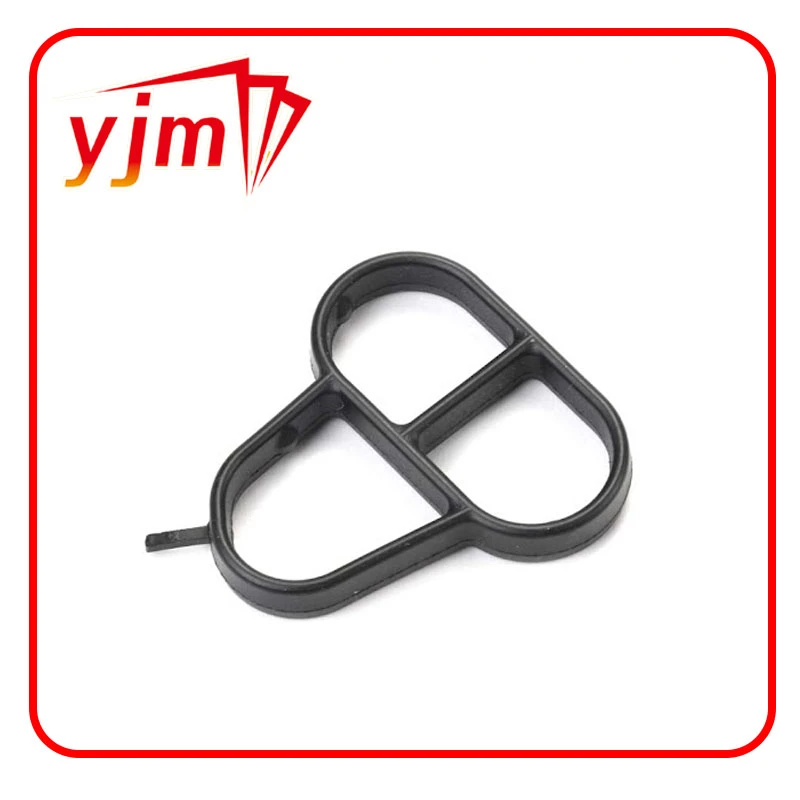
Genuine OEM Engine Oil Filter Housing Cover O-Ring For VW/Audi 06E115446
-
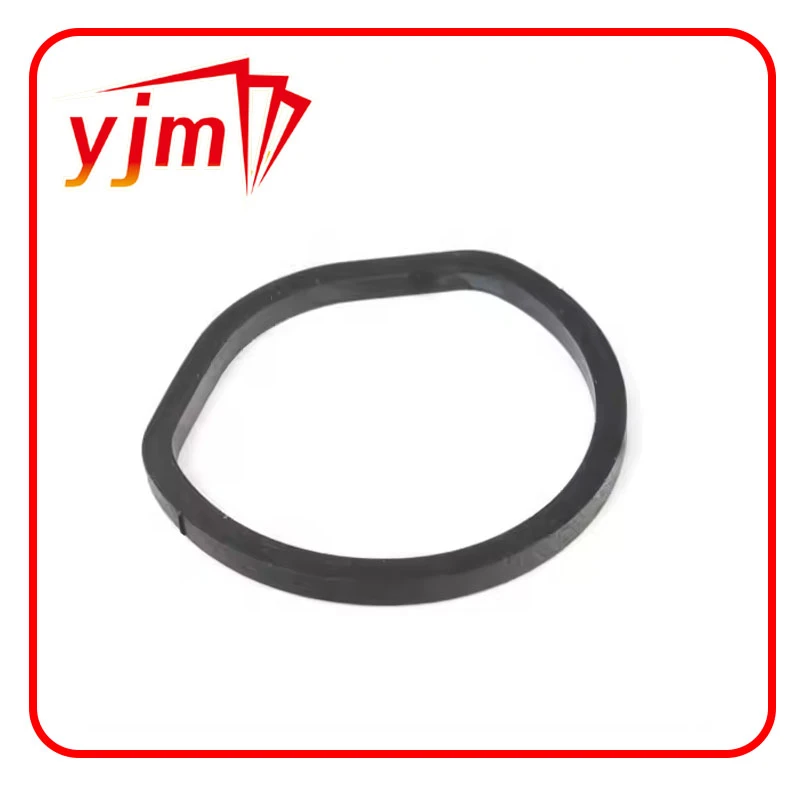
Oil Filter Stand Gasket,Oil filter cover seal
-
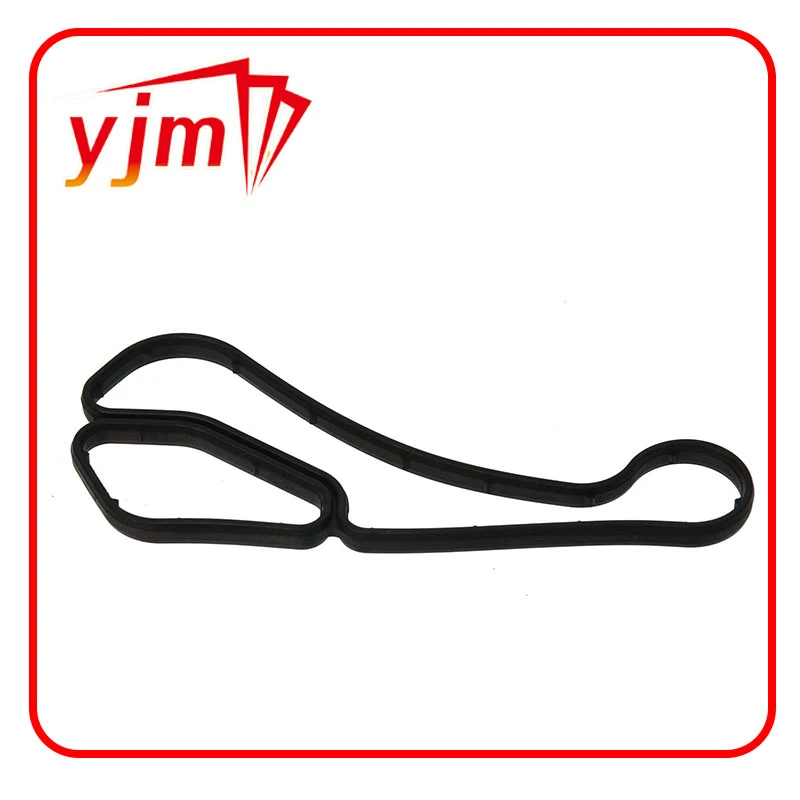
Oil Cooler Gasket, Oil Cooler to Oil Filter Housing 11427525335
-
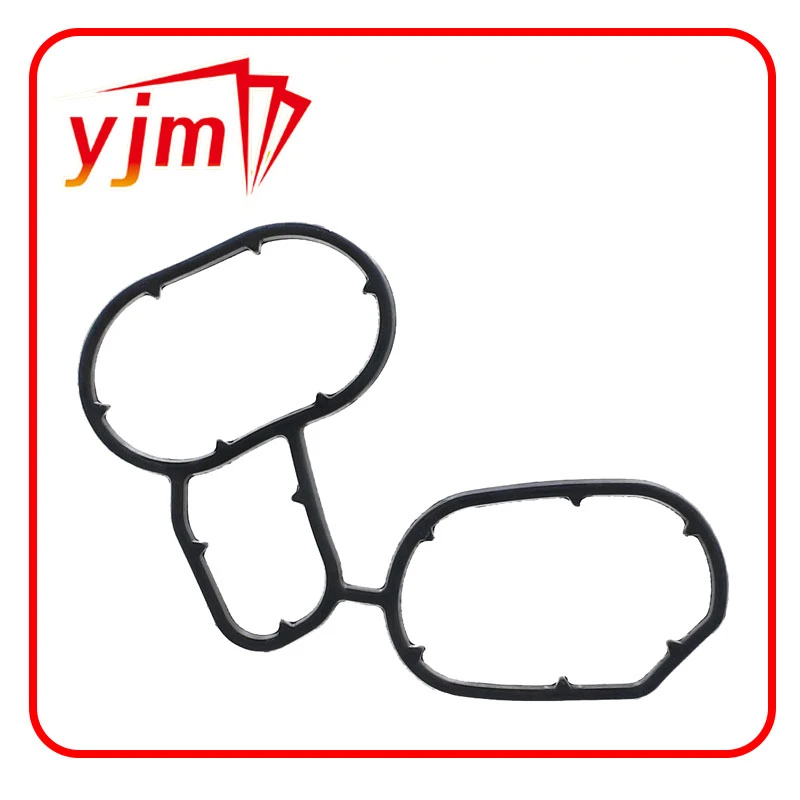
11427508970 BMW - OIL FILTER HOUSING GASKETS
-
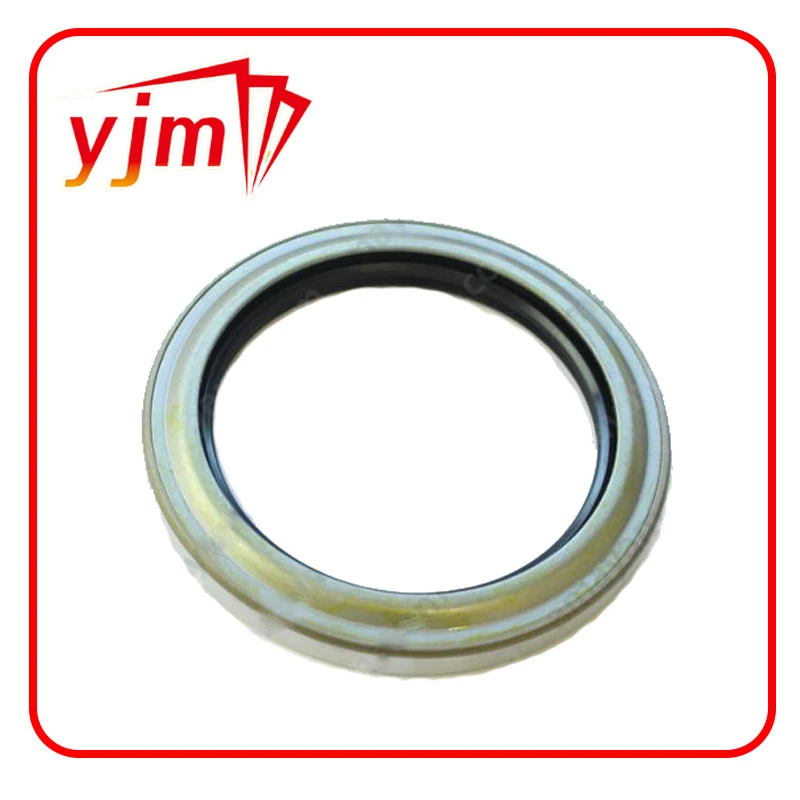
SEAL, OIL Genuine Toyota (9031170011)
-
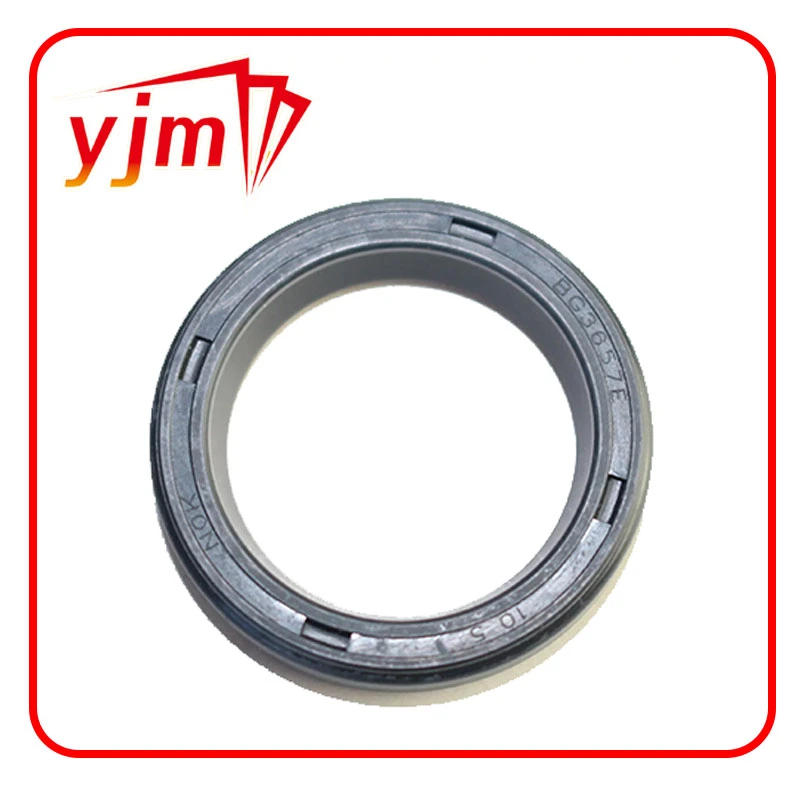
Transfer Case Output Shaft Seal Part 9031223001
-
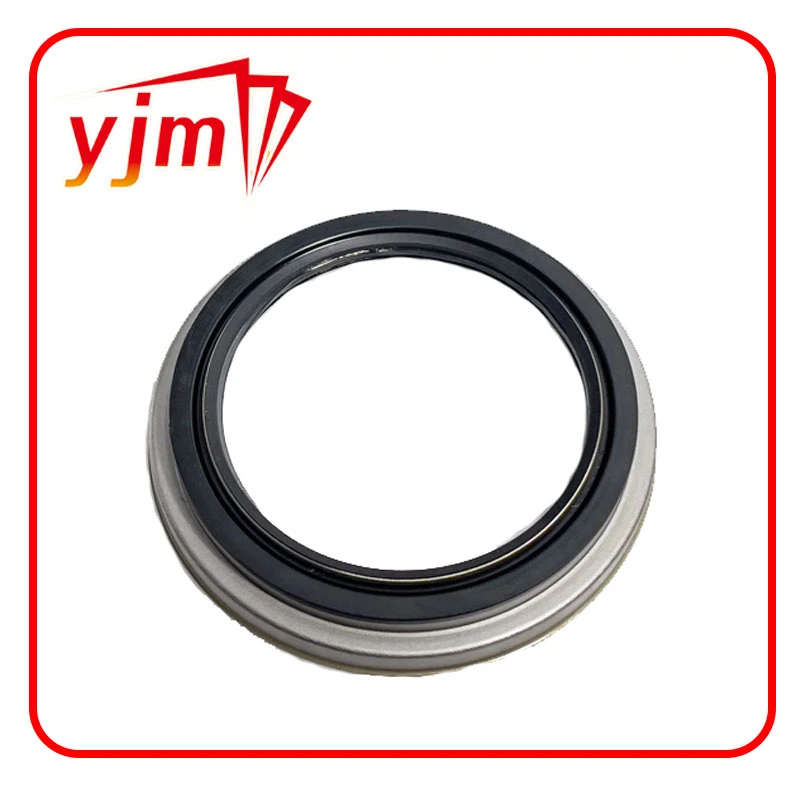
SEAL, OIL Genuine Toyota (9031672001)
-
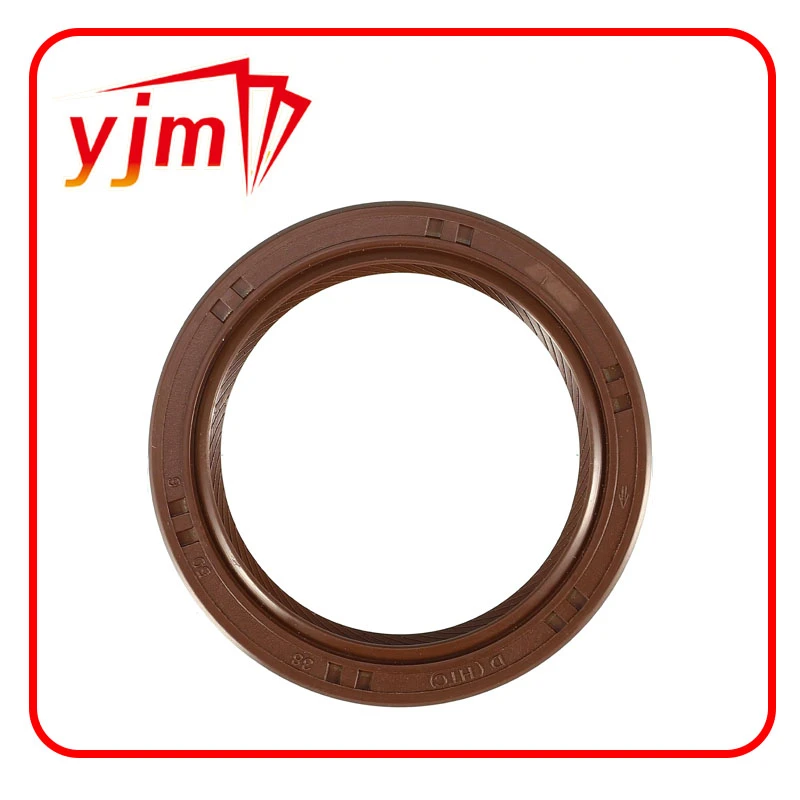
Engine Crankshaft Oil Seal No.9031138096
-
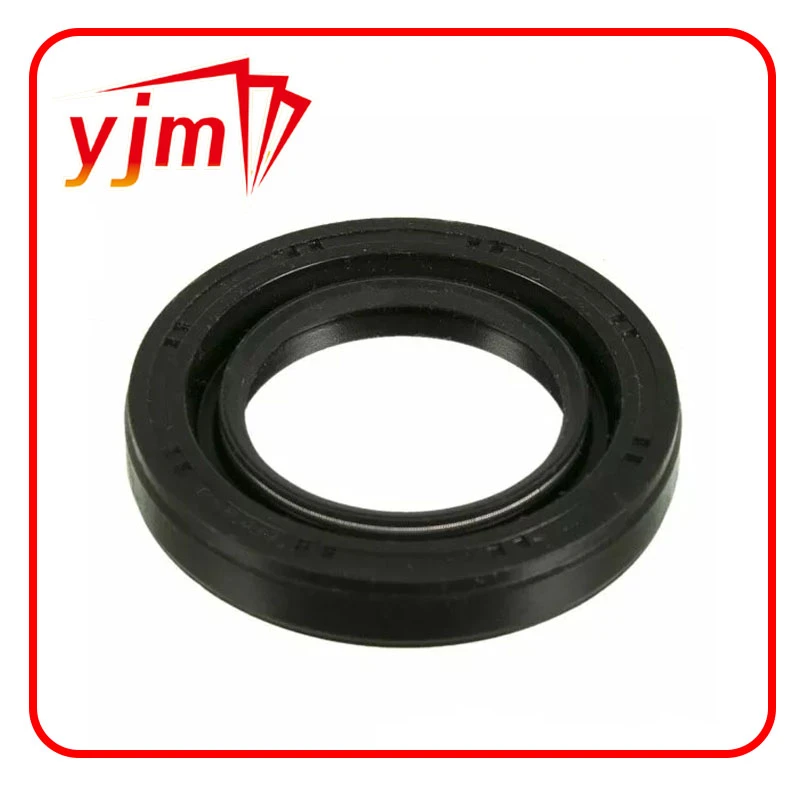
Toyota Transfer Case Output Shaft Seal Front 9031136006
-
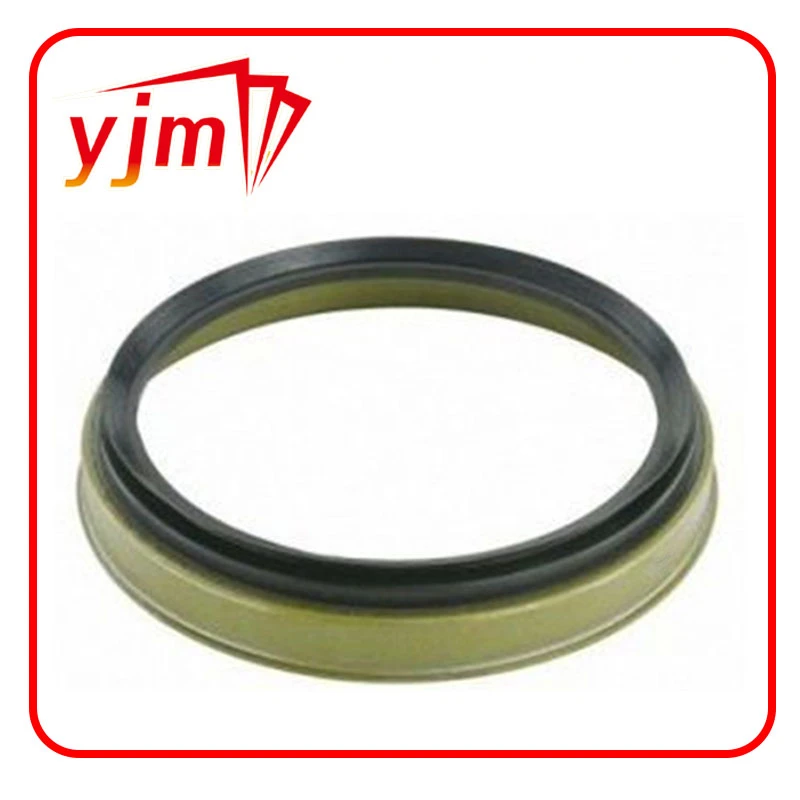
Seal, type v oil 9031287001 TOYOTA
-
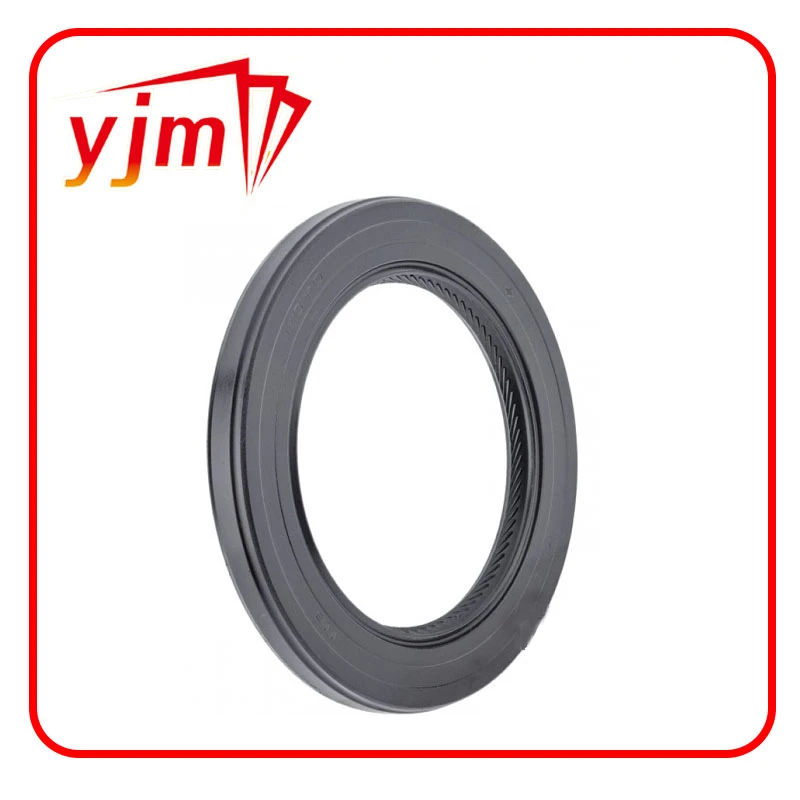
Oil pump seal 9031143010
-
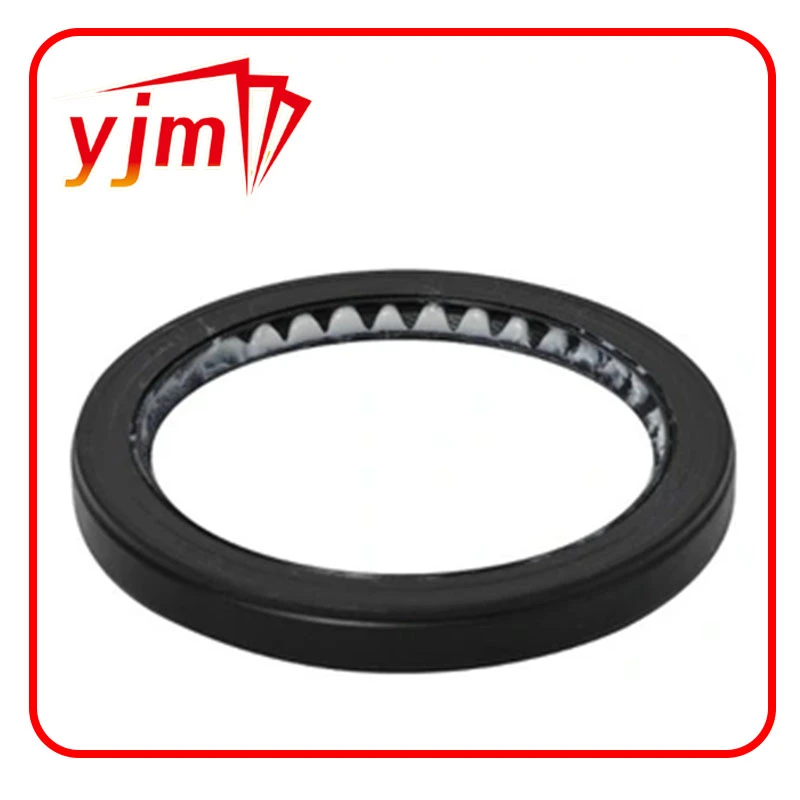
Genuine Toyota Oil SEAL 90311-54006
-
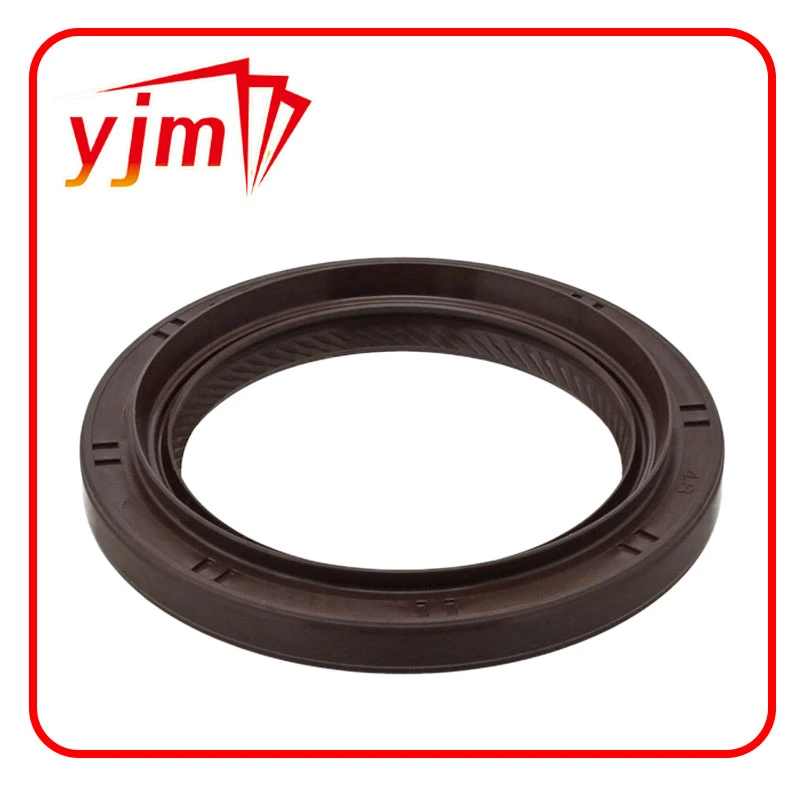
Toyota SEAL TYPE T OIL 90311-48031
-
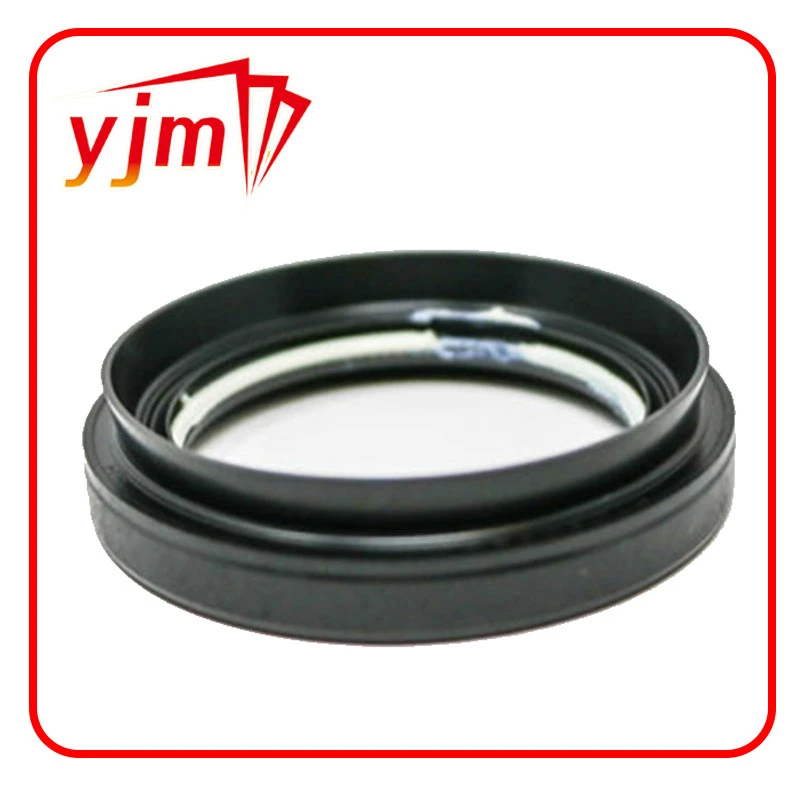
Type T Oil Seal, Front Drive Shaft, Left 9031150064
-
Seal, type d oil 9031634001 TOYOTA
 Afrikaans
 Albanian
 Amharic
 Arabic
 Armenian
 Azerbaijani
 Basque
 Belarusian
 Bengali
 Bosnian
 Bulgarian
 Catalan
 Cebuano
 Corsican
 Croatian
 Czech
Czech
 Danish
 Dutch
Dutch
 Esperanto
 Estonian
 Finnish
 French
 Frisian
 Galician
 Georgian
 German
 Greek
Greek
 Gujarati
 Haitian Creole
 Hausa
Hausa
 Hawaiian
 Hebrew
 Hindi
Hindi
 Miao
Miao
 Hungarian
 Icelandic
 Igbo
Igbo
 Indonesian
 Irish
Irish
 Italian
 Japanese
 Javanese
 Kannada
 Kazakh
 Khmer
Khmer
 Rwandese
 Korean
 Kurdish
 Kyrgyz
 Lao
Lao
 Latin
Latin
 Latvian
 Lithuanian
 Luxembourgish
 Macedonian
 Malgashi
 Malay
Malay
 Malayalam
 Maltese
 Maori
Maori
 Marathi
 Mongolian
 Myanmar
 Nepali
 Norwegian
 Norwegian
 Occitan
 Pashto
 Persian
 Polish
 Portuguese
 Punjabi
 Romanian
 Russian
 Samoan
 Scottish Gaelic
 Serbian
 Sesotho
 Shona
Shona
 Sindhi
 Sinhala
 Slovak
 Slovenian
 Somali
 Spanish
 Sundanese
 Swahili
 Swedish
 Tagalog
 Tajik
Tajik
 Tamil
Tamil
 Tatar
Tatar
 Telugu
 Thai
Thai
 Turkish
 Turkmen
 Ukrainian
 Urdu
Urdu
 Uighur
 Uzbek
Uzbek
 Vietnamese
 Welsh
Welsh
 Bantu
Bantu
 Yiddish
 Yoruba
 Zulu
Zulu
 English