Metal oil seals are critical components in a wide array of machinery and automotive applications, preventing lubricant leakage and maintaining optimal performance. Globally, the demand for high-quality, reliable seals is constantly increasing, driven by industrial growth and stricter environmental regulations. These seals, particularly metal oil seal designs, offer superior durability and resistance to harsh operating conditions.
The importance of metal oil seals extends beyond simple leak prevention. Efficient sealing directly impacts energy efficiency, reduces maintenance costs, and minimizes environmental contamination. This is especially crucial in industries like automotive, aerospace, and manufacturing, where even small leaks can lead to significant operational issues and safety concerns.
Understanding the nuances of metal oil seal technology is essential for engineers, maintenance professionals, and anyone involved in the design and operation of mechanical systems. Selecting the appropriate seal material and design is paramount to ensuring long-term reliability and maximizing equipment lifespan.
The Core Functionality of metal oil seal
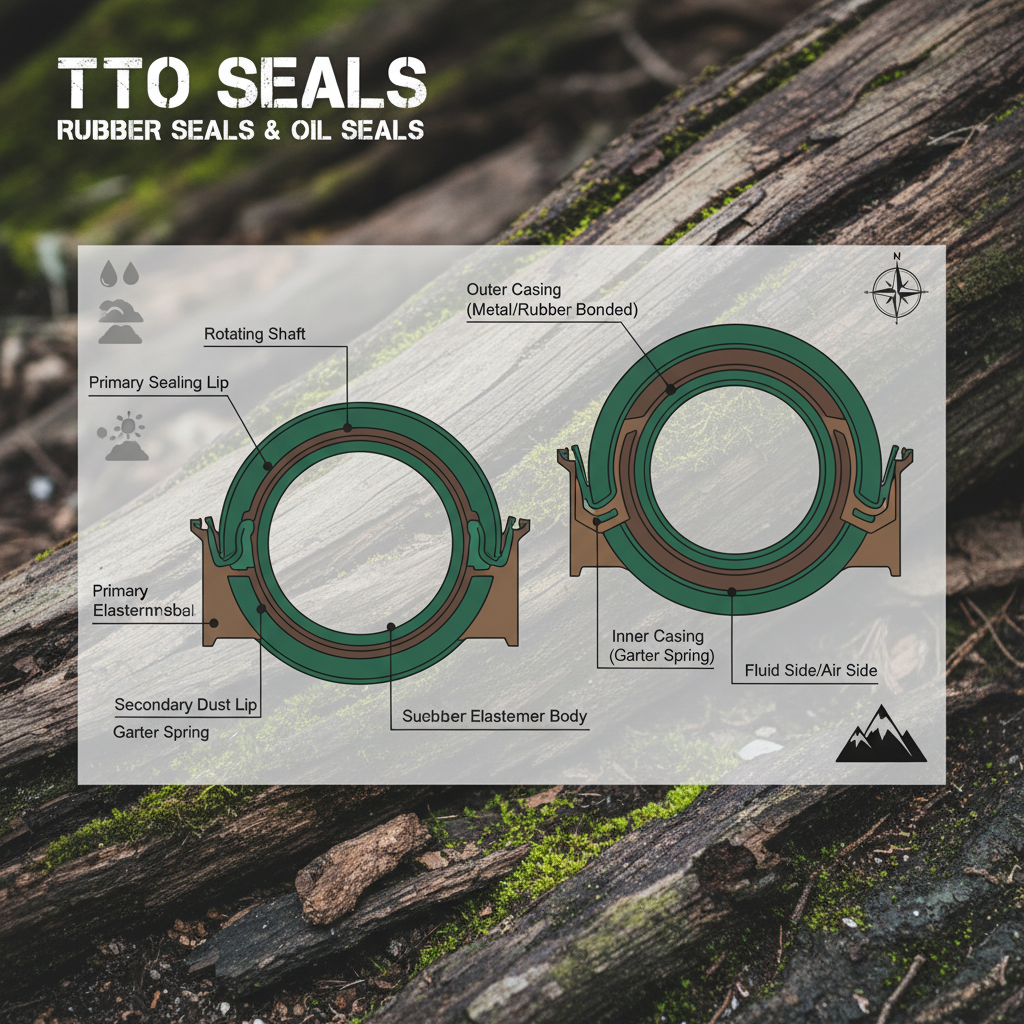
At its core, a metal oil seal prevents the leakage of fluids – typically oil or grease – from rotating or reciprocating machinery. The metal casing provides structural integrity and resistance to deformation under pressure, while the sealing lip, often made of rubber or PTFE, creates a tight barrier against the rotating shaft. The effectiveness of a metal oil seal directly correlates to maintaining optimal lubrication and preventing premature wear on critical components.
The function extends to keeping contaminants – dirt, dust, and debris – out of the system, protecting sensitive internal parts. This dual-action capability is what makes metal oil seals indispensable in environments where reliability and longevity are paramount.
The Global Landscape of metal oil seal Applications
The global market for oil seals is substantial, fueled by the continued growth of industries like automotive, heavy equipment, and manufacturing. Asia-Pacific represents the largest consumer base, driven by the rapid industrialization of countries like China and India. North America and Europe maintain strong demand, particularly in the automotive aftermarket and aerospace sectors. Metal oil seals are indispensable in virtually every industrialized nation.
According to a recent report by Grand View Research, the global oil seal market was valued at USD 4.5 billion in 2022 and is projected to reach USD 6.2 billion by 2030, growing at a CAGR of 4.2% from 2023 to 2030. This growth is driven by increasing automotive production, stricter emission standards, and the demand for higher-performance machinery.
The challenge facing the industry isn't just meeting demand, but adapting to evolving technological requirements, such as the increasing use of electric vehicles and the need for seals compatible with synthetic lubricants.
Defining and Understanding metal oil seal Technology
A metal oil seal, fundamentally, is a sealing device designed to prevent the leakage of fluids from mechanical systems. Unlike simpler gasket designs, oil seals are dynamic – they seal against moving parts, such as rotating shafts or reciprocating pistons. The 'metal' component refers to the outer case or reinforcement structure, which provides rigidity and dimensional stability.
The core sealing element is typically made from an elastomeric material – often nitrile rubber (NBR), silicone rubber (VMQ), or polytetrafluoroethylene (PTFE). The choice of material depends on the application's temperature range, chemical compatibility, and required level of sealing performance. The interplay between the metal casing and the elastomeric seal is crucial for achieving reliable and long-lasting sealing.
Metal oil seal technology is integral to the proper functioning of countless machines, from automobile engines to hydraulic pumps. Without these seals, systems would quickly fail due to lubricant loss, contamination, and subsequent wear and tear. The continuous refinement of seal materials and designs represents a significant contribution to modern engineering.
Key Performance Factors in metal oil seal Design
Several critical factors determine the performance and longevity of a metal oil seal. Durability is paramount; the seal must withstand constant friction and potential abrasion without failing. Compatibility with the fluid being sealed – oil, grease, coolant – is also crucial, as incompatible materials can swell, degrade, and compromise the seal's integrity.
Temperature resistance is another key consideration. Extreme temperatures can affect the material's elasticity and sealing ability. The seal's ability to maintain a tight fit under varying pressures is vital, as pressure fluctuations can cause leakage.
Comparative Performance of metal oil seal Materials
Real-World Applications of metal oil seal Across Industries
The automotive industry is the largest consumer of metal oil seals, utilizing them extensively in engines, transmissions, differentials, and steering systems. These seals prevent oil leakage, ensuring optimal engine performance and preventing damage to critical components.
In the aerospace industry, high-reliability seals are crucial for aircraft engines, hydraulic systems, and fuel systems. These seals must withstand extreme temperatures, pressures, and vibrations. Heavy machinery, like construction equipment and agricultural vehicles, rely on robust oil seals to maintain lubrication in engines, hydraulic cylinders, and gearboxes.
Advantages and Long-Term Value of Utilizing metal oil seal
Employing high-quality metal oil seals translates to significant cost savings over the long term. Reduced leakage minimizes lubricant consumption, lowering operational expenses. Preventing equipment failure through effective sealing reduces downtime and associated repair costs. The increased reliability and extended lifespan of machinery contribute to overall productivity gains.
Beyond economic benefits, the use of effective metal oil seal technology promotes environmental sustainability by minimizing oil contamination and reducing waste. It also enhances workplace safety by preventing slippery surfaces and potential fire hazards.
Future Trends and Challenges in metal oil seal Technology
The future of metal oil seal technology is closely tied to the broader trends of sustainability, digitalization, and automation. The development of eco-friendly seal materials, such as biodegradable elastomers, is gaining momentum. Smart seals, incorporating sensors to monitor seal performance and predict failure, are emerging as a promising innovation.
The increasing use of electric vehicles presents a unique challenge for seal manufacturers, as electric motors require different sealing solutions than internal combustion engines. The demand for seals compatible with new synthetic lubricants and coolants is also driving innovation.
Addressing these challenges will require ongoing research and development, as well as close collaboration between seal manufacturers, OEMs, and end-users.
Summary of Metal Oil Seal Performance Characteristics
| Material Type |
Temperature Resistance (°C) |
Chemical Compatibility |
Cost (Relative) |
| Nitrile Rubber (NBR) |
-40 to 120 |
Good for petroleum-based oils |
Low |
| Silicone Rubber (VMQ) |
-60 to 200 |
Excellent for wide range of fluids |
Medium |
| Viton (FKM) |
-20 to 200 |
Excellent for harsh chemicals and high temperatures |
High |
| PTFE |
-200 to 260 |
Virtually universal chemical resistance |
Medium-High |
| Hydrogenated Nitrile Butadiene Rubber (HNBR) |
-30 to 150 |
Improved oil and heat resistance compared to NBR |
Medium |
| Fluorosilicone (FVMQ) |
-50 to 200 |
Excellent for fuels and oils at high temperatures |
High |
FAQS
The lifespan of a metal oil seal varies significantly based on application, operating conditions, and seal material. Generally, a properly installed and maintained metal oil seal can last anywhere from 1,000 to 10,000 hours of operation. Factors like temperature extremes, abrasive contaminants, and high pressures can reduce lifespan. Regular inspection and preventative maintenance are crucial to maximizing seal longevity. A high-quality metal oil seal will invariably outlast inferior products.
Several factors are key when selecting a metal oil seal. The operating temperature range, the type of fluid being sealed, the shaft speed, and the pressure differential are all critical considerations. The material of the seal lip and the metal casing must be compatible with the application's environment. Furthermore, consider the expected load and the potential for contamination.
Proper installation is vital for preventing leakage. Ensure the sealing surface is clean and free of debris. Lubricate the seal lip with the fluid being sealed during installation. Use the correct installation tool to avoid damaging the seal. Avoid twisting or distorting the seal during installation, and ensure it is seated squarely in the bore.
Common causes of failure include improper installation, contamination, exceeding temperature or pressure limits, and incompatibility with the fluid being sealed. Shaft misalignment and excessive vibration can also contribute to premature failure. Regular inspection and preventative maintenance can help identify and address these issues before they lead to catastrophic failures.
Generally, metal oil seals are not designed for reuse. Once a seal has been installed and subjected to operating conditions, the sealing lip can become deformed or damaged. Reusing a seal compromises its sealing ability and increases the risk of leakage. It's best practice to always replace a seal whenever it's removed.
Bonded metal oil seals offer superior strength and dimensional stability compared to traditional rubber seals. The bonding process creates a permanent adhesion between the rubber lip and the metal casing, preventing separation and ensuring a tight seal. They're particularly well-suited for high-pressure and high-temperature applications.
Conclusion
Metal oil seals are indispensable components in a vast array of mechanical systems, providing critical leak prevention and protecting sensitive equipment. Understanding their functionality, materials, and proper application is essential for maximizing performance, extending equipment lifespan, and minimizing downtime. Selecting the right metal oil seal is an investment in long-term reliability and operational efficiency.
As technology advances, the demand for innovative sealing solutions will continue to grow. Embracing new materials, smart seal technology, and sustainable practices will be crucial for meeting the evolving needs of industries worldwide. Visit our website at www.yjmseal.com to explore our comprehensive range of metal oil seals and discover how we can help you optimize your sealing solutions.





 English
  Afrikaans
  Albanian
  Amharic
  Arabic
  Armenian
  Azerbaijani
  Basque
  Belarusian
  Bengali
  Bosnian
  Bulgarian
  Catalan
  Cebuano
  Corsican
  Croatian
  Czech
Czech  Danish
  Dutch
Dutch  Esperanto
  Estonian
  Finnish
  French
  Frisian
  Galician
  Georgian
  German
  Greek
Greek  Gujarati
  Haitian Creole
  Hausa
Hausa  Hawaiian
  Hebrew
  Hindi
Hindi  Miao
Miao  Hungarian
  Icelandic
  Igbo
Igbo  Indonesian
  Irish
Irish  Italian
  Japanese
  Javanese
  Kannada
  Kazakh
  Khmer
Khmer  Rwandese
  Korean
  Kurdish
  Kyrgyz
  Lao
Lao  Latin
Latin  Latvian
  Lithuanian
  Luxembourgish
  Macedonian
  Malgashi
  Malay
Malay  Malayalam
  Maltese
  Maori
Maori  Marathi
  Mongolian
  Myanmar
  Nepali
  Norwegian
  Norwegian
  Occitan
  Pashto
  Persian
  Polish
  Portuguese
  Punjabi
  Romanian
  Russian
  Samoan
  Scottish Gaelic
  Serbian
  Sesotho
  Shona
Shona  Sindhi
  Sinhala
  Slovak
  Slovenian
  Somali
  Spanish
  Sundanese
  Swahili
  Swedish
  Tagalog
  Tajik
Tajik  Tamil
Tamil  Tatar
Tatar  Telugu
  Thai
Thai  Turkish
  Turkmen
  Ukrainian
  Urdu
Urdu  Uighur
  Uzbek
Uzbek  Vietnamese
  Welsh
Welsh  Bantu
Bantu  Yiddish
  Yoruba
  Zulu
Zulu