The Front Crankcase Seal Explained: Key Roles, Benefits & Innovations
Understanding the Front Crankcase Seal: An Essential Component in Engine Reliability
When you peek under the hood of a vehicle or a piece of heavy machinery, one obscure but vital component often escapes the spotlight: the front crankcase seal. Although it sounds technical and a bit mysterious, this small yet crucial seal keeps engines running smoothly worldwide. With the automotive industry evolving toward greater efficiency and durability, understanding the role and advancements of front crankcase seals offers insights not only for engineers and mechanics but also for anyone serious about equipment longevity and safety.
Global Context: Why the Front Crankcase Seal Matters on a Large Scale
The global engine and machinery market is immense — with over 85 million combustion engines produced annually around the world (ISO data, 2022). The front crankcase seal is a fundamental element in these engines, preventing leaks that could lead to oil loss, contamination, or costly failures. In a world aiming to reduce carbon emissions and improve sustainability, even small inefficiencies like a failing seal can have a multiplied impact on fuel consumption and emissions.
Roughly 20% of engine failures in industrial applications are traced back to seal degradation or failure (World Bank Energy Sector Report, 2021). This statistic highlights the financial and environmental urgency of using reliable front crankcase seal technology globally.
What Is a Front Crankcase Seal?
Put simply, the front crankcase seal is a ring-shaped gasket located at the front end of an engine’s crankshaft. Its job? To keep the lubricating oil inside the engine and keep dust, dirt, and debris out. Without it, the engine oil could leak onto belts or the environment — a safety and mechanical hazard.
Modern engines, whether in cars, motorcycles, or industrial machines, rely heavily on this seal to maintain internal pressures and lubrication integrity. You can think of it as a tiny gatekeeper that preserves engine health, vital both for performance and for meeting increasingly strict emissions standards.
Key Aspects of Front Crankcase Seals
Durability and Material Composition
Most seals are made from advanced elastomers combined with reinforced rubber or polytetrafluoroethylene (PTFE). These materials resist heat, oil exposure, and wear for extended periods, sometimes upwards of 100,000 miles for automotive engines. The choice of material depends heavily on engine operating temperatures and chemical environment.
Precision Manufacturing and Fit
Precision is everything because even tiny imperfections cause leaks. These seals are engineered to fit tightly against the rotating crankshaft, with minimal friction to minimize wear. Advances in CNC machining and molding processes significantly reduce rejection rates and improve performance.
Cost Efficiency
Seals may seem inexpensive, but their failure leads to costly oil leaks, engine damage, and downtime. Efficiently manufactured, high-quality front crankcase seals save engines — and budgets — in the long run.
Environmental Impact
Good seals prevent oil leaks which not only protect the engine but also reduce direct pollution. This is a small, often overlooked way engine design contributes to environmental protection.
Product Specifications at a Glance
| Specification | Typical Value | Notes |
|---|---|---|
| Material | Nitrile Rubber (NBR), PTFE | Depends on engine requirements |
| Temperature Range | -40°C to 130°C | Withstands engine heat |
| Shaft Diameter Compatibility | 20mm - 60mm | Varies by engine model |
| Service Life | 50,000 - 100,000 miles | Under normal operating conditions |
How Are Front Crankcase Seals Used Across the Globe?
From the busy assembly plants in Germany’s automotive hubs to remote oil rigs in the Middle East, front crankcase seals are everywhere engines churn. In developing economies, reliable sealing solutions have helped reduce downtime in agricultural machinery, which is often critical during planting seasons.
For example, in post-disaster recovery zones — where power generators are life-saving equipment — high-performance seals ensure minimal maintenance, enhancing reliability and response capabilities. Similarly, in harsh environments like Siberia or the Australian Outback, these seals are engineered to withstand extreme cold or heat respectively.
Comparison of Leading Front Crankcase Seal Suppliers
| Supplier | Material Expertise | Typical Lead Time | Quality Certifications | Industries Served |
|---|---|---|---|---|
| YJM Seal | NBR, PTFE, Viton | 2-4 weeks | ISO 9001, TS16949 | Automotive, Industrial |
| SKF | PTFE, Polyurethane | 1-3 weeks | ISO 9001 | Automotive, Aerospace |
| Freudenberg | NBR, Silicone | 3-5 weeks | ISO 14001, ISO 9001 | Automotive, Industrial |
Advantages and Long-Term Benefits of Quality Front Crankcase Seals
It’s not just about keeping oil in — a reliable front crankcase seal means less frequent repairs, fewer emergency breakdowns, and reduced environmental contamination. From the perspective of fleet managers, this translates into predictable maintenance costs and enhanced operational uptime.
On an emotional level, it’s comforting to know that decades of engineering innovation are protecting something as essential as an engine’s heart. The dignity of having a trustworthy machine, especially in places where a breakdown could be catastrophic, cannot be understated.
Future Trends in Front Crankcase Seal Technology
We are seeing several exciting developments:
- Eco-friendly Materials: New bio-based elastomers and recyclable components aim to reduce lifecycle environmental footprints.
- Smart Seals: Sensors embedded within seals to monitor wear and temperature are becoming a practical solution for predictive maintenance.
- Advanced Coatings: Low-friction and wear-resistant coatings prolong seal life under extreme conditions.
These trends align closely with broader industrial moves toward sustainability and digital transformation.
Challenges and How Experts Are Overcoming Them
Sudden temperature fluctuations or improper installation still cause many front crankcase seal failures. Engineers now advocate for stricter quality control during manufacturing and installation training. Additionally, new sealing designs with flexible lips and stronger materials help accommodate shaft misalignment and vibration.
Frankly, the seal might seem simple, but it’s a subtle art mixing chemistry, mechanics, and real-world operational insights.
FAQ: Frequently Asked Questions About Front Crankcase Seals
- Q1: How do I know if my front crankcase seal is failing?
- A1: Common signs include oil leaks near the crankshaft, unusual engine noises, or a burning oil smell. Regular inspection during oil changes can catch problems early.
- Q2: Can I replace the front crankcase seal myself?
- A2: While possible for experienced DIYers, it’s best handled by trained technicians. Precise fitting and seal quality are critical to avoid leaks or damage.
- Q3: How long should a front crankcase seal typically last?
- A3: Under normal use, expect 50,000 to 100,000 miles. Extreme conditions may shorten lifespan.
- Q4: Are aftermarket seals as good as OEM?
- A4: High-quality aftermarket seals can match OEM standards, but always verify manufacturing specs and certifications.
- Q5: What industries benefit most from improved front crankcase seal technology?
- A5: Automotive, industrial machinery, aerospace, and energy sectors all see improvements in reliability and reduced maintenance costs.
Conclusion: Why Front Crankcase Seals Are a Small Part with a Big Role
In summary, the front crankcase seal may be an unsung hero in engine technology, but its impact is far-reaching—from protecting engines and the environment to saving money and downtime. Whether you’re a mechanic, fleet operator, or just curious about vehicle care, understanding this component can make a difference.
If you want to explore top-quality seals or learn more, don’t hesitate to visit our website — a great resource for trusted products and expert advice.
Mini takeaway: Next time you hear about engine maintenance, remember the front crankcase seal—small in size but mighty in importance.
References
-
Guide to Choosing the Right Washer for Oil Change and Sealing
News Apr.16,2026
-
Essential Guide to High Quality rubber washer oil drain plug
News Apr.09,2026
-
Understanding Rubber Crush Washers for Optimal Sealing Performance
News Apr.07,2026
-
Comprehensive Guide to Understanding and Reusing Crush Washer for Optimal Sealing
News Apr.04,2026
-
The Vital Role of a Drain Screw Gasket in Fluid System Integrity
News Mar.31,2026
-
The Essential Guide to Drain Crush Washer Selection and Plumbing Leak Prevention
News Mar.28,2026
-
The Vital Role of a Crush Washer in Oil Changes for Engine Protection
News Mar.26,2026
Products categories
-
Brass cutlass marine bearing
-
Genuine OEM Engine Oil Filter Housing Cover O-Ring For VW/Audi 06E115446
-
Oil Filter Stand Gasket,Oil filter cover seal
-
Oil Cooler Gasket, Oil Cooler to Oil Filter Housing 11427525335
-
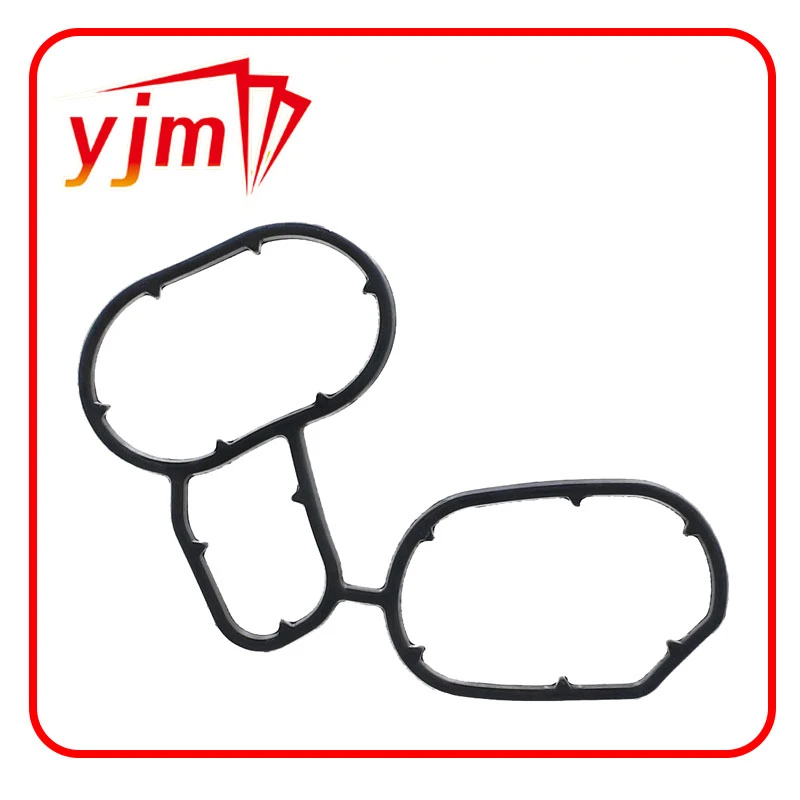
11427508970 BMW - OIL FILTER HOUSING GASKETS
-
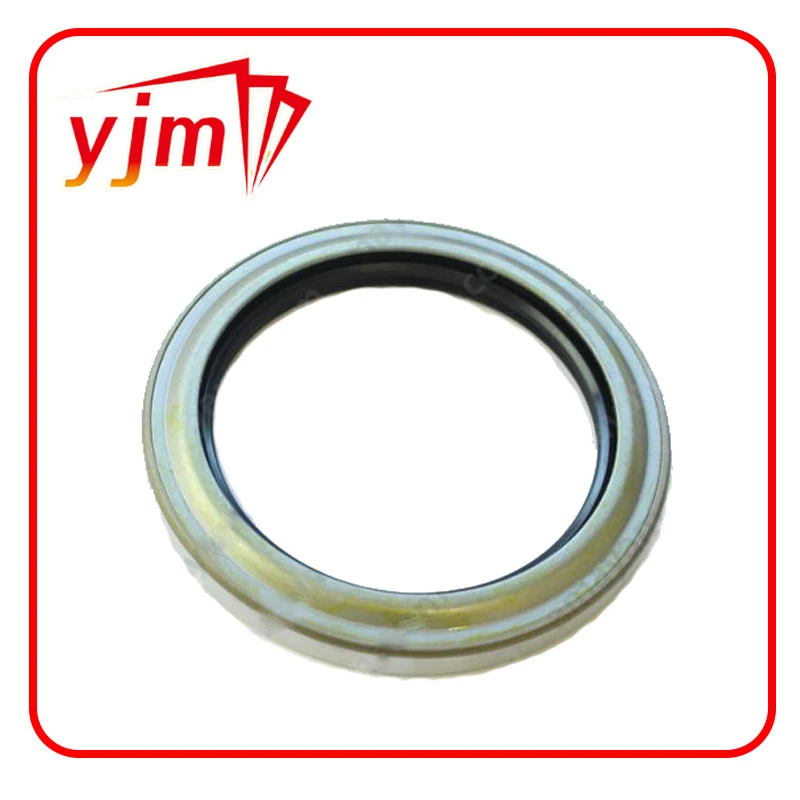
SEAL, OIL Genuine Toyota (9031170011)
-
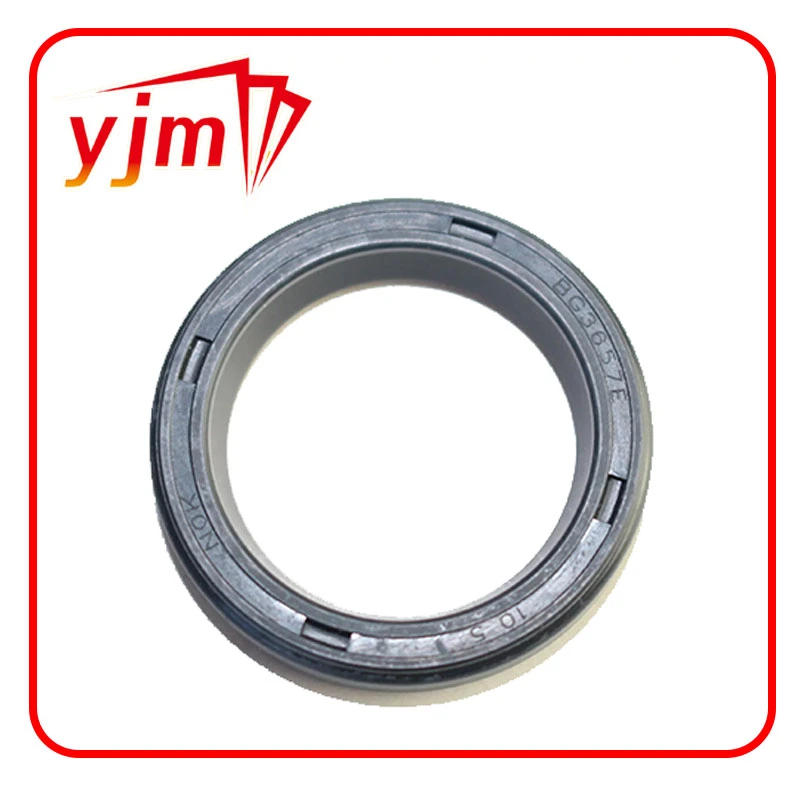
Transfer Case Output Shaft Seal Part 9031223001
-
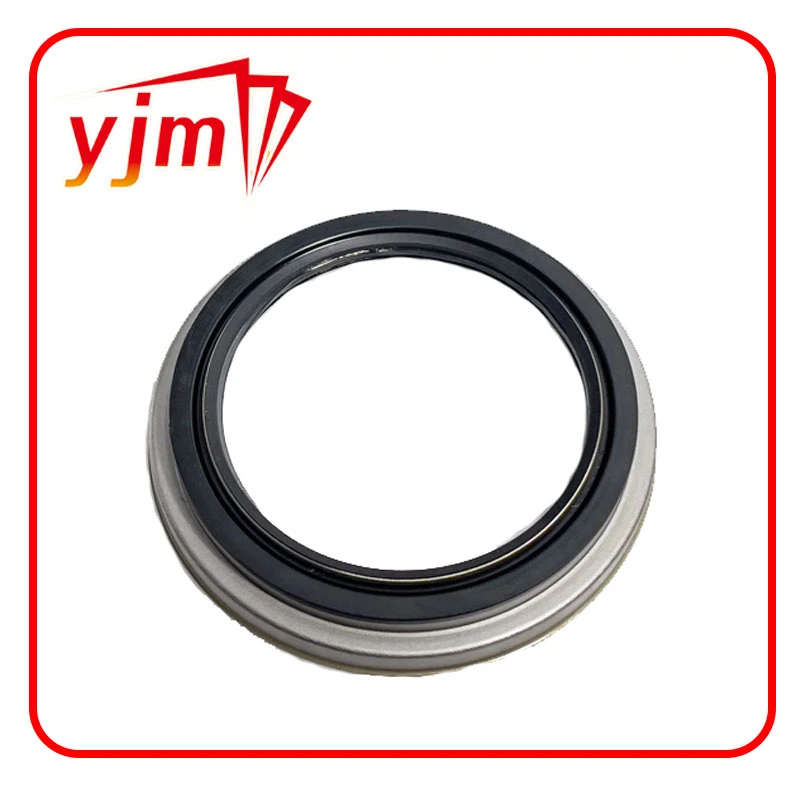
SEAL, OIL Genuine Toyota (9031672001)
-
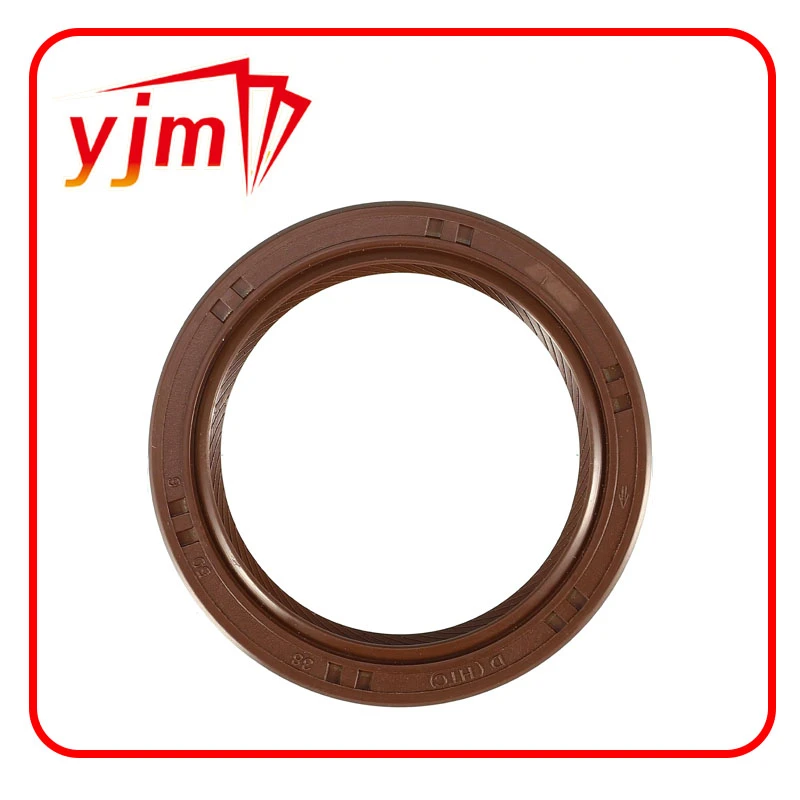
Engine Crankshaft Oil Seal No.9031138096
-
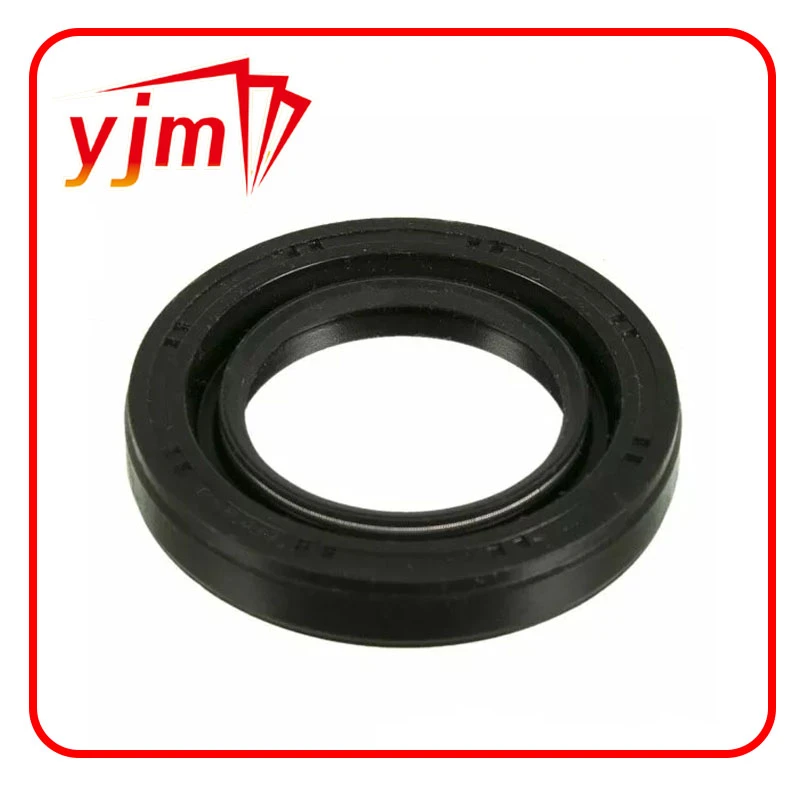
Toyota Transfer Case Output Shaft Seal Front 9031136006
-
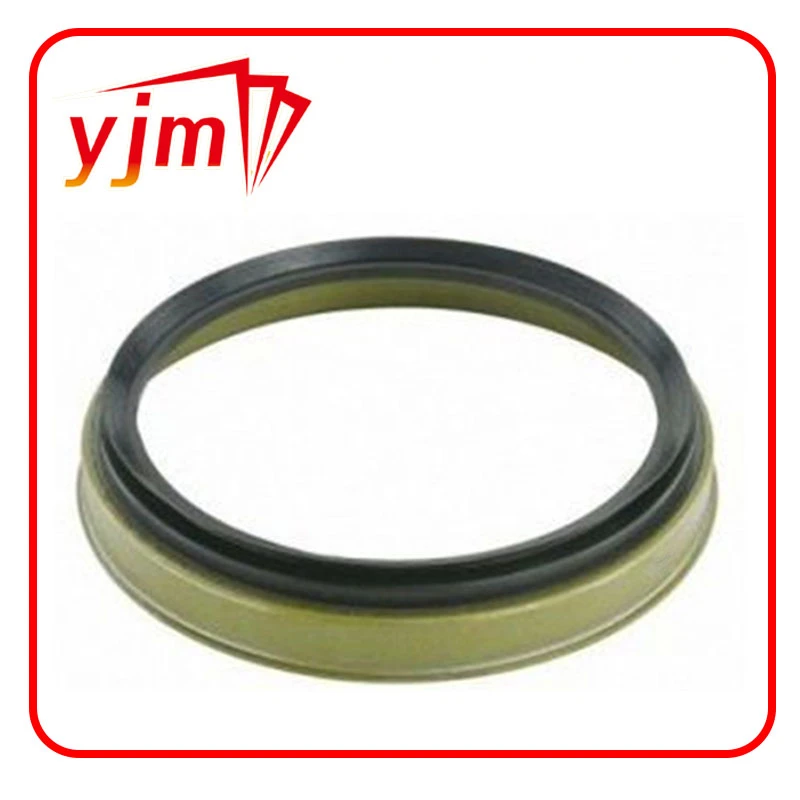
Seal, type v oil 9031287001 TOYOTA
-
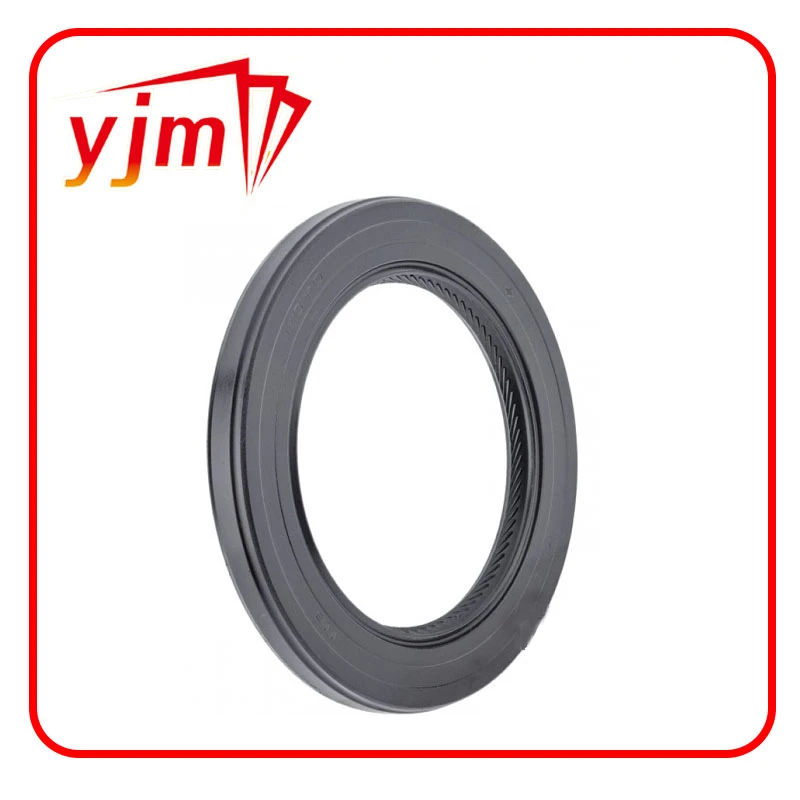
Oil pump seal 9031143010
-
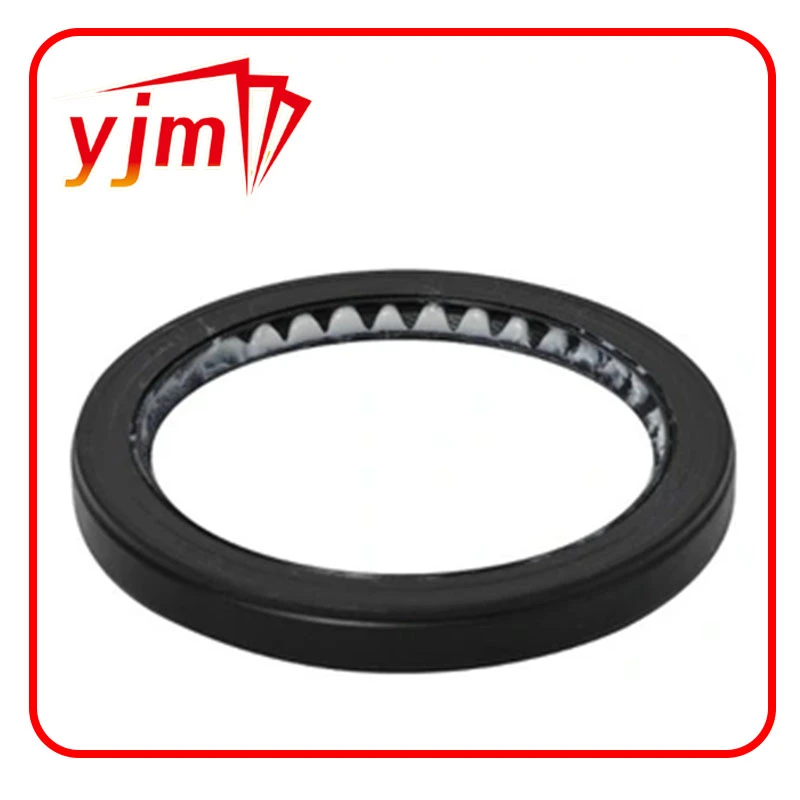
Genuine Toyota Oil SEAL 90311-54006
-
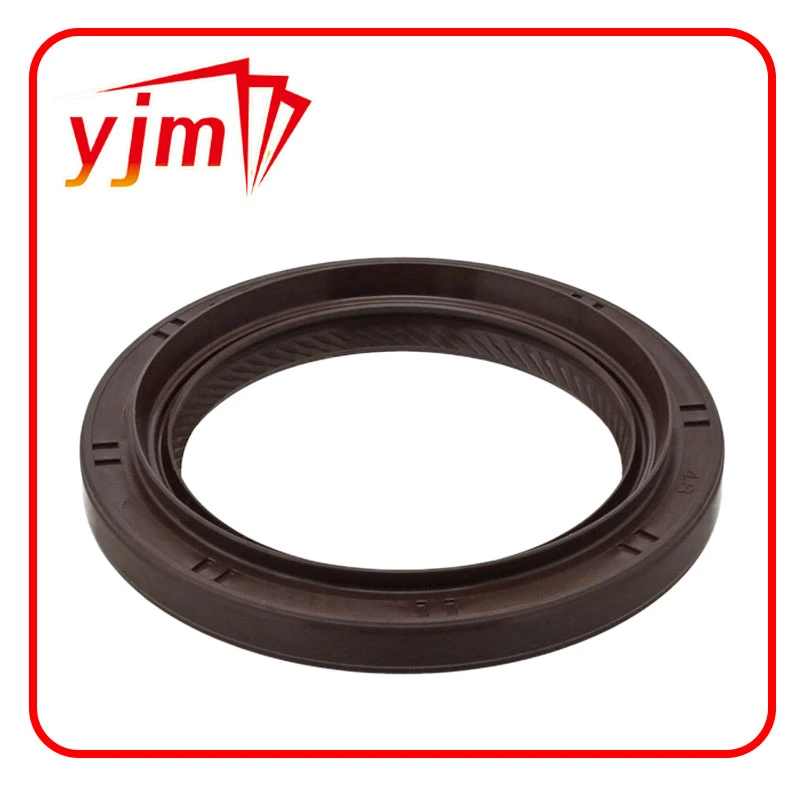
Toyota SEAL TYPE T OIL 90311-48031
-
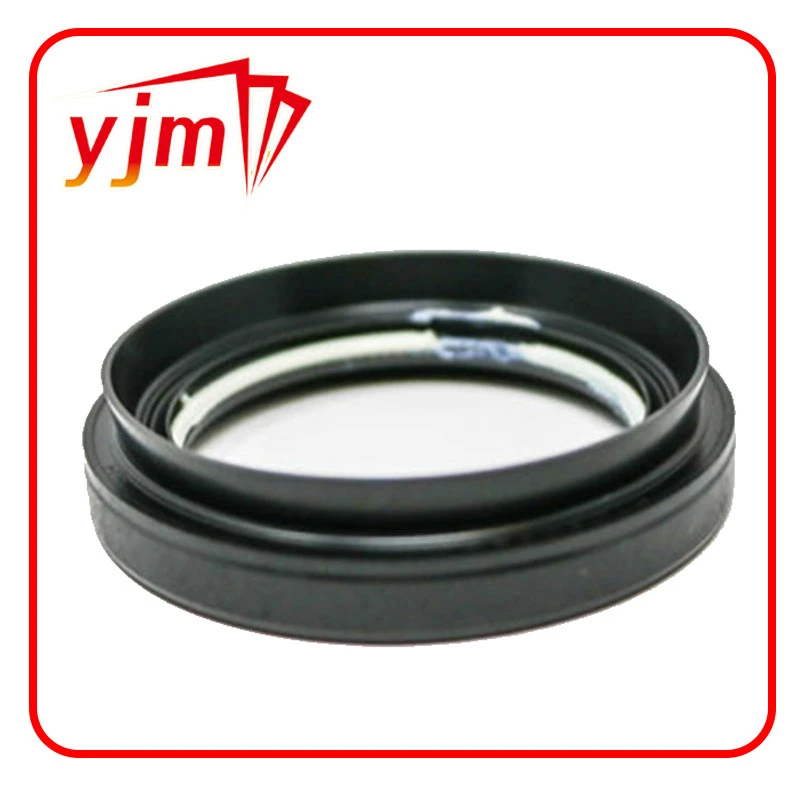
Type T Oil Seal, Front Drive Shaft, Left 9031150064
-
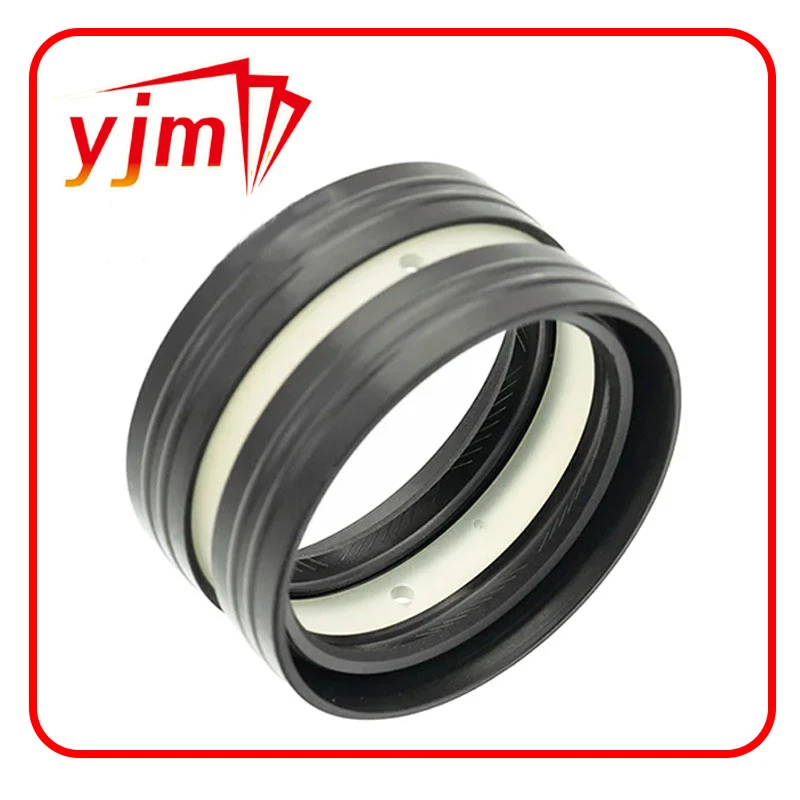
Seal, type d oil 9031634001 TOYOTA
 Afrikaans
 Albanian
 Amharic
 Arabic
 Armenian
 Azerbaijani
 Basque
 Belarusian
 Bengali
 Bosnian
 Bulgarian
 Catalan
 Cebuano
 Corsican
 Croatian
 Czech
Czech
 Danish
 Dutch
Dutch
 Esperanto
 Estonian
 Finnish
 French
 Frisian
 Galician
 Georgian
 German
 Greek
Greek
 Gujarati
 Haitian Creole
 Hausa
Hausa
 Hawaiian
 Hebrew
 Hindi
Hindi
 Miao
Miao
 Hungarian
 Icelandic
 Igbo
Igbo
 Indonesian
 Irish
Irish
 Italian
 Japanese
 Javanese
 Kannada
 Kazakh
 Khmer
Khmer
 Rwandese
 Korean
 Kurdish
 Kyrgyz
 Lao
Lao
 Latin
Latin
 Latvian
 Lithuanian
 Luxembourgish
 Macedonian
 Malgashi
 Malay
Malay
 Malayalam
 Maltese
 Maori
Maori
 Marathi
 Mongolian
 Myanmar
 Nepali
 Norwegian
 Norwegian
 Occitan
 Pashto
 Persian
 Polish
 Portuguese
 Punjabi
 Romanian
 Russian
 Samoan
 Scottish Gaelic
 Serbian
 Sesotho
 Shona
Shona
 Sindhi
 Sinhala
 Slovak
 Slovenian
 Somali
 Spanish
 Sundanese
 Swahili
 Swedish
 Tagalog
 Tajik
Tajik
 Tamil
Tamil
 Tatar
Tatar
 Telugu
 Thai
Thai
 Turkish
 Turkmen
 Ukrainian
 Urdu
Urdu
 Uighur
 Uzbek
Uzbek
 Vietnamese
 Welsh
Welsh
 Bantu
Bantu
 Yiddish
 Yoruba
 Zulu
Zulu
 English