Engine Crank Seal: Global Importance, Key Benefits, and Future Trends
Engine Crank Seal: What It Is and Why It Matters Globally
When you think about the engine crank seal, it might seem like a small, almost insignificant part tucked inside an engine. But frankly, understanding this component unlocks insights into global industrial efficiency, environmental sustainability, and vehicle reliability. The engine crank seal—sometimes known as the crankshaft seal—plays a vital role in keeping engines running smoothly by preventing oil leaks and contamination. This article dives in to explore why it matters worldwide, the core components involved, its applications, and new trends shaping its future.
Global Context and Industry Significance
Worldwide, the automotive and industrial sectors consume billions of dollars annually just maintaining engines and related machinery. According to the International Organization for Standardization (ISO), effective sealing technologies like engine crank seal can reduce maintenance costs while boosting operational uptime. In developing regions, where heavy machinery reliability is vital for infrastructure and agriculture, a faulty crank seal can cause costly downtime. Oddly enough, despite its importance, this tiny component often gets overlooked in broader sustainability conversations, yet a leaking seal can lead to oil spillage and environmental pollution—a challenge the UN Environment Programme highlights as pressing.
What is an Engine Crank Seal?
Put simply, an engine crank seal is a mechanical seal fitted around the crankshaft where it exits the engine block, designed to contain lubricating oil inside the engine and keep dirt or water out. Picture it as a gatekeeper stopping contaminants from entering and oil from escaping, preserving the engine's internal environment. The seal connects directly to modern transportation needs and humanitarian lifelines—as reliable engines power ambulances, machinery, and generators in various settings.
Core Components and Key Factors
Durability
Effective crank seals withstand heat, friction, and chemical exposure for long mileage. Materials like Viton® or high-grade nitrile rubber provide resistance against degradation. This ensures fewer replacements and less downtime.
Precision Engineering
Optimal fit around the crankshaft is critical to avoid leaks but also to reduce wear on the shaft itself. Manufacturers invest heavily in precision tooling to maintain tight tolerances.
Cost Efficiency
Balancing quality with affordability allows wider adoption, especially in emerging markets. The seal's life cycle cost—including installation and replacement—is a crucial consideration.
Environmental Resistance
Sealing must resist exposure to chemicals, salt, dust, and moisture—especially for off-road or marine applications.
Compatibility
Modern engines incorporate sensors and emissions controls, so crank seals must sometimes integrate with additional technologies, like carbon seals or PTFE coatings.
Product Specification Table
| Specification | Typical Value | Notes |
|---|---|---|
| Material | Nitrile Rubber (NBR), Viton® | Depends on heat & chemical resistance needed |
| Temperature Range | -40°C to 150°C | Varies by compound used |
| Shaft Diameter Range | 15 mm to 150 mm | Custom sizes available |
| Pressure Rating | Up to 1 MPa | Suitable for most automotive engines |
| Life Expectancy | 50,000 - 100,000 miles | Dependent on operating conditions |
Mini takeaway: The engine crank seal might be small, but its material, precision, and resistance determine how long machines keep humming without costly oil leaks.
Global Applications & Use Cases
Crank seals are everywhere—from passenger cars in dense urban areas of Europe to heavy machinery in South American mining operations. In Asia’s vast agricultural sector, reliable seals mean tractors and irrigation pumps run through planting seasons without breakdowns. In high-stakes disaster relief operations, generators powered by diesel engines equipped with robust crank seals are lifesavers, literally, by providing power reliably without sudden malfunctions.
One notable example is in parts of Africa, where remote industrial zones rely heavily on continuous operation of heavy equipment. The cost of frequent equipment downtime due to a leaking seal can cripple projects, so companies are investing in higher-quality seals with better durability and installation guidance.
Vendor Comparison Table
| Vendor | Material Options | Customization | Lead Time | Price Range |
|---|---|---|---|---|
| YJM Seal | NBR, Viton, PTFE composite | Full customization on size & material | 2-4 weeks | Competitive |
| Global Seals Inc. | Standard NBR, Silicone | Limited customization | 4-6 weeks | Mid-range |
| SealTech Solutions | NBR, Viton, Silicone | Moderate customization | 3-5 weeks | Premium |
Mini takeaway: Choosing the right vendor depends on your need for material diversity, customization, and how fast you need the seals in hand.
Advantages and Long-Term Value
The benefits of using a high-quality engine crank seal extend beyond just the technical. Firstly, reducing leakage translates directly to lower oil consumption and fewer repairs—meaning cost savings that add up over time. There’s also an undeniable emotional value: well-maintained engines engender trust, reliability, and safety, especially for commercial drivers and workers relying on machinery daily.
Environmentally, better seals reduce oil spills and contamination risks—a win for sustainability efforts worldwide. There's also social impact when less downtime means more jobs kept active, and communities stay productive without interruptions.
Future Trends and Innovations
Looking forward, the industry is pivoting towards environmentally friendly materials to replace petroleum-based rubbers. Bio-based elastomers and advanced composites are gaining traction. Plus, digital monitoring—embedding sensors in seals to track wear in real time—is an exciting frontier aligning with Industry 4.0. Automation in manufacturing is improving consistency, while tighter emissions standards require seals to perform flawlessly under tougher conditions.
Challenges & Expert Solutions
That said, challenges persist. Installation errors remain a leading cause of premature seal failure, and improper material selection can lead to rapid wear. Suppliers like YJM Seal emphasize providing detailed installation guides and consultation to address this. Additionally, harsh operating environments test boundaries—engineers often recommend tailored solutions or coatings for extreme chemical exposure or temperature fluctuations.
FAQ: Frequently Asked Questions About Engine Crank Seal
- Q: How often should an engine crank seal be replaced?
A: It varies by usage and conditions but typically between 50,000 to 100,000 miles. Signs like oil leaks or noises from the crankshaft area suggest inspection. - Q: Can I reuse my old crank seal after engine repairs?
A: Generally, reusing old seals is not recommended as their elasticity and sealing capabilities degrade after disassembly. Replacement ensures reliability. - Q: Are there environmental certifications for engine crank seals?
A: Some manufacturers comply with ISO 14001 environmental management standards and use eco-friendly materials to reduce ecological impacts. - Q: What should I consider when choosing a crank seal for high-performance engines?
A: Look for seals with specialized materials like Viton and coatings that resist higher temperatures and chemical exposure.
Conclusion: Why Engine Crank Seal Matters To You
All told, the engine crank seal—often unseen and underrated—is fundamental in keeping engines efficient, reliable, and cleaner for the planet. For industries across the globe, choosing the right seal touches on sustainability, cost savings, and operational confidence. Curious to learn more or find premium seals? Visit our website for detailed product info and expert consultation tailored to your needs.
Reflecting on these small yet mighty components is a reminder that sometimes the smallest cogs keep the whole world turning— quietly but indispensably.
References
-
Guide to Choosing the Right Washer for Oil Change and Sealing
News Apr.16,2026
-
Essential Guide to High Quality rubber washer oil drain plug
News Apr.09,2026
-
Understanding Rubber Crush Washers for Optimal Sealing Performance
News Apr.07,2026
-
Comprehensive Guide to Understanding and Reusing Crush Washer for Optimal Sealing
News Apr.04,2026
-
The Vital Role of a Drain Screw Gasket in Fluid System Integrity
News Mar.31,2026
-
The Essential Guide to Drain Crush Washer Selection and Plumbing Leak Prevention
News Mar.28,2026
-
The Vital Role of a Crush Washer in Oil Changes for Engine Protection
News Mar.26,2026
Products categories
-
Brass cutlass marine bearing
-
Genuine OEM Engine Oil Filter Housing Cover O-Ring For VW/Audi 06E115446
-
Oil Filter Stand Gasket,Oil filter cover seal
-
Oil Cooler Gasket, Oil Cooler to Oil Filter Housing 11427525335
-
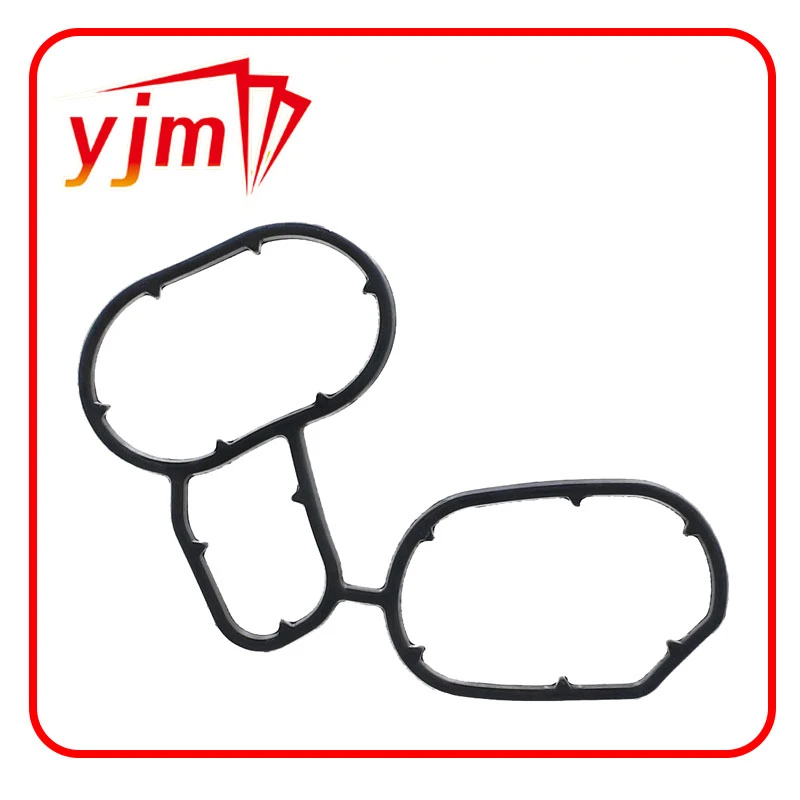
11427508970 BMW - OIL FILTER HOUSING GASKETS
-
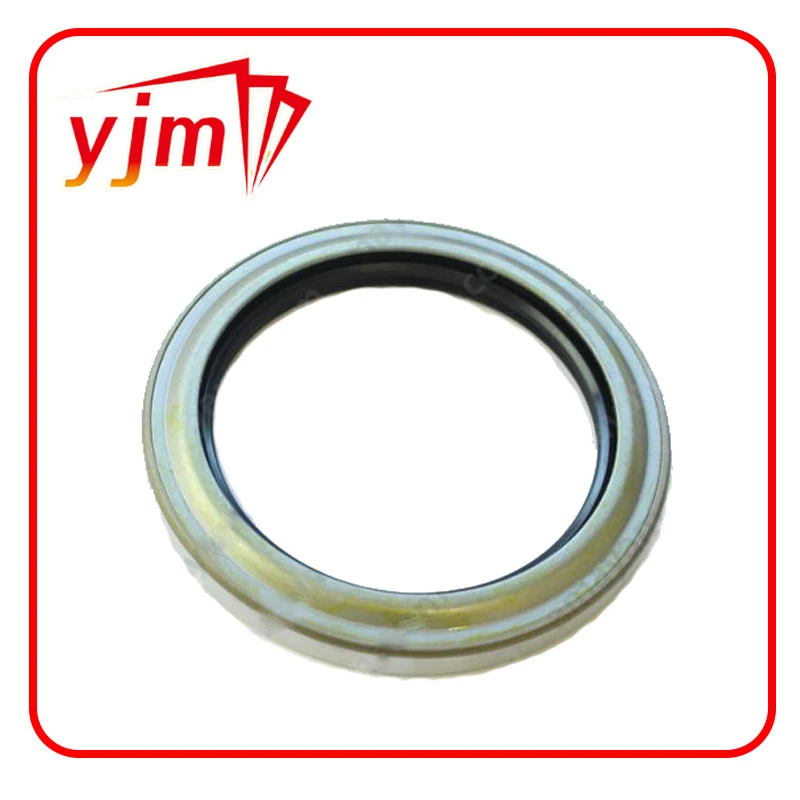
SEAL, OIL Genuine Toyota (9031170011)
-
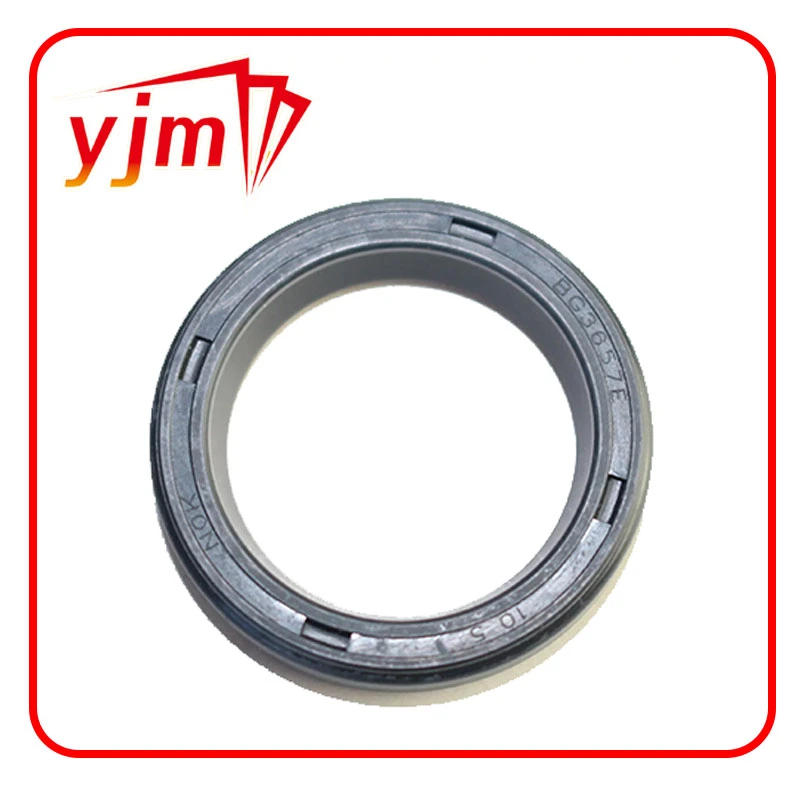
Transfer Case Output Shaft Seal Part 9031223001
-
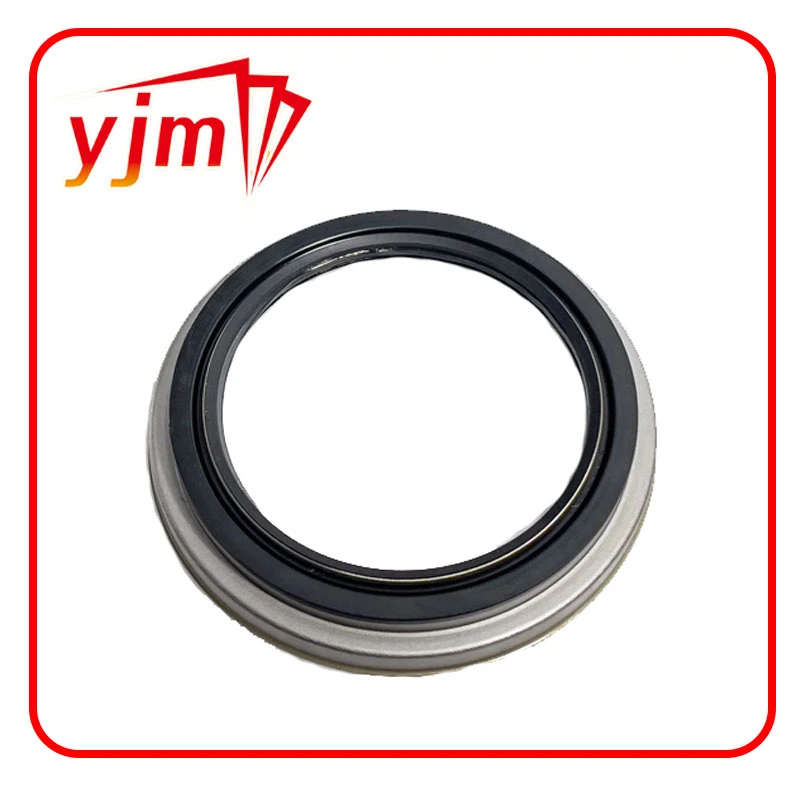
SEAL, OIL Genuine Toyota (9031672001)
-
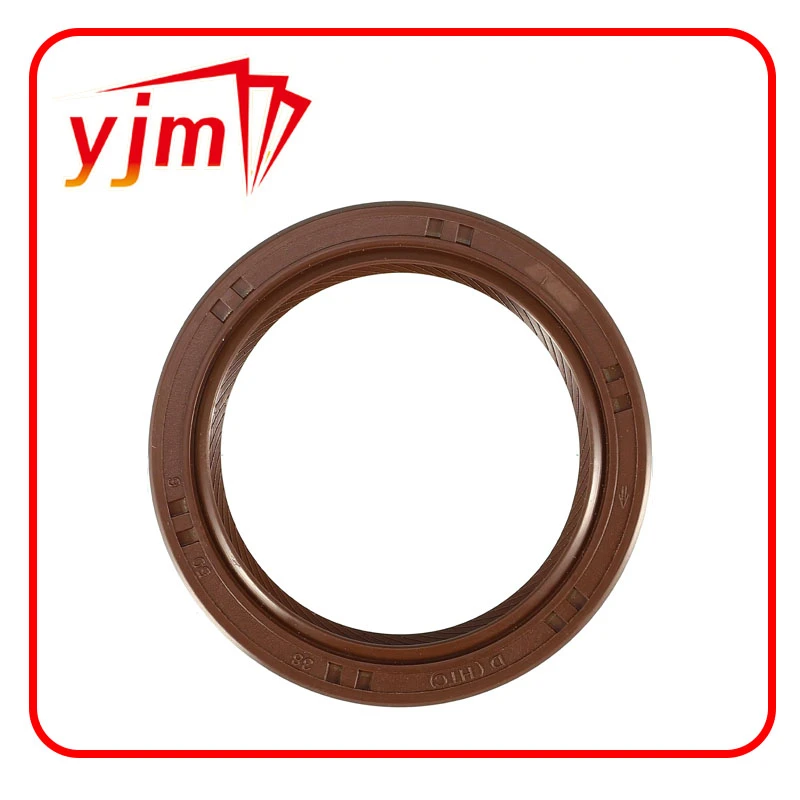
Engine Crankshaft Oil Seal No.9031138096
-
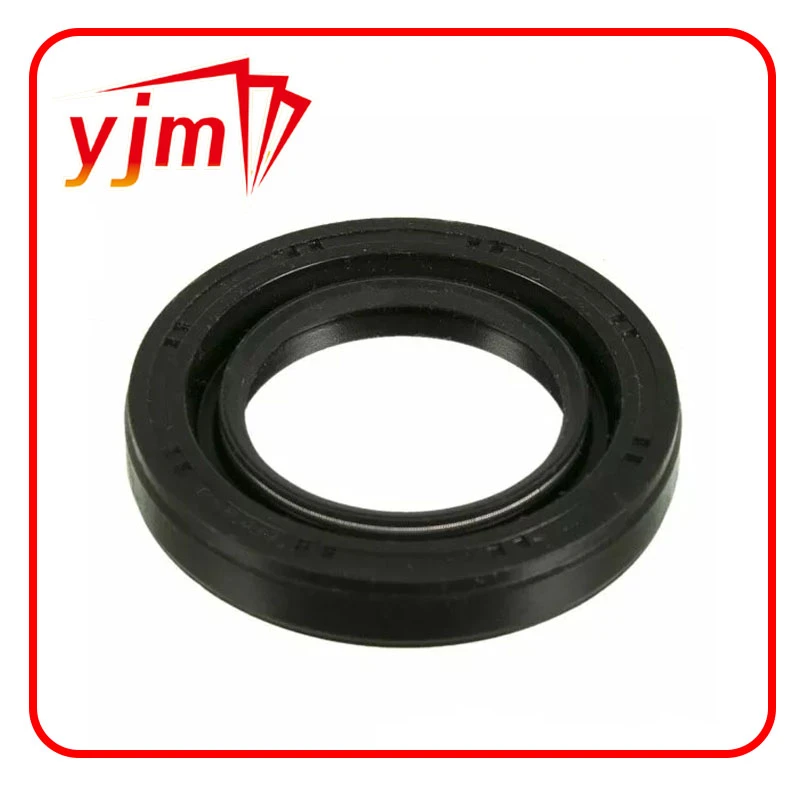
Toyota Transfer Case Output Shaft Seal Front 9031136006
-
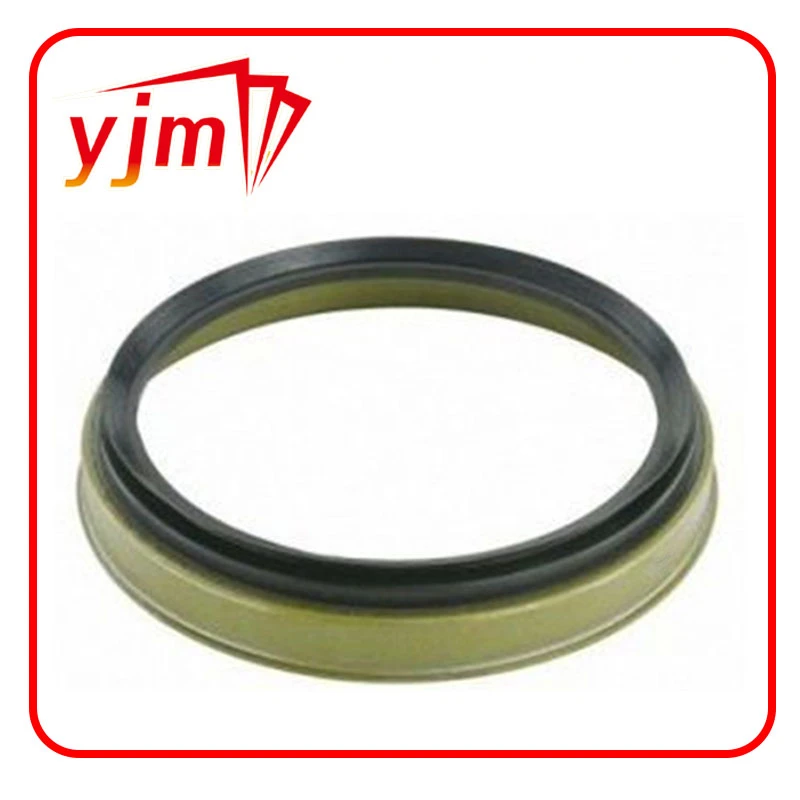
Seal, type v oil 9031287001 TOYOTA
-
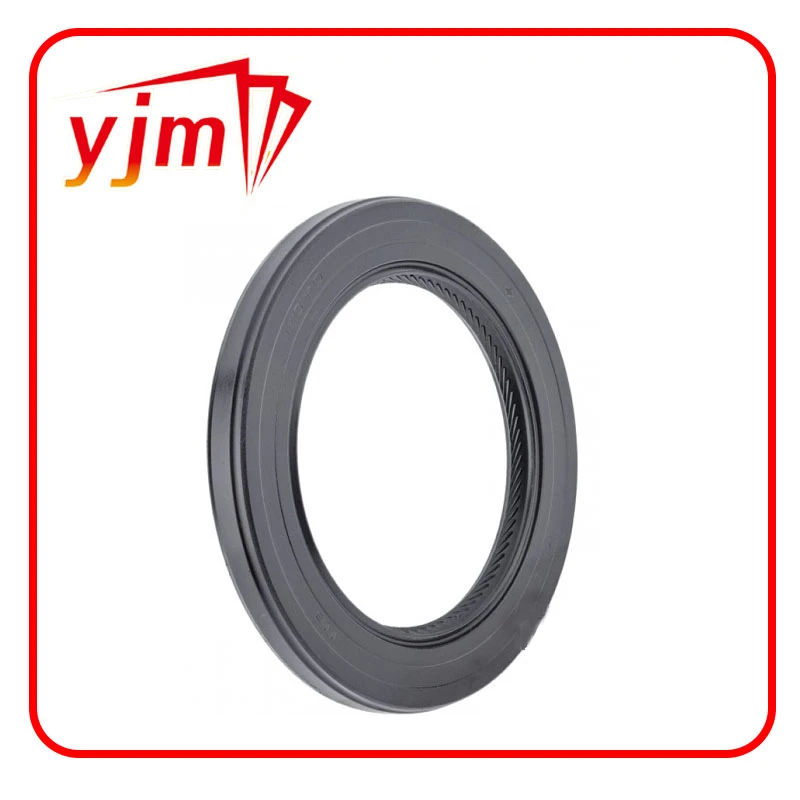
Oil pump seal 9031143010
-
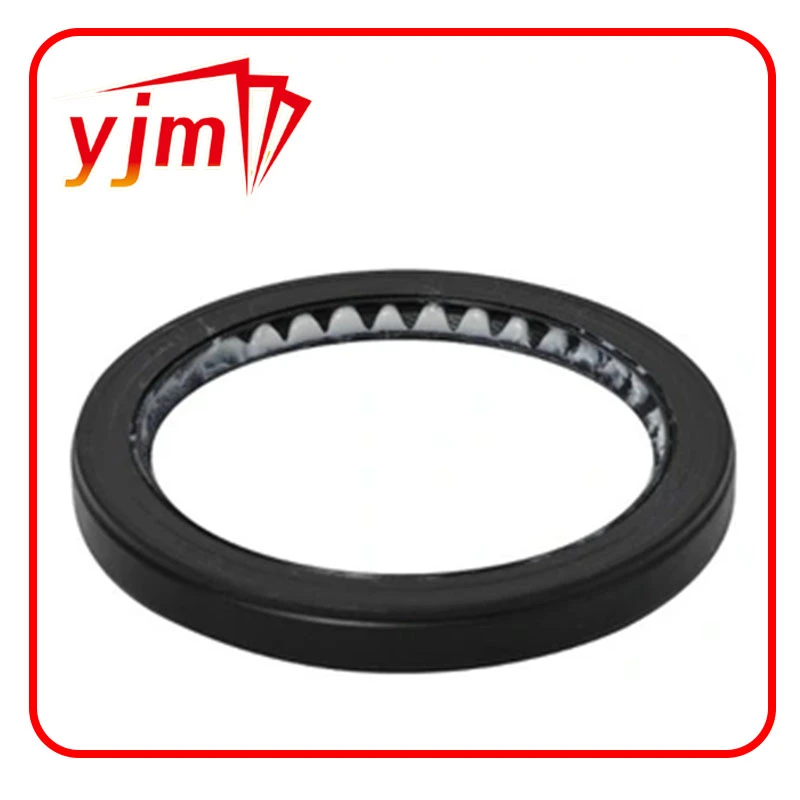
Genuine Toyota Oil SEAL 90311-54006
-
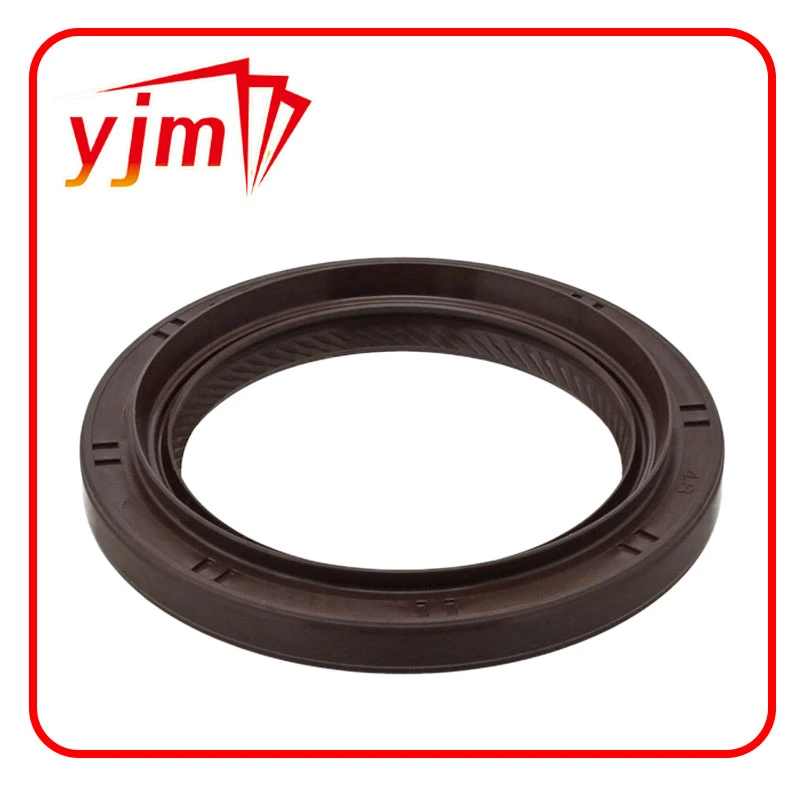
Toyota SEAL TYPE T OIL 90311-48031
-
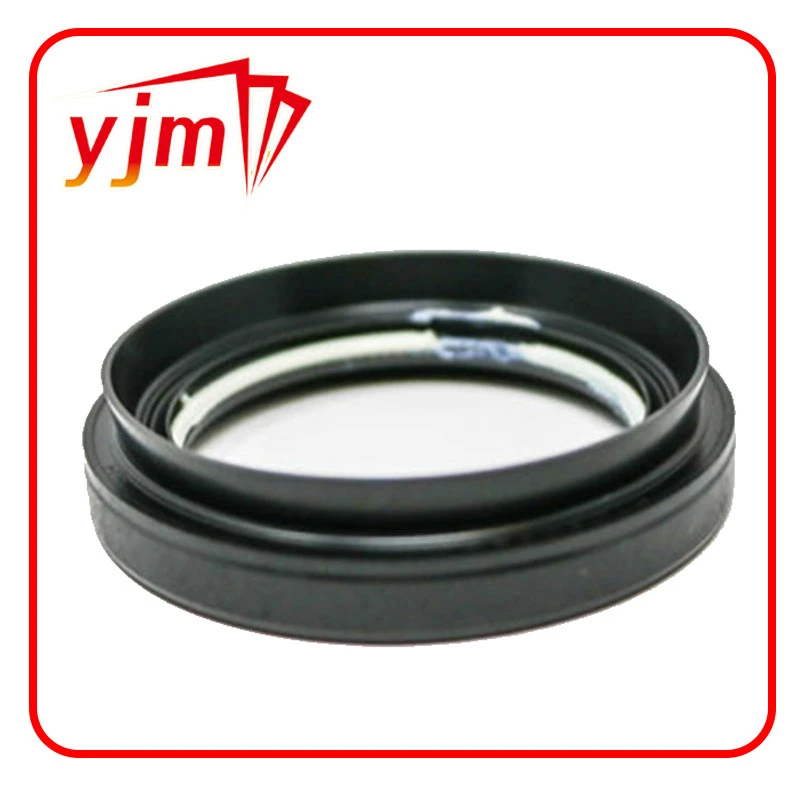
Type T Oil Seal, Front Drive Shaft, Left 9031150064
-
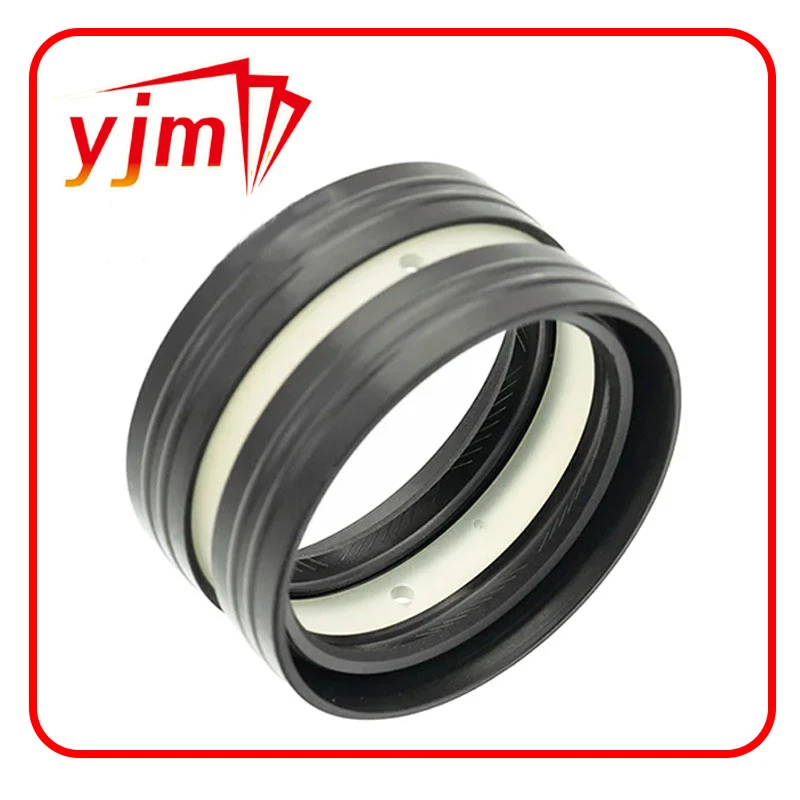
Seal, type d oil 9031634001 TOYOTA
 Afrikaans
 Albanian
 Amharic
 Arabic
 Armenian
 Azerbaijani
 Basque
 Belarusian
 Bengali
 Bosnian
 Bulgarian
 Catalan
 Cebuano
 Corsican
 Croatian
 Czech
Czech
 Danish
 Dutch
Dutch
 Esperanto
 Estonian
 Finnish
 French
 Frisian
 Galician
 Georgian
 German
 Greek
Greek
 Gujarati
 Haitian Creole
 Hausa
Hausa
 Hawaiian
 Hebrew
 Hindi
Hindi
 Miao
Miao
 Hungarian
 Icelandic
 Igbo
Igbo
 Indonesian
 Irish
Irish
 Italian
 Japanese
 Javanese
 Kannada
 Kazakh
 Khmer
Khmer
 Rwandese
 Korean
 Kurdish
 Kyrgyz
 Lao
Lao
 Latin
Latin
 Latvian
 Lithuanian
 Luxembourgish
 Macedonian
 Malgashi
 Malay
Malay
 Malayalam
 Maltese
 Maori
Maori
 Marathi
 Mongolian
 Myanmar
 Nepali
 Norwegian
 Norwegian
 Occitan
 Pashto
 Persian
 Polish
 Portuguese
 Punjabi
 Romanian
 Russian
 Samoan
 Scottish Gaelic
 Serbian
 Sesotho
 Shona
Shona
 Sindhi
 Sinhala
 Slovak
 Slovenian
 Somali
 Spanish
 Sundanese
 Swahili
 Swedish
 Tagalog
 Tajik
Tajik
 Tamil
Tamil
 Tatar
Tatar
 Telugu
 Thai
Thai
 Turkish
 Turkmen
 Ukrainian
 Urdu
Urdu
 Uighur
 Uzbek
Uzbek
 Vietnamese
 Welsh
Welsh
 Bantu
Bantu
 Yiddish
 Yoruba
 Zulu
Zulu
 English