Elring Crankshaft Seal: Global Industry Role, Benefits, and Innovations
Elring Crankshaft Seal: Why This Component Matters Globally
At first glance, the elring crankshaft seal might seem like just another automotive component, tucked away in a car engine and unnoticed by most. But, oddly enough, its role is pivotal—not only in automotive engineering but also in industries across continents. Essentially, the crankshaft seal acts as a guardian, preventing oil leaks and ensuring engines run smoothly. This small but hardy piece influences everything from vehicle durability to environmental safety worldwide.
Understanding the elring crankshaft seal isn’t just a niche mechanic’s obsession; it’s vital for maintaining engine efficiency, reducing maintenance costs, and ultimately cutting down harmful emissions. As global transportation and manufacturing sectors grow, so does the demand for reliable components like this seal.
Mini takeaway: The elring crankshaft seal, while small, plays an outsized role in global industry by protecting engines and enabling sustainable mechanical performance.
Global Context: The Significance of the Elring Crankshaft Seal
Across the globe, the automotive sector is responsible for about 8% of greenhouse gas emissions (International Energy Agency, 2023). One way to curb this is through better engine maintenance and parts quality—the very space where the elring crankshaft seal shines. Its efficiency in preventing oil leakage directly impacts engine longevity and emission levels.
Moreover, industries like heavy machinery, maritime, and power generation utilize crankshaft seals extensively. As global industrial activity grows — particularly in Asia-Pacific and the European Union — this seal’s demand and importance grow in tandem. ISO certifications for automotive parts, including seals, have become stricter, emphasizing precision and durability — exactly ElringKlinger’s strong points.
Mini takeaway: The elring crankshaft seal contributes to global emission reduction efforts and underpins critical industrial activities worldwide.
What Is an Elring Crankshaft Seal?
Put simply, an elring crankshaft seal is a specialized rubber and metal component designed to prevent oil from leaking around the crankshaft of internal combustion engines. It “seals” where the crankshaft exits the engine block, maintaining lubrication inside and keeping dirt out.
This may sound straightforward, but the challenge comes from the crankshaft spinning at high speeds, heat exposure, and exposure to oil and contaminants. Elring designs seals tailored to these conditions, using advanced materials like high-temperature resistant elastomers and corrosion-resistant metal parts.
Mini takeaway: The elring crankshaft seal is a resilient barrier that keeps engines running cleaner and longer, crucial for modern vehicles and machines.
Core Components & Key Factors Behind Elring Crankshaft Seals
- Durability
Elring seals are designed to resist wear and deformity even after thousands of operational hours at high RPMs. - Material Quality
From Viton® elastomers to stainless steel housings, the materials used are carefully selected to withstand oil, heat, and inclement weather. - Precision Engineering
Tolerances are extremely tight; even tiny imperfections can cause leaks or premature failure. - Ease of Installation
Many seals are designed for plug-and-play fit, reducing downtime during maintenance. - Environmental Compatibility
Seals enable cleaner engines by preventing oil leaks, which can contribute to soil and water contamination.
This mix of factors ensures the elring crankshaft seals are versatile and dependable across various engines — from cars to industrial generators.
Product Specification Table
| Specification | Elring Crankshaft Seal |
|---|---|
| Material | Viton® Elastomer & Stainless Steel |
| Temperature Range | -40°C to 200°C |
| Operating Speed | Up to 8,000 RPM |
| Dimensions | Customizable per engine model |
| Certification | ISO/TS 16949 |
Where Are Elring Crankshaft Seals Used Globally?
Elring seals find homes in passenger cars in Europe and North America, heavy machinery in Australia, and marine engines in Southeast Asia. They’re vital for manufacturers in regions with extreme climates—like Russia’s harsh winters or the Middle East’s scorching afternoons—where seal failure can cause catastrophic engine problems.
One example: freight companies transporting goods cross-continental look for reliable crankshaft seals to avoid mid-journey breakdowns that ripple through supply chains. Similarly, construction firms in developing nations appreciate the seal’s reliability amid dusty, tough conditions.
Mini takeaway: The elring crankshaft seal’s demanding applications across the globe reflect its adaptability and engineering brilliance.
Advantages & Long-Term Value of Choosing Elring Seals
- Cost Efficiency
Better seals mean fewer repairs, fewer oil top-ups, and less downtime—saving fleets a lot in the long run. - Reduced Environmental Footprint
By preventing oil leaks, these seals help protect soil and groundwater, supporting sustainability. - Reliability & Safety
Reliable engines prevent accidents and support driver confidence. - Innovation Trust
Customers find peace of mind in ElringKlinger’s decades of experience and quality management.
Future Trends & Innovations on the Horizon
Frankly, the future of crankshaft seals involves materials science breakthroughs. We’re seeing new composites resistant to biofuels and synthetic oils. Also, with electric vehicles gaining ground, seal designs are adapting for motors and gearboxes rather than combustion engines.
Digital monitoring may soon track seal wear in real-time, an innovation with huge implications for predictive maintenance. And environmentally, bio-based elastomers promise to reduce the carbon footprint of manufacturing.
Challenges & Expert Solutions
It’s not all smooth sailing. Unlike simpler components, manufacturing crankshaft seals demands exactitude—small defects mean oil leaks that can damage engines. The challenge for vendors is maintaining high standards while scaling production.
Among solutions: Elring’s commitment to automated quality checks combined with artisan inspection. Plus, innovations in seal coating reduce wear and improve friction characteristics.
Vendor Comparison Table
| Feature | ElringKlinger | Competitor A | Competitor B |
|---|---|---|---|
| Material Quality | Premium Elastomers & Steel | Standard Rubber | Mixed Plastics |
| Custom Fit Capability | Yes, full customization | Limited Sizes | No customization |
| ISO Certification | ISO/TS 16949 | None listed | ISO 9001 |
| Industry Reputation | Trusted for 70+ years | New entrant | Moderate |
FAQs About Elring Crankshaft Seals
- Q: How long does an elring crankshaft seal typically last?
- A: Under normal operating conditions, these seals can last between 60,000 to 100,000 miles. Proper installation and regular maintenance extend their lifespan significantly.
- Q: Can I use an elring crankshaft seal for custom engine builds?
- A: Yes, Elring offers customizable options tailored for various engine models ensuring compatibility and performance even in bespoke applications.
- Q: What maintenance is needed to keep the seal effective?
- A: Regular oil changes and inspections during routine engine servicing help detect potential leaks early and preserve seal integrity.
- Q: Is the elring crankshaft seal compatible with synthetic oils?
- A: Absolutely. These seals are designed to be compatible with most engine oils, including synthetic formulations, without compromising durability.
Conclusion + Call to Action
In real terms, the elring crankshaft seal is much more than a mere engine part. It’s a vital player in reducing emissions, boosting engine reliability, and supporting sustainable operations worldwide. Whether you’re an OEM, a mechanic, or a fleet manager, investing in quality seals like those from Elring guarantees peace of mind and long-term savings.
Curious to explore more or select the perfect crankshaft seal for your project? Visit our website: https://www.yjmseal.com
Reflecting on the importance of such precision components reminds me how much reliable machinery depends on seemingly small pieces — a humble reminder that in engineering, details matter.
References
-
Guide to Choosing the Right Washer for Oil Change and Sealing
News Apr.16,2026
-
Essential Guide to High Quality rubber washer oil drain plug
News Apr.09,2026
-
Understanding Rubber Crush Washers for Optimal Sealing Performance
News Apr.07,2026
-
Comprehensive Guide to Understanding and Reusing Crush Washer for Optimal Sealing
News Apr.04,2026
-
The Vital Role of a Drain Screw Gasket in Fluid System Integrity
News Mar.31,2026
-
The Essential Guide to Drain Crush Washer Selection and Plumbing Leak Prevention
News Mar.28,2026
-
The Vital Role of a Crush Washer in Oil Changes for Engine Protection
News Mar.26,2026
Products categories
-
Brass cutlass marine bearing
-
Genuine OEM Engine Oil Filter Housing Cover O-Ring For VW/Audi 06E115446
-
Oil Filter Stand Gasket,Oil filter cover seal
-
Oil Cooler Gasket, Oil Cooler to Oil Filter Housing 11427525335
-
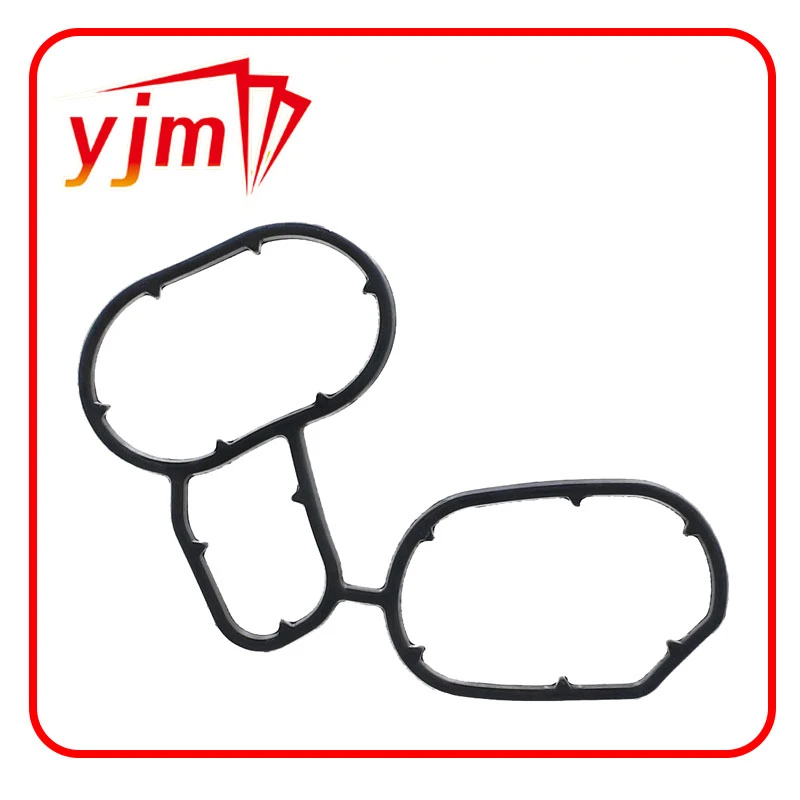
11427508970 BMW - OIL FILTER HOUSING GASKETS
-
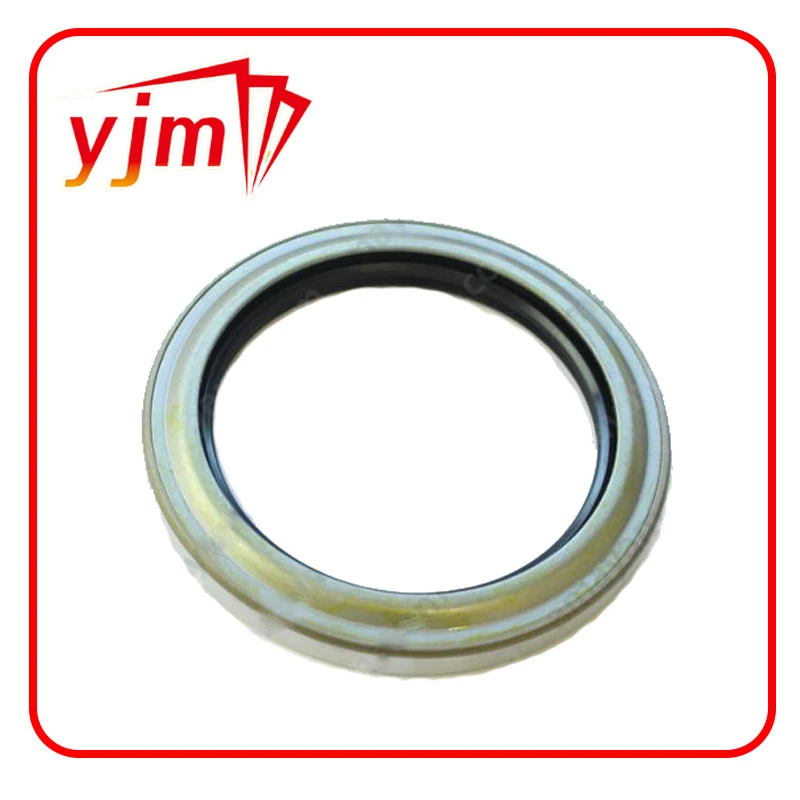
SEAL, OIL Genuine Toyota (9031170011)
-
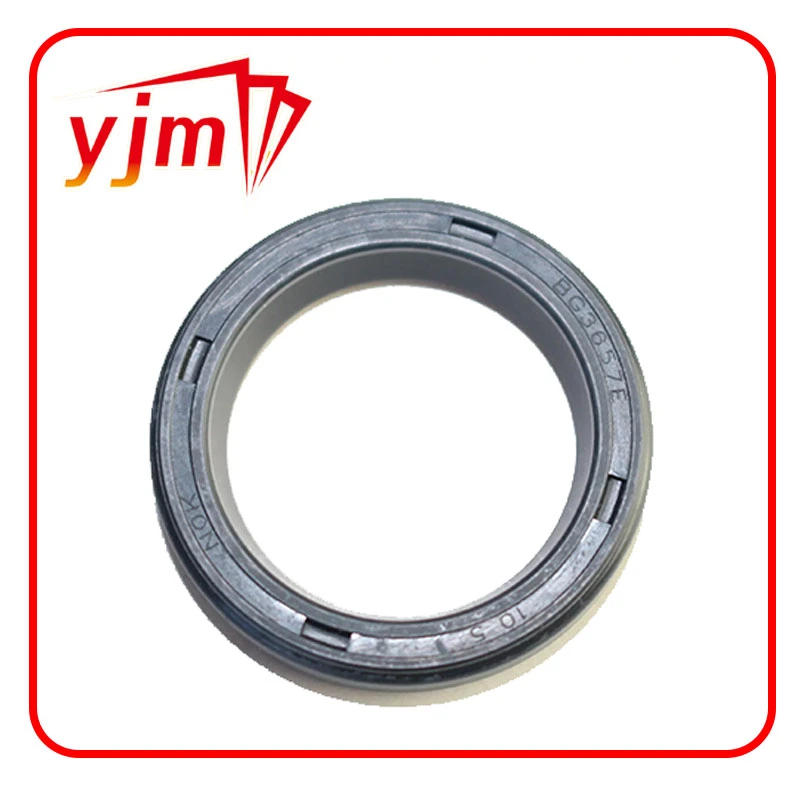
Transfer Case Output Shaft Seal Part 9031223001
-
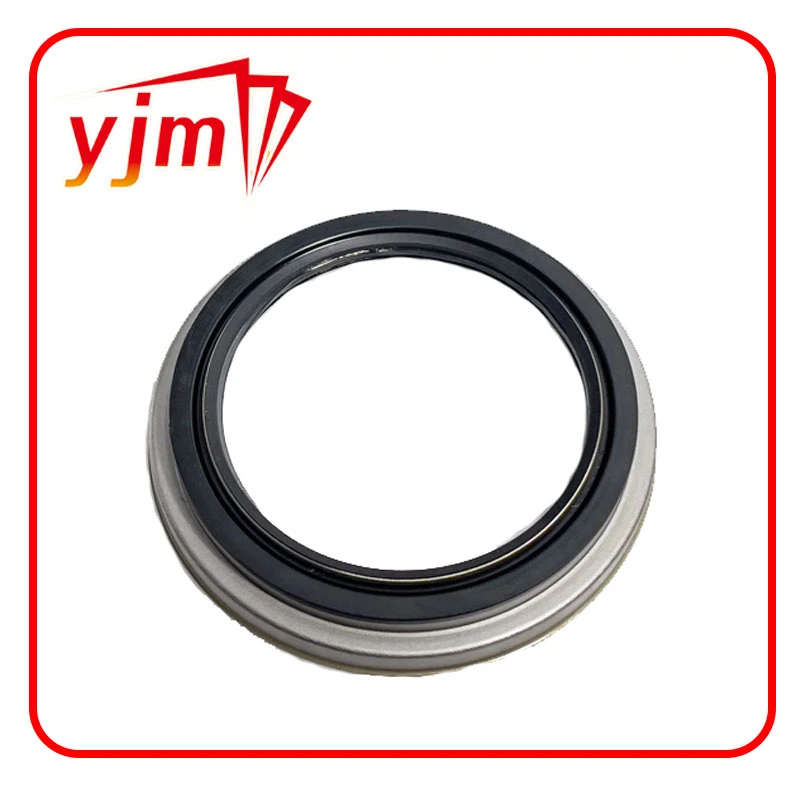
SEAL, OIL Genuine Toyota (9031672001)
-
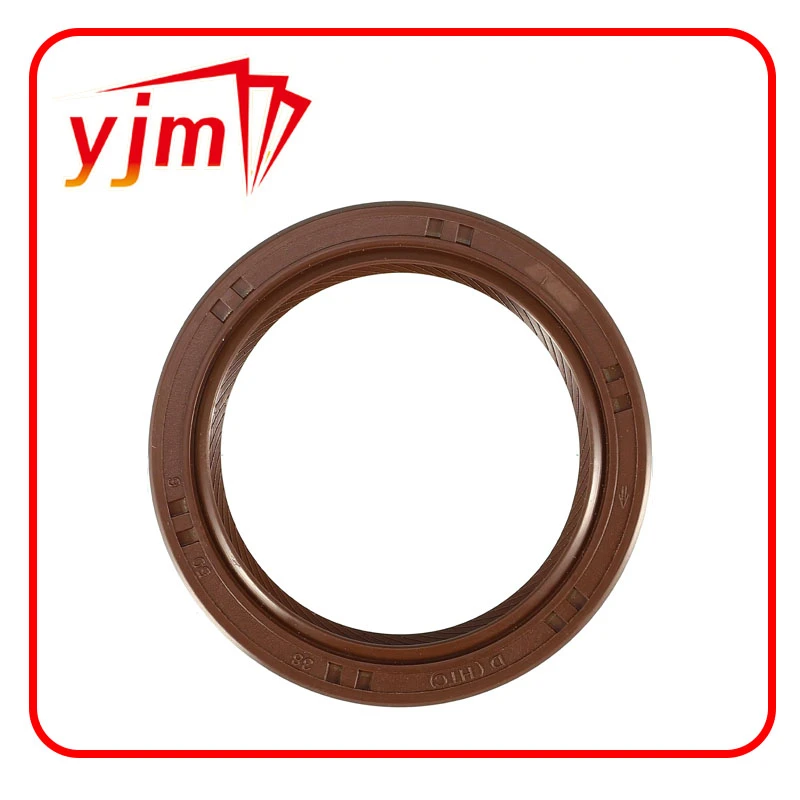
Engine Crankshaft Oil Seal No.9031138096
-
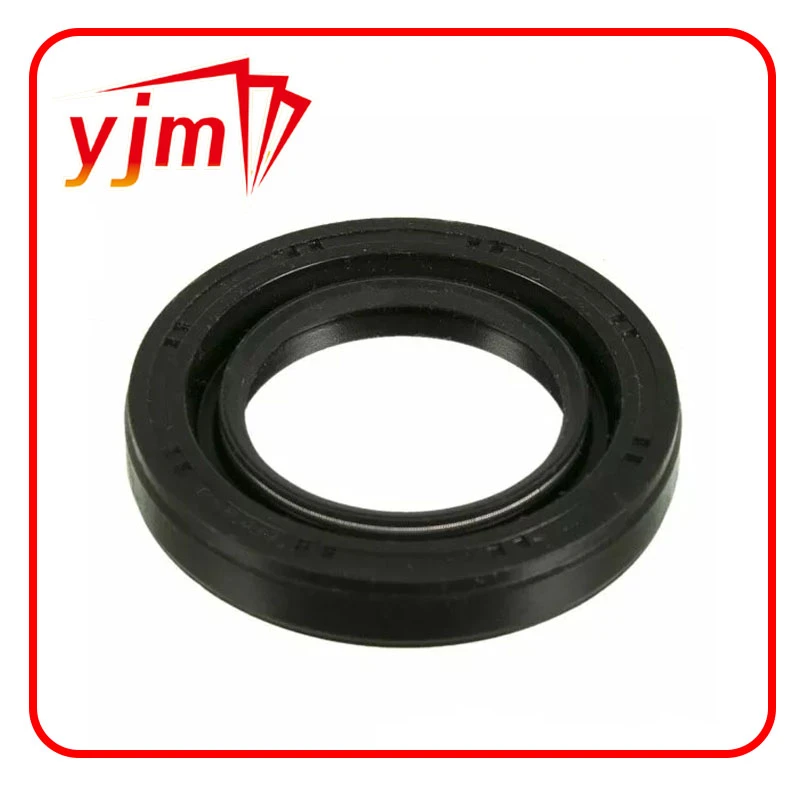
Toyota Transfer Case Output Shaft Seal Front 9031136006
-
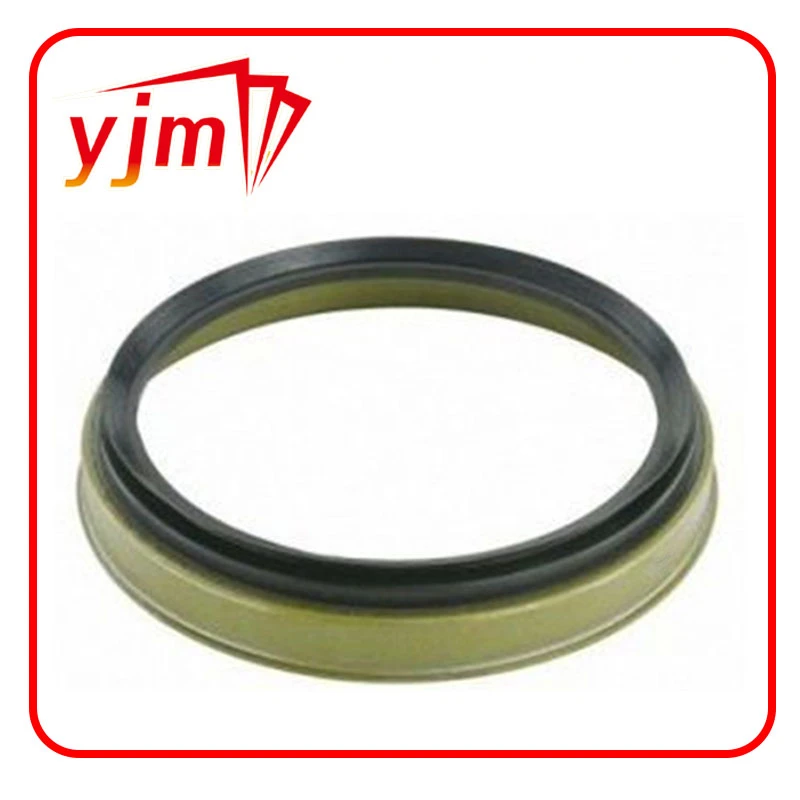
Seal, type v oil 9031287001 TOYOTA
-
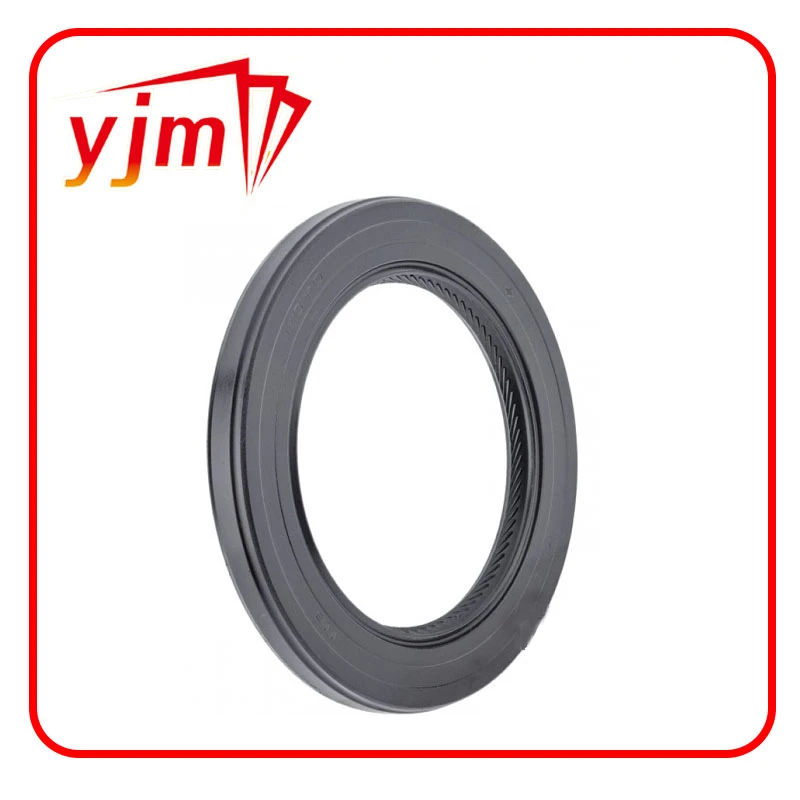
Oil pump seal 9031143010
-
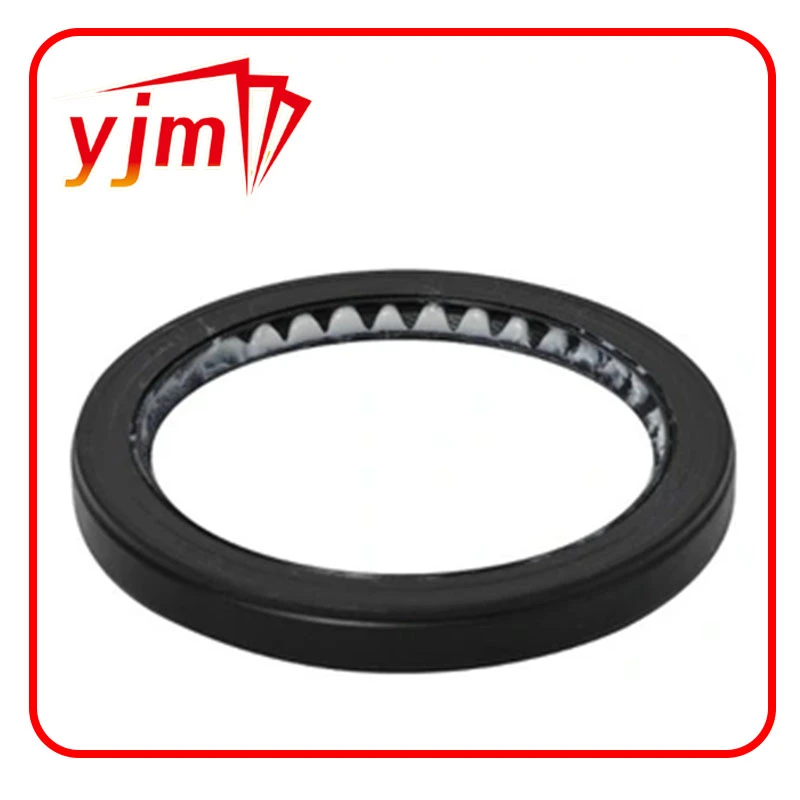
Genuine Toyota Oil SEAL 90311-54006
-
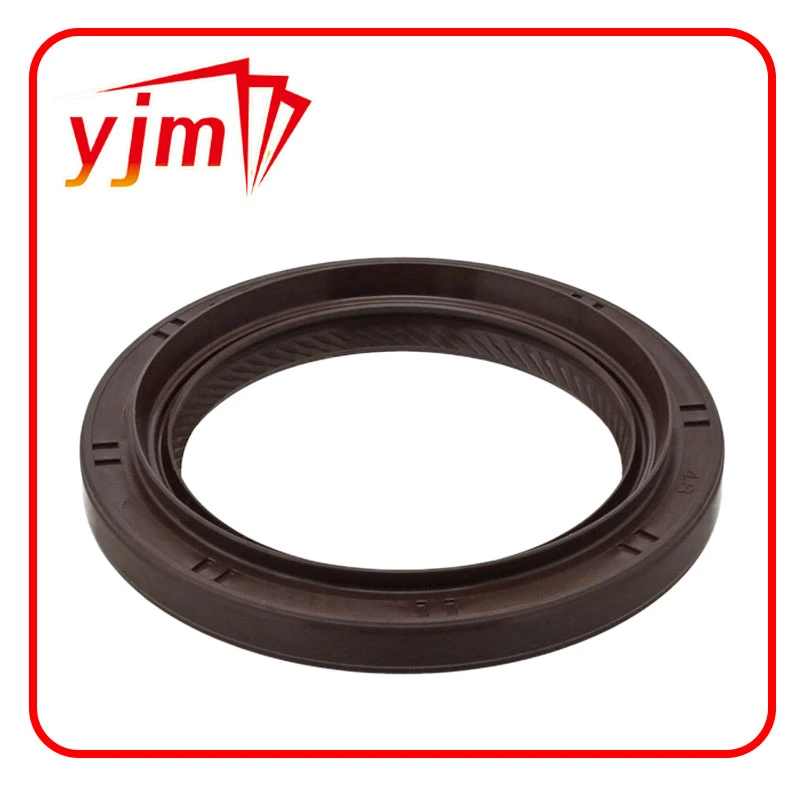
Toyota SEAL TYPE T OIL 90311-48031
-
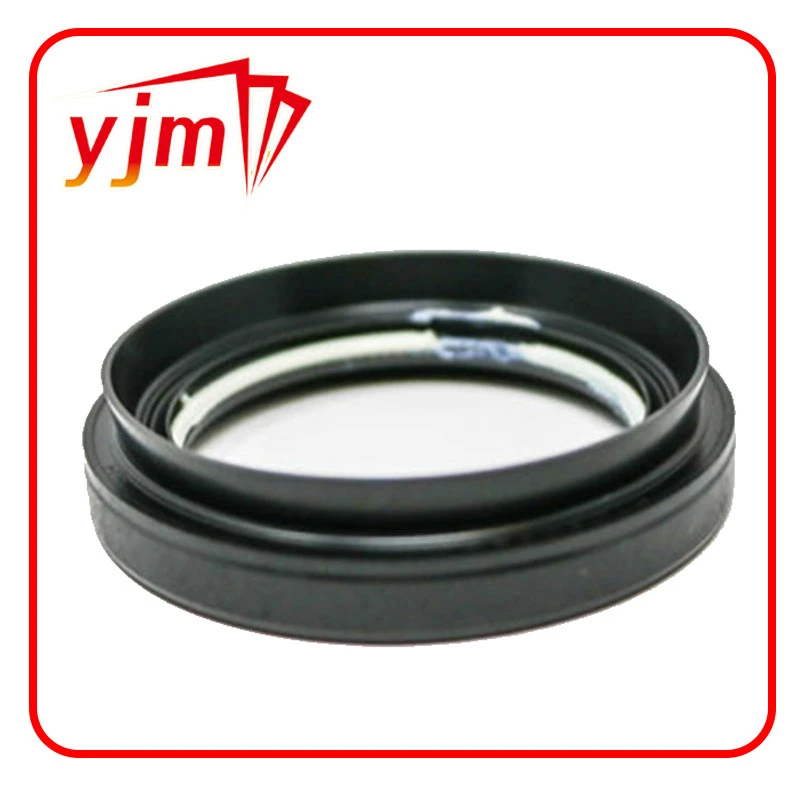
Type T Oil Seal, Front Drive Shaft, Left 9031150064
-
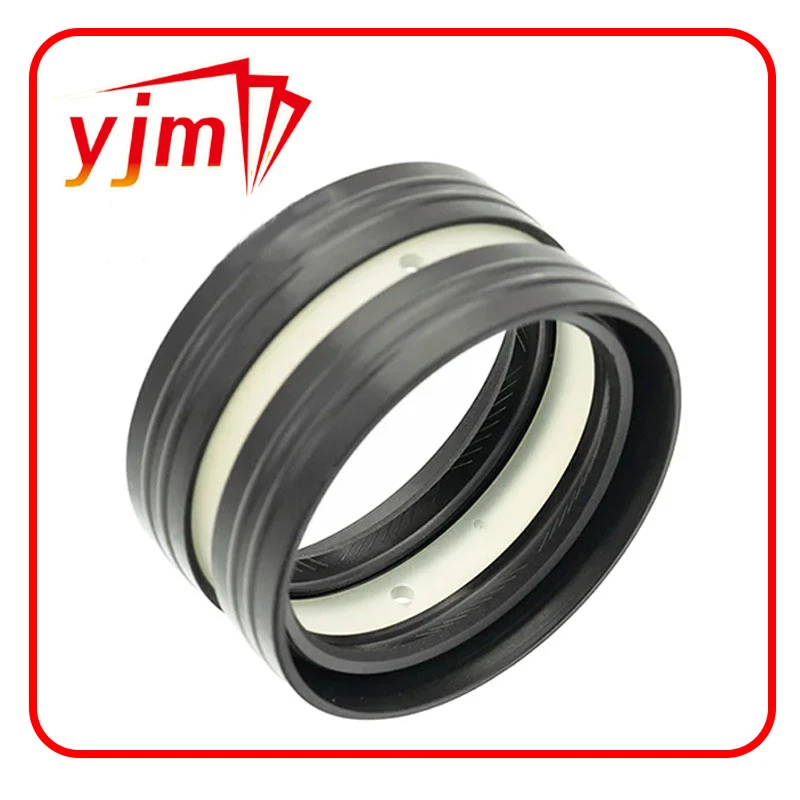
Seal, type d oil 9031634001 TOYOTA
 Afrikaans
 Albanian
 Amharic
 Arabic
 Armenian
 Azerbaijani
 Basque
 Belarusian
 Bengali
 Bosnian
 Bulgarian
 Catalan
 Cebuano
 Corsican
 Croatian
 Czech
Czech
 Danish
 Dutch
Dutch
 Esperanto
 Estonian
 Finnish
 French
 Frisian
 Galician
 Georgian
 German
 Greek
Greek
 Gujarati
 Haitian Creole
 Hausa
Hausa
 Hawaiian
 Hebrew
 Hindi
Hindi
 Miao
Miao
 Hungarian
 Icelandic
 Igbo
Igbo
 Indonesian
 Irish
Irish
 Italian
 Japanese
 Javanese
 Kannada
 Kazakh
 Khmer
Khmer
 Rwandese
 Korean
 Kurdish
 Kyrgyz
 Lao
Lao
 Latin
Latin
 Latvian
 Lithuanian
 Luxembourgish
 Macedonian
 Malgashi
 Malay
Malay
 Malayalam
 Maltese
 Maori
Maori
 Marathi
 Mongolian
 Myanmar
 Nepali
 Norwegian
 Norwegian
 Occitan
 Pashto
 Persian
 Polish
 Portuguese
 Punjabi
 Romanian
 Russian
 Samoan
 Scottish Gaelic
 Serbian
 Sesotho
 Shona
Shona
 Sindhi
 Sinhala
 Slovak
 Slovenian
 Somali
 Spanish
 Sundanese
 Swahili
 Swedish
 Tagalog
 Tajik
Tajik
 Tamil
Tamil
 Tatar
Tatar
 Telugu
 Thai
Thai
 Turkish
 Turkmen
 Ukrainian
 Urdu
Urdu
 Uighur
 Uzbek
Uzbek
 Vietnamese
 Welsh
Welsh
 Bantu
Bantu
 Yiddish
 Yoruba
 Zulu
Zulu
 English