Comprehensive Guide to Crush Washer for Oil Change and Engine Protection
Understanding Crush Washers for Oil Change: A Comprehensive Guide
When performing an oil change, ensuring a leak-proof seal is critical for engine health. A key component in achieving this is the crush washer for oil change. These small but mighty washers are designed to deform under compression, creating a tight, reliable seal between the oil drain plug and the oil pan. Ignoring or reusing a damaged crush washer can lead to oil leaks and potential engine damage. This article delves into the importance, types, installation, and benefits of using new crush washers with every oil change. Proper selection and installation are essential for a successful and worry-free oil change.
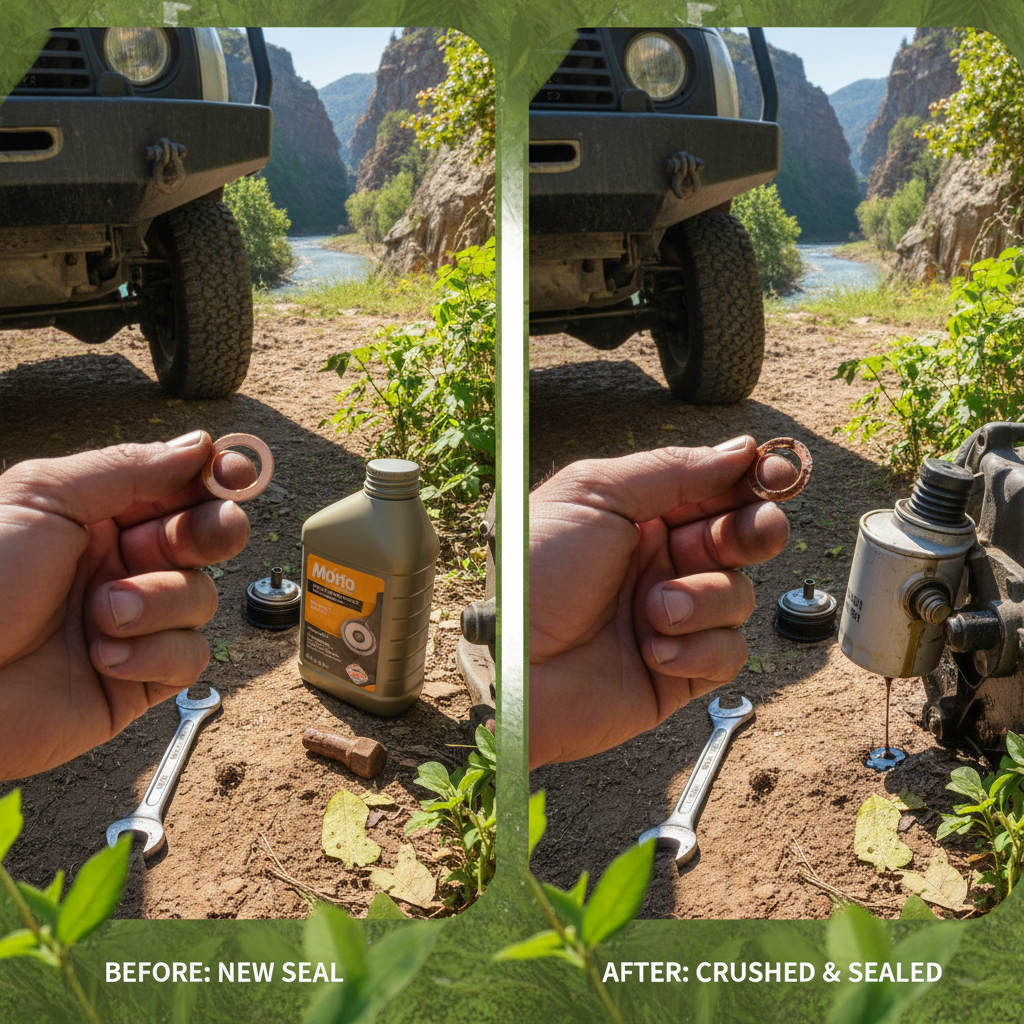
Why Use a New Crush Washer Every Time?
The primary function of a crush washer is to create a hermetic seal. They are made of relatively soft materials like aluminum, copper, or fiber, which allows them to yield and conform to the mating surfaces. Once compressed, they ‘crush’ slightly, filling any imperfections. Reusing a crush washer compromises this ability. A previously compressed washer loses its elasticity and won't provide the same sealing force. This can lead to slow drips or, in more severe cases, a significant oil leak. Replacing the crush washer with each oil change is a small investment that can prevent costly engine repairs.
Key Benefit: Preventing oil leaks and ensuring optimal engine performance by maintaining a secure seal.
Types of Crush Washers for Oil Changes
Crush washers come in a variety of materials, each suited for specific applications. The most common types include:
- Aluminum Washers: Lightweight and commonly used for many passenger vehicles. Generally cost-effective.
- Copper Washers: Offer excellent sealing properties and are often used in high-performance applications or where greater durability is required.
- Fiber Washers: Made from compressed fiber materials, these washers are suitable for a wide range of temperatures and pressures.
Choosing the correct washer material is crucial. Refer to your vehicle's owner's manual or a parts catalog to determine the specified type for your oil drain plug. Using the wrong material could result in a poor seal or damage to the oil pan.
Material Comparison:
• Aluminum: Cost-effective, lightweight.
• Copper: Durable, excellent sealing.
• Fiber: Versatile, wide temperature range.
Crush Washer Dimensions & Compatibility
Crush washers aren't one-size-fits-all. They vary in inner diameter (ID), outer diameter (OD), and thickness. Selecting the correct size is paramount for a proper seal. Incorrect dimensions can lead to leaks or damage to the oil pan threads. Here's a table illustrating common sizes and their typical applications:
Installation Best Practices for Crush Washers
Proper installation is just as important as using a new washer. Here’s a step-by-step guide:
- Clean the Surfaces: Ensure the drain plug and oil pan mating surfaces are clean and free of debris.
- Place the Washer: Position the new crush washer onto the drain plug.
- Torque to Specification: Use a torque wrench to tighten the drain plug to the manufacturer's specified torque. Over-tightening can damage the oil pan threads, while under-tightening can lead to leaks.
- Inspect for Leaks: After the oil change, start the engine and check for any leaks around the drain plug.

Where to Source Quality Crush Washers
Don't compromise on quality. Sourcing your crush washers from a reputable supplier like YJM Seal ensures you're getting reliable, precisely manufactured washers that meet industry standards. We offer a comprehensive selection of crush washers for a wide range of vehicles and applications. Protect your engine and invest in the best.
Conclusion: A Small Part, a Big Impact
The crush washer for oil change is a frequently overlooked component that plays a vital role in engine health. By understanding its purpose, selecting the right type, and following proper installation procedures, you can prevent costly oil leaks and maintain optimal engine performance. Don't take chances – make sure to replace your crush washer with every oil change.
Frequently Asked Questions (FAQs)
Can I reuse a crush washer if it looks undamaged?
While a crush washer may appear undamaged, it's never recommended to reuse one. The material is designed to deform during installation, creating a tight seal. Once deformed, it loses its elasticity and won't provide the same level of compression and sealing force. Reusing a crush washer significantly increases the risk of oil leaks. The cost of a new washer is minimal compared to the potential cost of engine damage caused by a leak.
What happens if I overtighten the drain plug with a new crush washer?
Overtightening the drain plug, even with a new crush washer, can strip the threads in the oil pan. This is a serious issue that often requires replacing the entire oil pan, a significantly more expensive repair than simply replacing a crush washer. Always use a torque wrench and tighten the drain plug to the manufacturer's specified torque. If you're unsure of the correct torque specification, consult your vehicle's owner's manual or a qualified mechanic.
Where can I find the correct crush washer size for my vehicle?
The most reliable way to find the correct crush washer size is to consult your vehicle's owner's manual or a parts catalog specific to your make and model. Alternatively, you can contact a dealership or a reputable auto parts store and provide them with your vehicle's information. YJM Seal also offers assistance in identifying the correct crush washer for your application.
Are there any signs of a failing crush washer?
The most obvious sign of a failing crush washer is an oil leak around the drain plug after an oil change. This may manifest as slow drips or a more significant leak. You might also notice oil residue around the drain plug. Even if you don't see an active leak, if you suspect the washer is compromised, it's best to replace it preventatively to avoid potential issues.
-
Guide to Choosing the Right Washer for Oil Change and Sealing
News Apr.16,2026
-
Essential Guide to High Quality rubber washer oil drain plug
News Apr.09,2026
-
Understanding Rubber Crush Washers for Optimal Sealing Performance
News Apr.07,2026
-
Comprehensive Guide to Understanding and Reusing Crush Washer for Optimal Sealing
News Apr.04,2026
-
The Vital Role of a Drain Screw Gasket in Fluid System Integrity
News Mar.31,2026
-
The Essential Guide to Drain Crush Washer Selection and Plumbing Leak Prevention
News Mar.28,2026
-
The Vital Role of a Crush Washer in Oil Changes for Engine Protection
News Mar.26,2026
Products categories
-
Brass cutlass marine bearing
-
Genuine OEM Engine Oil Filter Housing Cover O-Ring For VW/Audi 06E115446
-
Oil Filter Stand Gasket,Oil filter cover seal
-
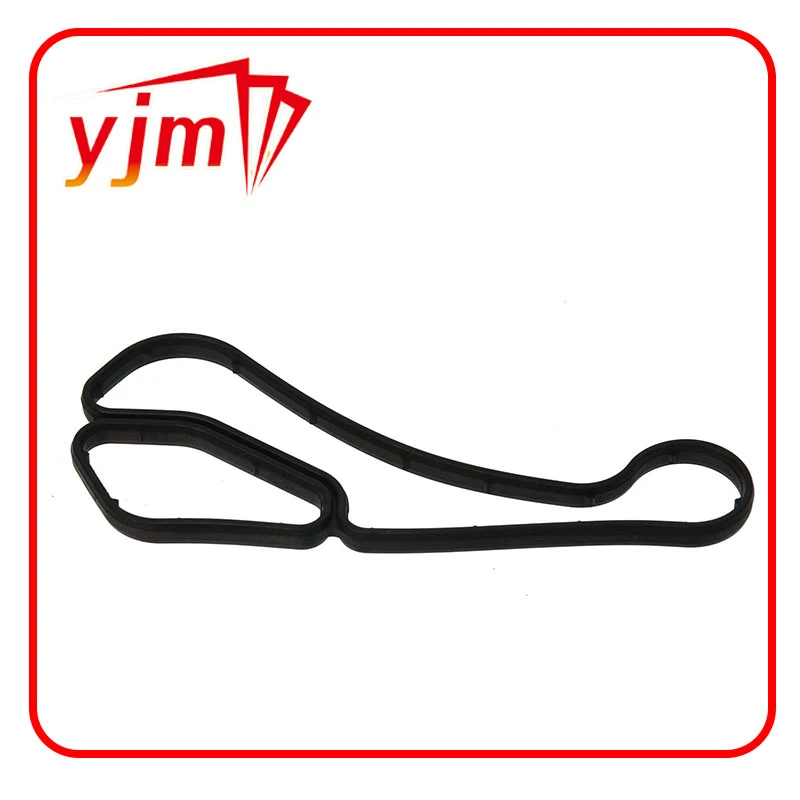
Oil Cooler Gasket, Oil Cooler to Oil Filter Housing 11427525335
-
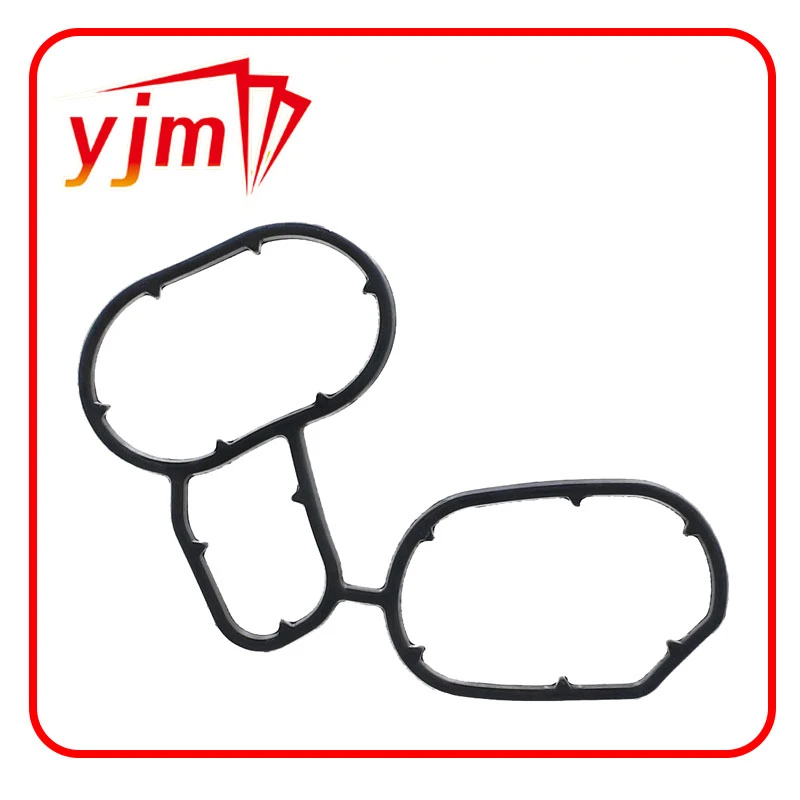
11427508970 BMW - OIL FILTER HOUSING GASKETS
-
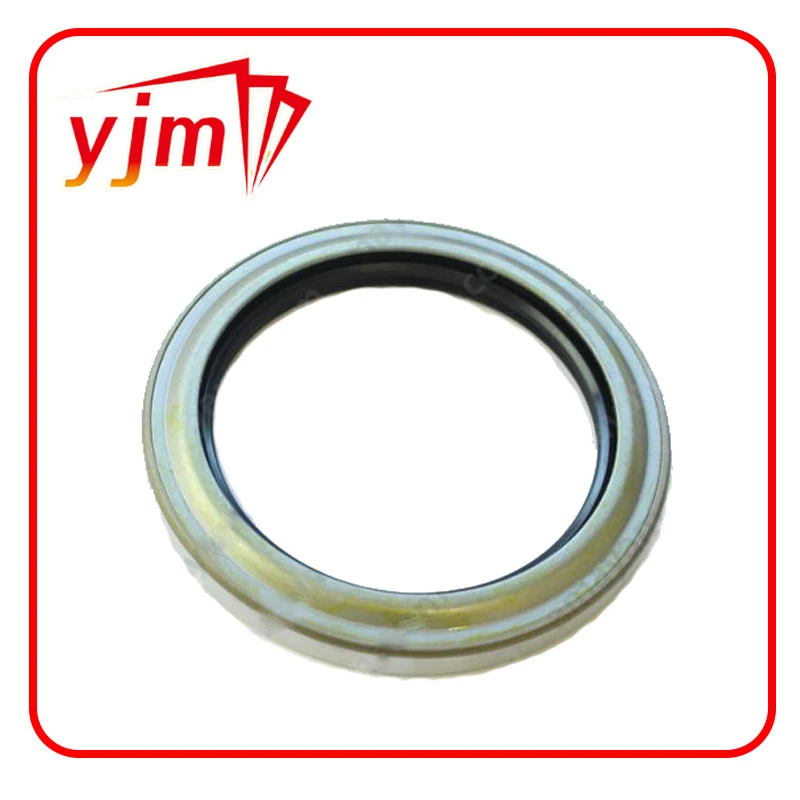
SEAL, OIL Genuine Toyota (9031170011)
-
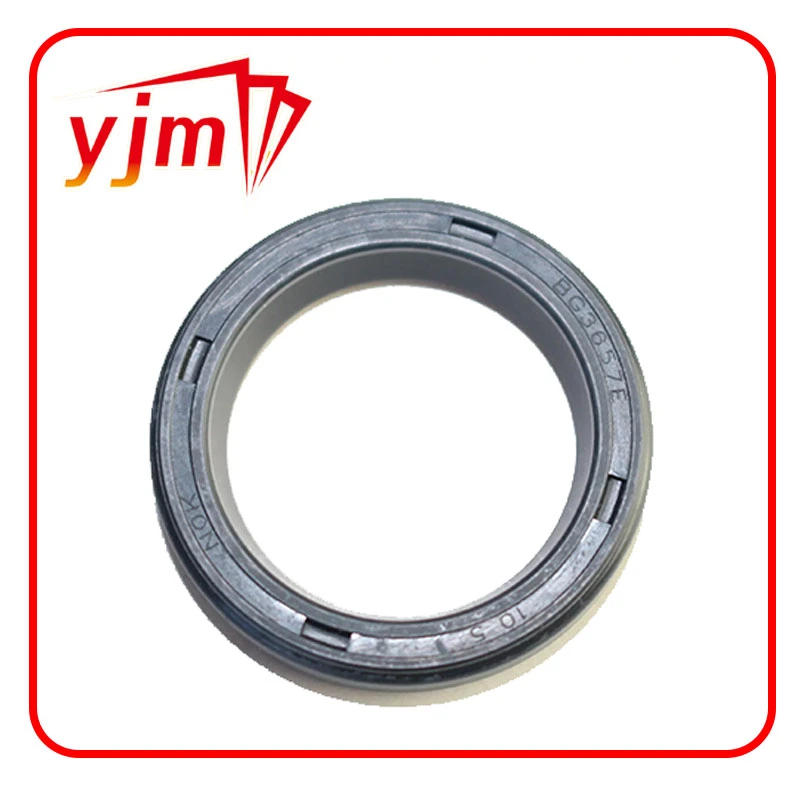
Transfer Case Output Shaft Seal Part 9031223001
-
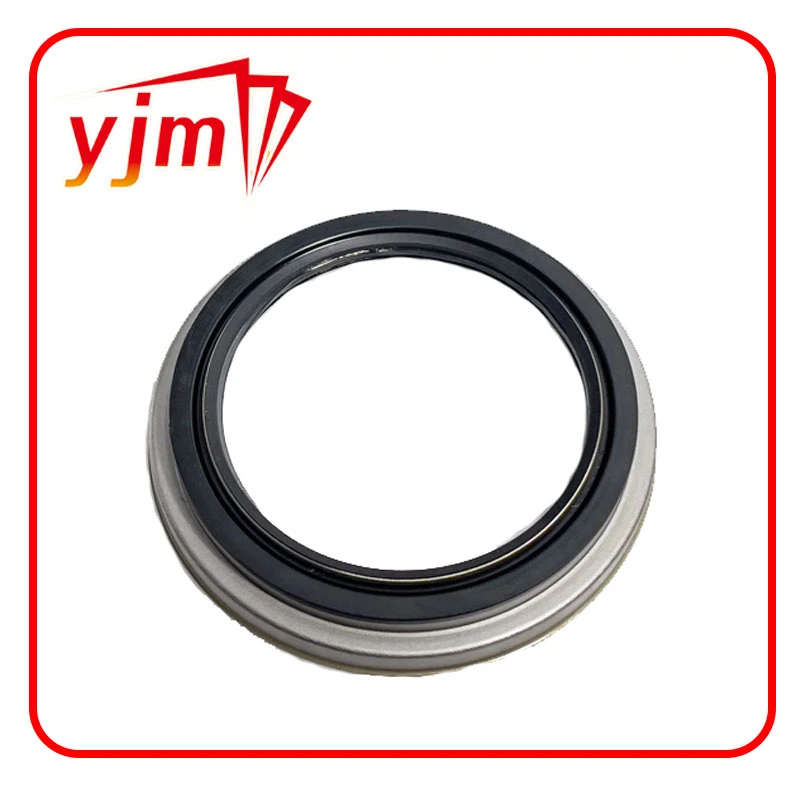
SEAL, OIL Genuine Toyota (9031672001)
-
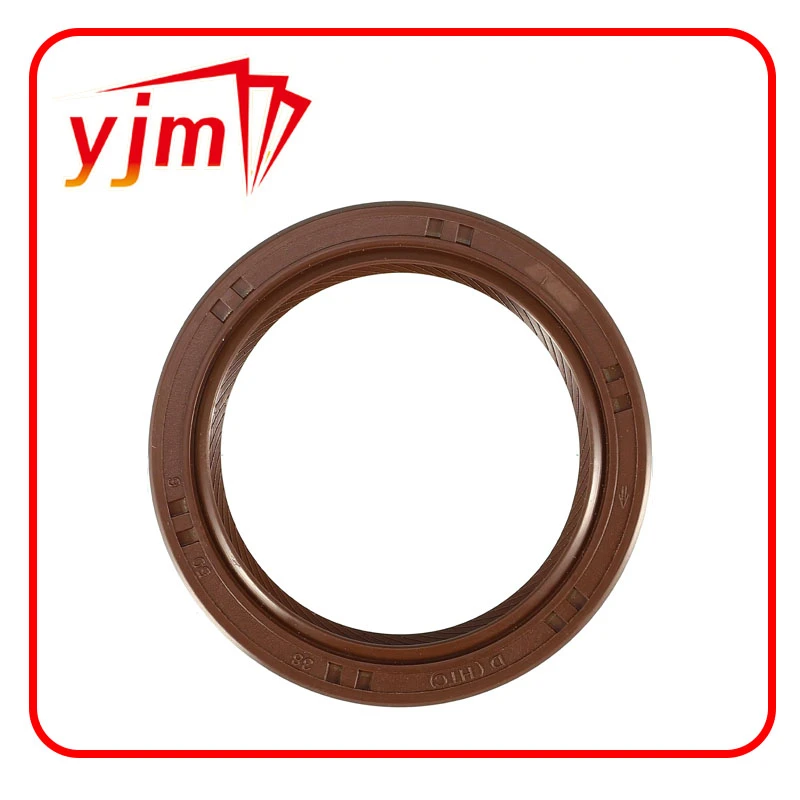
Engine Crankshaft Oil Seal No.9031138096
-
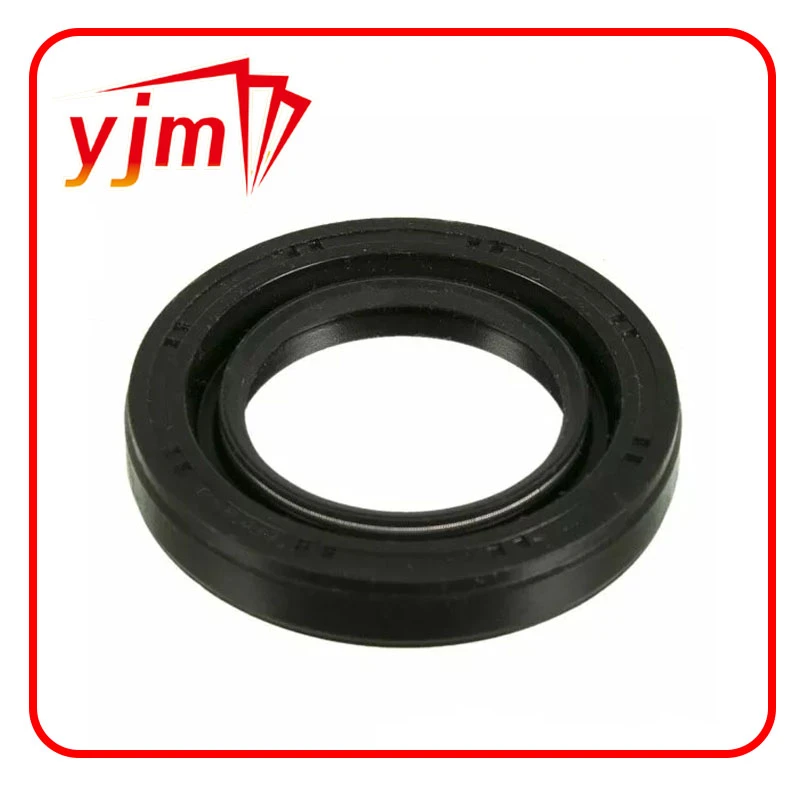
Toyota Transfer Case Output Shaft Seal Front 9031136006
-
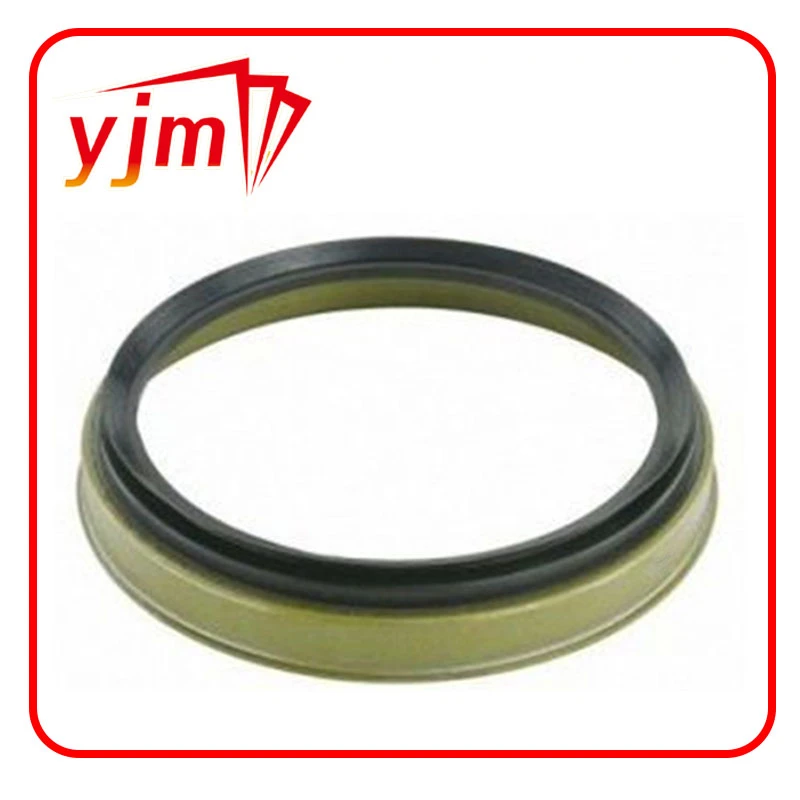
Seal, type v oil 9031287001 TOYOTA
-
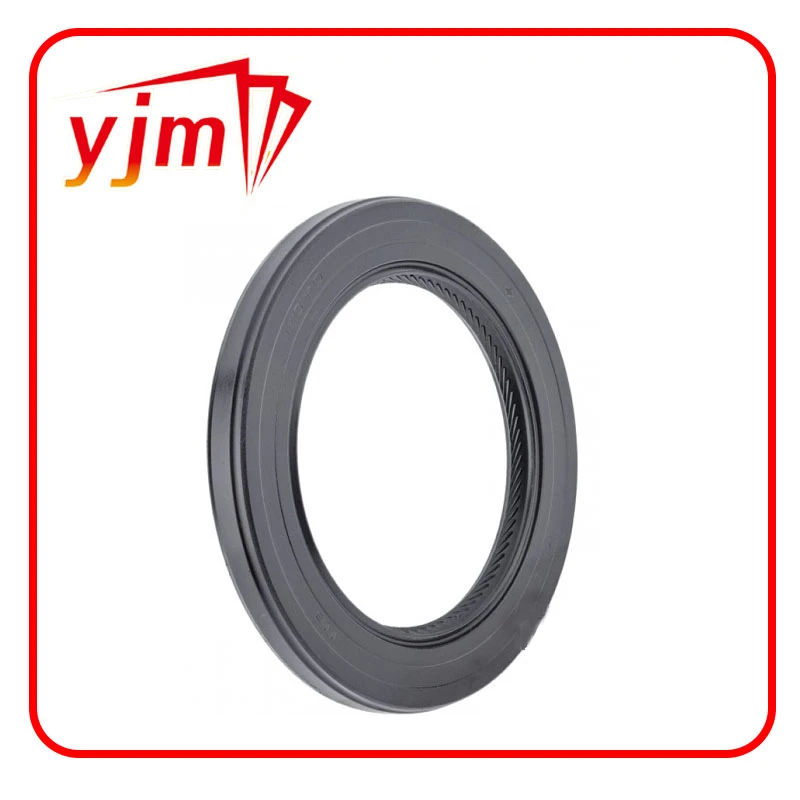
Oil pump seal 9031143010
-
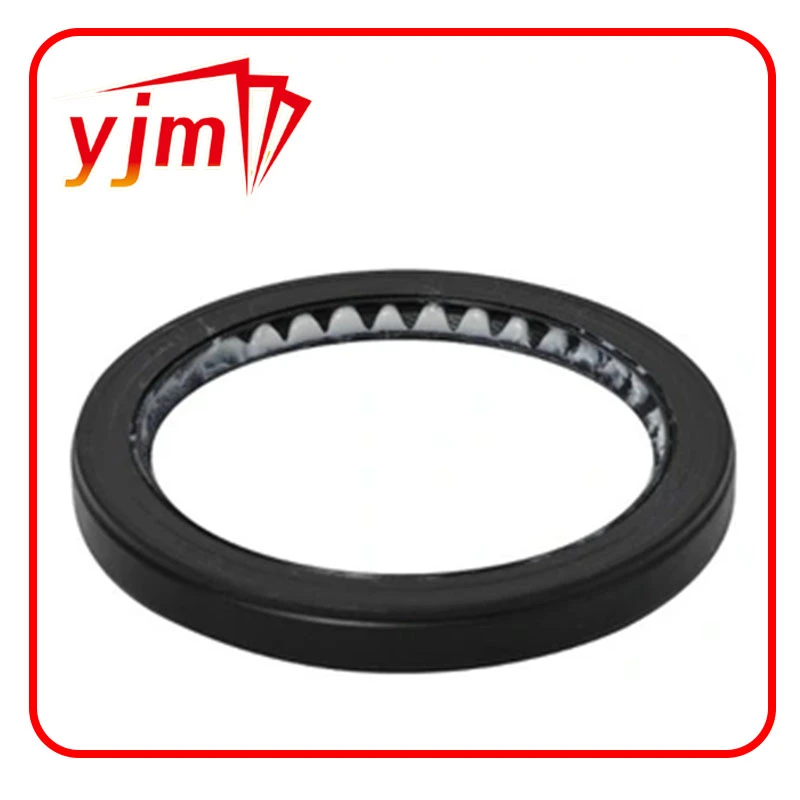
Genuine Toyota Oil SEAL 90311-54006
-
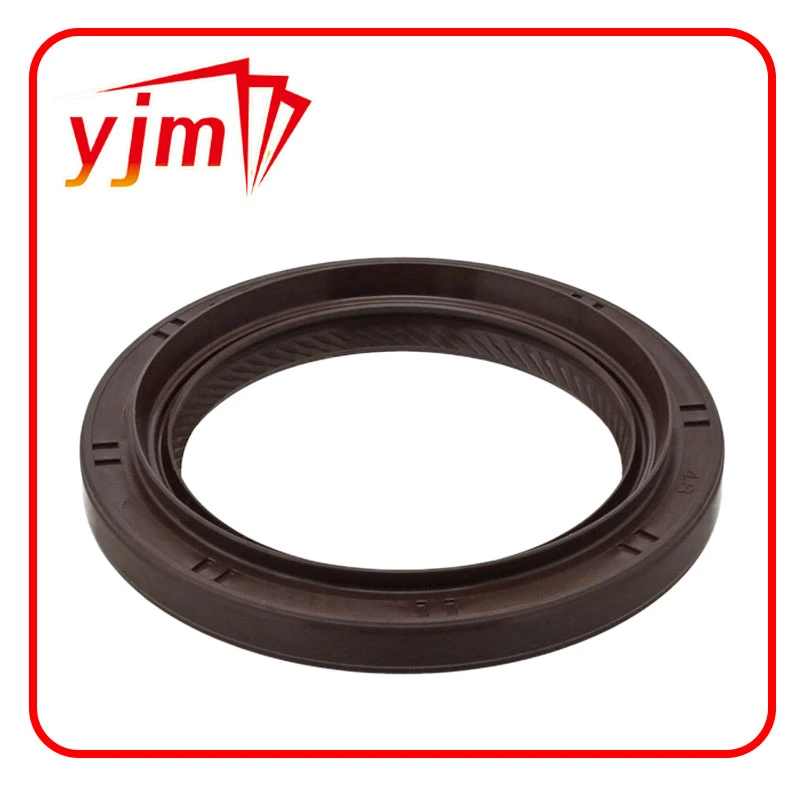
Toyota SEAL TYPE T OIL 90311-48031
-
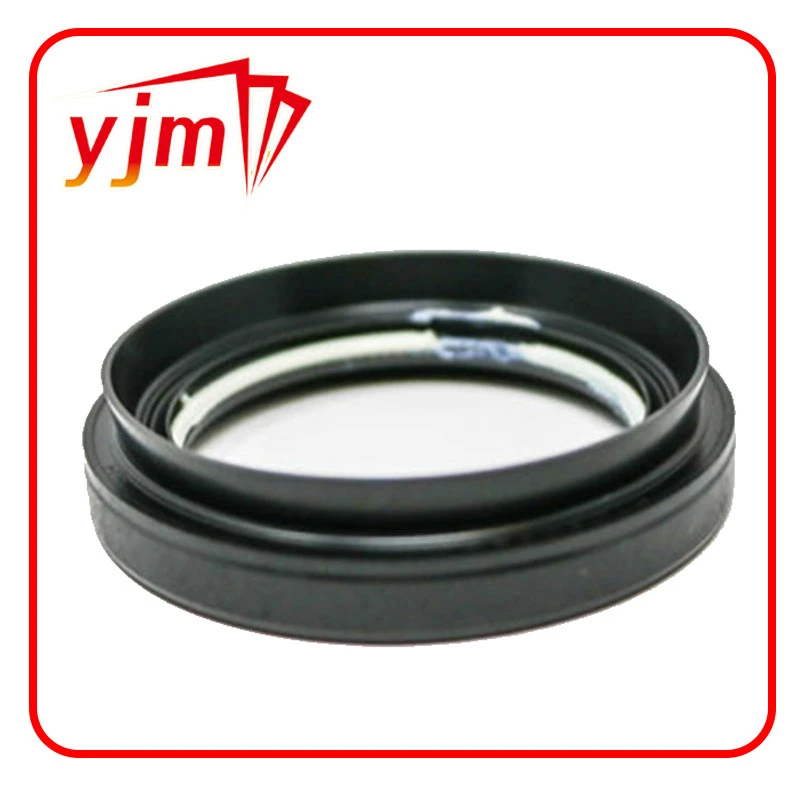
Type T Oil Seal, Front Drive Shaft, Left 9031150064
-
Seal, type d oil 9031634001 TOYOTA
 Afrikaans
 Albanian
 Amharic
 Arabic
 Armenian
 Azerbaijani
 Basque
 Belarusian
 Bengali
 Bosnian
 Bulgarian
 Catalan
 Cebuano
 Corsican
 Croatian
 Czech
Czech
 Danish
 Dutch
Dutch
 Esperanto
 Estonian
 Finnish
 French
 Frisian
 Galician
 Georgian
 German
 Greek
Greek
 Gujarati
 Haitian Creole
 Hausa
Hausa
 Hawaiian
 Hebrew
 Hindi
Hindi
 Miao
Miao
 Hungarian
 Icelandic
 Igbo
Igbo
 Indonesian
 Irish
Irish
 Italian
 Japanese
 Javanese
 Kannada
 Kazakh
 Khmer
Khmer
 Rwandese
 Korean
 Kurdish
 Kyrgyz
 Lao
Lao
 Latin
Latin
 Latvian
 Lithuanian
 Luxembourgish
 Macedonian
 Malgashi
 Malay
Malay
 Malayalam
 Maltese
 Maori
Maori
 Marathi
 Mongolian
 Myanmar
 Nepali
 Norwegian
 Norwegian
 Occitan
 Pashto
 Persian
 Polish
 Portuguese
 Punjabi
 Romanian
 Russian
 Samoan
 Scottish Gaelic
 Serbian
 Sesotho
 Shona
Shona
 Sindhi
 Sinhala
 Slovak
 Slovenian
 Somali
 Spanish
 Sundanese
 Swahili
 Swedish
 Tagalog
 Tajik
Tajik
 Tamil
Tamil
 Tatar
Tatar
 Telugu
 Thai
Thai
 Turkish
 Turkmen
 Ukrainian
 Urdu
Urdu
 Uighur
 Uzbek
Uzbek
 Vietnamese
 Welsh
Welsh
 Bantu
Bantu
 Yiddish
 Yoruba
 Zulu
Zulu
 English