Polypac seals represent a significant advancement in sealing technology, offering unparalleled performance and reliability across a diverse range of industries. These seals, renowned for their robust construction and adaptability, are instrumental in preventing leaks, maintaining pressure, and ensuring the safe operation of critical systems. Understanding the intricacies of polypac seals is crucial for engineers, technicians, and professionals involved in sectors like oil and gas, aerospace, and automotive manufacturing.
The global demand for high-performance sealing solutions is continually growing, driven by increasing industrialization, stricter safety regulations, and a push for enhanced efficiency. Polypac seals address these needs by providing a long-lasting, durable, and cost-effective alternative to traditional sealing methods. According to industry reports, the global sealing market is projected to reach \$150 billion by 2028, with polypac seals contributing significantly to this growth.
The development and adoption of polypac seals demonstrate a commitment to innovation in materials science and engineering. They are more than just components; they are vital for ensuring operational safety, reducing environmental impact, and optimizing the performance of countless applications worldwide. Their versatile nature allows for customization and adaptation to even the most demanding environments.
Introduction to Polypac Seals
Polypac seals are engineered to provide superior sealing performance in a wide array of challenging applications. Their unique design incorporates multiple sealing lips and a robust material construction, making them exceptionally resistant to wear, pressure, and temperature fluctuations. This leads to reduced downtime and maintenance costs, enhancing the overall efficiency of industrial processes.
These seals aren’t simply about preventing leakage; they are integral to ensuring the integrity and longevity of the equipment they protect. Industries reliant on consistent, reliable performance – such as oil and gas, aerospace, and chemical processing – benefit tremendously from incorporating polypac seals into their operational protocols. They are a proactive solution to potential failures and a crucial component of preventative maintenance strategies.
Defining Polypac Seals
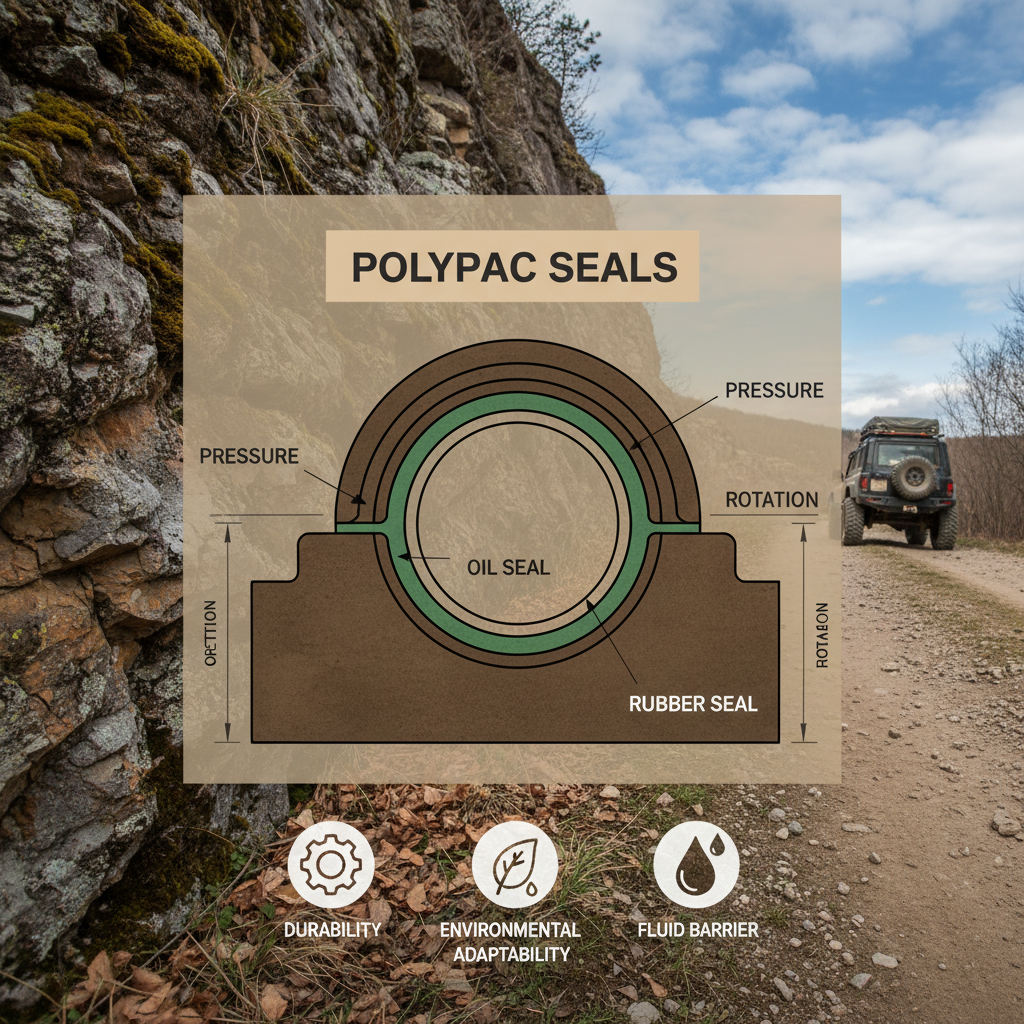
At their core, polypac seals are dynamic sealing solutions designed for reciprocating, rotary, and oscillating applications. Unlike traditional O-rings or single-lip seals, polypac seals feature a unique, multi-lip configuration typically constructed from a combination of materials, including PTFE, rubber, and metal reinforcements. This complex design allows them to accommodate misalignment, shaft runout, and varying operating conditions.
The connection to modern industry stems from the increasing demand for reliable, long-lasting components in high-performance machinery. As manufacturing processes become more sophisticated, the need for seals that can withstand extreme pressures, temperatures, and chemical exposures grows. Polypac seals directly address this need, contributing to increased operational efficiency and reduced environmental impact.
Essentially, polypac seals represent a leap forward in sealing technology, moving beyond simple static barriers to provide dynamic sealing capabilities that adapt to real-world operating conditions, enhancing the reliability of critical systems across diverse industrial landscapes.
Core Characteristics of Polypac Seals
Polypac seals are distinguished by several key characteristics. Firstly, their multi-lip design creates multiple barriers against leakage, enhancing sealing effectiveness. Secondly, the integration of various materials – often combining the wear resistance of PTFE with the elasticity of rubber – results in a seal that can adapt to complex operating environments.
Thirdly, their ability to compensate for misalignment and shaft runout is crucial in applications where precise alignment is difficult to achieve. This self-adjusting feature prevents premature wear and extends the seal’s lifespan. Finally, polypac seals demonstrate excellent resistance to a wide range of chemicals, making them suitable for use in harsh chemical environments.
These characteristics are not merely features; they represent a thoughtful engineering approach to tackling the challenges of modern sealing applications. The combination of design and material science allows polypac seals to outperform traditional sealing solutions in critical applications.
Key Performance Factors
Several factors contribute to the superior performance of polypac seals. Durability is paramount, achieved through the use of high-quality materials and a robust design that resists abrasion, extrusion, and chemical attack. Scalability allows for customization to fit various shaft sizes and operating pressures, making them versatile for diverse applications.
Cost efficiency is another key benefit; while the initial cost may be higher than traditional seals, the extended lifespan and reduced maintenance requirements translate to lower overall costs. Finally, adaptability to extreme temperatures and pressures ensures reliable performance even in the most demanding environments.
Polypac Seals Performance Metrics
Global Applications of Polypac Seals
Polypac seals find widespread applications in diverse sectors globally. In the oil and gas industry, they are critical for sealing downhole tools, pumps, and compressors, where they must withstand extreme pressures and corrosive environments. Aerospace applications utilize polypac seals in hydraulic systems, engines, and landing gear, requiring exceptional reliability and temperature resistance.
The automotive industry employs polypac seals in various components, including engines, transmissions, and steering systems, benefiting from their durability and resistance to wear. In post-disaster relief operations, polypac seals are crucial in ensuring the reliable operation of emergency power generators and water purification systems. In remote industrial zones, where maintenance access is limited, their longevity and reduced maintenance requirements are particularly valuable.
Advantages and Long-Term Value
The advantages of using polypac seals extend beyond immediate performance gains. Tangible benefits include reduced downtime, lower maintenance costs, and increased operational efficiency. Sustainability is enhanced through extended seal life, minimizing the need for frequent replacements and reducing waste.
From a broader perspective, polypac seals contribute to enhanced safety by preventing leaks and ensuring the reliable operation of critical systems. This builds trust with customers and stakeholders, reinforces a commitment to quality, and drives innovation in sealing technology. The emotional value of peace of mind, coupled with the logical benefits of cost savings and efficiency, makes polypac seals a valuable investment.
Future Trends and Innovations
The future of polypac seals is tied to advancements in materials science, digital transformation, and a growing emphasis on sustainability. Research into novel materials, such as advanced polymers and self-healing elastomers, promises to further enhance their performance and longevity. Integration with sensor technology and predictive maintenance algorithms will allow for real-time monitoring of seal health and proactive replacement.
Automation and robotics will streamline the manufacturing and installation processes, reducing costs and improving quality control. The increasing focus on green energy and reducing carbon footprints will drive demand for seals that minimize energy consumption and prevent harmful emissions. These innovations will position polypac seals as a key enabler of a more sustainable and efficient industrial future.
Furthermore, we anticipate greater customization of polypac seals through additive manufacturing techniques, allowing for rapid prototyping and tailored solutions for specific application requirements. This personalized approach will further solidify their position as a leading-edge sealing technology.
FAQS
Polypac seals offer significant advantages over O-rings, primarily in dynamic sealing applications. Their multi-lip design and ability to compensate for misalignment provide a superior seal, reducing leakage and extending operational life. O-rings are often limited in pressure and temperature capabilities, while polypac seals can handle more extreme conditions, resulting in reduced downtime and maintenance costs.
Polypac seals are engineered to withstand a wide range of chemicals due to the selection of appropriate materials, such as PTFE, which is highly resistant to chemical attack. The specific chemical resistance depends on the chosen material compound, but polypac seals generally outperform many traditional seals in corrosive environments, maintaining sealing integrity and preventing premature failure.
The lifespan of a polypac seal varies depending on the application, operating conditions, and material selection. However, due to their robust design and high-quality materials, polypac seals typically exhibit a significantly longer lifespan than traditional seals, often exceeding several years of continuous operation. Proper installation and regular monitoring can further extend their service life.
Yes, polypac seals are highly customizable. Manufacturers can tailor the seal's dimensions, materials, and lip configuration to meet the specific requirements of the application. This includes selecting materials compatible with the fluid being sealed, adjusting the seal’s spring tension, and designing seals to accommodate specific shaft sizes and operating pressures. Customization ensures optimal performance and longevity.
Several industries benefit significantly from polypac seals, including oil and gas, aerospace, automotive, chemical processing, and hydraulic systems. These industries often operate in challenging environments with high pressures, extreme temperatures, and corrosive fluids. Polypac seals provide the reliability and performance needed to maintain operational efficiency and safety in these demanding applications.
While the initial cost of polypac seals may be higher than some traditional sealing solutions, their long-term value proposition is often superior. Their extended lifespan, reduced maintenance requirements, and enhanced reliability translate to lower overall costs, preventing costly downtime and repairs. Considering the total cost of ownership, polypac seals often prove to be the most cost-effective solution.
Conclusion
In conclusion, polypac seals represent a significant advancement in sealing technology, offering a compelling combination of durability, adaptability, and long-term value. Their multi-lip design, coupled with advanced materials, makes them ideally suited for demanding applications across a broad range of industries. From enhancing operational efficiency to ensuring safety and sustainability, polypac seals provide a critical solution to modern engineering challenges.
Looking ahead, continued innovation in materials science and manufacturing techniques will further elevate the performance and versatility of polypac seals. Investing in these advanced sealing solutions is not simply a matter of improving equipment reliability; it's a strategic step towards building a more efficient, sustainable, and secure future. For more information and to explore our range of polypac seal solutions, visit our website: polypac seals.




 English
  Afrikaans
  Albanian
  Amharic
  Arabic
  Armenian
  Azerbaijani
  Basque
  Belarusian
  Bengali
  Bosnian
  Bulgarian
  Catalan
  Cebuano
  Corsican
  Croatian
  Czech
Czech  Danish
  Dutch
Dutch  Esperanto
  Estonian
  Finnish
  French
  Frisian
  Galician
  Georgian
  German
  Greek
Greek  Gujarati
  Haitian Creole
  Hausa
Hausa  Hawaiian
  Hebrew
  Hindi
Hindi  Miao
Miao  Hungarian
  Icelandic
  Igbo
Igbo  Indonesian
  Irish
Irish  Italian
  Japanese
  Javanese
  Kannada
  Kazakh
  Khmer
Khmer  Rwandese
  Korean
  Kurdish
  Kyrgyz
  Lao
Lao  Latin
Latin  Latvian
  Lithuanian
  Luxembourgish
  Macedonian
  Malgashi
  Malay
Malay  Malayalam
  Maltese
  Maori
Maori  Marathi
  Mongolian
  Myanmar
  Nepali
  Norwegian
  Norwegian
  Occitan
  Pashto
  Persian
  Polish
  Portuguese
  Punjabi
  Romanian
  Russian
  Samoan
  Scottish Gaelic
  Serbian
  Sesotho
  Shona
Shona  Sindhi
  Sinhala
  Slovak
  Slovenian
  Somali
  Spanish
  Sundanese
  Swahili
  Swedish
  Tagalog
  Tajik
Tajik  Tamil
Tamil  Tatar
Tatar  Telugu
  Thai
Thai  Turkish
  Turkmen
  Ukrainian
  Urdu
Urdu  Uighur
  Uzbek
Uzbek  Vietnamese
  Welsh
Welsh  Bantu
Bantu  Yiddish
  Yoruba
  Zulu
Zulu