4d56 Crankshaft Oil Seal: Durable Sealing Solutions for Reliable Engine Performance
Understanding the 4d56 Crankshaft Oil Seal: Why It Matters Worldwide
If you’re like me, when you hear “4d56 crankshaft oil seal,” your eyes might momentarily glaze over. But then you realize these tiny pieces—often overlooked—keep critical engines running smoothly worldwide. The 4d56 is actually a specific Mitsubishi diesel engine family, well-known for its durability and widespread use in everything from trucks to agricultural equipment. And the oil seal? It’s the unsung hero that keeps engine oil exactly where it should be—inside the engine, preventing nasty leaks. Globally, millions of vehicles powered by 4d56 engines rely on robust crankshaft oil seals. Why care? Because a faulty seal can cause leaks that not only harm engine performance but raise environmental concerns through oil spills. Understanding these seals isn’t just a matter of technical curiosity—it’s about longevity, cost efficiency, and eco-consciousness, which in turn impact industries and livelihoods worldwide.The Global Context: Why the 4d56 Crankshaft Oil Seal Is Crucial
The 4d56 engine has powered up trucks, 4x4s, and industrial machines for over three decades, especially in emerging markets across Asia, Africa, and South America. According to data from the International Organization for Standardization (ISO), efficient sealing solutions contribute significantly to engine longevity and emission control, directly supporting global sustainability goals. But here’s the thing: harsh climates, from dusty deserts to humid jungles, put these seals through the wringer. Environmental conditions pose serious challenges, threatening oil leaks that can cripple industry supply chains or disrupt agricultural cycles. The pressure to produce durable, high-performance oil seals tailored to the 4d56 engine is more than just industrial—it's fundamental for food security, transport reliability, and even public safety.Mini Takeaway
The humble 4d56 crankshaft oil seal plays a larger role than most realize, connecting global sustainability and industrial dependability in a neat, compact package.What Exactly Is a 4d56 Crankshaft Oil Seal?
In straightforward terms, a 4d56 crankshaft oil seal is a specially designed gasket that wraps around the crankshaft of a 4d56 diesel engine, preventing lubricating oil from leaking out as the shaft spins. Think of it as a tight rubber jacket that lets the crankshaft move freely while keeping oil sealed inside the engine casing. The importance comes down to precision engineering and material composition. Modern seals combine nitrile, silicone, or fluorocarbon elastomers to withstand high temperatures, chemical degradation, and mechanical wear. As engines become more efficient and powerful, the requirements for these seals get even more demanding. On a humanitarian level, reliable engines powered by tight seals, like the 4d56’s, support disaster relief operations and agricultural development projects, where transport and mechanical reliability mean everything.Mini Takeaway
The crankshaft oil seal is a simple concept with complex demands—vital for engine performance and global operational reliability.Key Components and Performance Factors
Let’s break down what really makes a good 4d56 crankshaft oil seal tick.Material Durability
Seals must endure temperatures up to 150°C and resist oil additives that would degrade common rubbers. Fluoroelastomers (FKM) are often preferred for their longevity and chemical resistance.Precision Fit and Design
Since the 4d56 crankshaft has exact dimensions, seals must match these precisely to avoid leaks. Seal lip geometry and spring preload are crucial design elements for maintaining tight contact under pressure.Resistance to Environmental Contaminants
Every day, seals face dirt, dust, moisture, and vibration. Quality oil seals sport additional dust lips or double sealing features to ensure nothing sneaks inside.Cost-effectiveness and Scalability
In large-scale manufacturing and replacement markets, affordable seals that don’t sacrifice quality win hands down.Ease of Installation
Field mechanics value oil seals that can be fitted without expensive tools, minimizing engine downtime.Mini Takeaway
A great oil seal balances rigorous material standards, precision engineering, and practical serviceability—all tuned for the 4d56 engine’s needs.Real-World Applications and Use Cases
The reach of 4d56 crankshaft oil seals is truly global, from agricultural machines tiling fields in Indonesia to pickup trucks hauling goods in East Africa. - Agriculture: Reliable seals keep engines running through tough seasons, critical where machine failure means lost harvests. - Commercial Transport: Delivery fleets powered by 4d56 engines serve growing urban centers, relying on oil seals for engine health. - Mining & Industry: Heavy equipment operating in harsh conditions uses these seals to prevent costly downtime. - Disaster Relief: In remote zones after floods or earthquakes, transport and power units with strong sealing protect vital operations. One local repair shop in the Philippines reported a 40% decrease in repeat oil seal failures after switching to premium 4d56 seals—this kind of impact ripples into customer trust and operational efficiency.Mini Takeaway
The 4d56 crankshaft oil seal’s performance directly supports industries and communities reliant on functional, efficient machinery.Advantages Beyond the Obvious
You might be thinking: it’s just a seal, right? Yet, these components deliver tangible long-term value: - Cost Savings: Fewer leaks mean less oil top-up and maintenance, extending engine life. - Environmental Benefit: Preventing oil leaks helps reduce soil and groundwater contamination. - Reliability: Confidence in engine seals boosts equipment uptime, a lifeline for businesses. - Emotional Impact: Mechanically speaking, knowing your rig won’t quit mid-route—especially in isolated areas—feels like a small victory for peace of mind.Mini Takeaway
The 4d56 crankshaft oil seal isn’t just functional—it’s a quiet contributor to sustainability, economy, and social trust.Looking Ahead: Future Trends and Innovations
We’re entering an era where materials science and digital tracking meet classic mechanical parts. Emerging trends include: - Advanced Elastomers: Next-gen polymers promise seals that last longer under higher heat and pressures. - Digital Quality Control: Smart factories use real-time sensors to verify seal precision at assembly, reducing defects. - Eco-Friendly Manufacturing: Biodegradable and less polluting seal materials are being tested for sustainability. - Customization: Rapid prototyping enables seals tailored for upgraded or retrofitted 4d56 engines, keeping old machines relevant. The 4d56 oil seal landscape is quietly shifting from “just rubber and metal” to “intelligent, durable system components.”Mini Takeaway
The future of oil seals blends material advances with sustainability and smart manufacturing—a good sign for the next generation of 4d56 engines.Common Challenges and How They’re Tackled
No product is perfect. Common hurdles include: - Seal Hardening: Elastomer aging leads to cracks and leaks. - Installation Damage: Improper fitting causes premature failure. - Environmental Stress: Variability in operating conditions strains seal integrity. Solutions? Manufacturers recommend: - Using premium materials like fluorocarbon rubber. - Training mechanics on correct installation methods. - Applying protective dust lips to reduce contaminant ingress. Some suppliers offer installation kits or video tutorials—small investments that pay off big in reduced downtime.FAQ: Quick Answers on 4d56 Crankshaft Oil Seals
- Q: What causes oil leaks around the crankshaft in a 4d56 engine?
A: Usually, a worn or damaged crankshaft oil seal, improper installation, or extreme operating conditions increasing wear. - Q: How do I know when to replace my 4d56 crankshaft oil seal?
A: Signs include visible oil leaks around the engine, oil level drops, or unusual engine smoke. Regular maintenance intervals help avoid surprises. - Q: Are aftermarket 4d56 oil seals as reliable as OEM parts?
A: Many aftermarket vendors meet or exceed OEM specs, but quality varies. Always check material certifications and user reviews. - Q: Can I install the seal myself, or is professional help recommended?
A: While DIY installation is possible, specialized tools and care are needed to avoid damage. Consulting a professional or following detailed guides is wise. - Q: Where can I find replacements for 4d56 crankshaft oil seals in remote areas?
A: Online suppliers, including manufacturers like YJM Seal, offer shipping worldwide and support technical questions.
Specification Table: Typical 4d56 Crankshaft Oil Seal
| Specification | Detail |
|---|---|
| Material | Fluoroelastomer (FKM) |
| Inner Diameter | 41 mm |
| Outer Diameter | 62 mm |
| Width | 7 mm |
| Operating Temp Range | -40°C to +150°C |
| Resistance | Oil, fuels, ozone, weather |
Vendor Comparison: Popular 4d56 Crankshaft Oil Seal Suppliers
| Vendor | Material Quality | Price Range (per seal) | Global Shipping | Installation Support |
|---|---|---|---|---|
| YJM Seal | Premium FKM | $5–7 | Yes, worldwide | Video & live support |
| SealTech Global | Standard Nitrile | $3–5 | Asia, Europe | Manual guide only |
| OEM Parts Co. | OEM Spec FKM | $7–10 | Varies by region | Professional only |
Conclusion: Why Your Next Engine Maintenance Should Include Quality 4d56 Crankshaft Oil Seals
So, the next time you glance at a diesel engine—whether it’s hauling goods, powering a bulldozer, or running a water pump—remember the 4d56 crankshaft oil seal quietly working behind the scenes. It’s more than just a circle of rubber; it’s a linchpin of efficiency, environmental care, and economic sense across countless industries worldwide. For anyone maintaining or operating 4d56-powered machinery, investing in high-quality seals like those from YJM Seal isn’t just smart: it’s essential. Smooth running engines mean fewer unexpected repairs, lower costs over time, and less oil wasted into the environment. Plus, you earn a little peace of mind — and who doesn’t want that? Keep it tight, keep it sealed. ---References
-
Guide to Choosing the Right Washer for Oil Change and Sealing
News Apr.16,2026
-
Essential Guide to High Quality rubber washer oil drain plug
News Apr.09,2026
-
Understanding Rubber Crush Washers for Optimal Sealing Performance
News Apr.07,2026
-
Comprehensive Guide to Understanding and Reusing Crush Washer for Optimal Sealing
News Apr.04,2026
-
The Vital Role of a Drain Screw Gasket in Fluid System Integrity
News Mar.31,2026
-
The Essential Guide to Drain Crush Washer Selection and Plumbing Leak Prevention
News Mar.28,2026
-
The Vital Role of a Crush Washer in Oil Changes for Engine Protection
News Mar.26,2026
Products categories
-
Brass cutlass marine bearing
-
Genuine OEM Engine Oil Filter Housing Cover O-Ring For VW/Audi 06E115446
-
Oil Filter Stand Gasket,Oil filter cover seal
-
Oil Cooler Gasket, Oil Cooler to Oil Filter Housing 11427525335
-
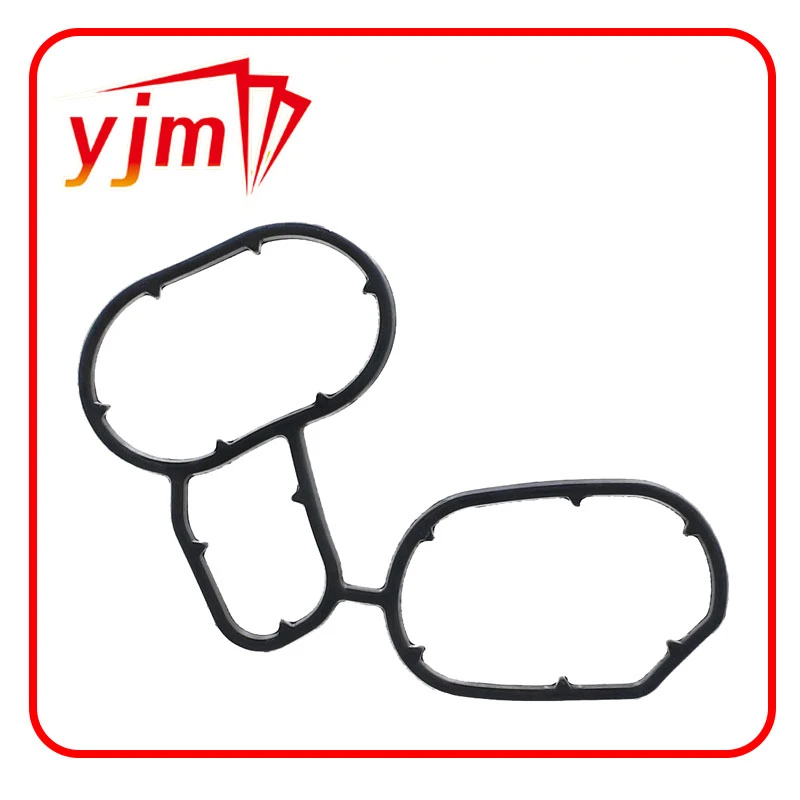
11427508970 BMW - OIL FILTER HOUSING GASKETS
-
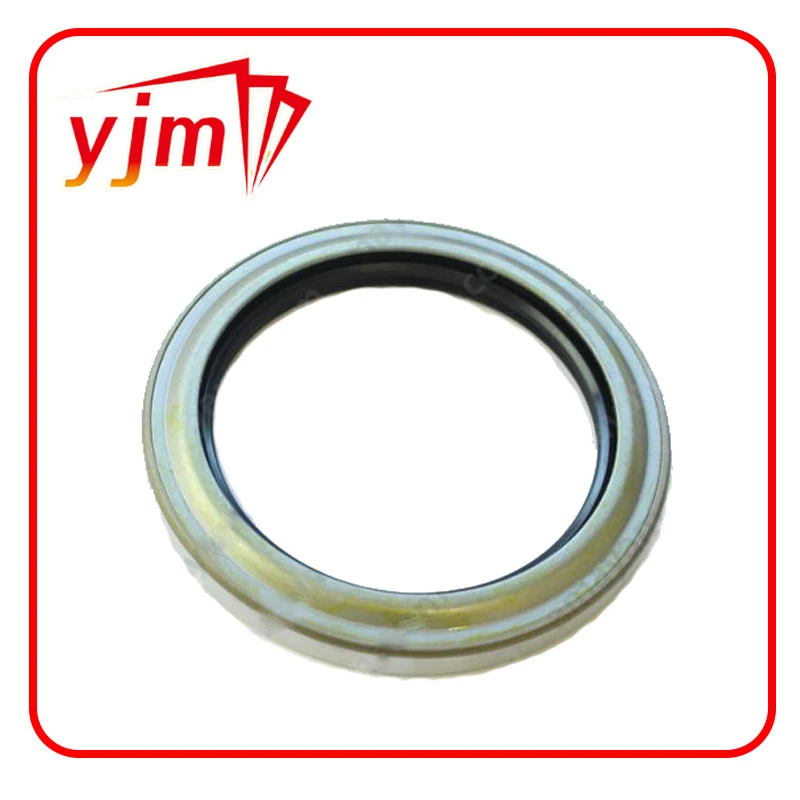
SEAL, OIL Genuine Toyota (9031170011)
-
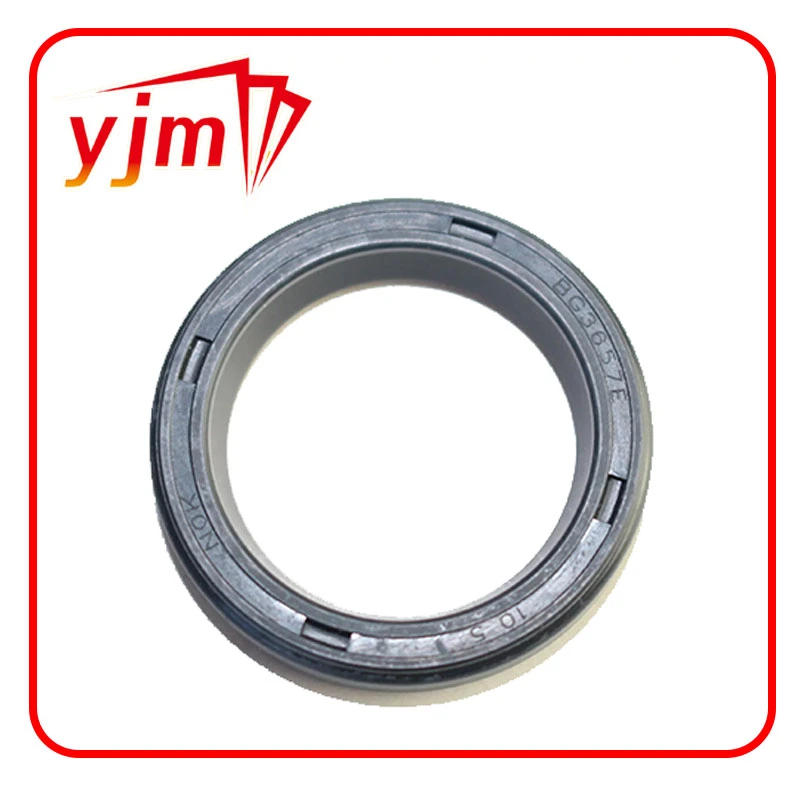
Transfer Case Output Shaft Seal Part 9031223001
-
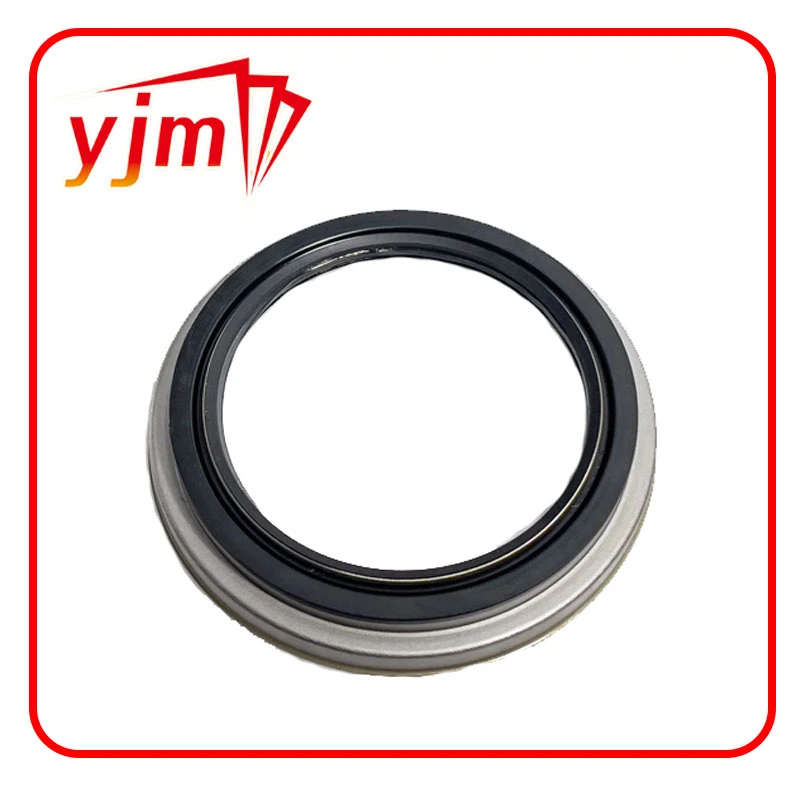
SEAL, OIL Genuine Toyota (9031672001)
-
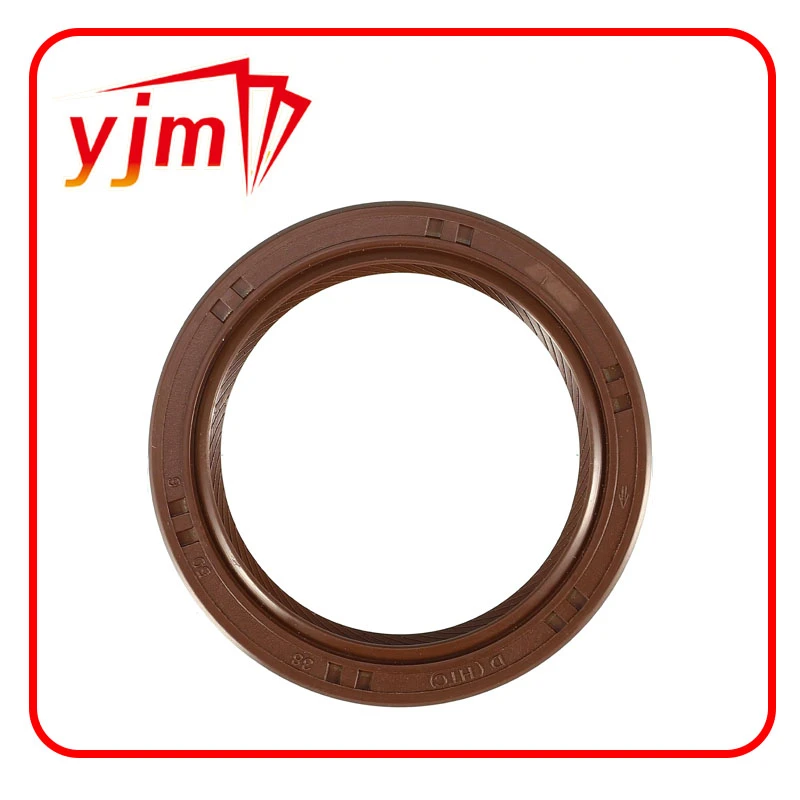
Engine Crankshaft Oil Seal No.9031138096
-
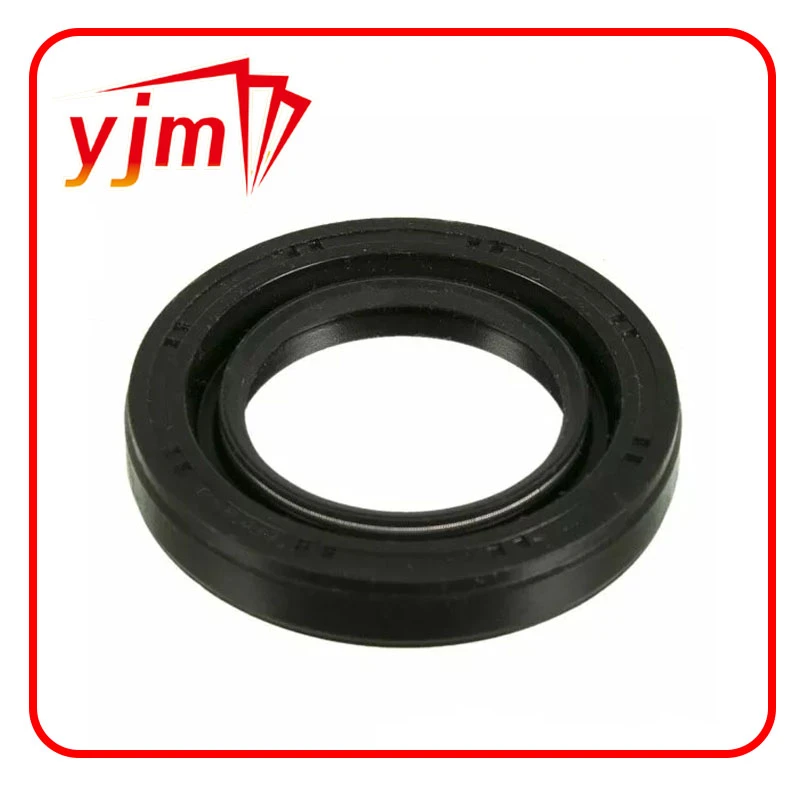
Toyota Transfer Case Output Shaft Seal Front 9031136006
-
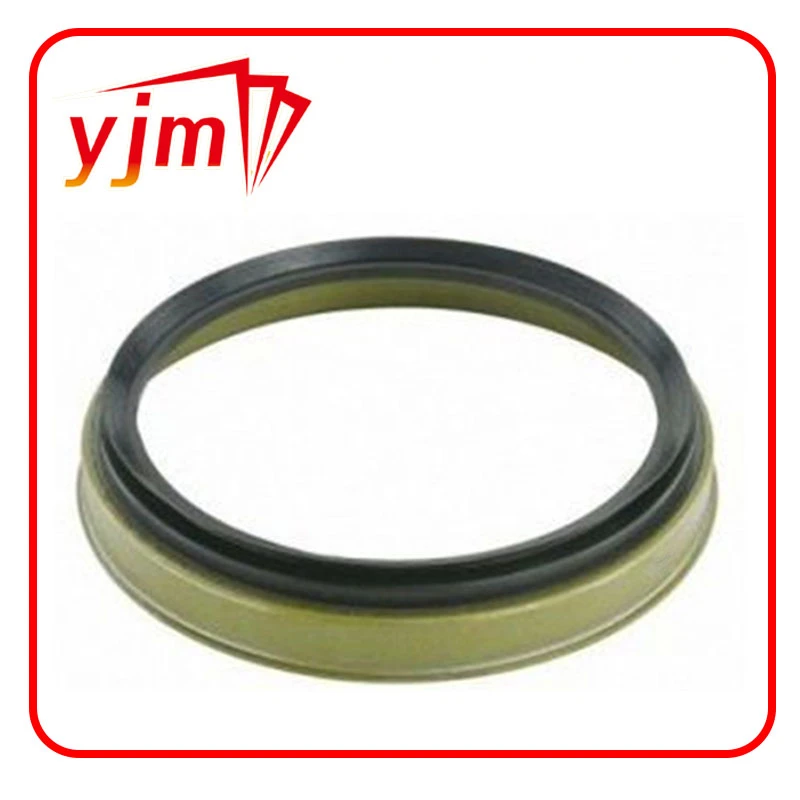
Seal, type v oil 9031287001 TOYOTA
-
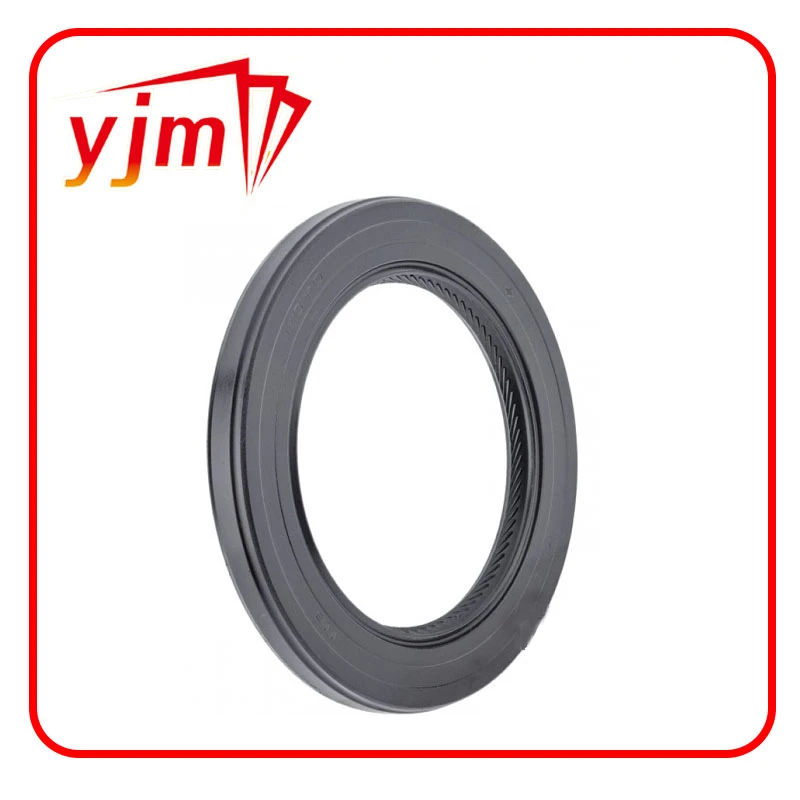
Oil pump seal 9031143010
-
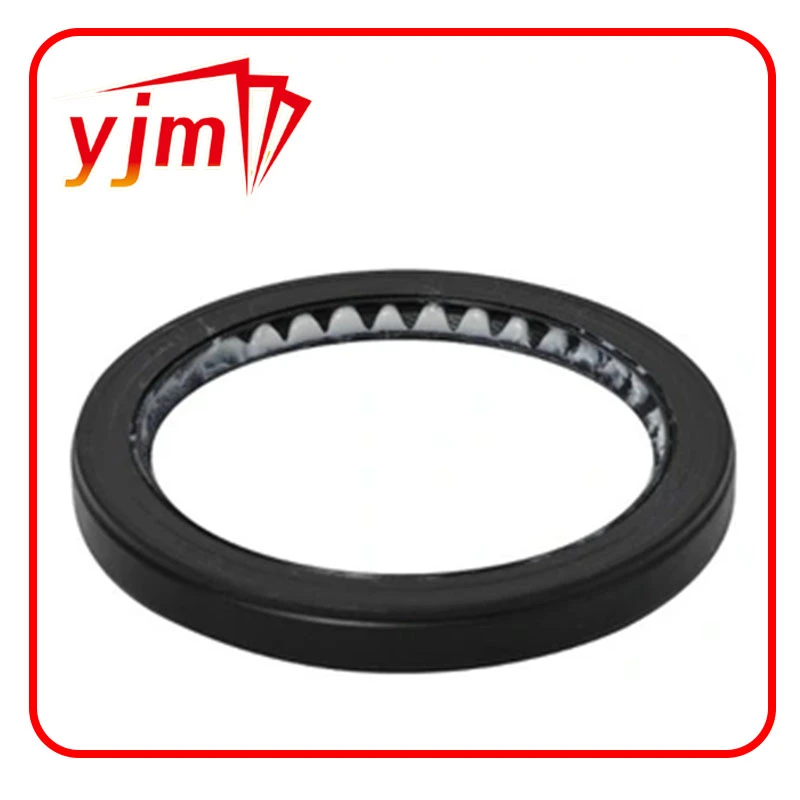
Genuine Toyota Oil SEAL 90311-54006
-
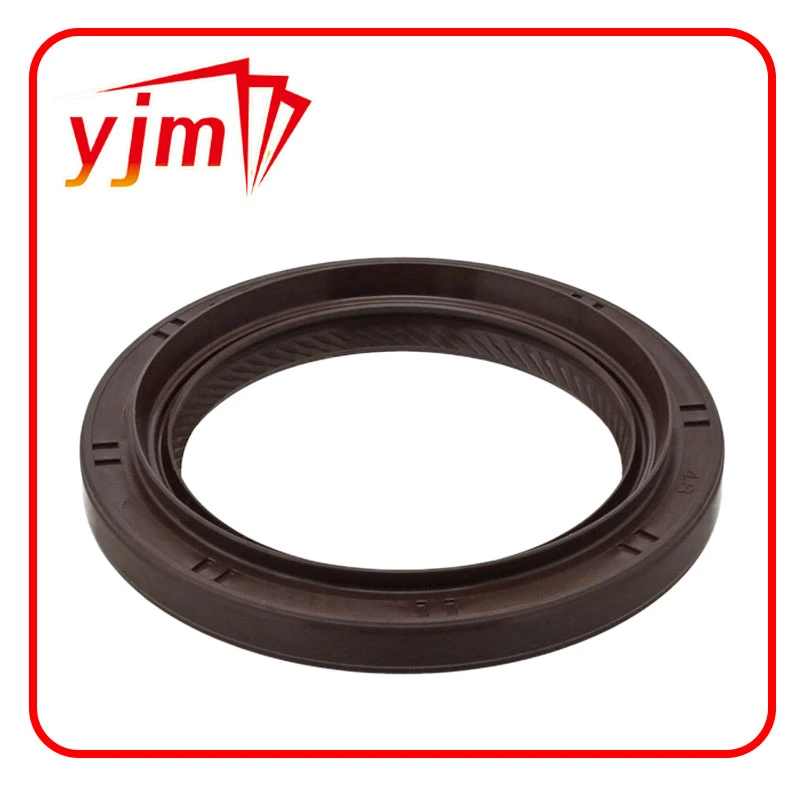
Toyota SEAL TYPE T OIL 90311-48031
-
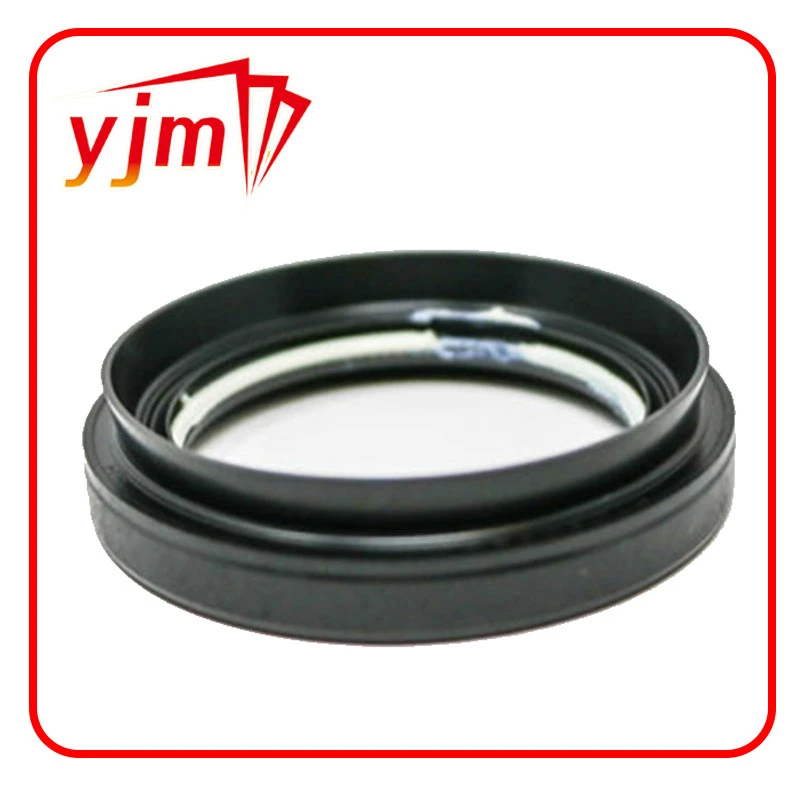
Type T Oil Seal, Front Drive Shaft, Left 9031150064
-
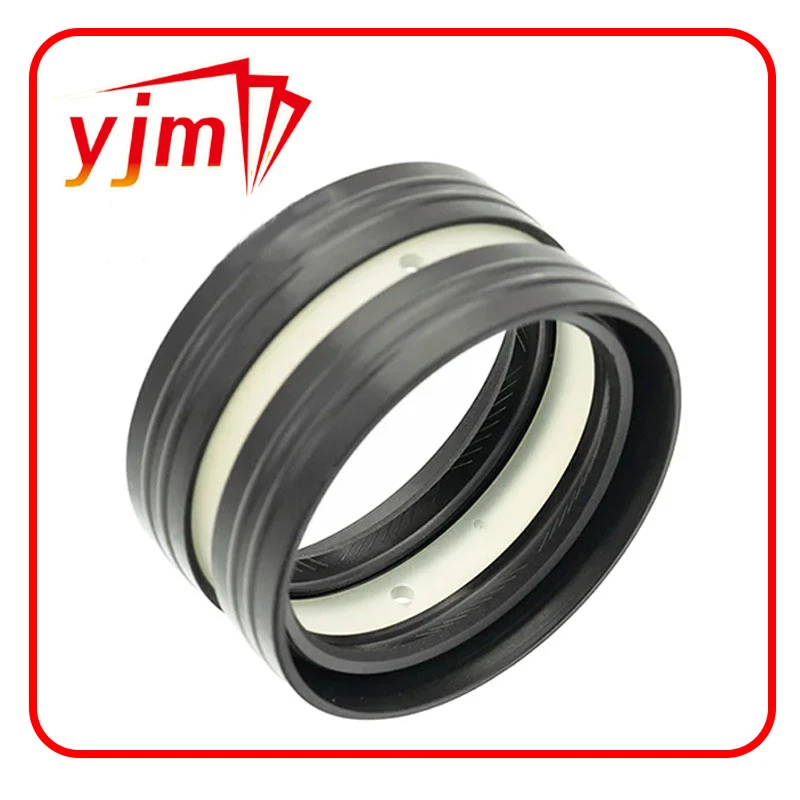
Seal, type d oil 9031634001 TOYOTA
 Afrikaans
 Albanian
 Amharic
 Arabic
 Armenian
 Azerbaijani
 Basque
 Belarusian
 Bengali
 Bosnian
 Bulgarian
 Catalan
 Cebuano
 Corsican
 Croatian
 Czech
Czech
 Danish
 Dutch
Dutch
 Esperanto
 Estonian
 Finnish
 French
 Frisian
 Galician
 Georgian
 German
 Greek
Greek
 Gujarati
 Haitian Creole
 Hausa
Hausa
 Hawaiian
 Hebrew
 Hindi
Hindi
 Miao
Miao
 Hungarian
 Icelandic
 Igbo
Igbo
 Indonesian
 Irish
Irish
 Italian
 Japanese
 Javanese
 Kannada
 Kazakh
 Khmer
Khmer
 Rwandese
 Korean
 Kurdish
 Kyrgyz
 Lao
Lao
 Latin
Latin
 Latvian
 Lithuanian
 Luxembourgish
 Macedonian
 Malgashi
 Malay
Malay
 Malayalam
 Maltese
 Maori
Maori
 Marathi
 Mongolian
 Myanmar
 Nepali
 Norwegian
 Norwegian
 Occitan
 Pashto
 Persian
 Polish
 Portuguese
 Punjabi
 Romanian
 Russian
 Samoan
 Scottish Gaelic
 Serbian
 Sesotho
 Shona
Shona
 Sindhi
 Sinhala
 Slovak
 Slovenian
 Somali
 Spanish
 Sundanese
 Swahili
 Swedish
 Tagalog
 Tajik
Tajik
 Tamil
Tamil
 Tatar
Tatar
 Telugu
 Thai
Thai
 Turkish
 Turkmen
 Ukrainian
 Urdu
Urdu
 Uighur
 Uzbek
Uzbek
 Vietnamese
 Welsh
Welsh
 Bantu
Bantu
 Yiddish
 Yoruba
 Zulu
Zulu
 English