Seal Cassette Solutions: Your Guide to Modern Industrial Sealing Technology
The Unsung Hero of Modern Industry: Why Seal Cassettes Matter Globally
When you come across the term seal cassette, you might think it’s some niche technical gadget, confined to industry jargon. But in reality, it touches a surprising array of global sectors—from food processing to humanitarian logistics. Understanding seal cassettes is key to grasping how we maintain safety, efficiency, and trust in complex supply chains worldwide.
Why does this matter? Well, supply chain disruptions and product contamination cost billions annually, affecting everything from the quality of medicine to the integrity of food exports. Seal cassettes, by ensuring tight, tamper-evident sealing, help mitigate those risks. And with growing global trade and stricter compliance regulations, the demand for reliable sealing solutions is rapidly on the rise.
Setting the Stage: Where Seal Cassettes Fit in Today’s Global Landscape
The International Organization for Standardization (ISO) reports that over 80% of industrial firms worldwide depend on secure sealing systems to comply with safety standards. In harsh environments—think industrial plants in the middle of nowhere or shipping cold chain vaccines—the seal cassette plays a pivotal role.
However, many industries face a conundrum: how to balance cost, scalability, and security in sealing technology. The global pandemic further magnified this as businesses scrambled to ensure product integrity amid chaos. Enter seal cassettes—a solution that’s both adaptable and trusted.
Mini takeaway:
Seal cassettes are no longer “just” mechanical components. They’re critical junction points in ensuring industrial, medical, and humanitarian operations run smoothly and safely.
What Exactly Is a Seal Cassette?
In plain terms, a seal cassette is a compact, replaceable cartridge that holds the sealing mechanism—usually a combination of resilient rubber or polymer seals housed in a sturdy frame—that fits into machines or containers to prevent leaks and contamination.
You often find them in fluid transfer systems, packaging lines, or anywhere a tight closure is non-negotiable. Unlike ad hoc sealing that relies on tape or manual clamps, seal cassettes offer a systematic, quality-controlled seal that’s easy to replace and maintain.
Seal Cassettes in Modern Industry and Humanitarian Use
Think about vaccine vials or sensitive chemical drums shipped internationally; a seal cassette ensures the contents remain untouched and safe despite rough transit. On humanitarian fronts, efficient sealing protects supplies heading into disaster zones, making a difference between usable resources and spoiled goods.
Core Components & Factors That Make Seal Cassettes Work
1. Durability
The sealing materials need to withstand extremes—humidity, temperature swings, abrasion, and chemical exposure. Many engineers swear by fluoroelastomer seals for their balance of flexibility and resistance.
2. Scalability
Seal cassette systems must be versatile, suitable for small-scale lab uses as well as massive shipping tanks. Modular designs allow easy customization and scalability, an increasingly popular feature.
3. Cost Efficiency
Replacing manual seals repeatedly can be expensive. Seal cassettes cut downtime and rework by providing a ready-to-install unit, optimizing both materials and labor costs.
4. Easy Maintenance
Most seal cassettes are designed for quick removal and installation, reducing maintenance time and chances for operator error. This is a big win in industries where time really is money.
5. Environmental Sustainability
Materials selection plays into how eco-friendly the seal cassette can be. Recyclable frames and longer-lasting seals are trending, especially with tightening environmental regulations worldwide.
Mini takeaway:
At their core, seal cassettes balance mechanical engineering with pragmatic design to serve diverse, demanding environments.
Worldwide Use Cases That Bring Seal Cassettes to Life
Post-Disaster Relief Operations: After earthquakes or floods, NGOs rely heavily on sealed containers to keep medical supplies sterile and safe during long transport and storage periods.
Industrial Chemistry Plants: Here, seal cassettes guard against dangerous spills and costly contamination, ensuring continuous operation under tough chemicals.
Food & Beverage Packaging: In Europe and North America, automated lines with seal cassettes maintain hygiene standards and reduce wastage, crucial for sustainability credentials.
Remote Mining Sites: Mining operations in Australia or Canada use seal cassettes in hydraulic systems where reliability translates into fewer accidents and maintenance visits.
Mini takeaway:
These examples underline just how ubiquitous and crucial seal cassettes have become in safeguarding industries and lives.
Advantages & Why They’re Worth Investing In
- Cost savings: Reduced downtime, less scrap, and easier maintenance add up to significant operational savings.
- Safety & trust: Reliable seals boost confidence among customers and regulators, protecting brand reputation.
- Sustainability: Longer-lasting seals mean fewer waste parts; many cassettes now use greener materials.
- Innovation: Modern seal cassettes embed sensors to predict wear—talk about smart maintenance.
Seal Cassette Product Specifications
| Feature | Specification | Notes |
|---|---|---|
| Seal Material | Fluoroelastomer (FKM) | High chemical & temperature resistance |
| Frame Material | Polycarbonate Reinforced | Lightweight & impact resistant |
| Temperature Range | -30°C to +220°C | Suitable for most industrial applications |
| Size Variants | Small (30x50mm) to Large (150x200mm) | Fits multiple container sizes |
| Replacement Interval | 6-12 months (typical usage) | Depends on environment and usage |
Vendor Comparison at a Glance
| Vendor | Seal Material Options | Custom Sizes | Lead Time | Price Range |
|---|---|---|---|---|
| SealTech Industries | FKM, Silicone, EPDM | Yes | 2-4 weeks | $$$ |
| Global Seal Parts | FKM, Nitrile | Limited | 1-3 weeks | $$ |
| YJM Seal Co. | Custom blends, FKM | Yes | 1-2 weeks | $$$ |
Looking Ahead: Future Trends in Seal Cassette Technology
Advances in materials science are pushing seal cassettes toward smarter, greener solutions. For example, embedded sensors capable of detecting micro-leaks before failure are being trialed widely. This predictive approach reduces downtime, a real game-changer for continuous processes.
Additionally, recyclable and bio-based polymer seals are gaining traction, tying into the global push for sustainability in manufacturing. Automation also simplifies maintenance, making on-site rapid replacement a breeze.
Tackling Challenges Head-On
Of course, no innovation is without hurdles. Some challenges include high upfront costs, compatibility issues with legacy equipment, and occasional supply chain bottlenecks. However, many companies are solving these by providing modular, universal designs and expanding local production hubs.
Seal Cassette FAQs: Quick Answers for Common Questions
Q1: What is the typical lifespan of a seal cassette in industrial applications?
A: Usually, a seal cassette lasts between 6 to 12 months depending on factors like operating temperature, chemical exposure, and pressure. Regular inspections help avoid unexpected failures.
Q2: Can seal cassettes be customized for unique container sizes?
A: Absolutely. Many manufacturers offer custom sizing and materials tailored to specific equipment or industry standards to optimize performance.
Q3: How do seal cassettes improve safety in hazardous environments?
A: By providing tight, reliable seals they minimize leaks, which is critical in chemical or food processing plants, reducing risks of contamination or accidents.
Q4: Are seal cassettes compatible with automated production lines?
A: Yes, most modern seal cassettes are designed specifically for easy integration into automated systems, speeding up maintenance and reducing operator intervention.
Q5: How available are seal cassettes for international shipping and humanitarian aid?
A: Many vendors, including seal cassette suppliers like YJM Seal Co., specialize in global logistics, ensuring timely delivery and compliance with international standards.
Final Thoughts
Seal cassettes might seem like small pieces in vast industrial or humanitarian puzzles, but their role is anything but minor. Reliable sealing technology supports everything from safe vaccine delivery to efficient food packaging. For anyone involved in industries requiring cleanliness, safety, and efficiency, understanding and choosing the right seal cassette can't be overlooked.
Curious to explore high-quality, customizable seal cassette solutions? I recommend heading to YJM Seal Co. Their product range matches well with the growing needs of modern industries.
References
-
Guide to Choosing the Right Washer for Oil Change and Sealing
News Apr.16,2026
-
Essential Guide to High Quality rubber washer oil drain plug
News Apr.09,2026
-
Understanding Rubber Crush Washers for Optimal Sealing Performance
News Apr.07,2026
-
Comprehensive Guide to Understanding and Reusing Crush Washer for Optimal Sealing
News Apr.04,2026
-
The Vital Role of a Drain Screw Gasket in Fluid System Integrity
News Mar.31,2026
-
The Essential Guide to Drain Crush Washer Selection and Plumbing Leak Prevention
News Mar.28,2026
-
The Vital Role of a Crush Washer in Oil Changes for Engine Protection
News Mar.26,2026
Products categories
-
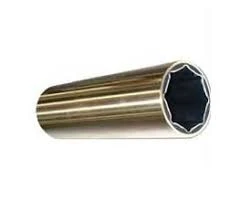
Brass cutlass marine bearing
-
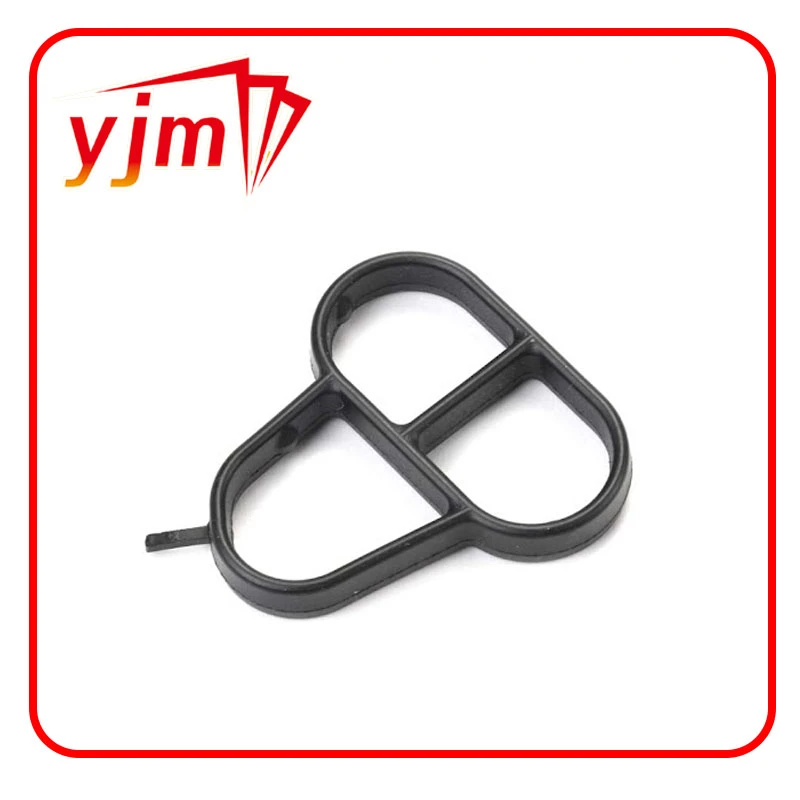
Genuine OEM Engine Oil Filter Housing Cover O-Ring For VW/Audi 06E115446
-
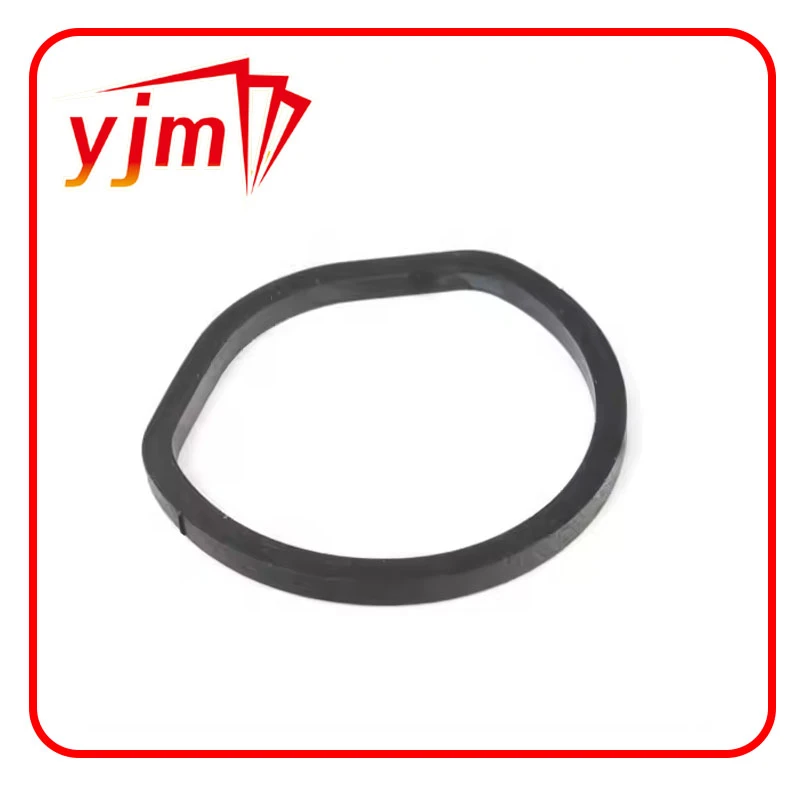
Oil Filter Stand Gasket,Oil filter cover seal
-
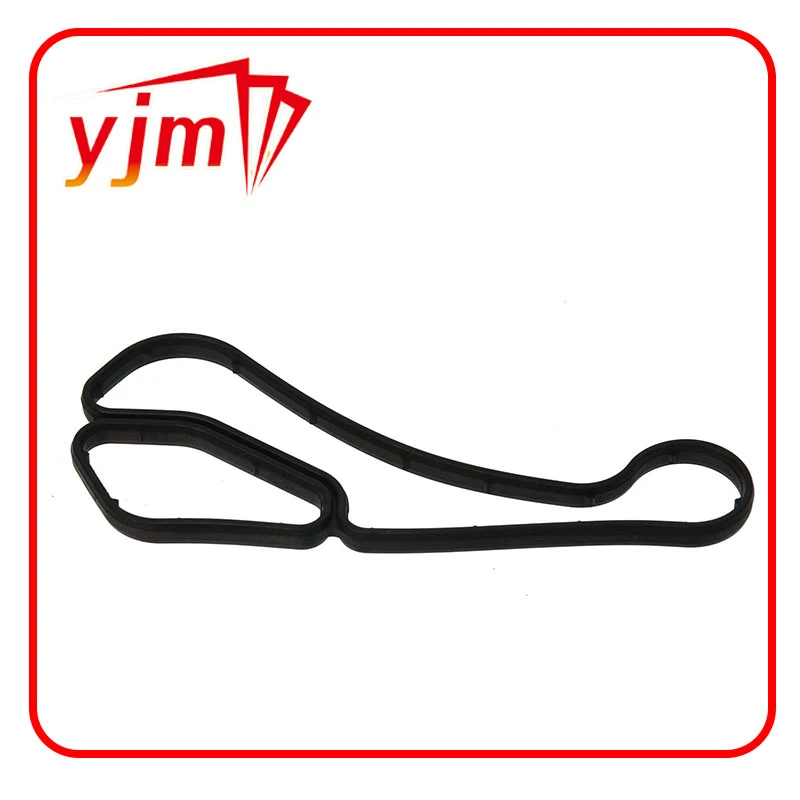
Oil Cooler Gasket, Oil Cooler to Oil Filter Housing 11427525335
-
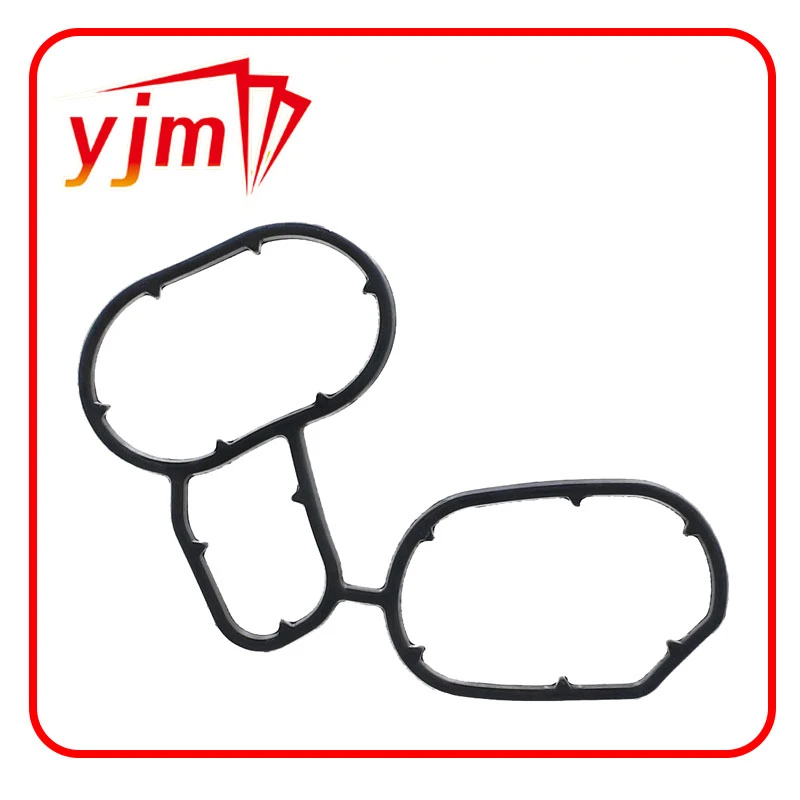
11427508970 BMW - OIL FILTER HOUSING GASKETS
-
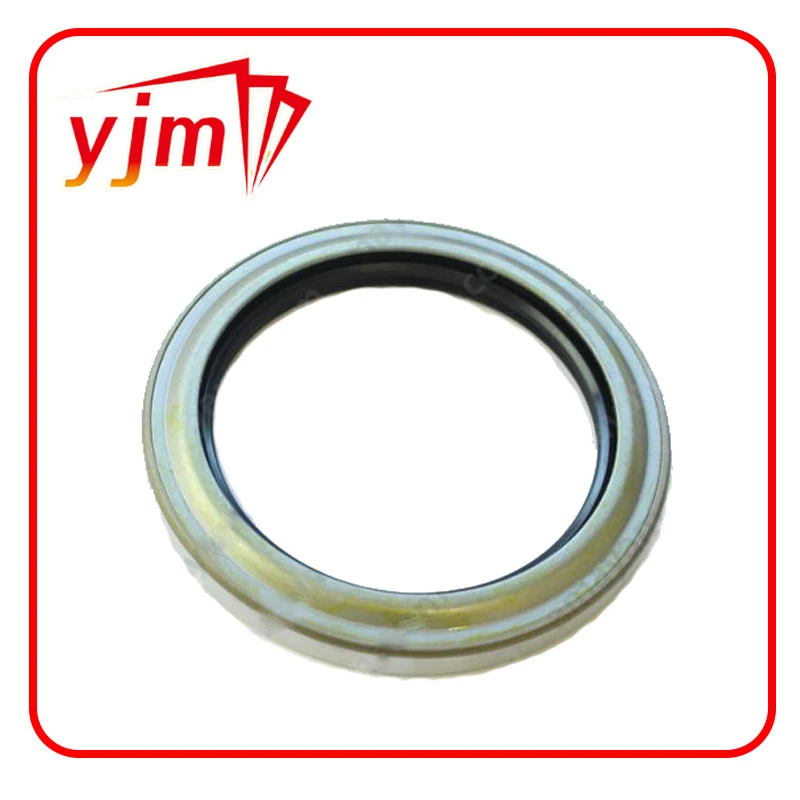
SEAL, OIL Genuine Toyota (9031170011)
-
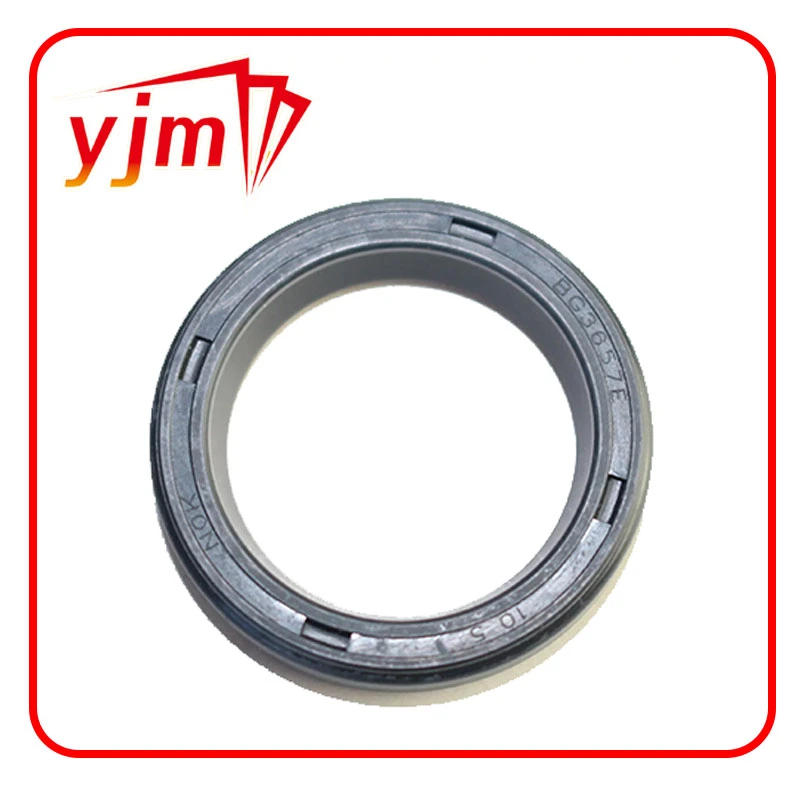
Transfer Case Output Shaft Seal Part 9031223001
-
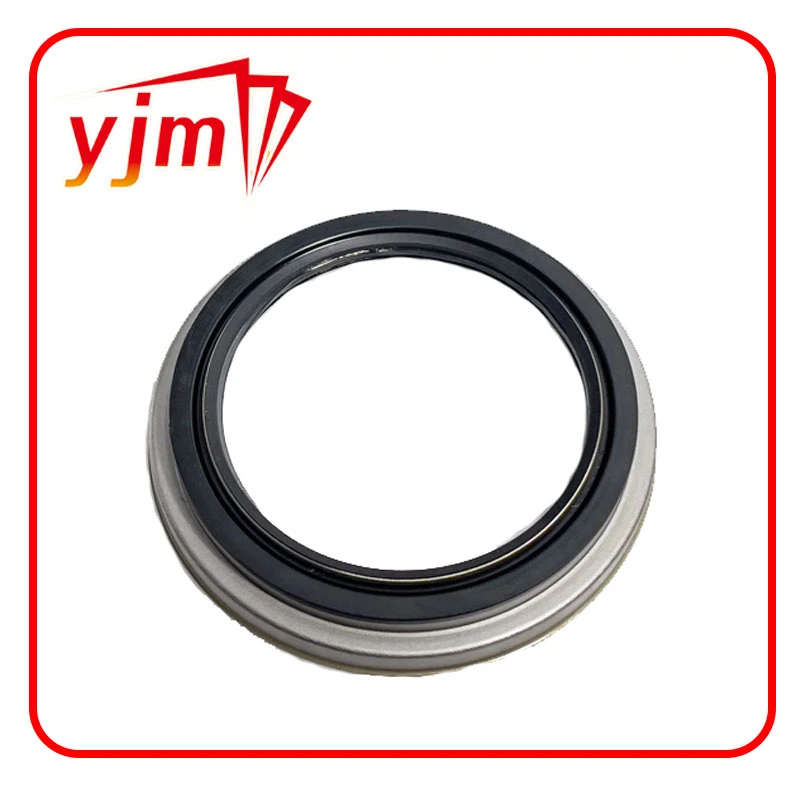
SEAL, OIL Genuine Toyota (9031672001)
-
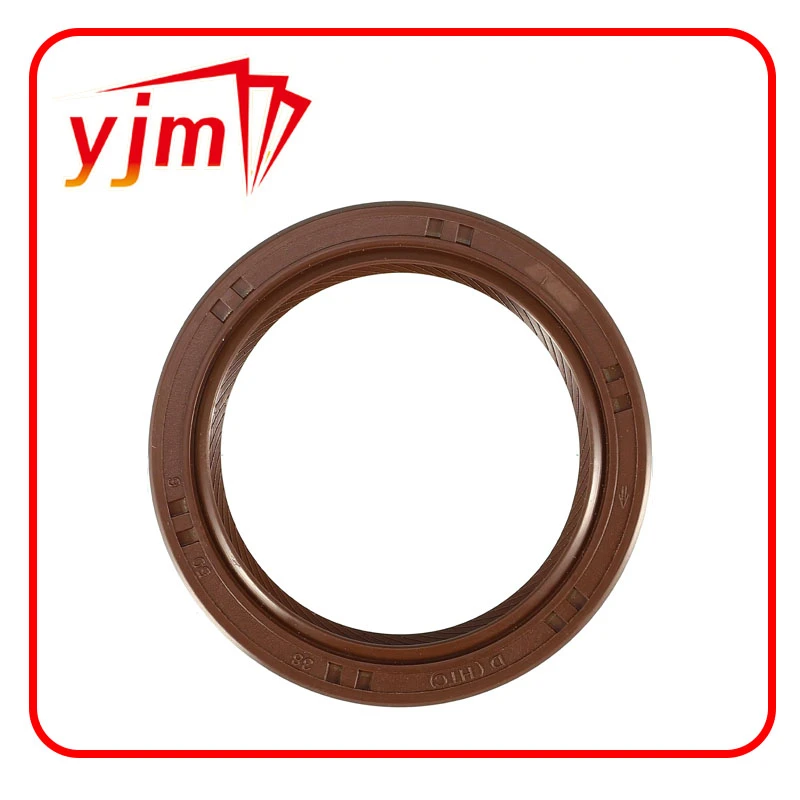
Engine Crankshaft Oil Seal No.9031138096
-
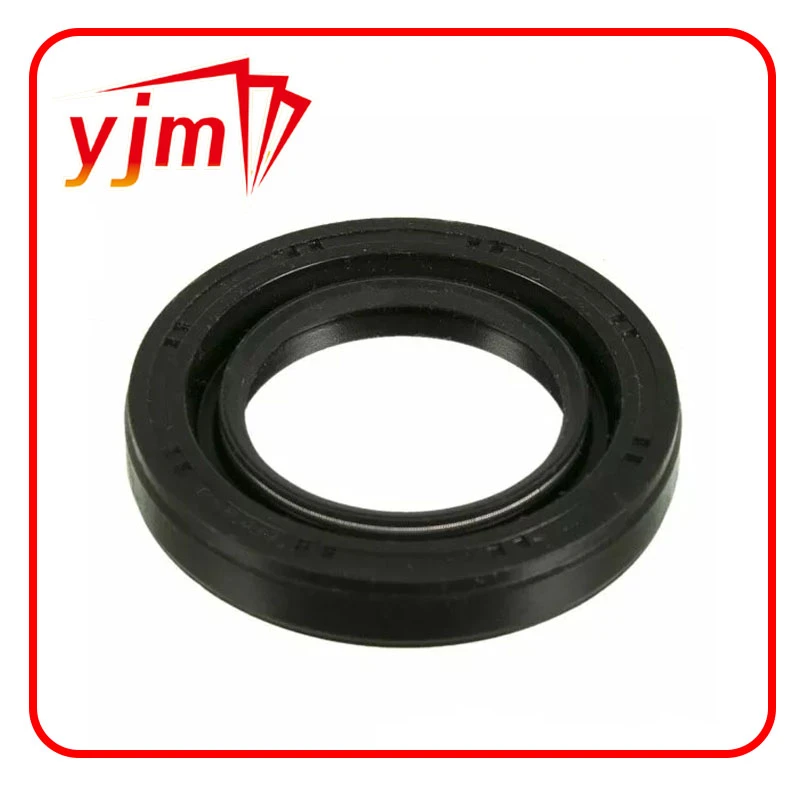
Toyota Transfer Case Output Shaft Seal Front 9031136006
-
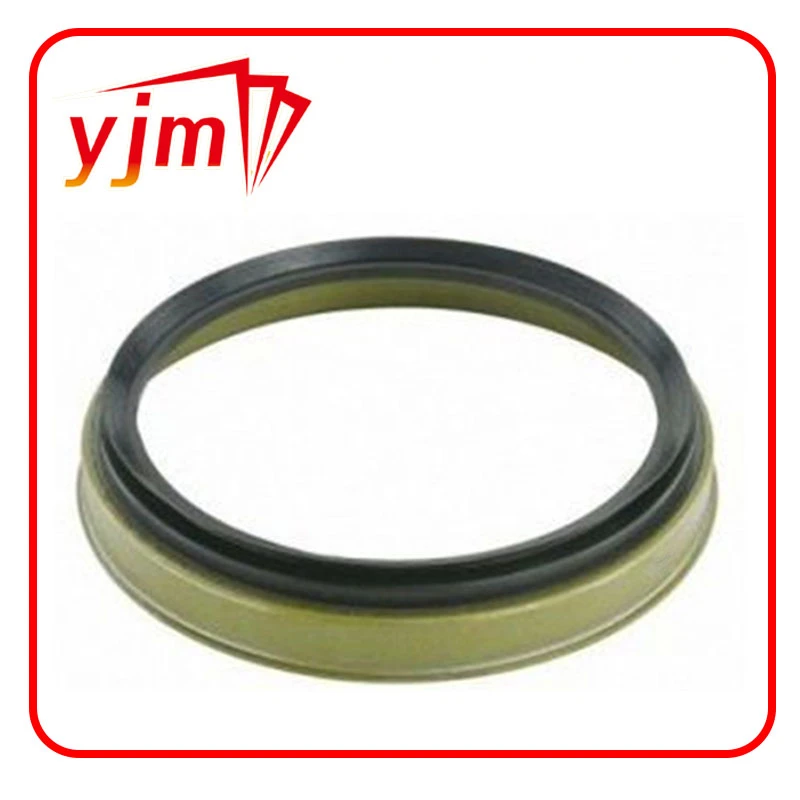
Seal, type v oil 9031287001 TOYOTA
-
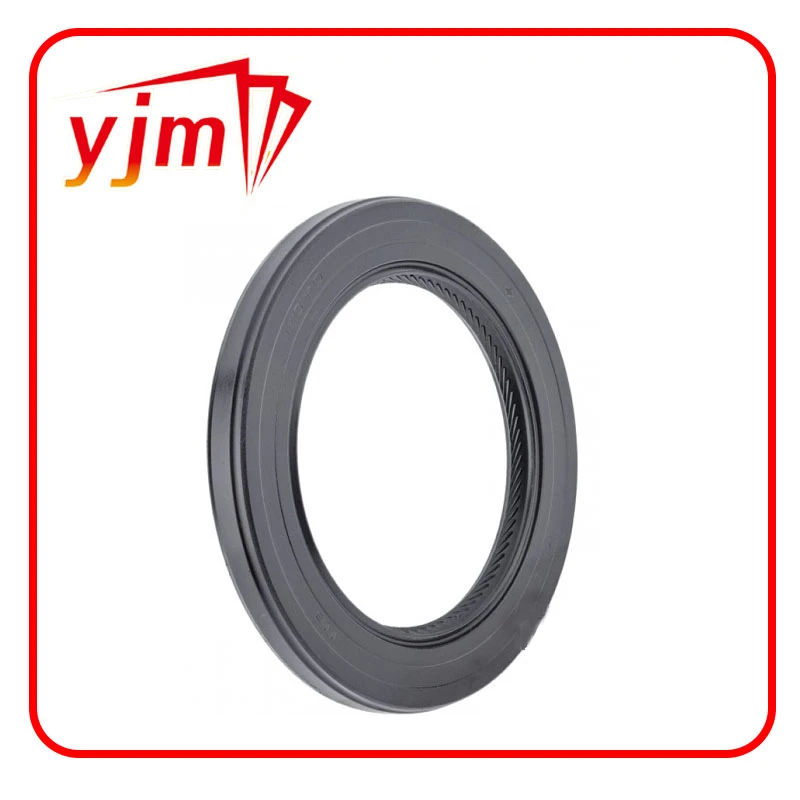
Oil pump seal 9031143010
-
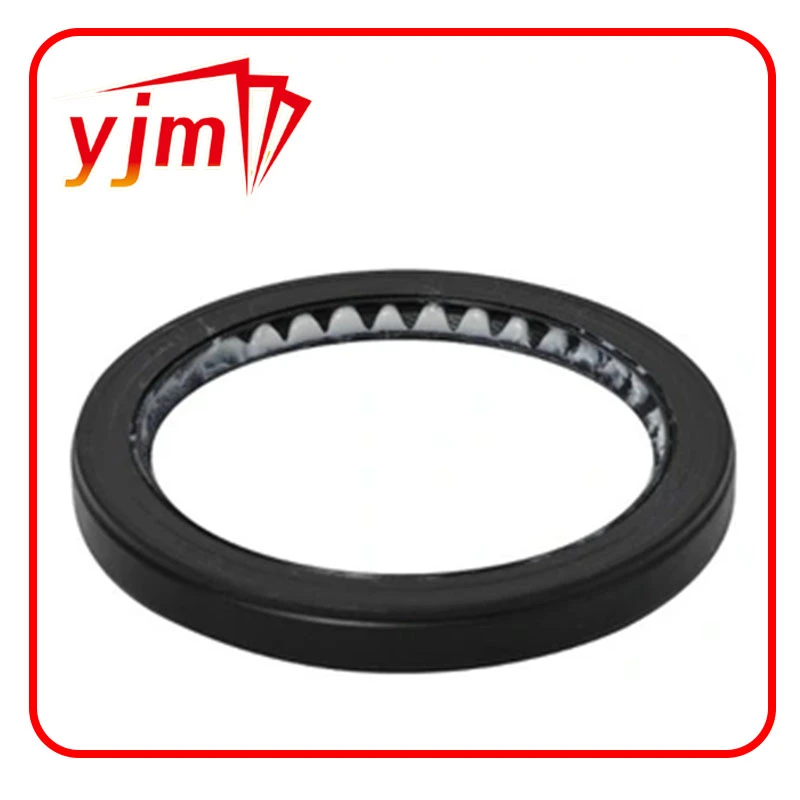
Genuine Toyota Oil SEAL 90311-54006
-
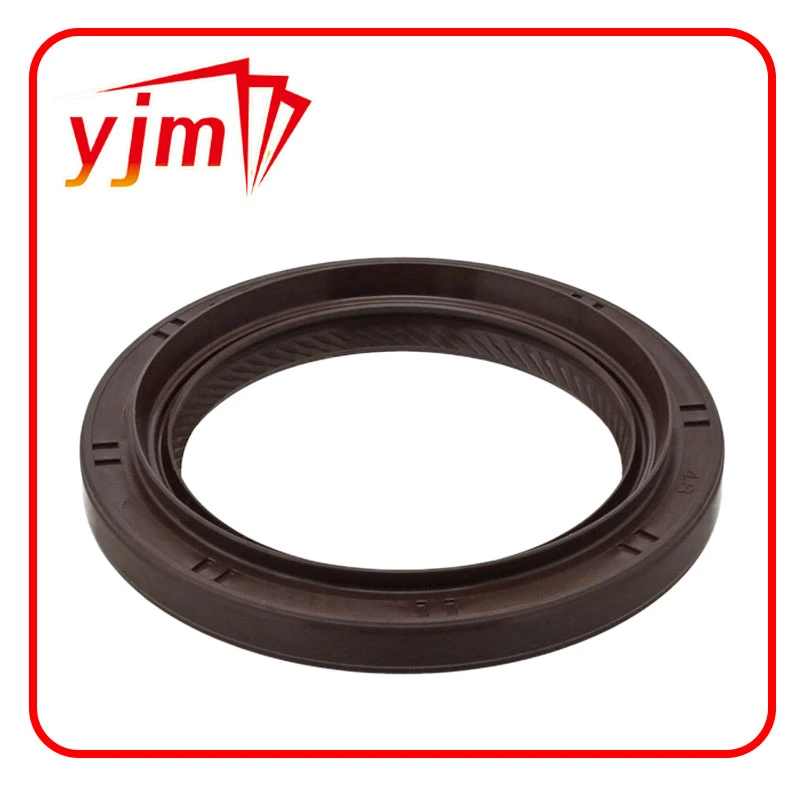
Toyota SEAL TYPE T OIL 90311-48031
-
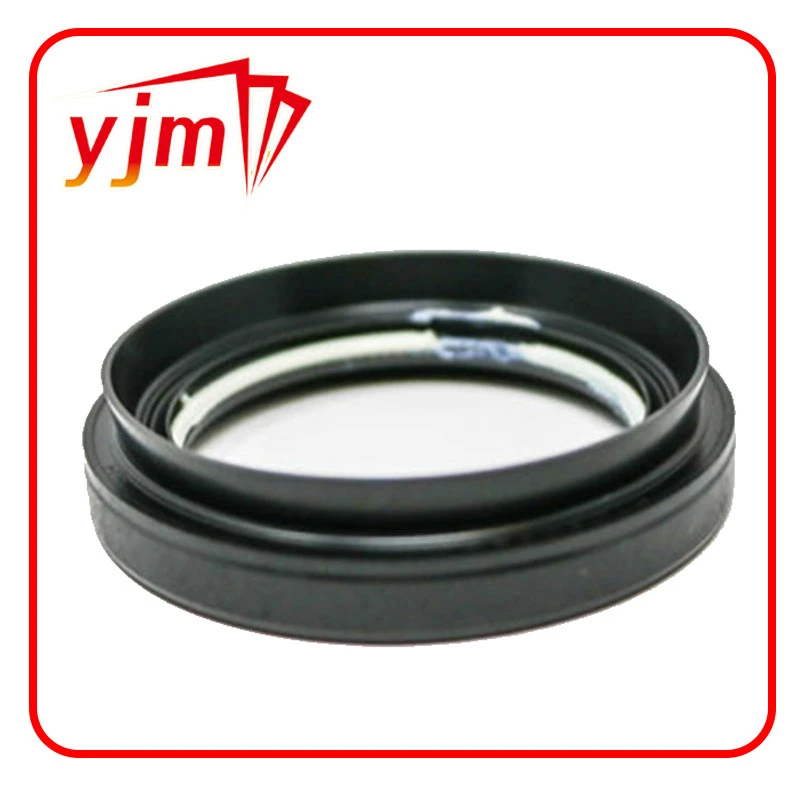
Type T Oil Seal, Front Drive Shaft, Left 9031150064
-
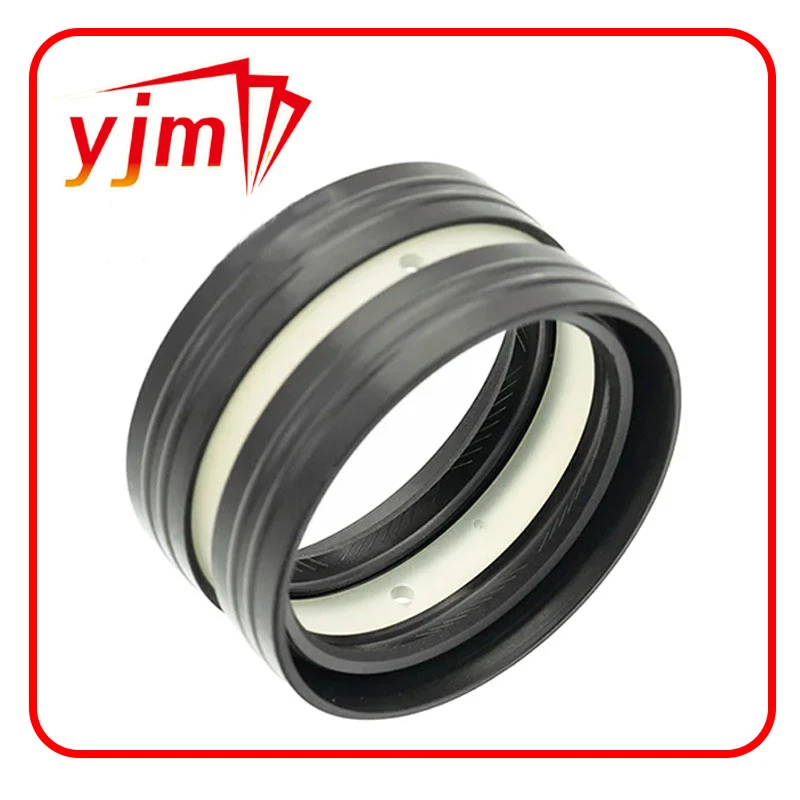
Seal, type d oil 9031634001 TOYOTA
 Afrikaans
 Albanian
 Amharic
 Arabic
 Armenian
 Azerbaijani
 Basque
 Belarusian
 Bengali
 Bosnian
 Bulgarian
 Catalan
 Cebuano
 Corsican
 Croatian
 Czech
Czech
 Danish
 Dutch
Dutch
 Esperanto
 Estonian
 Finnish
 French
 Frisian
 Galician
 Georgian
 German
 Greek
Greek
 Gujarati
 Haitian Creole
 Hausa
Hausa
 Hawaiian
 Hebrew
 Hindi
Hindi
 Miao
Miao
 Hungarian
 Icelandic
 Igbo
Igbo
 Indonesian
 Irish
Irish
 Italian
 Japanese
 Javanese
 Kannada
 Kazakh
 Khmer
Khmer
 Rwandese
 Korean
 Kurdish
 Kyrgyz
 Lao
Lao
 Latin
Latin
 Latvian
 Lithuanian
 Luxembourgish
 Macedonian
 Malgashi
 Malay
Malay
 Malayalam
 Maltese
 Maori
Maori
 Marathi
 Mongolian
 Myanmar
 Nepali
 Norwegian
 Norwegian
 Occitan
 Pashto
 Persian
 Polish
 Portuguese
 Punjabi
 Romanian
 Russian
 Samoan
 Scottish Gaelic
 Serbian
 Sesotho
 Shona
Shona
 Sindhi
 Sinhala
 Slovak
 Slovenian
 Somali
 Spanish
 Sundanese
 Swahili
 Swedish
 Tagalog
 Tajik
Tajik
 Tamil
Tamil
 Tatar
Tatar
 Telugu
 Thai
Thai
 Turkish
 Turkmen
 Ukrainian
 Urdu
Urdu
 Uighur
 Uzbek
Uzbek
 Vietnamese
 Welsh
Welsh
 Bantu
Bantu
 Yiddish
 Yoruba
 Zulu
Zulu
 English