Essential Guide to Oil Seal Selection: Materials, Uses & Innovations
Understanding Oil Seal Selection: Why It Matters More Than You Think
Oil seal selection might sound like a niche technical topic, but in reality, it’s a cornerstone of countless industries worldwide. From manufacturing plants in Asia to remote mining operations in South America, the right oil seal can mean the difference between smooth operation and costly downtime. Put simply, choosing the right oil seal ensures machinery stays lubricated, contaminants stay out, and equipment works reliably. This seemingly small detail helps maintain safety, reduce maintenance costs, and improve sustainability—the kinds of benefits every business (and ultimately customers) value deeply.
Oddly enough, it’s one of those behind-the-scenes heroes in fields ranging from automotive engineering to heavy construction. If you’ve ever wondered why a machine lasts longer or why some factories run at peak efficiency, chances are oil seal selection plays a bigger role than you might guess.
The Global Context: Why Oil Seal Selection Is Critical Today
Industries globally use nearly billions of dollars worth of equipment that relies on good oil sealing to function correctly. According to the International Organization for Standardization (ISO), improper sealing contributes significantly to equipment failure—up to 30% in some machinery types. This leads to wasted resources, environmental hazards from leaks, and increased accidents.
More interestingly, recent World Bank data shows that in developing parts of the world, machinery downtime caused by seal failure can delay infrastructure projects by months, affecting everything from water supply to energy production. In short, the simplest decisions—like oil seal selection—can ripple outwards to effects on entire communities, economies, and even humanitarian efforts that depend on timely, affordable machinery maintenance.
Given the growing push for greener, more sustainable industrial processes, choosing the right oil seal isn’t just about sealing oil anymore—it’s about reducing carbon footprints, promoting longevity, and supporting smart automation.
What Exactly Is Oil Seal Selection?
To put it plainly: oil seal selection is the process of choosing the best type of oil seal for a specific application. Oil seals, sometimes called shaft seals or rotary seals, keep lubricants in and contaminants out of mechanical compartments. But the “selection” part? That’s about balancing multiple factors—like temperature, pressure, speed, and the nature of the fluids involved—to pick the seal that keeps devices running without leaks or wear.
In today’s fast-paced industries, this isn’t a simple “grab any gasket” choice. With machinery growing more complex (think automated robotics or electric vehicles), oil seal selection links directly to product reliability, safety, and compliance with environmental standards.
Mini takeaway:
- Oil seal selection is a strategic decision engineers make, influencing machine lifetime and efficiency.
- It’s about matching materials and designs to operational realities—so nothing leaks, breaks, or spark unnecessary costs.
Key Factors To Consider When Selecting Oil Seals
1. Durability and Material Compatibility
One of the biggest practical pieces in oil seal selection is choosing the right materials. Seals are commonly made from nitrile rubber, fluorocarbon (Viton), silicone, or polyurethane. Each handles temperature and chemical exposure differently. For example, nitrile is affordable and good for moderate temperatures, but if you’re dealing with aggressive fluids or heat (up to 200°C), fluorocarbon might be necessary.
2. Operating Conditions: Speed and Pressure
The speed at which a shaft rotates and the pressure it exerts impacts wear. Some seals are engineered with spring-loaded lips for better contact at high speeds, others focus on pressure retention. It’s kind of like choosing a shoe for running vs. hiking—different terrain means different features matter.
3. Environmental Resistance
Outside factors: dust, water, debris, even salt spray can damage seals if the wrong type is used. Seals for marine equipment, for instance, often have added protection against corrosion and saltwater intrusion.
4. Cost Efficiency and Maintenance
While cheaper seals might be tempting, they usually wear out quicker. Investing in slightly pricier, durable seals reduces downtime and labor costs in the long run—which is huge in industrial settings where “time is money”.
5. Specialized Designs and Standards
Sometimes you need seals that comply with specific ISO or ASTM standards, like those used in food processing or pharmaceutical manufacturing. These seals must resist contamination and meet strict hygiene requirements.
Mini takeaway:
- Durability, operating conditions, environment, cost, and certifications define the seal’s right fit.
- Choosing poorly leads to frequent failures; choosing expertly saves resources and headaches.
Real-World Applications and Who Benefits From Oil Seal Selection
It’s fascinating to see how oil seal selection plays out across the globe. For example:
- Automotive manufacturing hubs like Germany and Japan rely heavily on precision sealing to keep their engines tight at various temperature and speed conditions.
- Heavy machinery in mining regions of Australia or Chile depend on seals that can resist abrasive dust and heavy loads.
- Agricultural equipment in sub-Saharan Africa benefits from robust seals that stand up to rough terrain and rain.
- Even in humanitarian aid scenarios where quick, reliable construction equipment is needed, choosing proper seals ensures smooth operation in tough environments.
You can see why companies from big OEMs (Original Equipment Manufacturers) to small-scale assembly plants treat oil seal selection as critical—not just a minor purchase decision.
Product Specification Table: Typical Oil Seal Attributes
| Specification | Typical Range | Notes |
|---|---|---|
| Material | Nitrile, Fluorocarbon, Silicone | Chosen per fluid & temperature |
| Temperature Range | -40°C to 200°C | Material-dependent |
| Max Shaft Speed | Up to 15 m/s | High-speed models available |
| Pressure | Vacuum to 0.3 MPa | Depends on design |
| Resistance to Chemicals | Good to Excellent | Fluorocarbon best for harsh fluids |
Comparing Popular Oil Seal Vendors
| Vendor | Material Options | Typical Applications | Price Range | Delivery Time |
|---|---|---|---|---|
| YJM Seal | Nitrile, Viton, Polyurethane | Automotive, Industrial, Marine | $$ | 2-3 weeks |
| SKF | Wide range including PTFE | Heavy Industry, Aerospace | $$$ | 1-2 weeks |
| Freudenberg | Specialized polymers | Automotive, Medical | $$$$ | 3-4 weeks |
Why Choosing the Right Oil Seal Offers Long-Term Value
Many engineers say it’s less about the seal itself and more about the outcomes it enables. Reliability translates to trust—from factory managers to operators on site—who know equipment won’t break down unexpectedly. There’s also an environmental spin: fewer leaks mean less oil waste and pollution. And if you care about sustainability (and frankly, who doesn’t these days?), that’s a big plus.
Financially, it’s about cutting repetitive repair costs and extending machine life. I often hear maintenance teams celebrate their “golden seals” because prolonging the interval between overhauls keeps plants humming smoothly.
The Future of Oil Seal Selection: Trends and Innovations
Looking forward, the field is evolving in fascinating directions:
- Eco-friendly materials: Biodegradable or low-impact polymers reduce ecological footprints.
- Smart seals: Embedded sensors that detect leaks or pressure changes in real-time.
- 3D-printing: Custom seals tailored on-demand to unique equipment.
- Advanced composites: Combining polymer with ceramics or metals for extreme conditions.
And then there’s the digital transformation aspect—machine learning helping predict the perfect seal choice based on huge databases of operational data. It feels like the industry is on the edge of a quiet revolution.
Challenges and How to Overcome Them
The biggest challenges? Variation in operating conditions, unexpected wear, and cost pressures. It’s tricky because no one-size-fits-all exists. But experts suggest:
- Thoroughly mapping operational environments before choosing seals.
- Partnering with vendors that offer customization and testing.
- Investing upfront in quality to save downtime costs later.
Frankly, a little foresight and a trusted supplier go a long way.
FAQs: Your Oil Seal Selection Questions Answered
- Q: How do I know which oil seal material is best for high-temp engines?
- A: For high-temperature applications (above 150°C), fluorocarbon (Viton) seals are preferred due to their excellent heat and chemical resistance. Nitrile could fail prematurely, so it’s worth investing in premium materials for longevity.
- Q: Can oil seals be reused when replacing machinery parts?
- A: Generally, oil seals are designed for single use because they deform to create a tight seal. Reusing them risks leaks and often leads to early failure. Always opt for a fresh seal during maintenance.
- Q: Are there standard certifications I should look for when buying oil seals?
- A: Yes, certifications like ISO 6194 for rotary shaft lip-type seals or other industry-specific standards ensure the seal meets quality and reliability benchmarks.
- Q: What are the signs that an oil seal needs replacement?
- A: Common signs include visible oil leaks, unusual noise near shafts, overheating, or increased vibration. Regular inspections help catch these early.
Wrapping Up: The Real Impact of Thoughtful Oil Seal Selection
Ultimately, oil seal selection might seem like a tiny cog in the machinery of industry. But like any small piece playing a crucial role, getting it right pays dividends in efficiency, safety, and sustainability. So, if you’re looking for a smart, reliable seal partner or want to deepen your understanding of this vital component, visit our website. Trust me, your machines (and budget) will thank you.
References
-
Guide to Choosing the Right Washer for Oil Change and Sealing
News Apr.16,2026
-
Essential Guide to High Quality rubber washer oil drain plug
News Apr.09,2026
-
Understanding Rubber Crush Washers for Optimal Sealing Performance
News Apr.07,2026
-
Comprehensive Guide to Understanding and Reusing Crush Washer for Optimal Sealing
News Apr.04,2026
-
The Vital Role of a Drain Screw Gasket in Fluid System Integrity
News Mar.31,2026
-
The Essential Guide to Drain Crush Washer Selection and Plumbing Leak Prevention
News Mar.28,2026
-
The Vital Role of a Crush Washer in Oil Changes for Engine Protection
News Mar.26,2026
Products categories
-
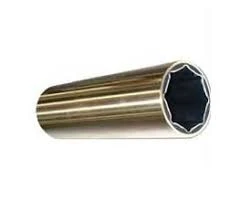
Brass cutlass marine bearing
-
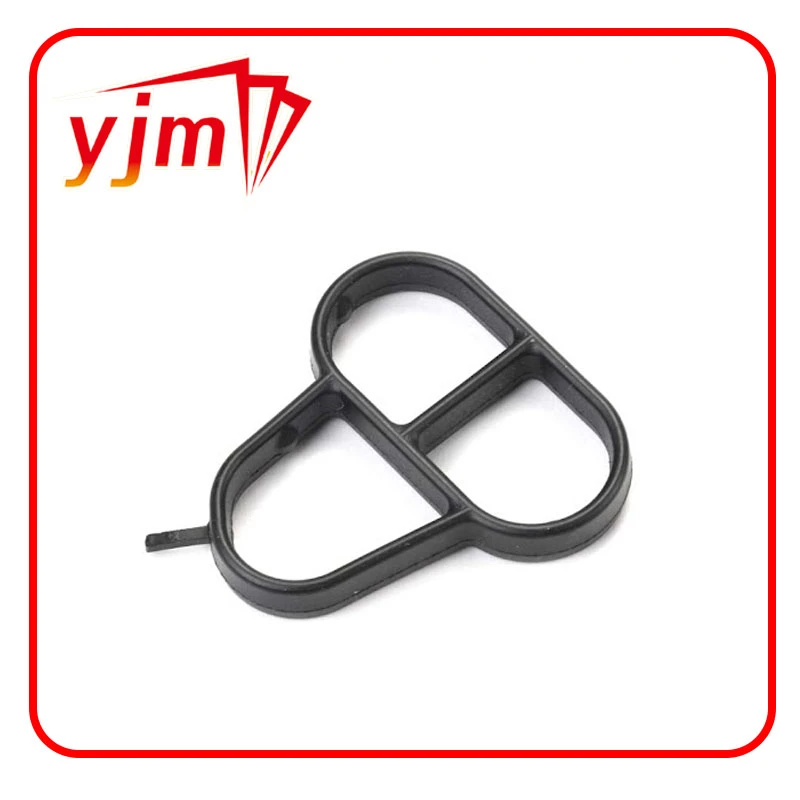
Genuine OEM Engine Oil Filter Housing Cover O-Ring For VW/Audi 06E115446
-
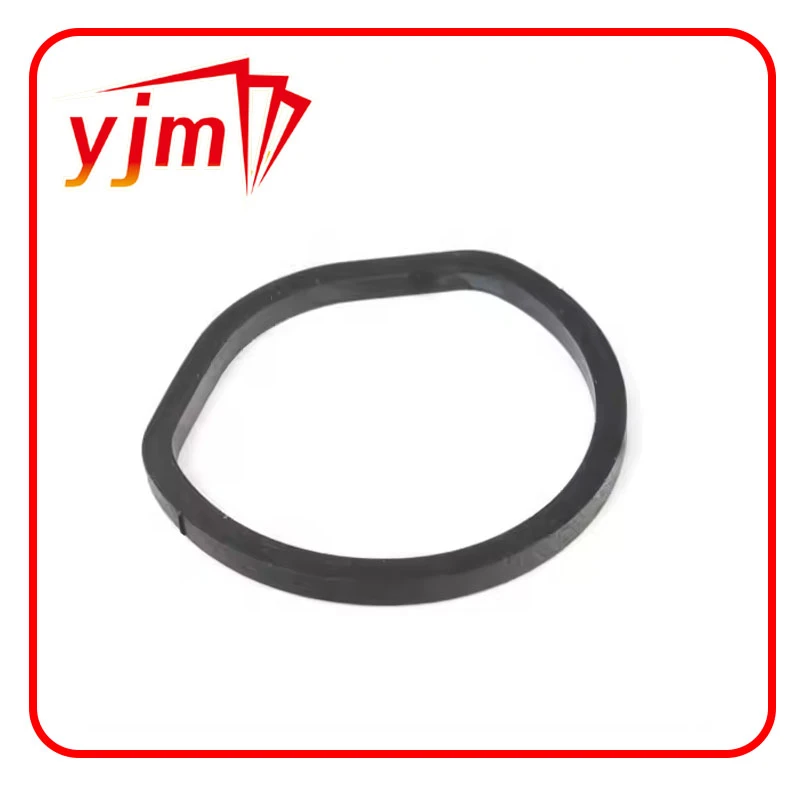
Oil Filter Stand Gasket,Oil filter cover seal
-
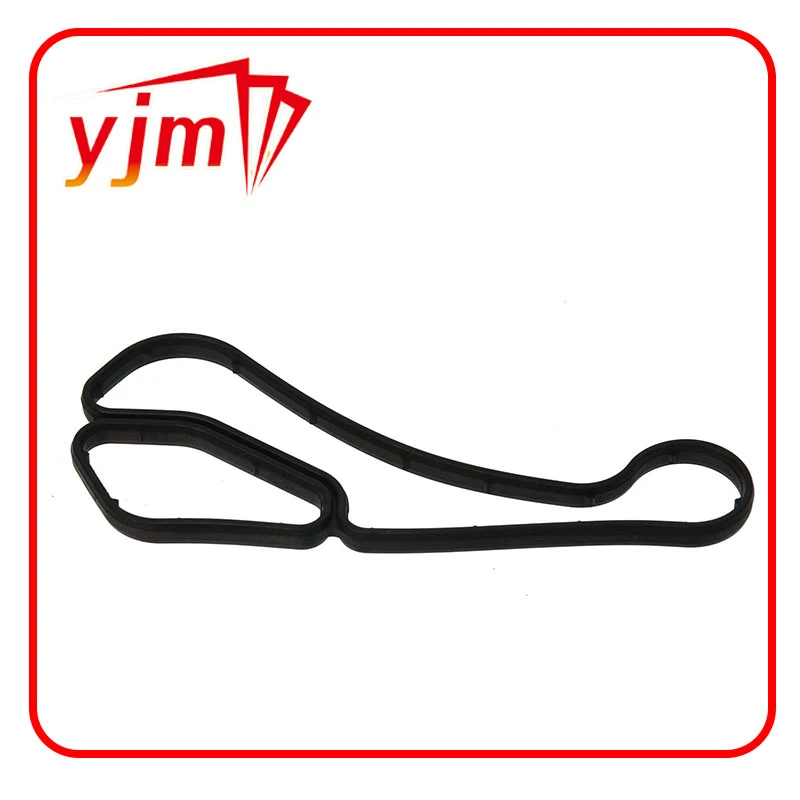
Oil Cooler Gasket, Oil Cooler to Oil Filter Housing 11427525335
-
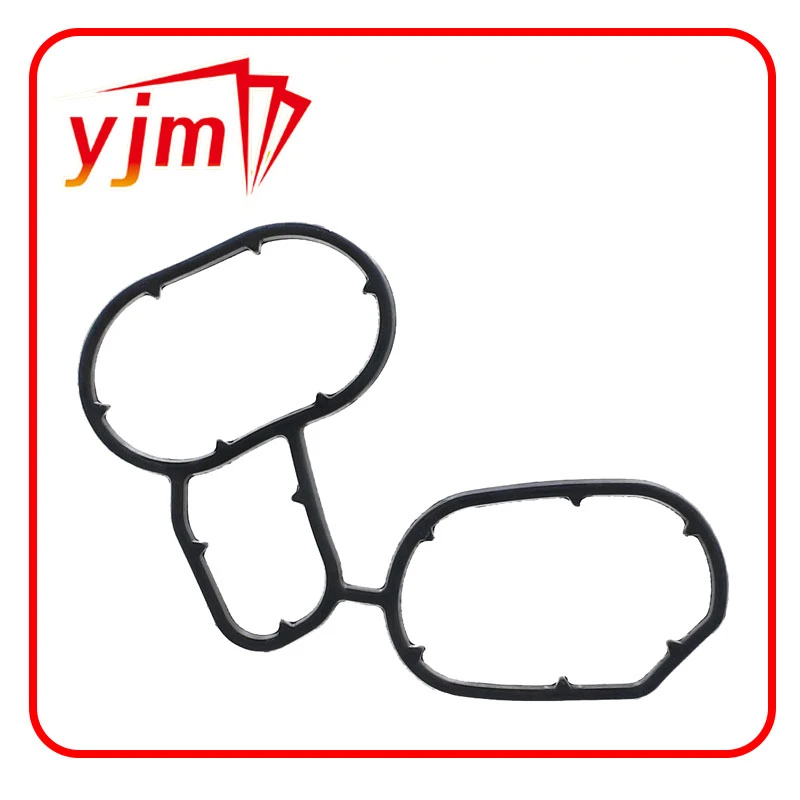
11427508970 BMW - OIL FILTER HOUSING GASKETS
-
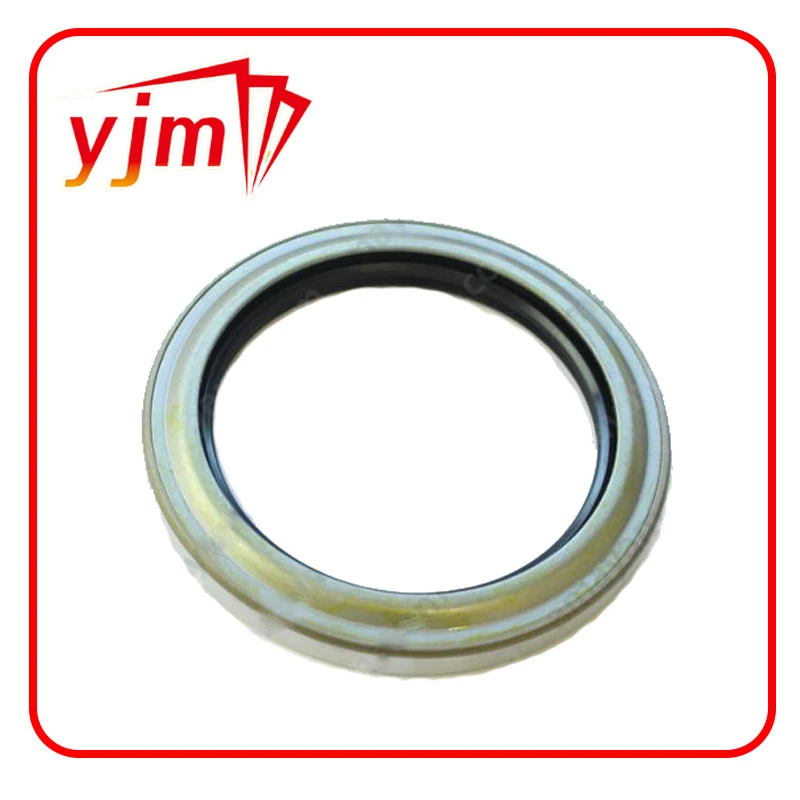
SEAL, OIL Genuine Toyota (9031170011)
-
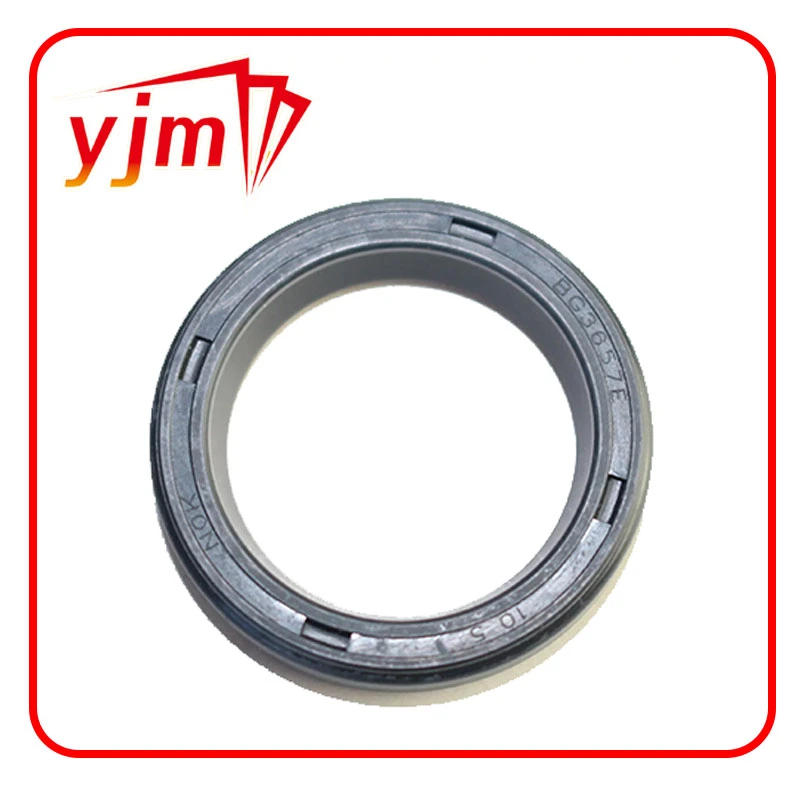
Transfer Case Output Shaft Seal Part 9031223001
-
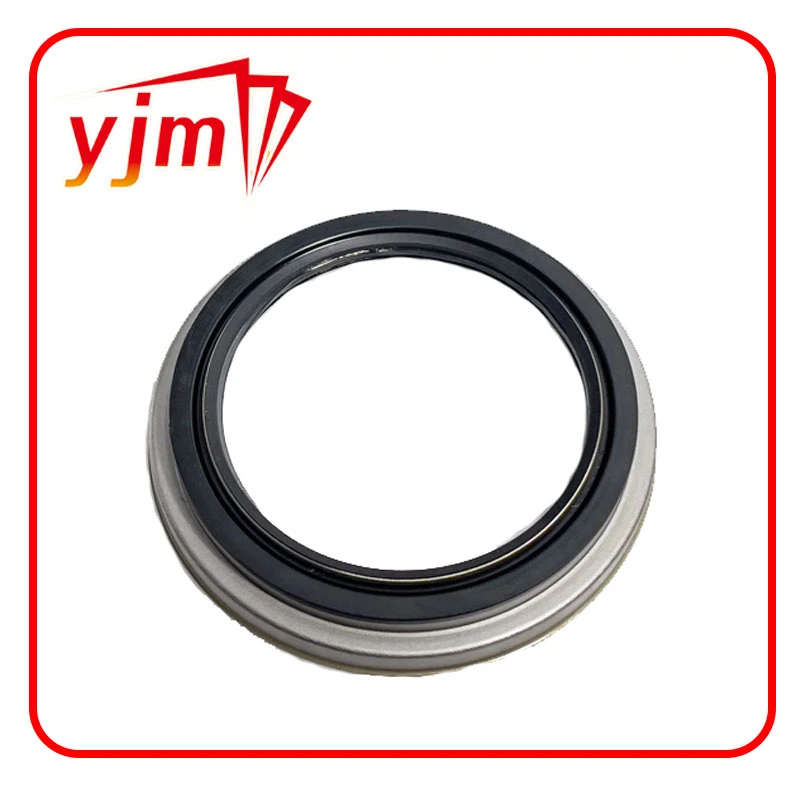
SEAL, OIL Genuine Toyota (9031672001)
-
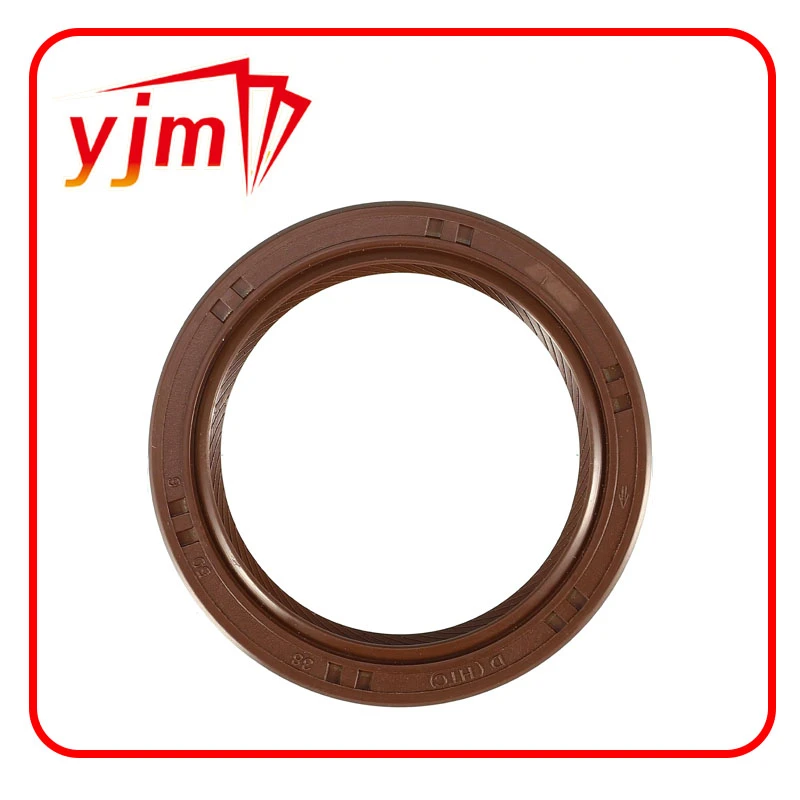
Engine Crankshaft Oil Seal No.9031138096
-
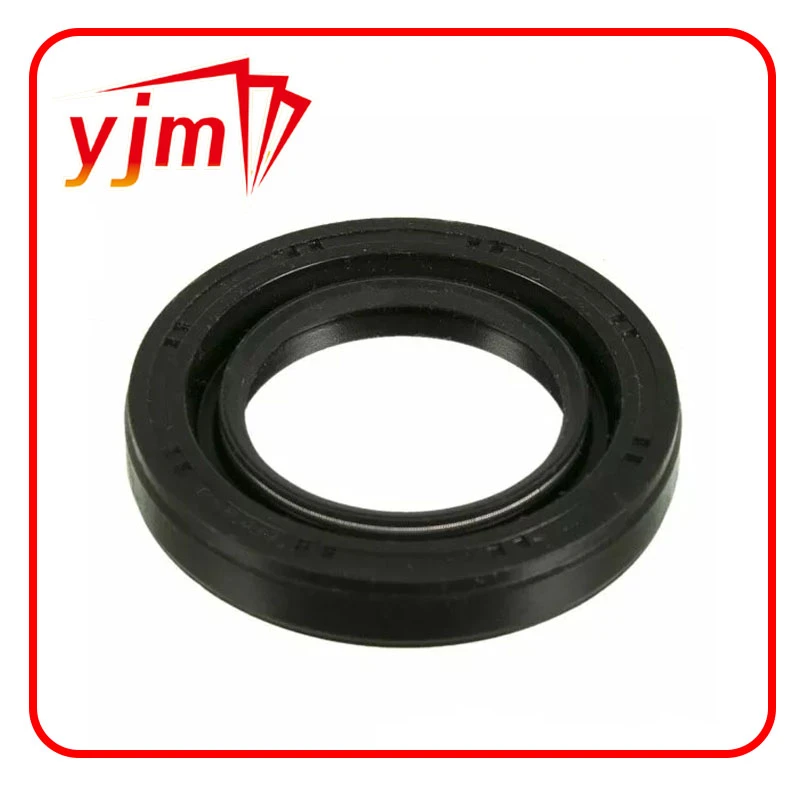
Toyota Transfer Case Output Shaft Seal Front 9031136006
-
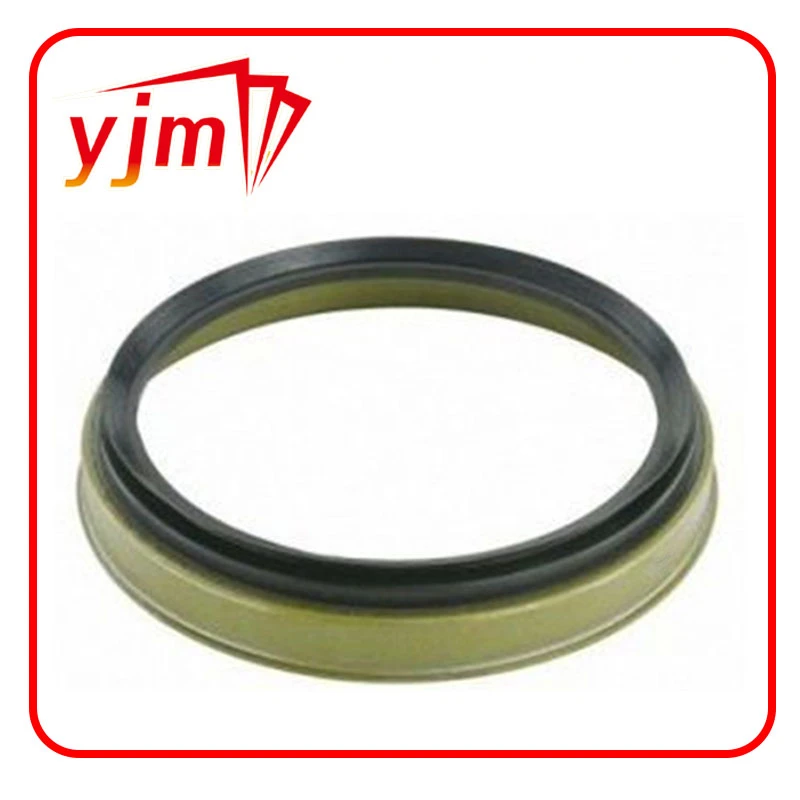
Seal, type v oil 9031287001 TOYOTA
-
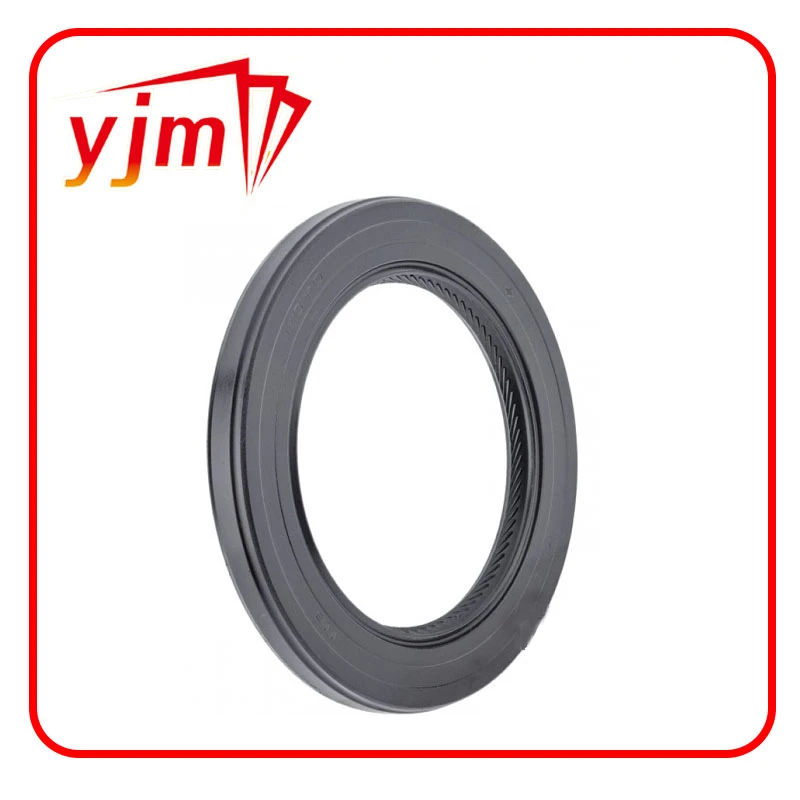
Oil pump seal 9031143010
-
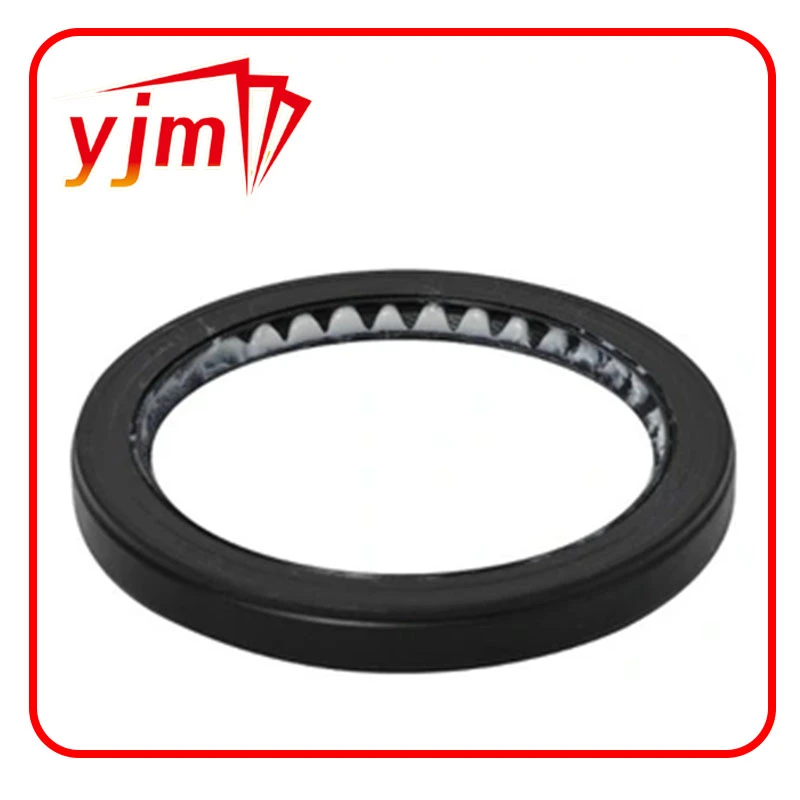
Genuine Toyota Oil SEAL 90311-54006
-
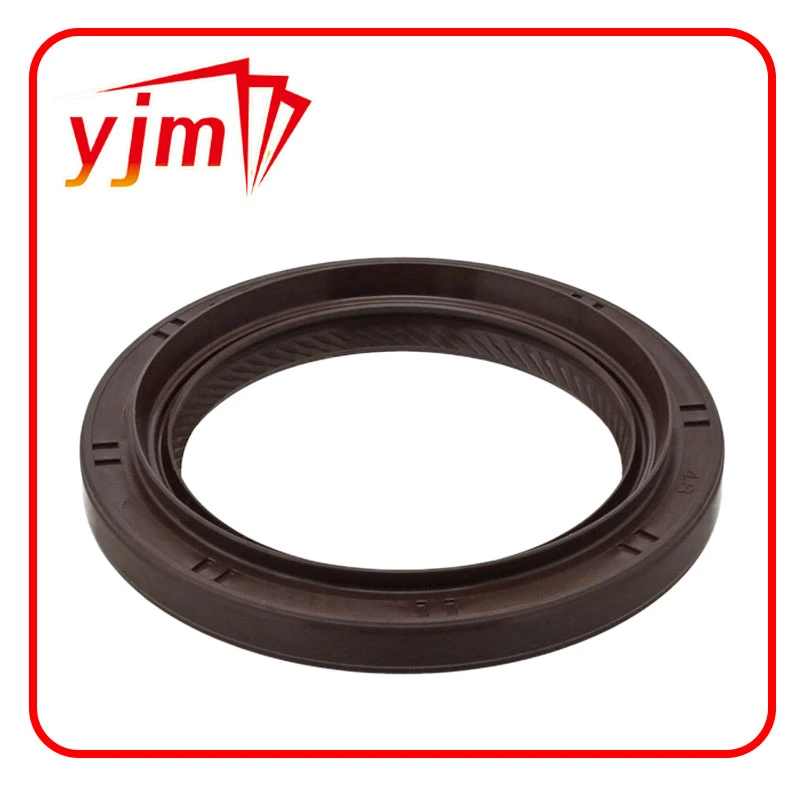
Toyota SEAL TYPE T OIL 90311-48031
-
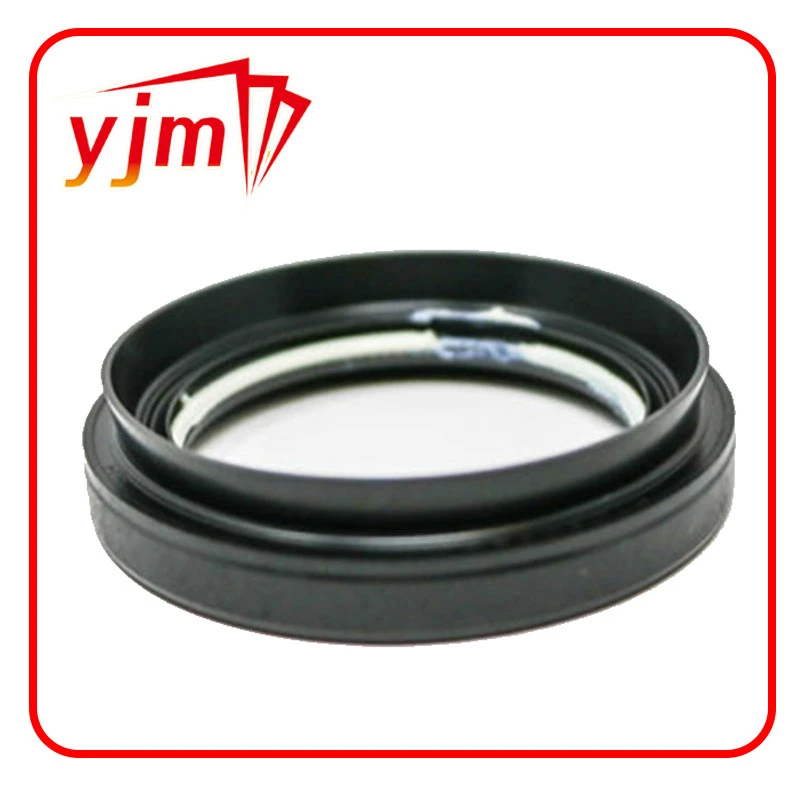
Type T Oil Seal, Front Drive Shaft, Left 9031150064
-
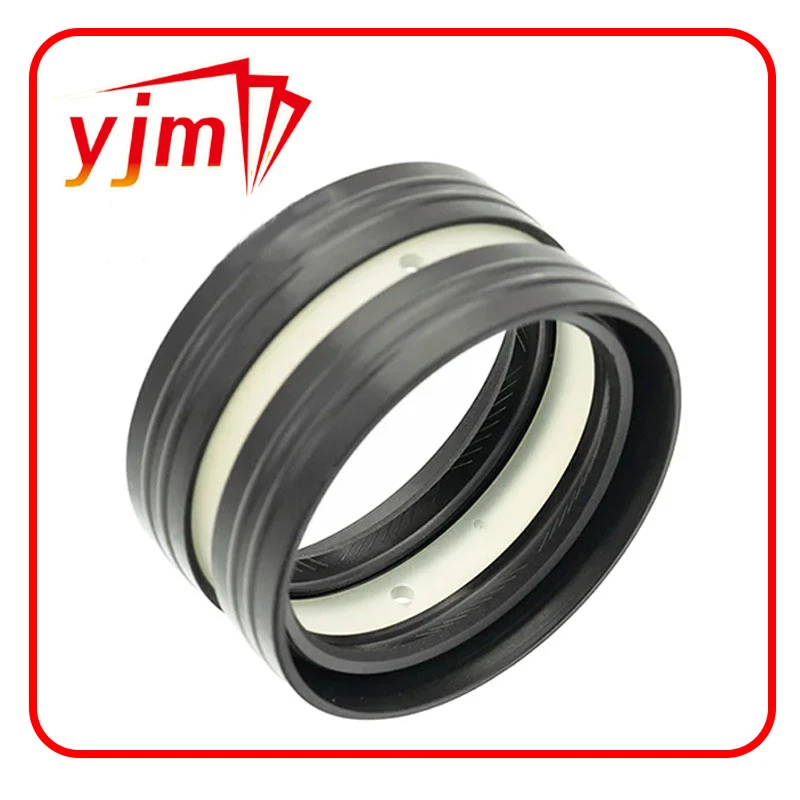
Seal, type d oil 9031634001 TOYOTA
 Afrikaans
 Albanian
 Amharic
 Arabic
 Armenian
 Azerbaijani
 Basque
 Belarusian
 Bengali
 Bosnian
 Bulgarian
 Catalan
 Cebuano
 Corsican
 Croatian
 Czech
Czech
 Danish
 Dutch
Dutch
 Esperanto
 Estonian
 Finnish
 French
 Frisian
 Galician
 Georgian
 German
 Greek
Greek
 Gujarati
 Haitian Creole
 Hausa
Hausa
 Hawaiian
 Hebrew
 Hindi
Hindi
 Miao
Miao
 Hungarian
 Icelandic
 Igbo
Igbo
 Indonesian
 Irish
Irish
 Italian
 Japanese
 Javanese
 Kannada
 Kazakh
 Khmer
Khmer
 Rwandese
 Korean
 Kurdish
 Kyrgyz
 Lao
Lao
 Latin
Latin
 Latvian
 Lithuanian
 Luxembourgish
 Macedonian
 Malgashi
 Malay
Malay
 Malayalam
 Maltese
 Maori
Maori
 Marathi
 Mongolian
 Myanmar
 Nepali
 Norwegian
 Norwegian
 Occitan
 Pashto
 Persian
 Polish
 Portuguese
 Punjabi
 Romanian
 Russian
 Samoan
 Scottish Gaelic
 Serbian
 Sesotho
 Shona
Shona
 Sindhi
 Sinhala
 Slovak
 Slovenian
 Somali
 Spanish
 Sundanese
 Swahili
 Swedish
 Tagalog
 Tajik
Tajik
 Tamil
Tamil
 Tatar
Tatar
 Telugu
 Thai
Thai
 Turkish
 Turkmen
 Ukrainian
 Urdu
Urdu
 Uighur
 Uzbek
Uzbek
 Vietnamese
 Welsh
Welsh
 Bantu
Bantu
 Yiddish
 Yoruba
 Zulu
Zulu
 English