Crankshaft Gasket – Essential Engine Seal for Performance & Sustainability
Understanding the Crankshaft Gasket: A Small Part Making a Big Difference
The humble crankshaft gasket might not make headlines, but its role in engines worldwide really matters. This tiny component quietly seals the crankshaft area in internal combustion engines, preventing oil leaks and maintaining pressure. With engines powering everything from cars to industrial machinery, understanding the crankshaft gasket’s function helps industries optimize performance, reduce environmental impact, and cut maintenance costs. Globally, as engine technologies evolve and sustainability gains focus, the demand for reliable sealing solutions like crankshaft gaskets becomes even more critical.
Global Context: Why the Crankshaft Gasket Matters in Industry Today
Engines power nearly 40% of global transportation—as per estimates from the International Energy Agency—and crankshaft gaskets play an integral role in keeping those engines running smoothly. Faulty gaskets can cause oil leaks and engine failure, leading to costly repairs and environmental contamination. According to ISO 9001-certified manufacturing data, improving gasket reliability could reduce maintenance downtime by up to 15% in automotive industries alone. As emerging markets push for more vehicles and machinery, especially in Asia and Africa, gasket quality directly impacts economic growth and sustainability efforts. Oddly enough, while this component is tiny, its failure cascades into a massive logistics and environmental challenge, which is why better design, materials, and manufacturing processes matter globally.
Mini takeaway: The global reliance on internal combustion engines underscores the crankshaft gasket’s importance—not just in performance but in environmental stewardship and economic efficiency.
What Is a Crankshaft Gasket?
In simple terms, a crankshaft gasket is a sealing ring or material placed between the crankshaft housing and the engine block. Its job? To prevent leakage of lubricating oil and sometimes combustion gases, ensuring the engine runs efficiently. Without it, oil would escape, leading to engine wear and eventual failure. You can think of it as a silent guardian inside the engine, helping maintain pressure and preventing contamination. This is critical for automotive, marine, and heavy machinery sectors, where engine reliability directly links to safety and operational continuity.
Link to humanitarian and industrial needs: Reliable engine performance in remote or disaster-prone regions hinges on durable parts like crankshaft gaskets — downtime here can delay aid, disrupt industries, or affect transportation vital for logistics.
Key Attributes of Crankshaft Gaskets
1. Durability
Engines operate under intense heat, pressure, and vibration. Crankshaft gaskets must resist wear, thermal degradation, and chemical attack from oil additives. This makes material choice (like multi-layer steel or composite elastomers) crucial for long-lasting seals.
2. Precision Fit & Scalability
Manufacturing tolerances must be exact to avoid leaks but scalable enough for mass production. Advanced CNC machining, molding processes, and quality control ensure gaskets fit diverse engine models globally.
3. Cost Efficiency
While critical, gaskets must be affordable to avoid inflating engine costs, especially in price-sensitive emerging markets. Balancing material performance with price is an ongoing challenge.
4. Environmental Compliance
New regulations limit emissions and oil waste. Crankshaft gaskets that reduce leakage directly help meet stricter standards, contributing to cleaner engine operation.
5. Compatibility with Engine Oils and Additives
Modern lubricants contain chemicals that can degrade gasket materials. High-quality gaskets are tested to resist these effects, extending maintenance intervals.
6. Maintenance Friendliness
A design that allows relatively easy replacement can reduce engine downtime—critical for industrial and transport sectors.
Mini takeaway: A crankshaft gasket is a balancing act—durable, precise, cost-conscious, and eco-aware to meet today’s engine requirements.
Crankshaft Gasket in Action: Global Applications & Case Studies
- Automotive manufacturing: Major carmakers in Germany, Japan, and the US demand high-precision gaskets for engines to optimize fuel efficiency and reduce emissions.
- Marine Industry: Shipping companies in Nordic countries use robust gaskets designed to withstand salty, humid environments.
- Heavy Machinery: Mining operations in South America rely on gaskets that withstand rough conditions and extended operating hours.
- Post-disaster recovery: In earthquake-hit regions like Nepal, reliable engines with quality gaskets keep generators running critical relief services.
- Emerging Markets: Countries in Southeast Asia increasingly adopt engines that benefit from internationally certified crankshaft gasket standards.
Mini takeaway: Crankshaft gaskets are unsung heroes across industries worldwide—from vehicles to heavy machines to humanitarian operations.
Advantages & Long-Term Value of Quality Crankshaft Gaskets
Choosing the right gasket means fewer oil leaks, longer engine life, and better performance. This translates to reduced operational costs, fewer emissions, and improved safety. Emotionally, operators trust their equipment not to fail when it counts—it’s about dignity, reliability, and peace of mind. Logically, it’s about innovation that drives sustainability in end-use contexts. Over time, well-designed gaskets contribute to social and environmental goals by minimizing waste and enabling cleaner engines.
Product Specification Table
| Specification | Typical Value | Impact |
|---|---|---|
| Material | Multi-Layer Steel with Elastomer Coating | High durability and sealing under heat & pressure |
| Temperature Range | -40°C to 260°C | Resistant to engine thermal cycles |
| Thickness | 1.5 - 3.0 mm | Balances sealing vs. mechanical fit |
| Chemical Resistance | Oil & fuel-resistant elastomers | Extends service intervals |
| Lifetime | 50,000 - 100,000 km (vehicle engines) | Reduces costly repairs |
A Vendor Comparison: Helping You Choose the Right Supplier
| Supplier | Certification | Material Quality | Price Range | Customization |
|---|---|---|---|---|
| CMS Seals | ISO 9001, IATF 16949 | Premium multilayer steel | $$$ | Full customization on demand |
| Global Gasket Pro | ISO 9001 | Composite elastomer blends | $$ | Standard & semi-custom parts |
| YJM Seal | IATF 16949, RoHS compliant | High-grade steel & elastomers | $$ | Custom solutions with quick turnaround |
Future Trends & Innovations in Crankshaft Gaskets
The industry is moving toward greener materials and smarter manufacturing. Biodegradable gasket materials are in early research phases, promising reduced environmental impact after disposal. Digital transformation enables real-time wear monitoring through embedded sensors, giving predictive maintenance capabilities. Automation in manufacturing improves consistency and scalability. Finally, with tighter emission standards worldwide, gasket materials must evolve to withstand new fuel types and additive chemistries. Frankly, it feels like the next generation of crankshaft gaskets will blend traditional engineering with cutting-edge tech in ways that could surprise many engineers.
Challenges & Solutions
One primary challenge is balancing durability with cost. High-end materials improve performance but add expense. Another issue is compatibility with evolving engine lubricants that might degrade gaskets faster. Experts suggest research into hybrid materials and coatings that combine elasticity with chemical and thermal resistance. Enhanced quality control and simulation modeling can predict gasket failures before deployment. Plus, companies that support end-users with installation training help reduce damage due to improper handling.
Frequently Asked Questions About Crankshaft Gaskets
- How do I know if my crankshaft gasket needs replacement?
- If you see oil leaks near the crankshaft area or your engine runs hotter than usual, it could indicate gasket wear. Regular inspection after 50,000km or as per manufacturer advice is recommended.
- Can I use any gasket material with my engine oil type?
- Not always. Some gasket materials degrade faster with synthetic oils or additives. It’s best to check compatibility with your supplier or engine manual.
- Are aftermarket crankshaft gaskets reliable?
- Quality varies widely. Choose suppliers with relevant certification (like IATF 16949) and proven product testing records to avoid premature failures.
- How difficult is it to replace a crankshaft gasket?
- It typically requires disassembling parts of the engine, so professional mechanic services are advisable to ensure correct fitting and avoid damage.
Conclusion
Crankshaft gaskets may be small, but their impact is vast—on engine performance, economic efficiency, environmental protection, and even safety. Investing in quality gaskets from trusted suppliers like YJM Seal ensures your engines run reliably for the long haul. It’s one of those details that quietly makes the world move better, you know?
For tailored crankshaft gasket solutions, visit our website today and keep your engines sealed tight.
Oddly enough, focusing on such a small seal can pay huge dividends in the bigger picture of sustainability and performance.
References:
-
Guide to Choosing the Right Washer for Oil Change and Sealing
News Apr.16,2026
-
Essential Guide to High Quality rubber washer oil drain plug
News Apr.09,2026
-
Understanding Rubber Crush Washers for Optimal Sealing Performance
News Apr.07,2026
-
Comprehensive Guide to Understanding and Reusing Crush Washer for Optimal Sealing
News Apr.04,2026
-
The Vital Role of a Drain Screw Gasket in Fluid System Integrity
News Mar.31,2026
-
The Essential Guide to Drain Crush Washer Selection and Plumbing Leak Prevention
News Mar.28,2026
-
The Vital Role of a Crush Washer in Oil Changes for Engine Protection
News Mar.26,2026
Products categories
-
Brass cutlass marine bearing
-
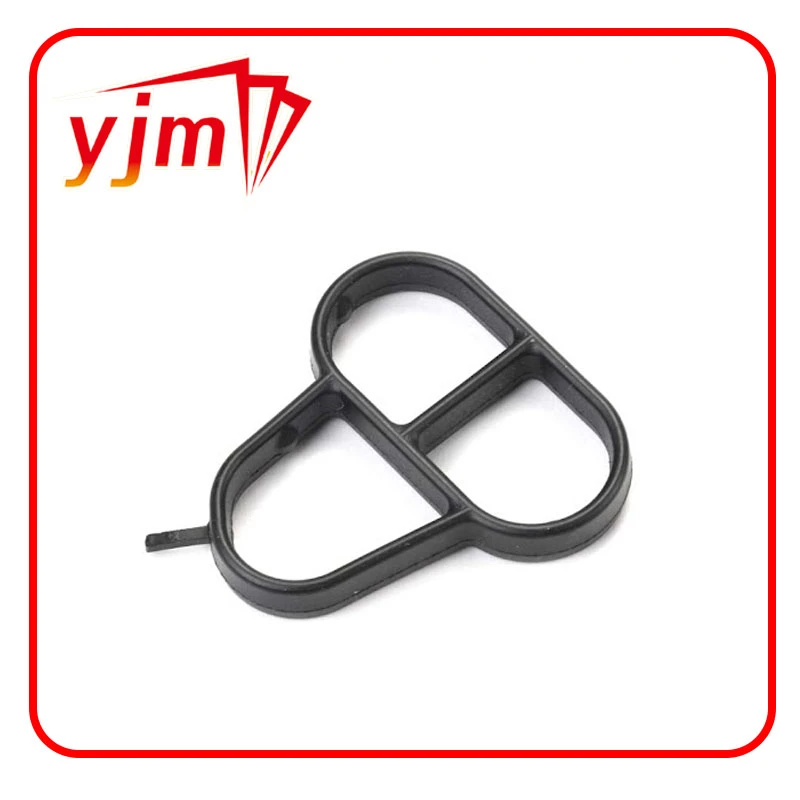
Genuine OEM Engine Oil Filter Housing Cover O-Ring For VW/Audi 06E115446
-
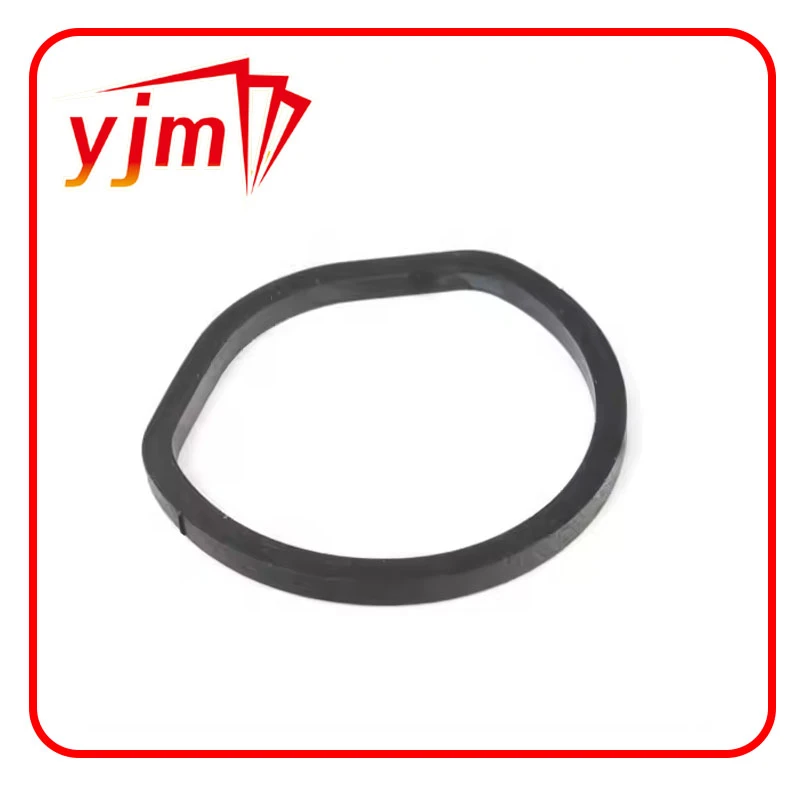
Oil Filter Stand Gasket,Oil filter cover seal
-
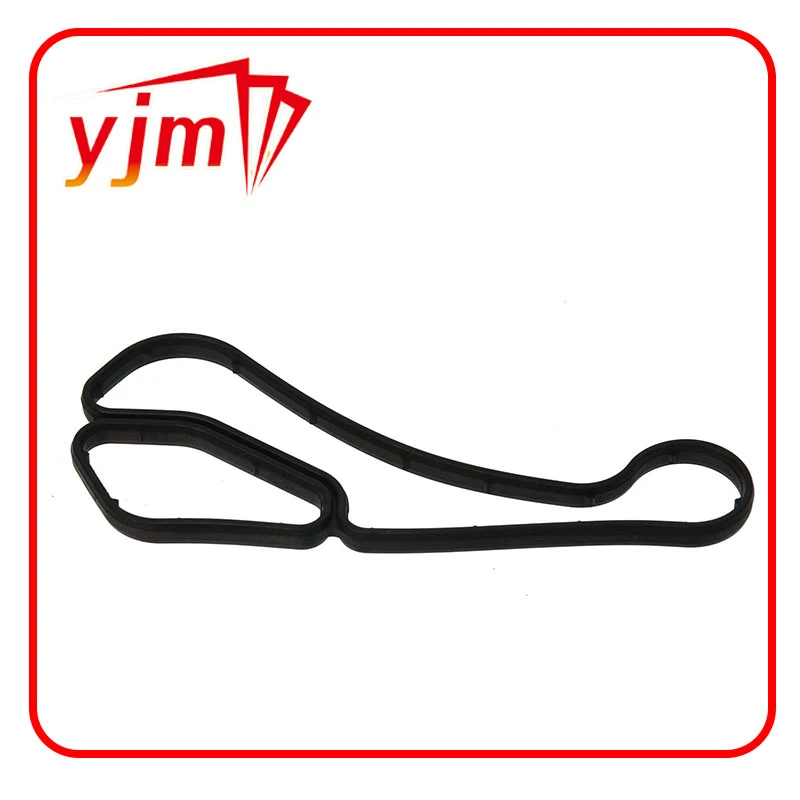
Oil Cooler Gasket, Oil Cooler to Oil Filter Housing 11427525335
-
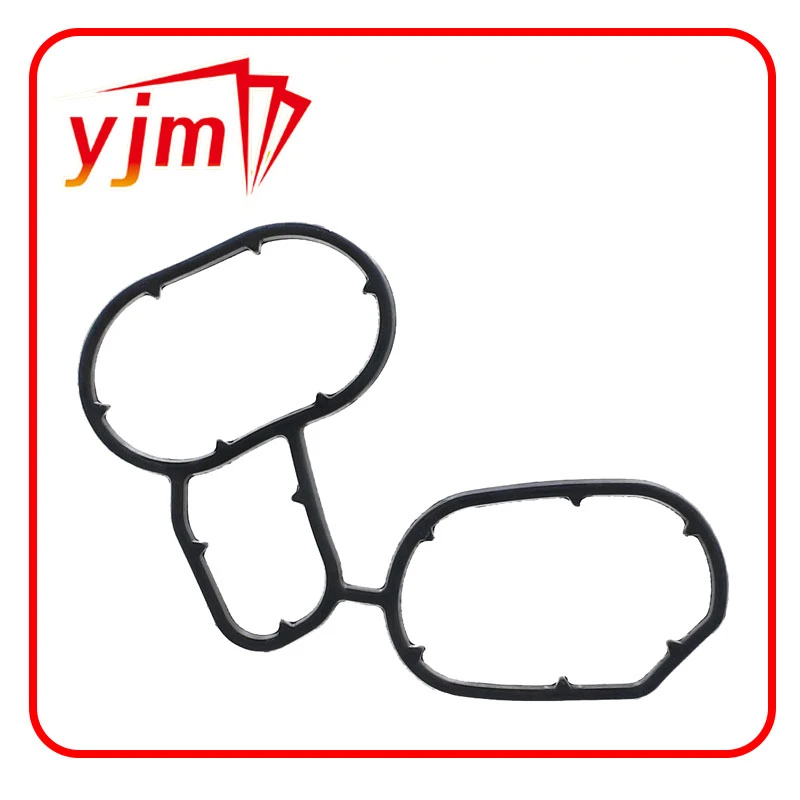
11427508970 BMW - OIL FILTER HOUSING GASKETS
-
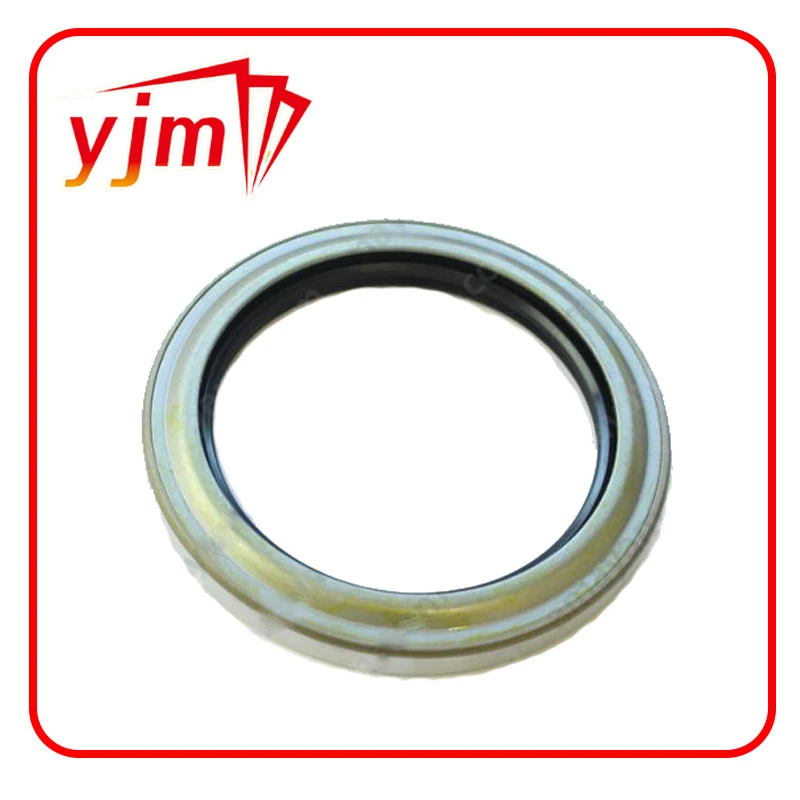
SEAL, OIL Genuine Toyota (9031170011)
-
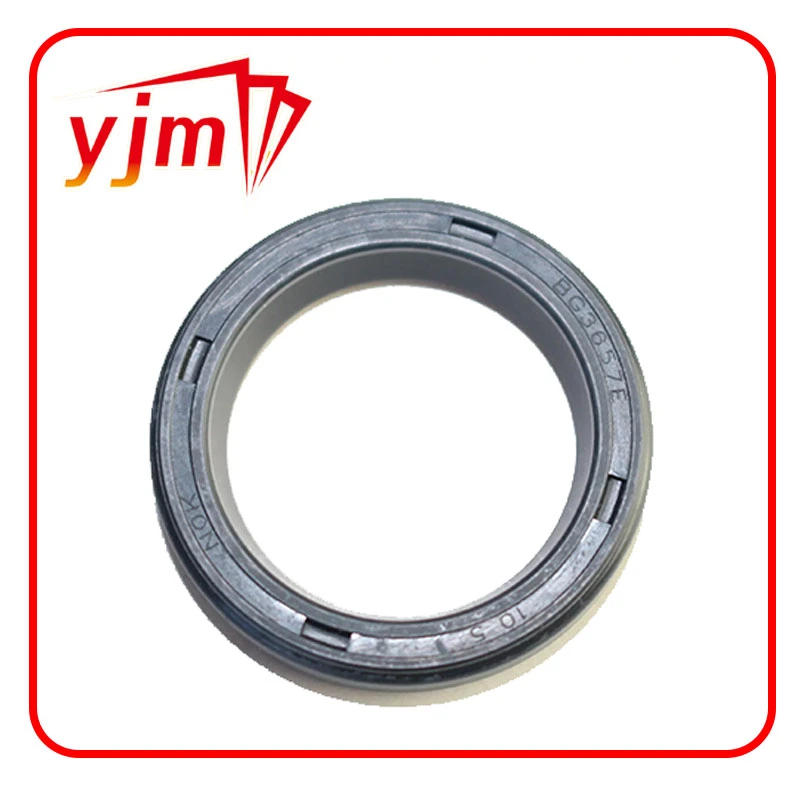
Transfer Case Output Shaft Seal Part 9031223001
-
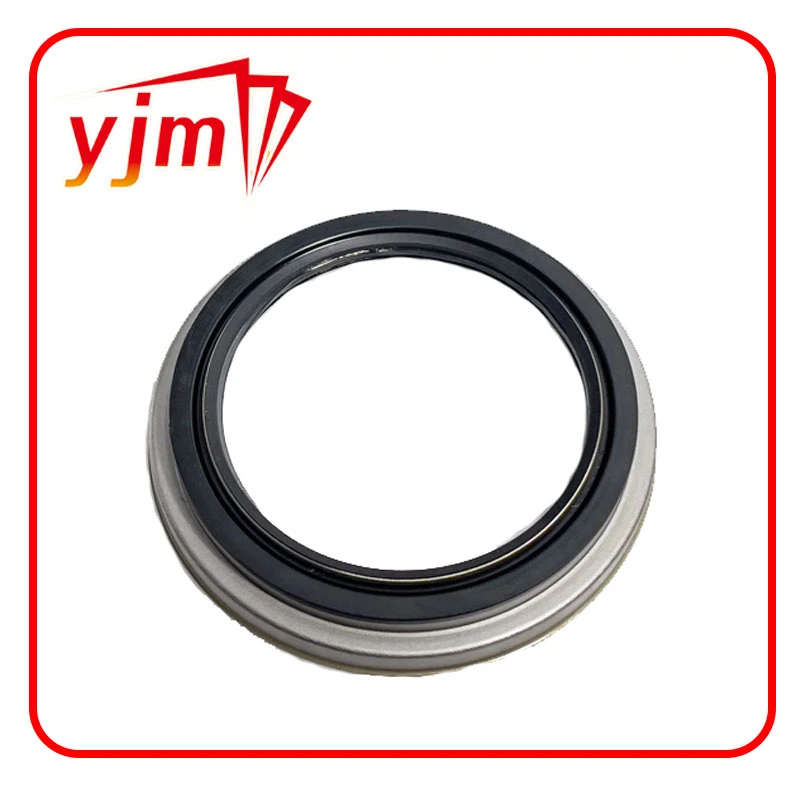
SEAL, OIL Genuine Toyota (9031672001)
-
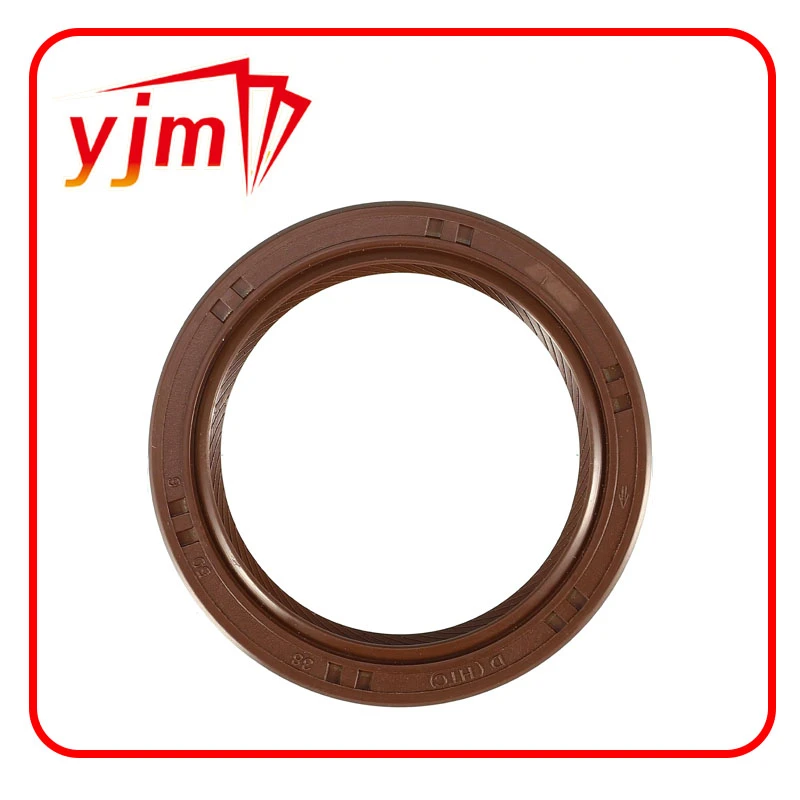
Engine Crankshaft Oil Seal No.9031138096
-
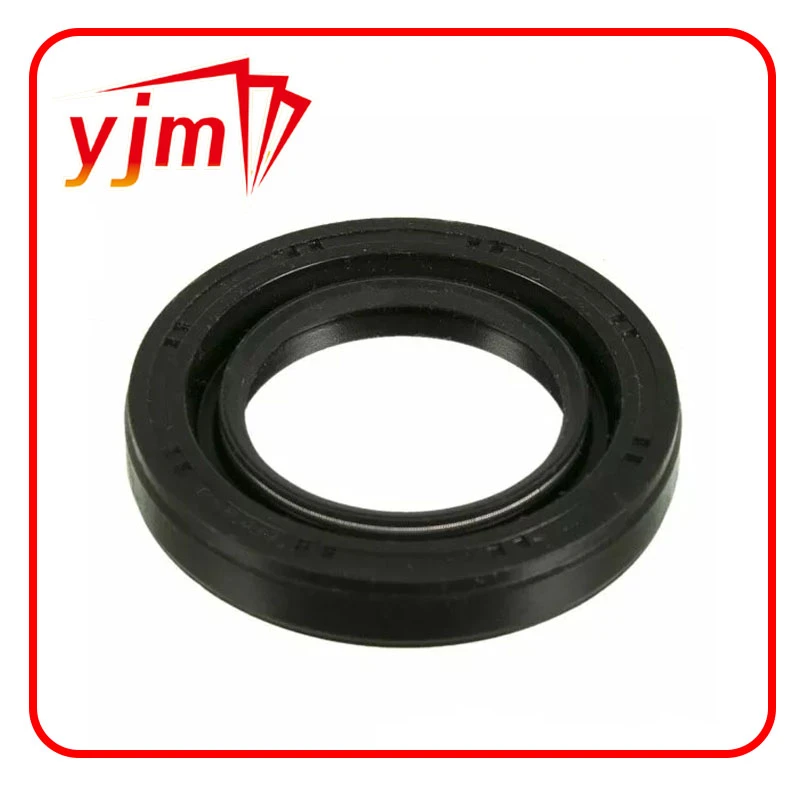
Toyota Transfer Case Output Shaft Seal Front 9031136006
-
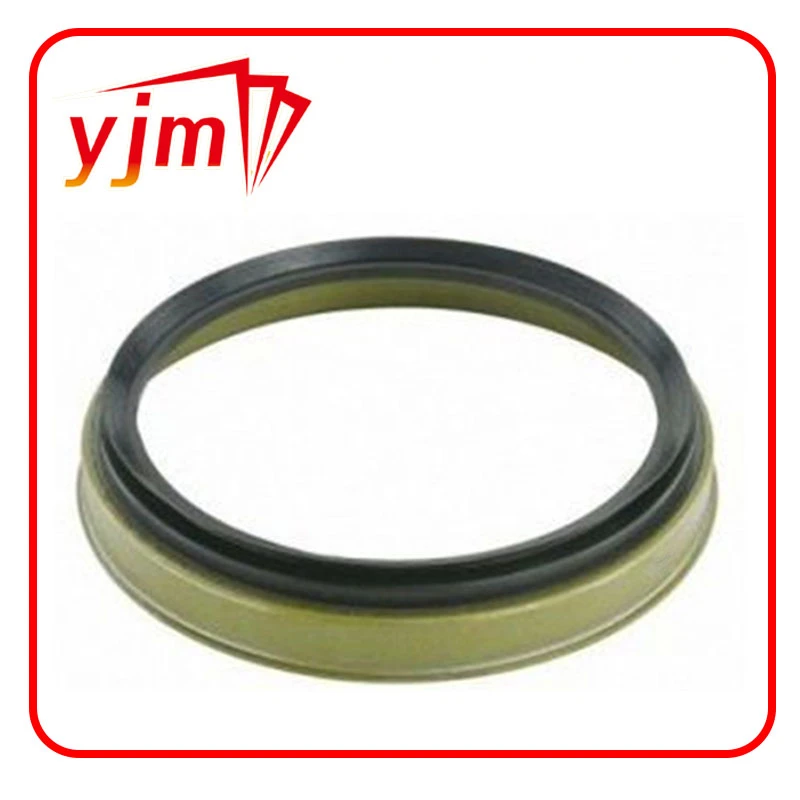
Seal, type v oil 9031287001 TOYOTA
-
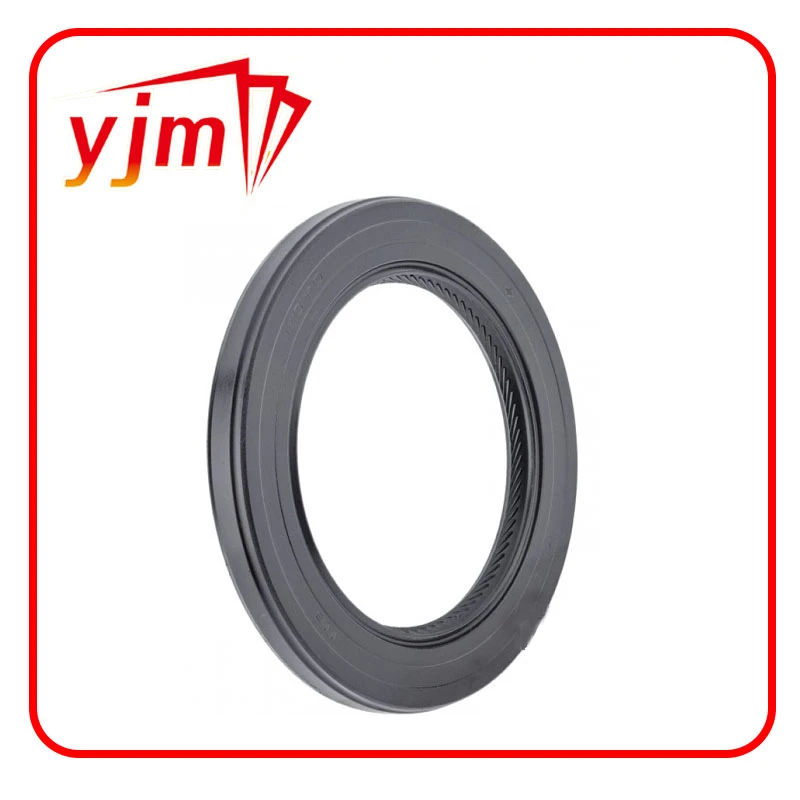
Oil pump seal 9031143010
-
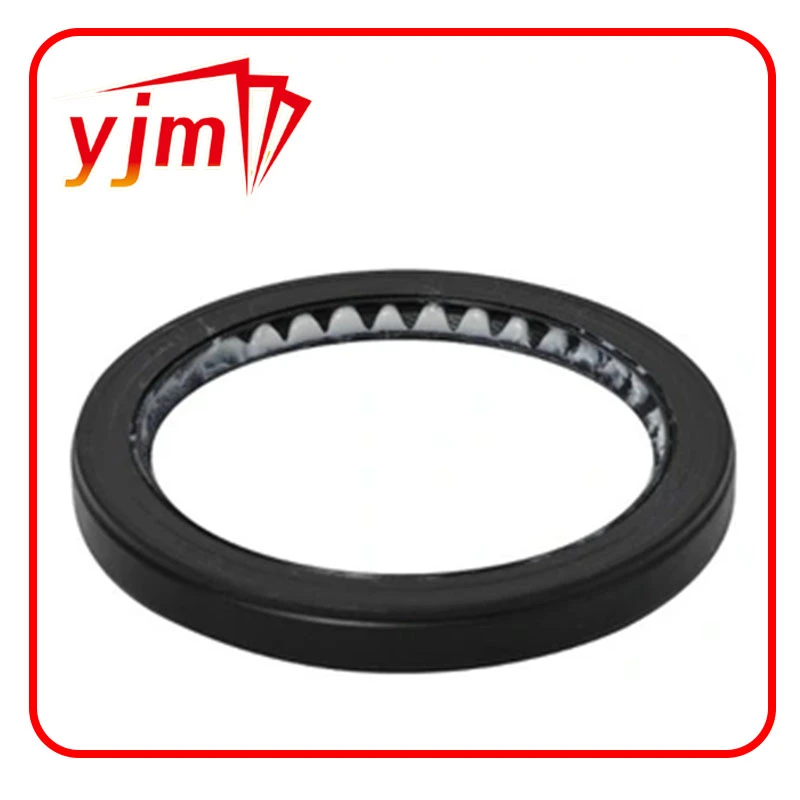
Genuine Toyota Oil SEAL 90311-54006
-
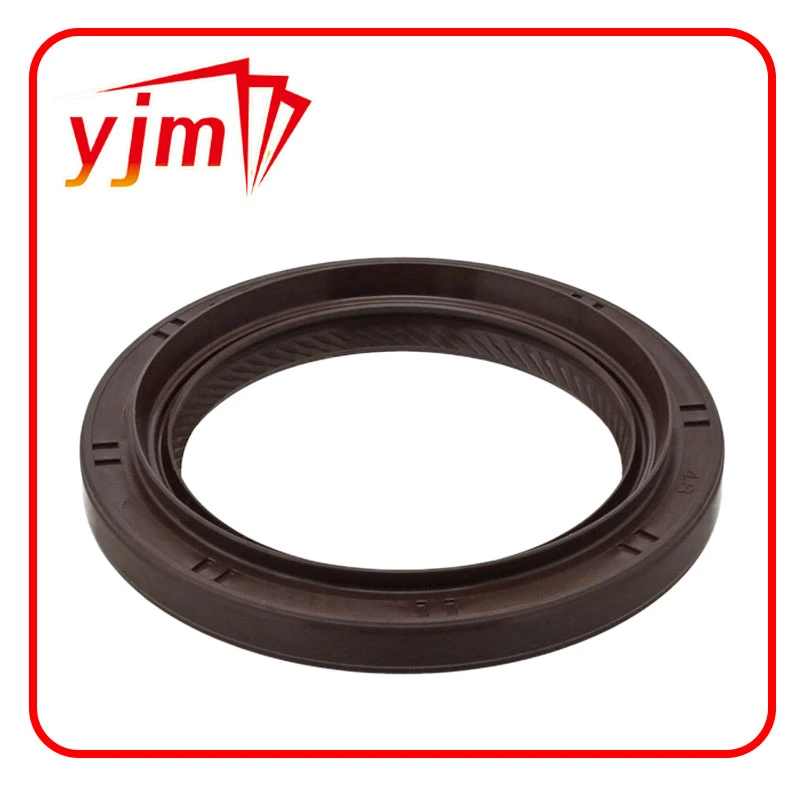
Toyota SEAL TYPE T OIL 90311-48031
-
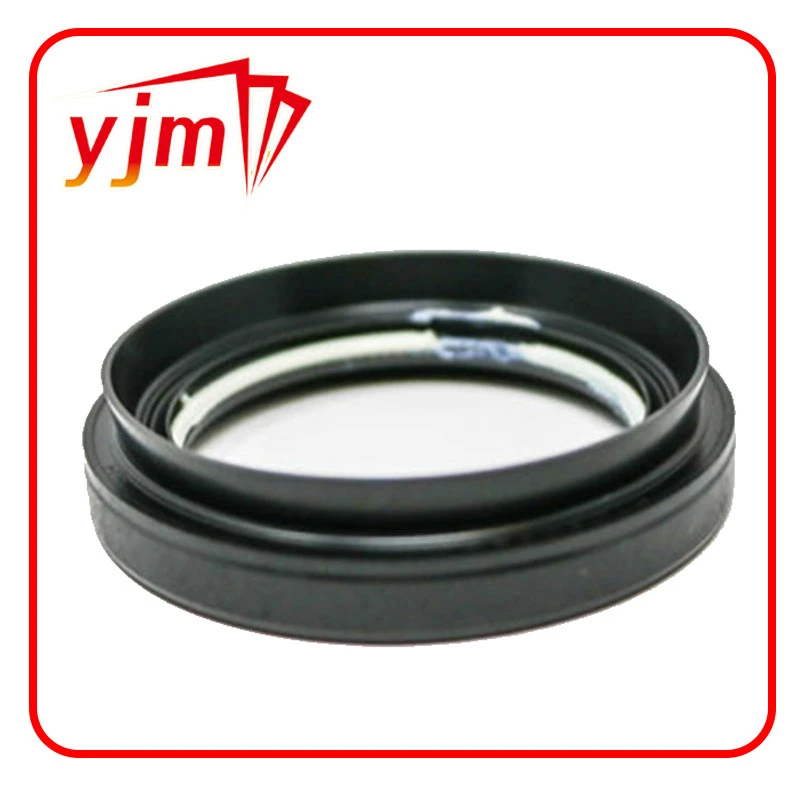
Type T Oil Seal, Front Drive Shaft, Left 9031150064
-
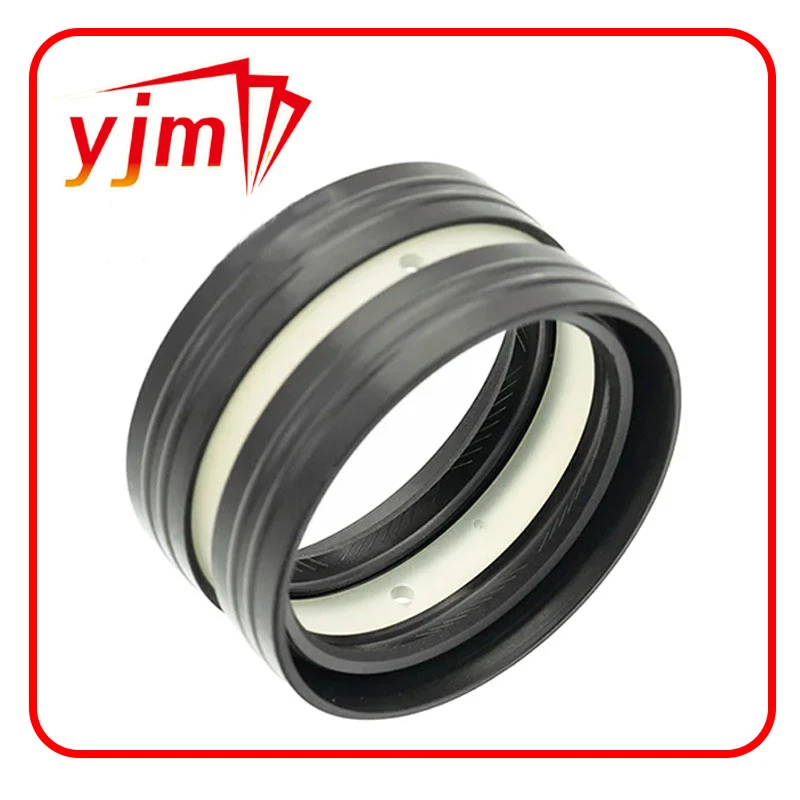
Seal, type d oil 9031634001 TOYOTA
 Afrikaans
 Albanian
 Amharic
 Arabic
 Armenian
 Azerbaijani
 Basque
 Belarusian
 Bengali
 Bosnian
 Bulgarian
 Catalan
 Cebuano
 Corsican
 Croatian
 Czech
Czech
 Danish
 Dutch
Dutch
 Esperanto
 Estonian
 Finnish
 French
 Frisian
 Galician
 Georgian
 German
 Greek
Greek
 Gujarati
 Haitian Creole
 Hausa
Hausa
 Hawaiian
 Hebrew
 Hindi
Hindi
 Miao
Miao
 Hungarian
 Icelandic
 Igbo
Igbo
 Indonesian
 Irish
Irish
 Italian
 Japanese
 Javanese
 Kannada
 Kazakh
 Khmer
Khmer
 Rwandese
 Korean
 Kurdish
 Kyrgyz
 Lao
Lao
 Latin
Latin
 Latvian
 Lithuanian
 Luxembourgish
 Macedonian
 Malgashi
 Malay
Malay
 Malayalam
 Maltese
 Maori
Maori
 Marathi
 Mongolian
 Myanmar
 Nepali
 Norwegian
 Norwegian
 Occitan
 Pashto
 Persian
 Polish
 Portuguese
 Punjabi
 Romanian
 Russian
 Samoan
 Scottish Gaelic
 Serbian
 Sesotho
 Shona
Shona
 Sindhi
 Sinhala
 Slovak
 Slovenian
 Somali
 Spanish
 Sundanese
 Swahili
 Swedish
 Tagalog
 Tajik
Tajik
 Tamil
Tamil
 Tatar
Tatar
 Telugu
 Thai
Thai
 Turkish
 Turkmen
 Ukrainian
 Urdu
Urdu
 Uighur
 Uzbek
Uzbek
 Vietnamese
 Welsh
Welsh
 Bantu
Bantu
 Yiddish
 Yoruba
 Zulu
Zulu
 English