Understanding the FWD Differential: Mechanics, Applications & Future Trends
The FWD Differential: A Key Player in Modern Vehicle Dynamics
When it comes to understanding how front-wheel drive vehicles deliver power and control, the fwd differential is an essential piece of the puzzle. This component isn’t just a niche mechanic’s jargon—it’s foundational to millions of cars, light trucks, and even some electric vehicles on roads worldwide. Grasping what a fwd differential does enhances our appreciation of automotive engineering, safety, and efficiency.
Globally, front-wheel drive (FWD) vehicles dominate new car sales, especially in densely populated regions like Europe, Asia, and parts of North America. According to the International Organization of Motor Vehicle Manufacturers (OICA), more than 70% of passenger cars worldwide operate with FWD layouts. So, the differential that manages power delivery on the front axle affects millions daily—from urban rush hours to remote highways.
Understanding this component can translate into better vehicle maintenance, smarter purchasing decisions, and even innovation insights for automotive professionals. Let’s dive in.
FWD Differential in a Global Context
The demand for affordable, fuel-efficient vehicles has never been higher. Organizations like the United Nations emphasize sustainable transportation to reduce urban emissions and improve health. FWD cars, being lighter and more efficient, fit this mandate well. But what retains traction and stability, especially in wet or icy conditions, is precisely where the fwd differential comes into play.
Problems like uneven torque, wheel slip, and poor traction have historically challenged vehicle designers. The fwd differential addresses these by distributing engine power to both front wheels, allowing them to rotate at different speeds during turns. In harsh climates across Northern Europe or mountainous regions in the Americas, reliable differentials contribute to safer mobility—crucial for emergency vehicles, delivery fleets, or everyday commuters.
In short, this small mechanical part supports big societal goals—mobility, safety, and environmental responsibility.
What Exactly is a FWD Differential?
Simply put, a fwd differential is a gearbox device installed in the front axle of a vehicle, allowing its two front wheels to rotate at different speeds while still being powered by the engine. This capacity is vital during cornering because the inside wheel travels a shorter distance than the outside wheel.
Modern fwd differentials come in various types—open, limited-slip, or electronic, each tailored to different driving scenarios. At heart, though, they help convert torque coming from the transmission to the wheels, balancing traction and reducing tire wear.
From an industry standpoint, they’re the backbone of front-wheel drive vehicles, helping achieve better fuel efficiency and interior space by allowing compact engine bay design and transversely mounted powertrains.
Core Components and Factors Influencing FWD Differentials
1. Durability and Material Quality
Front-wheel differentials undergo constant stress, especially in stop-and-go traffic. Many engineers swear by forged steel gears and high-grade alloys to resist wear. Longevity improves not only with materials but also with proper lubrication—synthetic oils are sometimes preferred for temperature stability.
2. Torque Management
Effective torque distribution ensures smoother cornering and improved traction under diverse conditions. For example, Limited Slip Differentials (LSD) restrict the wheel that’s spinning freely, sending power where it’s needed most—good for wet roads or light off-roading.
3. Cost and Ease of Maintenance
Mass-market vehicles prioritize open differentials due to cost-effectiveness, while more premium or sporty models incorporate complex LSD or electronically controlled systems. More moving parts usually mean higher maintenance complexity, so there's always a trade-off.
4. Integration with Vehicle Electronics
Modern cars now use sensors and electronic control units (ECUs) to dynamically adjust differential performance. This synergy allows adaptive responses to driving conditions—enhancing safety systems like traction control and stability programs.
Mini Takeaway:
Judging a fwd differential isn’t just about metal parts spinning—it's about a balance of engineering toughness, functional finesse, and evolving tech coordination.
Global Applications of the FWD Differential
FWD differentials aren't limited to just everyday cars. Here’s where they make a substantial difference:
- Urban Transportation: Compact city cars from Europe to Southeast Asia rely heavily on FWD differentials to maximize interior space and fuel economy.
- Emergency Vehicles: In flood-prone areas or snowy zones, limited-slip fwd differentials help ambulances or police cars maintain better grip and control.
- Electric Vehicles (EVs): Some EV manufacturers have adopted front-wheel drive layouts with specialized differentials to enhance regeneration during deceleration and improve range.
- Industrial & Agricultural Equipment: Though less common, certain lightweight utility vehicles benefit from electronically controlled differentials for better maneuverability in rough terrain.
Mini Takeaway:
From metropolitan highways to remote access roads, the fwd differential quietly powers safe, efficient journeys across diverse landscapes.
Advantages and Long-Term Value of FWD Differentials
Why do so many automakers—and frankly, drivers—favor fwd differentials? Here’s the rundown:
- Cost Efficiency: Simplified powertrain architecture generally costs less to manufacture and maintain, benefiting consumers and fleets.
- Fuel Economy: Less drivetrain loss compared to rear- or all-wheel drive configurations translates to lower fuel consumption and emissions.
- Safety: Superior traction balance reduces accidents during cornering, enhancing driver confidence and passenger well-being.
- Space Utilization: FWD configuration frees more cabin space—important for growing families or commercial uses.
There’s also a subtle, emotional layer here: drivers often feel more connected to their vehicle’s predictability and control when the differential is performing seamlessly. It fosters trust—and safety, frankly—is one of those intangible but real values on the road.
Product Specification Table: Typical Front-Wheel Drive Differential
| Spec | Details |
|---|---|
| Type | Open / Limited Slip / Electronic |
| Gear Material | Forged Alloy Steel |
| Lubrication | Synthetic Gear Oil |
| Max Torque Capacity | Up to 300 Nm (varies) |
| Weight | Approx. 12–15 kg |
| Average Lifespan | 8–12 years (typical use) |
Vendor Comparison Table: Leading FWD Differential Manufacturers
| Manufacturer | Product Range | Key Features | Price Range | Warranty |
|---|---|---|---|---|
| YJM Seal Co. | Open, LSD, Electronic | High durability, corrosion resistance | $$$ | 3 years |
| ABC Auto Parts | Primarily Open and LSD | Affordable, easy maintenance | $–$$ | 2 years |
| Elite Drive Systems | Advanced Electronic LSD | Adaptive torque control, smart tech | $$$$ | 5 years |
Future Trends & Innovations in FWD Differentials
With electric vehicles (EVs) rapidly reshaping the automotive landscape, fwd differentials are evolving too. Engineers are exploring lightweight materials like carbon composites to reduce weight and energy consumption. Additionally, integration with vehicle-wide digital systems allows precise torque vectoring, improving stability and efficiency.
Green energy considerations mean synthetic lubricants used in differentials are phasing towards bio-based oils with low environmental impact. Autonomous driving systems also require differentials that can respond instantaneously to sensor data to maintain seamless control.
The horizon looks promising: more durable, smarter, and greener fwd differentials that quietly enhance our rides and reduce footprints.
Challenges and Expert Solutions
Of course, no system is perfect. Open differentials, while economical, can fail in extreme slip situations causing wheel spin and loss of control. Limited slip diffs overcome this but typically come at a higher cost and complexity.
One innovative approach is the hybrid electronic-mechanical differential that leverages sensor inputs to selectively limit wheel spin without sacrificing durability. Maintenance remains a concern; failure to replace gear oil at recommended intervals leads to premature wear.
I'd say the key is user education and integrating diagnostics into vehicle systems, so drivers and fleet managers know exactly when service is needed.
FAQ: Your Top Questions About FWD Differentials
Q1: Why is a fwd differential important in front-wheel drive cars?
A fwd differential allows the front wheels to turn at different speeds, which is essential when cornering. Without it, tires would scrub causing poor handling, excessive wear, and compromised safety.
Q2: How often should I service the differential in my front-wheel drive vehicle?
Generally, differential fluid should be replaced every 30,000 to 60,000 miles, depending on the manufacturer’s recommendation and driving conditions. Regular checks help avoid costly repairs.
Q3: Can I upgrade my vehicle’s open differential to a limited-slip type?
Yes, many vehicles support upgrades to LSD units to improve traction and handling, especially in poor weather. Installation should be done by experienced mechanics due to precision involved.
Q4: Are fwd differentials used in electric vehicles too?
Absolutely. Many EVs have front-wheel drive configurations with specially designed differentials to handle electric motor torque characteristics efficiently.
Q5: How do I choose the right differential for my commercial fleet?
Consider vehicle usage patterns, terrain, maintenance capacity, and budget. For rough roads or frequent stop-and-go, an LSD or electronic differential offers better durability and control.
Wrapping It Up
The fwd differential might seem like a small, technical bit buried beneath your car, but its impact is huge—from enhancing daily driving comfort to supporting ambitious global sustainability goals. Whether it’s the traditional gear-driven type or the futuristic electronically managed models, these differentials help millions navigate the complex dance of efficiency, safety, and reliability.
If you’re interested in top-quality fwd differentials or want to learn more about their specs and applications, I encourage you to visit our website and explore what we have to offer.
References & Further Reading:
-
Guide to Choosing the Right Washer for Oil Change and Sealing
News Apr.16,2026
-
Essential Guide to High Quality rubber washer oil drain plug
News Apr.09,2026
-
Understanding Rubber Crush Washers for Optimal Sealing Performance
News Apr.07,2026
-
Comprehensive Guide to Understanding and Reusing Crush Washer for Optimal Sealing
News Apr.04,2026
-
The Vital Role of a Drain Screw Gasket in Fluid System Integrity
News Mar.31,2026
-
The Essential Guide to Drain Crush Washer Selection and Plumbing Leak Prevention
News Mar.28,2026
-
The Vital Role of a Crush Washer in Oil Changes for Engine Protection
News Mar.26,2026
Products categories
-
Brass cutlass marine bearing
-
Genuine OEM Engine Oil Filter Housing Cover O-Ring For VW/Audi 06E115446
-
Oil Filter Stand Gasket,Oil filter cover seal
-
Oil Cooler Gasket, Oil Cooler to Oil Filter Housing 11427525335
-
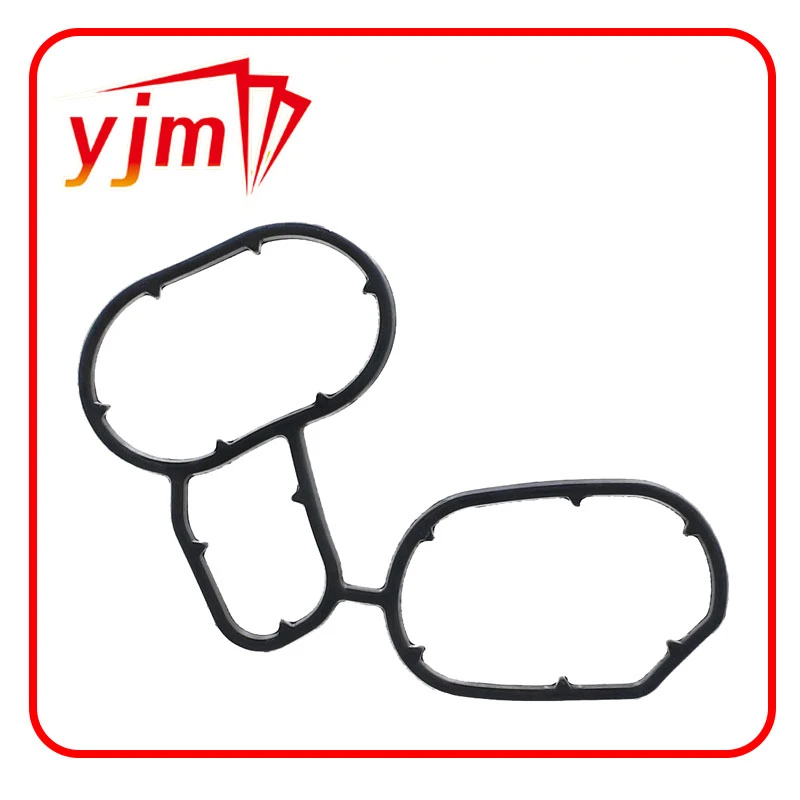
11427508970 BMW - OIL FILTER HOUSING GASKETS
-
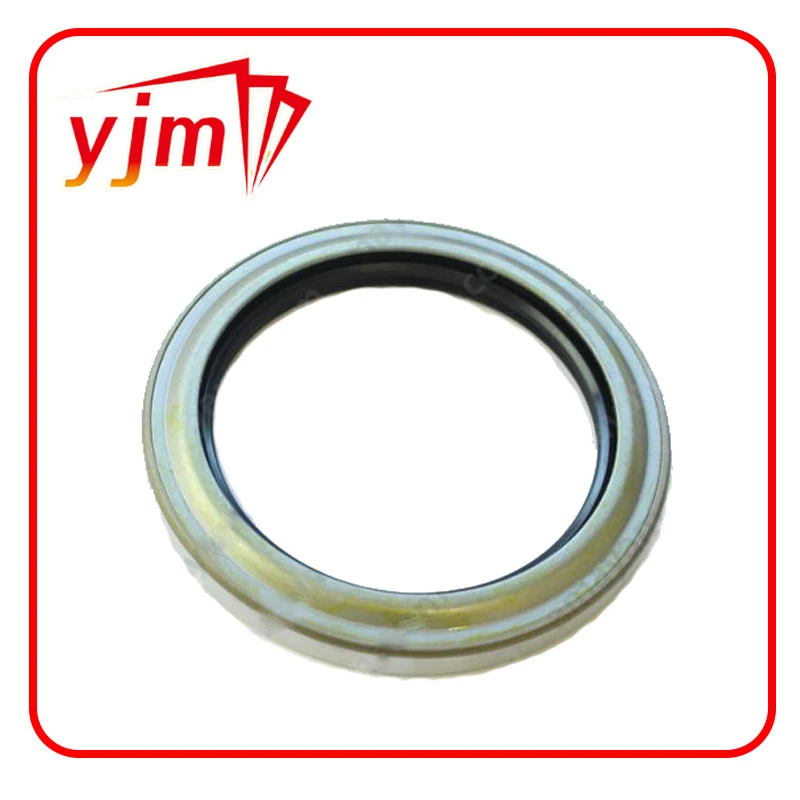
SEAL, OIL Genuine Toyota (9031170011)
-
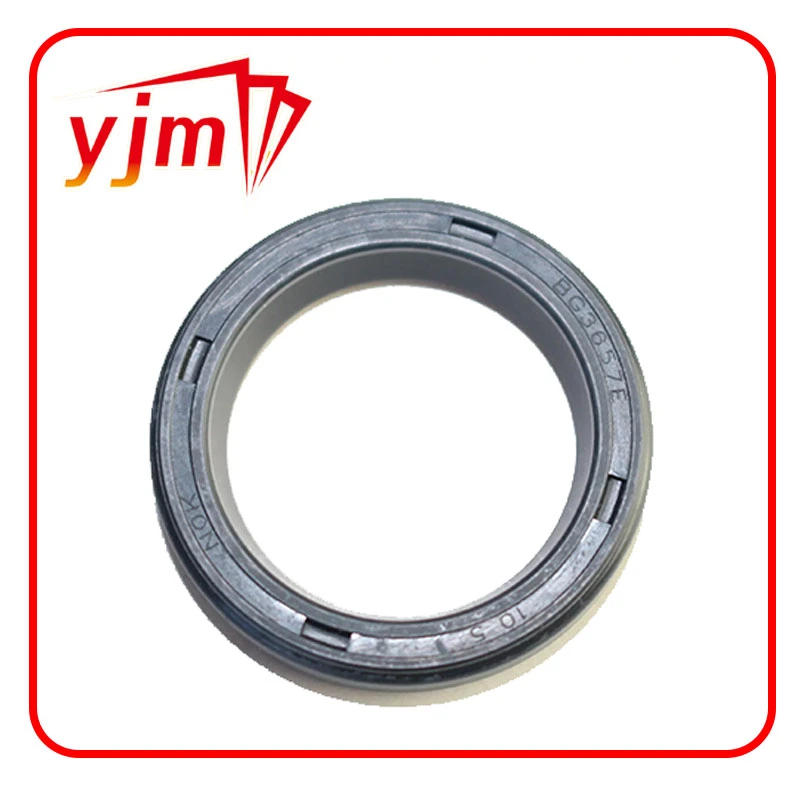
Transfer Case Output Shaft Seal Part 9031223001
-
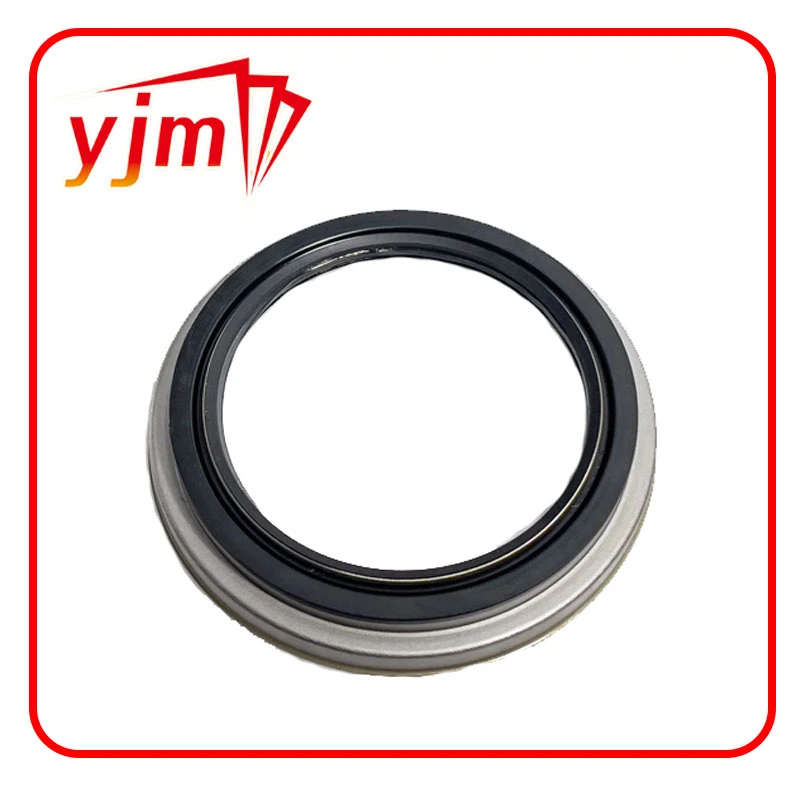
SEAL, OIL Genuine Toyota (9031672001)
-
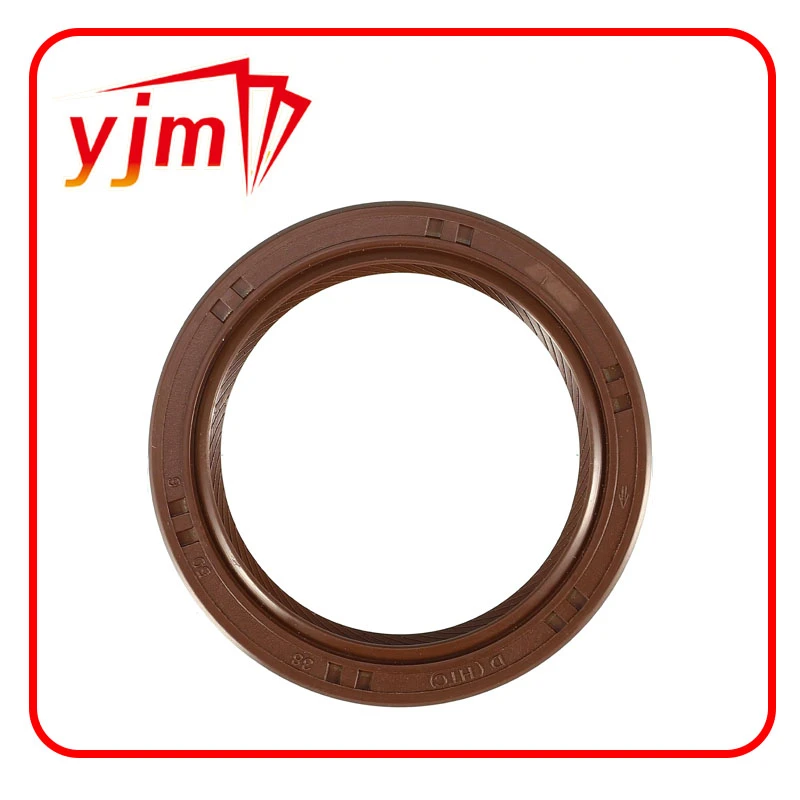
Engine Crankshaft Oil Seal No.9031138096
-
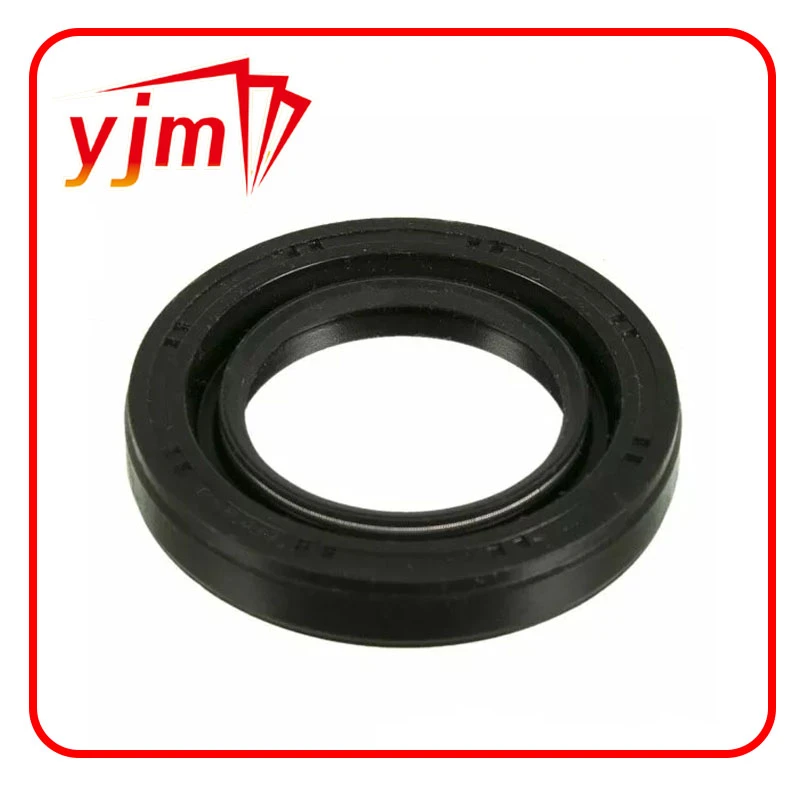
Toyota Transfer Case Output Shaft Seal Front 9031136006
-
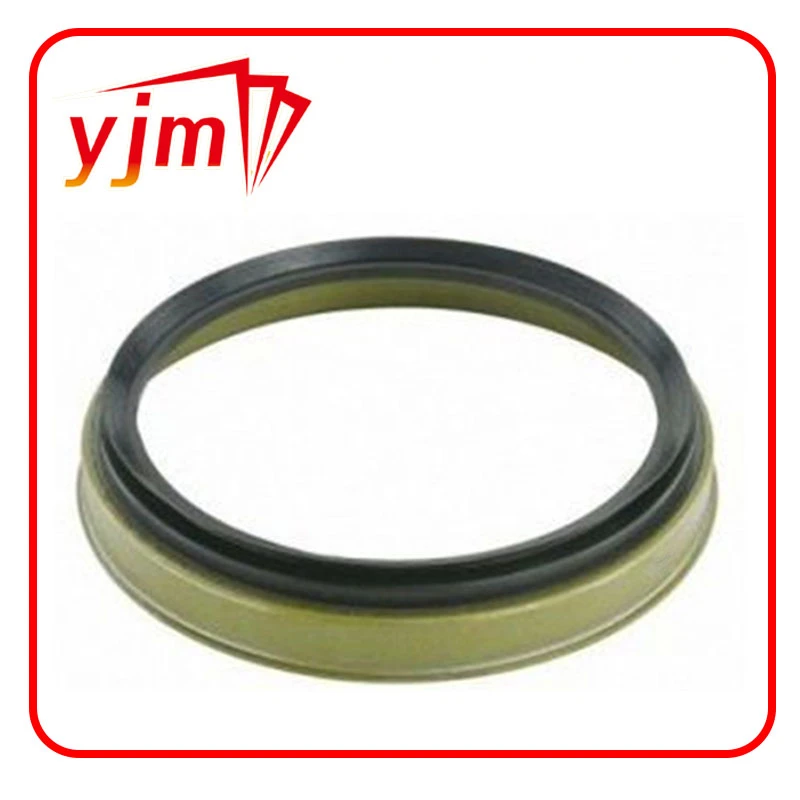
Seal, type v oil 9031287001 TOYOTA
-
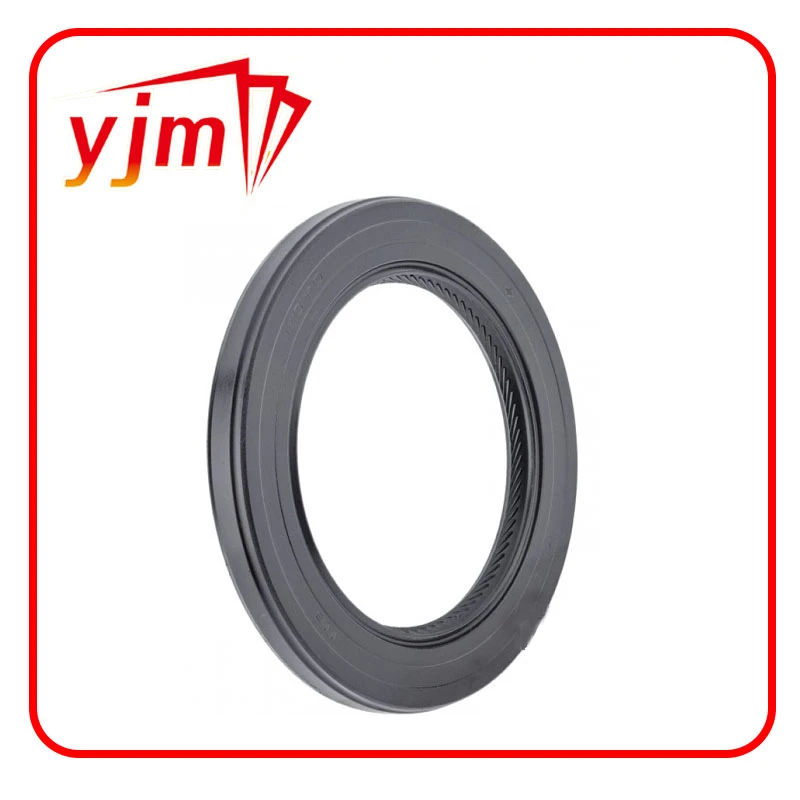
Oil pump seal 9031143010
-
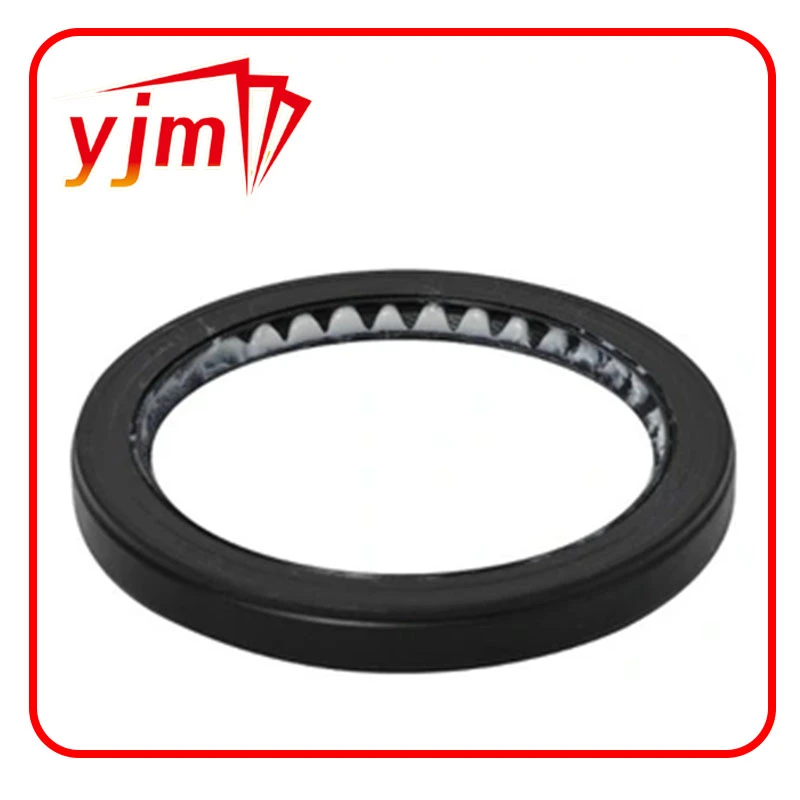
Genuine Toyota Oil SEAL 90311-54006
-
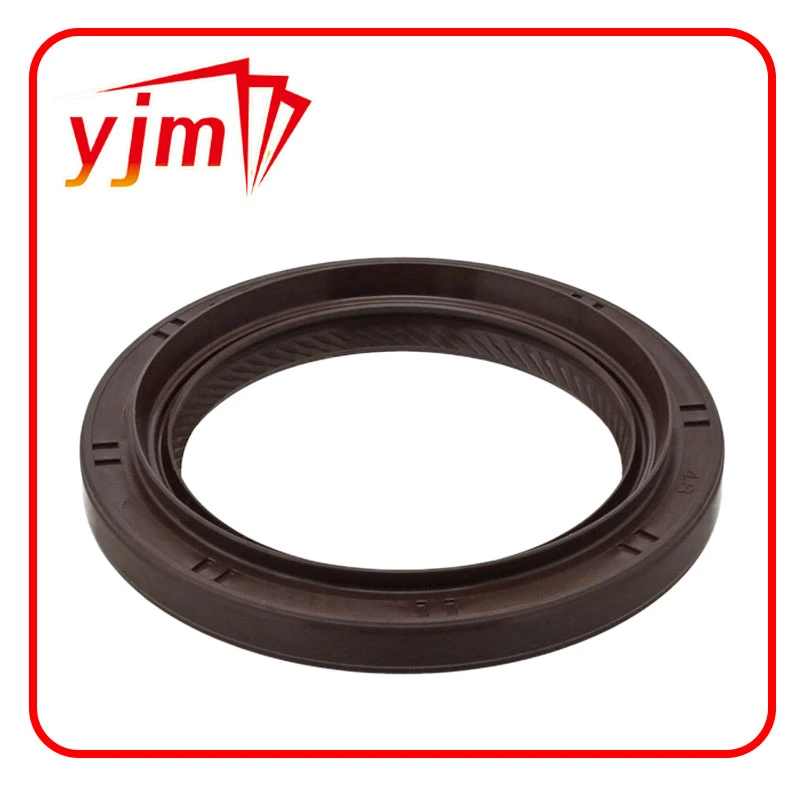
Toyota SEAL TYPE T OIL 90311-48031
-
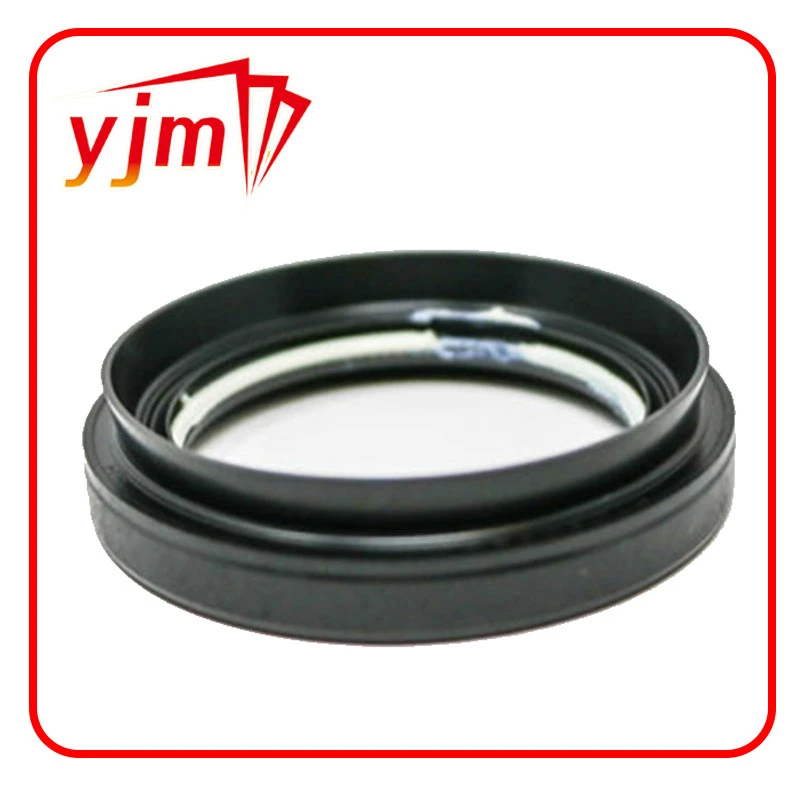
Type T Oil Seal, Front Drive Shaft, Left 9031150064
-
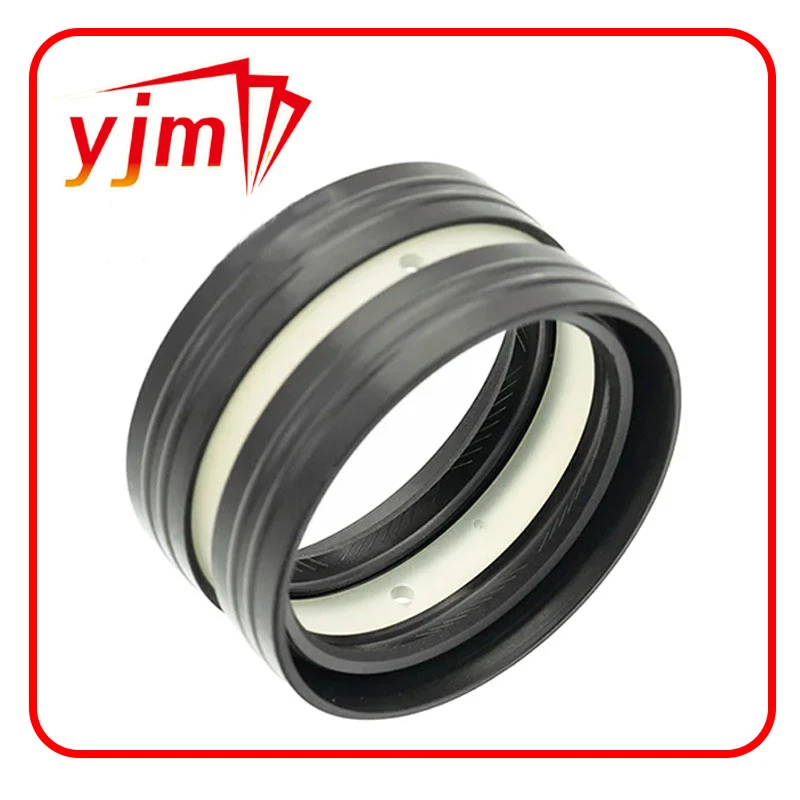
Seal, type d oil 9031634001 TOYOTA
 Afrikaans
 Albanian
 Amharic
 Arabic
 Armenian
 Azerbaijani
 Basque
 Belarusian
 Bengali
 Bosnian
 Bulgarian
 Catalan
 Cebuano
 Corsican
 Croatian
 Czech
Czech
 Danish
 Dutch
Dutch
 Esperanto
 Estonian
 Finnish
 French
 Frisian
 Galician
 Georgian
 German
 Greek
Greek
 Gujarati
 Haitian Creole
 Hausa
Hausa
 Hawaiian
 Hebrew
 Hindi
Hindi
 Miao
Miao
 Hungarian
 Icelandic
 Igbo
Igbo
 Indonesian
 Irish
Irish
 Italian
 Japanese
 Javanese
 Kannada
 Kazakh
 Khmer
Khmer
 Rwandese
 Korean
 Kurdish
 Kyrgyz
 Lao
Lao
 Latin
Latin
 Latvian
 Lithuanian
 Luxembourgish
 Macedonian
 Malgashi
 Malay
Malay
 Malayalam
 Maltese
 Maori
Maori
 Marathi
 Mongolian
 Myanmar
 Nepali
 Norwegian
 Norwegian
 Occitan
 Pashto
 Persian
 Polish
 Portuguese
 Punjabi
 Romanian
 Russian
 Samoan
 Scottish Gaelic
 Serbian
 Sesotho
 Shona
Shona
 Sindhi
 Sinhala
 Slovak
 Slovenian
 Somali
 Spanish
 Sundanese
 Swahili
 Swedish
 Tagalog
 Tajik
Tajik
 Tamil
Tamil
 Tatar
Tatar
 Telugu
 Thai
Thai
 Turkish
 Turkmen
 Ukrainian
 Urdu
Urdu
 Uighur
 Uzbek
Uzbek
 Vietnamese
 Welsh
Welsh
 Bantu
Bantu
 Yiddish
 Yoruba
 Zulu
Zulu
 English