Seal 20x35x7 – Essential Guide to Industrial Shaft Seals & Applications
The Quiet Power of the Seal 20x35x7: More Than Just a Measurement
At first glance, "seal 20x35x7" might look like just another cryptic product code for an obscure mechanical part. But if you pause a moment, you’ll find this little seal plays a surprisingly large role in how machines keep running smoothly across industries worldwide. Whether in automotive, manufacturing, or even humanitarian equipment, understanding the significance of a seal 20x35x7 unlocks a door to reliability, efficiency, and sustainability that many overlook.
Globally, seals like this help reduce leaks, minimize downtime, and ultimately prevent waste — all principles in line with broader UN sustainability goals and ISO's quality management standards. So, why does grasping the details of a simple seal matter? Because even the smallest component often carries outsized responsibility on the path to progress.
Global Context: Why the Seal 20x35x7 Has Become Indispensable
The industrial world churns billions of parts daily, but the seal 20x35x7 is one of those humble heroes quietly meeting the demand for tighter tolerances and enhanced durability. According to ISO 6194, rotary shaft seals — which is the category this seal fits into — are critical to reducing fluid leakage and contamination in equipment.
Consider the global manufacturing footprint, which accounts for nearly 16% of world GDP (World Bank, 2022). Efficient sealing solutions have been instrumental in cutting equipment downtime by up to 30% in some sectors. That might not sound flashy, but in industrial terms, it's huge savings, reduced emissions (via less waste oil), and boosted safety. Oddly enough, the smallest details — like the 20x35x7 seal — often guard the biggest gains.
What Exactly Is a Seal 20x35x7?
Simply put, a seal 20x35x7 is a standard-sized radial shaft seal used to keep fluids in and contaminants out around rotating shafts. The numbers denote its dimensions: 20 mm inner diameter, 35 mm outer diameter, and 7 mm thickness. This sizing is quite popular for mid-sized shafts across a variety of uses.
You’ll find these seals guarding the heart of everything from electric motors and hydraulic pumps to automotive drivetrains. In humanitarian equipment — think water pumps and generators in remote regions — reliable sealing prevents failures that could delay emergency services. So, this seal stands as more than a mere part; it’s a silent contributor to safety and efficiency.
Key Aspects to Consider with the Seal 20x35x7
Durability & Material
Most seals use high-quality nitrile rubber (NBR) or fluorocarbon (FKM) elastomers, which resist wear, temperature extremes, and chemical degradation. The choice depends on the environment. For instance, a seal exposed to hot engine oil demands FKM for its heat and chemical resistance.
Precision & Fit
The 20x35x7 dimension means this seal must fit shafts and housings with exact tolerances. Even a tiny mismatch can cause leaks or premature wear. Many engineers swear by using micrometer measurements and surface finish checks to ensure the seal seats perfectly.
Leverage of Hydrodynamics
Modern designs often include a hydrodynamic lip profile that actively pumps fluid inward during rotation, enhancing sealing. This reduces friction while maintaining an excellent barrier — a neat trick of physics applied in a tiny, flexible ring.
Cost Efficiency and Availability
The 20x35x7 seal is widespread enough for standard production but still specialized. This balance allows manufacturers to keep costs relatively low and stock plentiful. Plus, aftermarket options mean easy replacements even in remote areas, reducing operational interruption.
Environmental Resistance
Beyond heat, these seals often face exposure to dust, water, and corrosive agents. The elastomer and secondary sealing elements integrate to protect against environmental stresses, extending machinery life.
Mini takeaway: The durability, precision, and material science behind the seal 20x35x7 make it the linchpin for smooth and sustainable machinery operation.
How the Seal 20x35x7 Shapes Real-World Applications
You’ll find this seal embedded everywhere: automotive wheel bearings, agricultural machinery, industrial gearboxes, and even renewable energy equipment like small wind turbines. In developing countries, sealed water pumps powered by generators can't afford failure during disaster relief operations — the sort that can delay clean water access or power supply.
In Europe’s industrial zones, where downtime costs can reach several thousand euros per hour, operators rely heavily on quality seals to keep production lines humming nonstop. Meanwhile, large manufacturers in Asia generally prefer seals with a balance between cost and durability to meet their vast demand cycles.
Product Specification Table for Seal 20x35x7
| Specification | Detail |
|---|---|
| Inner Diameter (ID) | 20 mm |
| Outer Diameter (OD) | 35 mm |
| Thickness | 7 mm |
| Material | NBR / FKM Elastomer |
| Temperature Range | -40°C to 150°C (varies by material) |
| Typical Application | Hydraulic Pumps, Gearboxes, Motors |
Comparing Top Vendors for Seal 20x35x7
| Vendor | Material Options | Price Range (USD) | Global Availability | Customization |
|---|---|---|---|---|
| YJM Seal | NBR, FKM, Silicone | $0.60–1.20 | Worldwide | High - Custom Sizes & Materials |
| SKF | NBR, FKM | $1.00–2.50 | Global | Medium |
| Freudenberg Sealing | NBR, FKM, PTFE | $1.50–3.00 | Worldwide | Low |
The Advantages and Lasting Value of Using a Seal 20x35x7
Beyond just keeping fluids in, the seal 20x35x7 ensures safety for operators and helps reduce environmental hazards caused by leaks and waste fluids. Think of it as insurance for your equipment and for the people using it. Its reliability translates to less maintenance, fewer unexpected breakdowns, and improved machine lifespan — all contributing to both social responsibility and economic sense.
Emotionally, it’s reassuring to know your equipment isn’t going to fail at the worst possible moment. On a logical level, investing in quality seals often pays for itself quickly by cutting replacement and downtime costs. That’s the kind of business logic that’s hard to argue with.
Innovations Shaping the Future of Seal 20x35x7
New materials like bio-based elastomers and coatings that reduce friction and wear are gaining traction. Automation in manufacturing is enabling tighter tolerances and more complex lip geometries, boosting efficiency. Digital predictive maintenance tools also integrate seal wear sensors that alert before failure, reducing unplanned stops.
Sustainability efforts push for seals that last longer and use greener materials, aligning with global shifts toward circular economies. Oddly enough, these tiny rings are becoming high-tech ambassadors in an industry increasingly focused on environmental responsibility.
Challenges and Smart Solutions
Of course, no product is without its challenges. For the seal 20x35x7, installation errors, improper material choice, and harsh conditions can still shorten lifespan. But many manufacturers now provide comprehensive fitting guides, tailored materials for extreme environments, and customer support to overcome these obstacles.
Plus, with rapid prototyping and small-batch production, customizing seals to unusual specs is more accessible — a huge boon for innovative machinery designs and niche applications.
Frequently Asked Questions About Seal 20x35x7
-
Q: What makes the seal 20x35x7 so widely used compared to other sizes?
A: Its dimensions fit a broad range of medium-sized shafts common in many machines, making it a versatile, standard-size part. This availability simplifies maintenance and sourcing globally. -
Q: How should I choose between NBR and FKM materials for this seal?
A: NBR works well for general applications with oil and water exposure, while FKM excels under higher temps and aggressive chemicals. Your operating environment guides the choice. -
Q: Can I order custom seals if the 20x35x7 doesn't fit my application exactly?
A: Yes! Many vendors, including YJM Seal, offer custom sizes and materials tailored to unique requirements. -
Q: How long does a seal 20x35x7 typically last under standard industrial use?
A: With proper installation and operating conditions, they can last 3–5 years or more, though this varies with environment and maintenance. -
Q: Are these seals suitable for outdoors or harsh environmental conditions?
A: Absolutely, when selected with proper materials and designs (like dust lips), these seals perform well in dusty, wet, and variable climates.
Wrapping Up: Why the Seal 20x35x7 Still Matters
It’s easy to overlook something as tiny as a seal 20x35x7, but in reality, this little ring embodies the often unseen art of keeping technology running reliably worldwide. Whether you’re in manufacturing, automotive, or humanitarian tech supply, knowing the specs, materials, and nuances help you make smarter choices, save costs, and contribute to sustainable industry practices.
If you’re intrigued and ready to explore more about how a quality seal can upgrade your operations, don’t hesitate to visit YJM Seal for an extensive selection and expert advice.
References:
-
Guide to Choosing the Right Washer for Oil Change and Sealing
News Apr.16,2026
-
Essential Guide to High Quality rubber washer oil drain plug
News Apr.09,2026
-
Understanding Rubber Crush Washers for Optimal Sealing Performance
News Apr.07,2026
-
Comprehensive Guide to Understanding and Reusing Crush Washer for Optimal Sealing
News Apr.04,2026
-
The Vital Role of a Drain Screw Gasket in Fluid System Integrity
News Mar.31,2026
-
The Essential Guide to Drain Crush Washer Selection and Plumbing Leak Prevention
News Mar.28,2026
-
The Vital Role of a Crush Washer in Oil Changes for Engine Protection
News Mar.26,2026
Products categories
-
Brass cutlass marine bearing
-
Genuine OEM Engine Oil Filter Housing Cover O-Ring For VW/Audi 06E115446
-
Oil Filter Stand Gasket,Oil filter cover seal
-
Oil Cooler Gasket, Oil Cooler to Oil Filter Housing 11427525335
-
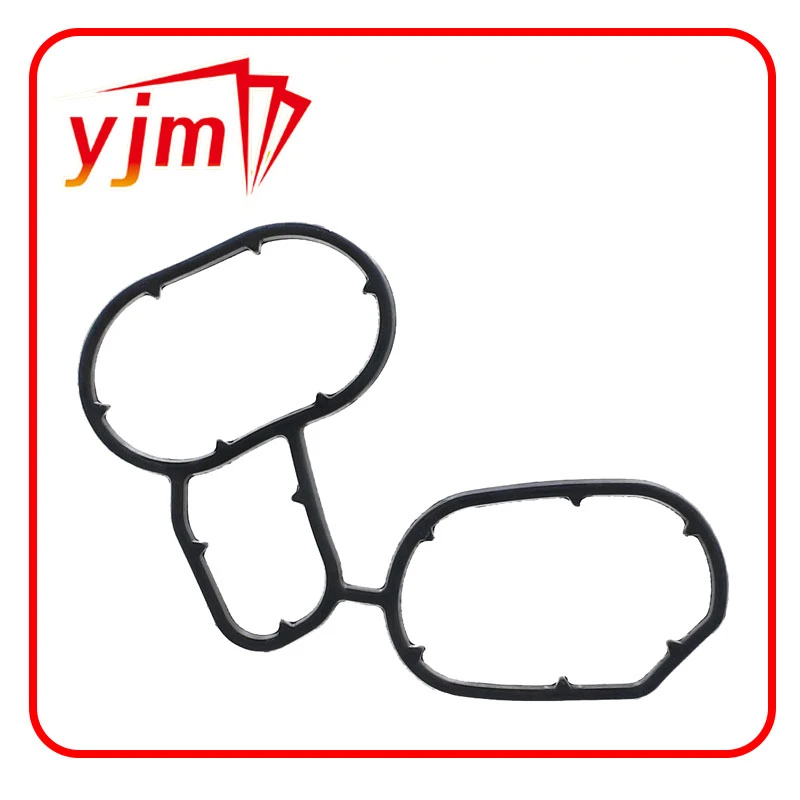
11427508970 BMW - OIL FILTER HOUSING GASKETS
-
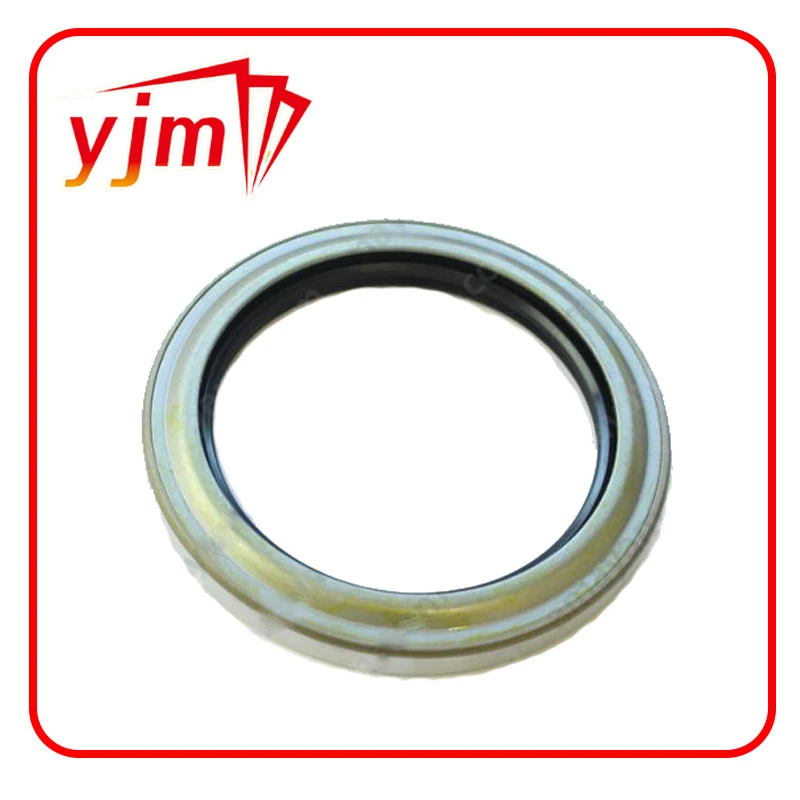
SEAL, OIL Genuine Toyota (9031170011)
-
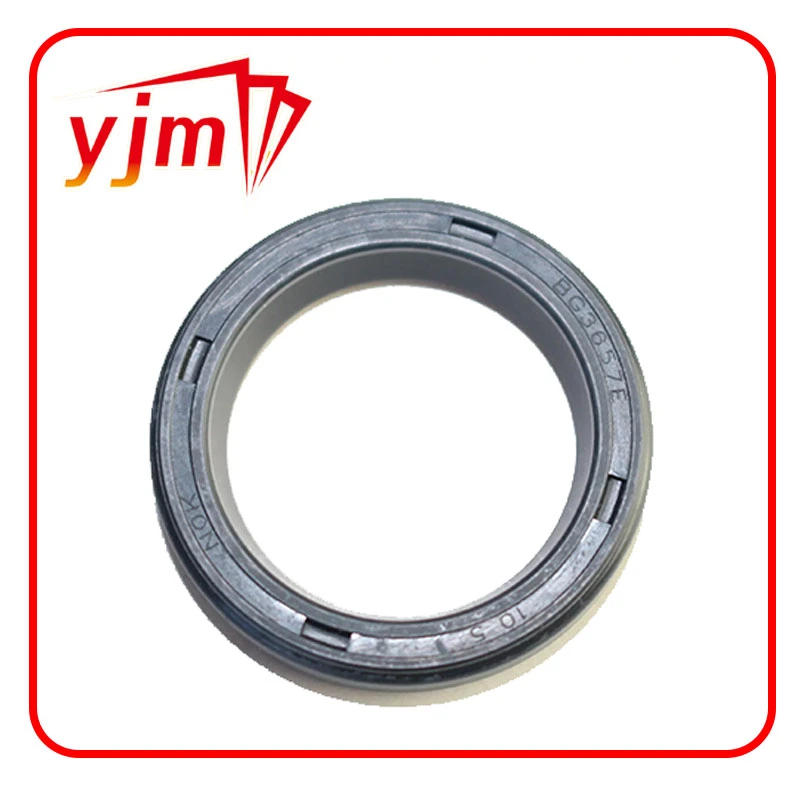
Transfer Case Output Shaft Seal Part 9031223001
-
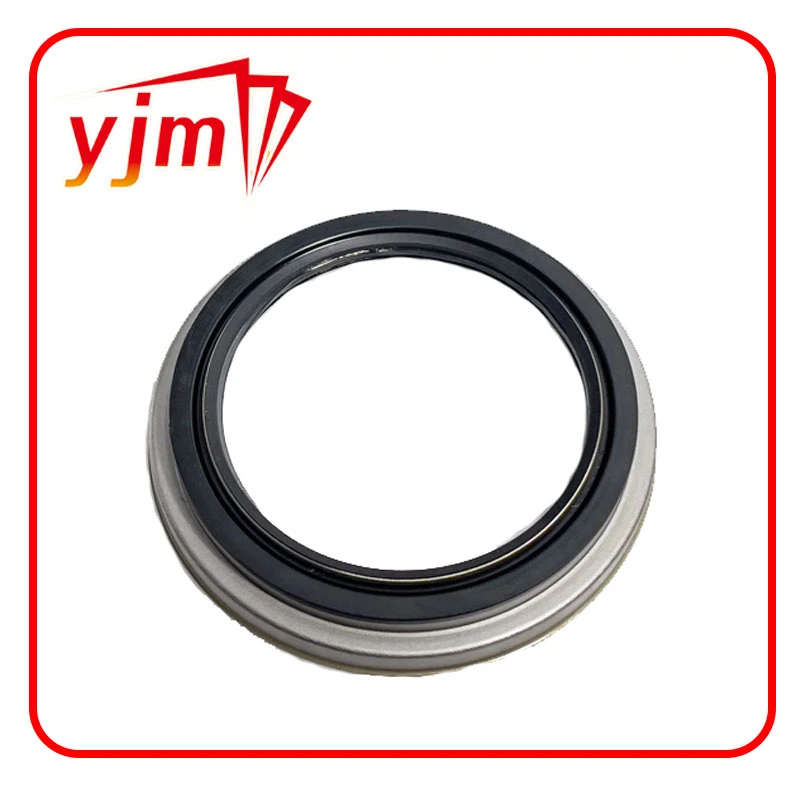
SEAL, OIL Genuine Toyota (9031672001)
-
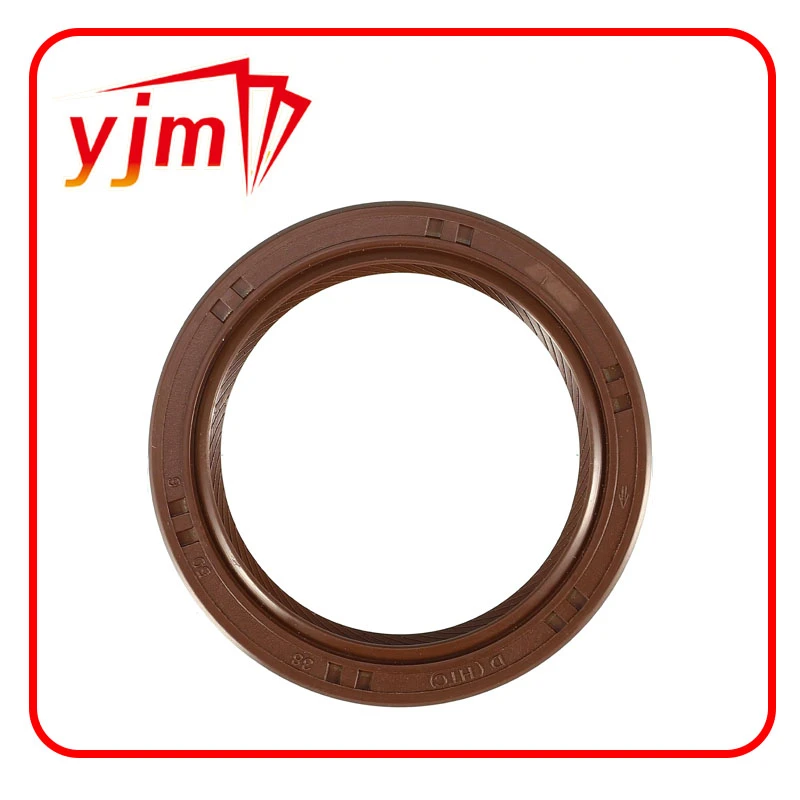
Engine Crankshaft Oil Seal No.9031138096
-
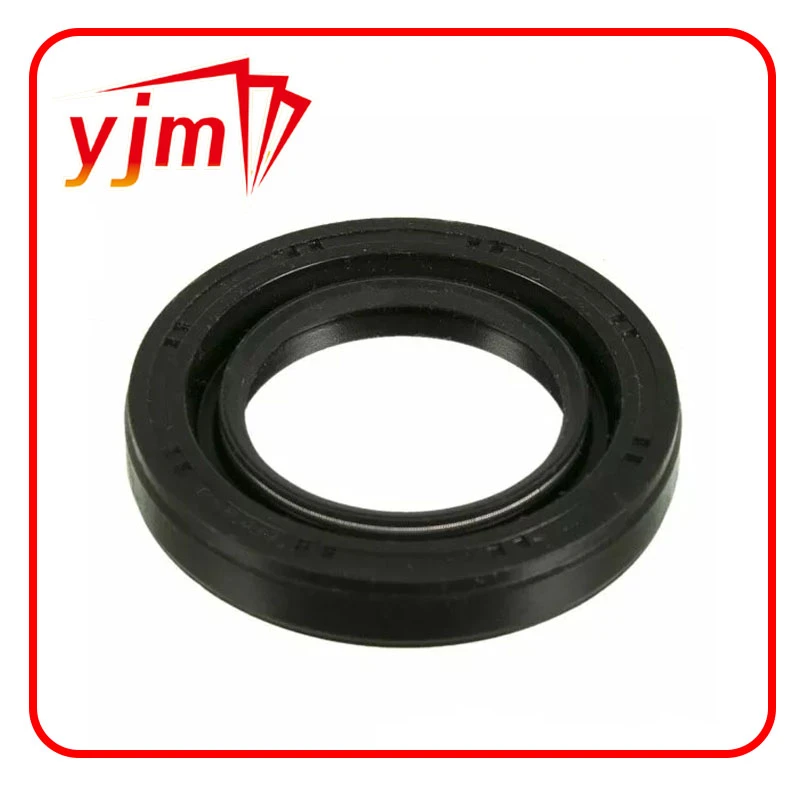
Toyota Transfer Case Output Shaft Seal Front 9031136006
-
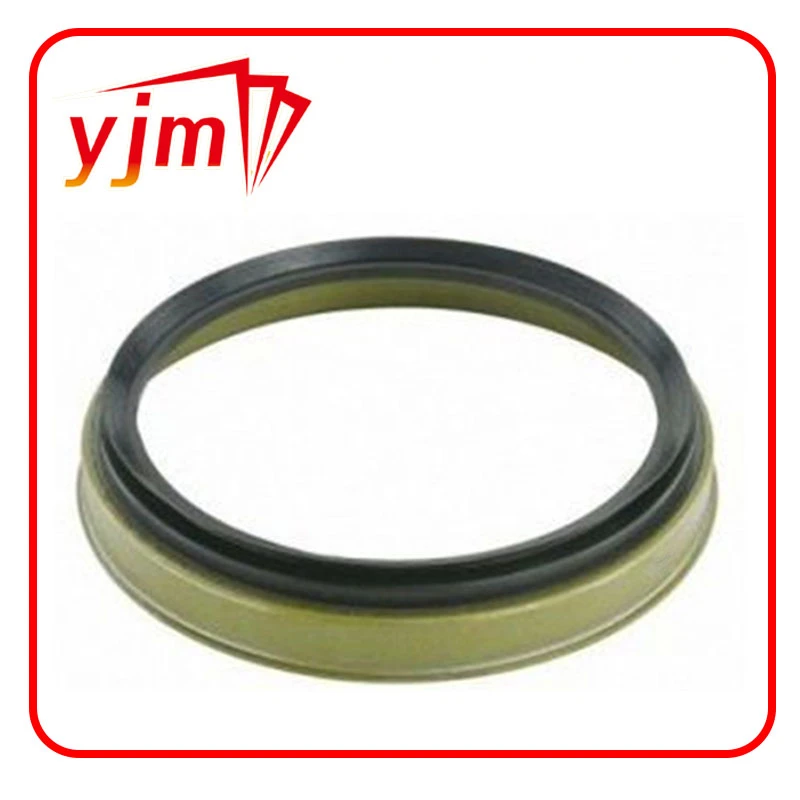
Seal, type v oil 9031287001 TOYOTA
-
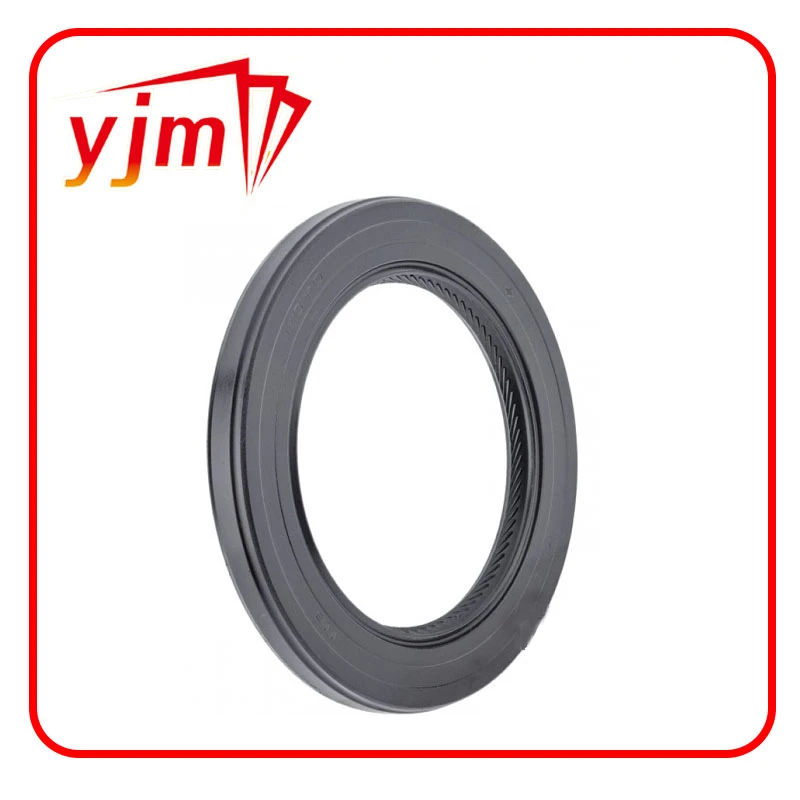
Oil pump seal 9031143010
-
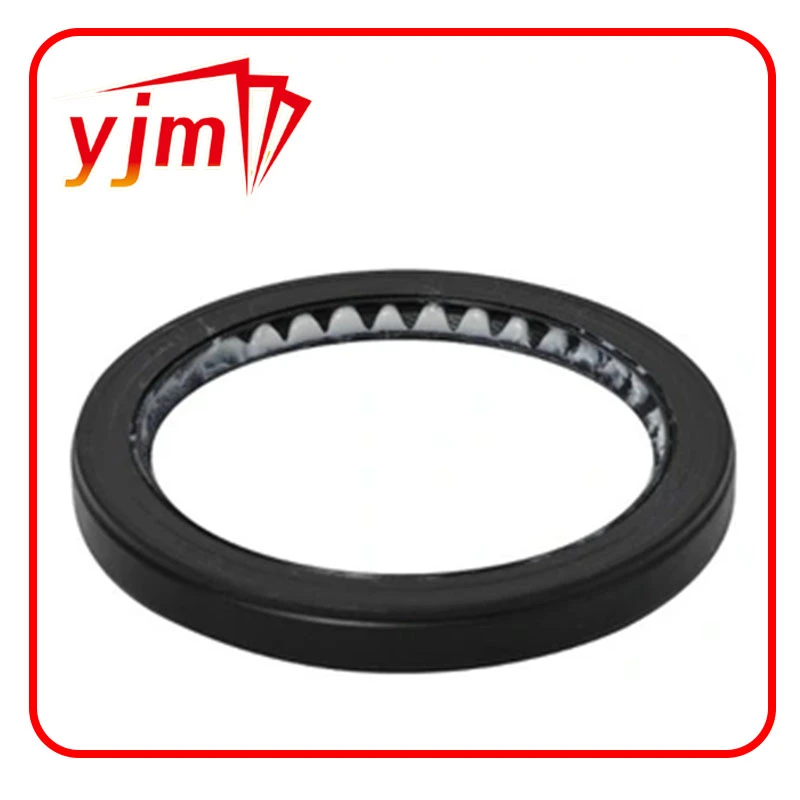
Genuine Toyota Oil SEAL 90311-54006
-
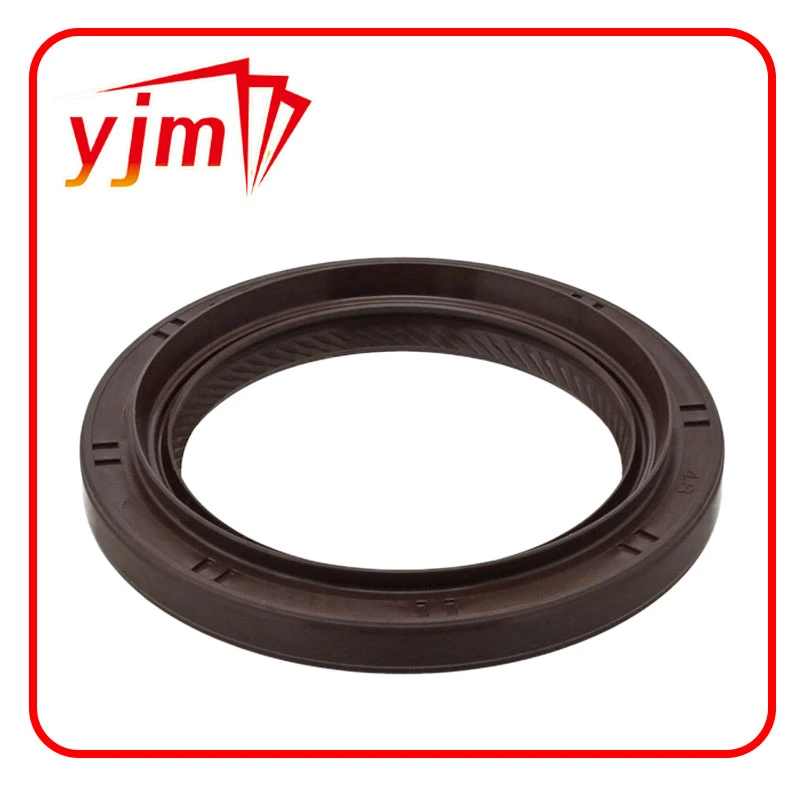
Toyota SEAL TYPE T OIL 90311-48031
-
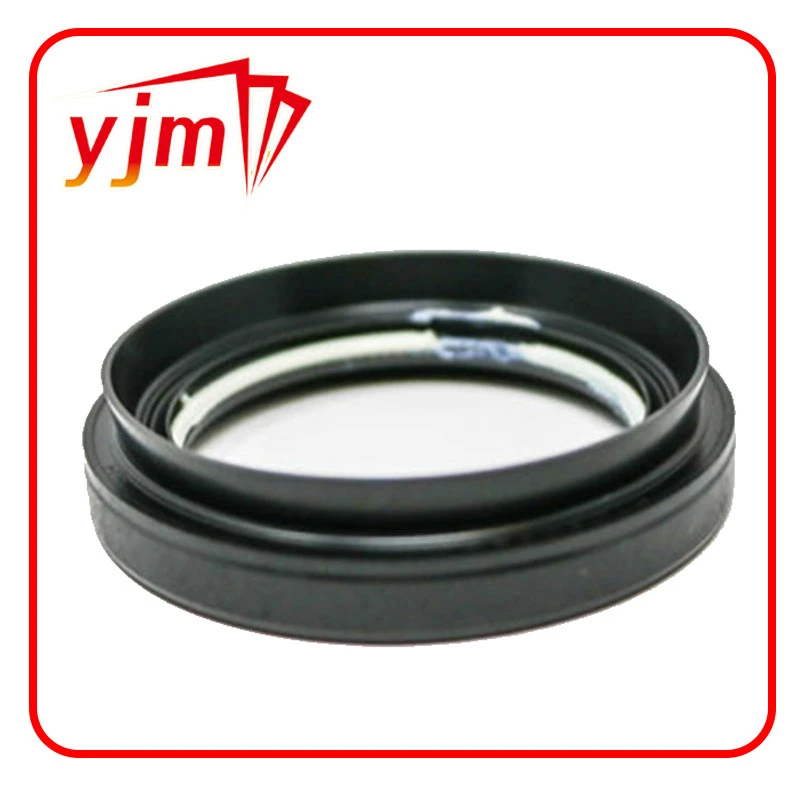
Type T Oil Seal, Front Drive Shaft, Left 9031150064
-
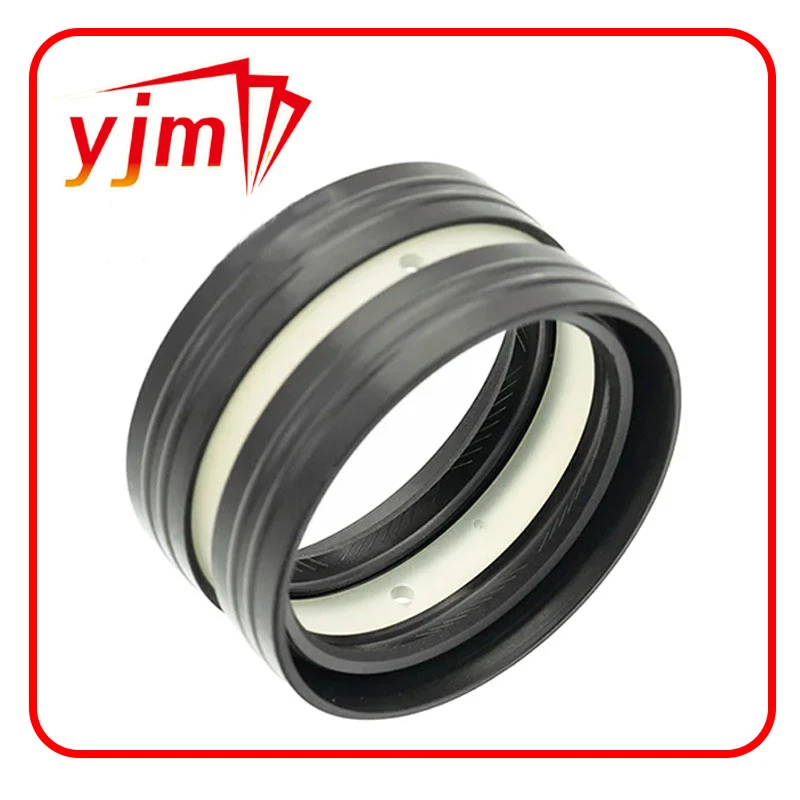
Seal, type d oil 9031634001 TOYOTA
 Afrikaans
 Albanian
 Amharic
 Arabic
 Armenian
 Azerbaijani
 Basque
 Belarusian
 Bengali
 Bosnian
 Bulgarian
 Catalan
 Cebuano
 Corsican
 Croatian
 Czech
Czech
 Danish
 Dutch
Dutch
 Esperanto
 Estonian
 Finnish
 French
 Frisian
 Galician
 Georgian
 German
 Greek
Greek
 Gujarati
 Haitian Creole
 Hausa
Hausa
 Hawaiian
 Hebrew
 Hindi
Hindi
 Miao
Miao
 Hungarian
 Icelandic
 Igbo
Igbo
 Indonesian
 Irish
Irish
 Italian
 Japanese
 Javanese
 Kannada
 Kazakh
 Khmer
Khmer
 Rwandese
 Korean
 Kurdish
 Kyrgyz
 Lao
Lao
 Latin
Latin
 Latvian
 Lithuanian
 Luxembourgish
 Macedonian
 Malgashi
 Malay
Malay
 Malayalam
 Maltese
 Maori
Maori
 Marathi
 Mongolian
 Myanmar
 Nepali
 Norwegian
 Norwegian
 Occitan
 Pashto
 Persian
 Polish
 Portuguese
 Punjabi
 Romanian
 Russian
 Samoan
 Scottish Gaelic
 Serbian
 Sesotho
 Shona
Shona
 Sindhi
 Sinhala
 Slovak
 Slovenian
 Somali
 Spanish
 Sundanese
 Swahili
 Swedish
 Tagalog
 Tajik
Tajik
 Tamil
Tamil
 Tatar
Tatar
 Telugu
 Thai
Thai
 Turkish
 Turkmen
 Ukrainian
 Urdu
Urdu
 Uighur
 Uzbek
Uzbek
 Vietnamese
 Welsh
Welsh
 Bantu
Bantu
 Yiddish
 Yoruba
 Zulu
Zulu
 English