Leaking Oil from Drain Plug: Causes & Reliable Seal Solutions
Leaking Oil From Drain Plug: Causes and Solutions You Can Trust
After spending over a decade in the industrial equipment sector, I can tell you leaking oil from the drain plug is one of those issues that seems small but can turn into a costly headache if not addressed properly. Oddly enough, it’s not just about tightening the plug harder — in real terms, it’s about understanding the design, materials, and even the right sealant choice.
If you’ve ever been at a job site where you noticed that slow drip beneath the machinery, you know what I mean. It may seem minor at first, but that oil leak eventually invites grime buildup, risks contamination, and if ignored — mechanical failure. Many engineers I’ve worked with emphasize using the correct replacement seals alongside quality drain plugs to prevent this.
Let’s walk through why leaks happen and what you should be looking for to nip them in the bud.
Why Does Oil Leak From Drain Plugs?
Well, there are several reasons but mostly it comes down to seal failure or improper installation. Drain plugs rely on a gasket or washer to create that tight seal. These gaskets, often made from materials like copper, rubber, or even specialized composites, wear out over time due to heat cycles, vibration, and chemical exposure. I once saw a plant repeatedly replacing drain plugs every few weeks — the culprit was a subpar gasket material, which frankly, no amount of tightening could fix.
Another factor is thread damage. Cross-threading or worn threads prevent the plug from seating properly. When that happens, it’s not surprising to have oil creep out. And yes, overtightening might seem like a quick fix, but it often strips threads or crushes the gasket unevenly, ironically causing leaks.
The Importance of Quality Drain Plug Seals
Frankly, picking the right replacement seal will save you many trips to the maintenance shop. Over the years, I’ve leaned toward seals manufactured with advanced materials like PTFE or multilayer steel composites, which are better at handling high pressure and temperature fluctuations. These seals maintain elasticity longer and resist chemical breakdown.
Some suppliers now offer custom-fit drain plugs with integrated sealing features, reducing the chance of leaks even further. It’s the kind of design refinement that, once you’ve seen it in action, it’s difficult to go back to generic parts.
One customer story that sticks with me: a large manufacturing facility was battling persistent oil leaks on heavy presses. They switched to premium drain plugs with YJM Seal washers and noticed a dramatic reduction in leaks and maintenance downtime. That practical win reinforces why investing upfront is worth it.
Drain Plug Seal Product Specifications
| Feature | Specification |
|---|---|
| Material | Multilayer Steel Composite with PTFE Coating |
| Temperature Range | -40°C to 250°C (-40°F to 482°F) |
| Pressure Resistance | Up to 300 psi (2.07 MPa) |
| Compatibility | Engine oils, hydraulic fluids, lubricants |
| Typical Lifespan | 12–24 months under normal operating conditions |
Vendor Comparison: Drain Plug Seals
| Vendor | Material Quality | Temperature Range | Customization Options | Price |
|---|---|---|---|---|
| YJM Seal | Premium multilayer steel/PTFE | -40°C to 250°C | High (custom sizes, coatings) | Mid-range |
| Generic Brand A | Standard rubber gasket | -20°C to 120°C | Low | Low |
| Industrial Solutions Co. | Copper washers | -10°C to 200°C | Moderate | High |
In my experience, solving leak issues involves more than just plugging the hole—it means choosing the right part with the proper seal and respecting installation nuances. Manufacturers like YJM Seal demonstrate how thoughtful engineering can really improve equipment reliability.
Of course, the right product combined with routine inspection and proper torque specs usually seals the deal. Literally.
Takeaway: Investing a bit more time and the right drain plug seal can save you buckets of oil — and frustration — down the line.
References
- Industry Machinery Maintenance Journal, 2021.
- YJM Seal Product Catalog, 2023.
- "Best Practices in Equipment Sealing," Mechanical Engineering Today, 2022.
-
Guide to Choosing the Right Washer for Oil Change and Sealing
News Apr.16,2026
-
Essential Guide to High Quality rubber washer oil drain plug
News Apr.09,2026
-
Understanding Rubber Crush Washers for Optimal Sealing Performance
News Apr.07,2026
-
Comprehensive Guide to Understanding and Reusing Crush Washer for Optimal Sealing
News Apr.04,2026
-
The Vital Role of a Drain Screw Gasket in Fluid System Integrity
News Mar.31,2026
-
The Essential Guide to Drain Crush Washer Selection and Plumbing Leak Prevention
News Mar.28,2026
-
The Vital Role of a Crush Washer in Oil Changes for Engine Protection
News Mar.26,2026
Products categories
-
Brass cutlass marine bearing
-
Genuine OEM Engine Oil Filter Housing Cover O-Ring For VW/Audi 06E115446
-
Oil Filter Stand Gasket,Oil filter cover seal
-
Oil Cooler Gasket, Oil Cooler to Oil Filter Housing 11427525335
-
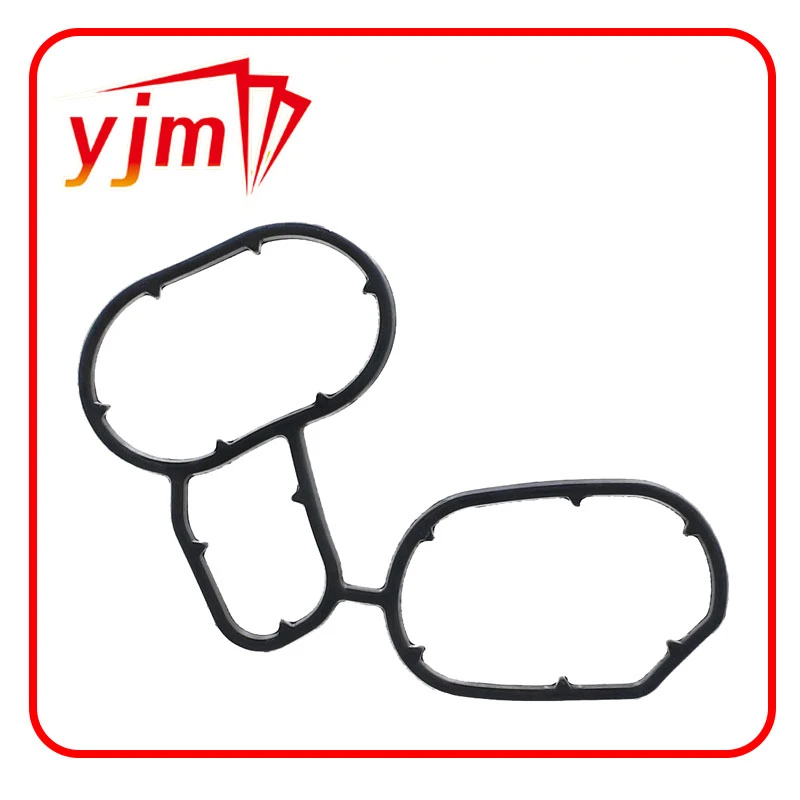
11427508970 BMW - OIL FILTER HOUSING GASKETS
-
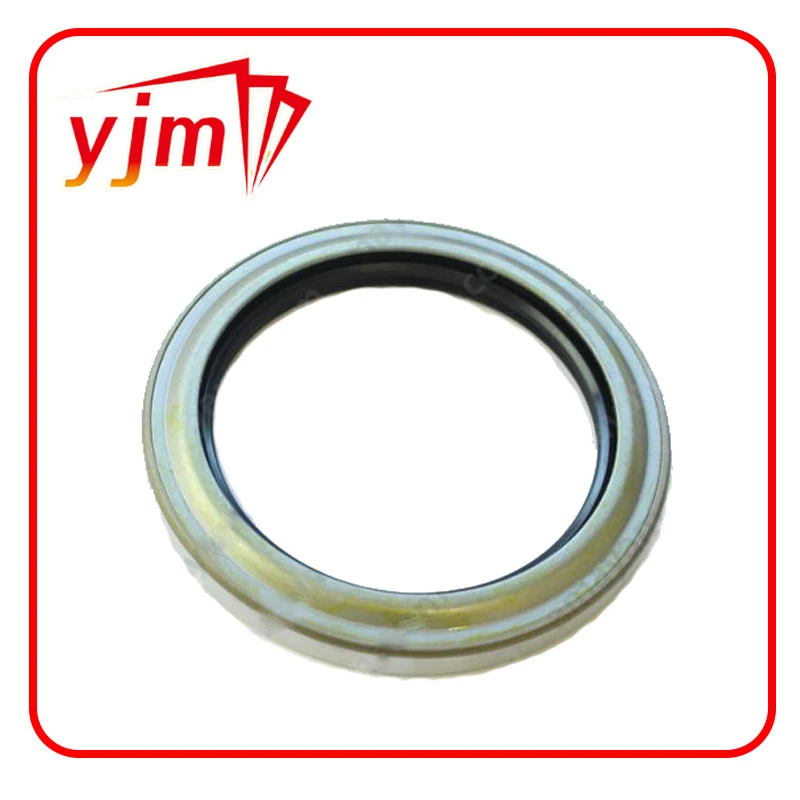
SEAL, OIL Genuine Toyota (9031170011)
-
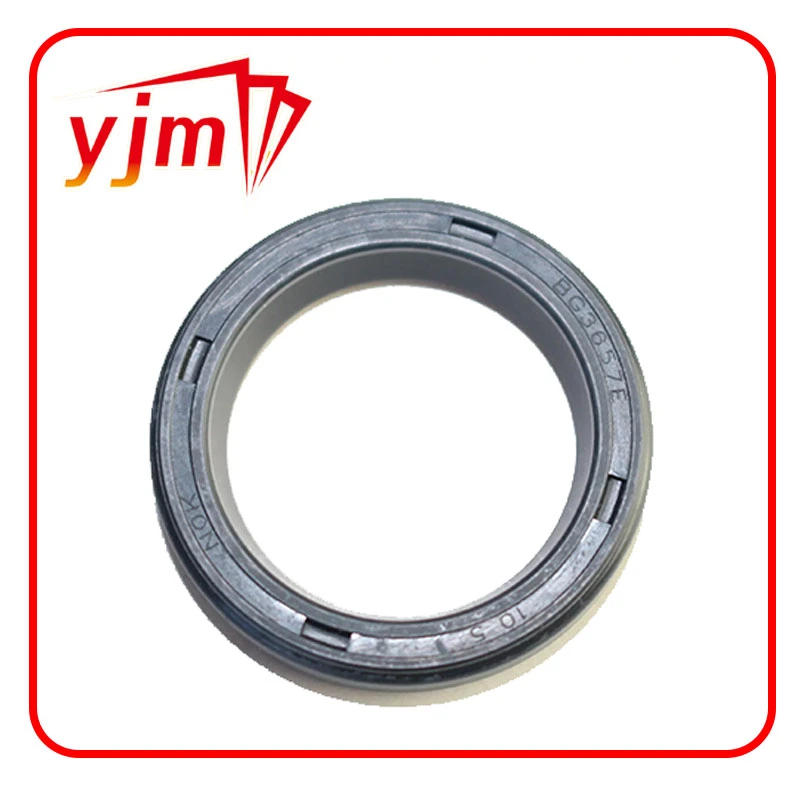
Transfer Case Output Shaft Seal Part 9031223001
-
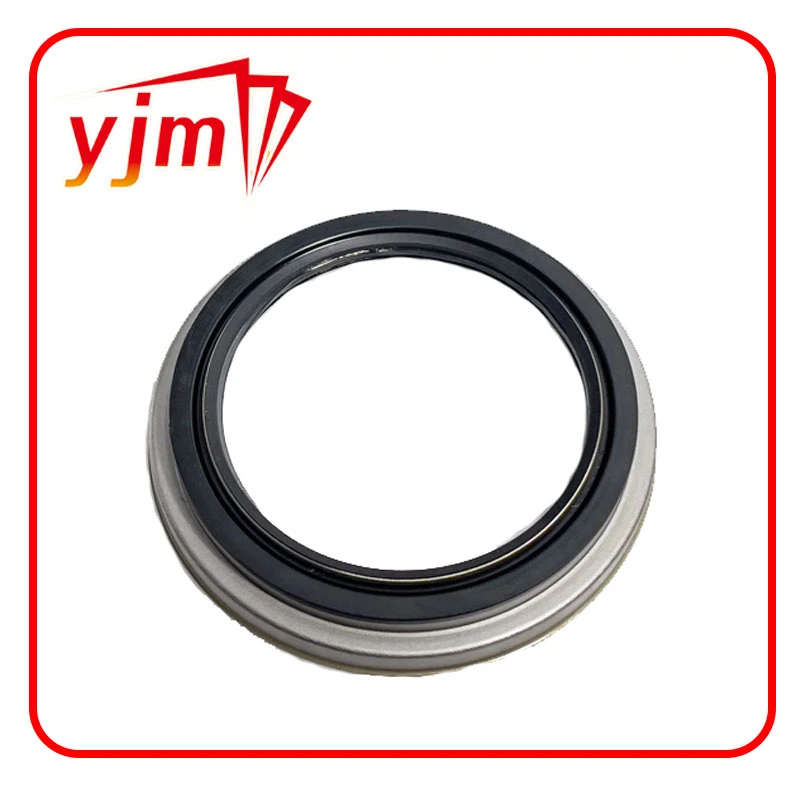
SEAL, OIL Genuine Toyota (9031672001)
-
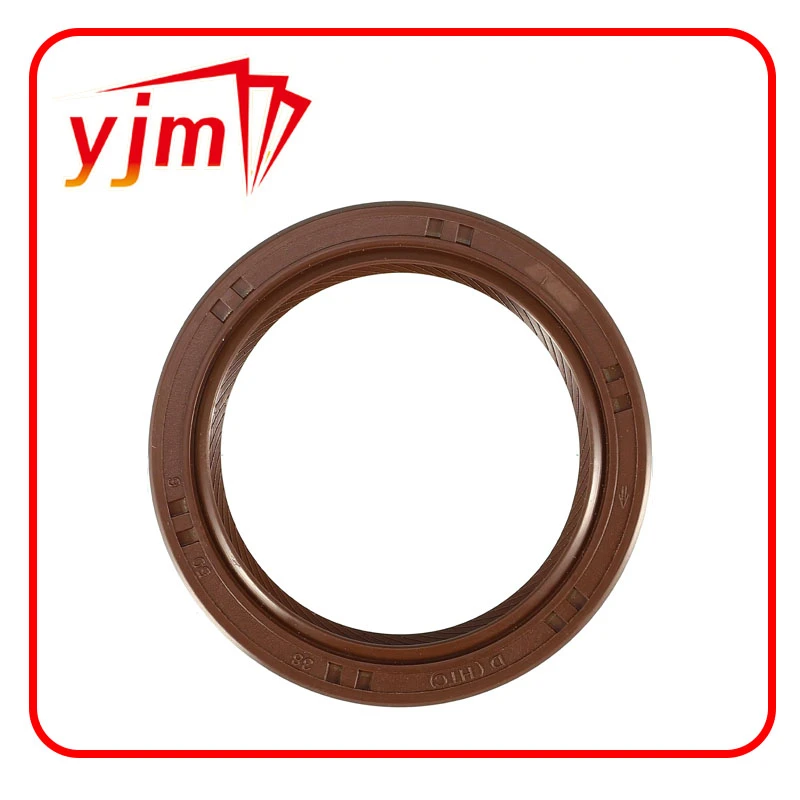
Engine Crankshaft Oil Seal No.9031138096
-
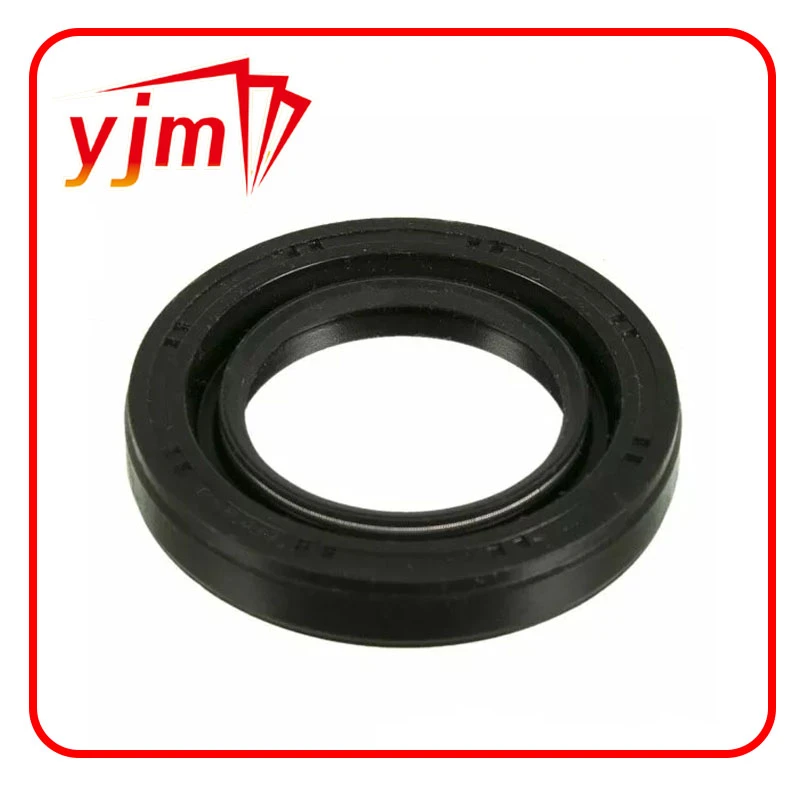
Toyota Transfer Case Output Shaft Seal Front 9031136006
-
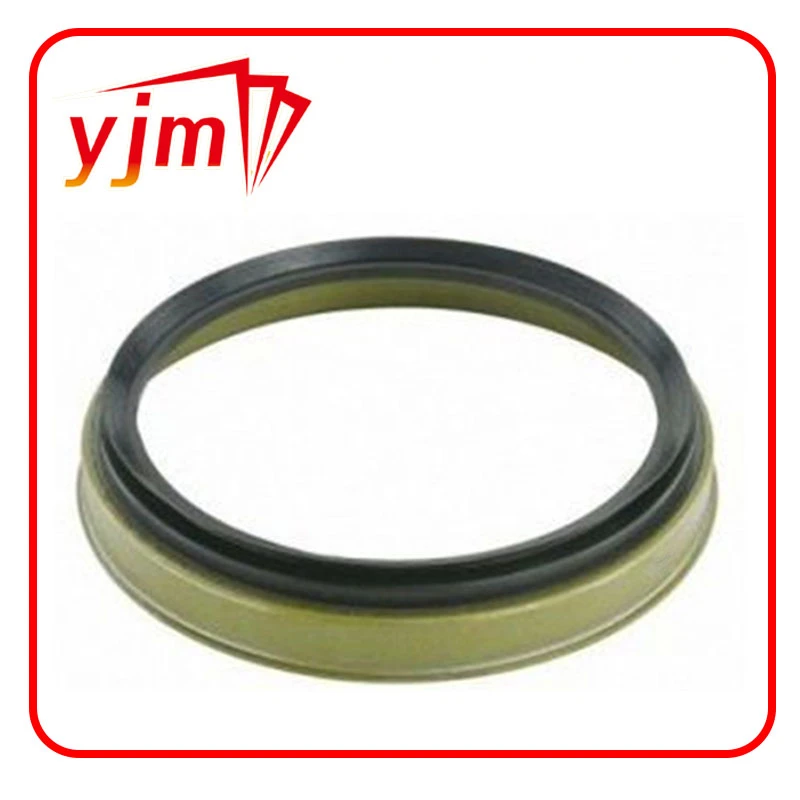
Seal, type v oil 9031287001 TOYOTA
-
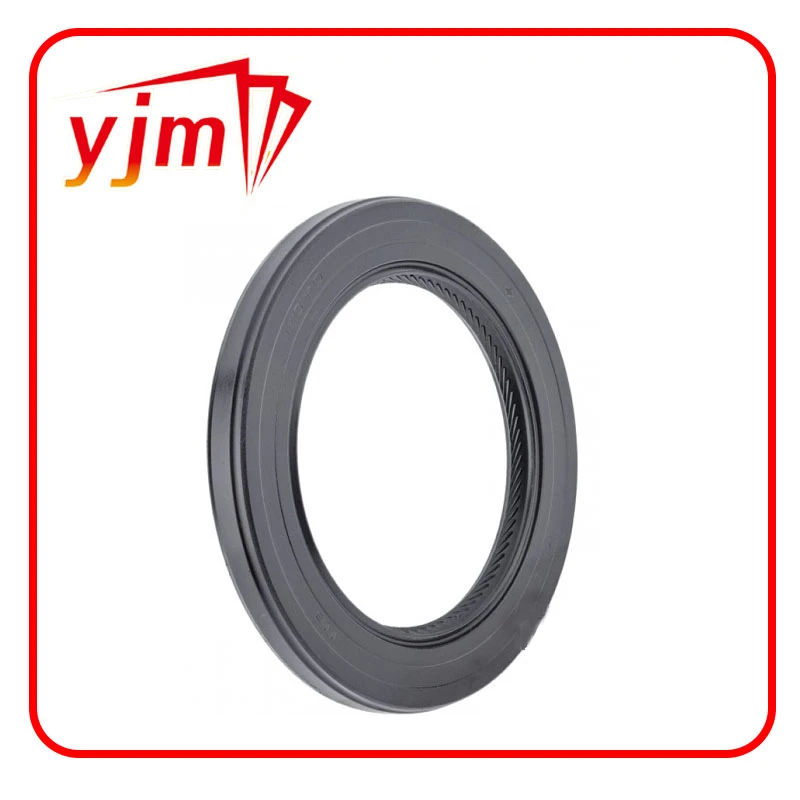
Oil pump seal 9031143010
-
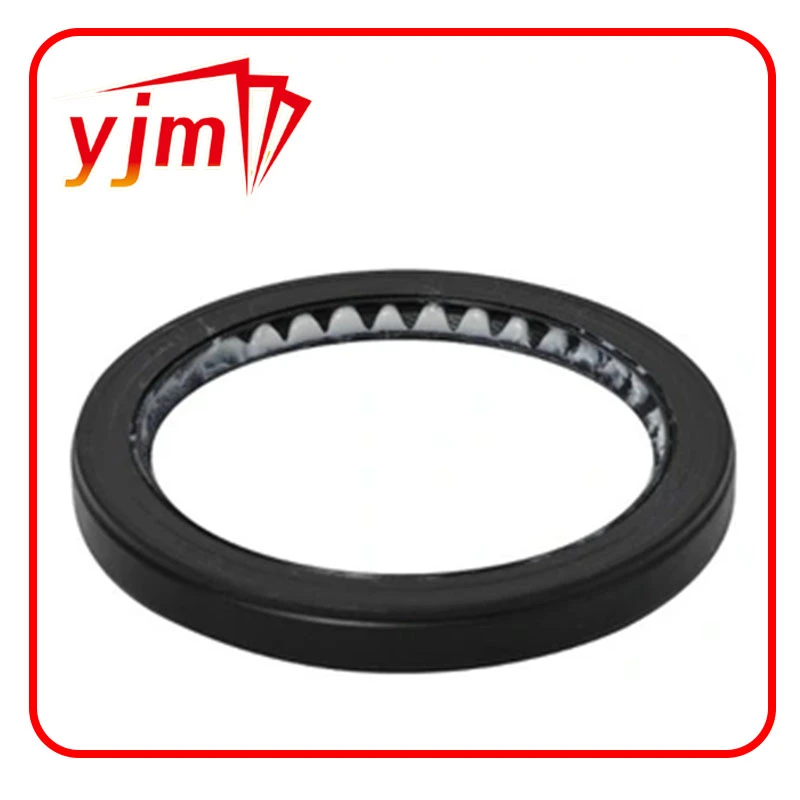
Genuine Toyota Oil SEAL 90311-54006
-
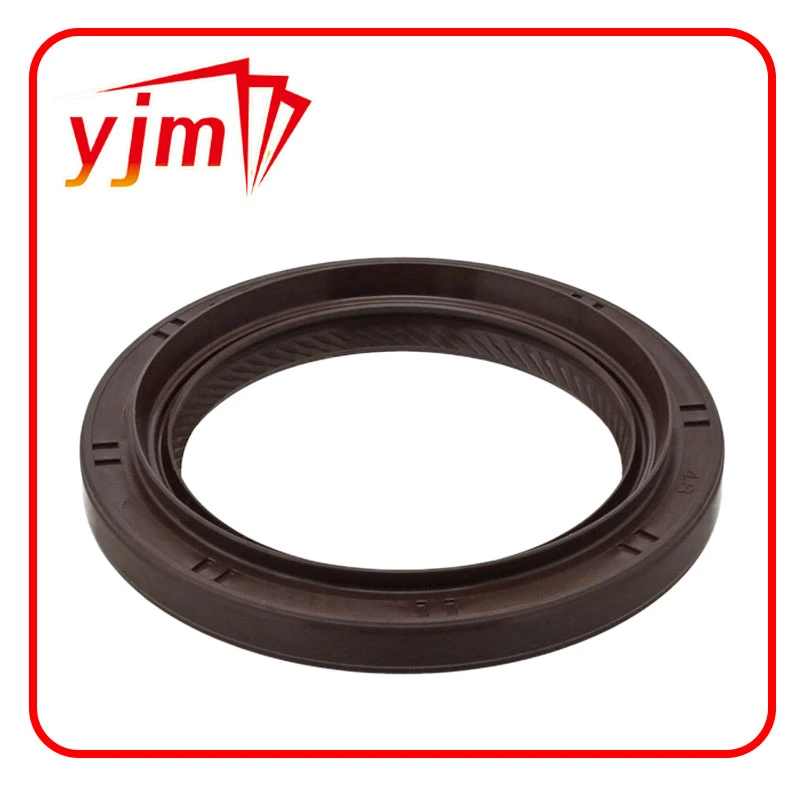
Toyota SEAL TYPE T OIL 90311-48031
-
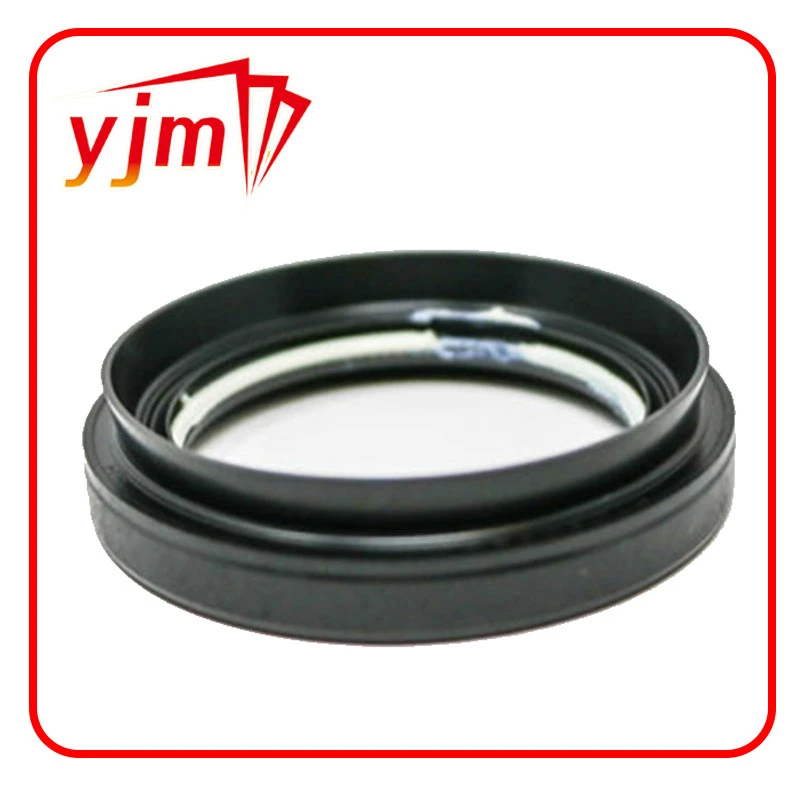
Type T Oil Seal, Front Drive Shaft, Left 9031150064
-
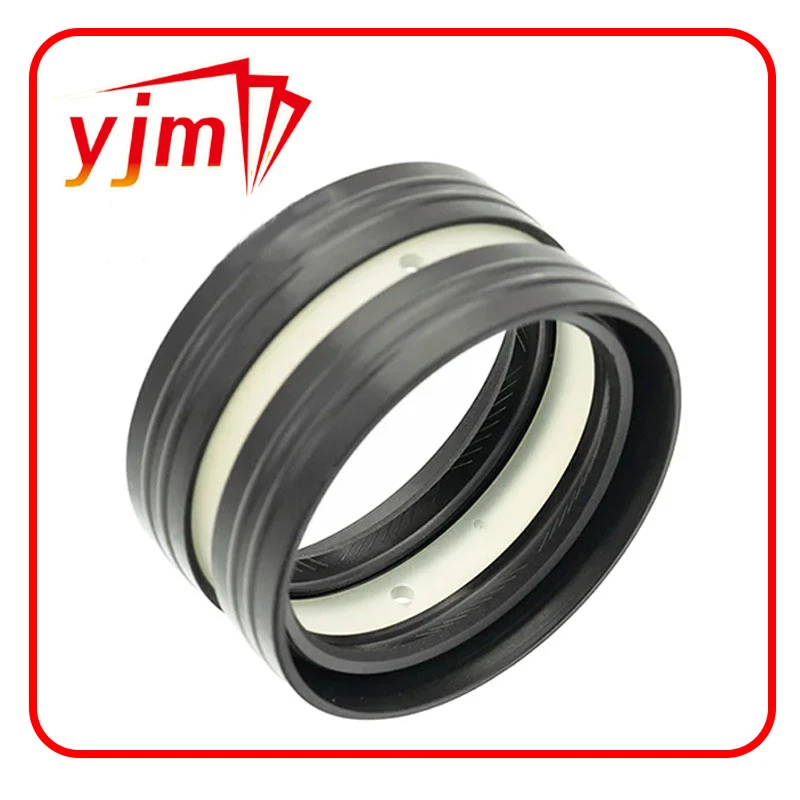
Seal, type d oil 9031634001 TOYOTA
 Afrikaans
 Albanian
 Amharic
 Arabic
 Armenian
 Azerbaijani
 Basque
 Belarusian
 Bengali
 Bosnian
 Bulgarian
 Catalan
 Cebuano
 Corsican
 Croatian
 Czech
Czech
 Danish
 Dutch
Dutch
 Esperanto
 Estonian
 Finnish
 French
 Frisian
 Galician
 Georgian
 German
 Greek
Greek
 Gujarati
 Haitian Creole
 Hausa
Hausa
 Hawaiian
 Hebrew
 Hindi
Hindi
 Miao
Miao
 Hungarian
 Icelandic
 Igbo
Igbo
 Indonesian
 Irish
Irish
 Italian
 Japanese
 Javanese
 Kannada
 Kazakh
 Khmer
Khmer
 Rwandese
 Korean
 Kurdish
 Kyrgyz
 Lao
Lao
 Latin
Latin
 Latvian
 Lithuanian
 Luxembourgish
 Macedonian
 Malgashi
 Malay
Malay
 Malayalam
 Maltese
 Maori
Maori
 Marathi
 Mongolian
 Myanmar
 Nepali
 Norwegian
 Norwegian
 Occitan
 Pashto
 Persian
 Polish
 Portuguese
 Punjabi
 Romanian
 Russian
 Samoan
 Scottish Gaelic
 Serbian
 Sesotho
 Shona
Shona
 Sindhi
 Sinhala
 Slovak
 Slovenian
 Somali
 Spanish
 Sundanese
 Swahili
 Swedish
 Tagalog
 Tajik
Tajik
 Tamil
Tamil
 Tatar
Tatar
 Telugu
 Thai
Thai
 Turkish
 Turkmen
 Ukrainian
 Urdu
Urdu
 Uighur
 Uzbek
Uzbek
 Vietnamese
 Welsh
Welsh
 Bantu
Bantu
 Yiddish
 Yoruba
 Zulu
Zulu
 English