Understanding the Oil Seal Working Principle: Mechanisms, Applications & Benefits
The Oil Seal Working Principle: Why It Matters Worldwide
Oil seals might not be the flashiest piece of engineering, but they quietly play a pivotal role in an array of industries worldwide — from automotive, aerospace, to renewable energy sectors. Understanding the oil seal working principle is more than just an academic exercise; it’s about ensuring machinery runs smoothly, preventing leaks that waste resources (and money), and ultimately keeping vital systems safe and efficient.
With globalization pushing industry standards higher every day, the demand for reliable sealing solutions grows. Engineers across the globe rely on oil seals to protect shafts and bearings, reduce contamination, and extend equipment life — thus enabling everything from factories humming in Germany to agricultural machines working in Sub-Saharan Africa.
Introduction: A Global Perspective on the Oil Seal Working Principle
Surprisingly, the global economic impact of effective sealing technology is enormous. According to ISO reports and industry assessments, equipment downtime due to seal failure can cost manufacturers up to 2-5% of their annual revenue. That’s no small figure when you consider how many rotating shaft assemblies rely on seals to keep lubricants in and contaminants out.
But it’s not just about money. In harsh or remote environments — think oil rigs in the North Sea or wind turbines on a Chilean plateau — seal failure can mean safety risks, environmental damage, and complex maintenance challenges.
The problem? Seals must balance flexibility, durability, and compatibility with a myriad of fluids and operating speeds, often under extreme temperatures. The oil seal working principle is the answer engineers turn to, offering a simple but effective solution.
What Exactly Is the Oil Seal Working Principle?
At its core, an oil seal is a device designed to prevent lubricants like oil or grease from leaking, while keeping dust, dirt, and water out of sensitive mechanical parts. The oil seal working principle hinges on a flexible elastomeric lip that presses gently but firmly against a rotating shaft. This creates a tight barrier — imagine a soft but sturdy rubber guardian ensuring that vital fluids stay put, and nasty particles stay out.
This principle has tied itself deeply into the advancements of modern machinery, automotive engineering, and even humanitarian efforts requiring robust, low-maintenance equipment in challenging conditions.
Mini Takeaway
The oil seal principle is about creating a delicate but effective barrier to protect machinery, ensuring safety and longevity across many industries.
Core Components of Oil Seal Performance
1. Material Durability
The choice of material—usually nitrile rubber (NBR), fluorocarbon (FKM), or silicone—dictates how a seal behaves with heat, chemicals, and wear. In really demanding settings, selecting the right compound means the difference between a quick failure and years of smooth operation.
2. Seal Design Geometry
The shape and size of the sealing lip affect how well it maintains contact with the shaft. Double-lip or triple-lip designs often improve sealing and dust exclusion, but sometimes at the cost of greater friction — so it’s always a balance.
3. Shaft Surface Finish and Hardness
Oddly enough, the shaft the seal runs on must have a precise surface finish — too rough, and it wears seals out quickly; too smooth, and the seal can slip or leak. Engineers say it’s a Goldilocks zone of sorts.
4. Operating Environment
Temperature, chemical exposure, pressure, and rotational speed all affect seal life and efficiency. For instance, “labyrinth” or “spring-energized” seals might be better in high-speed, high-temp areas.
5. Installation Quality
Even the best seal fails if installed incorrectly. Tools and proper training matter, and sometimes the smallest misalignment is enough to ruin months of operation.
Mini Takeaway
Sealing success depends on a mix of smart material choices, design geometry, shaft conditions, and environment — along with solid installation practices.
Global Applications: Real-World Examples of Oil Seal Efficiency
Oil seals work quietly behind the scenes in industries from heavy machinery in China’s manufacturing hubs to the intricate engines powering European luxury cars. Here’s a quick look at where they shine:
- Automotive Industry: Keeping engine oil and transmission fluids contained while preventing dirt ingress in millions of vehicle components.
- Renewable Energy: Sealing gearbox shafts in wind turbines in coastal regions exposed to salt and moisture.
- Agricultural Machinery: Resisting mud, dust, and water intrusion in tractors used in tropical and arid climates.
- Mining Operations: Ensuring equipment reliability in dusty, gritty environments where failure means costly downtime.
- Humanitarian Aid Equipment: Reliable seals in generators and pumps serving remote, post-disaster areas.
For example, in Southeast Asia’s rice farms, countless diesel engines run day and night, dependent on effective oil seals to avoid catastrophic leaks that could halt entire farming communities.
Mini Takeaway
The oil seal working principle adapts flexibly to meet the tough needs of diverse industries worldwide, securing reliability and efficiency.
Advantages and Long-Term Value of Understanding Oil Seal Principles
Here’s the real kicker: grasping how oil seals work translates directly into long-term savings, sustainability, and trust.
- Cost Savings: Fewer leaks mean less oil waste and reduced repair bills.
- Environmental Impact: Preventing leaks reduces soil and water contamination — a win for companies embracing sustainability.
- Equipment Longevity: Seals help protect bearings and components, extending machinery life.
- Safety: Preventing oil spills and contamination safeguards workplace conditions.
- Confidence & Innovation: Knowing your seals are up to task allows R&D teams to push machinery performance further.
Product Specification Table
| Specification | Value | Notes |
|---|---|---|
| Material | Nitrile Rubber (NBR) | Standard resistance to oil and temperature |
| Operating Temp | -30°C to 120°C | Typical range for automotive applications |
| Shaft Diameter Range | 10mm – 200mm | Customizable sizes available |
| Rotational Speed | Up to 12,000 RPM | Dependent on seal design |
| Pressure | Up to 0.5 MPa | Static or low-pressure environments |
How Leading Vendors Stack Up
Choosing the right oil seal supplier is just as critical as the seal design itself. Here’s a snapshot comparing a few well-known vendors:
| Vendor | Material Variety | Customization Options | Global Reach | Average Lead Time |
|---|---|---|---|---|
| YJM Seal | Wide (NBR, FKM, Silicone) | High (custom designs & sizes) | Strong presence in Asia-Pacific, Europe | 2-3 weeks |
| SealTech Corp. | Moderate (mainly NBR) | Medium (standard sizes only) | North America & Europe | 3-4 weeks |
| GlobalSeal Inc. | High (incl. specialty elastomers) | High | Global distribution network | 4-6 weeks |
Looking Ahead: Future Trends in Oil Seal Technology
As industries race to adopt greener tech, oil seals are evolving. Biodegradable elastomers and advanced composite materials promise more sustainable options without sacrificing performance. Digitization is another exciting wave: embedded sensors in seals could monitor wear and alert operators before failures occur, marrying traditional sealing with Industry 4.0 smart systems.
This proactive approach — detecting leaks before they happen — could revolutionize maintenance and drastically cut downtime.
Challenges and Innovative Solutions
One persistent challenge is seal failure due to shaft misalignment or excessive pressure fluctuations. Engineers are experimenting with new spring designs and multi-lip geometries to enhance adaptability. Additionally, installation training and precision tooling remain crucial — automation in installation might be a future breakthrough.
Manufacturers have also started adopting advanced surface coatings on shafts to extend seal life — a simple idea with surprisingly big impact.
FAQ: Your Questions About Oil Seal Working Principle
Q1: What causes oil seals to fail prematurely?
A1: Most premature failures result from improper installation, incompatible materials with the operating environment, shaft surface issues, or excessive heat and pressure. Regular maintenance and selecting the correct seal type significantly reduce these risks.
Q2: Can oil seals handle high-speed rotating shafts?
A2: Yes, many seals are designed for speeds up to 12,000 RPM, but material choice, lip design, and lubrication are essential factors. For very high speeds, specialized dynamic seals or labyrinth seals might be more appropriate.
Q3: How do you select the right oil seal material?
A3: Selecting depends on temperature range, chemical exposure, and mechanical stresses. NBR works well for general applications, but FKM or silicone is preferable for higher temperatures or aggressive chemicals.
Q4: Is it possible to customize oil seals for unique machinery?
A4: Absolutely. Many vendors, including YJM Seal, offer customizable sizes, materials, and lip designs to meet specific industrial needs.
Q5: How important is shaft surface finish for oil seal performance?
A5: Extremely important. The shaft must have a finish that’s smooth enough to prevent rapid seal wear but not so smooth that the seal loses grip. A typical surface roughness of Ra 0.2–0.8 µm is often recommended.
Conclusion: Sealing The Future Securely
Understanding the oil seal working principle is a quiet revolution in industrial reliability and sustainability. By mastering these simple devices’ nuances, industries save money, reduce environmental harm, and keep critical machinery humming. And frankly, when machines run smoothly, everything else just feels easier.
Curious to dive deeper? Visit our website at https://www.yjmseal.com and see how modern oil seal solutions can safeguard your operations.
References
-
Guide to Choosing the Right Washer for Oil Change and Sealing
News Apr.16,2026
-
Essential Guide to High Quality rubber washer oil drain plug
News Apr.09,2026
-
Understanding Rubber Crush Washers for Optimal Sealing Performance
News Apr.07,2026
-
Comprehensive Guide to Understanding and Reusing Crush Washer for Optimal Sealing
News Apr.04,2026
-
The Vital Role of a Drain Screw Gasket in Fluid System Integrity
News Mar.31,2026
-
The Essential Guide to Drain Crush Washer Selection and Plumbing Leak Prevention
News Mar.28,2026
-
The Vital Role of a Crush Washer in Oil Changes for Engine Protection
News Mar.26,2026
Products categories
-
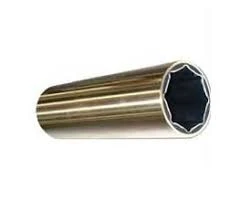
Brass cutlass marine bearing
-
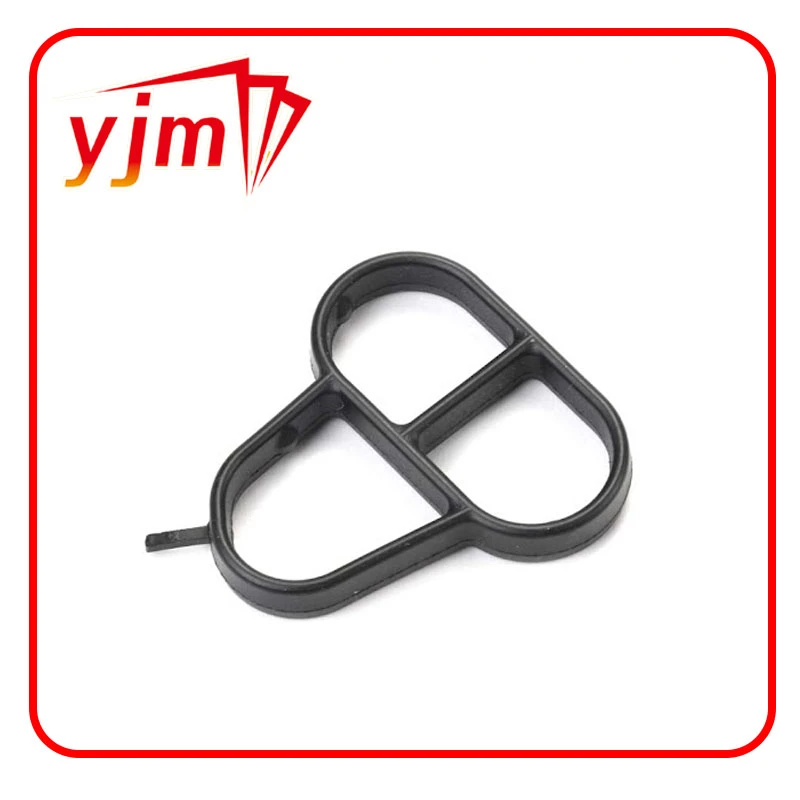
Genuine OEM Engine Oil Filter Housing Cover O-Ring For VW/Audi 06E115446
-
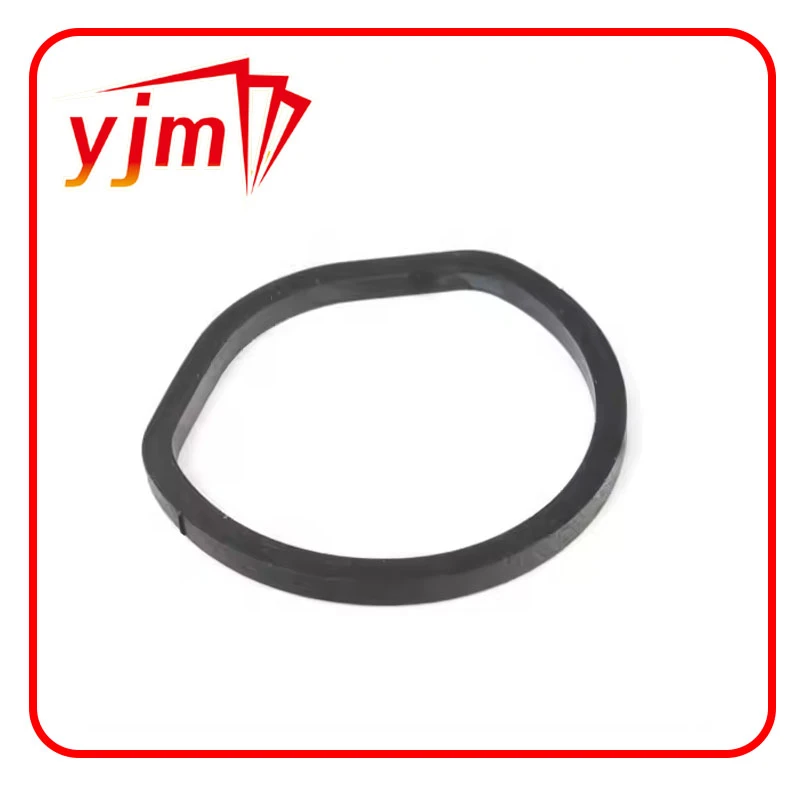
Oil Filter Stand Gasket,Oil filter cover seal
-
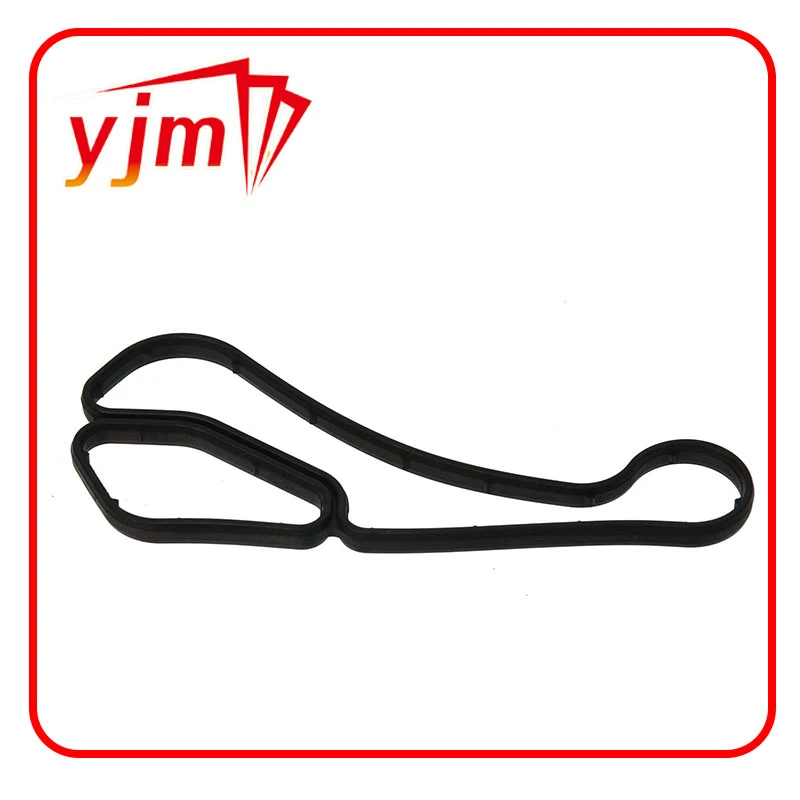
Oil Cooler Gasket, Oil Cooler to Oil Filter Housing 11427525335
-
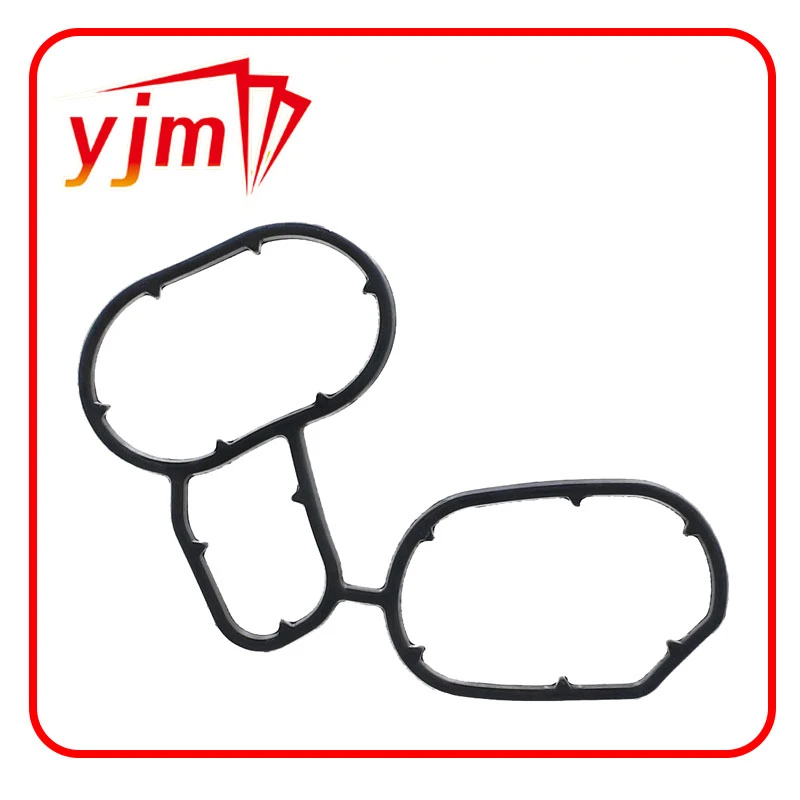
11427508970 BMW - OIL FILTER HOUSING GASKETS
-
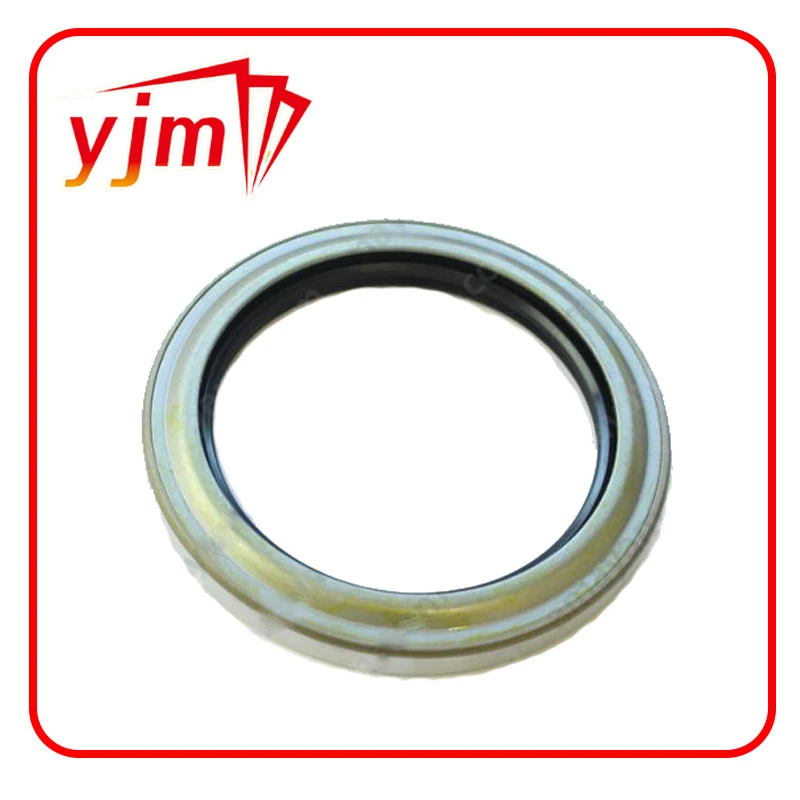
SEAL, OIL Genuine Toyota (9031170011)
-
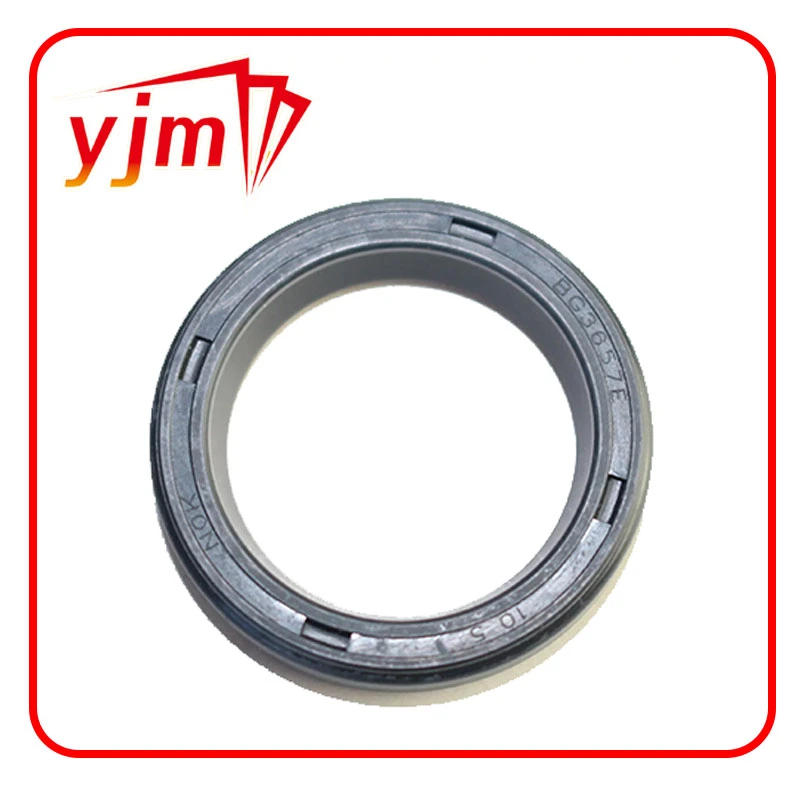
Transfer Case Output Shaft Seal Part 9031223001
-
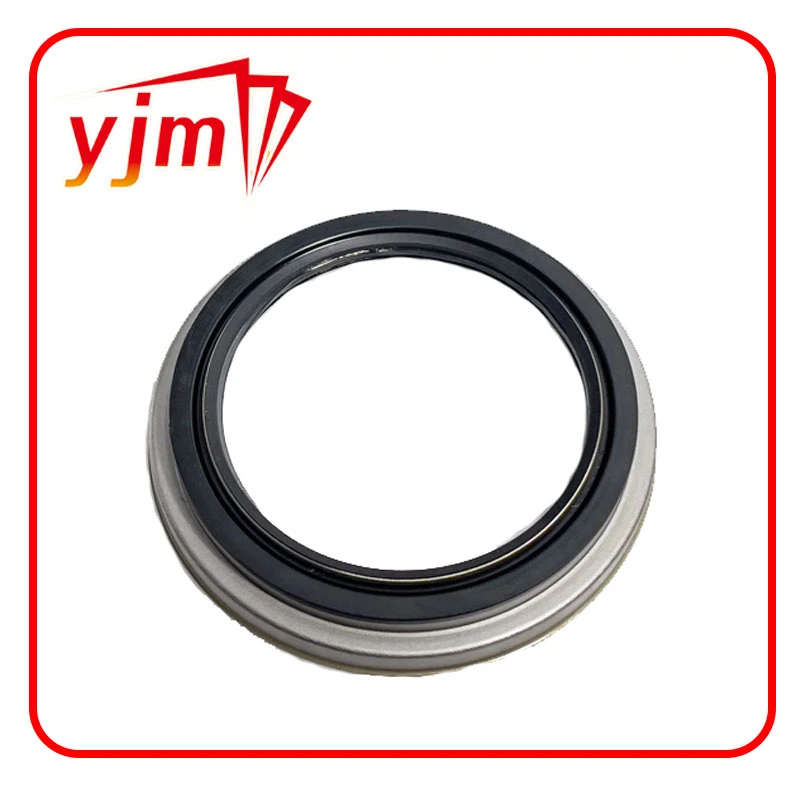
SEAL, OIL Genuine Toyota (9031672001)
-
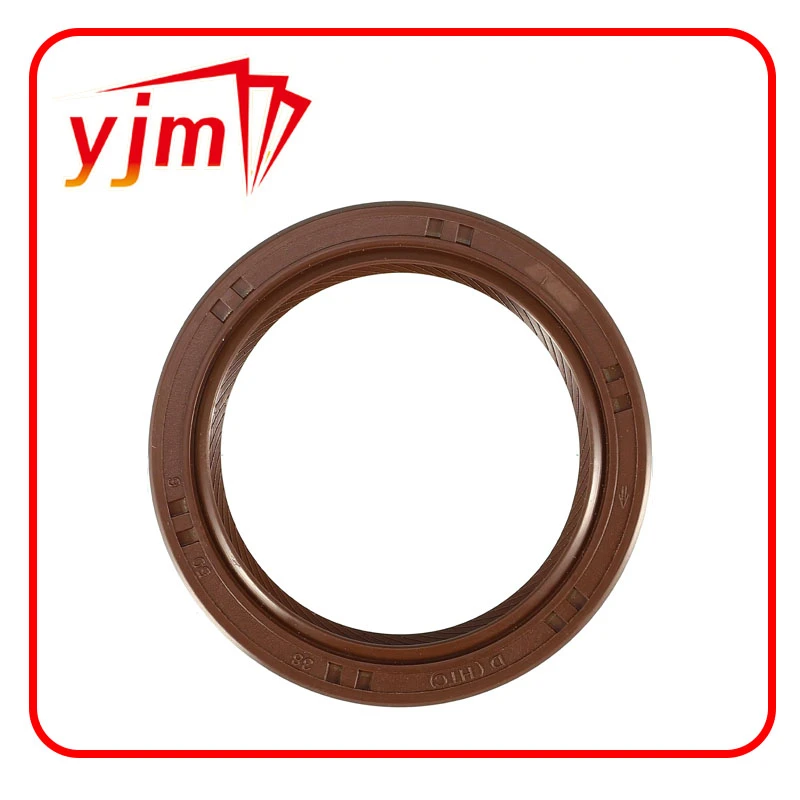
Engine Crankshaft Oil Seal No.9031138096
-
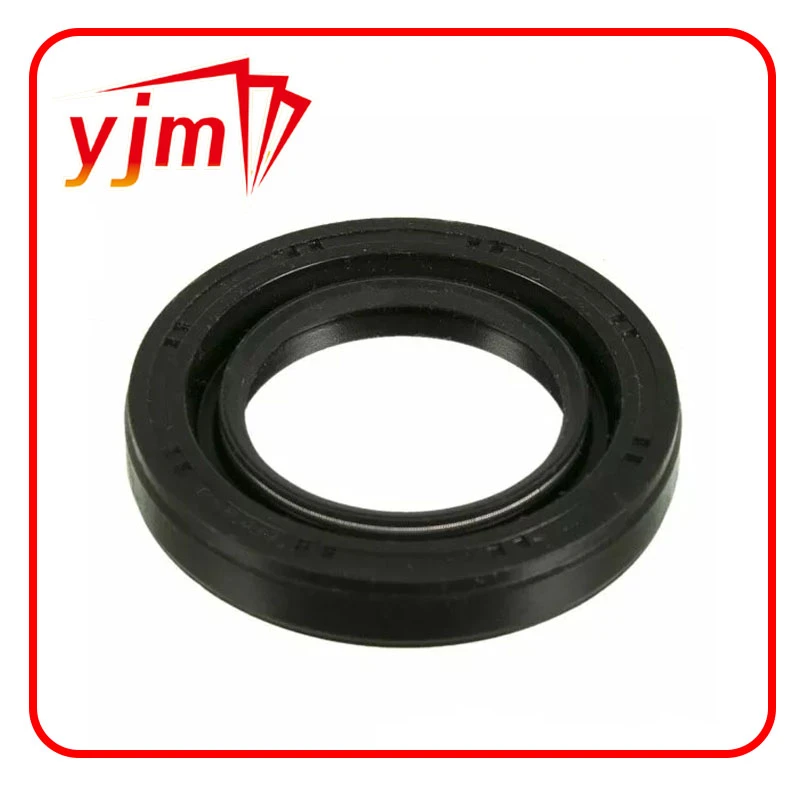
Toyota Transfer Case Output Shaft Seal Front 9031136006
-
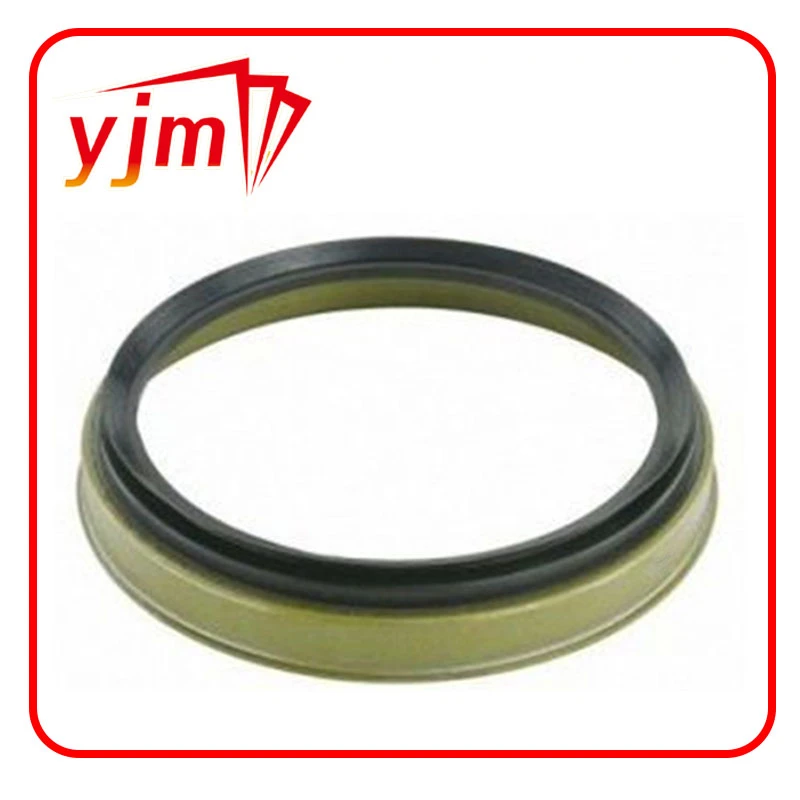
Seal, type v oil 9031287001 TOYOTA
-
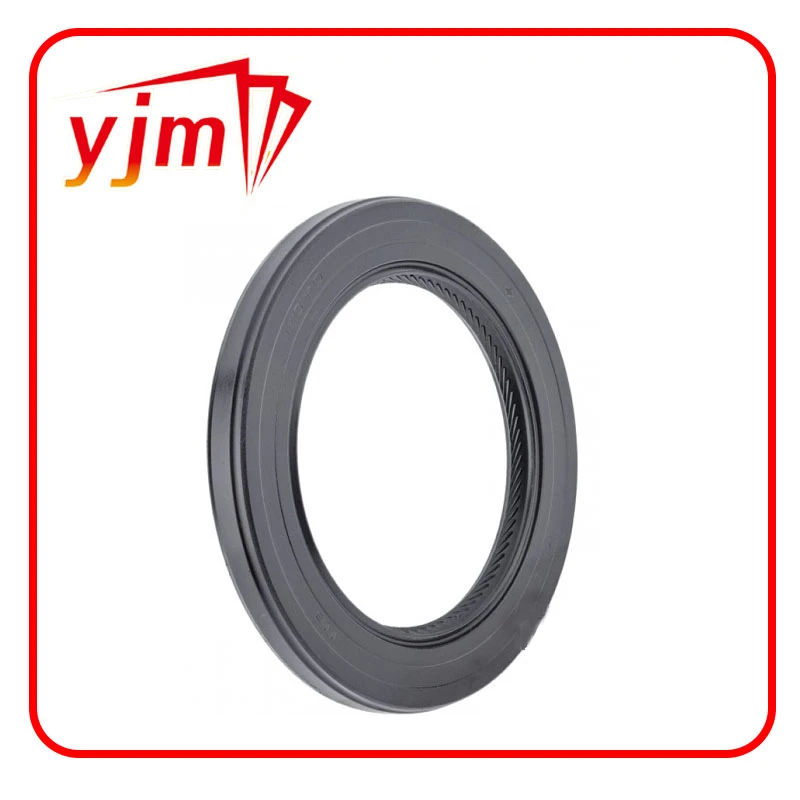
Oil pump seal 9031143010
-
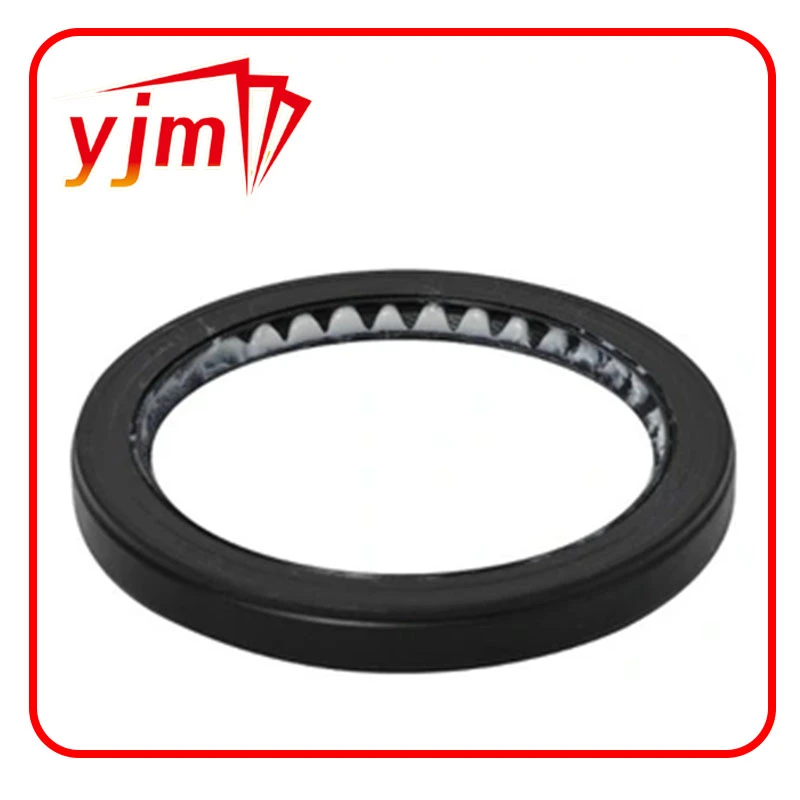
Genuine Toyota Oil SEAL 90311-54006
-
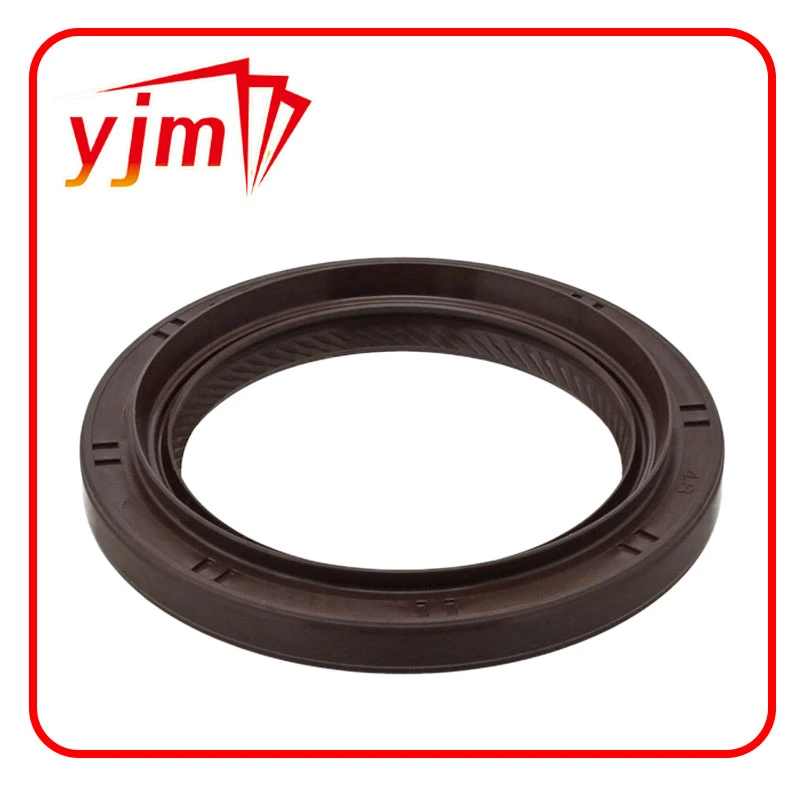
Toyota SEAL TYPE T OIL 90311-48031
-
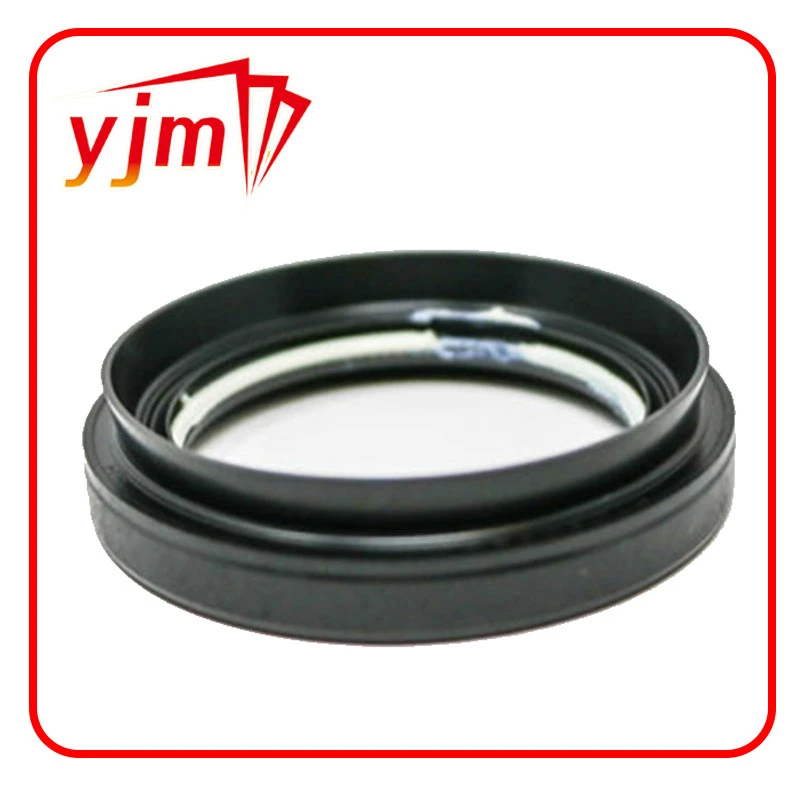
Type T Oil Seal, Front Drive Shaft, Left 9031150064
-
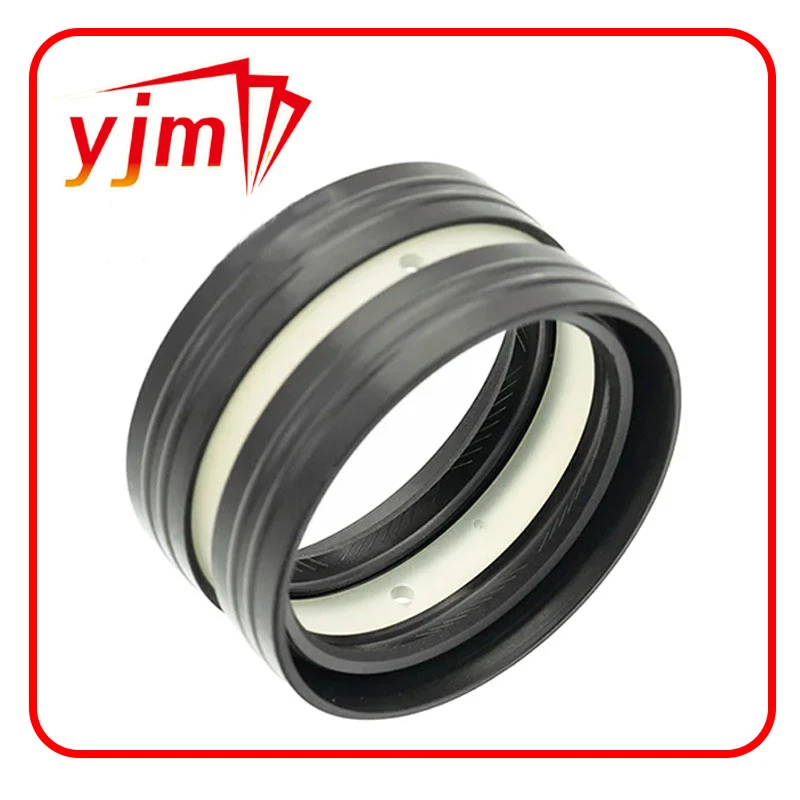
Seal, type d oil 9031634001 TOYOTA
 Afrikaans
 Albanian
 Amharic
 Arabic
 Armenian
 Azerbaijani
 Basque
 Belarusian
 Bengali
 Bosnian
 Bulgarian
 Catalan
 Cebuano
 Corsican
 Croatian
 Czech
Czech
 Danish
 Dutch
Dutch
 Esperanto
 Estonian
 Finnish
 French
 Frisian
 Galician
 Georgian
 German
 Greek
Greek
 Gujarati
 Haitian Creole
 Hausa
Hausa
 Hawaiian
 Hebrew
 Hindi
Hindi
 Miao
Miao
 Hungarian
 Icelandic
 Igbo
Igbo
 Indonesian
 Irish
Irish
 Italian
 Japanese
 Javanese
 Kannada
 Kazakh
 Khmer
Khmer
 Rwandese
 Korean
 Kurdish
 Kyrgyz
 Lao
Lao
 Latin
Latin
 Latvian
 Lithuanian
 Luxembourgish
 Macedonian
 Malgashi
 Malay
Malay
 Malayalam
 Maltese
 Maori
Maori
 Marathi
 Mongolian
 Myanmar
 Nepali
 Norwegian
 Norwegian
 Occitan
 Pashto
 Persian
 Polish
 Portuguese
 Punjabi
 Romanian
 Russian
 Samoan
 Scottish Gaelic
 Serbian
 Sesotho
 Shona
Shona
 Sindhi
 Sinhala
 Slovak
 Slovenian
 Somali
 Spanish
 Sundanese
 Swahili
 Swedish
 Tagalog
 Tajik
Tajik
 Tamil
Tamil
 Tatar
Tatar
 Telugu
 Thai
Thai
 Turkish
 Turkmen
 Ukrainian
 Urdu
Urdu
 Uighur
 Uzbek
Uzbek
 Vietnamese
 Welsh
Welsh
 Bantu
Bantu
 Yiddish
 Yoruba
 Zulu
Zulu
 English