Secure Your Cargo with Reliable Cassette Seals | YJM Seal
The Rise of the Cassette Seal: Why It Matters Globally
The term “cassette seal” might sound like niche industry jargon, but its impact today is surprisingly broad — spanning sectors from shipping and logistics to humanitarian aid. At its core, a cassette seal is a tamper-evident locking device designed to secure containers, doors, or cargo, providing a visible guarantee that contents haven’t been meddled with during transit or storage.
Globally, as supply chains grow more complex and the stakes around secure transport rise, understanding the cassette seal’s role becomes crucial. According to the International Organization for Standardization (ISO), over 60% of world trade depends on secure container shipping, making seals one of the hidden yet vital guardians of safety and trust.1
In simple terms: mastering cassette seal technology helps companies, customs officials, and aid organizations combat theft, fraud, and contamination with minimal fuss — a win for economies and communities alike.
Understanding Cassette Seals: What Are They Exactly?
Put simply, a cassette seal consists of an outer casing (like a tiny, sturdy box or “cassette”) housing a locking mechanism and uniquely coded strip or cable. When fastened, it’s nearly impossible to open without obvious damage or evidence. This deters tampering and makes inspection quick.
This isn’t just about keeping dishonest hands out. In industries like pharmaceuticals, food, and disaster relief, cassette seals maintain the integrity and safety of critical supplies, upholding not only economic interests but human well-being.
Oddly enough, the humble cassette seal reflects a broader modern industrial truth: sometimes the smallest parts keep the biggest systems humming smoothly.
Key Aspects of Cassette Seals: What Makes Them Tick?
1. Durability
Most cassette seals are designed to withstand harsh environments — think salt air at sea ports, blistering sun in deserts, or freezing cold in northern warehouses. They’re typically made from tough plastic or metal alloys resistant to cutting or cracking.
2. Unique Identification
Each seal has a distinct number or barcode, allowing easy tracking through databases and customs software — vital for scanning and verifying shipments quickly without physical inspection every time.
3. Ease of Use and Deployment
Many engineers appreciate cassette seals for being lightweight and quickly applied without special tools. This ease facilitates rapid loading/unloading in busy logistics hubs.
4. Cost Efficiency
While not expensive on their own (often less than a dollar per unit), cassette seals save larger sums by preventing cargo theft, counterfeit goods, or spoilage — a tiny investment reaping disproportionate returns.
5. Environmental Considerations
Some modern cassette seals incorporate biodegradable materials or are produced under eco-conscious protocols, helping shipping meet increasingly strict environmental regulations worldwide.
Real-World Applications: Where Cassette Seals Make a Difference
In real terms, cassette seals are everywhere you might not expect them but really should. For example:
- Post-disaster relief operations: Aid organizations use them on supply containers to ensure food, medical supplies, and water are secure from source to distribution points.
- International shipping: Ports in Asia, Europe, and the Americas rely on cassette seals for container cargo security, facilitating smoother customs clearance.
- Energy and mining sectors: Remote operations in Africa and Australia use these seals to protect valuable equipment and chemicals during transport.
Interestingly, even some high-value consumer electronics shipments to retail outlets incorporate cassette seals for anti-theft measures.
Specifications at a Glance
| Feature | Typical Range | Notes |
|---|---|---|
| Material | Plastic (nylon/polypropylene), metal alloys | Varies based on application |
| Seal Length | 150 – 300 mm | Adjustable cable or strip |
| Unique ID Codes | 6 – 12 characters or barcode | Non-repeatable numbers |
| Temperature Range | -40°C to +80°C | Suitable for extremes |
| Security Level | Medium to High | Depends on design and locking |
Comparing Top Cassette Seal Vendors
| Vendor | Price per Unit | Customization | Delivery Time | Eco-options |
|---|---|---|---|---|
| YJM Seal | $0.85 – $1.20 | Logo & barcode printing | 1-2 weeks | Biodegradable options |
| SecureLock Inc. | $1.10 – $1.50 | Custom color & coding | 2-3 weeks | Standard plastic only |
| Global Seal Co. | $0.70 – $1.00 | Limited customization | 3-4 weeks | Eco-friendly packaging |
Why Choose Cassette Seals? The Advantages That Last
Delving into their advantages, cassette seals offer companies more than just a lock — they offer peace of mind. They reduce loss from theft, cuts down manual inspections with barcode tracking, and speed up customs clearance. For people depending on untainted medical or food supplies, the reliability they provide can be a lifeline.
It’s a mix of the emotional and practical: knowing that what you sent, or expect, will arrive intact.
Peeking Ahead: The Future of Cassette Seals
Technology is nudging cassette seals toward smarter versions embedded with RFID chips or blockchain-tracked IDs, making tamper-evidence instantaneous and immutable in records. There’s also a push for greener materials — imagine a seal that breaks down harmlessly without microplastic residues.
I’ve noticed companies investing in automation-equipped seal applicators to reduce errors and speed — signaling a shift from a simple device to a component in a digitized, sustainable logistics chain.
Handling Challenges: How to Overcome Limitations
No product is perfect. Cassette seals can face issues like counterfeit copies or difficulty being removed in emergencies. Industry experts recommend pairing seals with digital scans, clear operational protocols, and user training. Advances in innovative locking tech also promise to curb copying risks.
FAQ: Common Questions About Cassette Seals
- Q: How secure are cassette seals against tampering?
- A: Cassette seals provide medium to high security. Their unique coding and tough materials make tampering obvious, but pairing with digital tracking enhances protection.
- Q: Can cassette seals be reused?
- A: Typically no — they’re designed for one-time use. That way, any opening attempt breaks the seal, signaling possible interference.
- Q: Are cassette seals environmentally friendly?
- A: Many manufacturers now offer biodegradable or recyclable seals to reduce environmental impact, aligning with global sustainability goals.
- Q: How fast can cassette seals be applied?
- A: Mostly, they can be applied within seconds without tools, making them ideal for high-throughput shipping and warehouse operations.
Wrapping Up: Why Cassette Seals Deserve Your Attention
So, what’s the bottom line? While small and often overlooked, cassette seals stand guard at critical junctures in global logistics and humanitarian missions. Their blend of security, ease, and evolving tech makes them key to trusted tomorrow’s supply chains. Curious to explore more about this reliable sentinel? Visit our website: cassette seal.
-
Guide to Choosing the Right Washer for Oil Change and Sealing
News Apr.16,2026
-
Essential Guide to High Quality rubber washer oil drain plug
News Apr.09,2026
-
Understanding Rubber Crush Washers for Optimal Sealing Performance
News Apr.07,2026
-
Comprehensive Guide to Understanding and Reusing Crush Washer for Optimal Sealing
News Apr.04,2026
-
The Vital Role of a Drain Screw Gasket in Fluid System Integrity
News Mar.31,2026
-
The Essential Guide to Drain Crush Washer Selection and Plumbing Leak Prevention
News Mar.28,2026
-
The Vital Role of a Crush Washer in Oil Changes for Engine Protection
News Mar.26,2026
Products categories
-
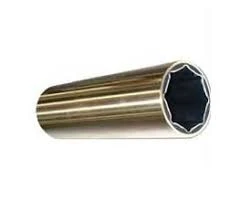
Brass cutlass marine bearing
-
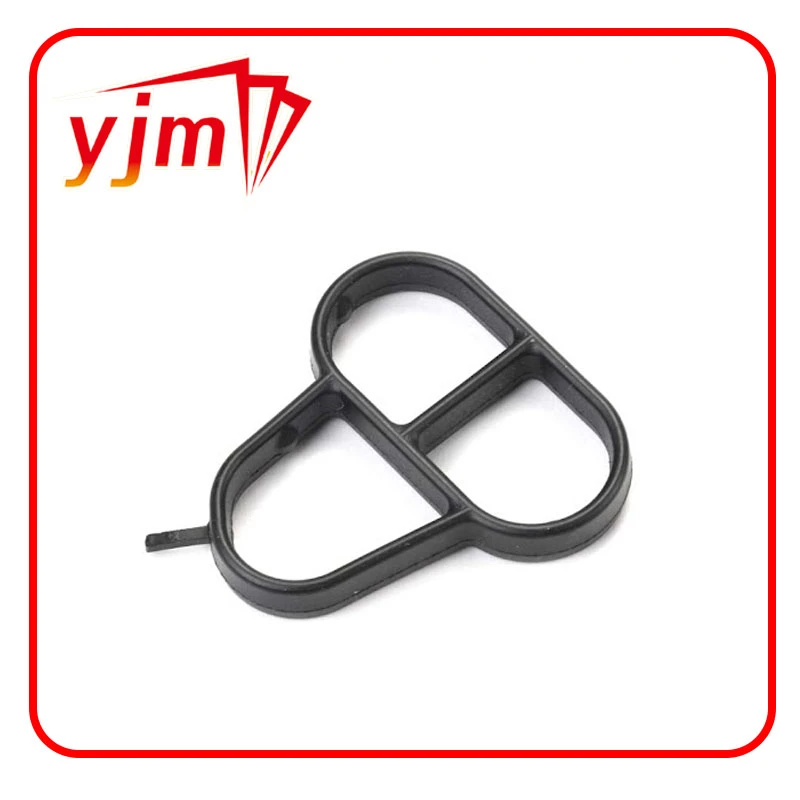
Genuine OEM Engine Oil Filter Housing Cover O-Ring For VW/Audi 06E115446
-
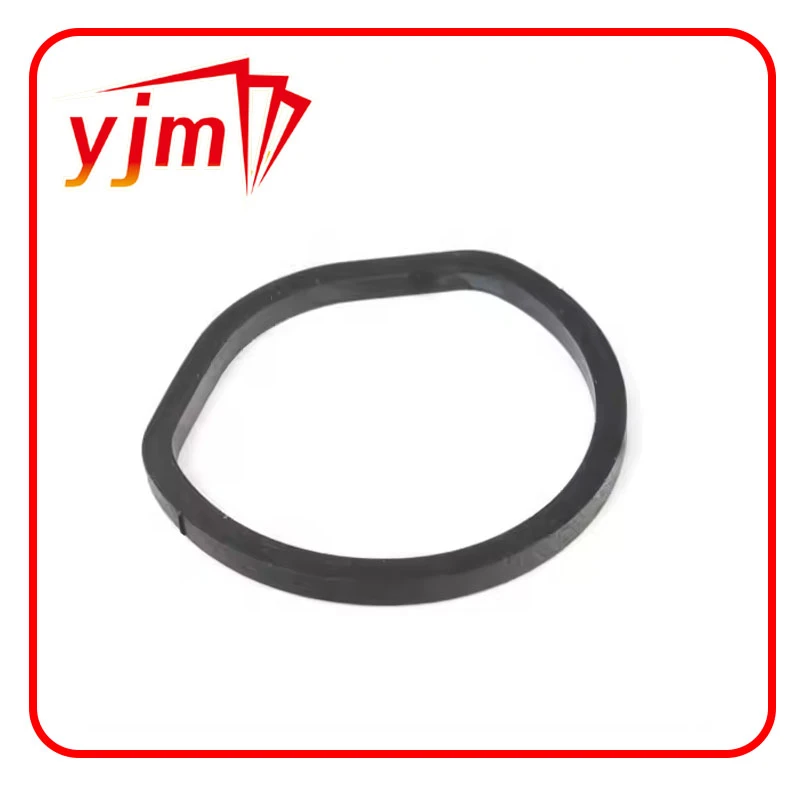
Oil Filter Stand Gasket,Oil filter cover seal
-
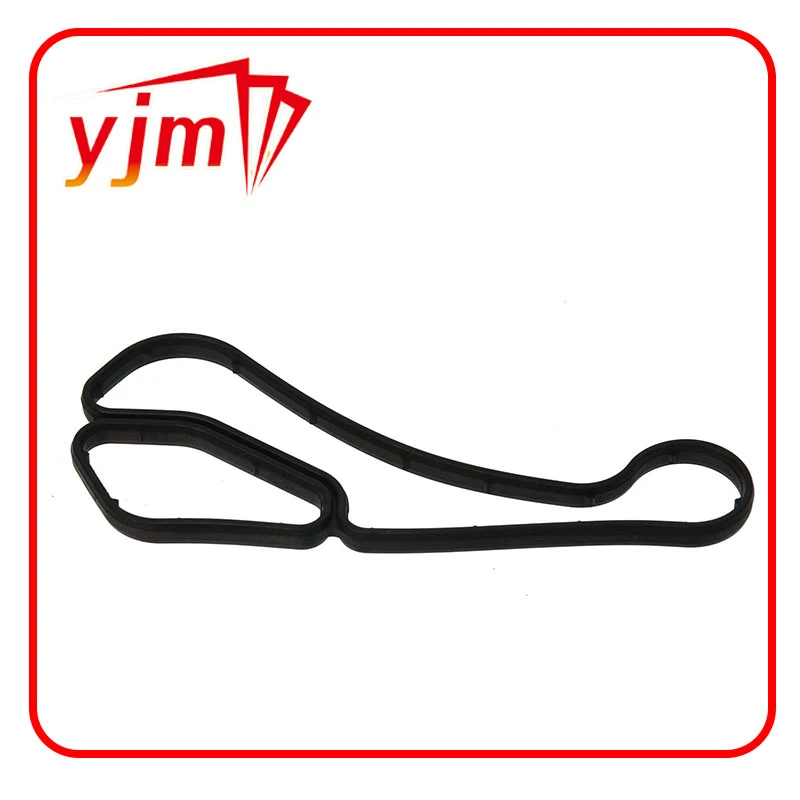
Oil Cooler Gasket, Oil Cooler to Oil Filter Housing 11427525335
-
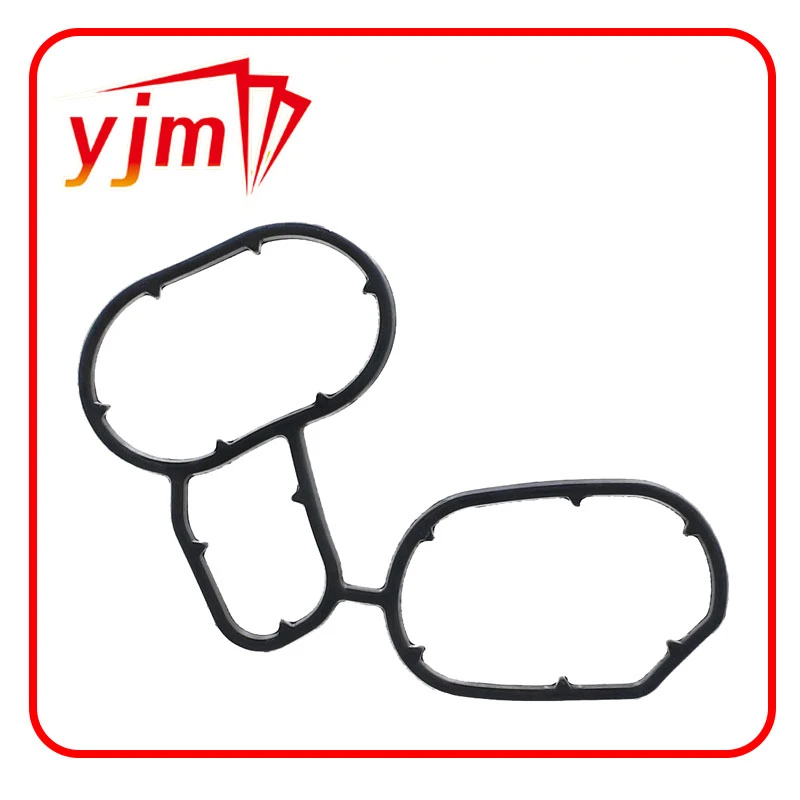
11427508970 BMW - OIL FILTER HOUSING GASKETS
-
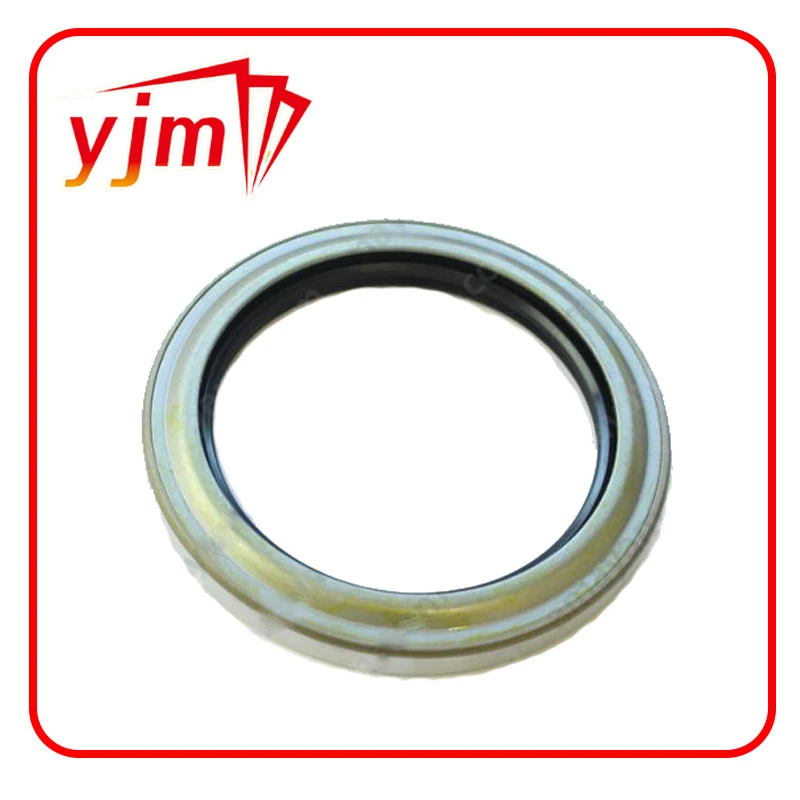
SEAL, OIL Genuine Toyota (9031170011)
-
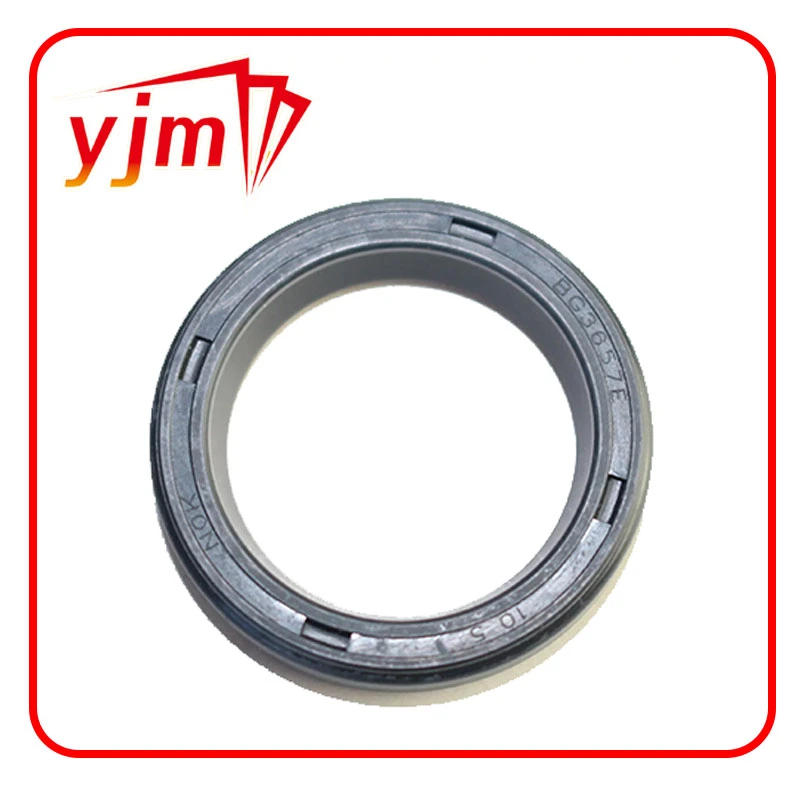
Transfer Case Output Shaft Seal Part 9031223001
-
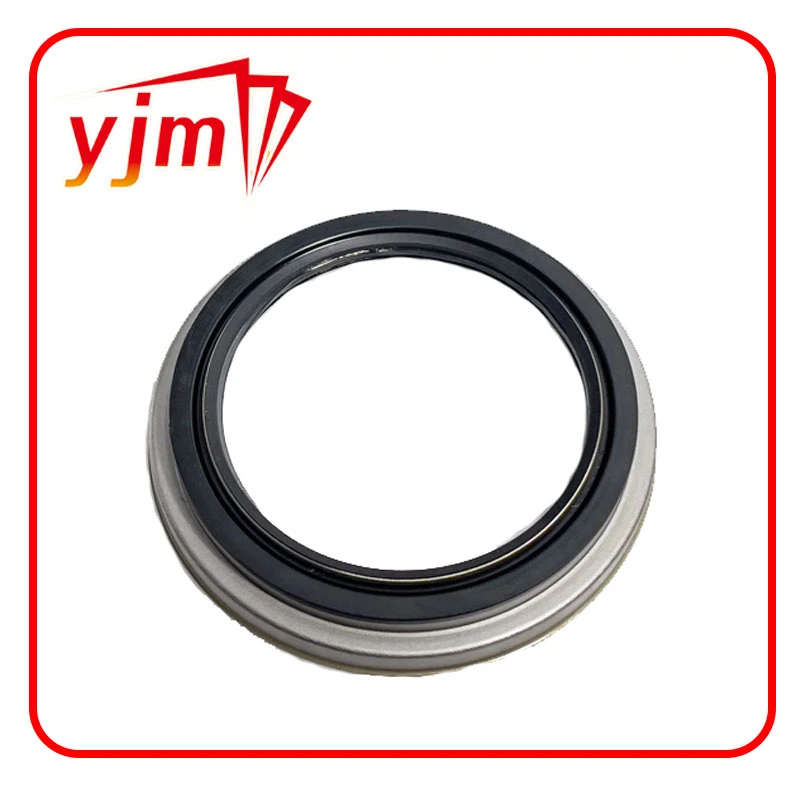
SEAL, OIL Genuine Toyota (9031672001)
-
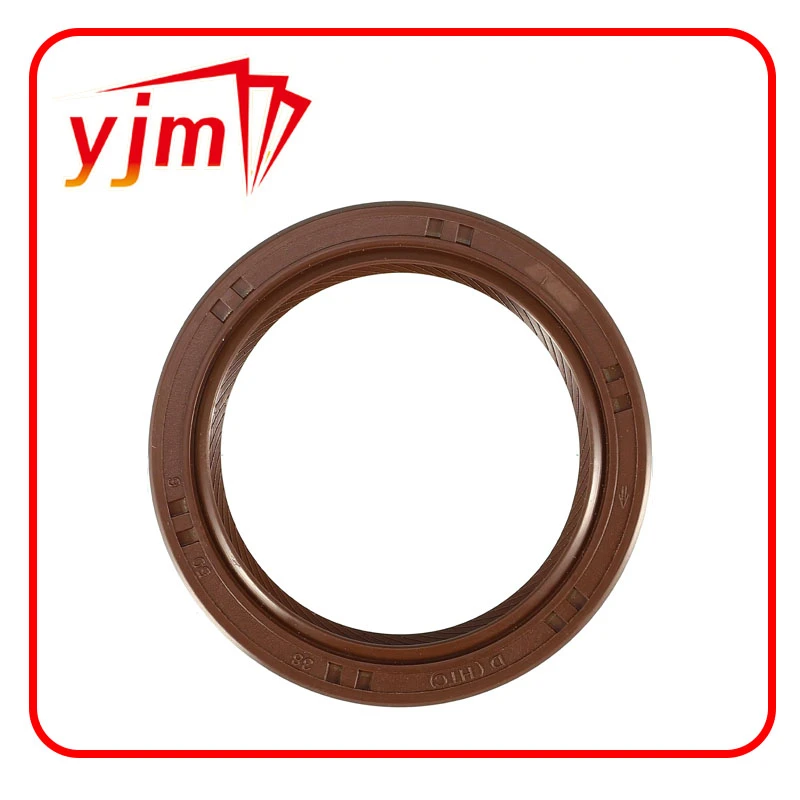
Engine Crankshaft Oil Seal No.9031138096
-
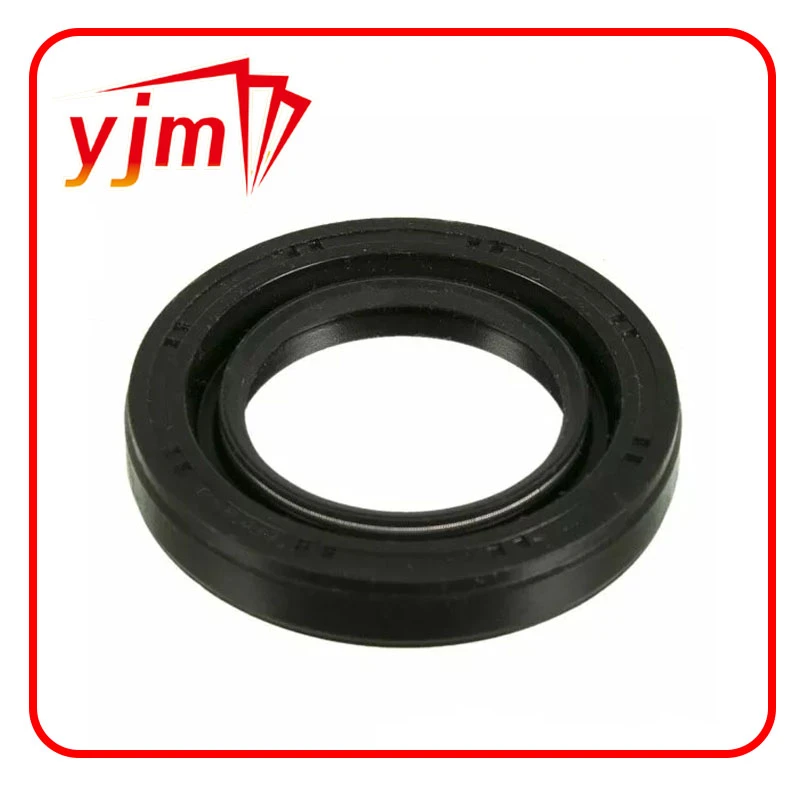
Toyota Transfer Case Output Shaft Seal Front 9031136006
-
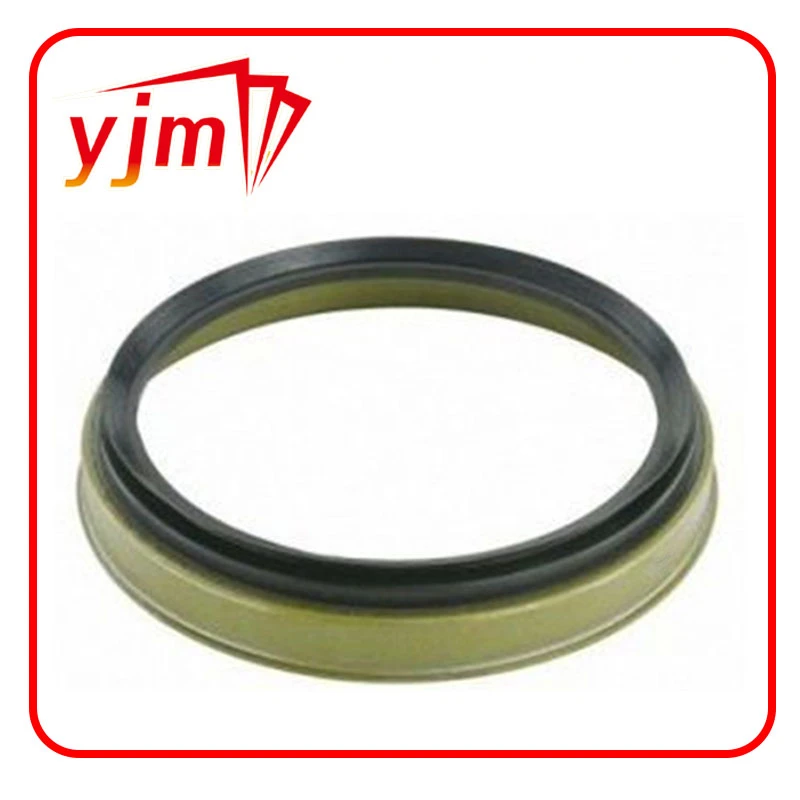
Seal, type v oil 9031287001 TOYOTA
-
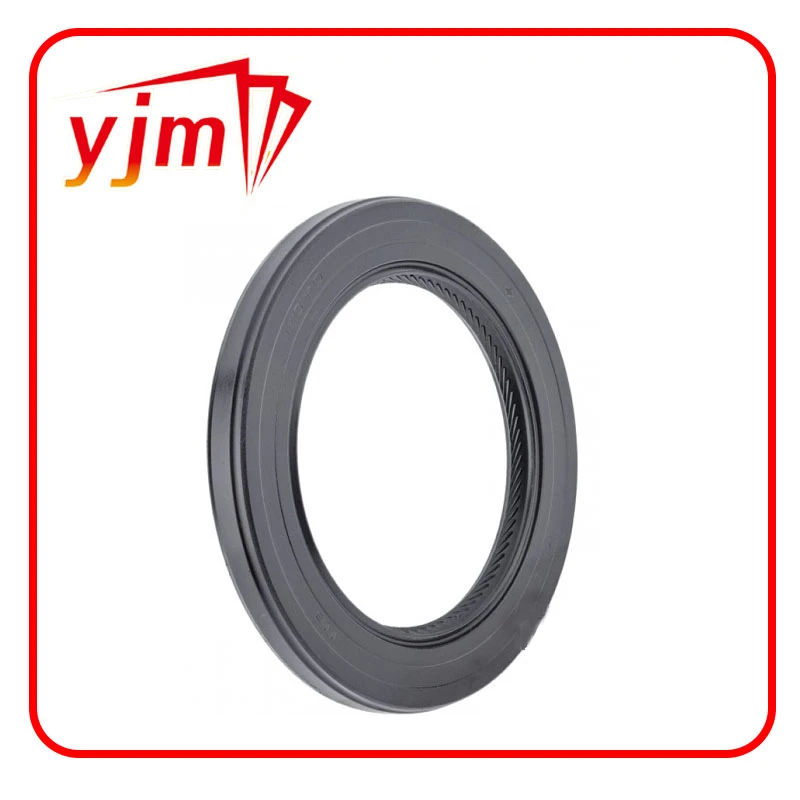
Oil pump seal 9031143010
-
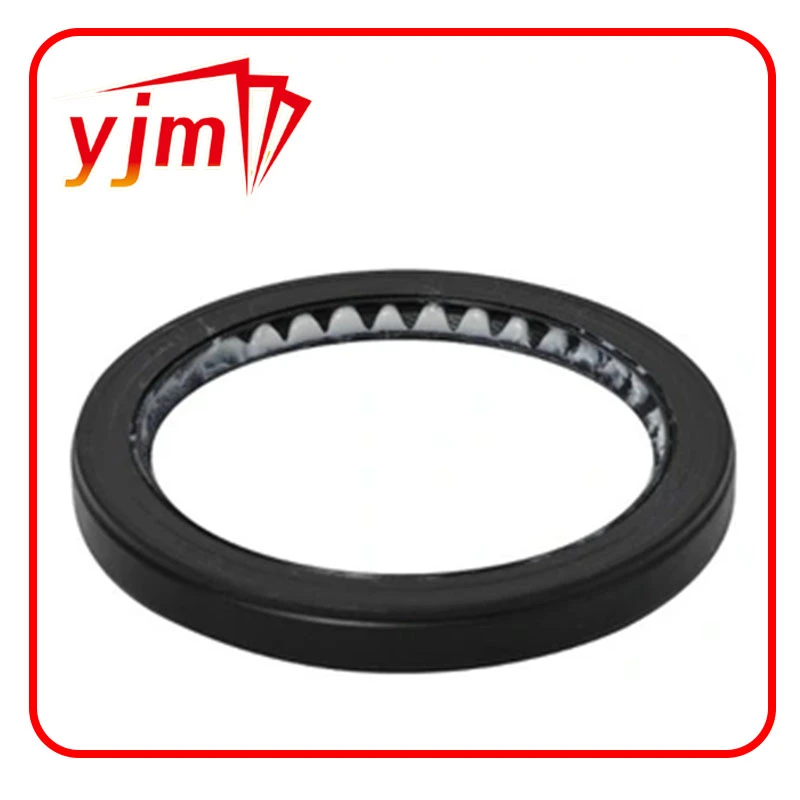
Genuine Toyota Oil SEAL 90311-54006
-
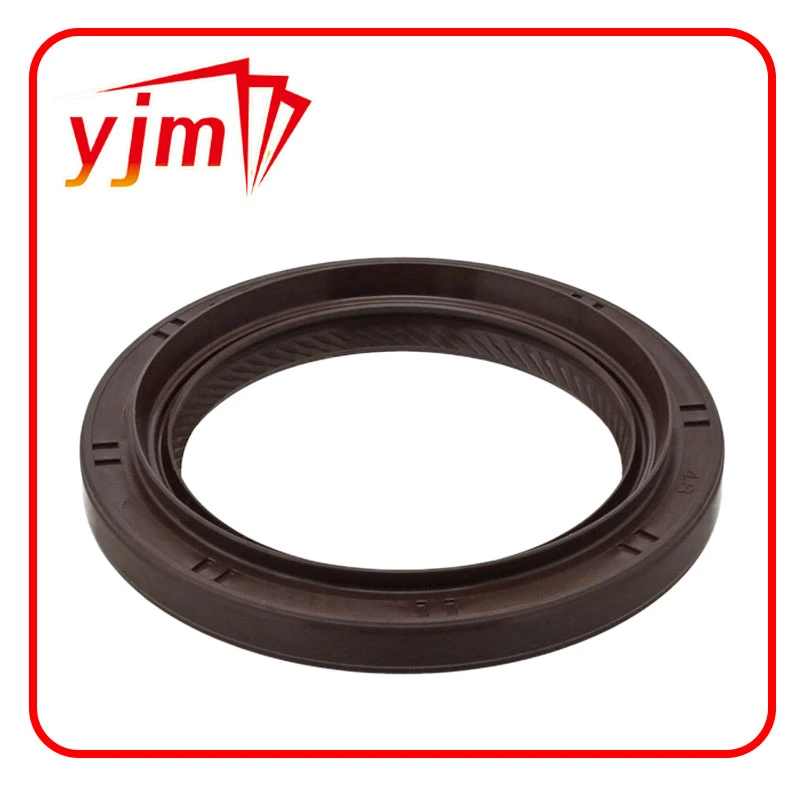
Toyota SEAL TYPE T OIL 90311-48031
-
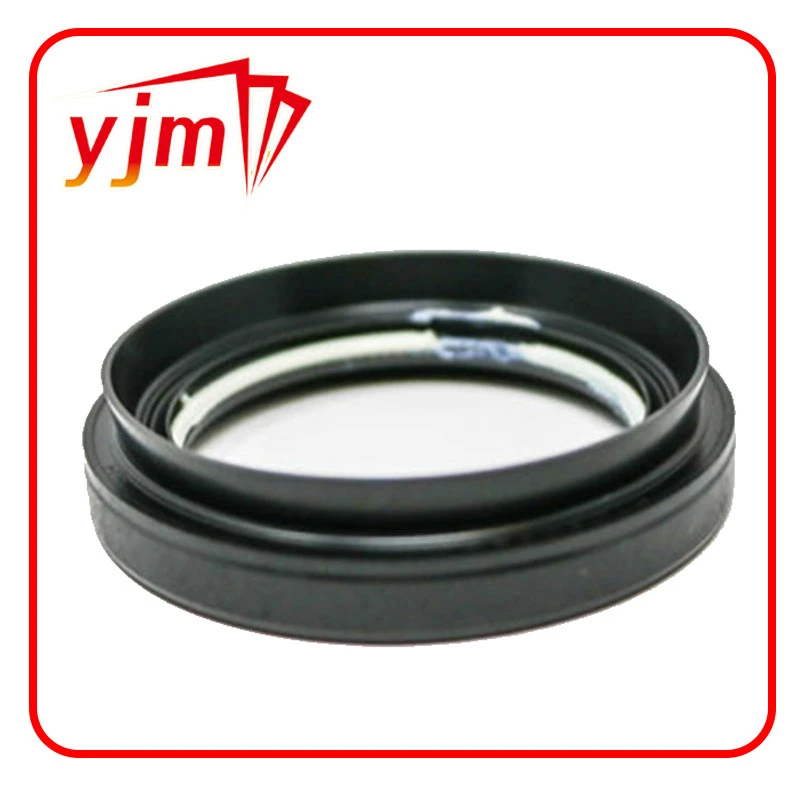
Type T Oil Seal, Front Drive Shaft, Left 9031150064
-
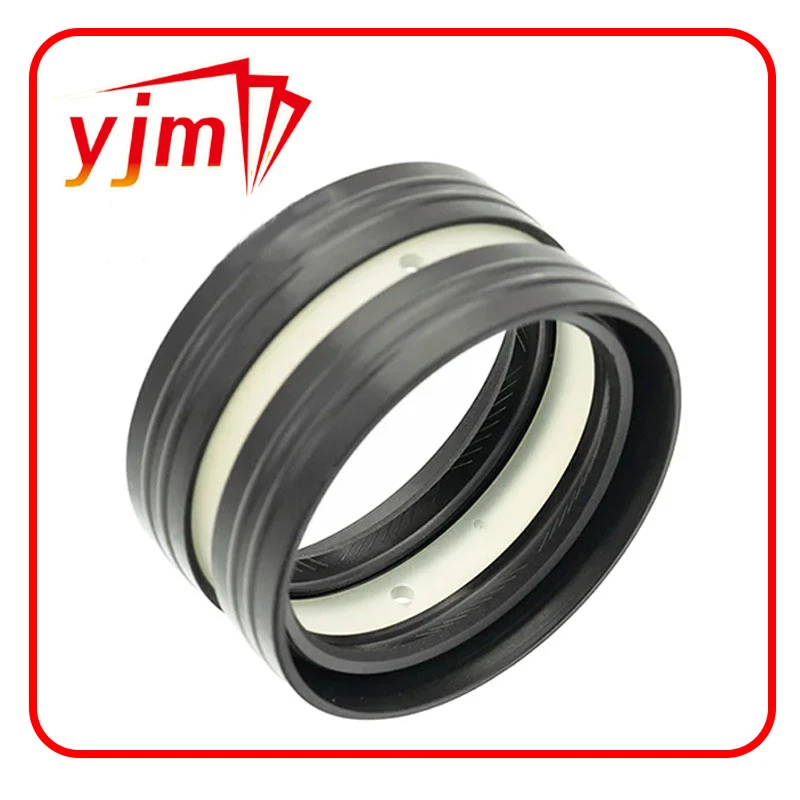
Seal, type d oil 9031634001 TOYOTA
 Afrikaans
 Albanian
 Amharic
 Arabic
 Armenian
 Azerbaijani
 Basque
 Belarusian
 Bengali
 Bosnian
 Bulgarian
 Catalan
 Cebuano
 Corsican
 Croatian
 Czech
Czech
 Danish
 Dutch
Dutch
 Esperanto
 Estonian
 Finnish
 French
 Frisian
 Galician
 Georgian
 German
 Greek
Greek
 Gujarati
 Haitian Creole
 Hausa
Hausa
 Hawaiian
 Hebrew
 Hindi
Hindi
 Miao
Miao
 Hungarian
 Icelandic
 Igbo
Igbo
 Indonesian
 Irish
Irish
 Italian
 Japanese
 Javanese
 Kannada
 Kazakh
 Khmer
Khmer
 Rwandese
 Korean
 Kurdish
 Kyrgyz
 Lao
Lao
 Latin
Latin
 Latvian
 Lithuanian
 Luxembourgish
 Macedonian
 Malgashi
 Malay
Malay
 Malayalam
 Maltese
 Maori
Maori
 Marathi
 Mongolian
 Myanmar
 Nepali
 Norwegian
 Norwegian
 Occitan
 Pashto
 Persian
 Polish
 Portuguese
 Punjabi
 Romanian
 Russian
 Samoan
 Scottish Gaelic
 Serbian
 Sesotho
 Shona
Shona
 Sindhi
 Sinhala
 Slovak
 Slovenian
 Somali
 Spanish
 Sundanese
 Swahili
 Swedish
 Tagalog
 Tajik
Tajik
 Tamil
Tamil
 Tatar
Tatar
 Telugu
 Thai
Thai
 Turkish
 Turkmen
 Ukrainian
 Urdu
Urdu
 Uighur
 Uzbek
Uzbek
 Vietnamese
 Welsh
Welsh
 Bantu
Bantu
 Yiddish
 Yoruba
 Zulu
Zulu
 English