Crankshaft Main Bearing Seal: Global Importance, Key Features, and Future Trends
Understanding the Crankshaft Main Bearing Seal: A Global Industrial Linchpin
At first glance, the crankshaft main bearing seal may sound like an obscure mechanical component reserved for engineers in the engine room. But, oddly enough, this small, seemingly humble part has a huge influence on global industries — from automotive manufacturing to power generation — and by extension, on economies and daily lives worldwide. Getting to grips with what this seal does and why it matters unlocks insights into efficiency, sustainability, and reliability of the machines that underpin modern life.
Introduction: Why the Crankshaft Main Bearing Seal Matters on a Global Scale
Engines power everything from vehicles to generators, and the crankshaft main bearing seal is critical in keeping those engines running smoothly. According to the International Organization for Standardization (ISO), mechanical seals like these reduce mechanical failure rates by ensuring lubricant stays put while contaminants stay out. Globally, mechanical failure costs economies billions, so even a small improvement in seal technology can have outsized benefits. Yet, challenges like extreme operating temperatures and wear remain. Understanding these seals helps industries mitigate downtime and improve sustainability.
Mini takeaway: The crankshaft main bearing seal is a small component with a big impact on machinery reliability and global industrial productivity.
What Is a Crankshaft Main Bearing Seal?
Simply put, the crankshaft main bearing seal is a specialized gasket that sits around the crankshaft, sealing the main bearing housing to prevent oil leakage. It maintains lubricating fluid inside the engine and keeps dirt and dust out. This ensures that the engine’s moving parts, especially the crankshaft and bearings, stay lubricated and protected. Without it, engine performance would rapidly degrade, leading to costly breakdowns.
In broader terms, it’s a vital part of modern machinery — whether in manufacturing plants or humanitarian aid vehicles — enabling engines to operate efficiently and reliably under demanding conditions.
Mini takeaway: The crankshaft main bearing seal is critical for maintaining engine integrity by preventing oil leaks and contaminants.
Key Aspects of the Crankshaft Main Bearing Seal
1. Durability Under Stress
These seals operate in tough environments — high temperatures, constant rotation, vibrations — so materials like nitrile rubber, fluorocarbon, or PTFE (Teflon) are often used. Their endurance directly affects maintenance intervals; better durability means fewer expensive repairs.
2. Precision Fit and Scalability
Crankshaft seals must fit precisely to prevent leaks without causing excessive friction. Thankfully, modern manufacturing techniques allow customization for different engine sizes and types, making scalability possible for various industries.
3. Cost Efficiency
Quality seals reduce oil loss and maintenance downtime, saving money in the long run. While higher-grade seals may cost more upfront, they often prove more economical over an engine’s lifespan.
4. Environmental Resistance
Resistance to heat, corrosive fluids, and contaminants is critical. Many seals now include special coatings or materials certified by ISO standards for better environmental endurance.
Mini takeaway: The seal’s durability, precision, cost efficiency, and environmental resistance make it central to engine reliability in diverse settings.
Crankshaft Main Bearing Seal: Product Specifications
| Specification | Typical Values |
|---|---|
| Material | Nitrile Rubber / PTFE / Viton |
| Operating Temperature | -40°C to 150°C (up to 230°C for Viton) |
| Shaft Diameter Compatibility | 20 mm to 150 mm |
| Protection Level | IP65 - Dust tight, water resistant |
| Expected Lifespan | Up to 60,000 engine hours |
Global Applications & Use Cases of the Crankshaft Main Bearing Seal
The seal’s versatility shines across continents and industries. In Southeast Asia, heavy-duty trucks benefit from high-performance seals to tackle humid, dusty roads, boosting reliability during long hauls. In Europe, power plants rely on robust crankshaft seals to maintain turbine engines, helping meet stringent ISO environmental regulations. Oddly enough, even humanitarian relief operations—where diesel generators are lifelines in disaster zones—count on dependable seals to keep emergency power flowing.
Automotive giants, heavy machinery manufacturers, and energy producers worldwide have integrated improved crankshaft main bearing seals into their systems, striving to improve uptime and cut emissions.
Mini takeaway: From remote industrial zones to urban manufacturing hubs, the crankshaft main bearing seal is indispensable.
Vendor Comparison: Leading Crankshaft Main Bearing Seal Manufacturers
| Vendor | Material Options | Operating Temp Range | Customization Services | Typical Industries Served |
|---|---|---|---|---|
| YJM Seal | Nitrile, Viton, PTFE | -40°C to 230°C | Full custom design & prototyping | Automotive, Power, Industrial |
| SKF | Primarily Nitrile & Viton | -30°C to 200°C | Standard & semi-custom | Automotive, Energy |
| Freudenberg Sealing Technologies | Wide range including Fluorosilicone | -50°C to 220°C | Highly customized solutions | Power Generation, Automotive |
Advantages and Long-Term Value of a Quality Crankshaft Main Bearing Seal
A good seal translates to fewer engine leaks, higher fuel efficiency, and longer equipment life. For businesses, this means less downtime and lower repair costs — essential in today's competitive markets. On a more human note, think about the safety and dignity linked with reliable transportation and power supply, especially in emerging regions. A durable seal helps machines work quietly in the background, so people can focus on more important things.
Mini takeaway: Investing in trusted seals pays dividends financially and socially by safeguarding equipment and people alike.
Emerging Trends and Innovations
In recent years, the push for green technology has spurred development of bio-based sealing materials and ultra-low friction coatings to reduce energy loss. Plus, sensors embedded within seals—part of the so-called “smart engine” movement—allow real-time condition monitoring, predicting failures before they happen. Digital transformation is touching even something as niche as crankshaft seals.
Such innovations aim not just to improve performance but also to meet rising ISO environmental standards and customer demands for sustainability.
Common Challenges and How Experts Solve Them
One big challenge is balancing tight sealing with minimal friction. Too tight, and efficiency suffers; too loose, and leaks ensue. Experts address this by advanced computer modeling and prototyping, tailored to specific engine types. Material degradation over time, especially in harsh environments, remains another headache. Here, new elastomers and nano-coatings provide longer-lasting barriers.
FAQs About Crankshaft Main Bearing Seals
- Q: How often should crankshaft main bearing seals be replaced?
A: Typically, these seals last up to 60,000 engine hours or more, but factors like engine use and environment influence this. Regular inspection during maintenance is key. - Q: Can I upgrade my engine’s existing seals to improved materials?
A: Yes, many manufacturers offer retrofit seals made from advanced compounds that can enhance durability and performance. - Q: Do these seals require special installation tools?
A: Proper installation tools and techniques are recommended to avoid damage. Many vendors provide guidelines or kits for correct fitting. - Q: Are customized seals expensive compared to standard ones?
A: Custom seals usually cost more upfront but often save money long term by reducing maintenance and downtime.
Conclusion
While the crankshaft main bearing seal might be out of everyday sight, it’s clearly not out of importance. Its role in maintaining engine health impacts global industry reliability, sustainability, and safety. Investing time and thought into choosing and understanding these seals pays off in engine longevity and operational peace of mind.
For those interested in quality and innovation in crankshaft main bearing seal solutions, explore trusted suppliers and customized options at crankshaft main bearing seal manufacturers like YJM Seal.
References:
1. Wikipedia - Mechanical Seal
2. International Organization for Standardization (ISO)
3. World Bank Industrial Data Statistics, 2023
-
Guide to Choosing the Right Washer for Oil Change and Sealing
News Apr.16,2026
-
Essential Guide to High Quality rubber washer oil drain plug
News Apr.09,2026
-
Understanding Rubber Crush Washers for Optimal Sealing Performance
News Apr.07,2026
-
Comprehensive Guide to Understanding and Reusing Crush Washer for Optimal Sealing
News Apr.04,2026
-
The Vital Role of a Drain Screw Gasket in Fluid System Integrity
News Mar.31,2026
-
The Essential Guide to Drain Crush Washer Selection and Plumbing Leak Prevention
News Mar.28,2026
-
The Vital Role of a Crush Washer in Oil Changes for Engine Protection
News Mar.26,2026
Products categories
-
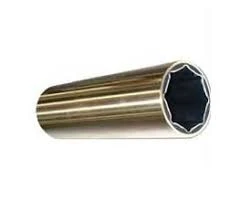
Brass cutlass marine bearing
-
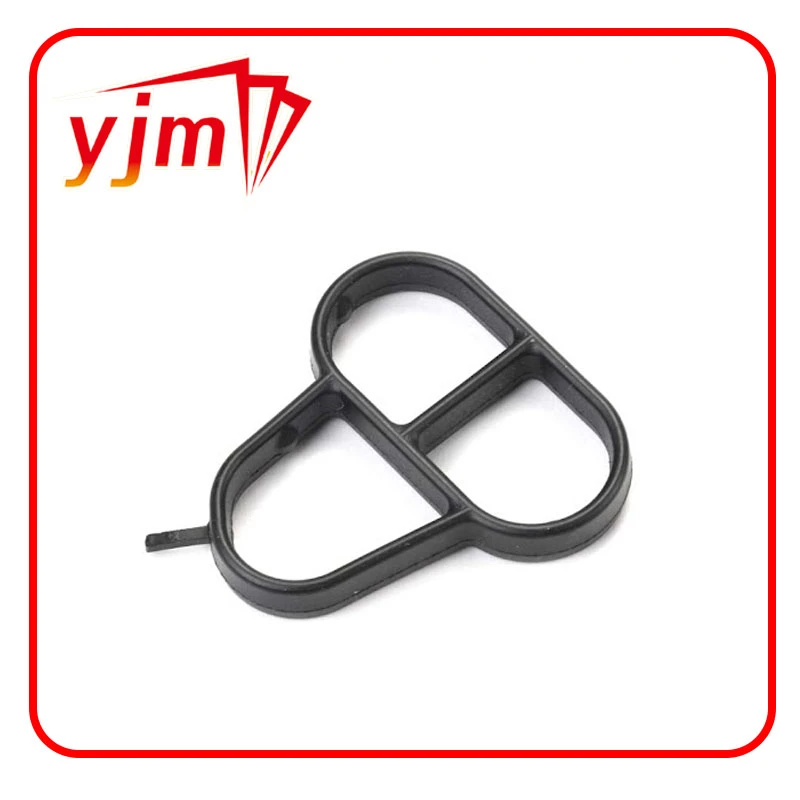
Genuine OEM Engine Oil Filter Housing Cover O-Ring For VW/Audi 06E115446
-
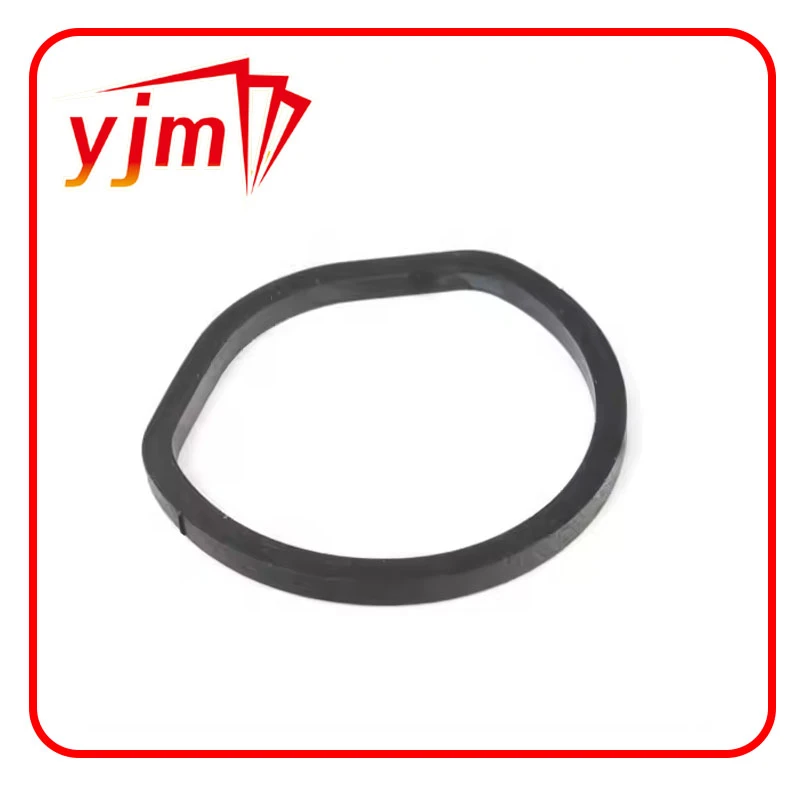
Oil Filter Stand Gasket,Oil filter cover seal
-
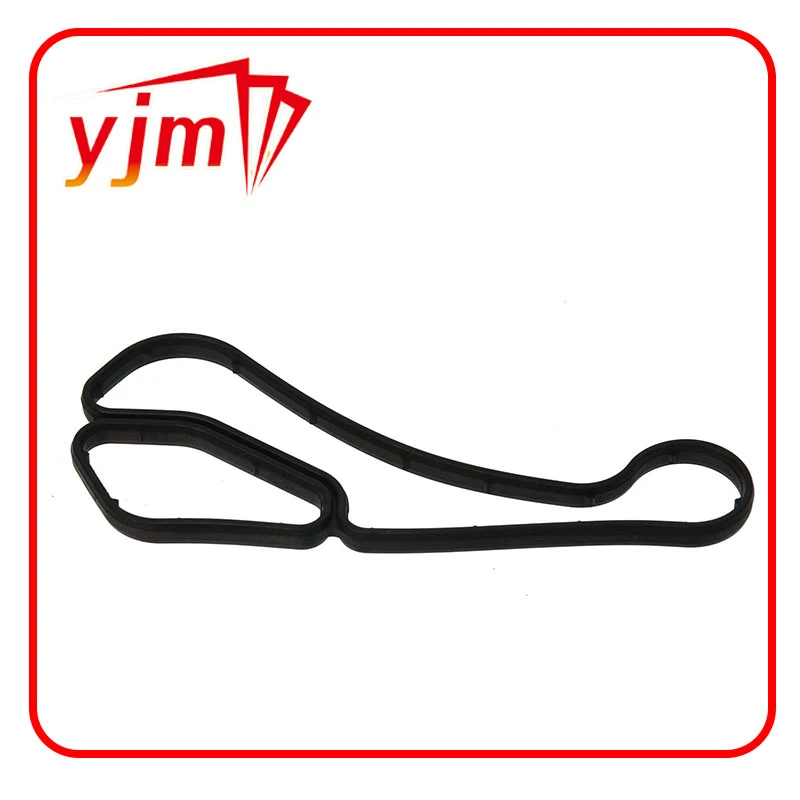
Oil Cooler Gasket, Oil Cooler to Oil Filter Housing 11427525335
-
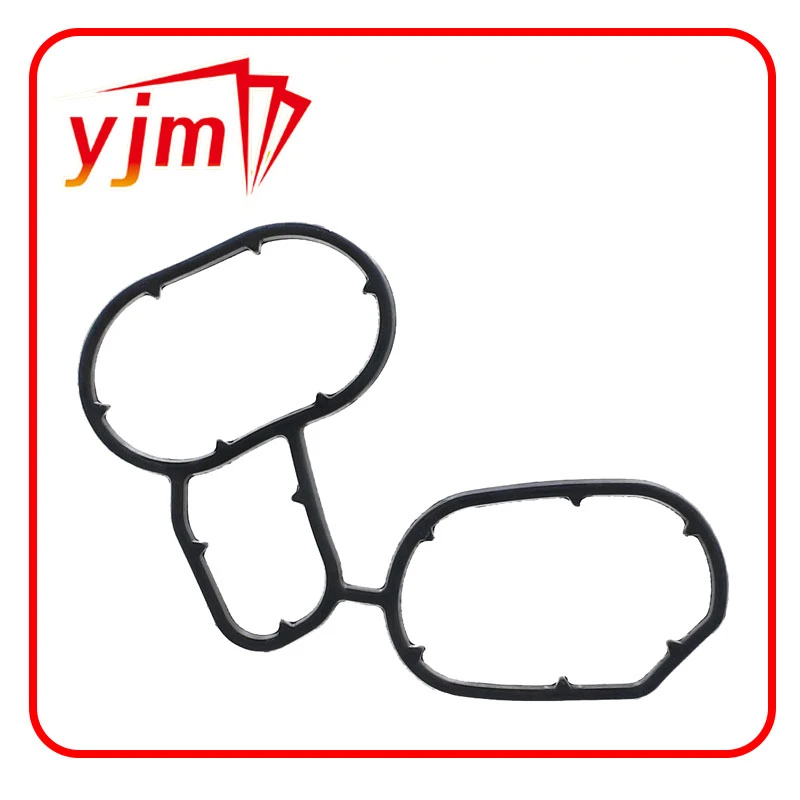
11427508970 BMW - OIL FILTER HOUSING GASKETS
-
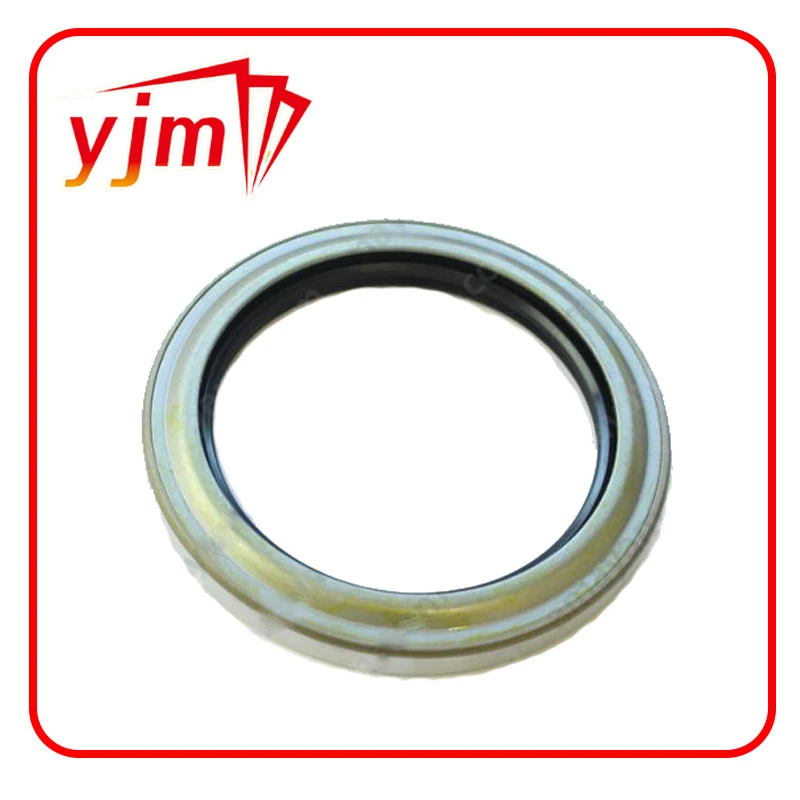
SEAL, OIL Genuine Toyota (9031170011)
-
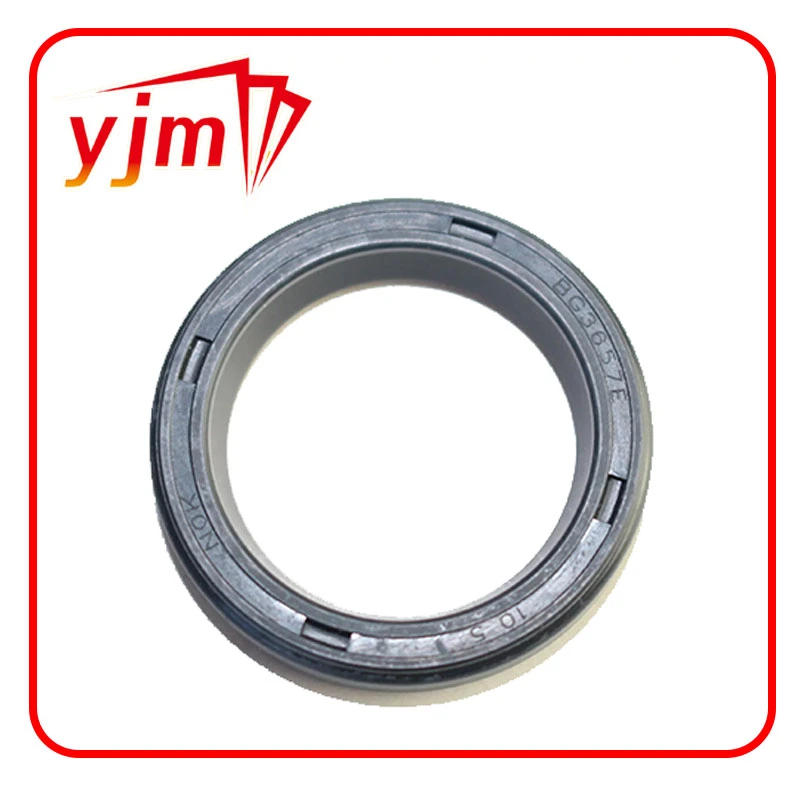
Transfer Case Output Shaft Seal Part 9031223001
-
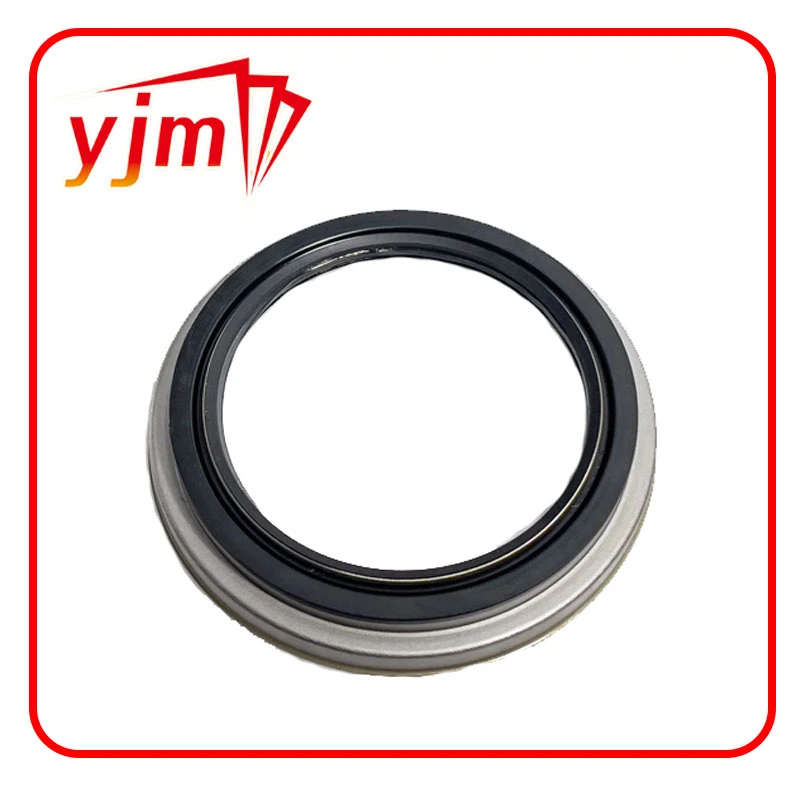
SEAL, OIL Genuine Toyota (9031672001)
-
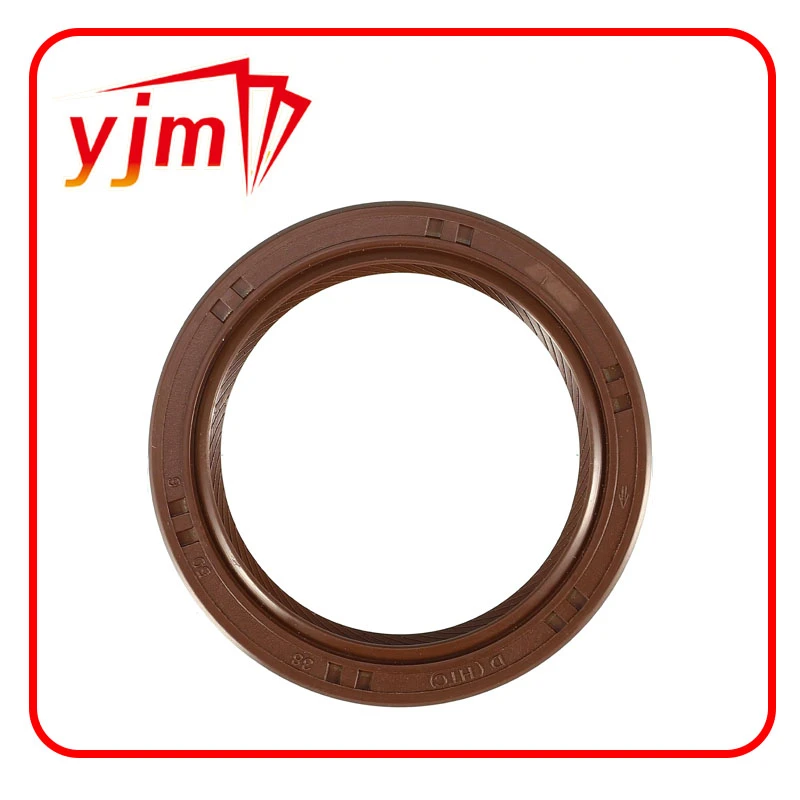
Engine Crankshaft Oil Seal No.9031138096
-
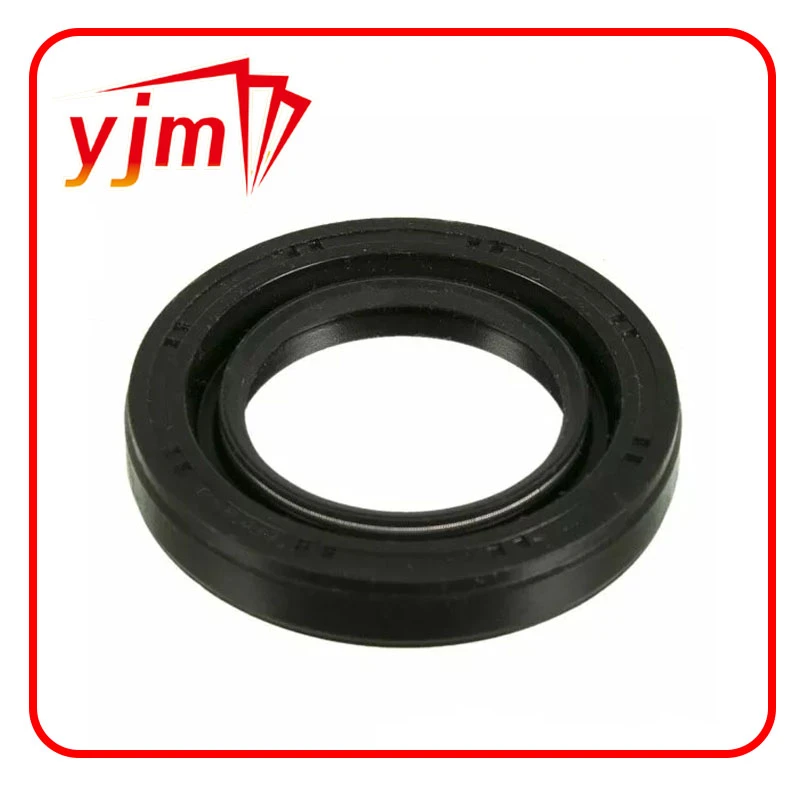
Toyota Transfer Case Output Shaft Seal Front 9031136006
-
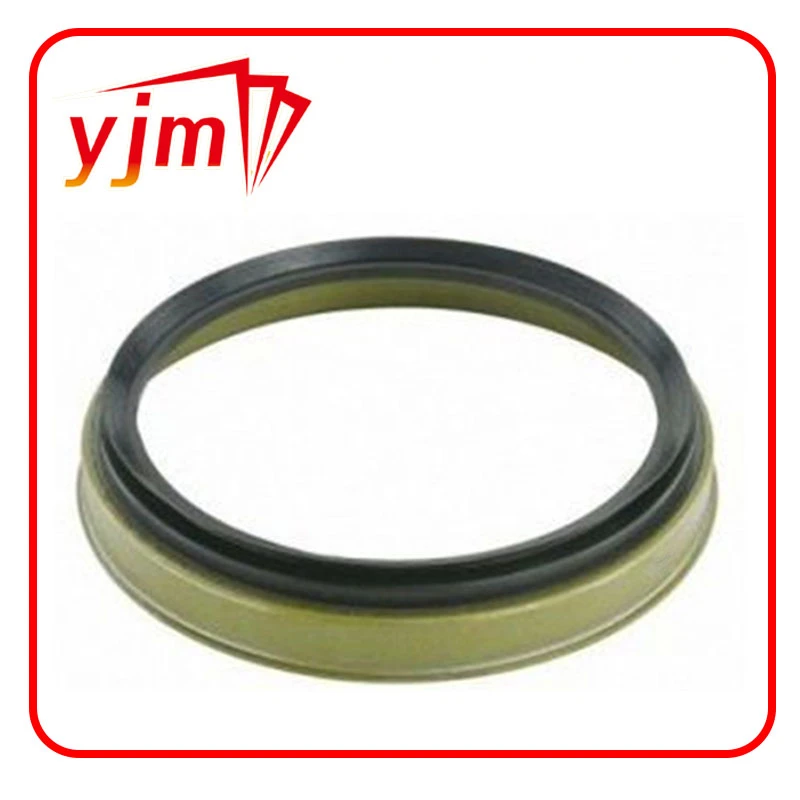
Seal, type v oil 9031287001 TOYOTA
-
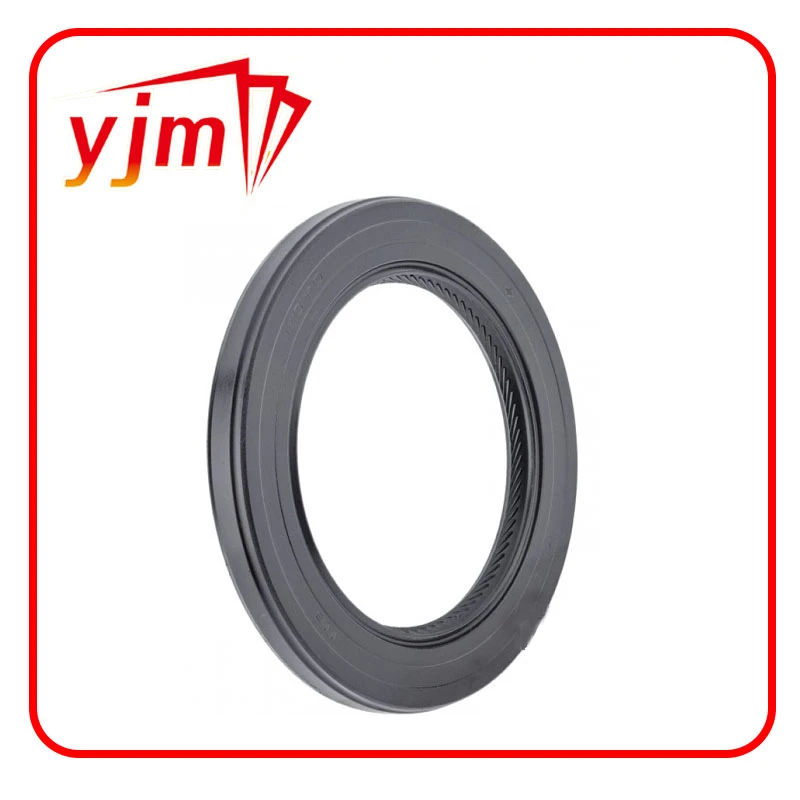
Oil pump seal 9031143010
-
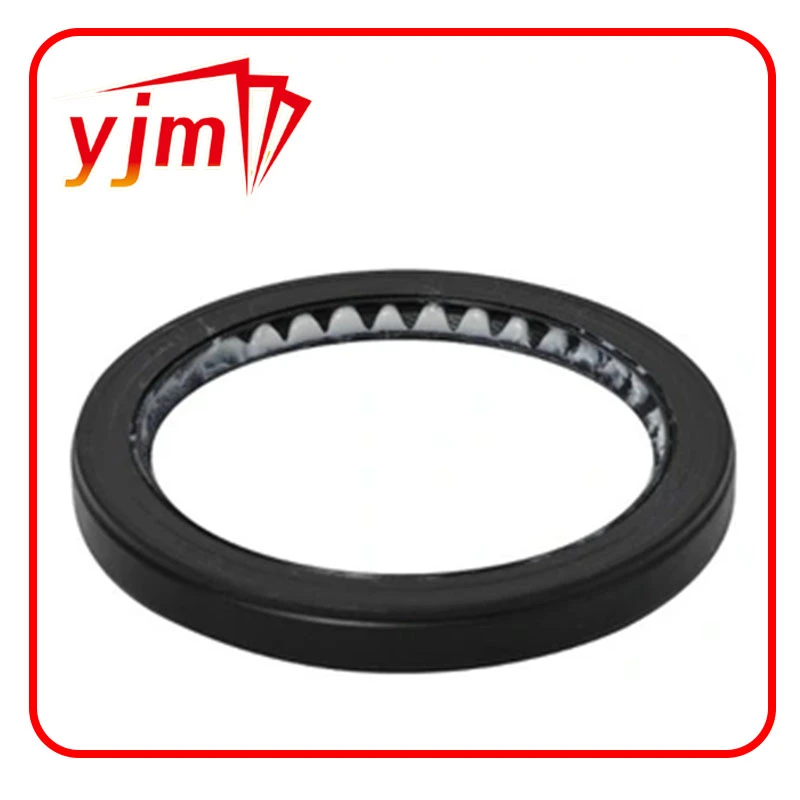
Genuine Toyota Oil SEAL 90311-54006
-
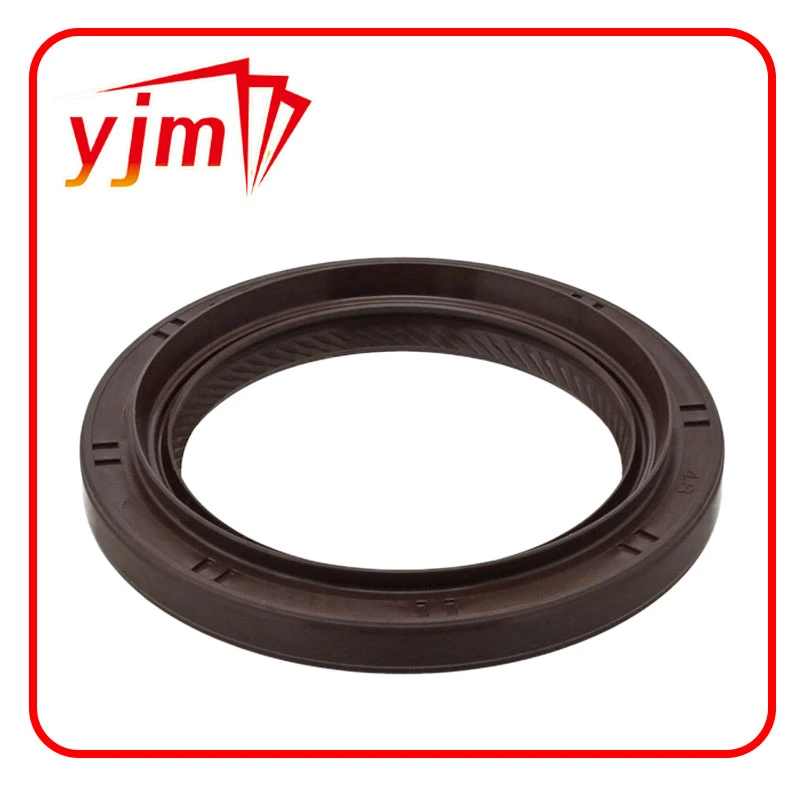
Toyota SEAL TYPE T OIL 90311-48031
-
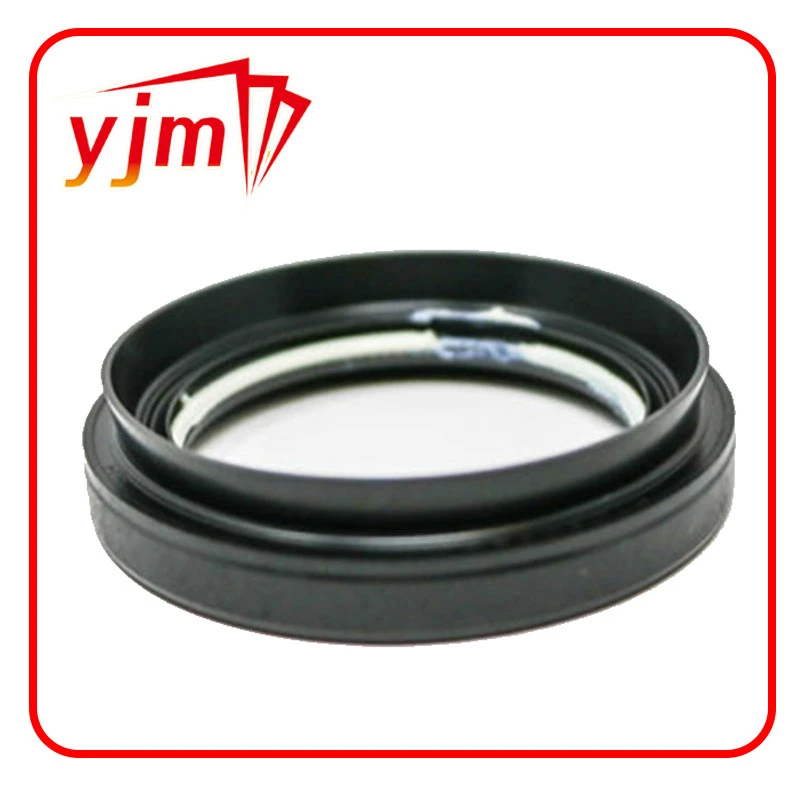
Type T Oil Seal, Front Drive Shaft, Left 9031150064
-
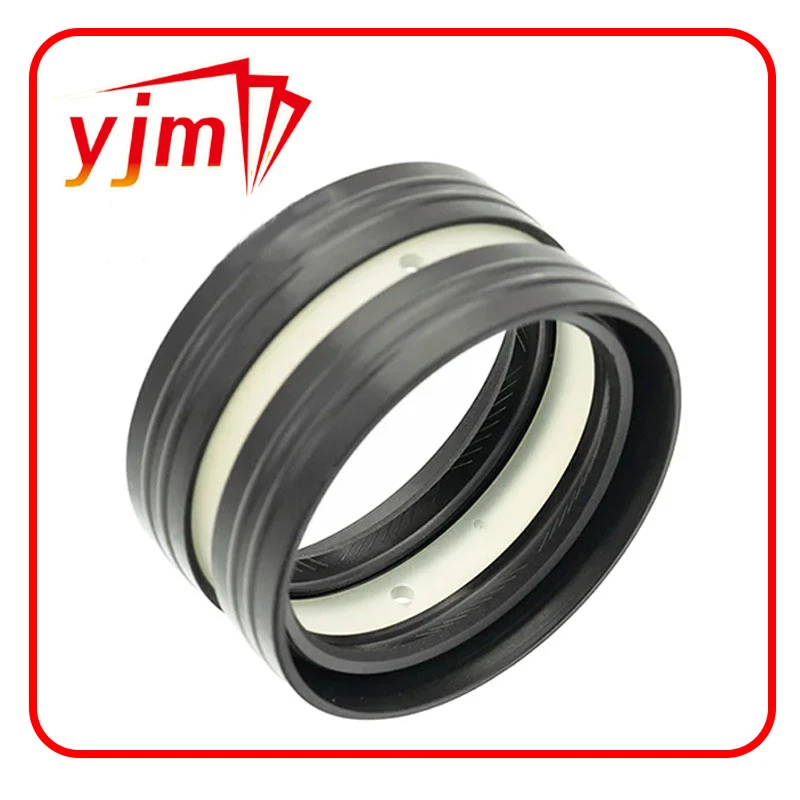
Seal, type d oil 9031634001 TOYOTA
 Afrikaans
 Albanian
 Amharic
 Arabic
 Armenian
 Azerbaijani
 Basque
 Belarusian
 Bengali
 Bosnian
 Bulgarian
 Catalan
 Cebuano
 Corsican
 Croatian
 Czech
Czech
 Danish
 Dutch
Dutch
 Esperanto
 Estonian
 Finnish
 French
 Frisian
 Galician
 Georgian
 German
 Greek
Greek
 Gujarati
 Haitian Creole
 Hausa
Hausa
 Hawaiian
 Hebrew
 Hindi
Hindi
 Miao
Miao
 Hungarian
 Icelandic
 Igbo
Igbo
 Indonesian
 Irish
Irish
 Italian
 Japanese
 Javanese
 Kannada
 Kazakh
 Khmer
Khmer
 Rwandese
 Korean
 Kurdish
 Kyrgyz
 Lao
Lao
 Latin
Latin
 Latvian
 Lithuanian
 Luxembourgish
 Macedonian
 Malgashi
 Malay
Malay
 Malayalam
 Maltese
 Maori
Maori
 Marathi
 Mongolian
 Myanmar
 Nepali
 Norwegian
 Norwegian
 Occitan
 Pashto
 Persian
 Polish
 Portuguese
 Punjabi
 Romanian
 Russian
 Samoan
 Scottish Gaelic
 Serbian
 Sesotho
 Shona
Shona
 Sindhi
 Sinhala
 Slovak
 Slovenian
 Somali
 Spanish
 Sundanese
 Swahili
 Swedish
 Tagalog
 Tajik
Tajik
 Tamil
Tamil
 Tatar
Tatar
 Telugu
 Thai
Thai
 Turkish
 Turkmen
 Ukrainian
 Urdu
Urdu
 Uighur
 Uzbek
Uzbek
 Vietnamese
 Welsh
Welsh
 Bantu
Bantu
 Yiddish
 Yoruba
 Zulu
Zulu
 English