What Is a Front Oil Seal? Global Importance, Applications & Future Trends
What Is a Front Oil Seal and Why Does It Matter Globally?
When you hear the term front oil seal, you might picture a tiny rubber ring doing something quite unglamorous — preventing oil leaks. But oddly enough, these small components play a big role in machinery health around the world. Without them, engines and industrial equipment would quickly suffer damage from leaks and contamination, leading to costly repairs and environmental waste.
Globally, the demand for durable and efficient machinery puts a spotlight on front oil seals as essential components in automotive, manufacturing, and energy sectors. Understanding these seals means better machinery longevity, less downtime, and fewer environmental hazards — all crucial in our increasingly industrialized world.
Introduction: The Global Context of Front Oil Seals
According to the International Organization for Standardization (ISO), there are approximately 1.3 billion motor vehicles globally, each relying heavily on effective sealing solutions to function reliably. Furthermore, the global machinery market’s expected valuation of near $1 trillion by 2025 underscores how important tiny components like front oil seals are within massive industrial ecosystems.
The problem? Leaking seals can lead to oil spills, increased maintenance costs, and compromised machine safety. It’s a challenge that industries worldwide, from automotive factories in Germany to heavy machinery users in India, are tackling every day.
What Is a Front Oil Seal?
Simply put, a front oil seal is a mechanical gasket—usually made of rubber or elastomer—that fits at the front end of shafts in engines or gearboxes to keep lubricating oil from leaking out while keeping contaminants from entering. Think of it as a gatekeeper that maintains the necessary internal environment for moving parts to work smoothly.
This seal has found its place beyond just cars — in industrial machines, agricultural equipment, and even humanitarian tech that requires robust and reliable machinery to operate effectively.
Core Components and Key Factors of Front Oil Seals
Durability
The harsh operating conditions—high temperatures, pressure, and exposure to chemicals—demand that front oil seals are rugged and long-lasting. Materials like nitrile rubber or fluoroelastomers are often used for their resistance to wear and chemical attack.
Precision Fit
A seal that doesn’t fit right won’t do its job properly. Tolerances in front oil seals are incredibly tight to stop even microscopic leaks, enhancing machinery efficiency.
Temperature Resistance
Engines and machines often work under scorching or freezing conditions. The seal’s ability to maintain flexibility and sealing performance across these temperature extremes is key.
Cost Efficiency
While premium materials might up the price, investing in reliable seals saves money in the long run by preventing oil loss, reducing downtime, and avoiding more expensive repairs.
Quick Takeaway:
Front oil seals must be durable, precisely made, temperature resistant, and cost-effective — qualities that directly improve machine reliability and lifespan.
Global Applications & Use Cases
From the automotive hubs in Japan to the manufacturing districts of the U.S., front oil seals are everywhere. For example, heavy machinery used in mining operations in Australia depends on these seals to avoid oil leaks that could halt extraction. In remote industrial zones in Africa, where repair facilities are scarce, the reliability of seals can literally mean the difference between continuous production and expensive downtime.
Even in post-disaster relief efforts, equipment with good quality front oil seals is critical. Rebuilding operations often rely on generators and pumps, which must run reliably without frequent maintenance.
Advantages & Long-Term Value of Front Oil Seals
- Cost savings: Minimizes oil leakage and machine wear, lowering repair & replacement expenses.
- Environmental impact: Prevents oil spills, reducing pollution and helping sustainability goals.
- Safety and reliability: Ensures machinery runs smoothly, protecting workers and equipment.
- Innovation: New materials and designs improve performance and adaptability.
Product Specification Table: Typical Front Oil Seal
| Specification | Value | Notes |
|---|---|---|
| Material | Nitrile Rubber (NBR) | Standard oil resistance |
| Temperature Range | -40°C to 120°C | Suitable for engine environments |
| Shaft Diameter Range | 5 mm to 100 mm | Fits small to medium shafts |
| Max Pressure | 0.2 MPa | Common for automotive use |
| Lip Type | Single-lip | Standard sealing efficiency |
Vendor Comparison Table
| Vendor | Material Options | Price Range (USD) | Customization | Global Shipping |
|---|---|---|---|---|
| SealPro Inc. | NBR, FKM, Silicone | $2 - $8 per unit | OEM Design Available | Yes |
| GlobalSeal Co. | NBR, EPDM | $1.50 - $6 | Limited Custom Options | Yes |
| EcoSeal Ltd. | Biodegradable Rubber Blend | $3 - $10 | Custom Formulations | Limited |
Future Trends & Innovations in Front Oil Seals
Frankly, it feels like front oil seals haven’t gotten as much spotlight as they deserve. The future points to advanced materials—like bio-based elastomers—that reduce environmental impact, as well as precision manufacturing powered by AI and 3D printing. This means seals that last longer, adapt to more extreme conditions, and fit perfectly every time.
Green energy technologies, such as wind turbines and electric vehicles, also demand specialized sealing solutions. For instance, front oil seals in EV transmissions aren’t about oil retention alone but also focusing on thermal management and zero leakage.
Challenges & Expert Solutions
The biggest challenge? Balancing cost and quality. Cheaper seals can mean compromised durability, but premium products increase upfront costs. Many engineers say the trick lies in smart specification: selecting the right seal design and material for the exact application avoids overpaying or risking failure.
Another hurdle: aging and material degradation in harsh environments. Solutions include improved elastomer blends and proactive maintenance schedules aided by digital sensors tracking seal performance.
FAQ: Frequently Asked Questions About Front Oil Seals
- What causes a front oil seal to fail?
- Common causes include wear from friction, improper installation, exposure to unsuitable chemicals, or extreme temperatures. Regular inspections help detect early signs of failure.
- Can a front oil seal be reused after removal?
- Generally, it's best practice to replace seals rather than reuse. Removing a seal can damage its lip or deform the material, compromising its function.
- How do I choose the right front oil seal for my machinery?
- Consider factors like shaft diameter, operating temperature, pressure levels, and the type of fluid it must contain. Consulting with specialized vendors ensures compatibility and longevity.
- Where can I buy reliable front oil seals?
- Vendors such as SealPro Inc. and GlobalSeal Co. offer a wide range of options with global shipping. You can also explore local suppliers for faster delivery but check for quality certifications.
Conclusion
In real terms, front oil seal technology might seem modest, but it’s a foundational element in the seamless operation of global machinery. Its impact ripples through industrial productivity, environmental protection, and safety. For anyone invested in machine reliability or sustainability, understanding and sourcing quality seals is a smart move.
Interested in learning more or getting premium front oil seals? Visit our website: https://www.yjmseal.com. Your machines—and the planet—will thank you.
References
- International Organization for Standardization (ISO)
- Wikipedia: Oil Seal
- World Bank: Industry Overview
Takeaway: Sometimes the smallest parts have the biggest impact.
-
Guide to Choosing the Right Washer for Oil Change and Sealing
News Apr.16,2026
-
Essential Guide to High Quality rubber washer oil drain plug
News Apr.09,2026
-
Understanding Rubber Crush Washers for Optimal Sealing Performance
News Apr.07,2026
-
Comprehensive Guide to Understanding and Reusing Crush Washer for Optimal Sealing
News Apr.04,2026
-
The Vital Role of a Drain Screw Gasket in Fluid System Integrity
News Mar.31,2026
-
The Essential Guide to Drain Crush Washer Selection and Plumbing Leak Prevention
News Mar.28,2026
-
The Vital Role of a Crush Washer in Oil Changes for Engine Protection
News Mar.26,2026
Products categories
-
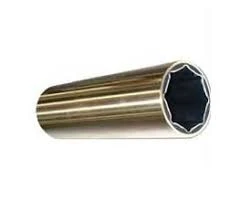
Brass cutlass marine bearing
-
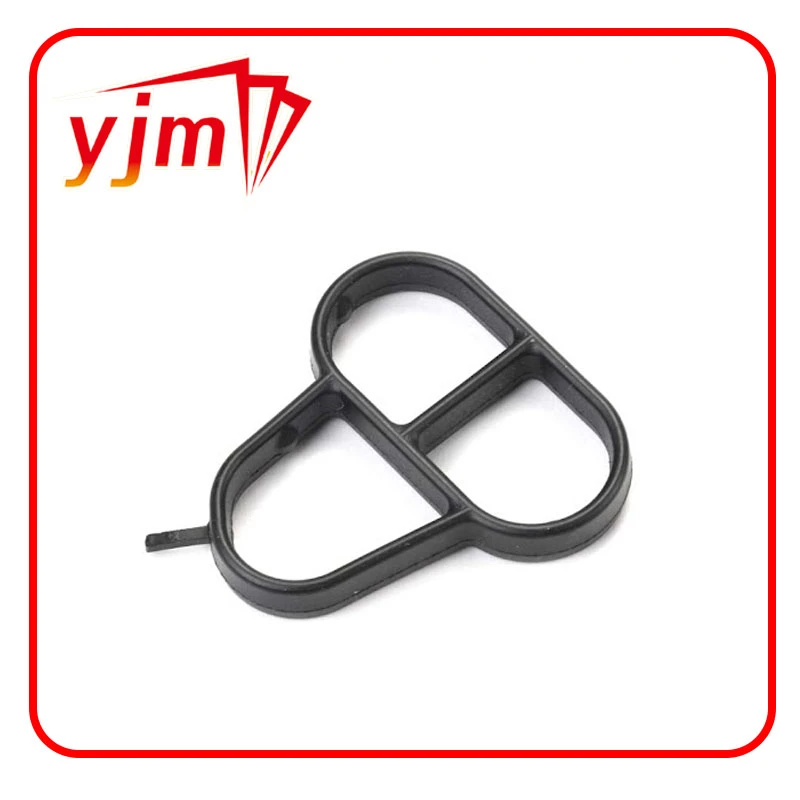
Genuine OEM Engine Oil Filter Housing Cover O-Ring For VW/Audi 06E115446
-
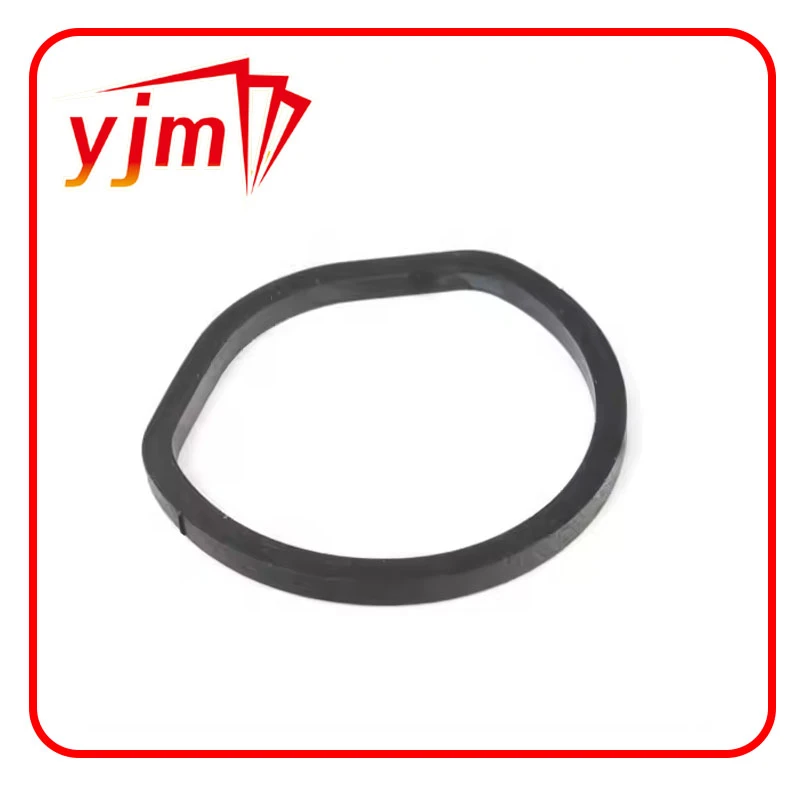
Oil Filter Stand Gasket,Oil filter cover seal
-
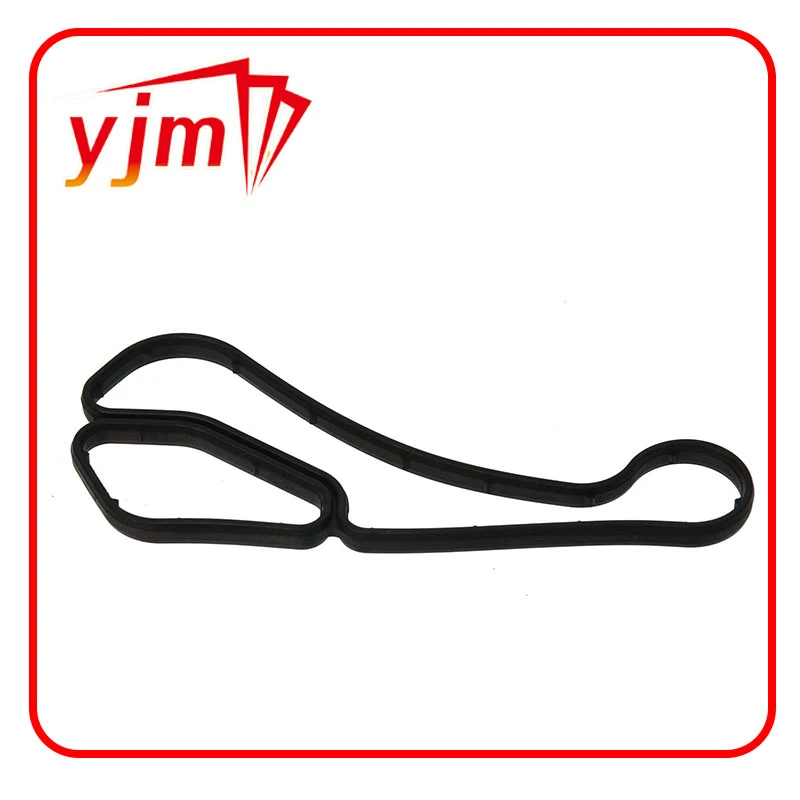
Oil Cooler Gasket, Oil Cooler to Oil Filter Housing 11427525335
-
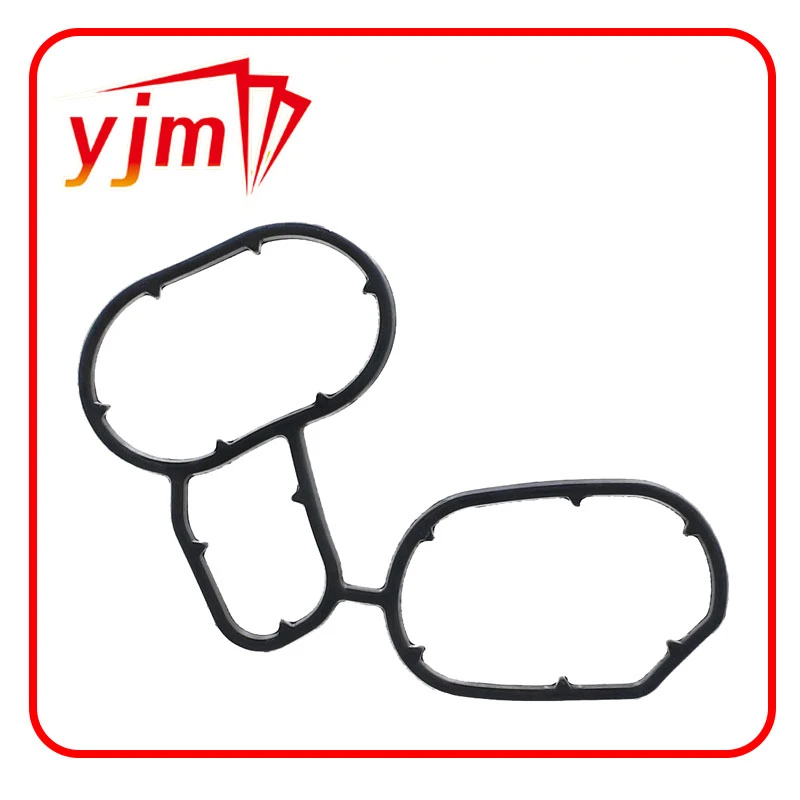
11427508970 BMW - OIL FILTER HOUSING GASKETS
-
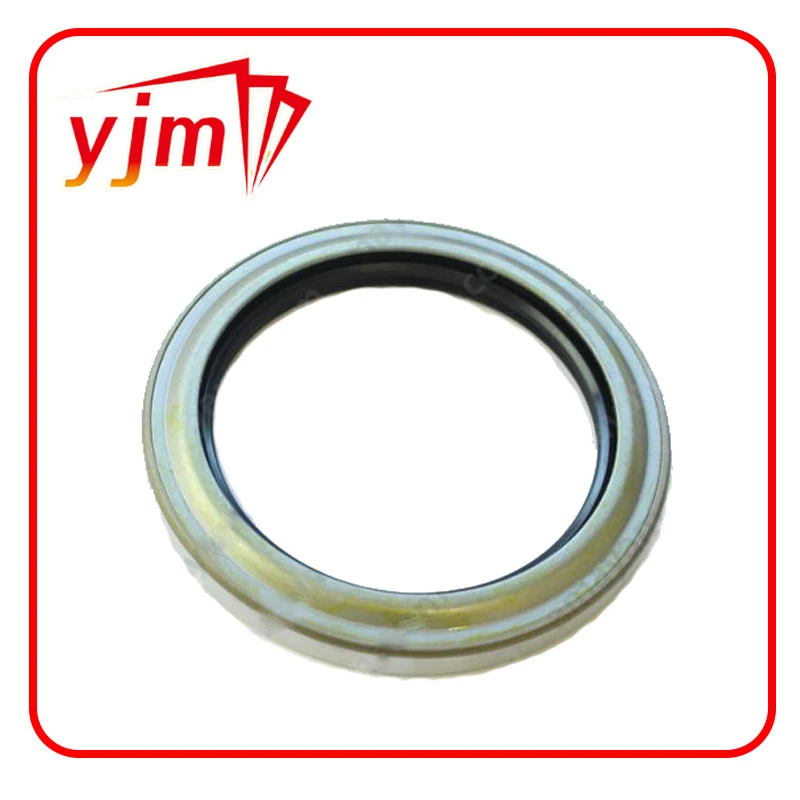
SEAL, OIL Genuine Toyota (9031170011)
-
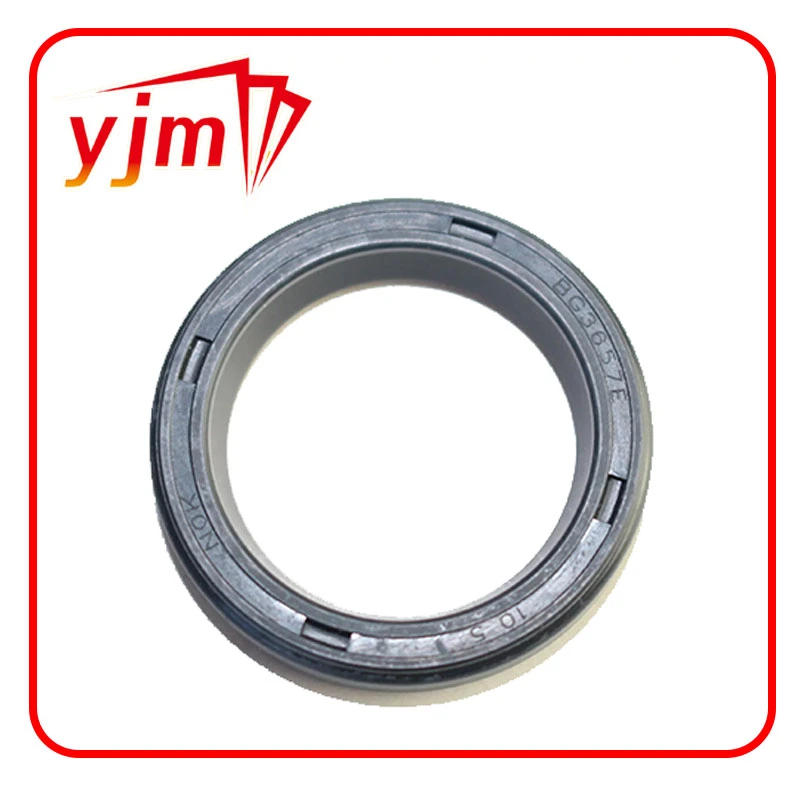
Transfer Case Output Shaft Seal Part 9031223001
-
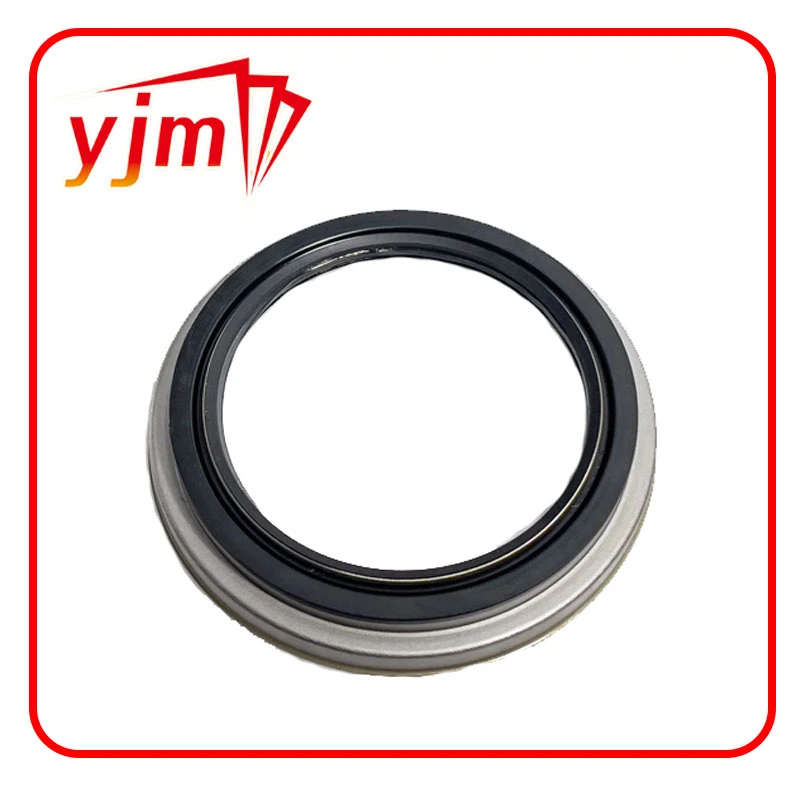
SEAL, OIL Genuine Toyota (9031672001)
-
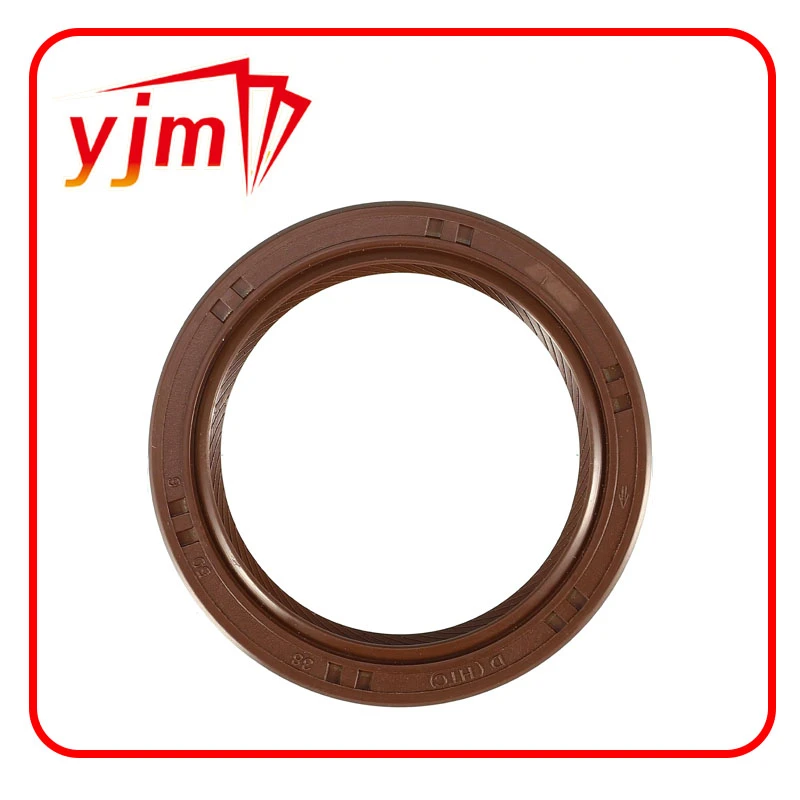
Engine Crankshaft Oil Seal No.9031138096
-
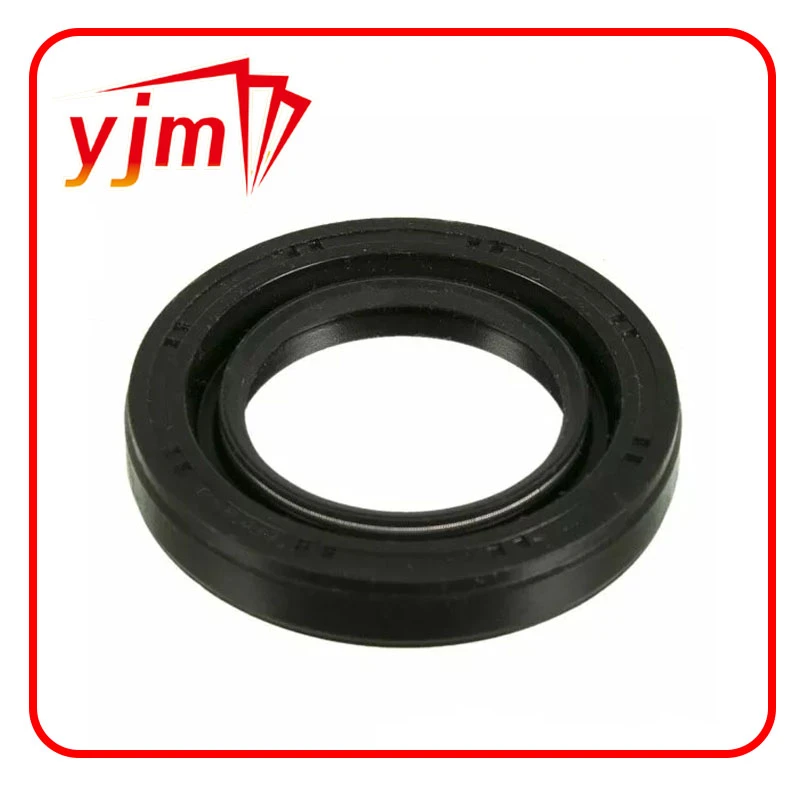
Toyota Transfer Case Output Shaft Seal Front 9031136006
-
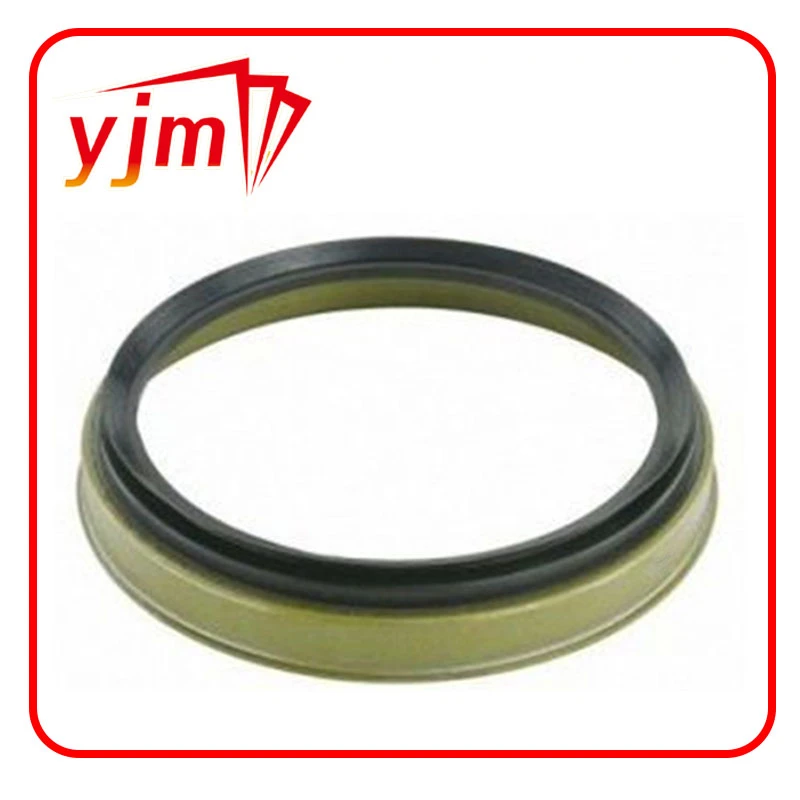
Seal, type v oil 9031287001 TOYOTA
-
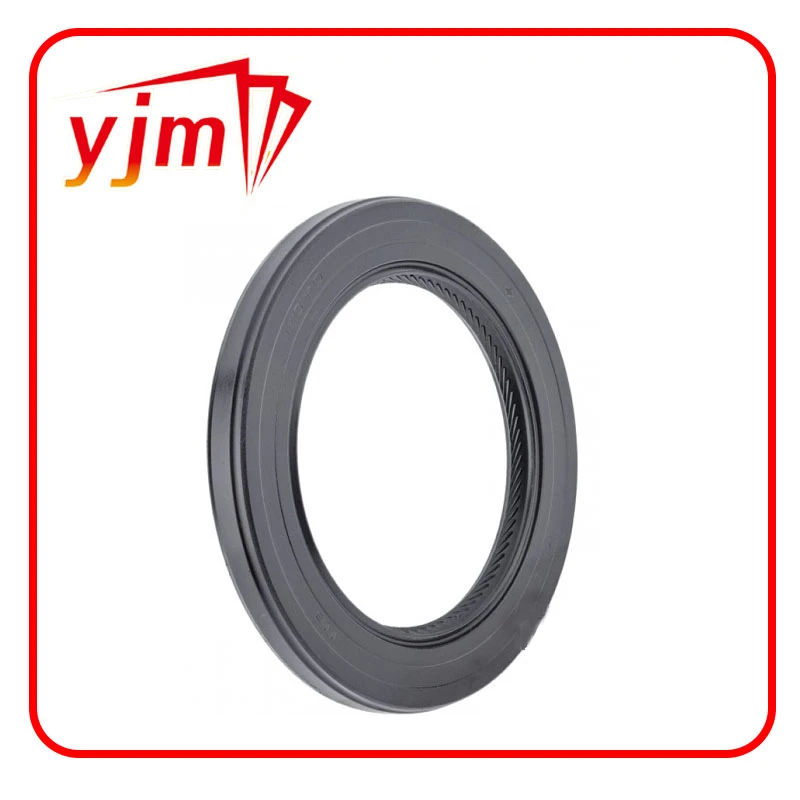
Oil pump seal 9031143010
-
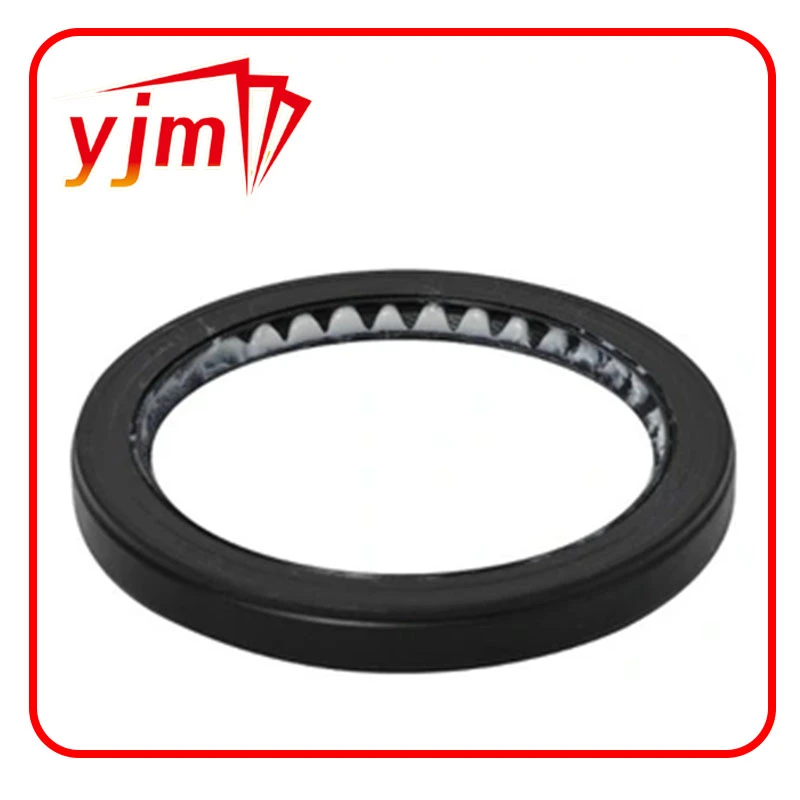
Genuine Toyota Oil SEAL 90311-54006
-
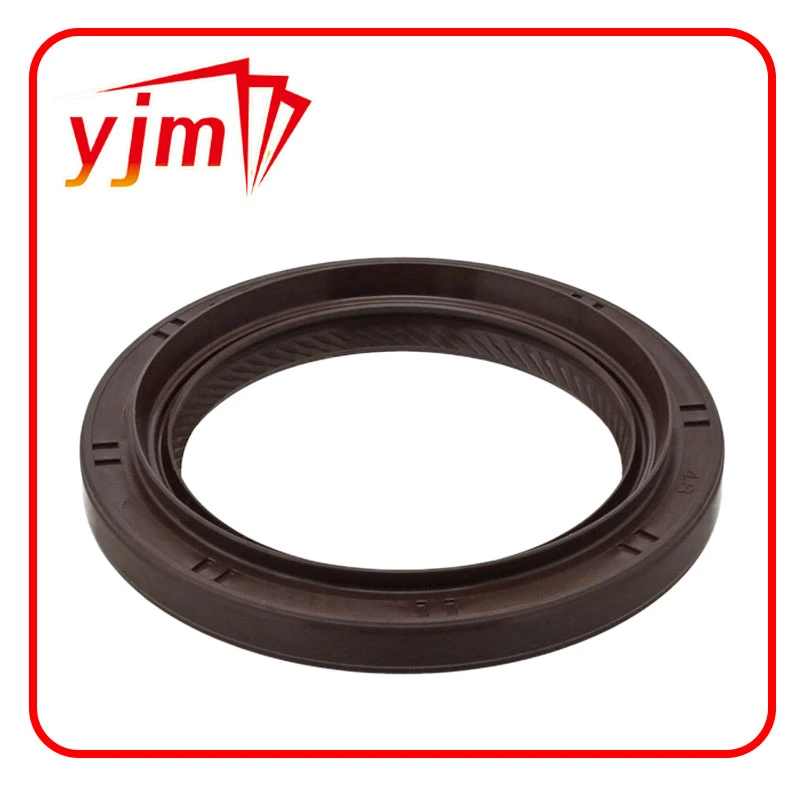
Toyota SEAL TYPE T OIL 90311-48031
-
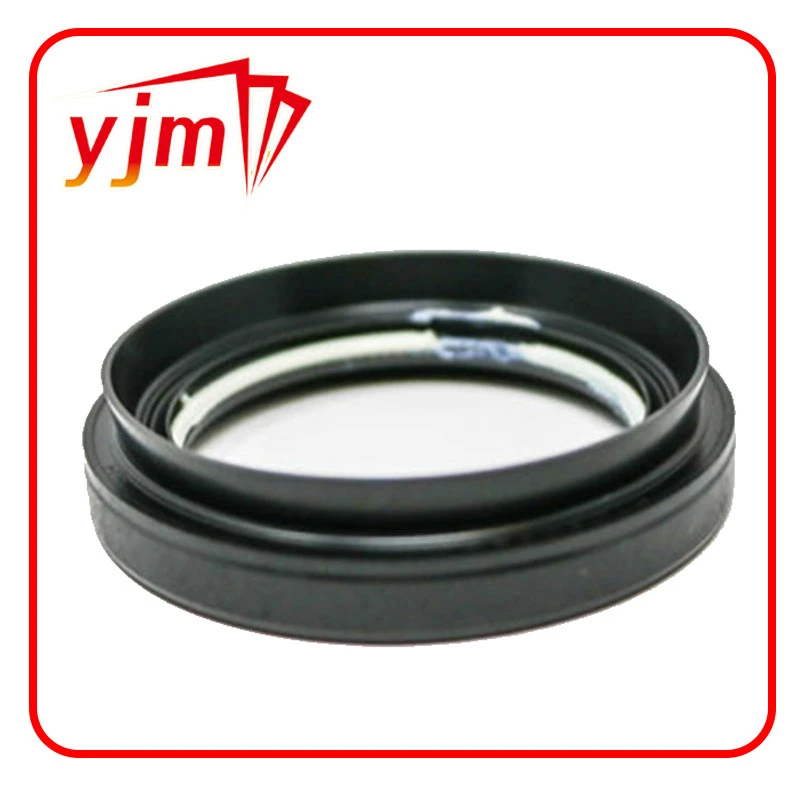
Type T Oil Seal, Front Drive Shaft, Left 9031150064
-
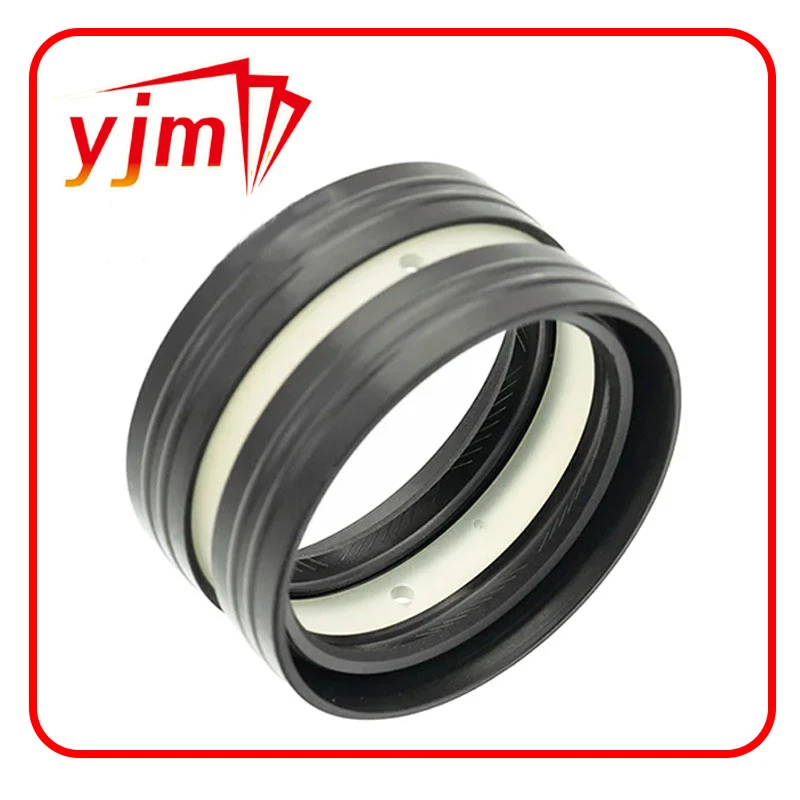
Seal, type d oil 9031634001 TOYOTA
 Afrikaans
 Albanian
 Amharic
 Arabic
 Armenian
 Azerbaijani
 Basque
 Belarusian
 Bengali
 Bosnian
 Bulgarian
 Catalan
 Cebuano
 Corsican
 Croatian
 Czech
Czech
 Danish
 Dutch
Dutch
 Esperanto
 Estonian
 Finnish
 French
 Frisian
 Galician
 Georgian
 German
 Greek
Greek
 Gujarati
 Haitian Creole
 Hausa
Hausa
 Hawaiian
 Hebrew
 Hindi
Hindi
 Miao
Miao
 Hungarian
 Icelandic
 Igbo
Igbo
 Indonesian
 Irish
Irish
 Italian
 Japanese
 Javanese
 Kannada
 Kazakh
 Khmer
Khmer
 Rwandese
 Korean
 Kurdish
 Kyrgyz
 Lao
Lao
 Latin
Latin
 Latvian
 Lithuanian
 Luxembourgish
 Macedonian
 Malgashi
 Malay
Malay
 Malayalam
 Maltese
 Maori
Maori
 Marathi
 Mongolian
 Myanmar
 Nepali
 Norwegian
 Norwegian
 Occitan
 Pashto
 Persian
 Polish
 Portuguese
 Punjabi
 Romanian
 Russian
 Samoan
 Scottish Gaelic
 Serbian
 Sesotho
 Shona
Shona
 Sindhi
 Sinhala
 Slovak
 Slovenian
 Somali
 Spanish
 Sundanese
 Swahili
 Swedish
 Tagalog
 Tajik
Tajik
 Tamil
Tamil
 Tatar
Tatar
 Telugu
 Thai
Thai
 Turkish
 Turkmen
 Ukrainian
 Urdu
Urdu
 Uighur
 Uzbek
Uzbek
 Vietnamese
 Welsh
Welsh
 Bantu
Bantu
 Yiddish
 Yoruba
 Zulu
Zulu
 English