The Vital Role of a Drain Screw Gasket in Fluid System Integrity
Understanding the Importance of a Drain Screw Gasket
Maintaining the integrity of any fluid-containing system relies heavily on the reliability of its sealing components. One often-overlooked, yet critical part is the drain screw gasket. This small component prevents leaks and ensures efficient operation across diverse applications, from automotive engines to industrial machinery. In this article, we will explore the function, materials, selection criteria, and importance of drain screw gaskets, providing a comprehensive guide for professionals and anyone seeking to optimize their sealing solutions. Proper gasket selection and installation are crucial for preventing costly downtime and maintaining system performance.

What is a Drain Screw Gasket?
A drain screw gasket is a sealing component installed between a drain screw and the surface it seals against. Its primary function is to create a leak-proof barrier, preventing the escape of fluids such as oil, coolant, or other liquids. These gaskets are typically small, often circular or square, and made from various materials chosen for their compatibility with the fluid being sealed and the operating conditions. The correct installation of a drain screw gasket is essential to prevent leaks and maintain system efficiency. Without it, even a small amount of fluid loss can lead to significant problems over time.
Key Functions: Prevent fluid leakage, maintain system pressure, protect against corrosion, and ensure optimal performance.
Materials Used in Drain Screw Gaskets
Drain screw gaskets are manufactured from a variety of materials, each offering different properties suited to specific applications. Common materials include: Rubber (Nitrile, EPDM, Silicone), Cork, Fiber, PTFE (Teflon), and Metal. Nitrile rubber is widely used for oil applications due to its excellent resistance to petroleum-based fluids. Silicone gaskets excel in high-temperature environments, while PTFE provides exceptional chemical resistance. The selection of the appropriate material is crucial for ensuring long-term reliability and preventing gasket failure. YJM Seal offers a wide range of materials to meet diverse requirements.
Material Selection Considerations:
• Fluid compatibility
• Temperature range
• Pressure requirements
• Chemical exposure
Drain Screw Gasket: Material Comparison
Choosing the right material for your drain screw gasket is vital for preventing leaks and ensuring long-term reliability. Below is a comparison of common materials:
Applications of Drain Screw Gaskets
Drain screw gaskets are essential in a wide range of applications. These include automotive oil pans, engine blocks, transmissions, hydraulic systems, pumps, and various industrial machinery. Ensuring a tight seal is critical to prevent fluid loss and maintain the operational integrity of these systems. The diverse applications demand gaskets of varying materials and sizes, making it essential to choose the correct component for each specific need. YJM Seal provides customized solutions to meet the unique requirements of diverse industries.

Ensuring Proper Installation & Longevity
Correct installation is as important as selecting the right gasket material. Ensure the sealing surfaces are clean and free from debris. Apply a thin layer of compatible sealant if recommended by the manufacturer. Tighten the drain screw to the specified torque to avoid over-compression or under-tightening. Regular inspection and replacement of drain screw gaskets as part of preventative maintenance can prevent unexpected failures and costly repairs. Following these guidelines will maximize the lifespan and performance of your sealing system. Contact YJM Seal for expert advice on installation and product selection.
Conclusion: Choosing the Right Drain Screw Gasket
Selecting the right drain screw gasket is critical for maintaining the integrity and efficiency of various fluid systems. By understanding the different materials, applications, and installation procedures, you can ensure long-term reliability and prevent costly downtime. Don’t compromise on quality – choose YJM Seal for premium sealing solutions.
Frequently Asked Questions (FAQs)
What is the best material for a drain screw gasket in an engine?
For engine applications, Nitrile rubber is generally the best choice due to its excellent resistance to oil and other engine fluids. Silicone rubber is also a good option, particularly for high-temperature areas. Consider the specific oil type and operating temperature when making your selection. Using a high-quality gasket material, like those offered by YJM Seal, is crucial for preventing leaks.
How often should drain screw gaskets be replaced?
Drain screw gaskets should be replaced every time the drain screw is removed, such as during an oil change. Even if the gasket appears to be in good condition, it may have compressed or degraded over time. Reusing a gasket can lead to leaks and potential damage to the system. Preventative replacement ensures a reliable seal and avoids future problems.
Can I use sealant with a drain screw gasket?
In some cases, a thin layer of compatible sealant can be used in addition to the drain screw gasket, particularly if the sealing surfaces are not perfectly smooth. However, it's important to use a sealant specifically designed for the fluid being sealed and follow the manufacturer's instructions. Overusing sealant can actually hinder the gasket's performance. Consult with YJM Seal for guidance on sealant selection.
What causes drain screw gasket failure?
Common causes of drain screw gasket failure include improper installation, over-tightening, chemical incompatibility, and age. Over-tightening can compress the gasket beyond its limits, while chemical incompatibility can cause it to degrade. Regular inspection and replacement, along with proper installation techniques, can significantly reduce the risk of failure.
-
Guide to Choosing the Right Washer for Oil Change and Sealing
News Apr.16,2026
-
Essential Guide to High Quality rubber washer oil drain plug
News Apr.09,2026
-
Understanding Rubber Crush Washers for Optimal Sealing Performance
News Apr.07,2026
-
Comprehensive Guide to Understanding and Reusing Crush Washer for Optimal Sealing
News Apr.04,2026
-
The Essential Guide to Drain Crush Washer Selection and Plumbing Leak Prevention
News Mar.28,2026
-
The Vital Role of a Crush Washer in Oil Changes for Engine Protection
News Mar.26,2026
-
The Critical Role of an 18mm Drain Plug Washer in Maintaining System Integrity
News Mar.24,2026
Products categories
-
Brass cutlass marine bearing
-
Genuine OEM Engine Oil Filter Housing Cover O-Ring For VW/Audi 06E115446
-
Oil Filter Stand Gasket,Oil filter cover seal
-
Oil Cooler Gasket, Oil Cooler to Oil Filter Housing 11427525335
-
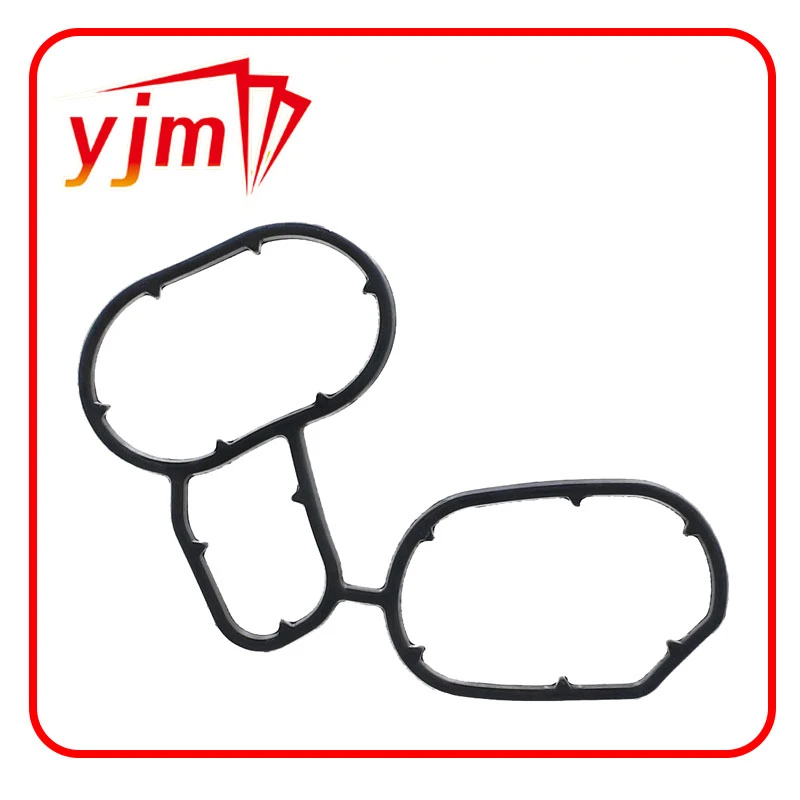
11427508970 BMW - OIL FILTER HOUSING GASKETS
-
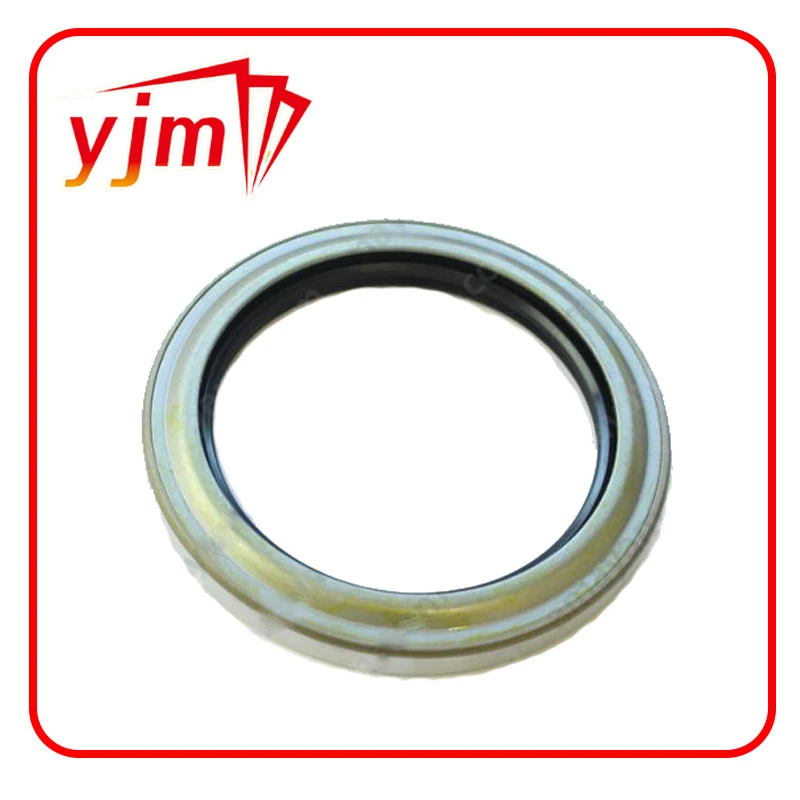
SEAL, OIL Genuine Toyota (9031170011)
-
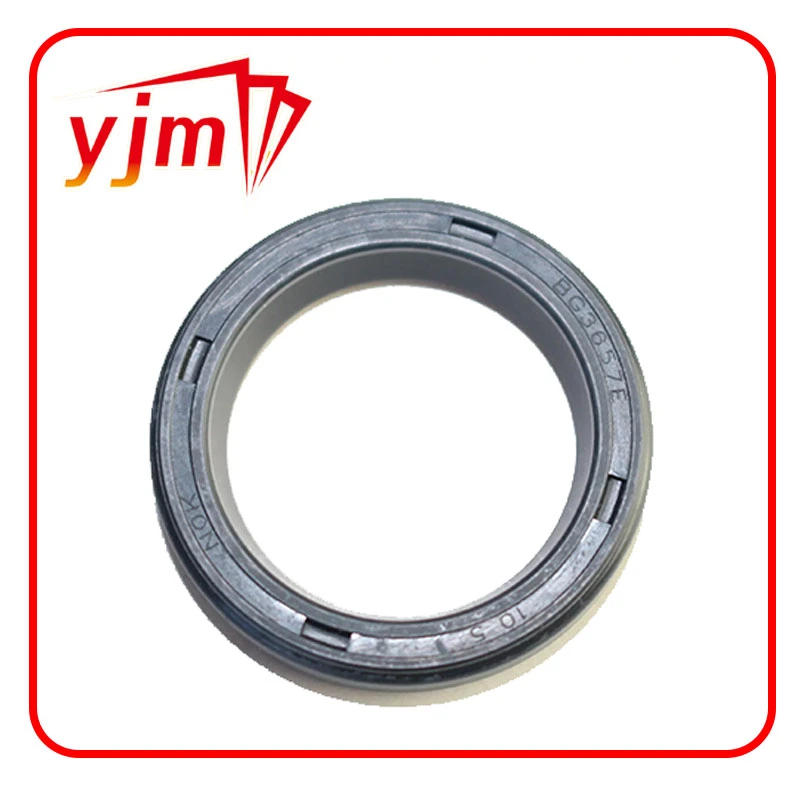
Transfer Case Output Shaft Seal Part 9031223001
-
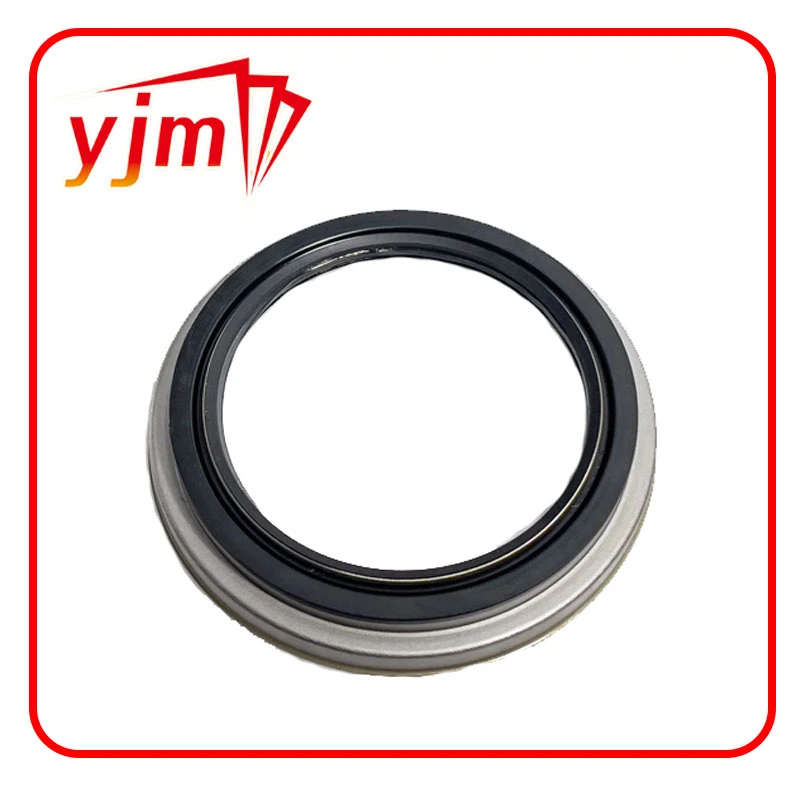
SEAL, OIL Genuine Toyota (9031672001)
-
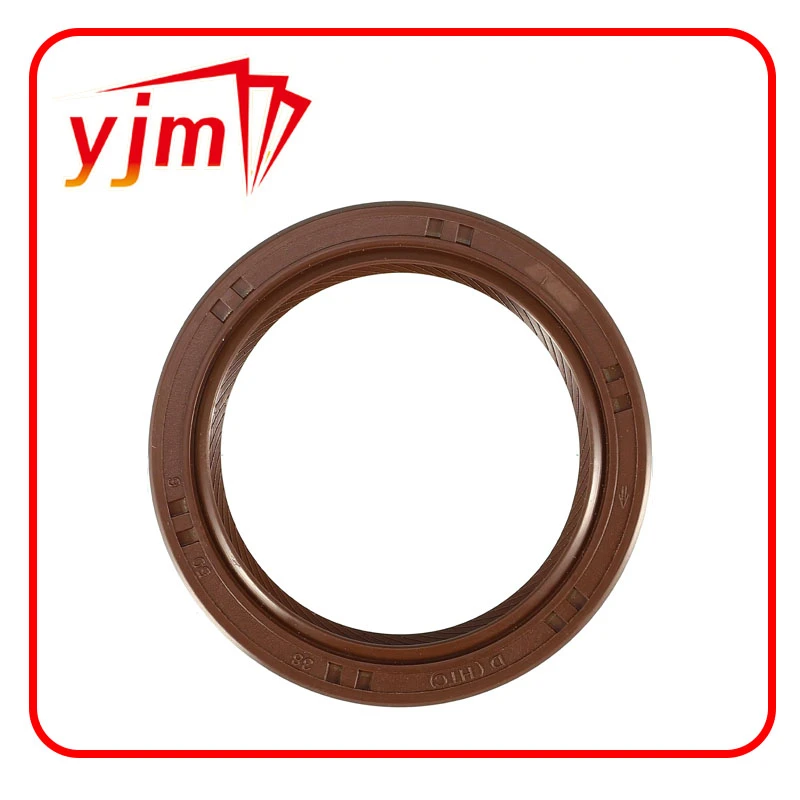
Engine Crankshaft Oil Seal No.9031138096
-
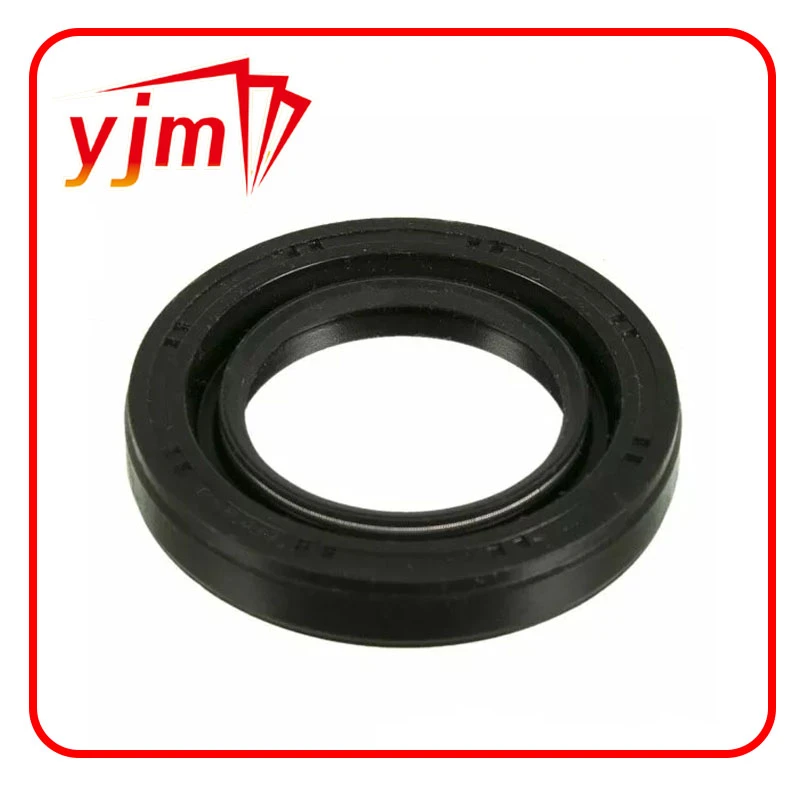
Toyota Transfer Case Output Shaft Seal Front 9031136006
-
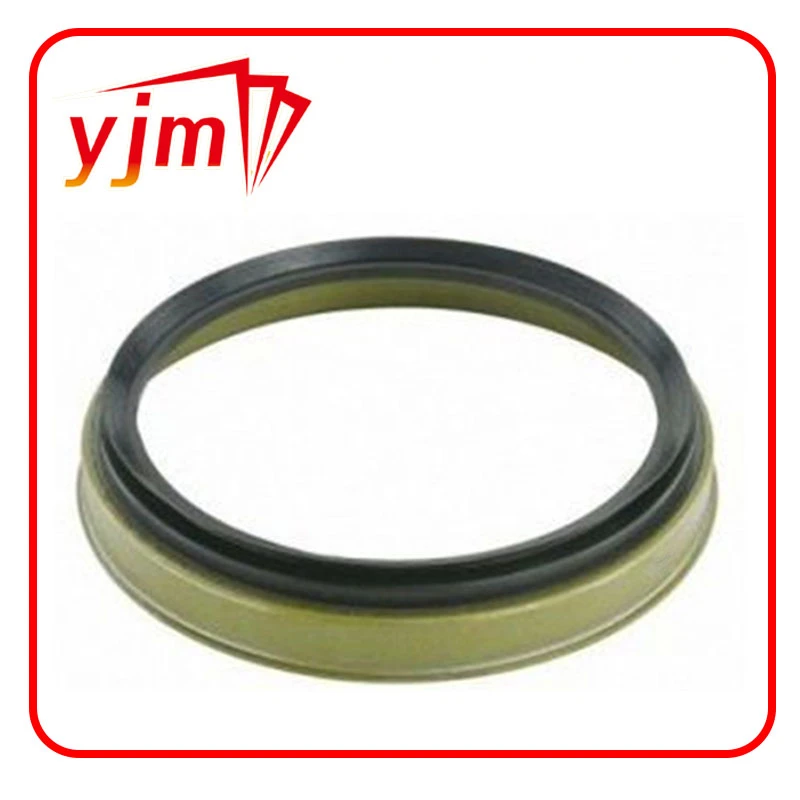
Seal, type v oil 9031287001 TOYOTA
-
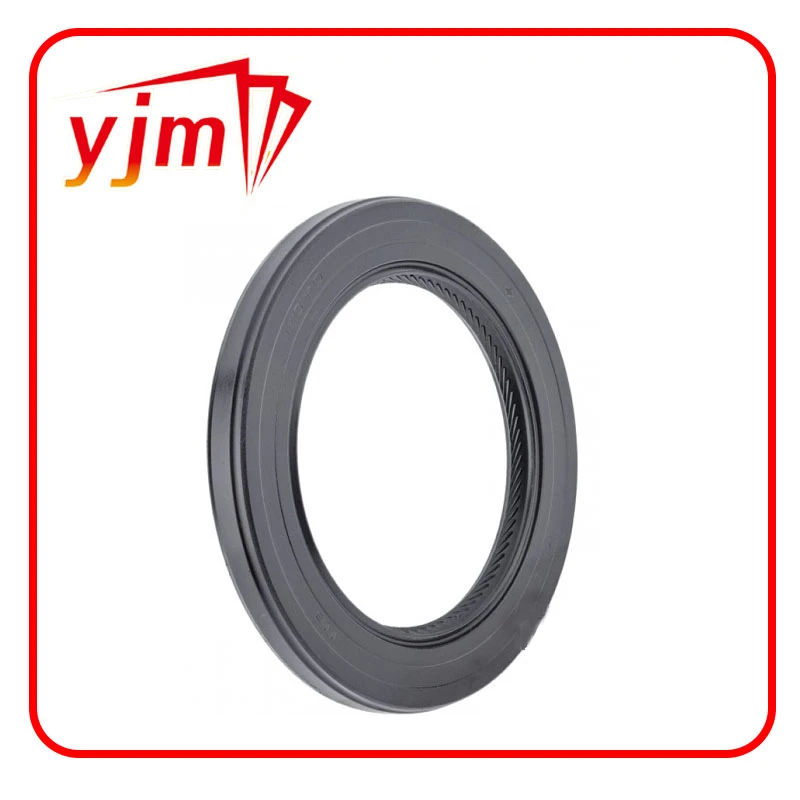
Oil pump seal 9031143010
-
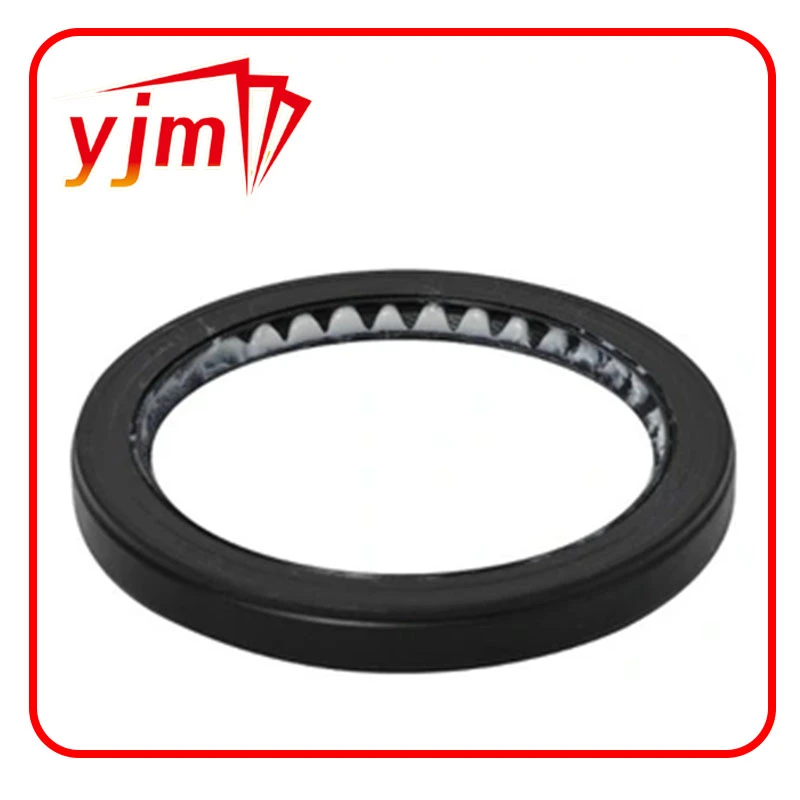
Genuine Toyota Oil SEAL 90311-54006
-
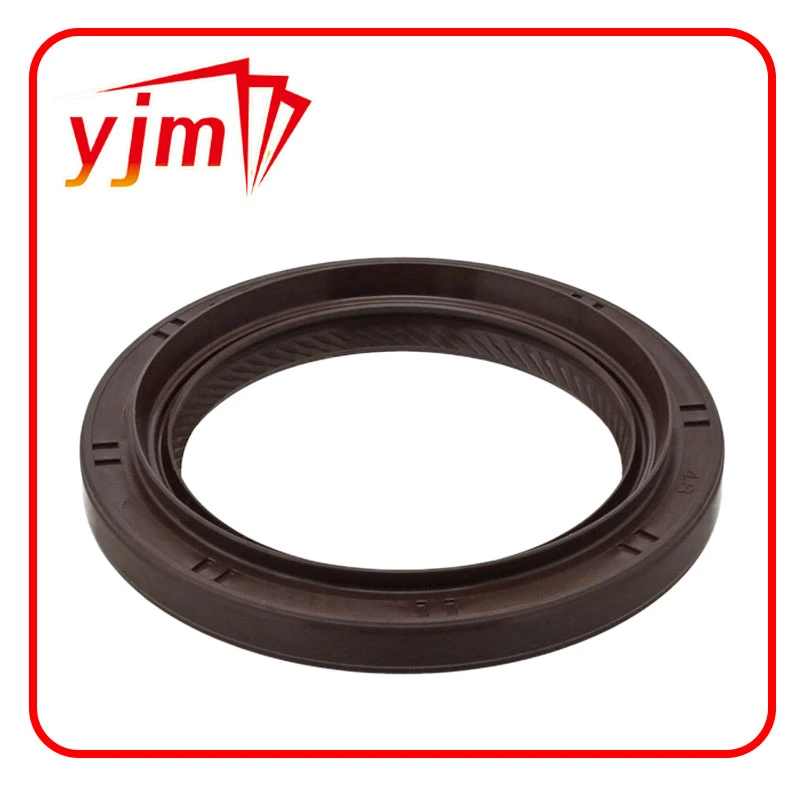
Toyota SEAL TYPE T OIL 90311-48031
-
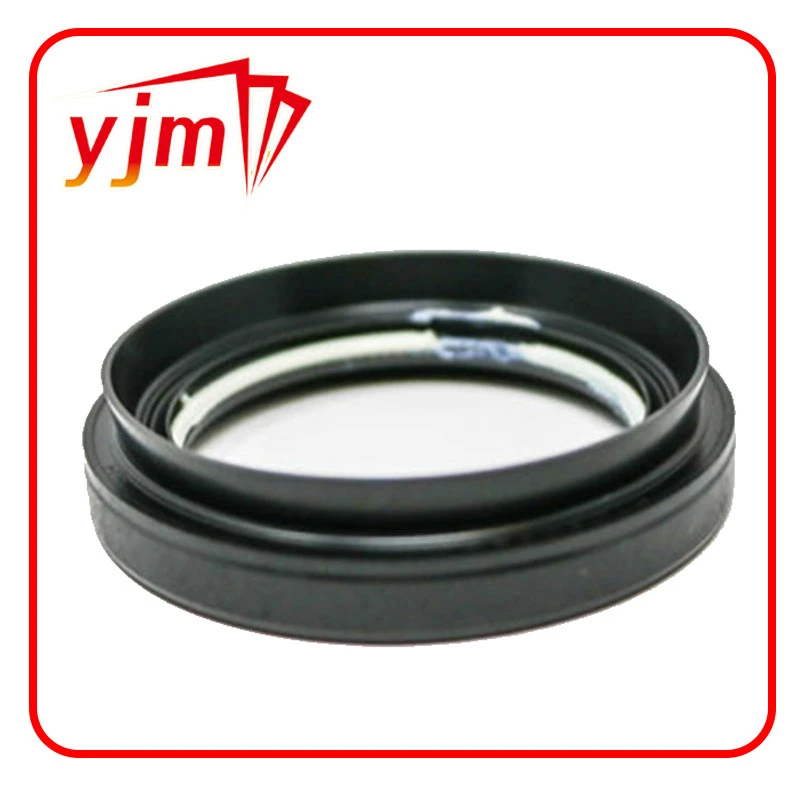
Type T Oil Seal, Front Drive Shaft, Left 9031150064
-
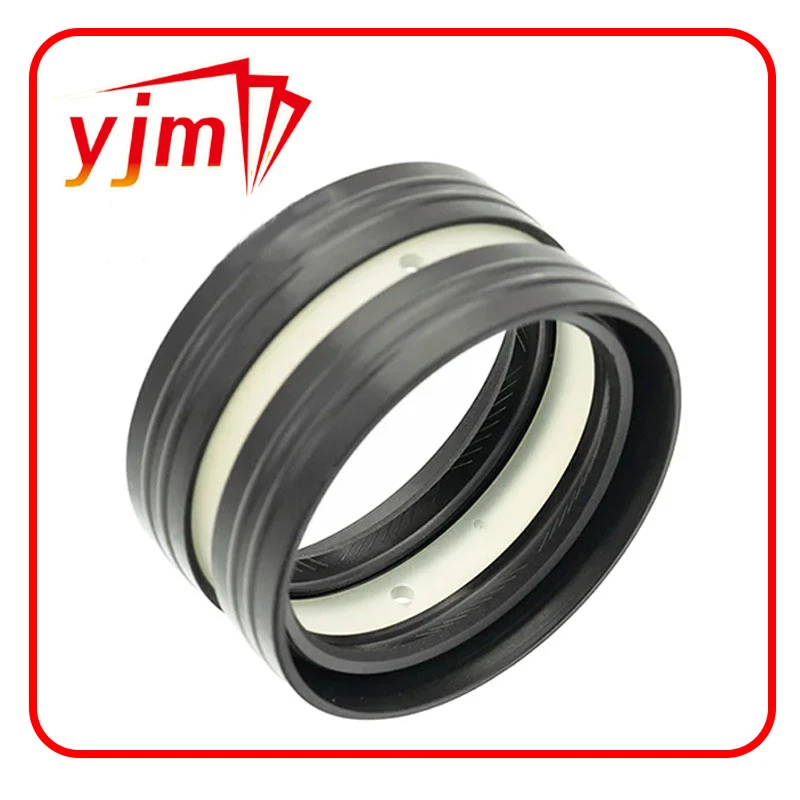
Seal, type d oil 9031634001 TOYOTA
 Afrikaans
 Albanian
 Amharic
 Arabic
 Armenian
 Azerbaijani
 Basque
 Belarusian
 Bengali
 Bosnian
 Bulgarian
 Catalan
 Cebuano
 Corsican
 Croatian
 Czech
Czech
 Danish
 Dutch
Dutch
 Esperanto
 Estonian
 Finnish
 French
 Frisian
 Galician
 Georgian
 German
 Greek
Greek
 Gujarati
 Haitian Creole
 Hausa
Hausa
 Hawaiian
 Hebrew
 Hindi
Hindi
 Miao
Miao
 Hungarian
 Icelandic
 Igbo
Igbo
 Indonesian
 Irish
Irish
 Italian
 Japanese
 Javanese
 Kannada
 Kazakh
 Khmer
Khmer
 Rwandese
 Korean
 Kurdish
 Kyrgyz
 Lao
Lao
 Latin
Latin
 Latvian
 Lithuanian
 Luxembourgish
 Macedonian
 Malgashi
 Malay
Malay
 Malayalam
 Maltese
 Maori
Maori
 Marathi
 Mongolian
 Myanmar
 Nepali
 Norwegian
 Norwegian
 Occitan
 Pashto
 Persian
 Polish
 Portuguese
 Punjabi
 Romanian
 Russian
 Samoan
 Scottish Gaelic
 Serbian
 Sesotho
 Shona
Shona
 Sindhi
 Sinhala
 Slovak
 Slovenian
 Somali
 Spanish
 Sundanese
 Swahili
 Swedish
 Tagalog
 Tajik
Tajik
 Tamil
Tamil
 Tatar
Tatar
 Telugu
 Thai
Thai
 Turkish
 Turkmen
 Ukrainian
 Urdu
Urdu
 Uighur
 Uzbek
Uzbek
 Vietnamese
 Welsh
Welsh
 Bantu
Bantu
 Yiddish
 Yoruba
 Zulu
Zulu
 English