Essential Guide to Automobile Oil Seals – Durability, Innovation & Global Impact
Understanding the Automobile Oil Seal: Why It Matters Worldwide
Imagine a seemingly small yet incredibly vital part nestled deep within your vehicle — the automobile oil seal. Often overlooked, this component literally keeps the engine and transmission lubricated, preventing leaks that could cause catastrophic damage. Globally, its role is crucial not only for everyday driving but in industrial vehicles, transport fleets, and even humanitarian efforts relying on vehicles in disaster zones. Knowing about automobile oil seals isn’t just for mechanics or engineers; it helps us appreciate the subtle technologies that underpin modern mobility and sustainability.
Global Context: The Ubiquity and Importance of Automobile Oil Seals
Worldwide, there are over 1.4 billion motor vehicles on the road, according to the International Organization of Motor Vehicle Manufacturers (OICA). Each of these vehicles depends on the reliable sealing of oil to maintain efficient operation. Without durable seals, oil leakage would lead to increased emissions, engine failures, and higher maintenance costs.
In emerging markets, where vehicle maintenance facilities might be sparse, a robust oil seal can extend a vehicle's service life significantly. According to ISO standards on automotive components, innovation in oil seal materials and design directly impacts sustainability goals and reduces hazardous waste from engine overhauls.
However, leaks remain a widespread challenge. Oil spills not only compromise vehicle function but also pose environmental risks, from soil contamination to water pollution—issues that global agencies like the UN Environment Programme aim to mitigate through better automotive component standards.
Mini takeaway:
- Automobile oil seals are a small part with a massive global impact.
- They directly affect vehicle durability, safety, and environmental outcomes.
What Is an Automobile Oil Seal?
Simply put, an automobile oil seal is a specialized gasket or ring that fits around shafts or openings to keep lubricating oil contained while keeping dirt and contaminants out. Think of it as a gatekeeper that ensures oil stays exactly where the engine or transmission needs it.
In the broader scheme, these seals contribute to efficient vehicle operation — minimizing friction, reducing wear and tear, and preventing breakdowns. Their significance extends beyond passenger cars to trucks, agricultural machinery, and even aviation vehicles, where they support humanitarian transport missions delivering critical aid.
Core Features That Define a Good Automobile Oil Seal
Durability
Seals face extreme conditions: high heat, pressure, and constant movement. A quality automobile oil seal resists these without degrading, often lasting tens of thousands of miles under normal use.
Material Composition
Modern seals often use nitrile rubber (NBR), fluorocarbon (FKM), or silicone to strike a balance between flexibility and resistance to oil and heat.
Design Precision
A tight fit and exact geometry ensure no leaks. Engineers carefully calculate lip designs (single or double) and spring tension to optimize sealing under various loads.
Cost Efficiency
While cheap seals may lure buyers with low prices, durable ones reduce downtime and repair costs, ultimately saving money.
Environmental Compatibility
Increasingly, manufacturers are exploring bio-based and recyclable materials to lower environmental footprints without sacrificing performance.
Easy Installation
Seals must be user-friendly to encourage correct installation, thereby avoiding damage during assembly or maintenance.
Mini takeaway:
- Durability, materials, and design precision are critical.
- Cost and eco-friendliness increasingly shape new products.
Practical Uses: Where and How Automobile Oil Seals Make a Difference
Automobile oil seals show up in every vehicle part involving rotary shafts — crankshafts, camshafts, gearboxes, and axles. In heavy-duty trucks transporting goods across continents, these seals keep lubricants where they belong despite harsh vibrations and temperature swings.
In post-disaster relief zones, reliable vehicles with high-quality seals enable NGOs to deliver aid through rough terrains without unexpected breakdowns. Similarly, remote mining operations in places like Australia and Canada depend on durable seals to keep machinery running smoothly, reducing costly interruptions.
Automakers in Europe and Japan have integrated seals designed to meet strict emissions and durability tests, building trust among consumers seeking long-term reliability.
Mini takeaway:
- Automobile oil seals enable reliable, efficient vehicle operation worldwide.
- They are critical in challenging environments such as disaster zones and mining sites.
Specification Table: A Snapshot of Typical Automobile Oil Seal Features
| Specification | Typical Value | Comments |
|---|---|---|
| Material | NBR, FKM, Silicone | Varies by temperature and chemical resistance needed |
| Temperature Range | -40°C to 150°C | Depends on seal compound |
| Pressure Resistance | Up to 2 bar | Standard for automotive engines |
| Average Lifespan | 80,000-120,000 km | Depends on vehicle usage |
| Installation Type | Press-fit / Snap-in | Ease of serviceability |
Comparing Top Vendors of Automobile Oil Seals
| Vendor | Material Quality | Durability (km) | Eco-friendliness | Price Range |
|---|---|---|---|---|
| YJM Seal | Premium NBR & FKM | 100,000+ | High – uses recyclable materials | Mid |
| SKF | High-grade FKM | 120,000 | Medium | High |
| Freudenberg | Premium Silicone | 90,000 | High | Mid-High |
Long-Term Benefits of Using Quality Automobile Oil Seals
Opting for reliable seals affects more than just the engine. Cost savings accumulate over time by reducing oil leaks, avoiding costly repairs, and preventing environmental fines.
From a sustainability perspective, durable seals reduce waste and improve vehicle efficiency, aligning with growing global efforts toward better environmental responsibility.
Emotionally, drivers enjoy peace of mind. Knowing their vehicle is less likely to suffer from sudden oil loss feels like an invisible layer of trust and safety.
Looking Ahead: What’s Next for Automobile Oil Seals?
There’s promising progress on multiple fronts: new composite materials offering both strength and flexibility, smart sensors embedded in seals to pre-empt failures, and even bio-based rubber compounds that shrink the carbon footprint.
Automation and digital diagnostics are also seemingly converging, making it easier to track seal health without tearing vehicles apart.
Challenges on the Road and How the Industry Is Navigating Them
Despite advances, challenges remain: heat spikes beyond usual limits, chemical incompatibilities with new synthetic oils, and installation errors causing premature failures.
Sector experts advise thorough testing under real-world conditions and stress the importance of correct installation — sometimes overlooked by less-experienced mechanics.
Continuous R&D is vital to creating more universal seals that adapt to a widening range of vehicles and conditions.
FAQ: What People Often Ask About Automobile Oil Seals
- How often should automobile oil seals be replaced?
- Most manufacturers recommend checking seals every 60,000 km or during major service. However, harsh driving conditions may require earlier replacement to prevent leaks.
- Can a faulty oil seal cause engine damage?
- Absolutely. A damaged seal can leak oil, leading to insufficient lubrication which results in overheating, increased wear, or catastrophic engine failure.
- Are all automobile oil seals compatible with synthetic oils?
- No. Some seals are designed specifically for mineral oils; using synthetic oils with incompatible seals can cause swelling or shrinkage, leading to leaks.
- Is installation of an oil seal a DIY job?
- While experienced individuals may succeed, proper tools and techniques are required. Incorrect installation can damage the seal or shaft, negating performance.
Wrapping It Up: The Small Part That Holds It All Together
The humble automobile oil seal may not be the flashiest car component, but it plays a huge part in keeping things running smoothly—literally. From global logistics to everyday commuters, from sustainability angles to safety considerations, its impact runs deep.
If you’re searching for premium quality, long-lasting seals that combine innovation with affordability, explore trusted options like those from YJM Seal. Reliable seals make road trips smoother and vehicle maintenance less stressful — a worthy investment for peace of mind.
Visit us at YJM Seal to discover how expert design and material science converge to protect your ride.
References
-
Guide to Choosing the Right Washer for Oil Change and Sealing
News Apr.16,2026
-
Essential Guide to High Quality rubber washer oil drain plug
News Apr.09,2026
-
Understanding Rubber Crush Washers for Optimal Sealing Performance
News Apr.07,2026
-
Comprehensive Guide to Understanding and Reusing Crush Washer for Optimal Sealing
News Apr.04,2026
-
The Vital Role of a Drain Screw Gasket in Fluid System Integrity
News Mar.31,2026
-
The Essential Guide to Drain Crush Washer Selection and Plumbing Leak Prevention
News Mar.28,2026
-
The Vital Role of a Crush Washer in Oil Changes for Engine Protection
News Mar.26,2026
Products categories
-
Brass cutlass marine bearing
-
Genuine OEM Engine Oil Filter Housing Cover O-Ring For VW/Audi 06E115446
-
Oil Filter Stand Gasket,Oil filter cover seal
-
Oil Cooler Gasket, Oil Cooler to Oil Filter Housing 11427525335
-
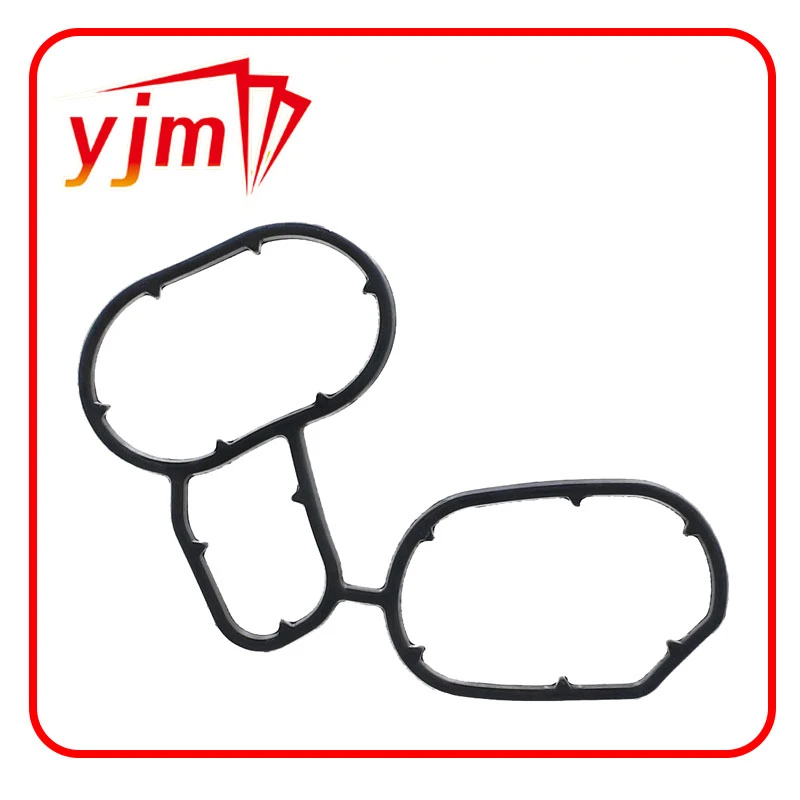
11427508970 BMW - OIL FILTER HOUSING GASKETS
-
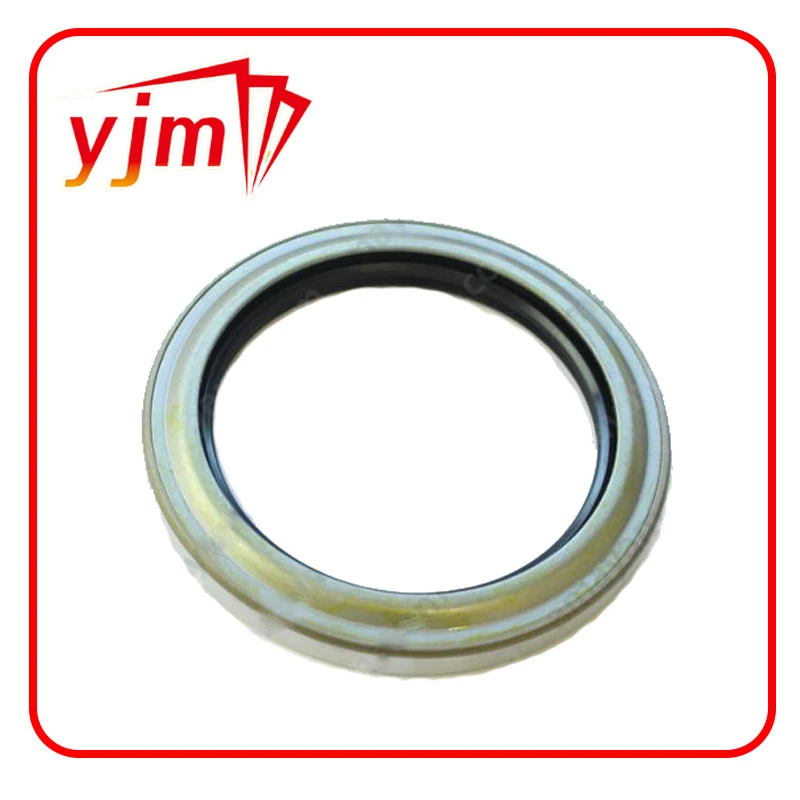
SEAL, OIL Genuine Toyota (9031170011)
-
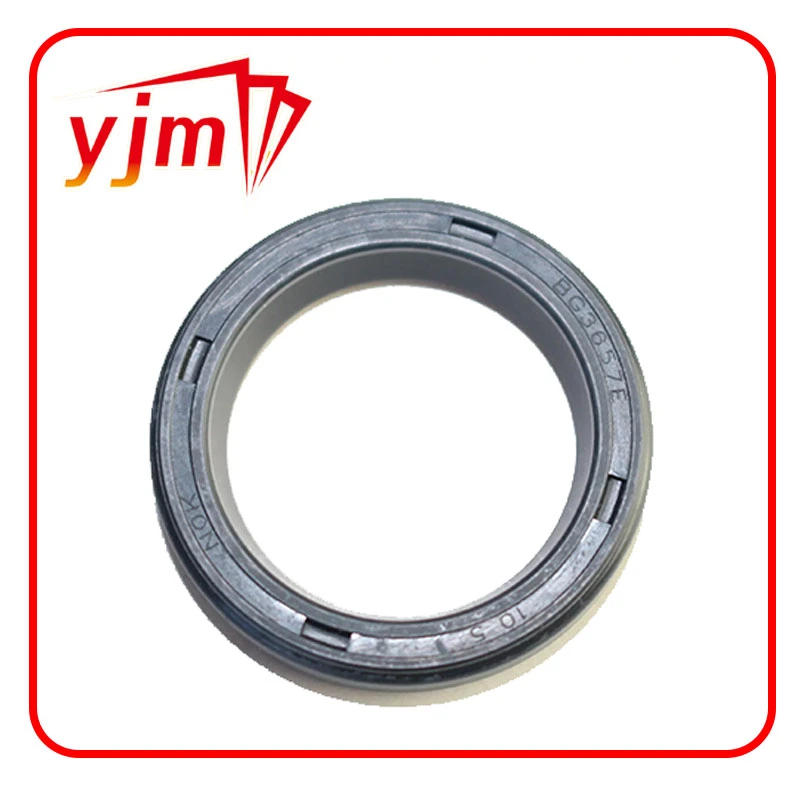
Transfer Case Output Shaft Seal Part 9031223001
-
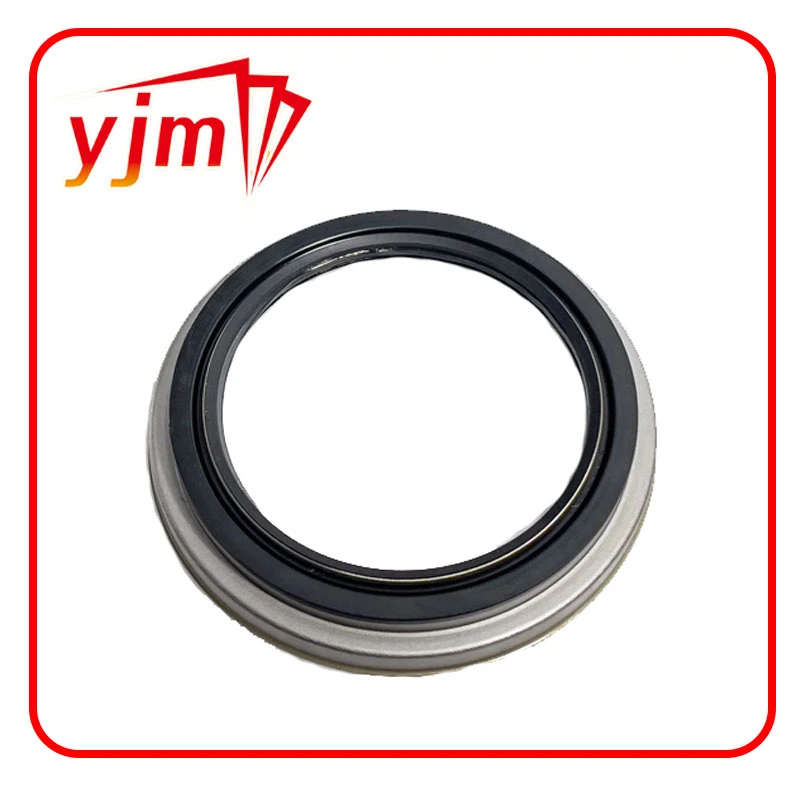
SEAL, OIL Genuine Toyota (9031672001)
-
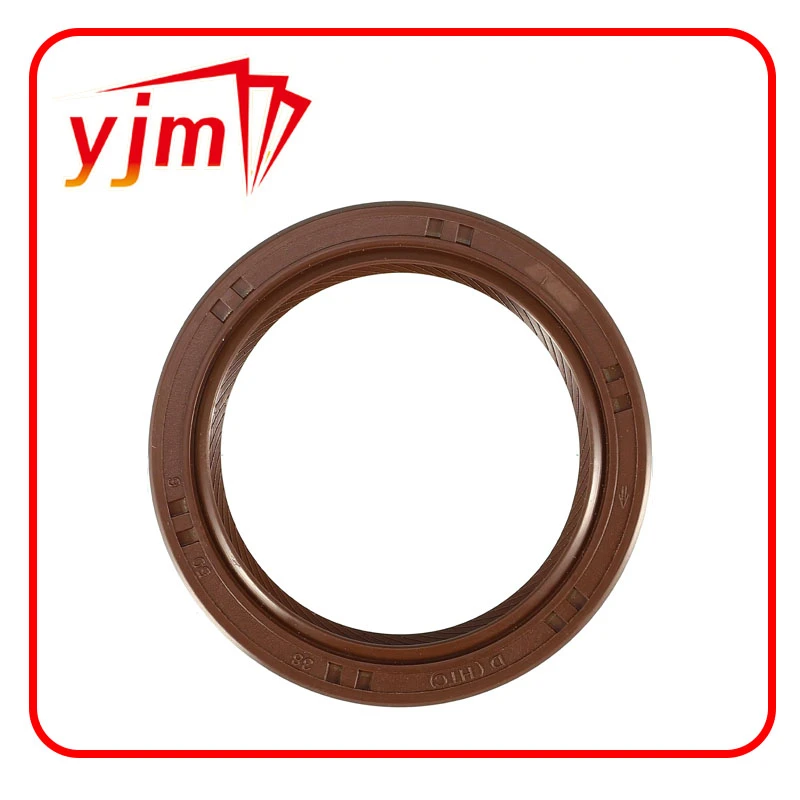
Engine Crankshaft Oil Seal No.9031138096
-
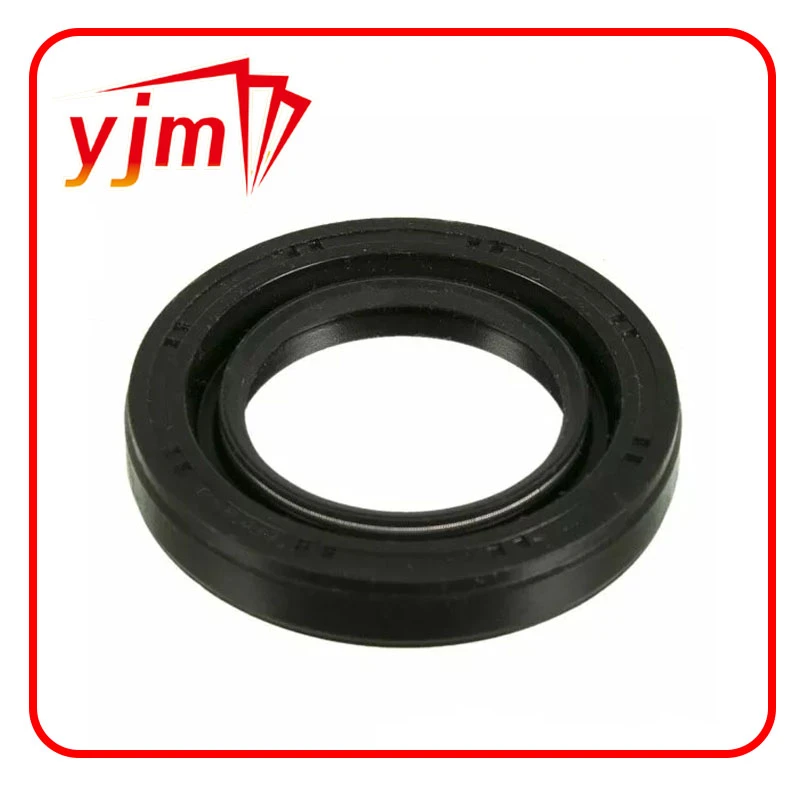
Toyota Transfer Case Output Shaft Seal Front 9031136006
-
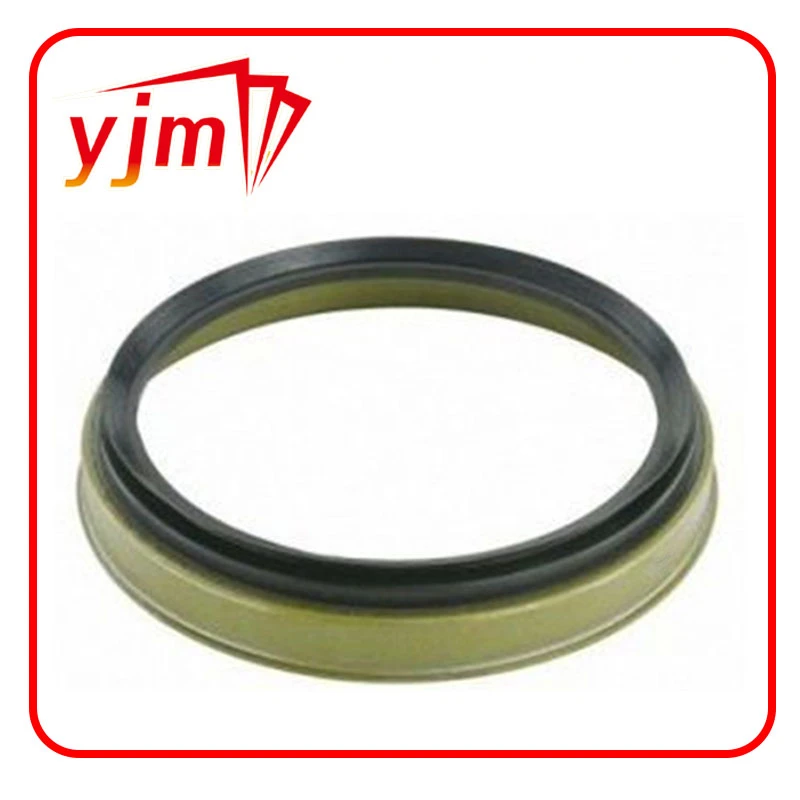
Seal, type v oil 9031287001 TOYOTA
-
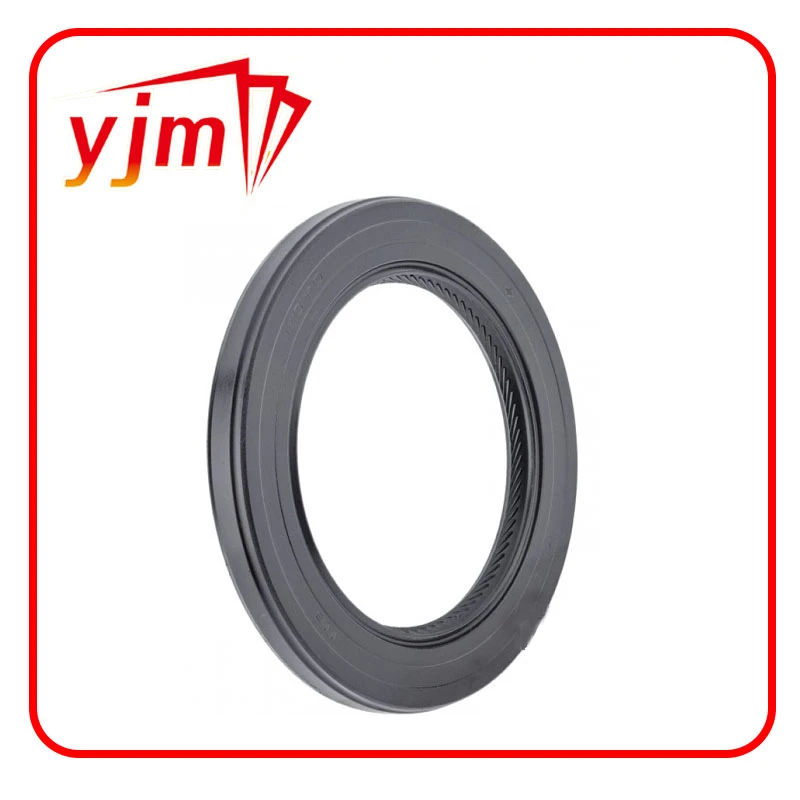
Oil pump seal 9031143010
-
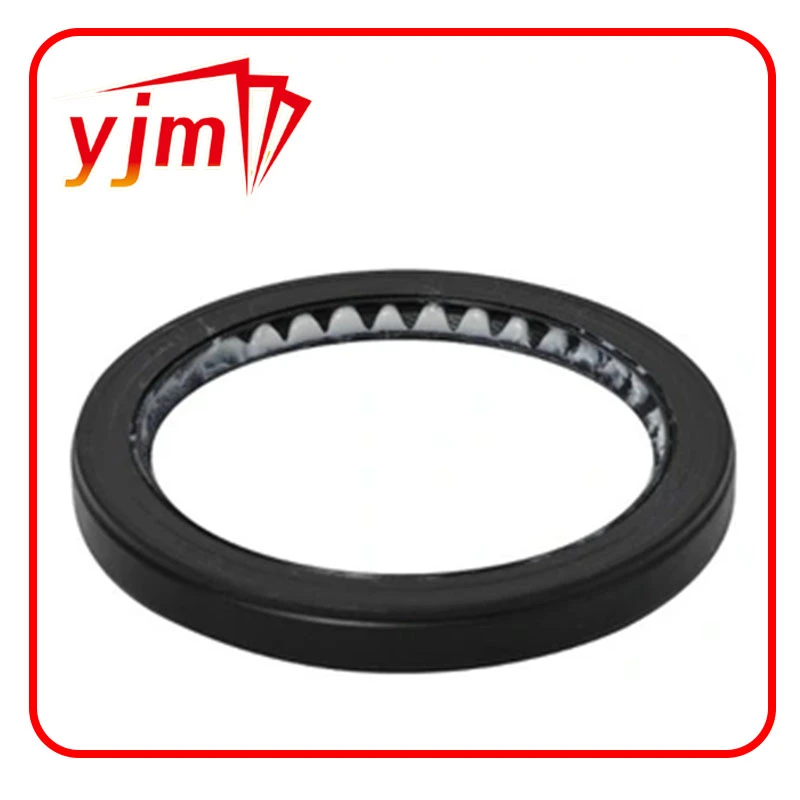
Genuine Toyota Oil SEAL 90311-54006
-
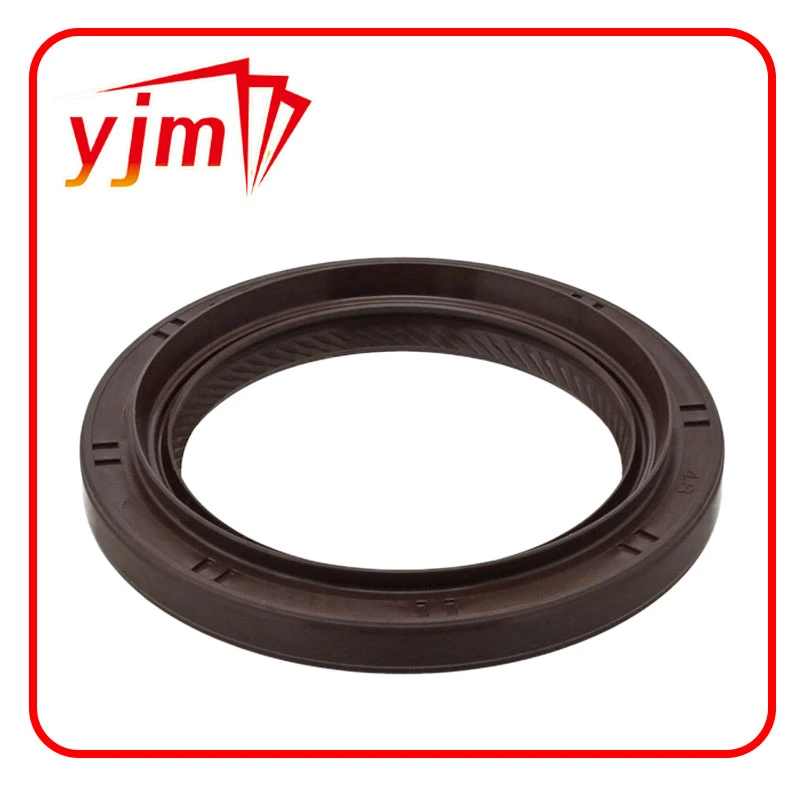
Toyota SEAL TYPE T OIL 90311-48031
-
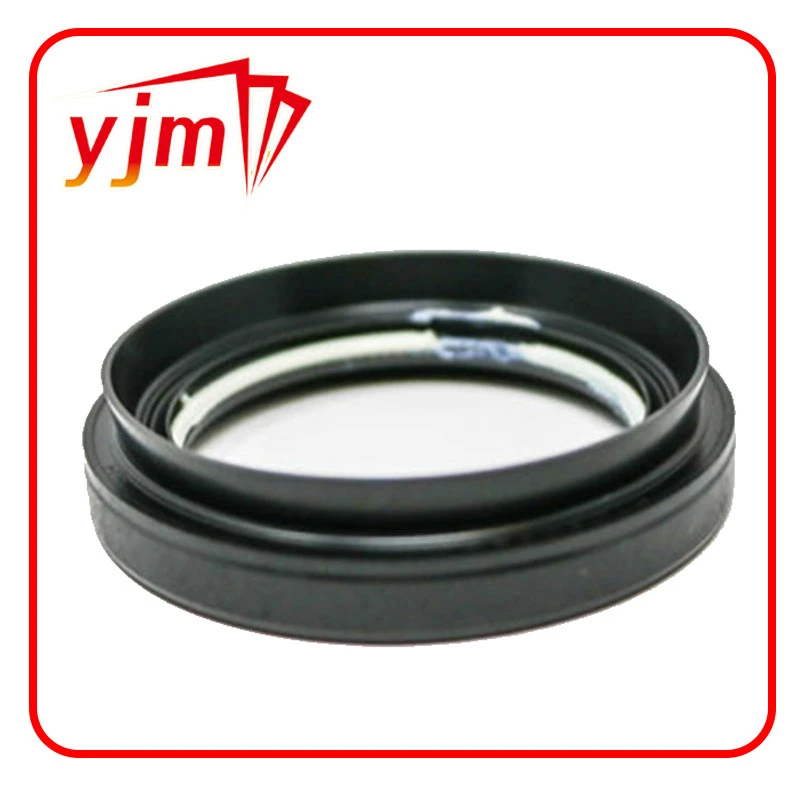
Type T Oil Seal, Front Drive Shaft, Left 9031150064
-
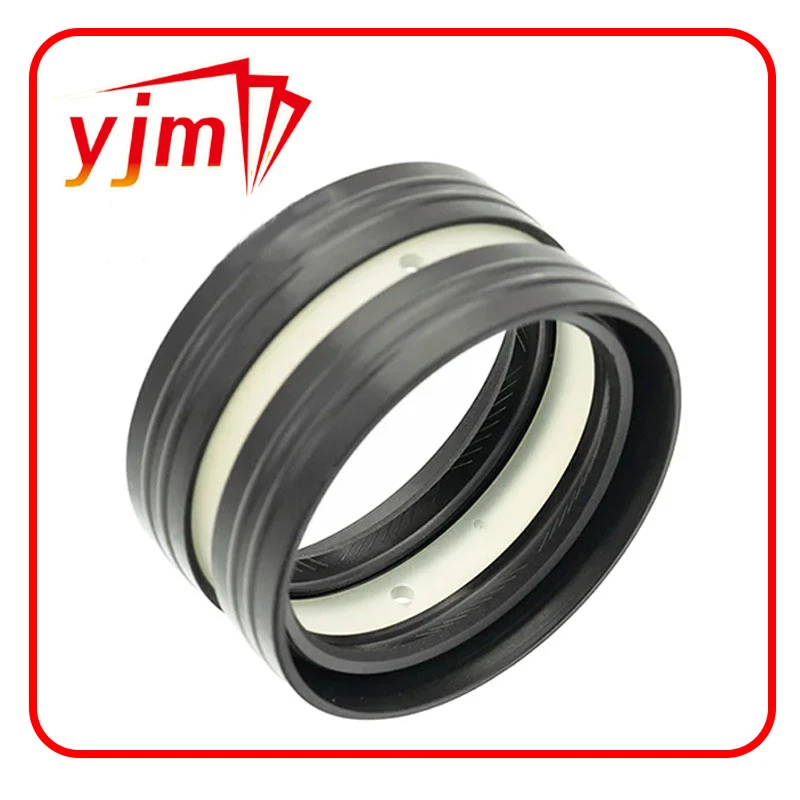
Seal, type d oil 9031634001 TOYOTA
 Afrikaans
 Albanian
 Amharic
 Arabic
 Armenian
 Azerbaijani
 Basque
 Belarusian
 Bengali
 Bosnian
 Bulgarian
 Catalan
 Cebuano
 Corsican
 Croatian
 Czech
Czech
 Danish
 Dutch
Dutch
 Esperanto
 Estonian
 Finnish
 French
 Frisian
 Galician
 Georgian
 German
 Greek
Greek
 Gujarati
 Haitian Creole
 Hausa
Hausa
 Hawaiian
 Hebrew
 Hindi
Hindi
 Miao
Miao
 Hungarian
 Icelandic
 Igbo
Igbo
 Indonesian
 Irish
Irish
 Italian
 Japanese
 Javanese
 Kannada
 Kazakh
 Khmer
Khmer
 Rwandese
 Korean
 Kurdish
 Kyrgyz
 Lao
Lao
 Latin
Latin
 Latvian
 Lithuanian
 Luxembourgish
 Macedonian
 Malgashi
 Malay
Malay
 Malayalam
 Maltese
 Maori
Maori
 Marathi
 Mongolian
 Myanmar
 Nepali
 Norwegian
 Norwegian
 Occitan
 Pashto
 Persian
 Polish
 Portuguese
 Punjabi
 Romanian
 Russian
 Samoan
 Scottish Gaelic
 Serbian
 Sesotho
 Shona
Shona
 Sindhi
 Sinhala
 Slovak
 Slovenian
 Somali
 Spanish
 Sundanese
 Swahili
 Swedish
 Tagalog
 Tajik
Tajik
 Tamil
Tamil
 Tatar
Tatar
 Telugu
 Thai
Thai
 Turkish
 Turkmen
 Ukrainian
 Urdu
Urdu
 Uighur
 Uzbek
Uzbek
 Vietnamese
 Welsh
Welsh
 Bantu
Bantu
 Yiddish
 Yoruba
 Zulu
Zulu
 English