Comprehensive Guide to 200tdi Rear Crank Seal – Durability, Use Cases & Buying Tips
Understanding the 200tdi Rear Crank Seal: Why It Matters Globally
The 200tdi rear crank seal might sound like a very niche automotive part — and, frankly, it is — but its importance stretches far beyond simple mechanics. This tiny component plays a critical role in ensuring the reliability and longevity of Land Rover’s famed 200tdi diesel engine, which powers countless vehicles worldwide, from rugged off-roaders to critical emergency and humanitarian transport fleets. Misunderstandings or failures here can lead to costly repairs and unexpected vehicle downtime — not just a nuisance, but a real headache in harsh environments where dependable transport often means the difference between success and disaster. So why does this matter on a global scale? Because the 200tdi engine remains a backbone for numerous industries and relief efforts, ensuring these seals do their job means keeping the wheels turning no matter where you are.
Global Context: The Reach and Relevance of the 200tdi Rear Crank Seal
Diesel engines like the 200tdi power thousands of utility vehicles, agricultural machines, and specialized fleets, especially in regions where petrol is expensive or infrastructure is minimal. According to the International Organization for Standardization (ISO), vehicle maintenance standards increasingly highlight the role of key engine components to reduce greenhouse emissions and optimize fuel efficiency — and the rear crank seal is no exception, as it prevents oil leaks that could hamper performance.
Challenges remain: in developing countries, leaking crank seals often go unnoticed or ignored until bigger engine damage occurs, with repair parts sometimes delayed or expensive to source. The critical challenge here is ensuring durable, affordable, and easy-to-install 200tdi rear crank seals to extend vehicle lifespans and keep vital equipment operational — supporting everything from disaster relief convoys to remote mining operations.
What Exactly Is a 200tdi Rear Crank Seal?
Simply put, the 200tdi rear crank seal is a precision rubber-and-metal part that fits snugly around the rear end of a 200tdi engine’s crankshaft. Its job? To prevent engine oil from leaking out where the crankshaft meets the flywheel housing. In modern diesel engines, keeping the oil securely inside is fundamental to running smoothly and avoiding costly contamination or fire risks.
Beyond simple mechanics, this seal supports global industries reliant on the 200tdi engine — including NGOs, agricultural firms, and emergency services. A tiny but mighty hero, it quietly enables mobility and power generation where it’s needed most.
Core Components and Factors of the 200tdi Rear Crank Seal
1. Durability — Built Tough for Rough Conditions
Many engineers swear by seals manufactured with high-grade nitrile rubber and reinforced metal cases. Why? Because these materials resist heat extremes, chemical exposure, and mechanical wear — meaning they don’t crack or degrade on dusty dirt roads or in intense heat.
2. Precision Fits for Reliable Seal Integrity
The rear crank seal must maintain a tight fit without impeding the shaft’s rotation. Manufacturers work closely with vehicle specifications to ensure the right internal diameter, cross-section, and lip tension — all critical to avoiding leaks.
3. Cost Efficiency Without Compromise
While original equipment manufacturer (OEM) parts set high standards, many third-party suppliers provide reliable seals at a fraction of the cost, making maintenance accessible to fleets on tight budgets.
4. Ease of Installation and Maintenance
In remote or resource-limited environments, a seal that’s easy to install and requires minimal tooling is a practical must-have. The fewer the complications, the faster vehicles can be back on the road.
5. Compatibility with Modern Engine Oils
As synthetic and bio-degradable oils become more common (thanks to global sustainability goals like the UN Framework Convention on Climate Change), seals must withstand chemical interactions without breakdown.
Where Is the 200tdi Rear Crank Seal Used Globally?
You’ll find these seals in:
- Sub-Saharan Africa: Aid organizations rely on Land Rovers equipped with 200tdi engines to reach remote areas during emergencies.
- Australia & New Zealand: Farmer fleets use these engines for agricultural machinery operating in dusty, challenging environments.
- Middle East: Industrial projects use rugged vehicles with 200tdi engines in oil fields where uptime is vital.
- United Kingdom & Europe: These are the heart of many classic and specialist off-road vehicles.
For instance, during flood relief in Southeast Asia, organizations noted that vehicles fitted with robust rear crank seals experienced fewer breakdowns, drastically reducing logistical delays.
Advantages and Long-Term Benefits of Quality Rear Crank Seals
Beyond just preventing oil leaks, a dependable 200tdi rear crank seal:
- Reduces operational downtime: Avoid costly engine rebuilds by proactively preventing contamination and wear.
- Improves fuel efficiency: By maintaining proper lubrication pressure, engines run smoother and burn fuel better.
- Supports environmental goals: Less leaked oil means fewer soil and water contaminations.
- Enhances operator confidence: Knowing the vehicle is less likely to fail increases safety and peace of mind.
It’s a blend of practical cost savings and emotional relief — having your trusted vehicle perform when it matters most is priceless.
Product Specification: Typical 200tdi Rear Crank Seal Features
| Feature | Specification | Details |
|---|---|---|
| Material | Nitrile Rubber + Steel case | Resists heat & oil degradation |
| Inside Diameter | 51.5 mm | Fits 200tdi crankshaft |
| Cross-section | 7.5 mm | Ensures tight fit |
| Operating Temp Range | -40°C to +130°C | Suitable for extreme climates |
| Recommended Oil Compatibility | Mineral & Synthetic Diesel Oils | Durable with modern lubricants |
Vendor Comparison: Quality vs. Cost for 200tdi Rear Crank Seals
| Supplier | Price/Unit | Warranty | Material Quality | Shipping Zones |
|---|---|---|---|---|
| YJM Seal Co. | $15.00 | 12 months | High-grade nitrile & steel | Global |
| Standard OEM Supplier | $22.50 | 24 months | Premium materials | Regional only |
| Generic Aftermarket Brand | $9.75 | 6 months | Mixed-grade rubber | Limited |
Looking Ahead: Innovations in the Rear Crank Seal Industry
Engineers and material scientists are tinkering with seals made from fluorocarbon (FKM) rubber and other advanced polymers that push the boundaries of heat and chemical resistance. Also, the rise of electric and hybrid vehicles will eventually reduce reliance on engine seals, but for now, the 200tdi rear crank seal remains vital.
Digitization and IoT sensors integrated into engine components could soon warn operators of seal wear before failures happen — saving both money and headaches by enabling predictive maintenance.
Challenges and How Experts Solve Them
Common challenges include premature seal wear caused by dust ingress, improper installation, and inferior materials. Solutions? Training mechanics for proper seal fitting, sourcing from trusted suppliers like YJM Seal, and using dust covers or shields — small steps with outsized effects.
FAQ: Frequently Asked Questions About 200tdi Rear Crank Seal
- How long should a 200tdi rear crank seal last?
- Typically, a high-quality rear crank seal lasts between 50,000 to 100,000 miles, depending on conditions. Proper installation and maintenance are key to maximizing life.
- Can I replace the rear crank seal myself?
- While possible with some mechanical experience, it's best done with correct tools and guidance to avoid damaging the crankshaft or housing, potentially causing leaks.
- Are aftermarket 200tdi rear crank seals reliable?
- Many aftermarket products are reliable and affordable. Focus on trusted vendors offering warranties and quality certifications to avoid premature failure.
- What happens if the rear crank seal fails?
- Engine oil leaks out, causing contamination, reduced lubrication, and potential engine overheating and damage — leading to costly repairs or engine rebuilds.
- How do I know if my rear crank seal is leaking?
- Look for oil stains underneath the vehicle near the flywheel, higher oil consumption, or oil pooling during maintenance checkups. If uncertain, professional inspection is advised.
Conclusion: Why Keeping an Eye on Your Rear Crank Seal Pays Off
From harsh deserts to muddy floodplains, the 200tdi rear crank seal quietly ensures machines keep moving. Its small size belies a vital role in global industries — a linchpin in a complex chain. Keeping this seal in top shape offers peace of mind, operational efficiency, and cost savings. Whether for a farmer harvesting crops or a relief worker saving lives, it’s an unsung hero worth understanding and investing in.
Explore quality options and maintenance tips — visit https://www.yjmseal.com for expert guidance and sourcing.
-
Guide to Choosing the Right Washer for Oil Change and Sealing
News Apr.16,2026
-
Essential Guide to High Quality rubber washer oil drain plug
News Apr.09,2026
-
Understanding Rubber Crush Washers for Optimal Sealing Performance
News Apr.07,2026
-
Comprehensive Guide to Understanding and Reusing Crush Washer for Optimal Sealing
News Apr.04,2026
-
The Vital Role of a Drain Screw Gasket in Fluid System Integrity
News Mar.31,2026
-
The Essential Guide to Drain Crush Washer Selection and Plumbing Leak Prevention
News Mar.28,2026
-
The Vital Role of a Crush Washer in Oil Changes for Engine Protection
News Mar.26,2026
Products categories
-
Brass cutlass marine bearing
-
Genuine OEM Engine Oil Filter Housing Cover O-Ring For VW/Audi 06E115446
-
Oil Filter Stand Gasket,Oil filter cover seal
-
Oil Cooler Gasket, Oil Cooler to Oil Filter Housing 11427525335
-
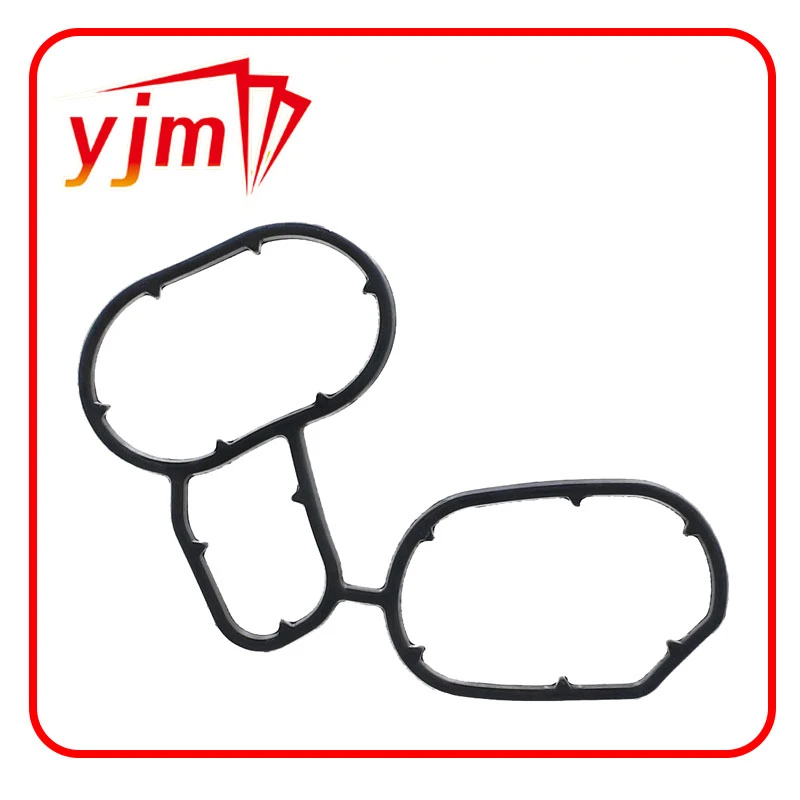
11427508970 BMW - OIL FILTER HOUSING GASKETS
-
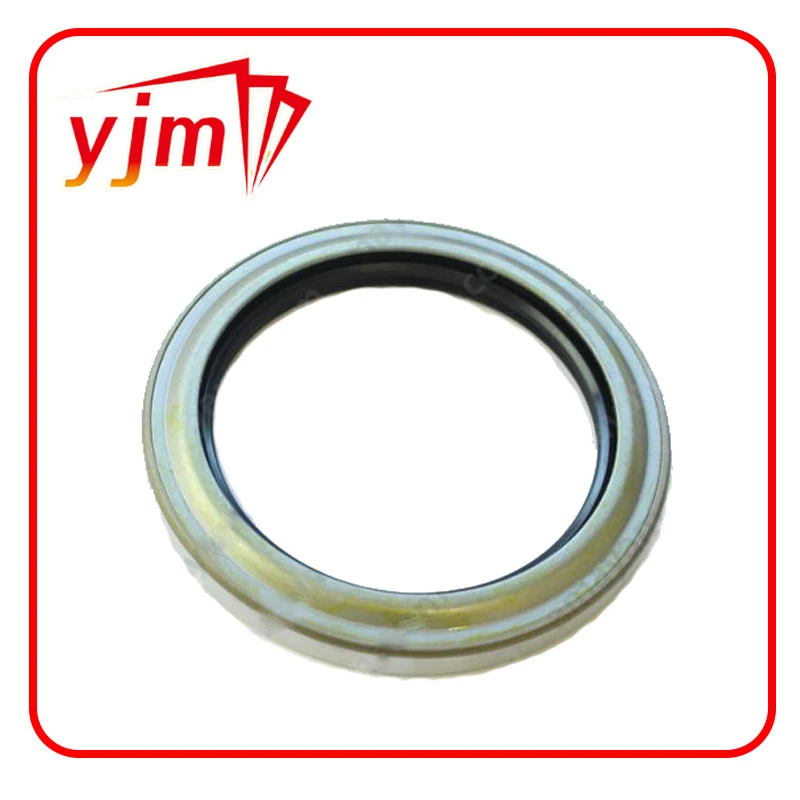
SEAL, OIL Genuine Toyota (9031170011)
-
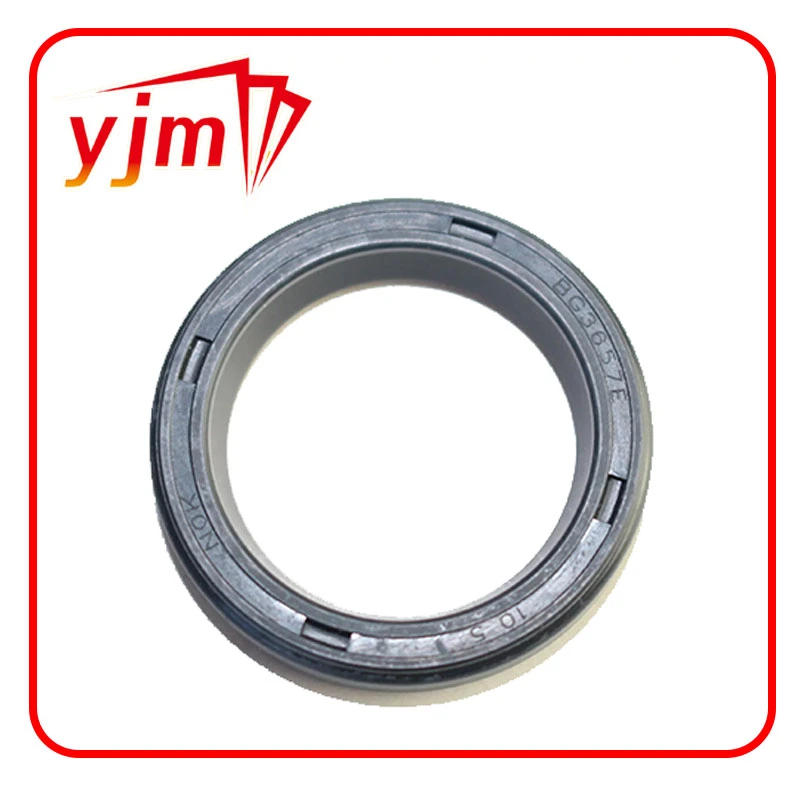
Transfer Case Output Shaft Seal Part 9031223001
-
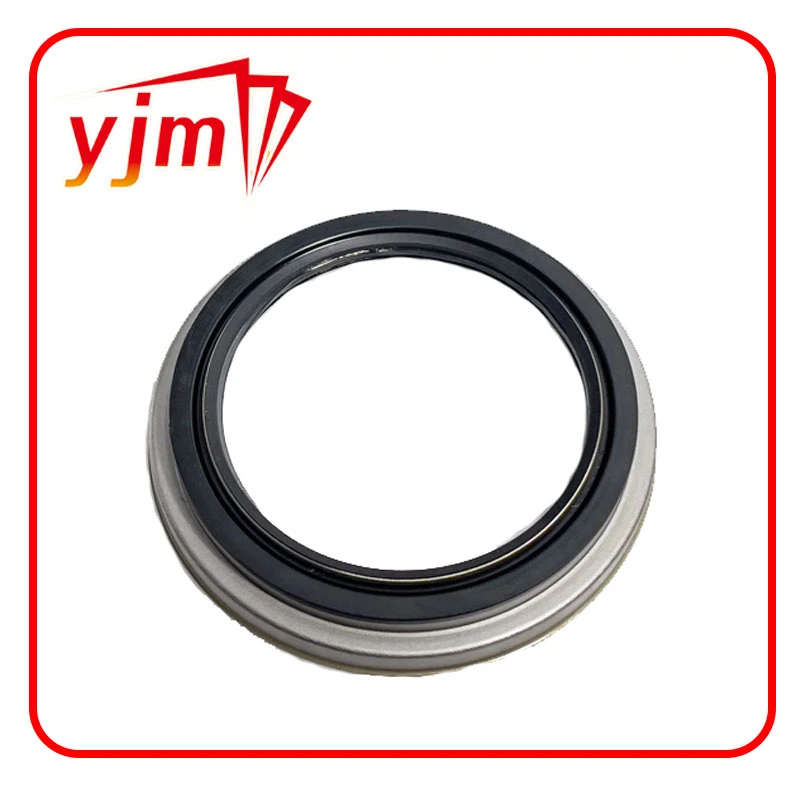
SEAL, OIL Genuine Toyota (9031672001)
-
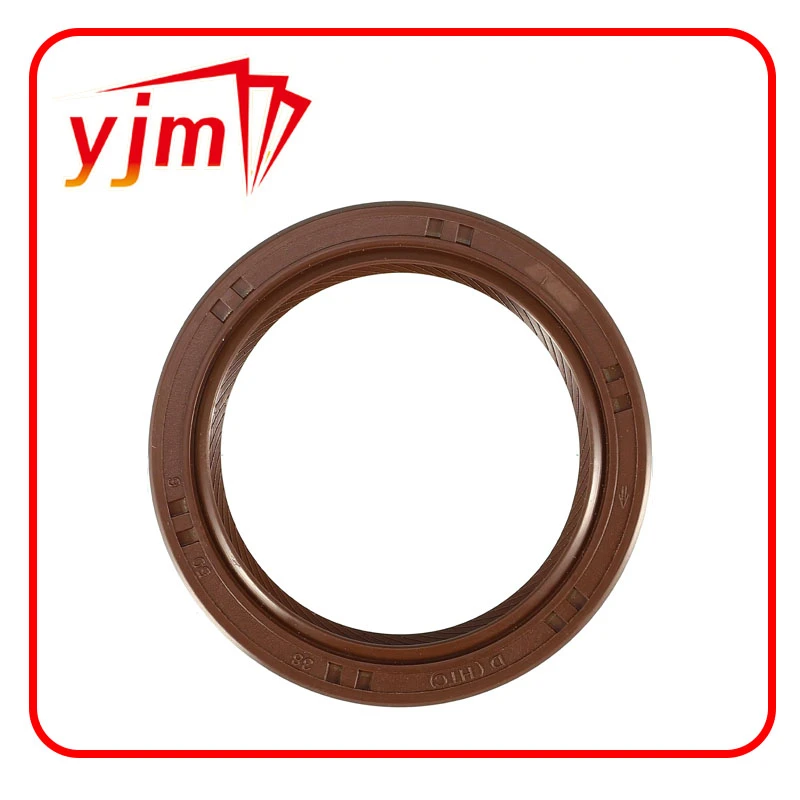
Engine Crankshaft Oil Seal No.9031138096
-
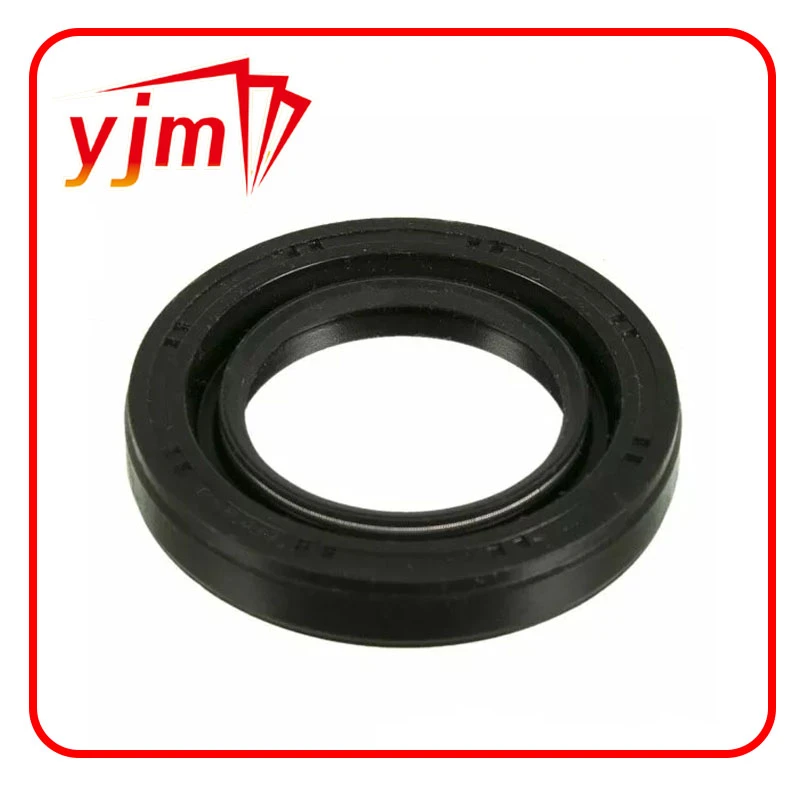
Toyota Transfer Case Output Shaft Seal Front 9031136006
-
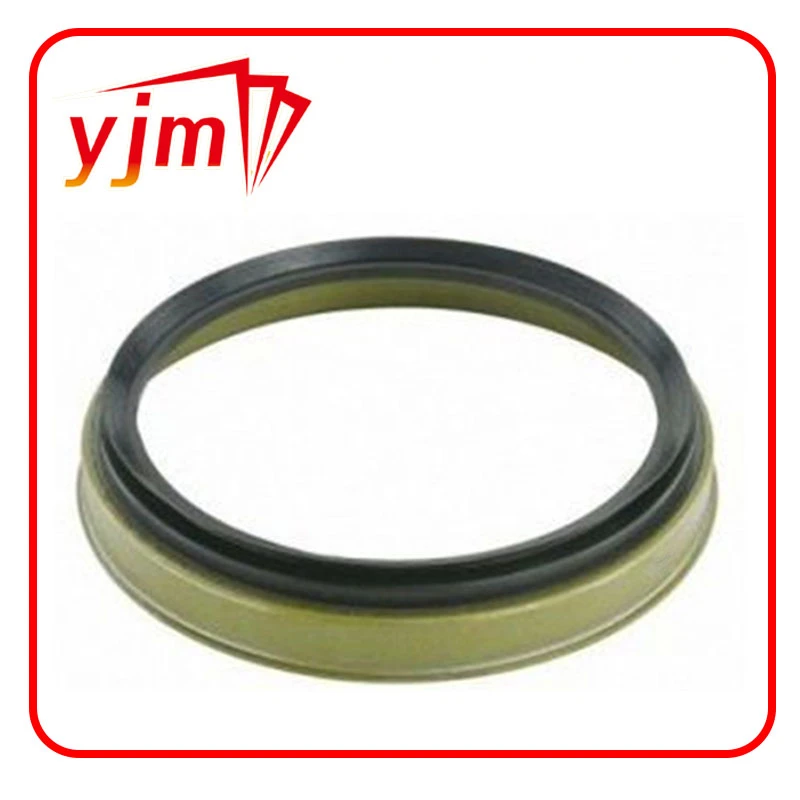
Seal, type v oil 9031287001 TOYOTA
-
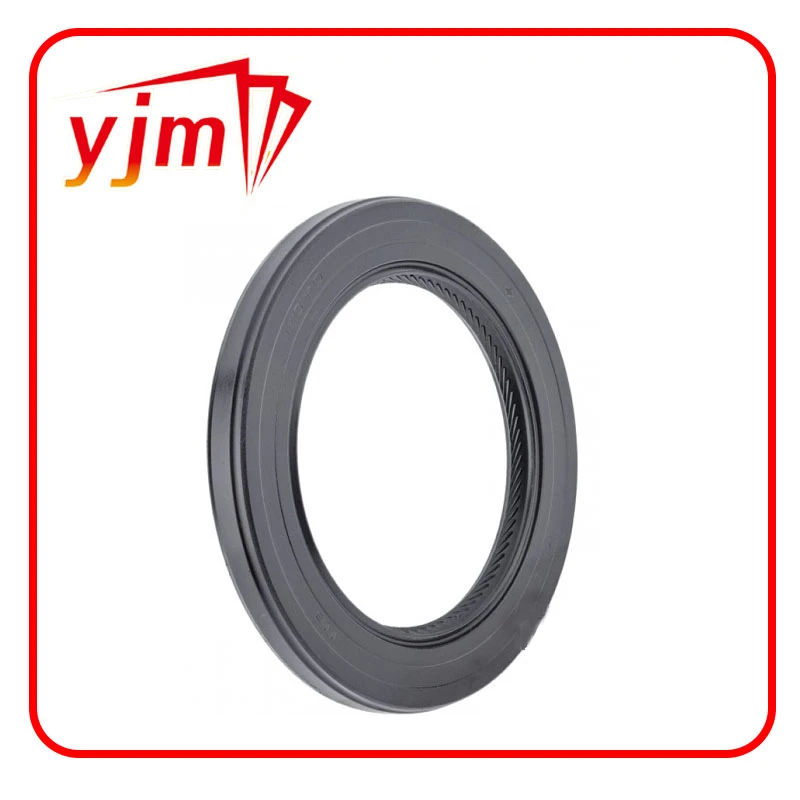
Oil pump seal 9031143010
-
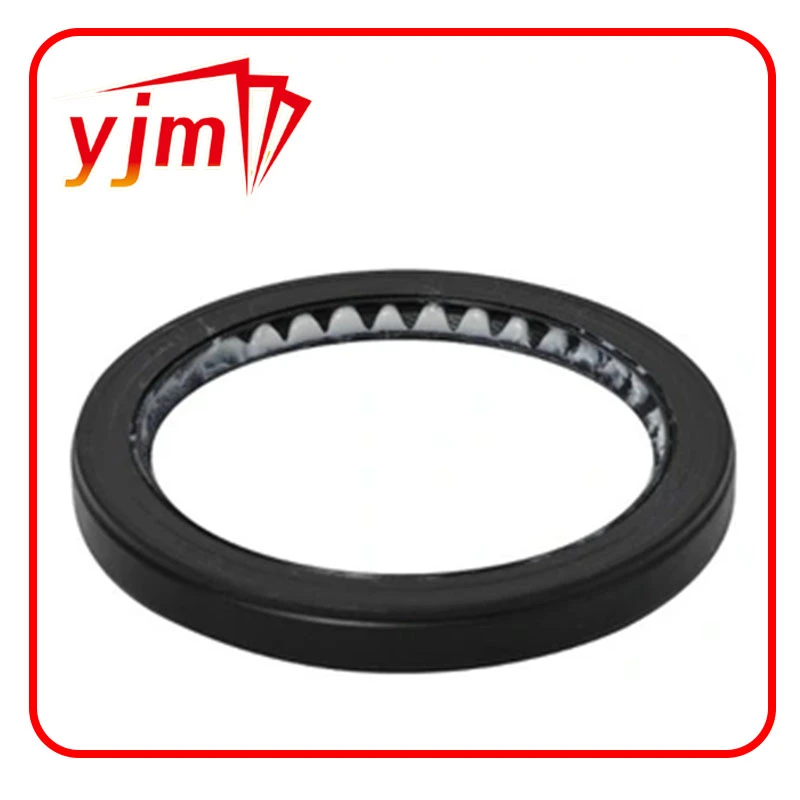
Genuine Toyota Oil SEAL 90311-54006
-
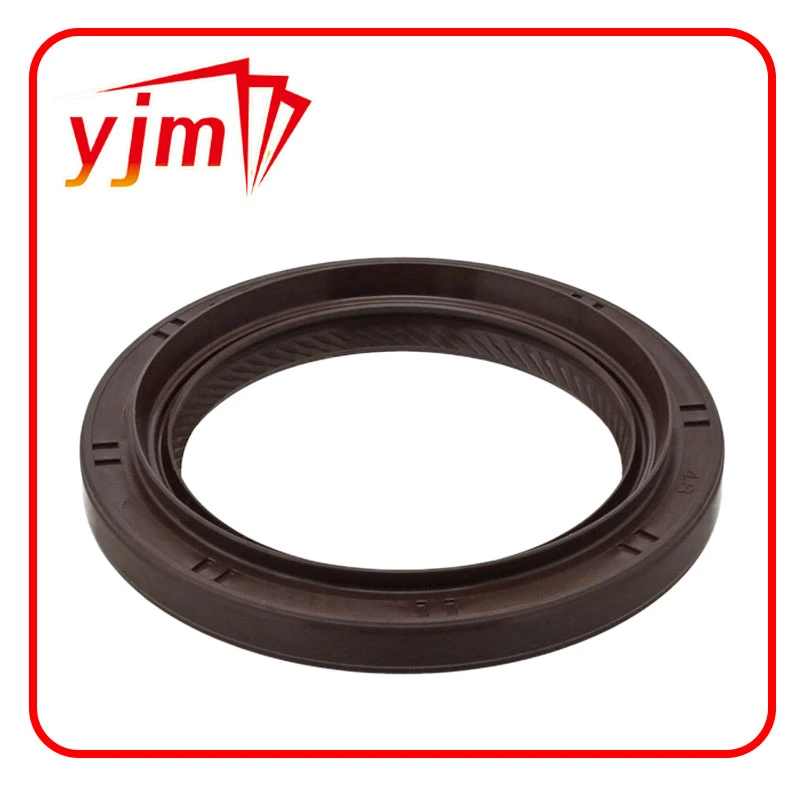
Toyota SEAL TYPE T OIL 90311-48031
-
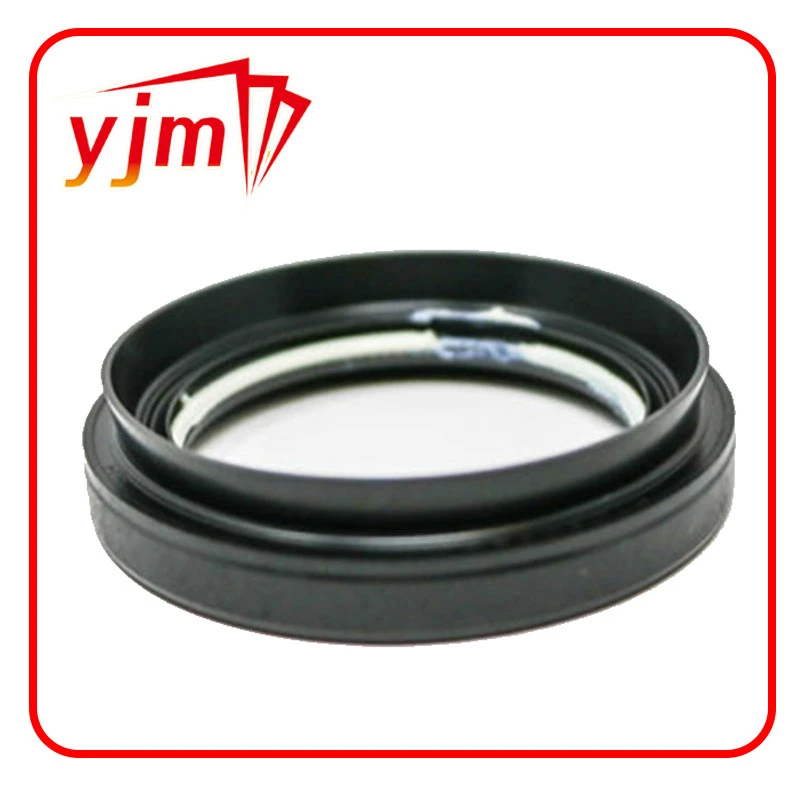
Type T Oil Seal, Front Drive Shaft, Left 9031150064
-
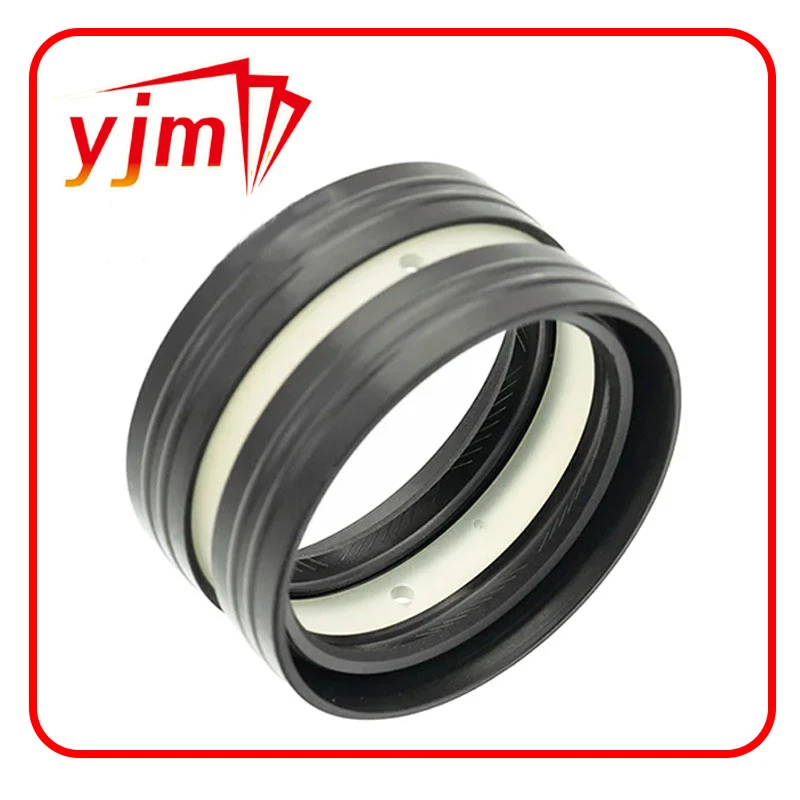
Seal, type d oil 9031634001 TOYOTA
 Afrikaans
 Albanian
 Amharic
 Arabic
 Armenian
 Azerbaijani
 Basque
 Belarusian
 Bengali
 Bosnian
 Bulgarian
 Catalan
 Cebuano
 Corsican
 Croatian
 Czech
Czech
 Danish
 Dutch
Dutch
 Esperanto
 Estonian
 Finnish
 French
 Frisian
 Galician
 Georgian
 German
 Greek
Greek
 Gujarati
 Haitian Creole
 Hausa
Hausa
 Hawaiian
 Hebrew
 Hindi
Hindi
 Miao
Miao
 Hungarian
 Icelandic
 Igbo
Igbo
 Indonesian
 Irish
Irish
 Italian
 Japanese
 Javanese
 Kannada
 Kazakh
 Khmer
Khmer
 Rwandese
 Korean
 Kurdish
 Kyrgyz
 Lao
Lao
 Latin
Latin
 Latvian
 Lithuanian
 Luxembourgish
 Macedonian
 Malgashi
 Malay
Malay
 Malayalam
 Maltese
 Maori
Maori
 Marathi
 Mongolian
 Myanmar
 Nepali
 Norwegian
 Norwegian
 Occitan
 Pashto
 Persian
 Polish
 Portuguese
 Punjabi
 Romanian
 Russian
 Samoan
 Scottish Gaelic
 Serbian
 Sesotho
 Shona
Shona
 Sindhi
 Sinhala
 Slovak
 Slovenian
 Somali
 Spanish
 Sundanese
 Swahili
 Swedish
 Tagalog
 Tajik
Tajik
 Tamil
Tamil
 Tatar
Tatar
 Telugu
 Thai
Thai
 Turkish
 Turkmen
 Ukrainian
 Urdu
Urdu
 Uighur
 Uzbek
Uzbek
 Vietnamese
 Welsh
Welsh
 Bantu
Bantu
 Yiddish
 Yoruba
 Zulu
Zulu
 English