Reliable Automotive Oil Seals Suppliers: Quality, Innovation & Global Reach
The Vital Role of Automotive Oil Seals Suppliers in the Global Industry
At first glance, automotive oil seals suppliers might seem like a very specialized corner of the automotive and manufacturing sectors. But if you take a moment to step back and consider the ripple effects, you realize their importance is pretty far-reaching. Oil seals—small, often overlooked components—are crucial for preventing leaks, maintaining lubrication, and protecting engines and machinery from contamination. Understanding the landscape of suppliers who craft and distribute these components globally sheds light not just on supply chains but also on quality, sustainability, and innovation in the automotive world.
Why does this matter globally? Well, vehicles power economies, enable essential services, and even support humanitarian logistics in remote or challenging environments. From bustling cities to isolated industrial sites, the reliability of automotive oil seals can mean the difference between smooth operations and costly breakdowns. Suppliers who provide dependable, cost-effective seals effectively keep the wheels of industry turning—literally and figuratively.
Global Context: Why Automotive Oil Seal Suppliers Matter More Than Ever
Globally, the automotive industry is a behemoth supporting over 50 million jobs worldwide and generating more than $3 trillion annually (according to the International Organization of Motor Vehicle Manufacturers). Within this ecosystem, components like oil seals play a silent but significant role. Their quality affects vehicle performance, environmental compliance, and maintenance costs.
However, challenges persist. Supply chain disruptions, rising raw material costs, and stricter emission standards have placed added pressures on oil seal suppliers. For example, modern engines demand seals that are more durable, compatible with synthetic oils, and able to withstand higher temperatures. Suppliers must innovate constantly or risk obsolescence—especially in regions focused on green energy vehicles or automated manufacturing lines.
In fact, the International Standards Organization (ISO) has been advancing specifications that raise the bar on material consistency and dimensional accuracy, directly impacting automotive oil seals production worldwide.
Simply Put: What Are Automotive Oil Seals Suppliers?
Think of automotive oil seals suppliers as the specialists who design, manufacture, and distribute the essential seals used to prevent lubricants and fluids from escaping mechanical systems—in cars, motorcycles, heavy machinery, and more. These suppliers source raw materials like rubber, PTFE, or polyurethane and use various manufacturing processes to shape and reinforce the seals. Their work ensures that engines stay lubricated, that contaminants don’t enter sensitive parts, and that machines run efficiently and for longer periods.
In real-world terms, their products help maintain vehicle safety and performance—a connection not just important for industry, but for human lives and global logistics networks.
Key Factors Automotive Oil Seal Suppliers Focus On
1. Durability & Material Quality
Durability in harsh conditions is paramount. Many engineers say the best suppliers use specialty compounds like fluoroelastomers for heat resistance or incorporate metal reinforcements that prevent deformation under pressure. Basically, a seal that fails too soon risks contamination and leaks, leading to expensive repairs.
2. Precision Design & Customization
Every engine or machine has its own quirks. That means off-the-shelf seals aren’t always an option. Automotive oil seals suppliers often offer tailored designs to fit unique grooves, diameters, and pressure ranges. It feels like a fine art mixed with engineering — and it shows in reliability over time.
3. Cost Efficiency & Scalability
Suppliers must balance quality with cost. Those who manage economies of scale can drop prices, but smaller clients sometimes need small batch custom runs. The best suppliers juggle these demands without compromising standards.
4. Environmental Compliance
This one’s growing fast. From REACH (EU chemical regulations) to RoHS directives, suppliers increasingly adopt eco-friendlier materials and greener manufacturing practices. It's not just about ticking boxes but also about contributing to future sustainable mobility.
5. Testing & Quality Assurance
Vendors with rigorous testing protocols—pressure, temperature, wear simulation—garner trust. Regular audits and certifications from ISO or automotive bodies help ensure that seals won’t fail in the field.
Global Applications: Beyond Just Cars
While “automotive” suggests cars, automobiles, and trucks, oil seals are everywhere. Heavy machinery in mining, agricultural equipment, and even marine applications rely heavily on these components. Think about how a sealed joint prevents costly oil leaks in a remote industrial zone, where repairs are expensive and logistics tough.
In regions like Southeast Asia and Eastern Europe, where industrial modernization is booming, reliable seals from reputable suppliers support expanding fleets and factories. Even humanitarian efforts appreciate quality vehicle maintenance to deliver aid reliably, sometimes in disaster-hit zones where every vehicle counts.
For instance, in post-disaster relief operations in places like Indonesia or Haiti, well-maintained vehicles minimize downtime and ensure critical supplies reach those in need.
Product Specification Table: Typical Oil Seal for Automotive Use
| Specification | Typical Value | Notes |
|---|---|---|
| Material | Nitrile Rubber (NBR), Fluoroelastomer (FKM) | High heat & chemical resistance options |
| Temperature Range | -40°C to 150°C | Varies by compound used |
| Max Pressure | Up to 0.1 MPa | Usually static or low-speed dynamic |
| Size Range | 5mm to 1200mm diameter | Custom sizes common |
| Standard Compliance | ISO 6194-1, SAE J946 | Ensures global interchangeability |
Advantages and Long-Term Value of Reliable Oil Seal Suppliers
One of the clear benefits of working with established automotive oil seals suppliers is lower total cost of ownership for vehicle and machinery operators. Quality seals extend maintenance intervals, reduce labor costs, and prevent catastrophic failures. On a social level, they improve safety—imagine an engine suddenly losing oil at highway speeds or industrial equipment failing in a factory. The impacts can be dangerous, expensive, and damaging to brand reputation.
There's also the environmental dimension, where trustworthy suppliers help companies meet regulations and reduce pollutants through better sealing technology. It’s a mix of logic and emotion: safety builds trust, innovation creates hope for cleaner mobility, and sensible investment pays off down the road.
Comparing Leading Automotive Oil Seal Suppliers
| Supplier | Global Reach | Customization | Price Tier | Sustainability Practices |
|---|---|---|---|---|
| YJM Seal Co. | Asia, Europe, Americas | High – custom orders welcomed | Mid-range | ISO 14001 certification, eco-materials |
| SealPro Inc. | North America, Europe | Moderate | High-end | Limited sustainable material use |
| GlobalSeal Ltd. | Worldwide | Low – mostly standard products | Budget | Working on green initiatives |
Looking Ahead: Trends and Innovations in the Industry
The future of automotive oil seals is surprisingly dynamic. New materials, like bio-based elastomers, promise to reduce environmental footprints without sacrificing performance. Digitalization and Industry 4.0 mean tighter integration with automated manufacturing, allowing rapid prototyping and real-time quality control.
Not to mention the spread of electric vehicles (EVs), which demand seals with different wear and temperature profiles compared to traditional combustion engines. Suppliers who pivot toward servicing EV manufacturers could gain a competitive edge.
Addressing Challenges in the Oil Seals Market
Despite advances, challenges remain: raw material price volatility, the complexity of custom orders, and the need for global compliance with ever-changing regulations. Many suppliers are investing in R&D and strategic partnerships to stay nimble—something that isn’t always easy, especially for small to mid-sized companies. Innovative coating technologies that extend seal life or make installation easier have started to appear as solutions, too.
FAQ: Common Questions About Automotive Oil Seals Suppliers
Q1: How do I choose the right automotive oil seal supplier for my business?
A good supplier should offer quality certifications, customization options to fit your exact machinery specs, reasonable pricing, and reliable delivery schedules. It's also smart to check reviews and technical support availability. If you want a great starting point, check out automotive oil seals suppliers known for strong customer service and eco-friendly practices.
Q2: What materials are typically used in automotive oil seals?
Most commonly, seals are made from nitrile rubber (NBR) for general use or fluoroelastomer (FKM) for higher temperature and chemical resistance. There are also specialty materials like silicone and PTFE for specific applications.
Q3: Can suppliers handle custom orders for unusual seal sizes?
Many reputable suppliers provide custom manufacturing or small batch production runs tailored to customer specifications. This is especially true for applications in heavy machinery or unique automotive models.
Q4: How do green initiatives influence supplier selection?
Increasingly, OEMs and industrial clients prefer suppliers who reduce waste, minimize harmful chemicals, and comply with environmental standards such as ISO 14001. Choosing suppliers with sustainability programs helps meet corporate responsibility goals.
Conclusion: Keeping the World Running Smoothly, One Seal at a Time
In the end, automotive oil seals suppliers might not grab the limelight, but their impact resonates through every vehicle and machine that powers our modern world. Their expertise ensures safer, cleaner, and more reliable operations spanning industries and continents. For businesses seeking dependable partners in this niche, the future looks promising—if you know where to look.
To explore trusted suppliers and keep your operations sealed tight, visit automotive oil seals suppliers and discover options tailored for your needs.
References:
-
Guide to Choosing the Right Washer for Oil Change and Sealing
News Apr.16,2026
-
Essential Guide to High Quality rubber washer oil drain plug
News Apr.09,2026
-
Understanding Rubber Crush Washers for Optimal Sealing Performance
News Apr.07,2026
-
Comprehensive Guide to Understanding and Reusing Crush Washer for Optimal Sealing
News Apr.04,2026
-
The Vital Role of a Drain Screw Gasket in Fluid System Integrity
News Mar.31,2026
-
The Essential Guide to Drain Crush Washer Selection and Plumbing Leak Prevention
News Mar.28,2026
-
The Vital Role of a Crush Washer in Oil Changes for Engine Protection
News Mar.26,2026
Products categories
-
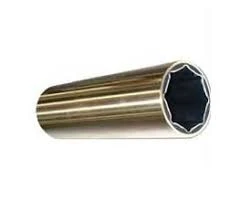
Brass cutlass marine bearing
-
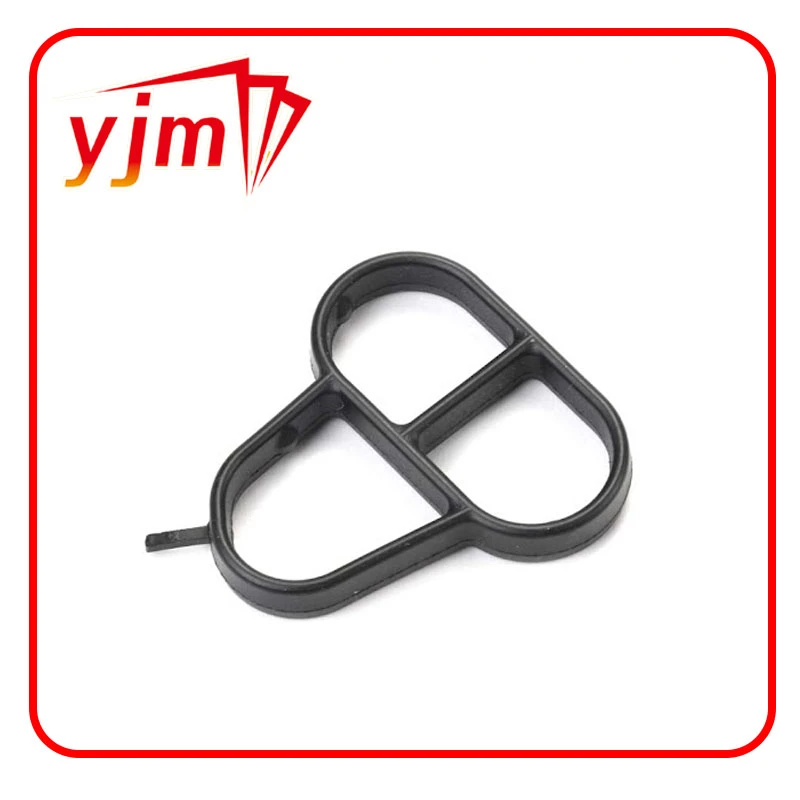
Genuine OEM Engine Oil Filter Housing Cover O-Ring For VW/Audi 06E115446
-
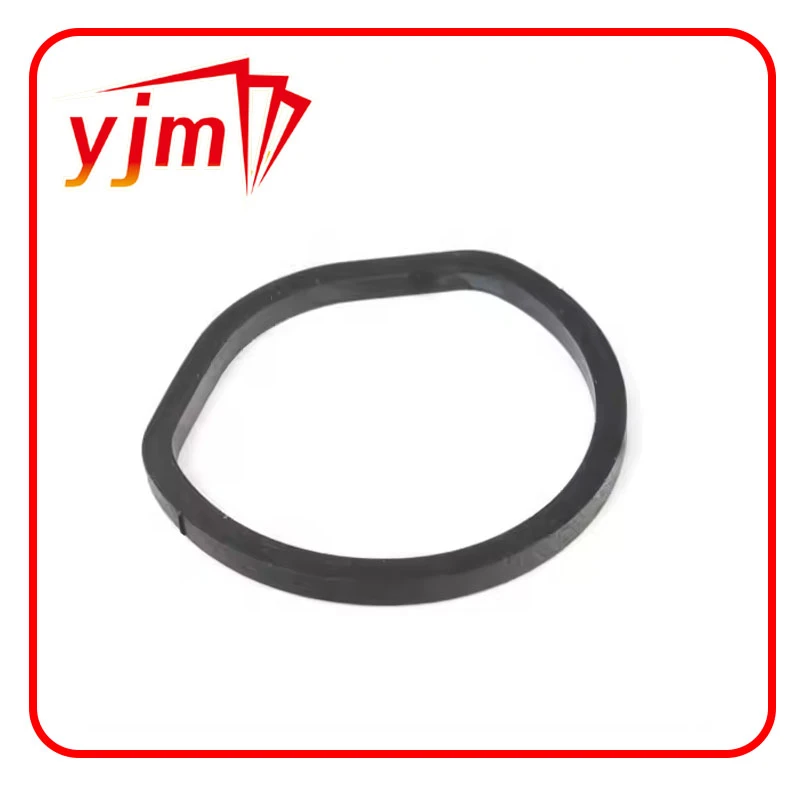
Oil Filter Stand Gasket,Oil filter cover seal
-
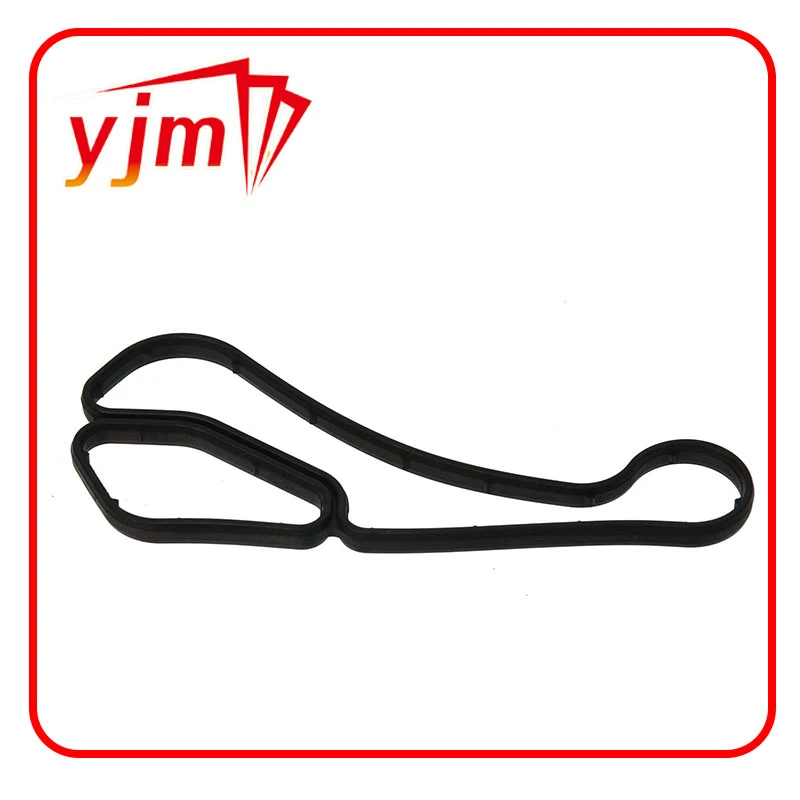
Oil Cooler Gasket, Oil Cooler to Oil Filter Housing 11427525335
-
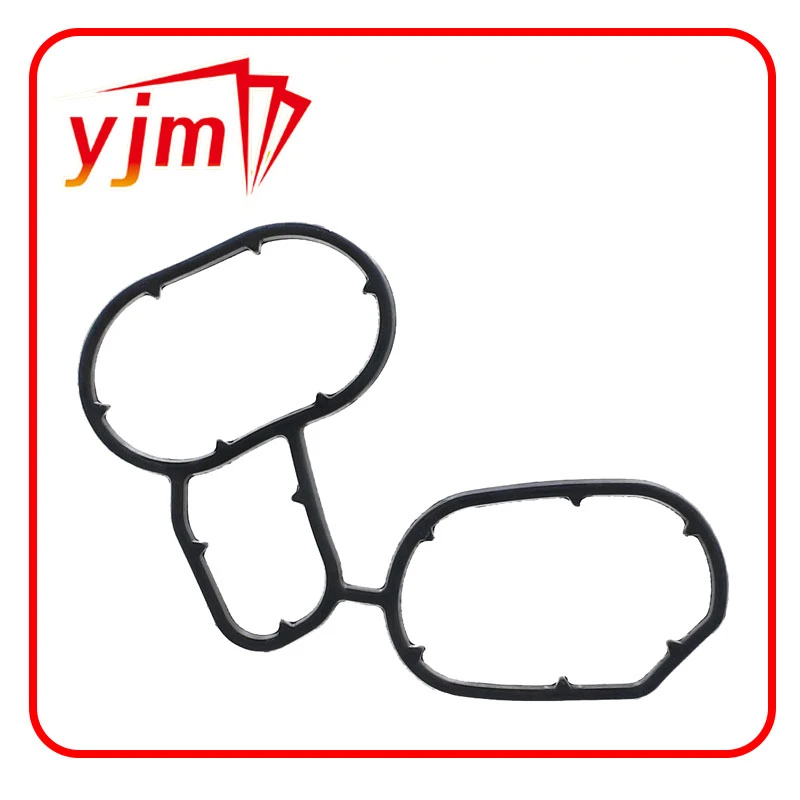
11427508970 BMW - OIL FILTER HOUSING GASKETS
-
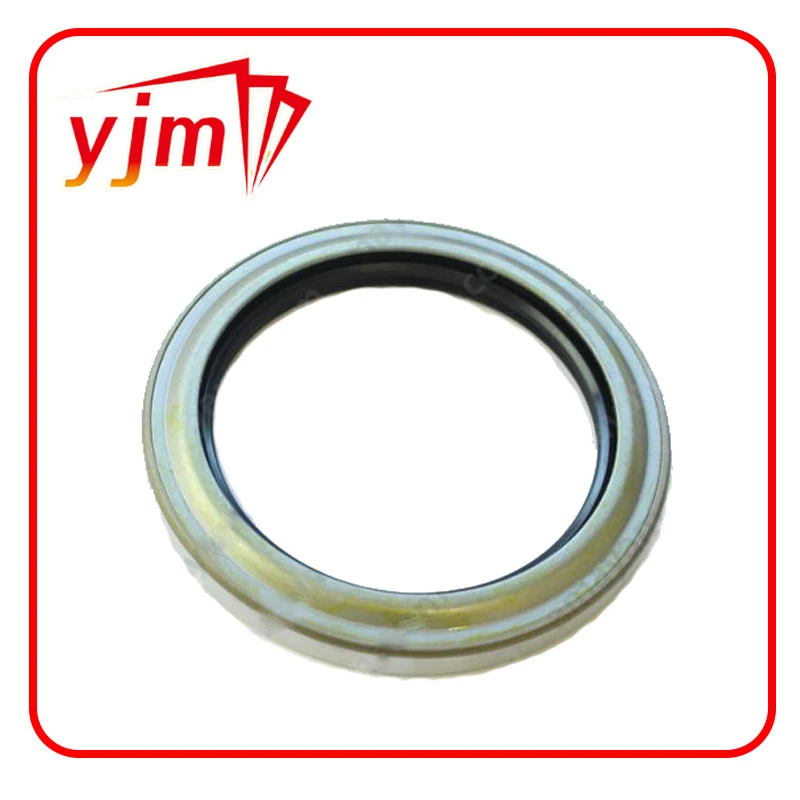
SEAL, OIL Genuine Toyota (9031170011)
-
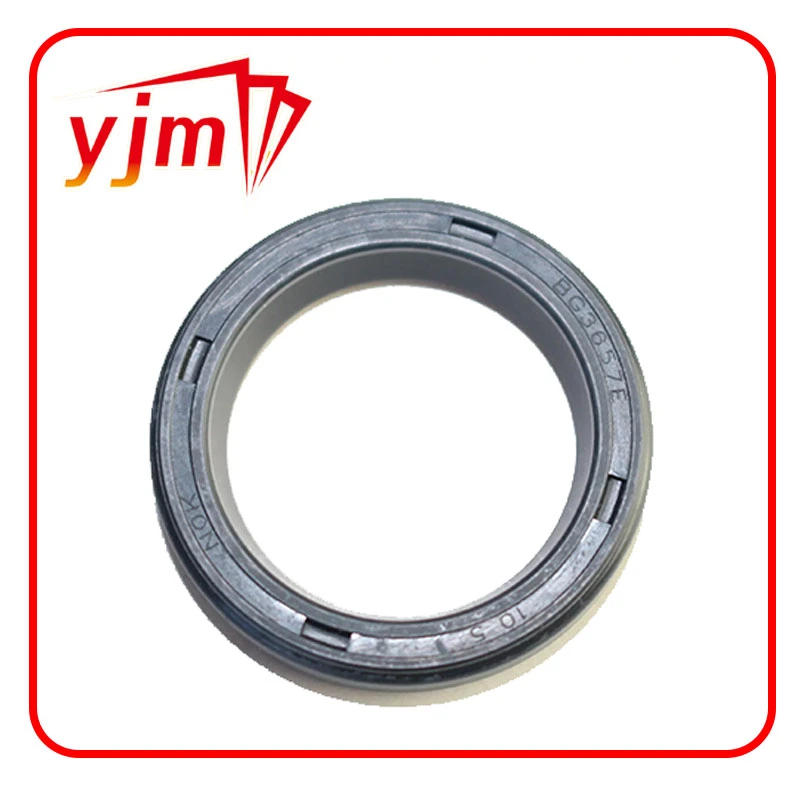
Transfer Case Output Shaft Seal Part 9031223001
-
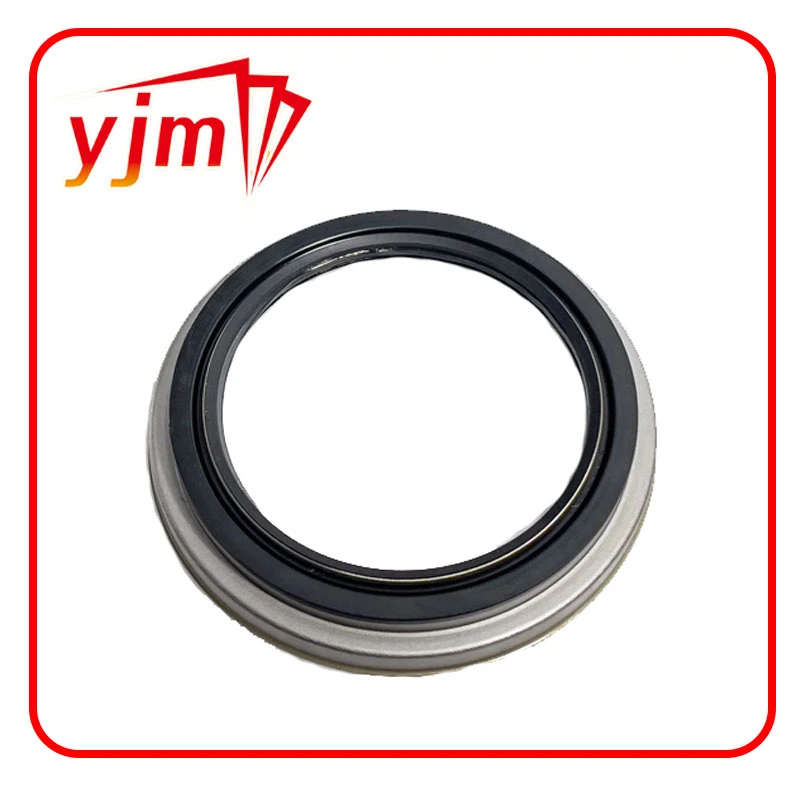
SEAL, OIL Genuine Toyota (9031672001)
-
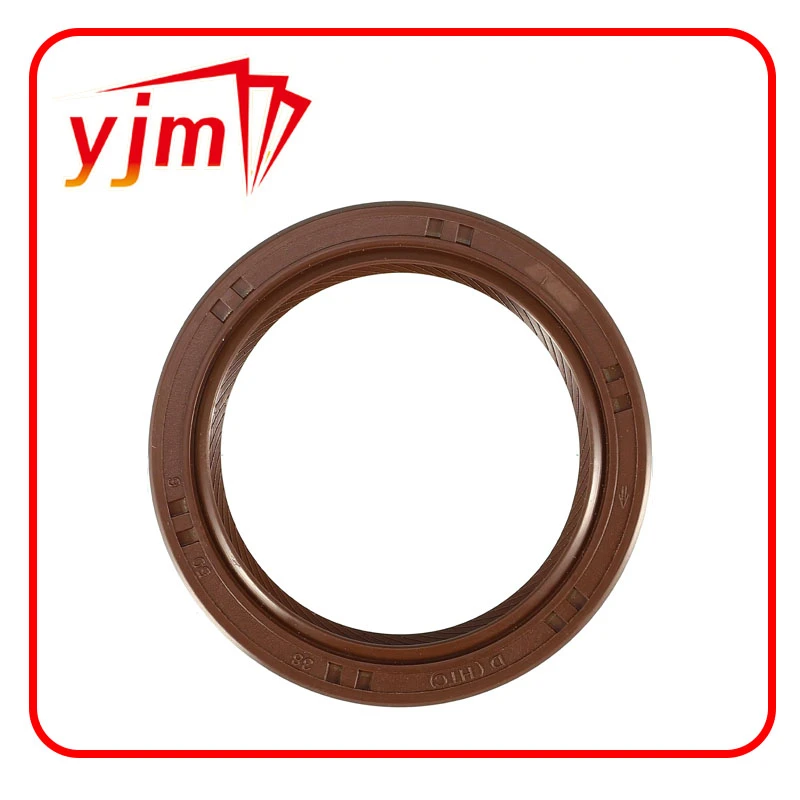
Engine Crankshaft Oil Seal No.9031138096
-
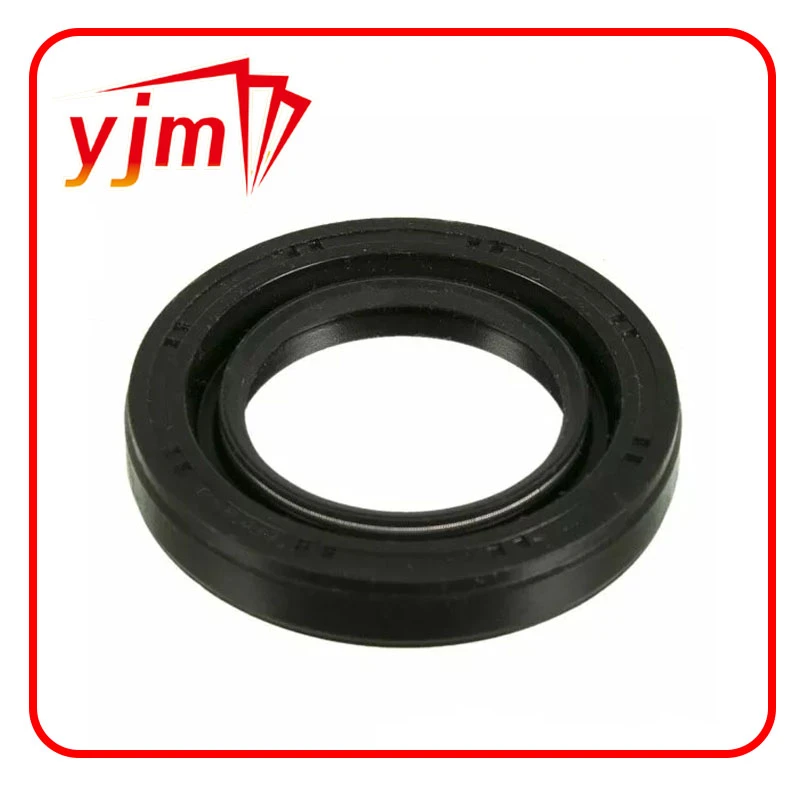
Toyota Transfer Case Output Shaft Seal Front 9031136006
-
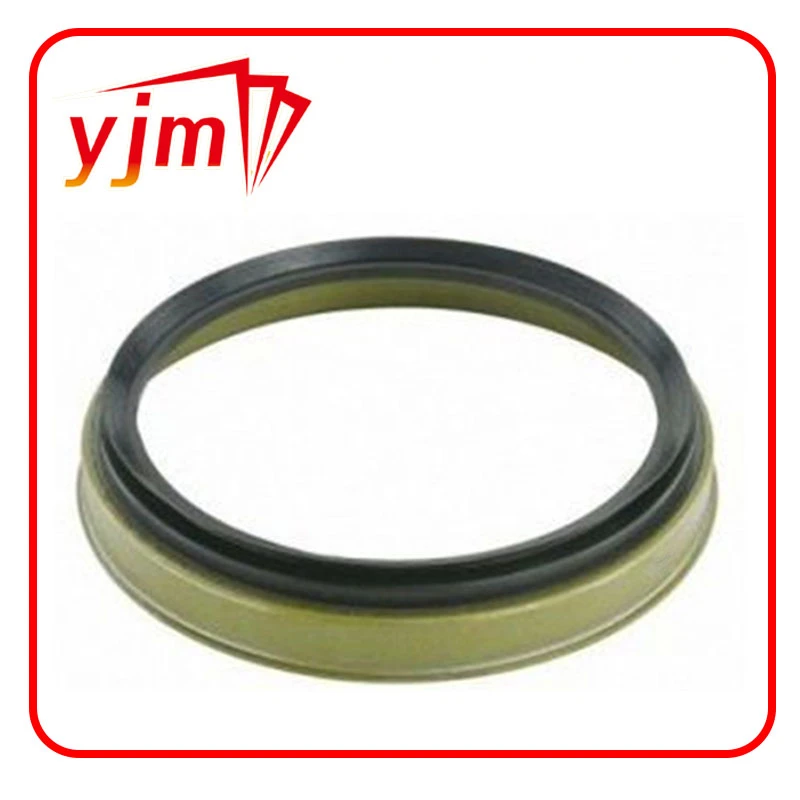
Seal, type v oil 9031287001 TOYOTA
-
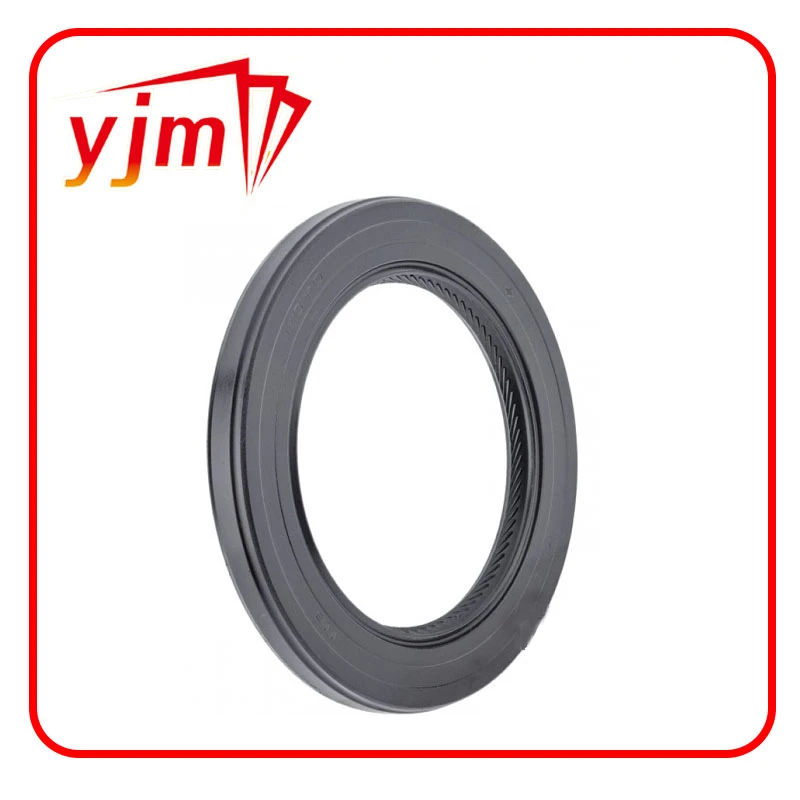
Oil pump seal 9031143010
-
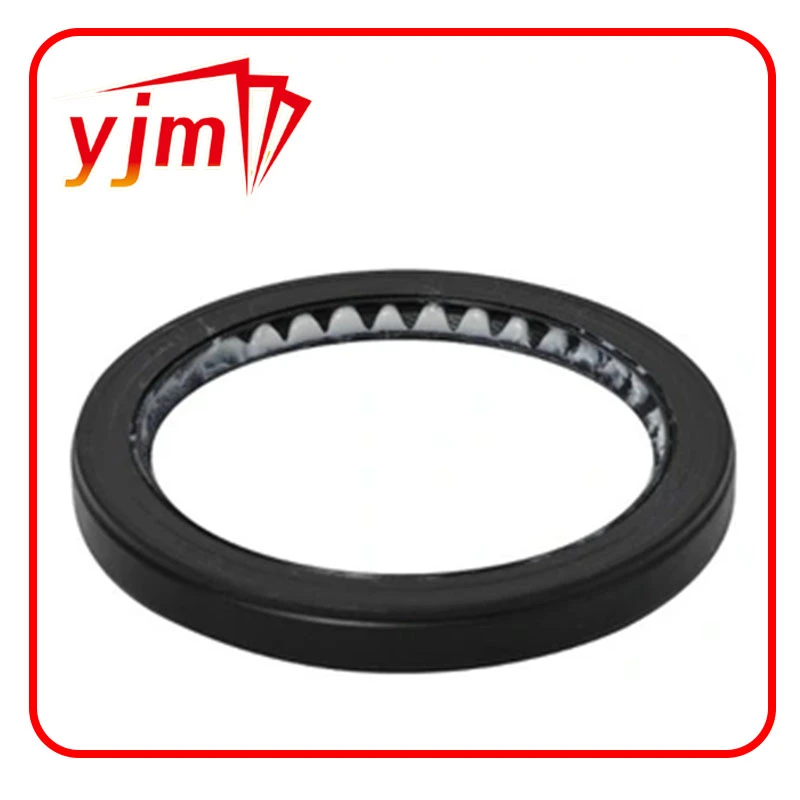
Genuine Toyota Oil SEAL 90311-54006
-
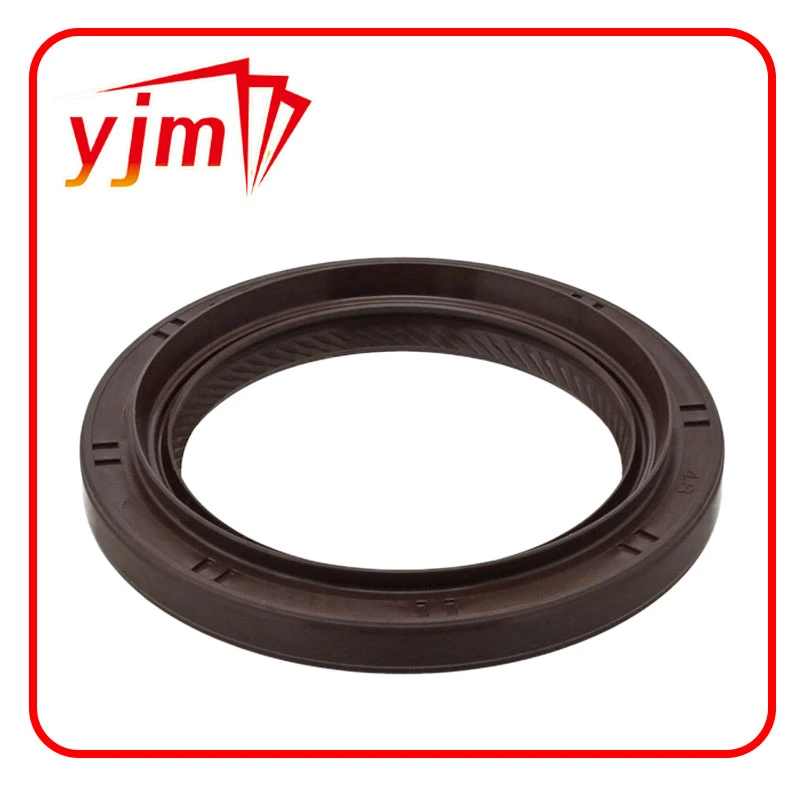
Toyota SEAL TYPE T OIL 90311-48031
-
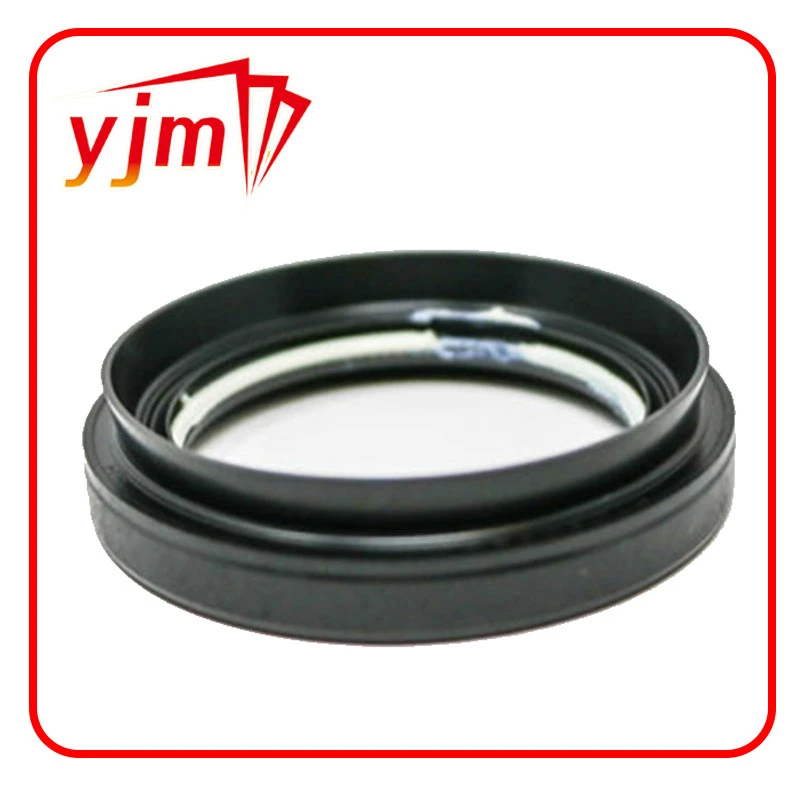
Type T Oil Seal, Front Drive Shaft, Left 9031150064
-
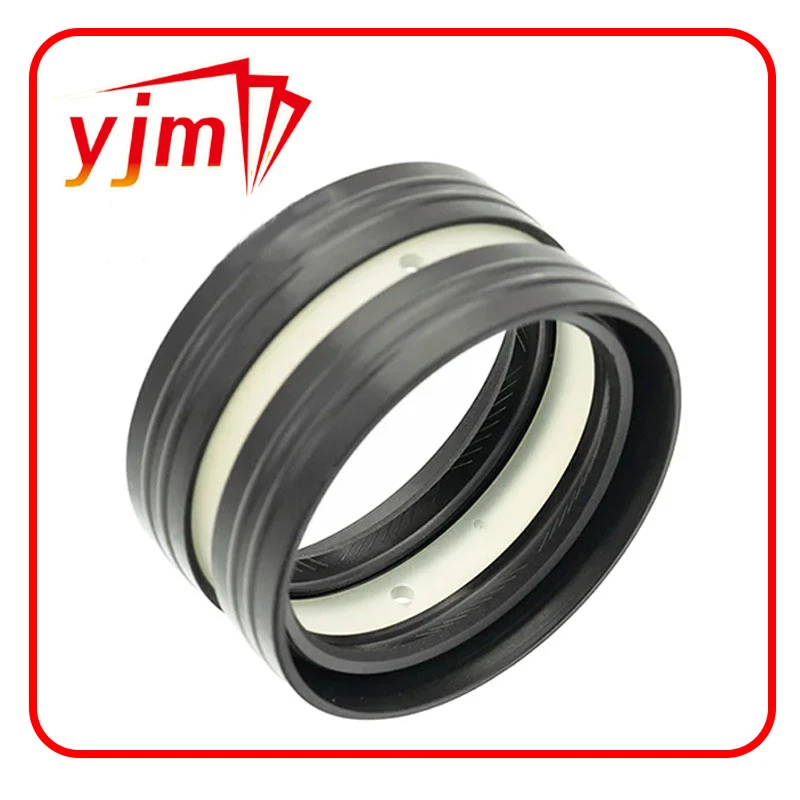
Seal, type d oil 9031634001 TOYOTA
 Afrikaans
 Albanian
 Amharic
 Arabic
 Armenian
 Azerbaijani
 Basque
 Belarusian
 Bengali
 Bosnian
 Bulgarian
 Catalan
 Cebuano
 Corsican
 Croatian
 Czech
Czech
 Danish
 Dutch
Dutch
 Esperanto
 Estonian
 Finnish
 French
 Frisian
 Galician
 Georgian
 German
 Greek
Greek
 Gujarati
 Haitian Creole
 Hausa
Hausa
 Hawaiian
 Hebrew
 Hindi
Hindi
 Miao
Miao
 Hungarian
 Icelandic
 Igbo
Igbo
 Indonesian
 Irish
Irish
 Italian
 Japanese
 Javanese
 Kannada
 Kazakh
 Khmer
Khmer
 Rwandese
 Korean
 Kurdish
 Kyrgyz
 Lao
Lao
 Latin
Latin
 Latvian
 Lithuanian
 Luxembourgish
 Macedonian
 Malgashi
 Malay
Malay
 Malayalam
 Maltese
 Maori
Maori
 Marathi
 Mongolian
 Myanmar
 Nepali
 Norwegian
 Norwegian
 Occitan
 Pashto
 Persian
 Polish
 Portuguese
 Punjabi
 Romanian
 Russian
 Samoan
 Scottish Gaelic
 Serbian
 Sesotho
 Shona
Shona
 Sindhi
 Sinhala
 Slovak
 Slovenian
 Somali
 Spanish
 Sundanese
 Swahili
 Swedish
 Tagalog
 Tajik
Tajik
 Tamil
Tamil
 Tatar
Tatar
 Telugu
 Thai
Thai
 Turkish
 Turkmen
 Ukrainian
 Urdu
Urdu
 Uighur
 Uzbek
Uzbek
 Vietnamese
 Welsh
Welsh
 Bantu
Bantu
 Yiddish
 Yoruba
 Zulu
Zulu
 English