Front Engine Oil Seal - Comprehensive Guide & Global Insights | YJM Seal
Understanding the Front Engine Oil Seal: Why It Matters and How It Shapes Automotive Reliability
The front engine oil seal might not be headline material for most people, yet it plays a surprisingly pivotal role in the smooth operation of engines worldwide. Without this small but mighty component, engines would leak oil, run inefficiently, and ultimately face damage — a costly ordeal both for individual drivers and massive fleets alike. Globally, billions of vehicles depend daily on reliable oil sealing to keep their engines from succumbing to wear and tear.
Understanding the front engine oil seal is more than just a technical curiosity; it’s a nod to the broader challenges in maintaining durable machinery and reducing environmental risk. Oil leaks don’t just waste resources; they pollute ecosystems and increase maintenance costs. So, knowing a little about how front engine oil seals work—and why they’re essential—helps us appreciate the nuances of automotive and industrial machinery longevity.
Global Industry Context: Why the Front Engine Oil Seal Is Essential
Globally, the automotive industry is a major economic driver — producing more than 90 million vehicles annually (according to the International Organization of Motor Vehicle Manufacturers). Each of these vehicles relies heavily on proper engine function, where oil seals prevent contamination and protect internal parts. The front engine oil seal is especially critical, sitting at the intersection where the crankshaft exits the engine block. Here, the potential for oil to escape is high due to constant shaft rotation and pressure differences.
Oddly enough, despite advances in engine technology, oil seals remain a persistent pain point for mechanics and vehicle owners worldwide. Leakage contributes to nearly 35% of all engine failures in certain regions, according to automotive repair surveys, creating extensive downtime and repair costs. This makes the role of front engine oil seals even more relevant — a microscopic part with a macro effect.
What Is a Front Engine Oil Seal?
Simply put, the front engine oil seal is a specialized gasket designed to retain the engine oil inside the crankcase while allowing the crankshaft to rotate freely outside the motor housing. Think of it as a tight-fitting, flexible ring—usually made of a rubber or synthetic elastomer—that wraps snugly around the crankshaft’s perimeter. It bridges the gap between moving and stationary parts to keep oil where it’s supposed to be, preventing it from leaking out and contaminants from seeping in.
This seal is tightly integrated into the engine’s design and is fundamental to modern internal combustion engines, heavy machinery, and even some renewable energy setups like hybrid motors. Its efficiency affects operational life, emission standards, and maintenance schedules.
Key Features of a High-Quality Front Engine Oil Seal
Durability
The front engine oil seal must resist wear from continuous friction as the crankshaft spins at thousands of revolutions per minute. Materials like fluorocarbon rubber and PTFE (Teflon) are common, prized for their heat and chemical resistance. Seal longevity directly influences engine maintenance frequency.
Flexibility and Precision Fit
Seals have to maintain a perfect interface despite crankshaft vibrations and thermal expansion. Too tight, and the seal causes extra friction and wear; too loose, and it leaks. Advances in manufacturing allow seals to be produced with near-perfect tolerances.
Temperature Resistance
Engines operate at high temperatures, often exceeding 100°C (212°F). The seal material must effectively withstand these temperatures without hardening or cracking.
Compatibility with Fluids
Besides engine oil, these seals often contact transmission fluid and other lubricants. Chemical resistance ensures they don’t degrade prematurely upon exposure.
Cost Efficiency
For automotive manufacturers and repair shops, the cost per seal must be low enough to make replacement economically viable without sacrificing quality.
Global Applications and Use Cases
The front engine oil seal has become ubiquitous in vehicle manufacturing across continents—from the small cars of Asia to industrial trucks running in harsh European winters to the massive mining machinery operating in Australia. It is also found in generators managed by humanitarian organizations during disaster relief, where equipment reliability is literally life-affirming.
For example, in remote industrial zones, where constant maintenance resources aren't available, a robust front engine oil seal can keep machinery operational for months, preventing costly shutdowns. Similarly, in emerging economies, where automotive repair infrastructure is still developing, having access to affordable, high-quality oil seals supports economic growth by minimizing vehicle downtime.
Advantages and Long-Term Value
- Cost savings: By preventing oil leaks, these seals reduce the frequency of oil refills and avoid expensive engine repairs.
- Sustainability: Minimizing oil leaks also protects soil and waterways, aligning with global environmental standards like ISO 14001.
- Reliability and Safety: A well-sealed engine runs cooler and cleaner, reducing the risk of engine failure that can cause accidents.
- Innovation: Improvements in materials and design reflect ongoing advancements in automotive engineering culture.
Frankly, it’s easy to overlook this humble component, but anyone who’s faced a leaky engine will tell you: the front engine oil seal earns its keep in both the garage and on the road.
Future Trends & Innovations in Front Engine Oil Seal Technology
Technology never stands still. We see a growing use of bio-based seal materials designed to reduce environmental impact, along with nanocoatings that minimize friction and seal degradation. Digital transformation techniques, like predictive maintenance using sensor data, help engineers determine the optimal replacement interval for oil seals before failure occurs.
Additionally, in electric and hybrid vehicles, the need for reliable seals remains, but with differing requirements, such as sealing around electric motor shafts that may have different torque and heat profiles. The shift to greener vehicles only underscores the evolving importance of sealing technology.
Challenges & Solutions
Despite the advances, challenges persist. Seals often fail prematurely due to improper installation or contamination by dirt and debris. Harsh driving conditions—dusty, wet, or extreme temperature environments—put extra strain on seal integrity.
Many mechanics advocate for better educational resources on installation techniques, while manufacturers are working on developing seals with integrated dirt-resistant features. Industry collaboration to standardize testing protocols helps ensure reliability before components hit the market.
Frequently Asked Questions About Front Engine Oil Seals
- How long does a typical front engine oil seal last?
- Generally, a front engine oil seal lasts between 50,000 and 100,000 miles, depending on vehicle type, driving conditions, and maintenance. High-quality seals and proper installation can extend this lifespan considerably.
- Can a leaking front engine oil seal cause engine damage?
- Yes, if oil leakage is severe, it can lead to insufficient lubrication, overheating, and ultimately, engine component damage. Early detection of leaks is essential to avoid costly repairs.
- Are aftermarket oil seals as reliable as OEM parts?
- Many aftermarket seals meet or even exceed OEM specifications, especially when sourced from reputable vendors. However, quality can vary, so purchasing from trusted brands or suppliers is advisable.
- What signs indicate a failing front engine oil seal?
- Oil puddles under the vehicle, burning oil smells, or a sudden drop in engine oil levels are common symptoms. Regular inspection during maintenance helps catch these early.
- Can I replace the front engine oil seal myself?
- While some experienced DIYers manage to replace seals, it’s a technically challenging task requiring special tools and care. Professional installation is recommended to ensure a proper seal and avoid further damage.
Product Specifications of a Typical Front Engine Oil Seal
| Parameter | Specification |
|---|---|
| Inner Diameter | Typically 40 - 100 mm |
| Outer Diameter | Approximately 55 - 120 mm |
| Material | Fluorocarbon rubber (FKM), PTFE, NBR variants |
| Temperature Range | -40°C to +150°C |
| Application | Automotive, Heavy Machinery, Industrial Engines |
Vendor Comparison: Top Front Engine Oil Seal Suppliers
| Vendor | Material Range | Typical Lead Time | Price Range | Warranty |
|---|---|---|---|---|
| YJM Seal Co. | FKM, NBR, PTFE hybrids | 2-3 weeks | $$ | 12 months |
| Global SealTech | NBR, Silicone | 3-4 weeks | $ | 6 months |
| Premium Ring Seals | PTFE, Fluoroelastomer | 1-2 weeks | $$$ | 24 months |
In my experience, YJM Seal Co. provides an impressive balance between cost, quality, and delivery time. Many automotive repair shops mention their reliability when sourcing front engine oil seals.
Conclusion: Why Understanding Your Front Engine Oil Seal Pays Off
To sum it all up: the front engine oil seal is a small but vital piece of the automotive puzzle. Its performance touches on sustainability, safety, cost efficiency, and engineering innovation. Whether you’re a manufacturer, mechanic, or just a curious driver, understanding how these seals work helps us appreciate the shared effort behind every smooth engine start.
For those ready to dive deeper or in need of dependable front engine oil seals, visit YJM Seal — a trusted supplier known for quality and service.
Next time you see a car gliding by, remember the tiny seal that quietly keeps it all running.
Mini Takeaways:
- Front engine oil seals prevent costly oil leaks and engine damage.
- Material advancements improve durability and environmental safety.
- Proper installation and maintenance extend seal service life.
- Global demand continues to rise with new automotive technologies.
Even the smallest innovations can have monumental impacts on machine lifespan and environmental health.
References:
-
Guide to Choosing the Right Washer for Oil Change and Sealing
News Apr.16,2026
-
Essential Guide to High Quality rubber washer oil drain plug
News Apr.09,2026
-
Understanding Rubber Crush Washers for Optimal Sealing Performance
News Apr.07,2026
-
Comprehensive Guide to Understanding and Reusing Crush Washer for Optimal Sealing
News Apr.04,2026
-
The Vital Role of a Drain Screw Gasket in Fluid System Integrity
News Mar.31,2026
-
The Essential Guide to Drain Crush Washer Selection and Plumbing Leak Prevention
News Mar.28,2026
-
The Vital Role of a Crush Washer in Oil Changes for Engine Protection
News Mar.26,2026
Products categories
-
Brass cutlass marine bearing
-
Genuine OEM Engine Oil Filter Housing Cover O-Ring For VW/Audi 06E115446
-
Oil Filter Stand Gasket,Oil filter cover seal
-
Oil Cooler Gasket, Oil Cooler to Oil Filter Housing 11427525335
-
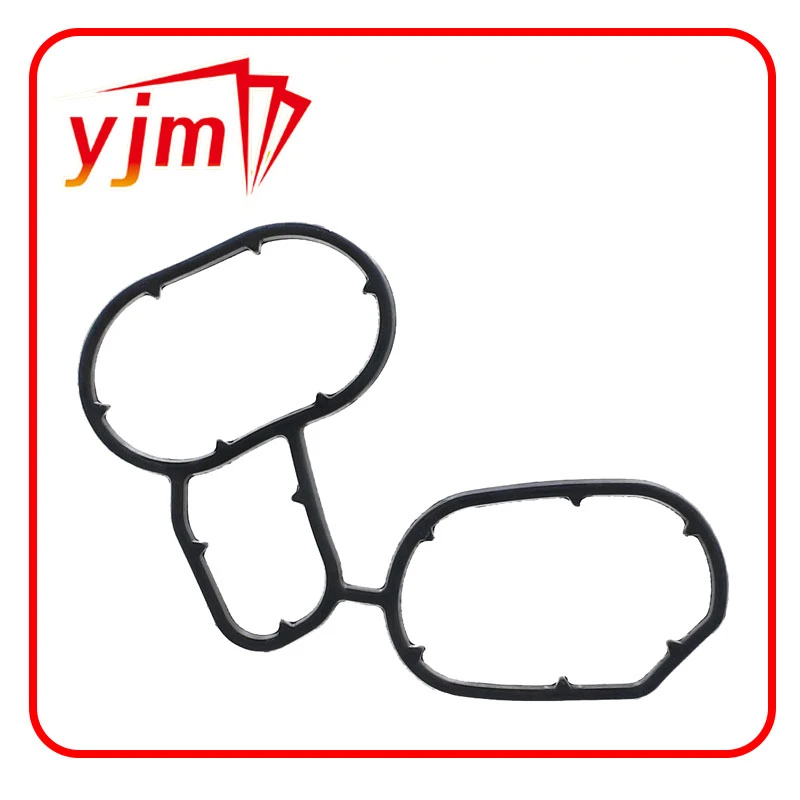
11427508970 BMW - OIL FILTER HOUSING GASKETS
-
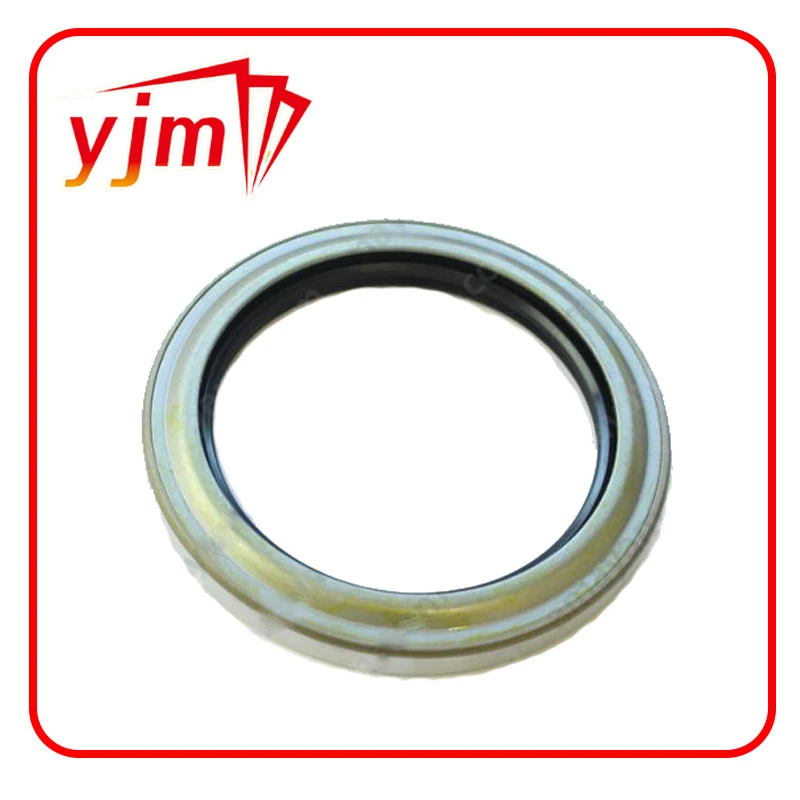
SEAL, OIL Genuine Toyota (9031170011)
-
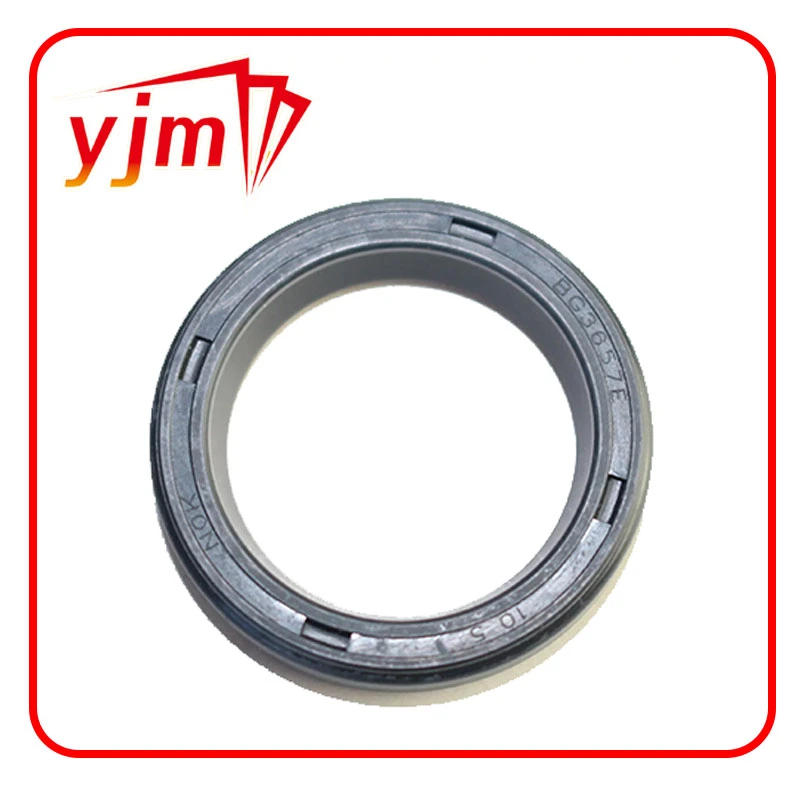
Transfer Case Output Shaft Seal Part 9031223001
-
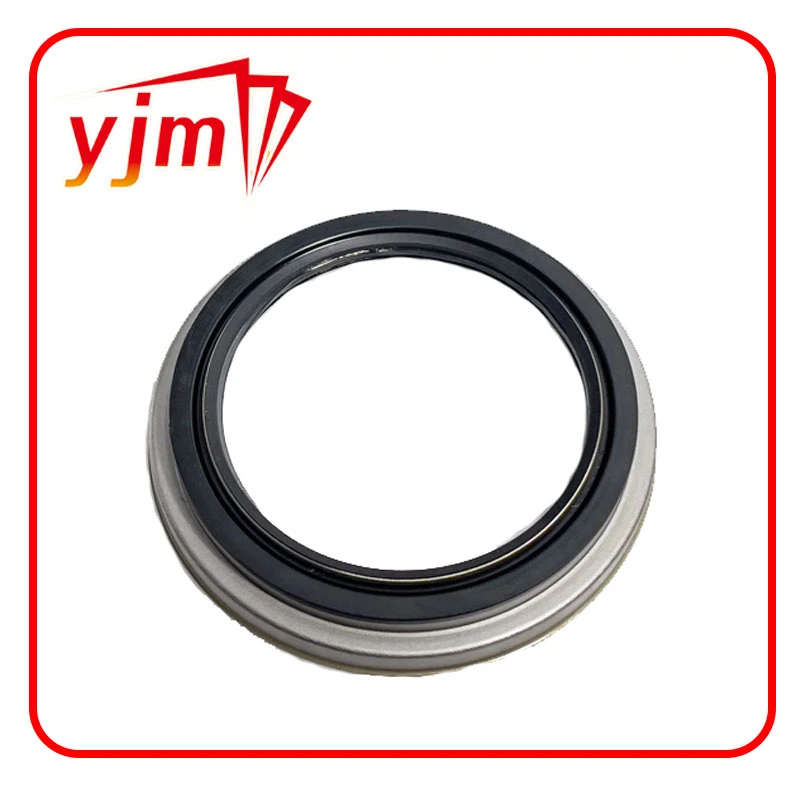
SEAL, OIL Genuine Toyota (9031672001)
-
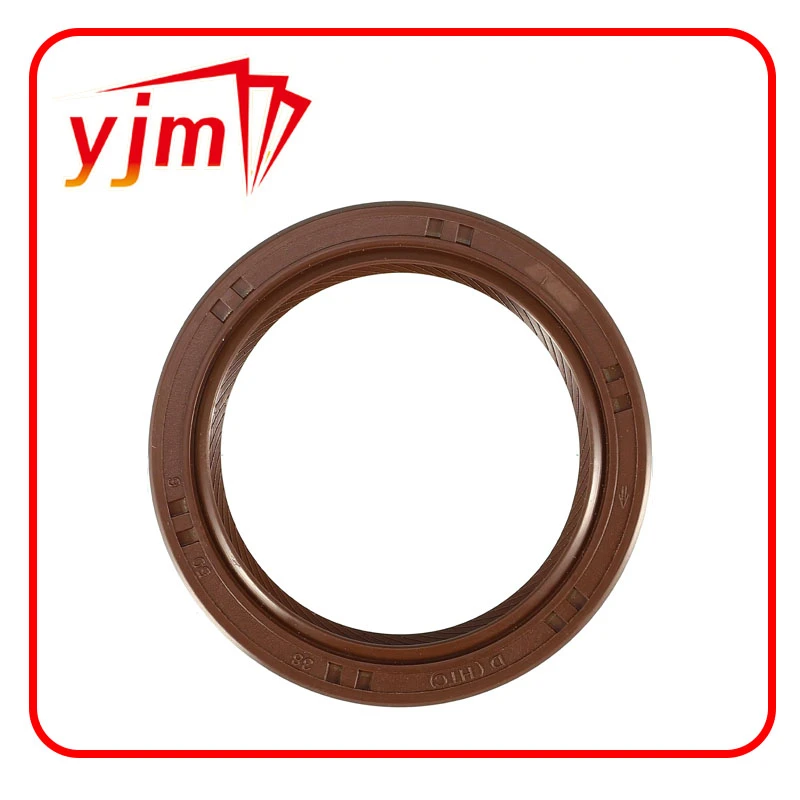
Engine Crankshaft Oil Seal No.9031138096
-
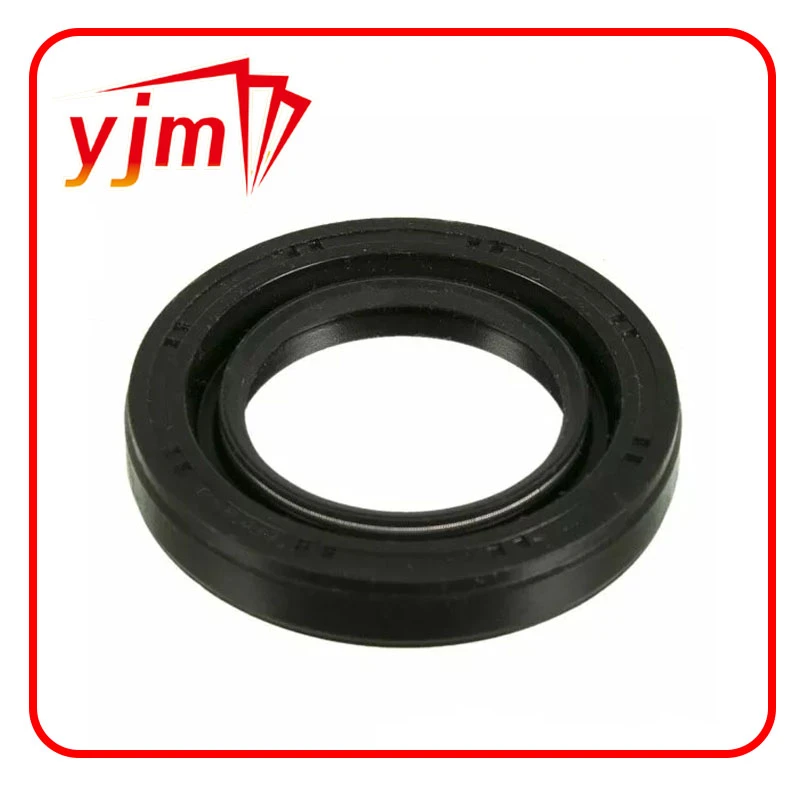
Toyota Transfer Case Output Shaft Seal Front 9031136006
-
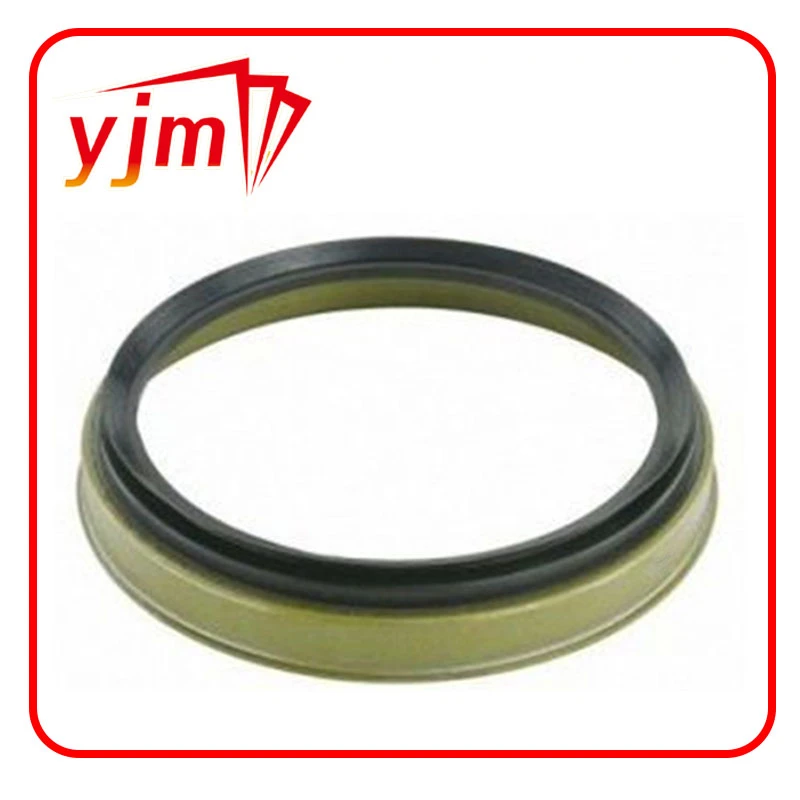
Seal, type v oil 9031287001 TOYOTA
-
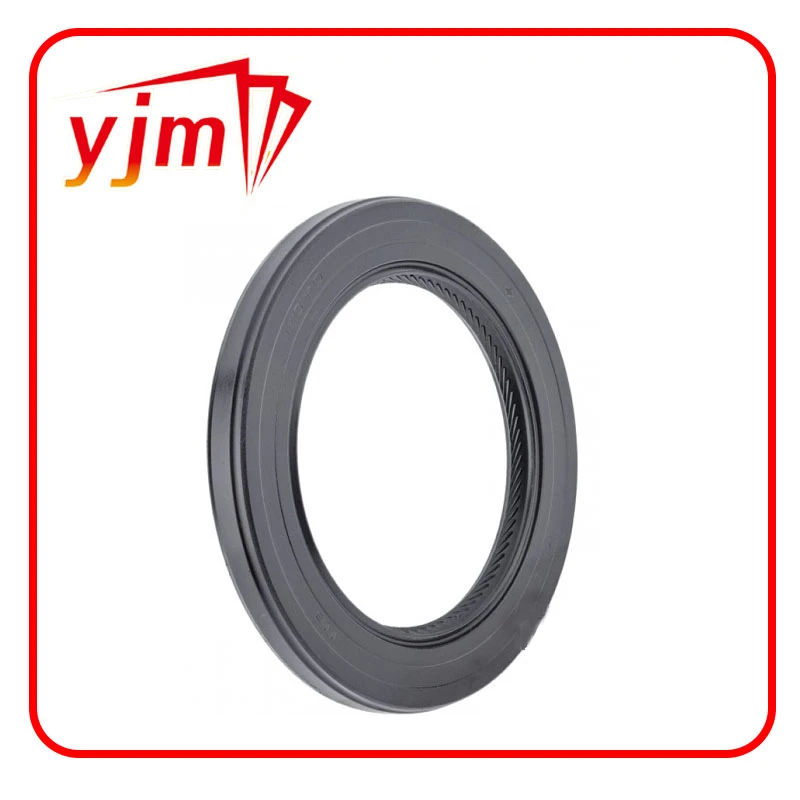
Oil pump seal 9031143010
-
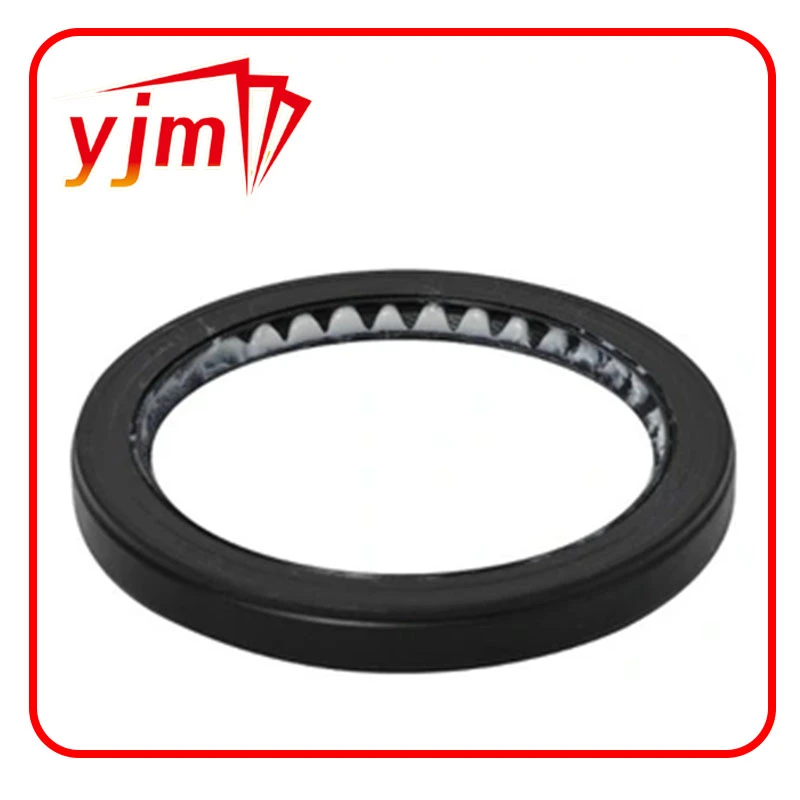
Genuine Toyota Oil SEAL 90311-54006
-
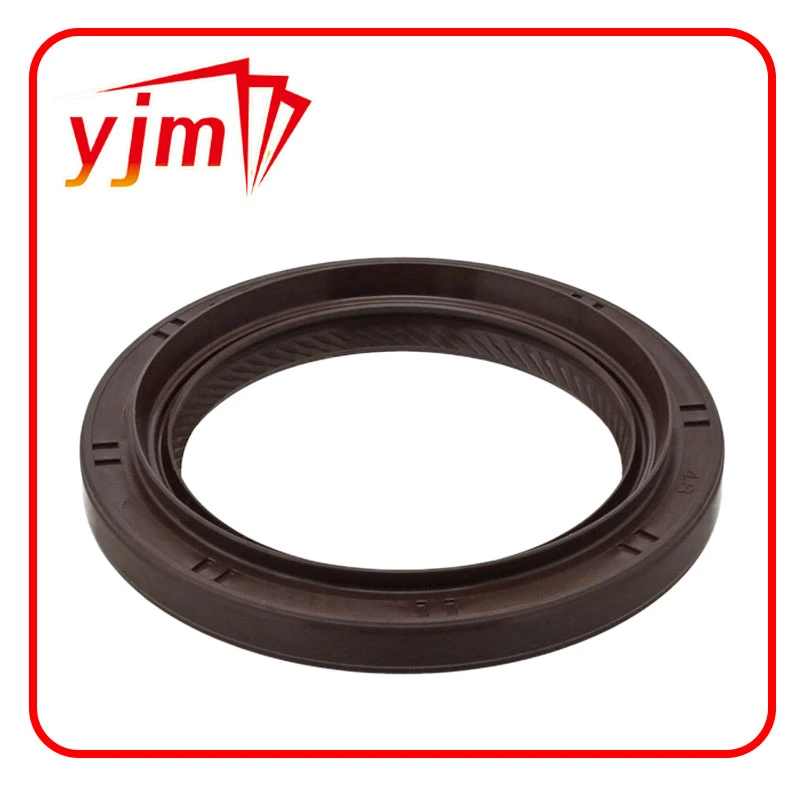
Toyota SEAL TYPE T OIL 90311-48031
-
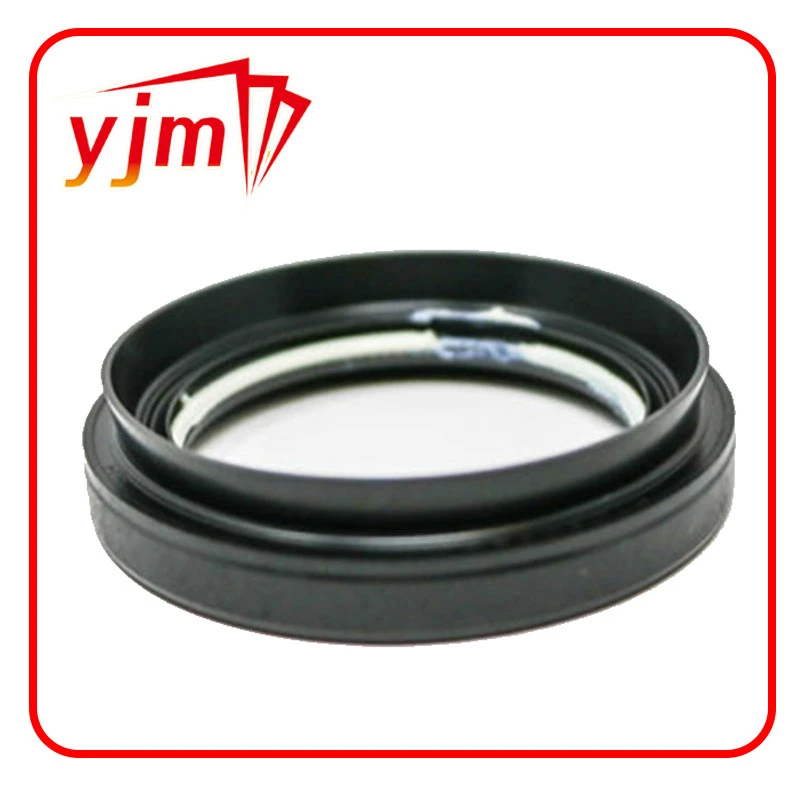
Type T Oil Seal, Front Drive Shaft, Left 9031150064
-
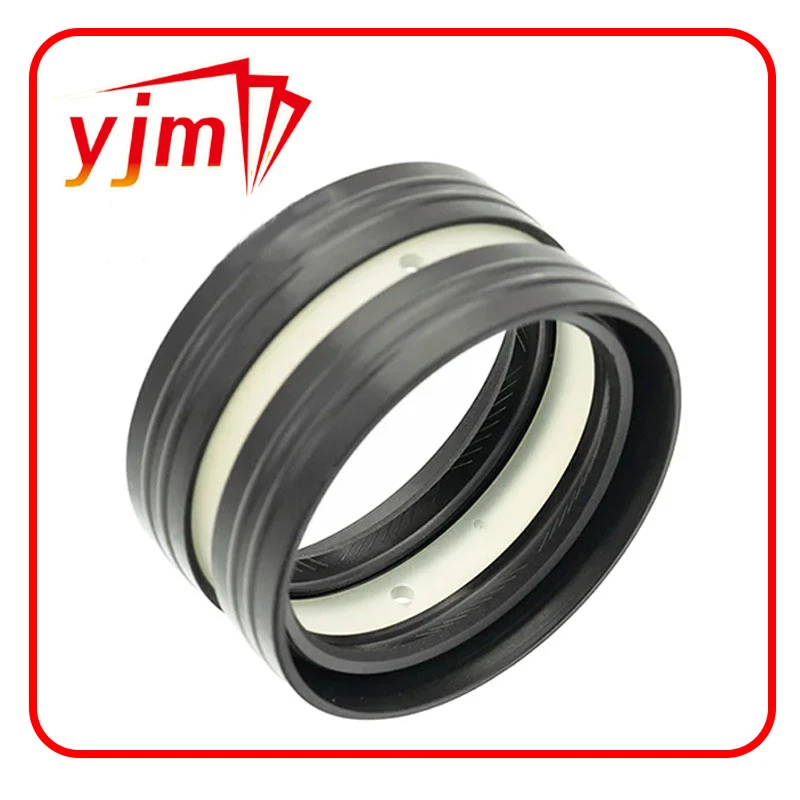
Seal, type d oil 9031634001 TOYOTA
 Afrikaans
 Albanian
 Amharic
 Arabic
 Armenian
 Azerbaijani
 Basque
 Belarusian
 Bengali
 Bosnian
 Bulgarian
 Catalan
 Cebuano
 Corsican
 Croatian
 Czech
Czech
 Danish
 Dutch
Dutch
 Esperanto
 Estonian
 Finnish
 French
 Frisian
 Galician
 Georgian
 German
 Greek
Greek
 Gujarati
 Haitian Creole
 Hausa
Hausa
 Hawaiian
 Hebrew
 Hindi
Hindi
 Miao
Miao
 Hungarian
 Icelandic
 Igbo
Igbo
 Indonesian
 Irish
Irish
 Italian
 Japanese
 Javanese
 Kannada
 Kazakh
 Khmer
Khmer
 Rwandese
 Korean
 Kurdish
 Kyrgyz
 Lao
Lao
 Latin
Latin
 Latvian
 Lithuanian
 Luxembourgish
 Macedonian
 Malgashi
 Malay
Malay
 Malayalam
 Maltese
 Maori
Maori
 Marathi
 Mongolian
 Myanmar
 Nepali
 Norwegian
 Norwegian
 Occitan
 Pashto
 Persian
 Polish
 Portuguese
 Punjabi
 Romanian
 Russian
 Samoan
 Scottish Gaelic
 Serbian
 Sesotho
 Shona
Shona
 Sindhi
 Sinhala
 Slovak
 Slovenian
 Somali
 Spanish
 Sundanese
 Swahili
 Swedish
 Tagalog
 Tajik
Tajik
 Tamil
Tamil
 Tatar
Tatar
 Telugu
 Thai
Thai
 Turkish
 Turkmen
 Ukrainian
 Urdu
Urdu
 Uighur
 Uzbek
Uzbek
 Vietnamese
 Welsh
Welsh
 Bantu
Bantu
 Yiddish
 Yoruba
 Zulu
Zulu
 English