Heavy Duty Rubber Seal: Durable Industrial Sealing Solutions for Extreme Conditions
What’s All the Fuss About Heavy Duty Rubber Seals?
If you’ve ever wondered why certain machines or vehicles can withstand the harshest environments without leaking a drop—or why industrial equipment keeps performing despite relentless wear and tear—the secret often lies in something as unassuming (but crucial) as a heavy duty rubber seal. These seals are the unsung heroes making sure engines stay lubricated, pipes don’t leak, and infrastructure lasts decades longer. Globally, understanding these seals isn’t just industry jargon—it’s about securing systems that billions rely on daily.
Introduction: Why Heavy Duty Rubber Seals Matter Worldwide
Heavy duty rubber seals are everywhere—from the oil rigs off Norway’s coast to wind turbines in Germany to water treatment plants in Kenya. According to the International Organization for Standardization (ISO), over 85% of industrial equipment downtime results from seal failures alone. That means billions of dollars lost annually worldwide. What’s more, in extreme climates or critical humanitarian aid efforts, having reliable sealing solutions can be a matter of safety and efficiency.
Think about disaster relief situations where temporary pipes or tanks need to be quickly set up but also hold under high pressure. A poor seal could mean leakage, contamination, or delays. In an era driven by sustainability goals—like those outlined by the United Nations Sustainable Development Goals (SDGs)—durability and reliability in materials are not luxuries; they’re necessities.
Defining Heavy Duty Rubber Seals: A Simple Explanation
Put simply, a heavy duty rubber seal is a component made from engineered elastomers designed to provide a tight, durable seal against fluids, gases, or contaminants under tough conditions. These are not your garden-variety gaskets or O-rings but seals crafted for industrial scale pressures, temperatures, and wear.
They are integral to modern manufacturing, energy production, water management, and even humanitarian logistics, ensuring equipment and systems function without catastrophic leaks or failures. So when you hear manufacturers talk about ‘sealing solutions,’ chances are they’re referring to these robust rubber components that help keep the world turning.
Key Factors That Make Heavy Duty Rubber Seals Special
Durability — The Backbone of Performance
Out in the field, seals are exposed to abrasion, extreme temperatures, and chemical assaults. Their elastomer compounds—like nitrile, EPDM, or silicone—are chosen specifically for their resistance to cracking, swelling, or degradation. Many engineers praise how these seals can last up to 10 years in continuous industrial use compared to 2-3 years for standard seals.
Pressure and Temperature Resistance
Heavy duty seals often endure pressures exceeding 5000 psi and temperatures ranging from -40°C up to 250°C. That kind of resilience is critical in sectors like automotive manufacturing, aerospace, or oil & gas exploration.
Customization and Scalability
One size rarely fits all. These seals are often custom molded or cut to fit specific machinery. Scalability means from small washers to giant pipe flange seals—each tailored for unique specs and volumes.
Cost Efficiency over Lifecycle
Although the upfront price may be higher compared to generic seals, their longevity and reduced maintenance make them economically smarter in the long run. Fewer replacements mean less downtime, and that saves fortunes.
Global Applications & Real-World Use Cases
Across sectors, these seals appear like silent guardians:
- Oil & Gas: On offshore rigs where saltwater and harsh weather beat down equipment relentlessly.
- Water Treatment: Seals keep pipelines leak-proof even in remote regions, like rural Africa, ensuring clean water delivery.
- Automotive & Aerospace: High tolerance seals for engines, fuel systems, and hydraulic controls.
- Humanitarian Aid: Seals enable rapid deployment of portable water storage and fuel tanks during natural disasters.
For example, after the 2019 floods in Southeast Asia, many relief organizations used heavy duty rubber seals in their mobile water filtration systems, where durability was key to uninterrupted clean water access.
Advantages & Long-Term Value of Investing in Heavy Duty Rubber Seals
It's not just about plugging a hole. Reliable seals directly enhance safety by preventing toxic leaks, environmental contamination, or catastrophic system failures. They embody the qualities of:
- Reliability: Less downtime, fewer emergency repairs.
- Sustainability: Longer lifespans help reduce waste and carbon footprints.
- Cost Savings: Reduced maintenance and replacement costs.
- Confidence: Operators trust their machinery will perform—sometimes in life-or-death situations.
As a side note, one manufacturer recently told me “We don’t just sell seals; we sell peace of mind.” And I can’t argue with that.
Spotlight on Specifications: A Typical Heavy Duty Rubber Seal
| Feature | Specification |
|---|---|
| Material | Nitrile (NBR) / EPDM / Silicone |
| Temperature Range | -40°C to 250°C |
| Pressure Capacity | Up to 5000 psi |
| Typical Lifespan | 7–10 years |
| Resistance | Oil, Chemicals, Weathering, Abrasion |
Comparing Top Vendors of Heavy Duty Rubber Seals
| Vendor | Material Options | Customization | Typical Lead Time | Price Range |
|---|---|---|---|---|
| YJM Seal Co. | NBR, EPDM, Silicone | Full custom mold & sizes | 2-3 weeks | Mid to high |
| Industrial Seal Solutions | NBR, FKM | Standard sizes, limited custom | 1-2 weeks | Low to mid |
| Global Elastomer Tech | Silicone, EPDM, PU | Custom molds, volume focus | 3-4 weeks | High |
Emerging Trends & Innovations in Heavy Duty Rubber Sealing
Just when you think seals are a solved problem, new materials and technologies push the envelope. Nanocomposites with improved wear resistance, bio-based elastomers for greener manufacturing, and sensors embedded within seals for predictive maintenance are cutting-edge developments.
Also, the push towards Industry 4.0 means smart factories using real-time seal monitoring to anticipate failures before they happen—something that feels a bit futuristic but is rapidly becoming standard. Plus, circular economy principles are inspiring reuse and recycling efforts in seal production, cutting waste and raw material dependency.
Challenges and How Industry Pros Are Tackling Them
Of course, no technology is without hurdles. Seal failure can still occur due to improper installation, unforeseen chemical exposure, or extreme mechanical stress. However, continuous material testing aligned with ISO 3601 standards ensures better reliability. Installation training and clearer guidelines reduce human error.
Interestingly, many companies now collaborate directly with users to co-develop seals tailored exactly to their environments—a smart move that bridges theoretical specs with field realities.
FAQ: Your Top Questions About Heavy Duty Rubber Seals
Q1: How do I know if a heavy duty rubber seal fits my industrial application?
A1: Start by understanding your operating conditions—pressure, temperature, chemical exposure. Consult with vendors who offer custom options and provide testing certifications. Sometimes you’ll need a blend of materials or a special coating; experts like those at YJM Seal Co. can guide you to the best fit.
Q2: Can these seals be reused after removal?
A2: Generally, heavy duty rubber seals are designed for single-use to ensure maximum integrity. Reusing may lead to minor deformations or wear that compromise sealing effectiveness, especially under heavy load. But in non-critical uses, some may be reused cautiously.
Q3: What’s the average turnaround time for custom heavy duty seals?
A3: Lead times vary by complexity and supplier but usually range from 2 to 4 weeks. Planning ahead is key because prototyping and quality assurance tests take time.
Q4: Are there eco-friendly heavy duty rubber seals available?
A4: Yes! Advances in bio-based elastomers and recyclable materials mean some vendors now offer seals with reduced environmental footprints, aligning with sustainable industry goals—important if your company values green credentials.
Wrapping It Up: Why Heavy Duty Rubber Seals Are Long-Term Winners
At first glance, a rubber seal might seem a small piece in a big industrial puzzle. But its role is massive—impacting safety, cost, durability, and even environmental responsibility. With global infrastructure expanding and sustainability becoming non-negotiable, investing in quality sealing solutions like heavy duty rubber seals isn’t optional—it’s essential.
If you’re considering upgrading your sealing components or just curious about the latest in sealing technology, drop by YJM Seal Co. for expert advice, product details, and tailored solutions.
References
-
Guide to Choosing the Right Washer for Oil Change and Sealing
News Apr.16,2026
-
Essential Guide to High Quality rubber washer oil drain plug
News Apr.09,2026
-
Understanding Rubber Crush Washers for Optimal Sealing Performance
News Apr.07,2026
-
Comprehensive Guide to Understanding and Reusing Crush Washer for Optimal Sealing
News Apr.04,2026
-
The Vital Role of a Drain Screw Gasket in Fluid System Integrity
News Mar.31,2026
-
The Essential Guide to Drain Crush Washer Selection and Plumbing Leak Prevention
News Mar.28,2026
-
The Vital Role of a Crush Washer in Oil Changes for Engine Protection
News Mar.26,2026
Products categories
-
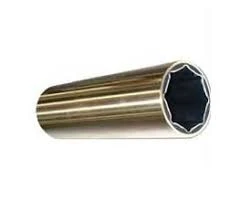
Brass cutlass marine bearing
-
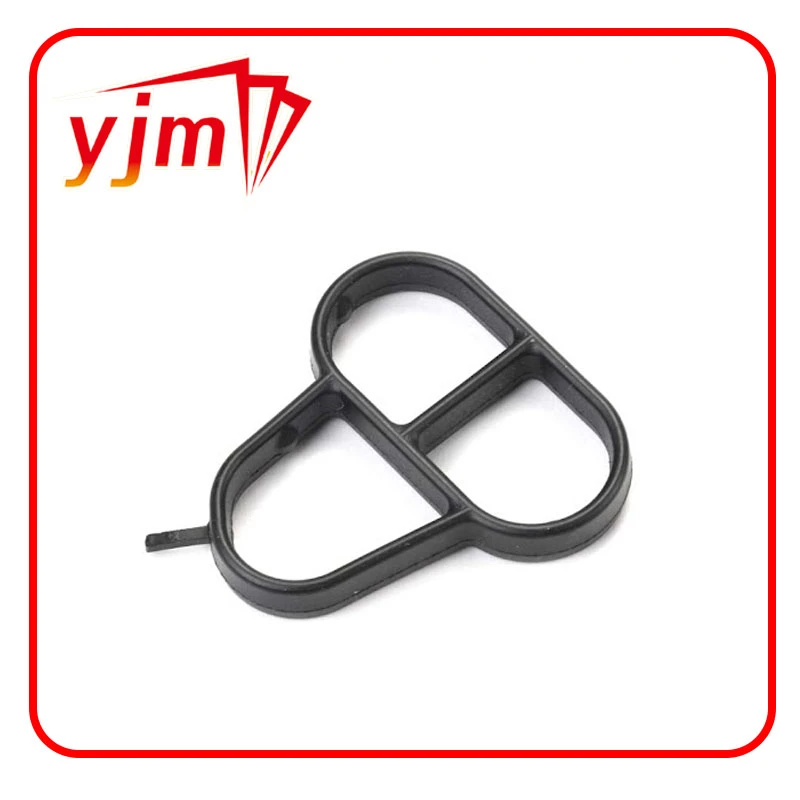
Genuine OEM Engine Oil Filter Housing Cover O-Ring For VW/Audi 06E115446
-
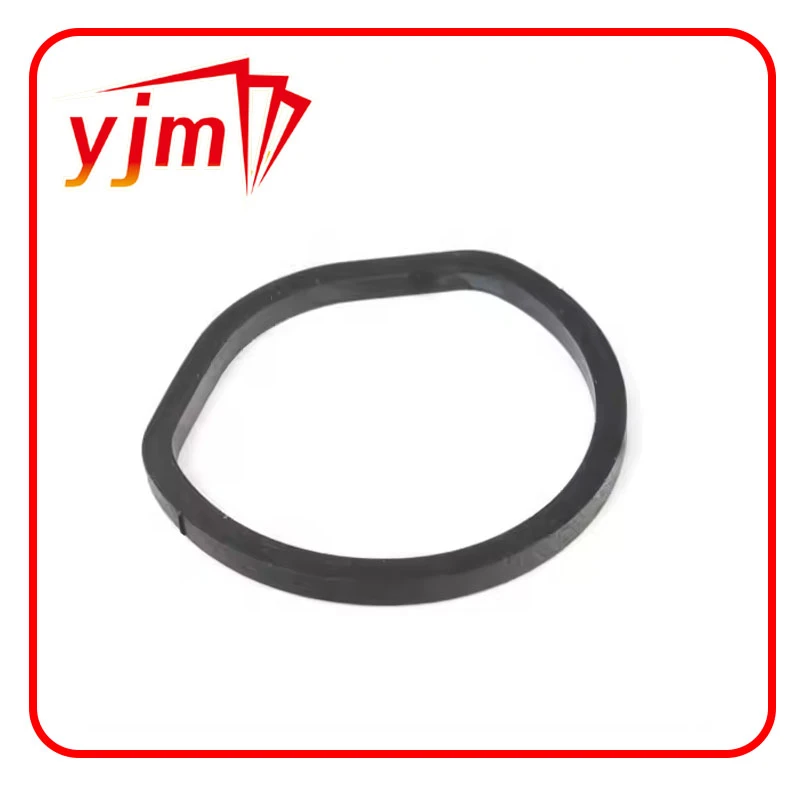
Oil Filter Stand Gasket,Oil filter cover seal
-
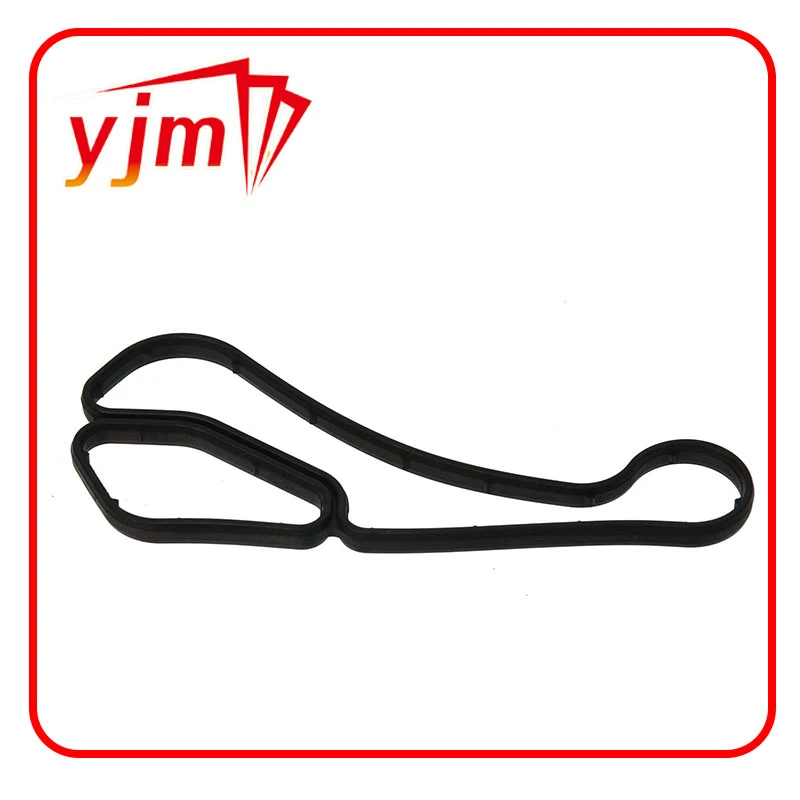
Oil Cooler Gasket, Oil Cooler to Oil Filter Housing 11427525335
-
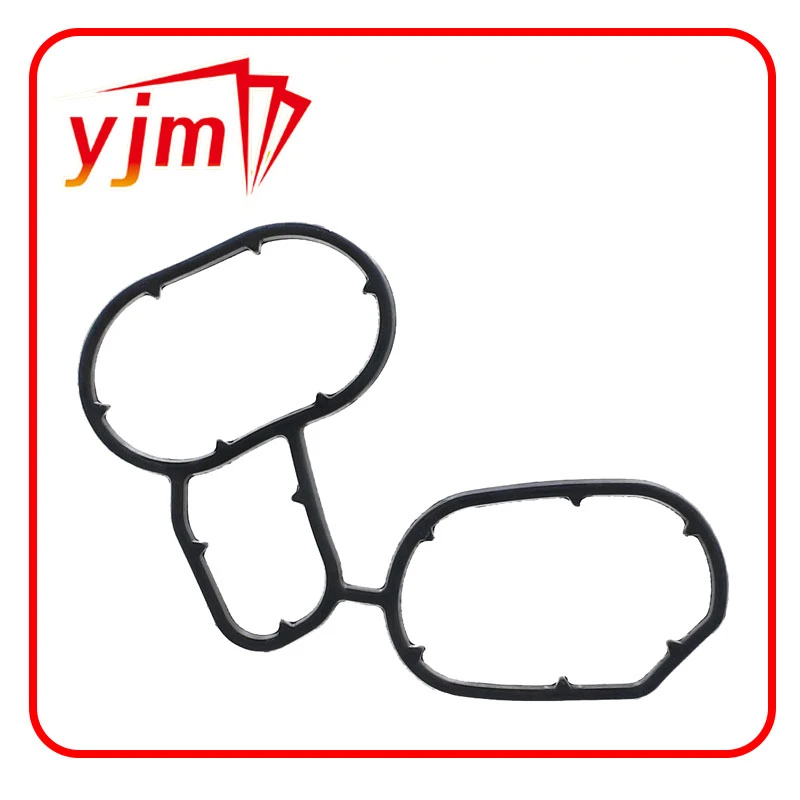
11427508970 BMW - OIL FILTER HOUSING GASKETS
-
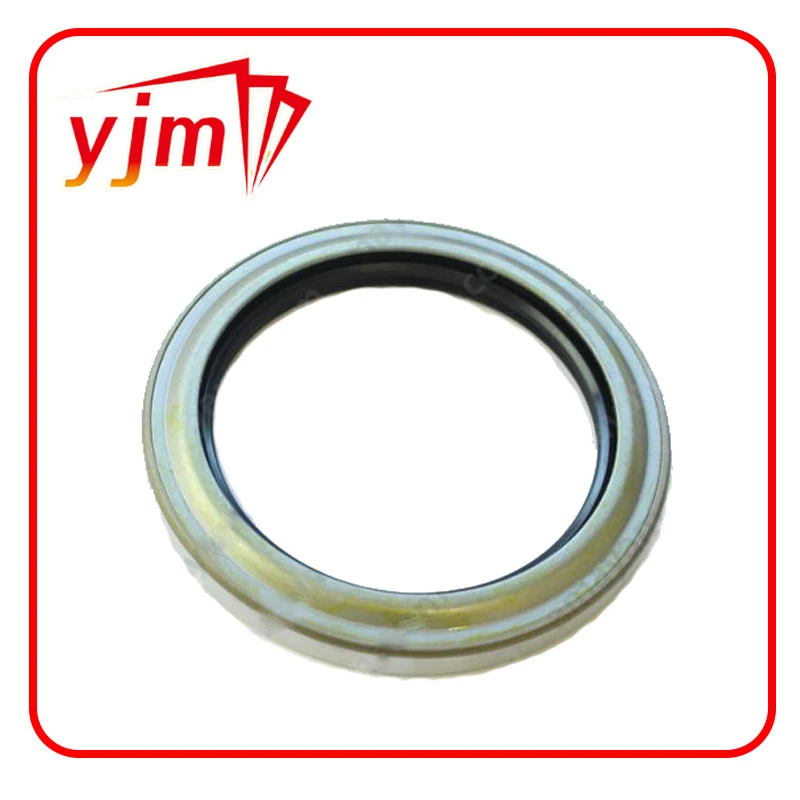
SEAL, OIL Genuine Toyota (9031170011)
-
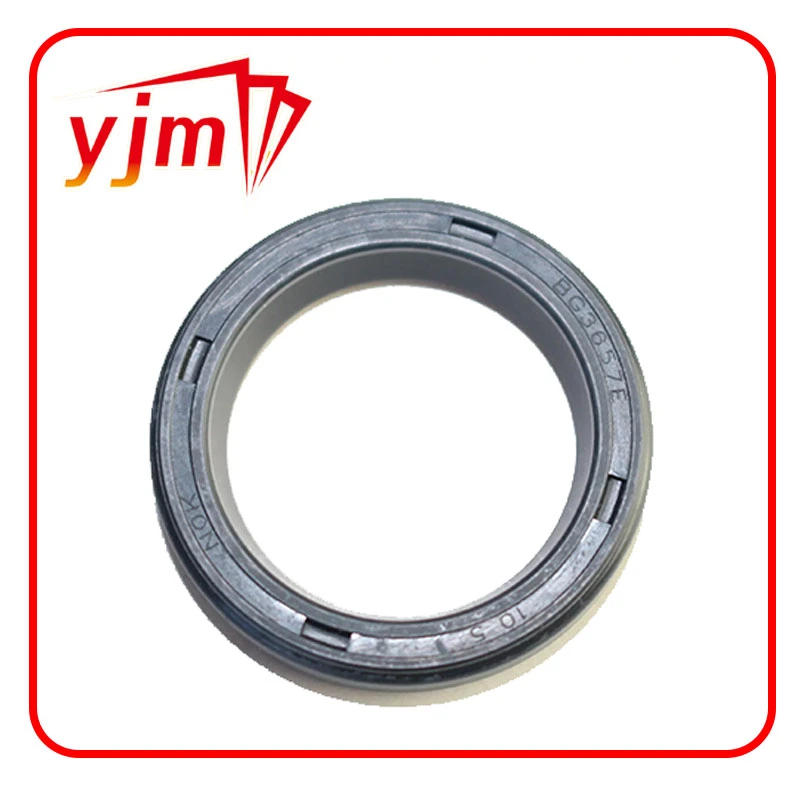
Transfer Case Output Shaft Seal Part 9031223001
-
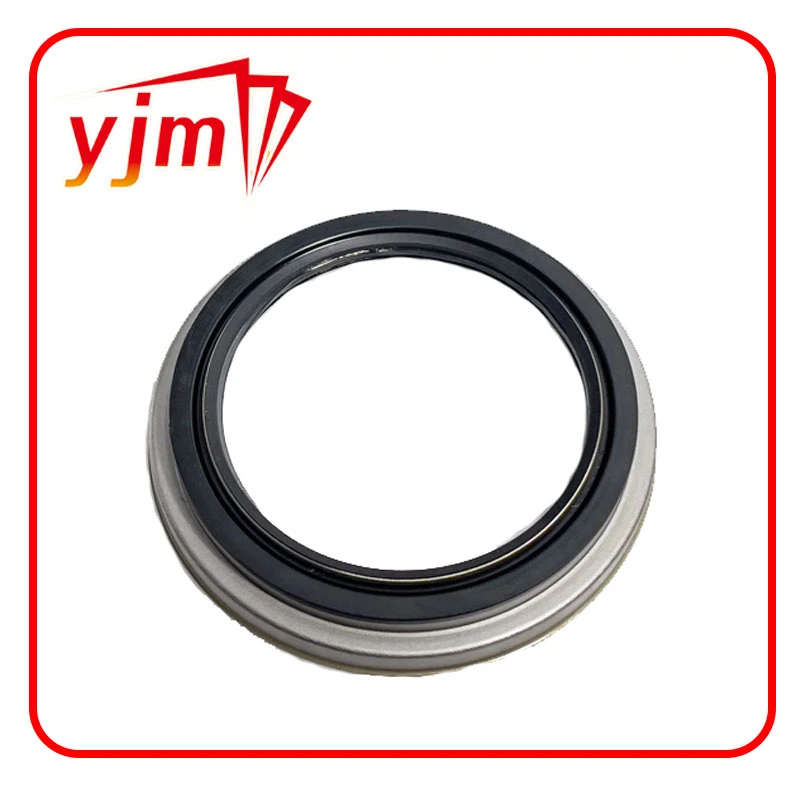
SEAL, OIL Genuine Toyota (9031672001)
-
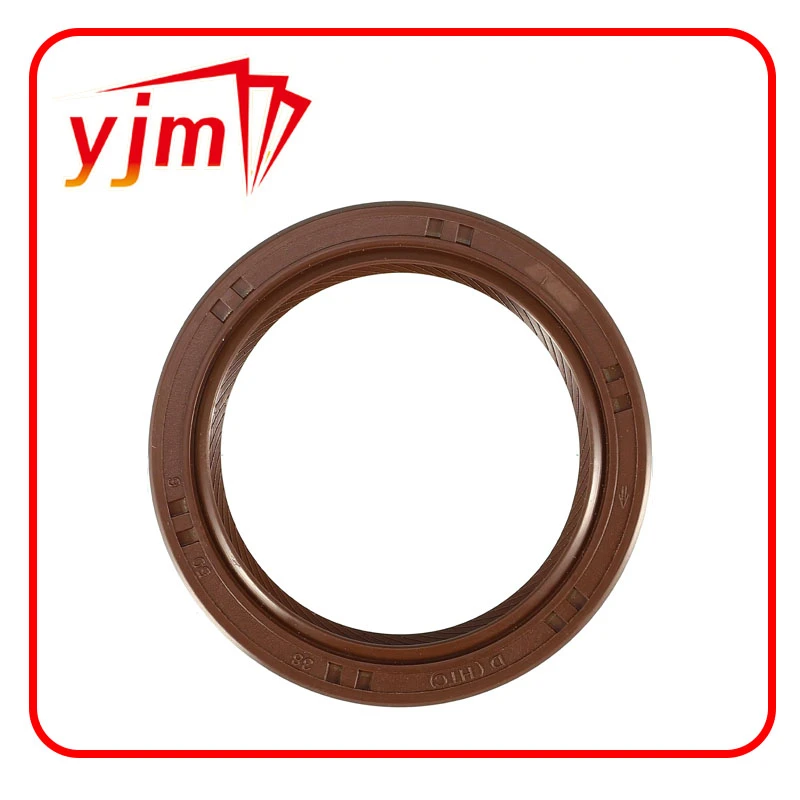
Engine Crankshaft Oil Seal No.9031138096
-
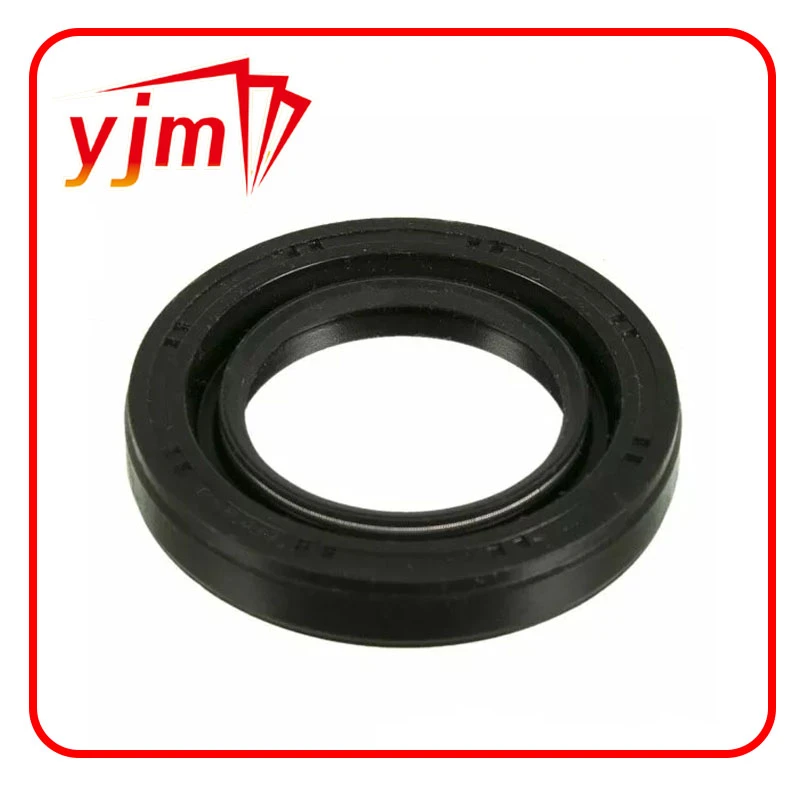
Toyota Transfer Case Output Shaft Seal Front 9031136006
-
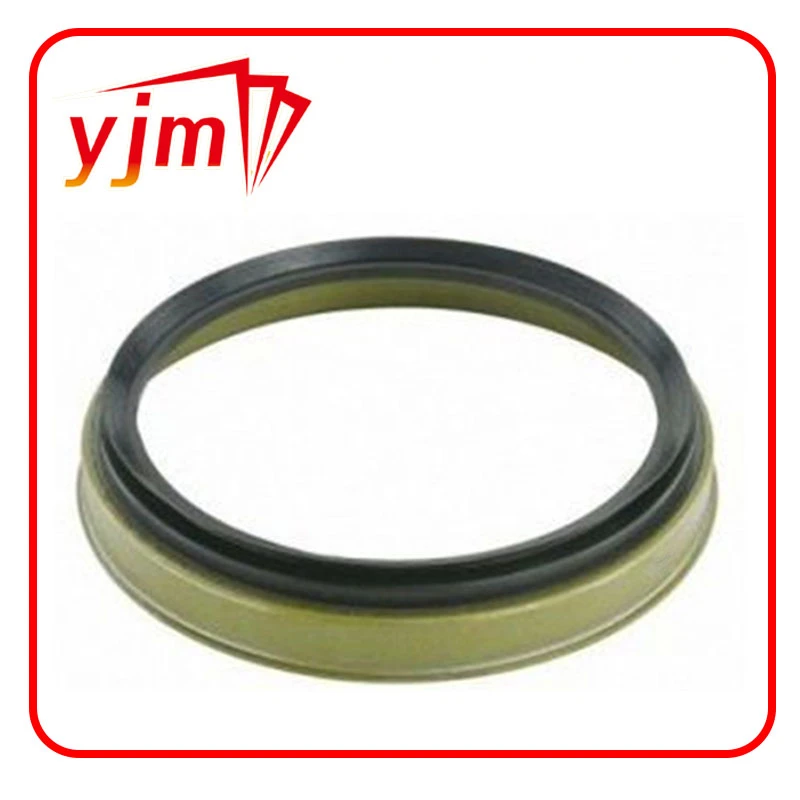
Seal, type v oil 9031287001 TOYOTA
-
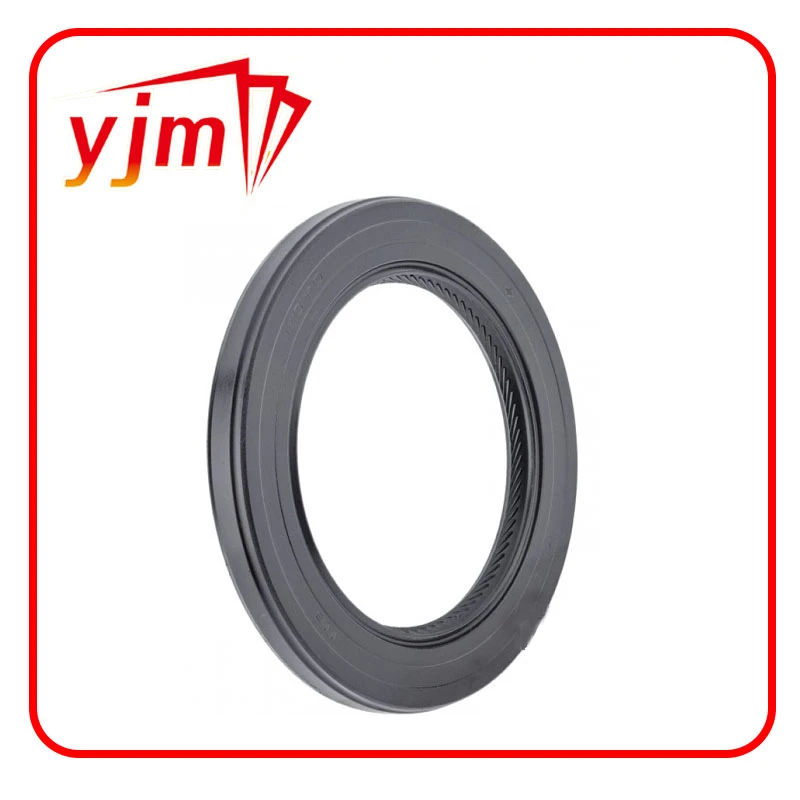
Oil pump seal 9031143010
-
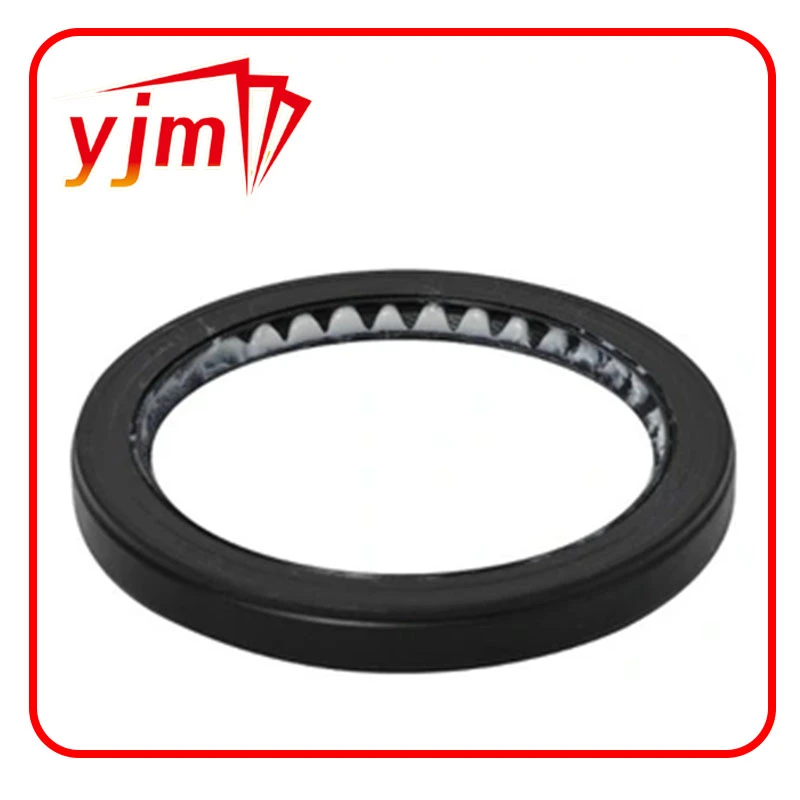
Genuine Toyota Oil SEAL 90311-54006
-
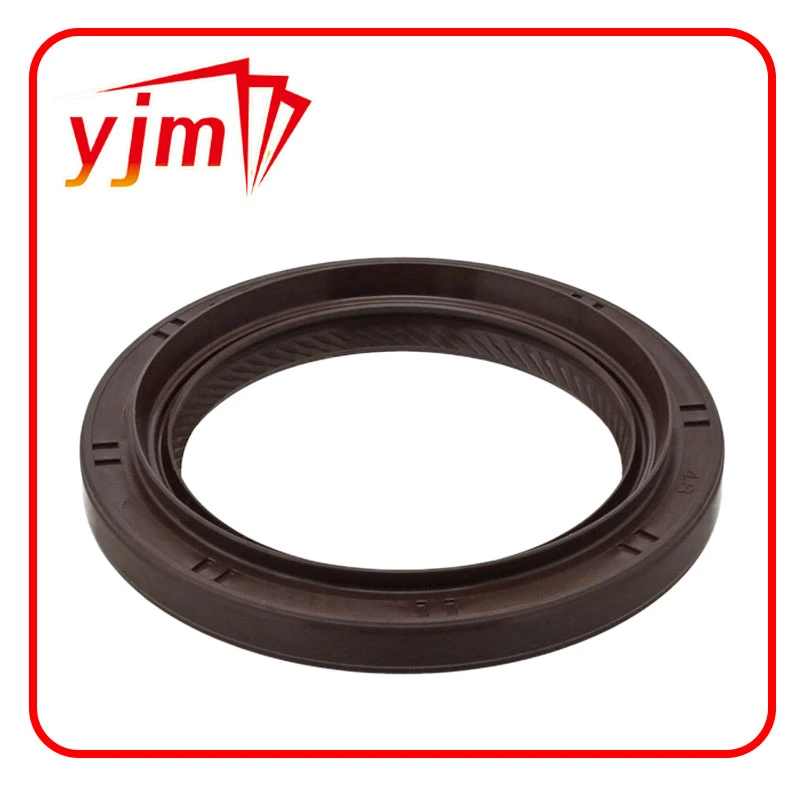
Toyota SEAL TYPE T OIL 90311-48031
-
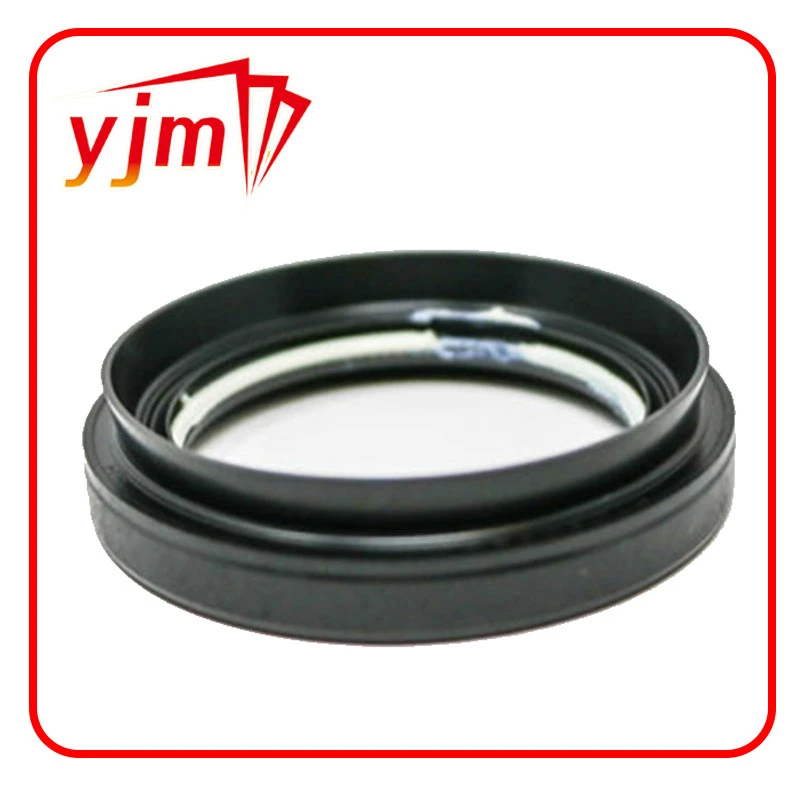
Type T Oil Seal, Front Drive Shaft, Left 9031150064
-
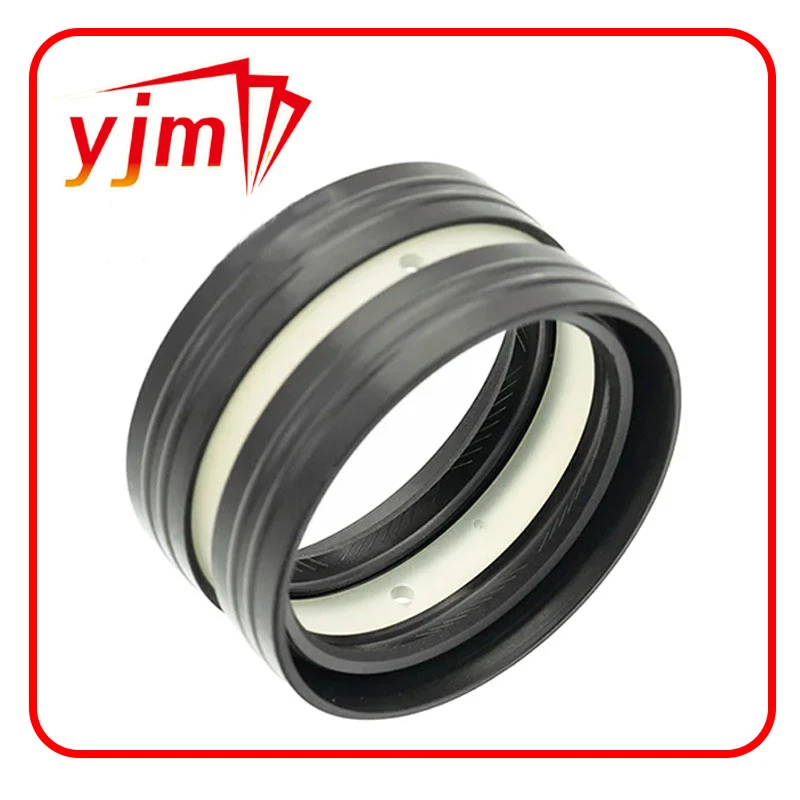
Seal, type d oil 9031634001 TOYOTA
 Afrikaans
 Albanian
 Amharic
 Arabic
 Armenian
 Azerbaijani
 Basque
 Belarusian
 Bengali
 Bosnian
 Bulgarian
 Catalan
 Cebuano
 Corsican
 Croatian
 Czech
Czech
 Danish
 Dutch
Dutch
 Esperanto
 Estonian
 Finnish
 French
 Frisian
 Galician
 Georgian
 German
 Greek
Greek
 Gujarati
 Haitian Creole
 Hausa
Hausa
 Hawaiian
 Hebrew
 Hindi
Hindi
 Miao
Miao
 Hungarian
 Icelandic
 Igbo
Igbo
 Indonesian
 Irish
Irish
 Italian
 Japanese
 Javanese
 Kannada
 Kazakh
 Khmer
Khmer
 Rwandese
 Korean
 Kurdish
 Kyrgyz
 Lao
Lao
 Latin
Latin
 Latvian
 Lithuanian
 Luxembourgish
 Macedonian
 Malgashi
 Malay
Malay
 Malayalam
 Maltese
 Maori
Maori
 Marathi
 Mongolian
 Myanmar
 Nepali
 Norwegian
 Norwegian
 Occitan
 Pashto
 Persian
 Polish
 Portuguese
 Punjabi
 Romanian
 Russian
 Samoan
 Scottish Gaelic
 Serbian
 Sesotho
 Shona
Shona
 Sindhi
 Sinhala
 Slovak
 Slovenian
 Somali
 Spanish
 Sundanese
 Swahili
 Swedish
 Tagalog
 Tajik
Tajik
 Tamil
Tamil
 Tatar
Tatar
 Telugu
 Thai
Thai
 Turkish
 Turkmen
 Ukrainian
 Urdu
Urdu
 Uighur
 Uzbek
Uzbek
 Vietnamese
 Welsh
Welsh
 Bantu
Bantu
 Yiddish
 Yoruba
 Zulu
Zulu
 English