Crankshaft Front Oil Seal: Essential Guide to Function, Applications & Innovations
Understanding the Crankshaft Front Oil Seal: Essential Component in Engine Reliability
At first glance, the crankshaft front oil seal might seem like a small, almost insignificant part of an engine assembly. But if overlooked, it can cause major headaches — think of oil leaks, engine damage, and downtime costs skyrocketing. Globally, with over 1.2 billion vehicles on the road (according to IEA data), maintaining engine integrity through reliable seals isn’t just a mechanical concern; it’s an economic and environmental priority.
The crankshaft front oil seal is a key defender against oil leakage at the engine's front end, securing lubrication and preventing contaminants from entering the crankcase. In a world leaning ever more toward sustainability and extended machinery life, understanding this part is crucial for industries ranging from automotive manufacturing to heavy machinery maintenance and even humanitarian logistics where reliable vehicles save lives.
Introduction: The Global Importance of Crankshaft Front Oil Seals
Globally, machinery uptime and engine efficiency correlate directly with economic output, especially in sectors like transport and manufacturing. According to the International Organization for Standardization (ISO), reliable sealing solutions, including crankshaft front oil seals, reduce equipment failure rates by up to 30%. That’s a massive productivity boost.
Yet, despite this, many fleets and equipment operators struggle with frequent oil seal failures leading to overheating engines and costly repairs—problems especially critical in emerging markets where service infrastructure can be sparse. With vehicle and equipment fleets growing worldwide, the demand for durable, efficient sealing technology is pressing.
What Is a Crankshaft Front Oil Seal?
In simple terms, the crankshaft front oil seal is a circular gasket placed where the crankshaft exits the engine block. Its job? To tightly seal the oil inside the crankcase while allowing the crankshaft to rotate freely without leaks. This seal bridges the gap between stationary engine parts and moving shafts, which is no small feat considering the constant rotation and heat involved.
Without it, oil seepage leads to lower lubrication, increased friction, and eventual engine damage — scenarios that industries cannot afford, especially where machine uptime translates directly to human welfare, such as in agricultural or emergency vehicles.
Key Characteristics of Crankshaft Front Oil Seals
Durability
One of the most critical factors is the seal's material resilience against heat and chemical exposure—often made from nitrile rubber (NBR), fluoroelastomers (FKM), or silicone compounds. These materials resist cracking and wear, making them last longer even under intense engine conditions.
Precision Fit
The seal must fit snugly around the crankshaft without causing friction or slowing rotation. Too tight, and it wears down quickly; too loose, and oil escapes. Manufacturers engineer these seals with tight tolerances to balance performance and longevity.
Cost Efficiency
Balancing initial costs with long-term performance is key. A cheap seal might save money upfront but cause engine damage down the line. Investments in quality seals often pay dividends via reduced maintenance and downtime.
Environmental Resistance
These seals face not only hot oil and heat but sometimes dust, dirt, and moisture, especially in off-road or industrial environments. Advanced seals now resist these factors better, extending their service life and protecting engines in harsh conditions.
Ease of Installation
Simple design changes allowing faster installation reduce labor costs and downtime during maintenance, factors that many mechanics appreciate.
Product Specifications: Typical Crankshaft Front Oil Seal
| Specification | Detail |
|---|---|
| Material | Fluoroelastomer (FKM) or Nitrile Rubber (NBR) |
| Temperature Range | -40°C to +150°C |
| Shaft Diameter Range | 15mm to 80mm (varies by application) |
| Seal Lip Design | Single or Double Lip with garter spring |
| Typical Lifetime | 60,000 to 120,000 miles (vehicle dependent) |
Global Applications & Use Cases
- Automotive Industry: Vehicles worldwide depend on high-quality crankshaft front oil seals to keep engines lubricated. In harsh climates like Canada’s cold winters or the deserts of the Middle East, the seal's durability makes all the difference.
- Heavy Machinery: Construction and mining equipment in Australia or Africa rely heavily on robust seals to prevent oil leakage under dusty, rugged conditions.
- Humanitarian Aid Transport: In disaster zones like post-earthquake Nepal, reliable vehicles equipped with quality seals ensure critical supplies and personnel reach their destination without mechanical failures.
These are just a few scenarios, but the point is clear — crankshaft front oil seals serve as humble yet vital enablers of global economic activity and human welfare.
Vendor Comparison: Leading Crankshaft Front Oil Seal Manufacturers
| Feature | YJM Seal | Generic Brand A | Premium Brand B |
|---|---|---|---|
| Material Quality | High-grade FKM & NBR | Standard NBR | Advanced FKM blends |
| Custom Sizing | Extensive range | Limited | Wide, but costly |
| Price | Competitive | Budget-friendly | Premium pricing |
| Longevity | Up to 120,000 miles | Up to 60,000 miles | Over 150,000 miles |
| Customer Support | Responsive, global | Basic | Excellent but costly |
Advantages & Long-Term Value of Quality Crankshaft Front Oil Seals
Beyond the obvious convenience of avoiding costly repairs, investing in quality seals offers:
- Extended engine lifespan: Reducing friction and oil loss helps engines last longer, deferring replacement costs.
- Environmental benefits: Less oil leakage means fewer toxic spills and better sustainability compliance.
- Peace of mind: Safe, reliable vehicles and machinery mean operators and passengers feel secure, whether on the road or at a worksite.
In practical terms, it’s not just about mechanics; it’s about trust and dignity in industries that power modern life.
Future Trends & Innovations
Innovations are leaning towards eco-friendly materials, such as biodegradable polymers or plant-based elastomers, aiming to reduce environmental footprints. Smart seals embedded with tiny sensors could soon monitor wear and predict failures before they cause damage, integrating into IoT networks for fleet management.
Automation and precision manufacturing continue to improve seal consistency, while stricter global emissions and waste directives encourage manufacturers to design seals that last longer and release fewer harmful substances.
Common Challenges & Solutions
Current challenges include premature wear due to contamination, improper installation, and material fatigue. The solution often combines better seal design with improved maintenance protocols, training installers, and using higher-quality materials. Some companies now offer pre-coated seals with lubricants and anti-corrosion treatments that ease installation and extend life.
FAQ: Frequently Asked Questions About Crankshaft Front Oil Seal
- Q: How can I tell if my crankshaft front oil seal is failing?
A: The most common sign is oil leaking at the front of the engine. You may notice oil spots on the ground or a drop in oil levels. Sometimes an engine may emit a burning smell if oil drips onto hot surfaces. - Q: How often should the crankshaft front oil seal be replaced?
A: Usually, replacement happens during major engine servicing or when symptoms like leaks develop. Typical lifespan ranges between 60,000 to 120,000 miles, depending on quality and conditions. - Q: Can I install a crankshaft front oil seal myself?
A: While some experienced DIYers can, it generally requires proper tools and techniques to avoid damage. Incorrect installation causes seal failure, so consider professional help. - Q: Does the seal material affect engine performance?
A: Yes, materials that resist heat and chemicals better sustain lubrication and prevent premature failures, indirectly supporting optimal engine performance. - Q: Are custom-sized seals available for uncommon engines?
A: Absolutely. Many manufacturers, like YJM Seal, specialize in custom dimensions to fit rare or older engines.
Conclusion
In the end, the crankshaft front oil seal might be small, but it punches well above its weight class in importance. From preserving engine health to enabling smoother global logistics and protecting the environment, investing in good seals is a smart move for any industry professional or vehicle owner.
If you’re curious to explore reliable, high-performance crankshaft front oil seals, I encourage you to visit YJM Seal’s official website. Reliable sealing solutions can truly transform your engine’s resilience and your peace of mind.
It’s often the tiny parts that hold the big machines together. Funny how that works!
References
-
Guide to Choosing the Right Washer for Oil Change and Sealing
News Apr.16,2026
-
Essential Guide to High Quality rubber washer oil drain plug
News Apr.09,2026
-
Understanding Rubber Crush Washers for Optimal Sealing Performance
News Apr.07,2026
-
Comprehensive Guide to Understanding and Reusing Crush Washer for Optimal Sealing
News Apr.04,2026
-
The Vital Role of a Drain Screw Gasket in Fluid System Integrity
News Mar.31,2026
-
The Essential Guide to Drain Crush Washer Selection and Plumbing Leak Prevention
News Mar.28,2026
-
The Vital Role of a Crush Washer in Oil Changes for Engine Protection
News Mar.26,2026
Products categories
-
Brass cutlass marine bearing
-
Genuine OEM Engine Oil Filter Housing Cover O-Ring For VW/Audi 06E115446
-
Oil Filter Stand Gasket,Oil filter cover seal
-
Oil Cooler Gasket, Oil Cooler to Oil Filter Housing 11427525335
-
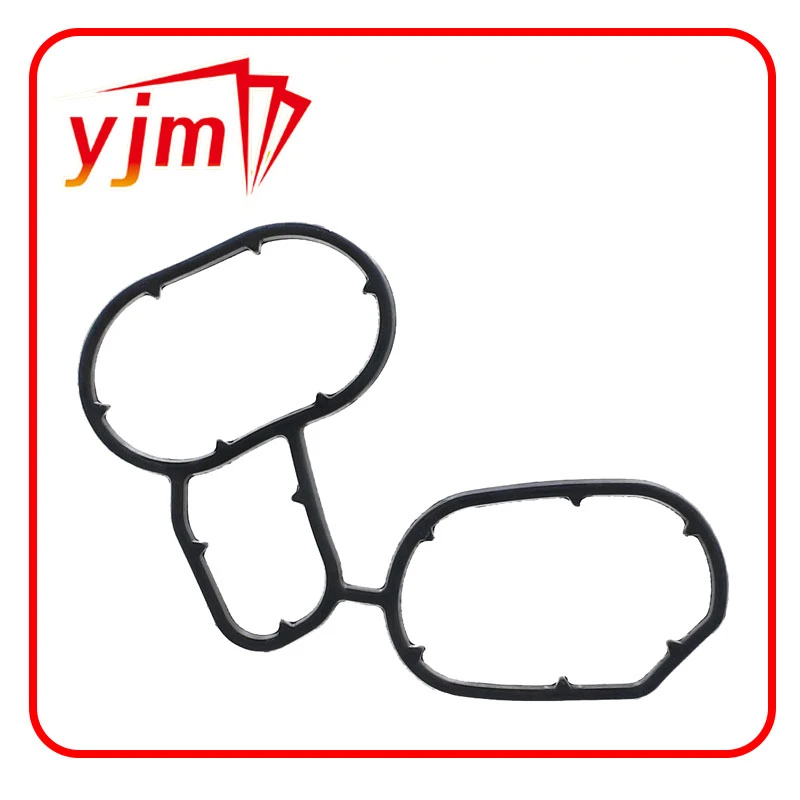
11427508970 BMW - OIL FILTER HOUSING GASKETS
-
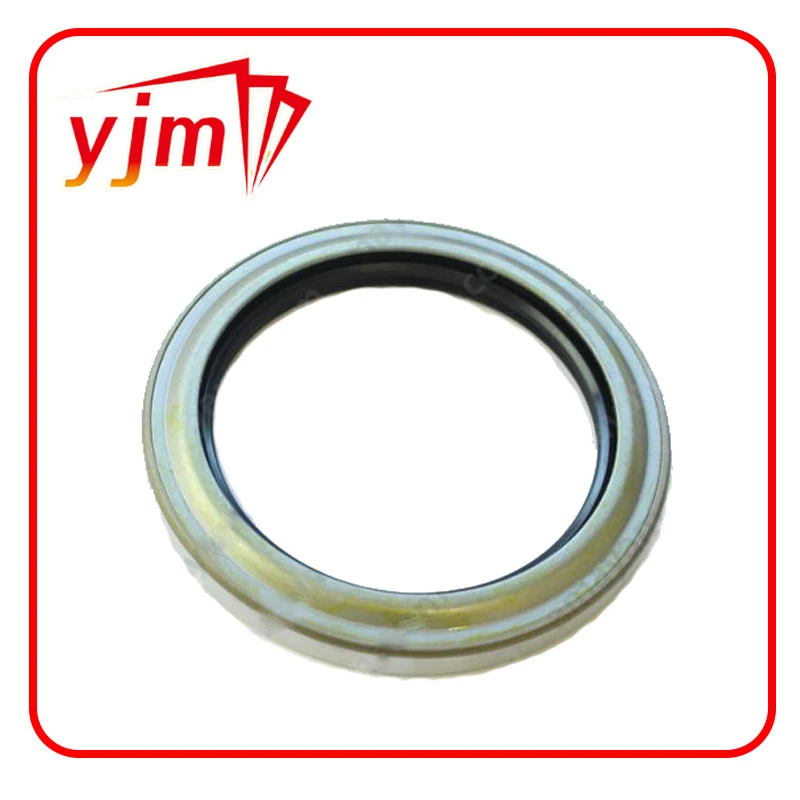
SEAL, OIL Genuine Toyota (9031170011)
-
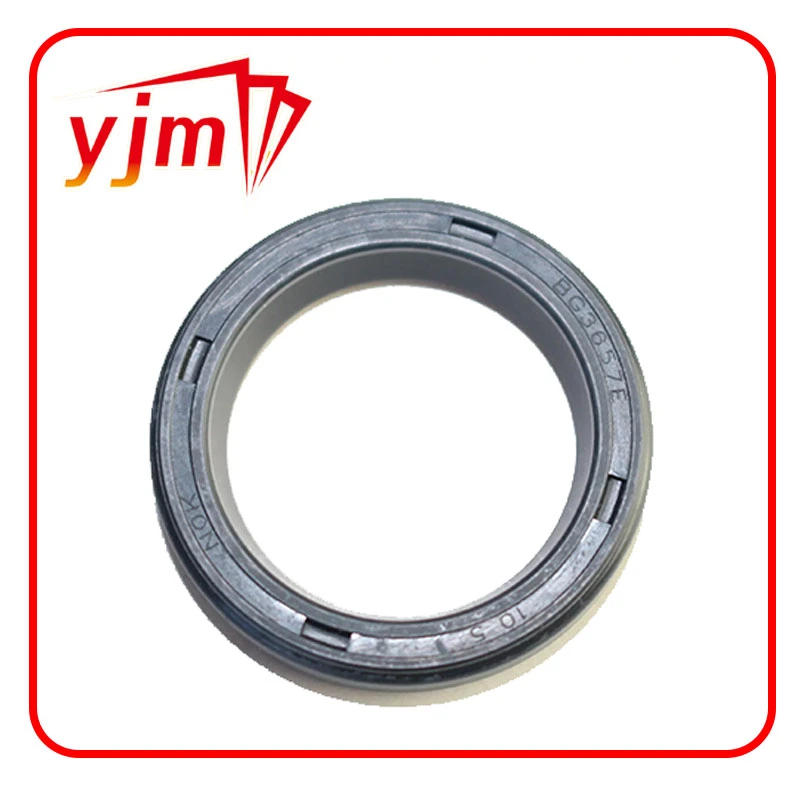
Transfer Case Output Shaft Seal Part 9031223001
-
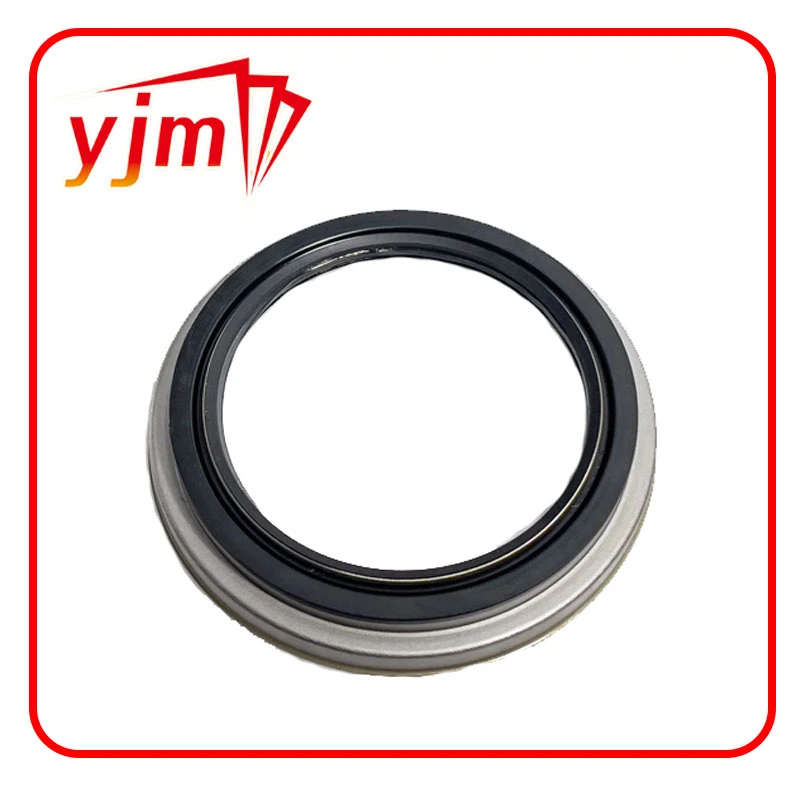
SEAL, OIL Genuine Toyota (9031672001)
-
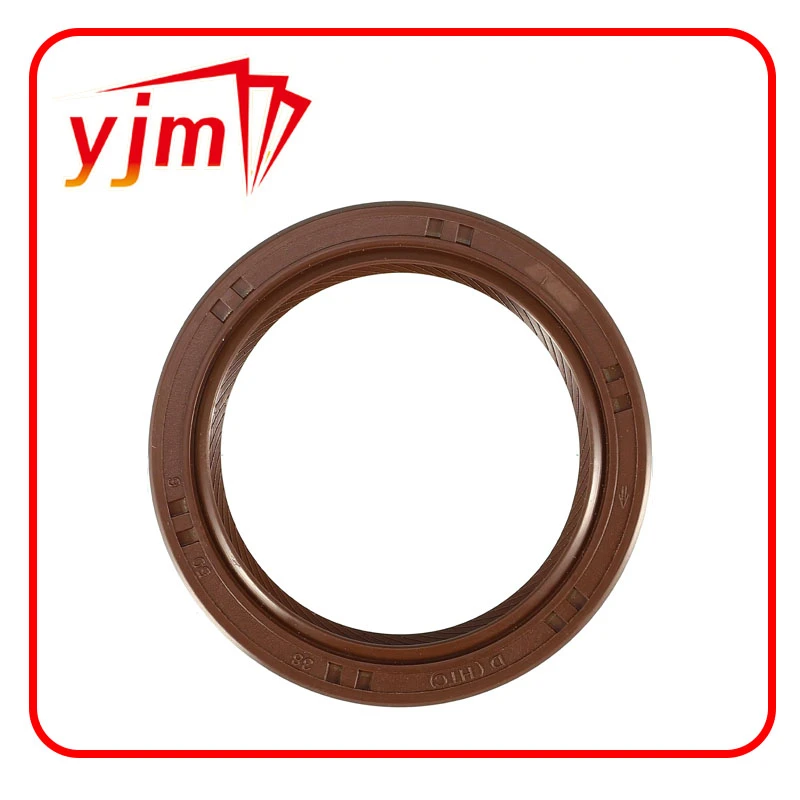
Engine Crankshaft Oil Seal No.9031138096
-
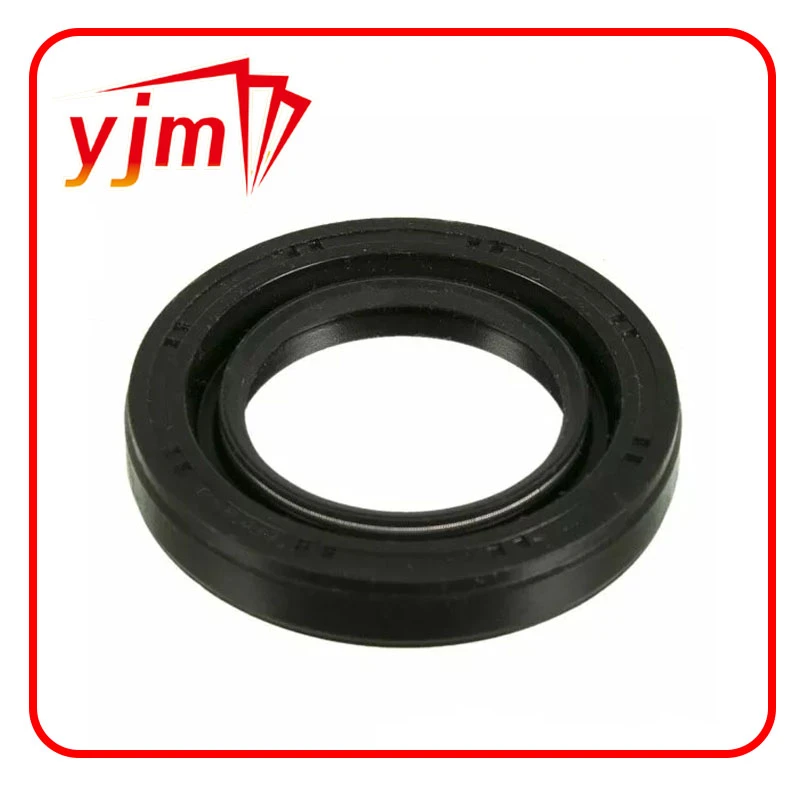
Toyota Transfer Case Output Shaft Seal Front 9031136006
-
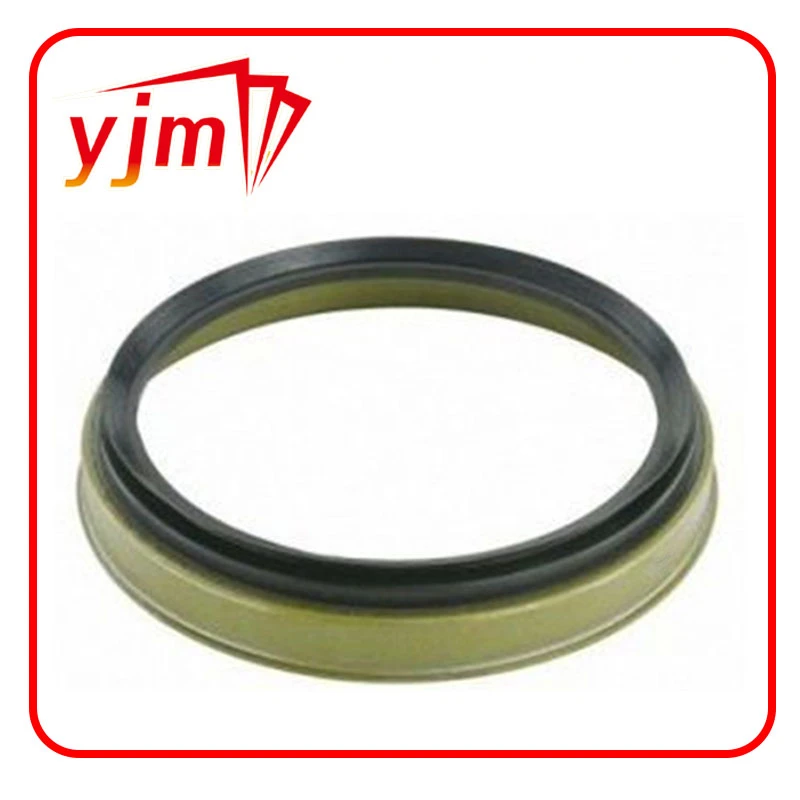
Seal, type v oil 9031287001 TOYOTA
-
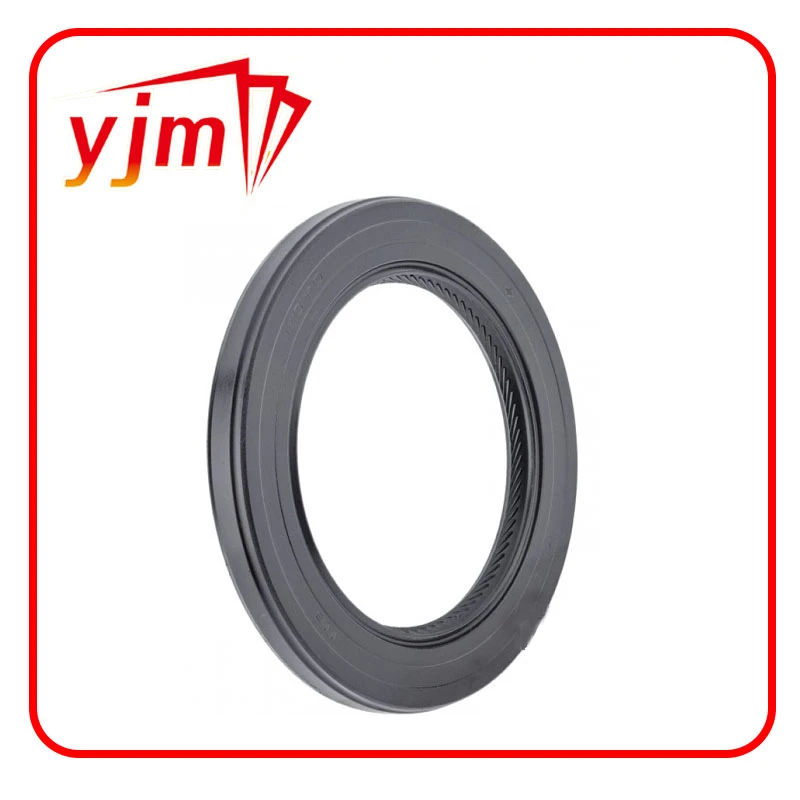
Oil pump seal 9031143010
-
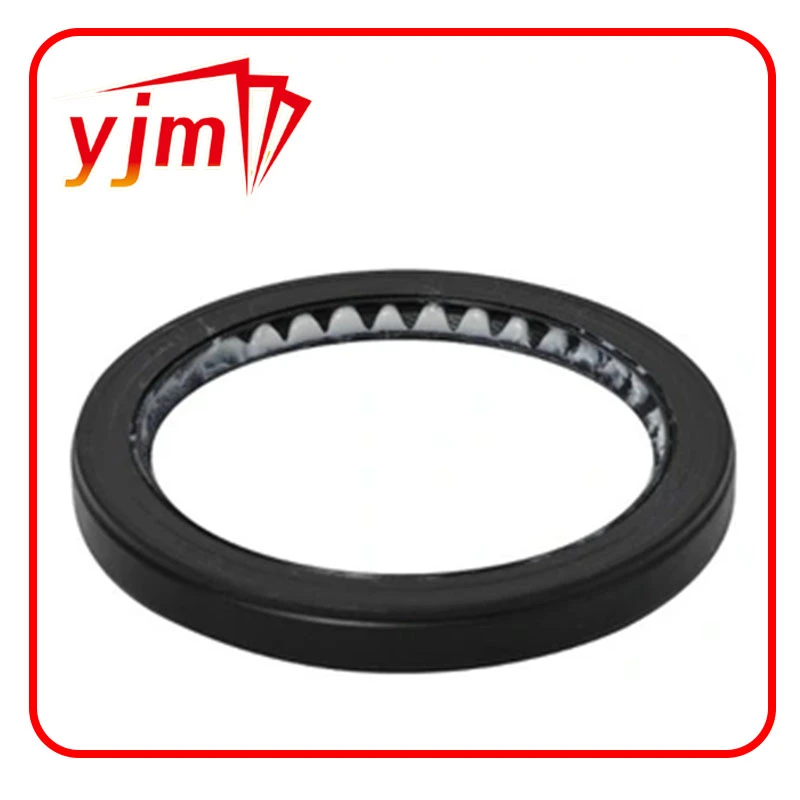
Genuine Toyota Oil SEAL 90311-54006
-
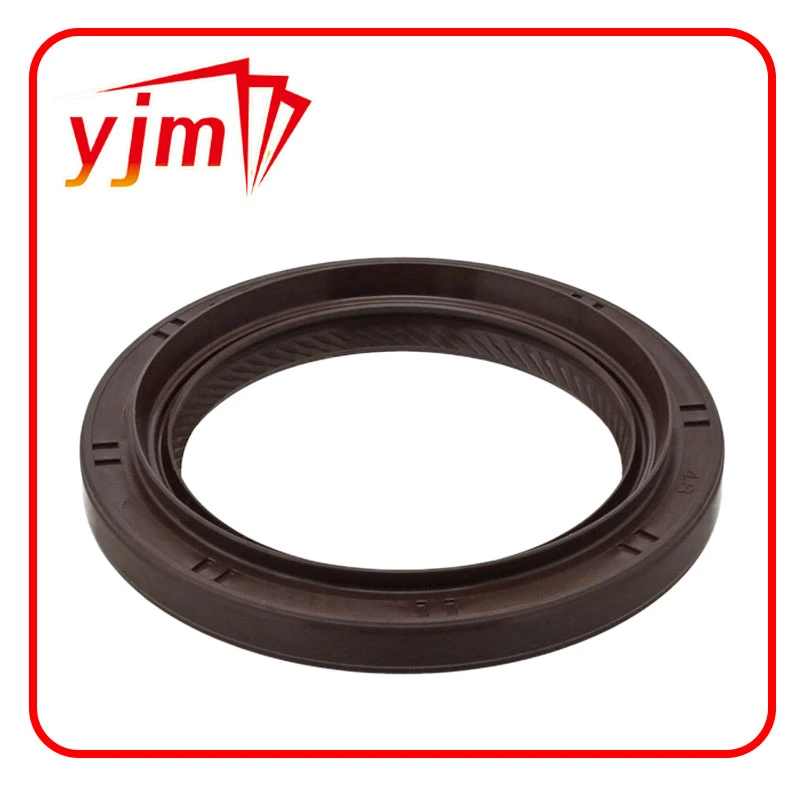
Toyota SEAL TYPE T OIL 90311-48031
-
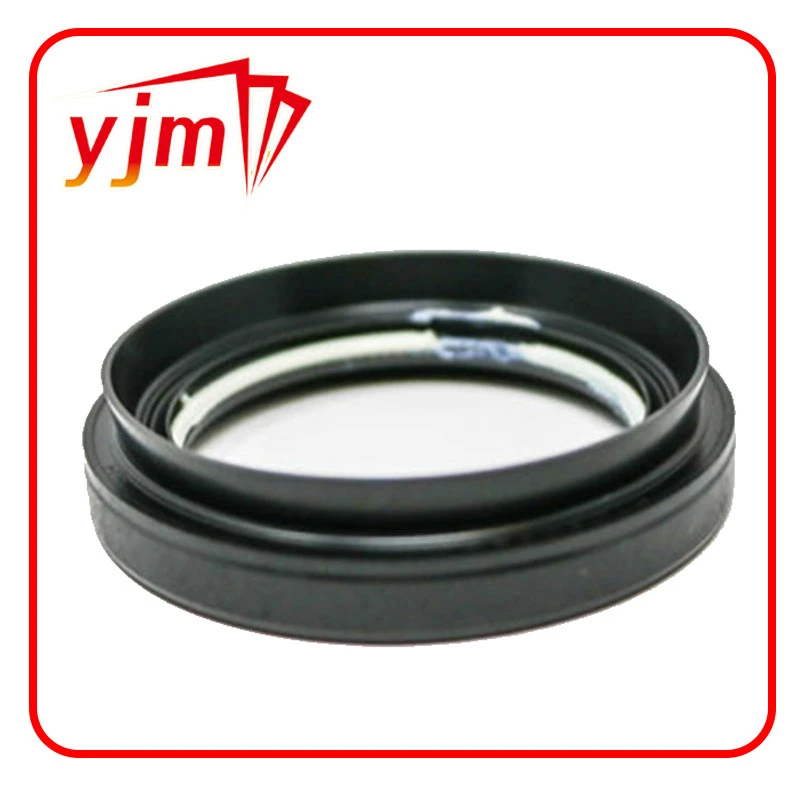
Type T Oil Seal, Front Drive Shaft, Left 9031150064
-
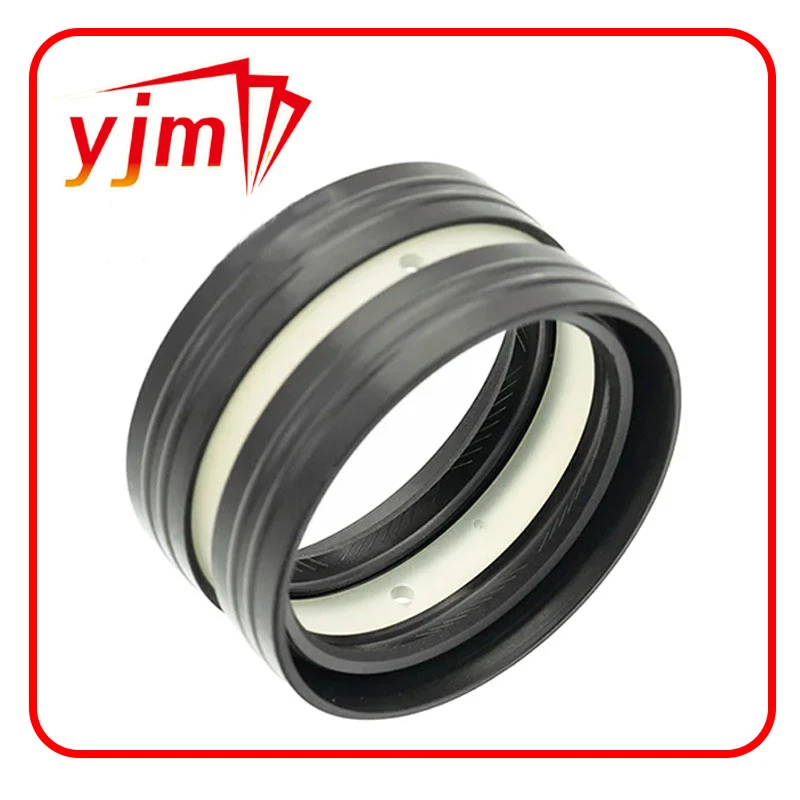
Seal, type d oil 9031634001 TOYOTA
 Afrikaans
 Albanian
 Amharic
 Arabic
 Armenian
 Azerbaijani
 Basque
 Belarusian
 Bengali
 Bosnian
 Bulgarian
 Catalan
 Cebuano
 Corsican
 Croatian
 Czech
Czech
 Danish
 Dutch
Dutch
 Esperanto
 Estonian
 Finnish
 French
 Frisian
 Galician
 Georgian
 German
 Greek
Greek
 Gujarati
 Haitian Creole
 Hausa
Hausa
 Hawaiian
 Hebrew
 Hindi
Hindi
 Miao
Miao
 Hungarian
 Icelandic
 Igbo
Igbo
 Indonesian
 Irish
Irish
 Italian
 Japanese
 Javanese
 Kannada
 Kazakh
 Khmer
Khmer
 Rwandese
 Korean
 Kurdish
 Kyrgyz
 Lao
Lao
 Latin
Latin
 Latvian
 Lithuanian
 Luxembourgish
 Macedonian
 Malgashi
 Malay
Malay
 Malayalam
 Maltese
 Maori
Maori
 Marathi
 Mongolian
 Myanmar
 Nepali
 Norwegian
 Norwegian
 Occitan
 Pashto
 Persian
 Polish
 Portuguese
 Punjabi
 Romanian
 Russian
 Samoan
 Scottish Gaelic
 Serbian
 Sesotho
 Shona
Shona
 Sindhi
 Sinhala
 Slovak
 Slovenian
 Somali
 Spanish
 Sundanese
 Swahili
 Swedish
 Tagalog
 Tajik
Tajik
 Tamil
Tamil
 Tatar
Tatar
 Telugu
 Thai
Thai
 Turkish
 Turkmen
 Ukrainian
 Urdu
Urdu
 Uighur
 Uzbek
Uzbek
 Vietnamese
 Welsh
Welsh
 Bantu
Bantu
 Yiddish
 Yoruba
 Zulu
Zulu
 English