Automotive Oil Seal: Essential Guide to Types, Benefits, and Future Trends
Unlocking the Importance of Automotive Oil Seal: Why It Matters Across the Globe
If you’ve ever wondered what keeps the engine of your car or any vehicle humming smoothly, then the unsung hero behind the scenes is often the automotive oil seal. It might sound like a small, insignificant part, but its role is huge—and frankly, often overlooked. Automotive oil seals keep oil inside the engine or transmission chambers, preventing leaks and contamination. On a global scale, understanding these seals is vital in reducing maintenance costs, improving vehicle lifespan, and ensuring environmental protection by stopping harmful oil leaks. In industries ranging from automotive manufacturing to heavy machinery and even aerospace, oil seals help machines run reliably. Considering there are over 1.4 billion vehicles worldwide (source: International Organization of Motor Vehicle Manufacturers), these small components play a disproportionately large role. So why should we care? Because efficient sealing technology can save billion-dollar repair bills, reduce pollution from leaked lubricants, and even enhance energy efficiency. ---The Global Landscape: Why Automotive Oil Seals Are Essential Today
The world moves fast, and cars are more complex than ever. According to the United Nations, global transport emissions account for nearly 25% of CO2 emissions (2020 data), with inefficient machinery leaks partly to blame. Innovations like electric and hybrid vehicles demand new materials and tighter seals given their different fluid types and temperature ranges. Yet, one challenge remains constant: how to ensure oil seals withstand harsh operating conditions while staying affordable. For manufacturers and fleet owners, a tiny flaw in an oil seal can mean catastrophic failure. Imagine a long-haul truck breaking down in remote Siberia just because of a worn-out seal. Not just costly—sometimes dangerous. So, while the automotive oil seal might seem like a niche technical detail, it's intimately connected to sustainability goals, vehicle reliability, and safety standards worldwide. ---What Exactly Is an Automotive Oil Seal?
In simple terms: think of an automotive oil seal as a specialized gasket made primarily from rubber and metal designed to hold lubricants inside the moving parts of an engine or gearbox. It prevents contaminants like dirt and water from getting inside. It’s often called a shaft seal or radial lip seal, but its function remains the same—keeping oil where it belongs. Without these seals, your car’s engine would lose oil, overheat, or even seize up. More broadly, these seals support industries that rely on heavy machinery, ensuring uptime and reducing environmental hazards. They're a nifty example of how small engineering details directly affect global manufacturing standards and sustainability. ---Core Components and Key Factors of an Effective Automotive Oil Seal
1. Durability
Automotive oil seals must withstand temperatures ranging from -40°C to 150°C or more, plus constant friction and pressure. That’s why materials like fluoroelastomer (FKM) or nitrile rubber (NBR) are chosen for their heat resistance and flexibility. I once heard an engineer joke, "We don’t test oil seals in cozy rooms—they undergo harsh reality."2. Material Composition
The seal typically comprises a flexible rubber lip that presses against a metal shaft, surrounded by a metal casing to maintain shape. Innovative composites are creeping in, too — like PTFE liners that offer ultra-low friction and extended lifespan.3. Cost Efficiency
While some high-end seals cost more upfront, their lifespan and reduced maintenance lead to lower total cost of ownership. It feels like a balancing act manufacturers constantly perform.4. Scalability & Customization
From tiny motorcycle engines to massive earth-moving machinery, seals vary widely in size and design. Custom seals tailored for specific vehicles or climates are increasingly common—not a one-size-fits-all affair. ---Typical Automotive Oil Seal Specifications
| Specification | Typical Range / Feature |
|---|---|
| Material | Nitrile rubber (NBR), Fluoroelastomer (FKM), PTFE |
| Temperature Resistance | -40°C to 150°C (up to 200°C for specialty seals) |
| Shaft Diameter | 5 mm to 100+ mm |
| Pressure Limit | Up to 0.5 MPa (higher with special designs) |
| Maximum Speed | Up to 30 m/s (rotational speed) |
Mini takeaway: Knowing these specs helps choose the right seal for each unique vehicle and environment.
---Real-World Applications of Automotive Oil Seals
Worldwide, automotive oil seals are everywhere—from passenger cars in Europe, trucks in North America, to motorbikes in Southeast Asia. In industrial zones of China and India, many manufacturers depend on seals to keep heavy machinery operational and reduce downtime. For instance, in post-disaster relief, heavy equipment like bulldozers and cranes must work nonstop without seal failure for rescue and building efforts (think post-tsunami or earthquake zones). Similarly, remote oil rigs have zero tolerance for leaks due to environmental risks. Even aerospace and railways use these seals, adapting their design to meet strict safety standards. It’s fascinating how a simple oil seal morphs based on the ruggedness of the application—almost like a chameleon of engineering. ---Advantages and Long-Term Value of Automotive Oil Seals
The benefits are tangible but also bring peace of mind. Cost-wise, better seals slash repair expenses by preventing leaks that could erode engine components. Environmentally, stopping oil leakage is crucial—avoiding soil and water contamination. On a human level, reliable seals mean fewer breakdowns, which translates to safer roads and workplaces. It’s trust in engineering manifesting quietly, day after day. Lastly, the innovation in seal designs continues to drive sustainability — lighter materials improve fuel efficiency, while longer-lasting seals reduce waste and raw material consumption. ---Future Trends Shaping Automotive Oil Seal Technology
The future looks exciting. Quick adoption of green vehicles means seals must perform in lower-temperature electric motors with different lubricants. Materials science is leaning heavily into biomaterials and nanocomposites to boost durability and reduce environmental impact. Digital transformation also plays a role: smart seals embedded with sensors to monitor wear and seal integrity in real-time are underway. It’s like giving seals a voice, warning before leaking or failing. Furthermore, regulatory policies globally will push innovation toward more eco-friendly, recyclable seals—one day, maybe fully biodegradable, who knows? ---Overcoming Challenges in Oil Seal Deployment
No doubt, harsh environments wear seals out faster than expected. Common issues include thermal degradation, chemical attack from specialty oils, or improper installation leading to early failure. Experts recommend advanced simulations and customized seal profiles to get the fit just right—too tight causes friction, too loose invites leaks. There’s also a growing emphasis on training technicians to install seals properly because, frankly, every millimeter counts. Materials innovation helps overcome chemical and temperature challenges, but cost constraints still limit how many manufacturers can switch to premium designs. Hopefully, as demand grows, pricing will become more accessible. ---FAQ: Your Practical Questions About Automotive Oil Seals
- Q: How do I know if my automotive oil seal needs replacement?
A: Look for signs like oil leaks around the shaft, unusual engine noises, or decreased lubricant levels. Visual cracks or hardening of the seal material also indicate wear. Regular maintenance checks help catch problems early. - Q: Can any lubricant be used with automotive oil seals?
A: Not exactly. Seals are designed to work best with specific oils or greases. Using incompatible lubricants can degrade seal materials, so always check manufacturer specs. - Q: Are automotive oil seals reusable after removal?
A: Usually, no. Removing seals often damages their lips or shape. It’s best practice to install new seals during repairs. - Q: How do temperature extremes affect automotive oil seals?
A: High temperatures can harden and crack rubber seals; extreme cold can make them brittle. Choosing seals with appropriate temperature ratings is key for reliability.
Conclusion: Why Investing in Quality Automotive Oil Seals Pays Dividends
At the end of the day, automotive oil seals are small but mighty players in the vast ecosystem of modern transportation and industry. Their impact resonates not just in vehicle reliability but in environmental stewardship and safety. For manufacturers and fleet managers alike, choosing the right seal isn’t just a technical decision—it’s a commitment to innovation, trust, and sustainability. Interested in exploring superior seals that deliver long-term value? Visit our website for more: automotive oil seal solutions tailored to your needs. ---Vendor Comparison: Top Players in Automotive Oil Seal Solutions
| Vendor | Material Options | Customization | Typical Lead Time | Price Range |
|---|---|---|---|---|
| YJM Seal | NBR, FKM, PTFE, Custom Blends | High | 2-4 weeks | Mid-range |
| Vendor B | NBR, Silicone | Medium | 4-6 weeks | Budget |
| Vendor C | FKM, PTFE | Low | 1-2 weeks | Premium |
Mini takeaway: Picking the right vendor involves balancing material needs, customization flexibility, lead times, and budget.
---Reflection & References
Reflecting on automotive oil seals, it’s remarkable how such a modest component can influence complex global systems. From fuel efficiency to disaster relief machinery, their durability and precision really do matter. If you want to dive deeper: 1. Wikipedia: Oil seal 2. ISO standards on sealing devices 3. United Nations Environmental Programme reports on industrial pollution There’s a whole world of engineering behind what might seem like "just a seal." And I haven’t even touched on the stories technicians share from the field—maybe another time...-
Guide to Choosing the Right Washer for Oil Change and Sealing
News Apr.16,2026
-
Essential Guide to High Quality rubber washer oil drain plug
News Apr.09,2026
-
Understanding Rubber Crush Washers for Optimal Sealing Performance
News Apr.07,2026
-
Comprehensive Guide to Understanding and Reusing Crush Washer for Optimal Sealing
News Apr.04,2026
-
The Vital Role of a Drain Screw Gasket in Fluid System Integrity
News Mar.31,2026
-
The Essential Guide to Drain Crush Washer Selection and Plumbing Leak Prevention
News Mar.28,2026
-
The Vital Role of a Crush Washer in Oil Changes for Engine Protection
News Mar.26,2026
Products categories
-
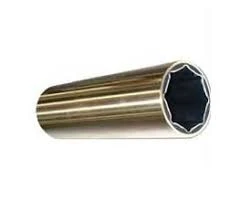
Brass cutlass marine bearing
-
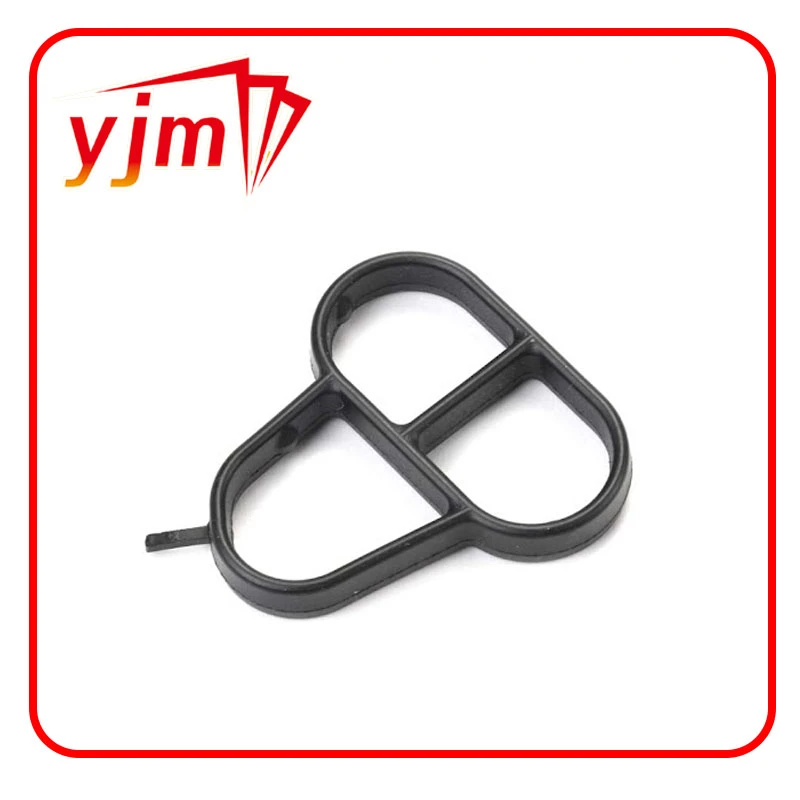
Genuine OEM Engine Oil Filter Housing Cover O-Ring For VW/Audi 06E115446
-
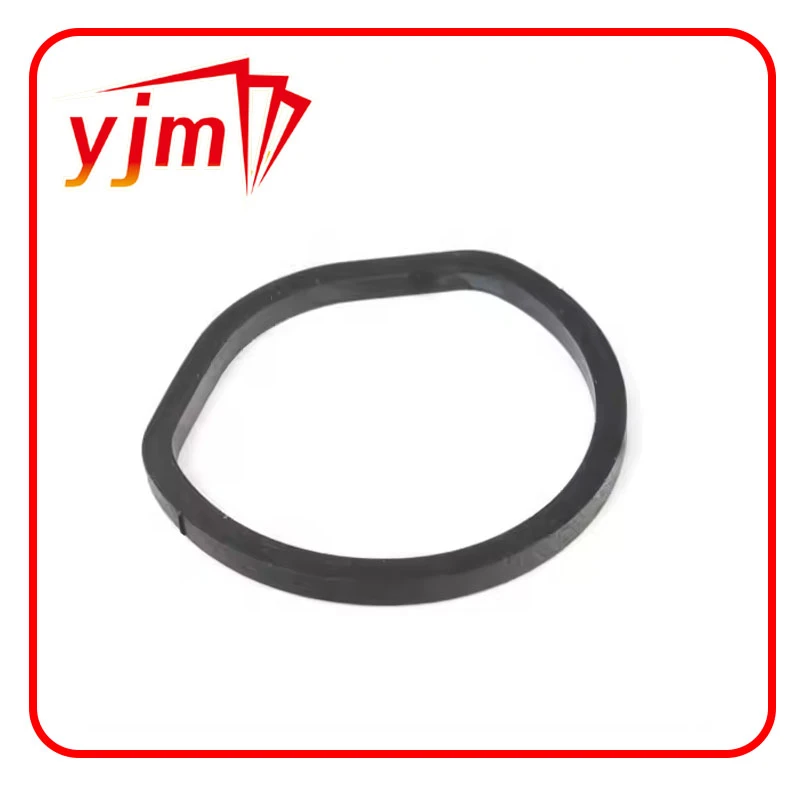
Oil Filter Stand Gasket,Oil filter cover seal
-
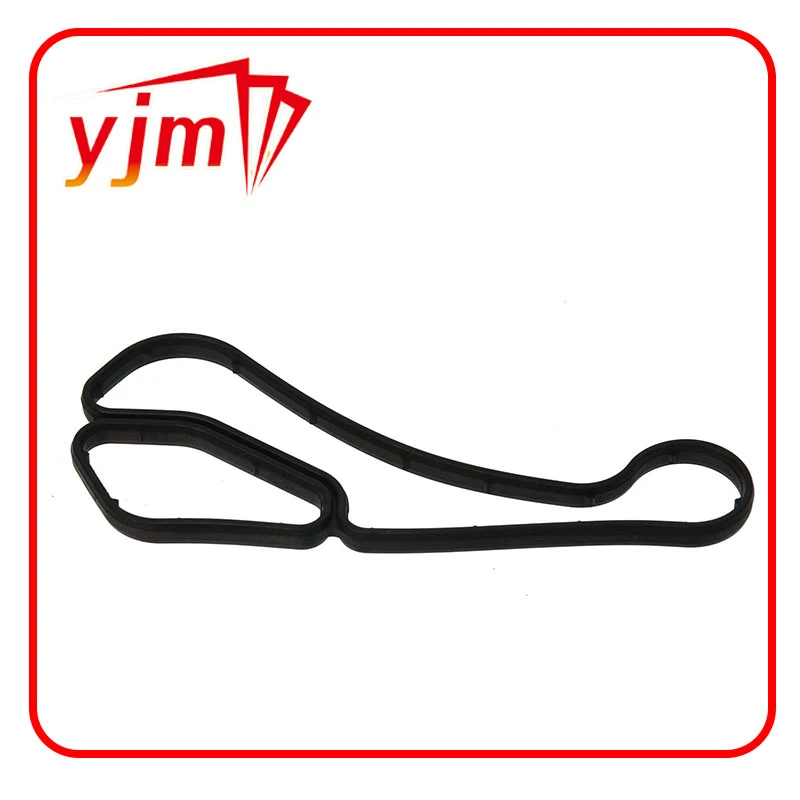
Oil Cooler Gasket, Oil Cooler to Oil Filter Housing 11427525335
-
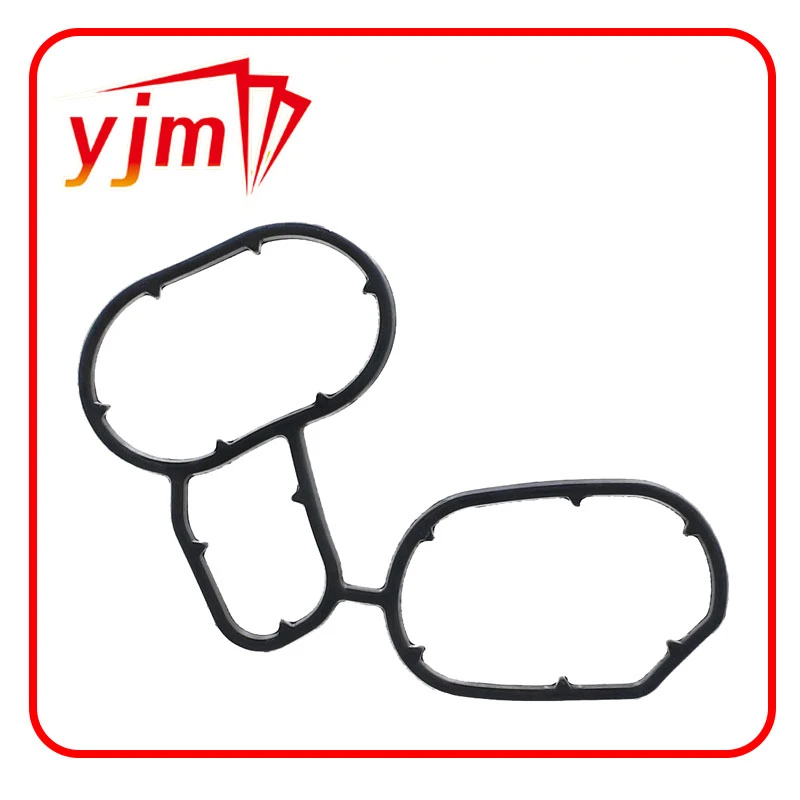
11427508970 BMW - OIL FILTER HOUSING GASKETS
-
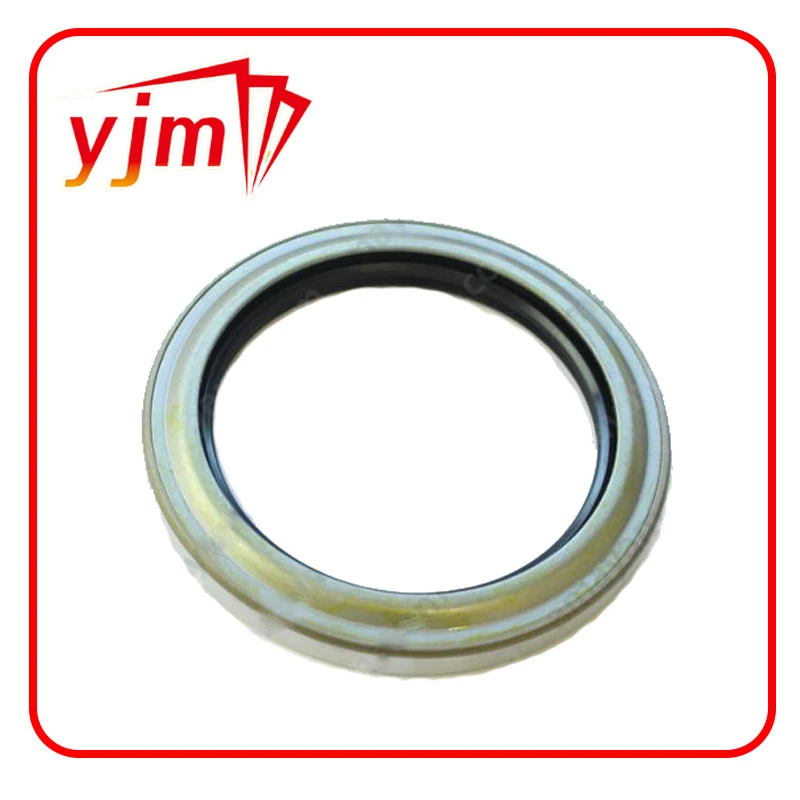
SEAL, OIL Genuine Toyota (9031170011)
-
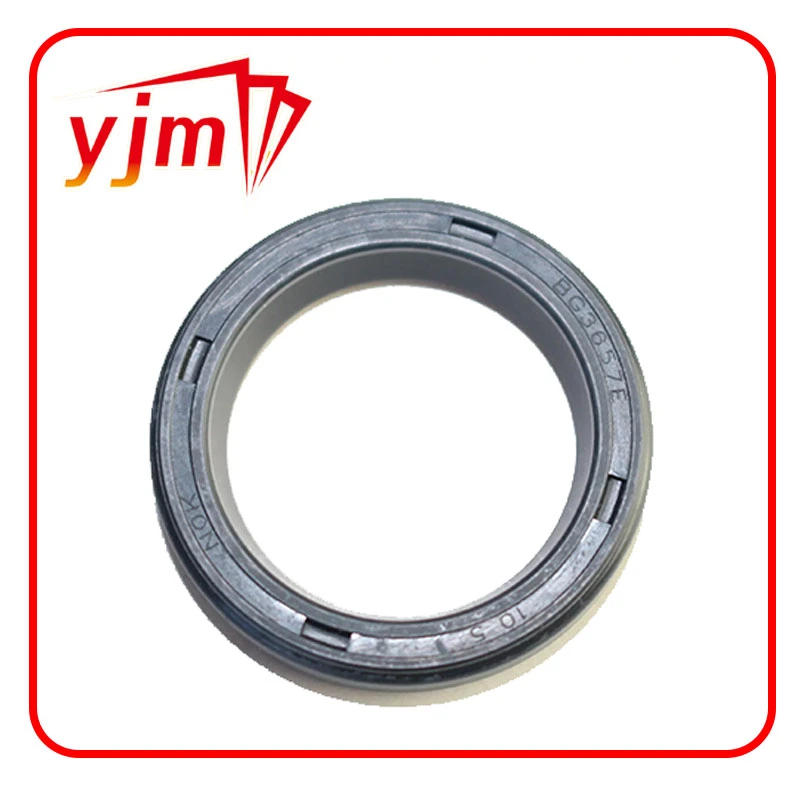
Transfer Case Output Shaft Seal Part 9031223001
-
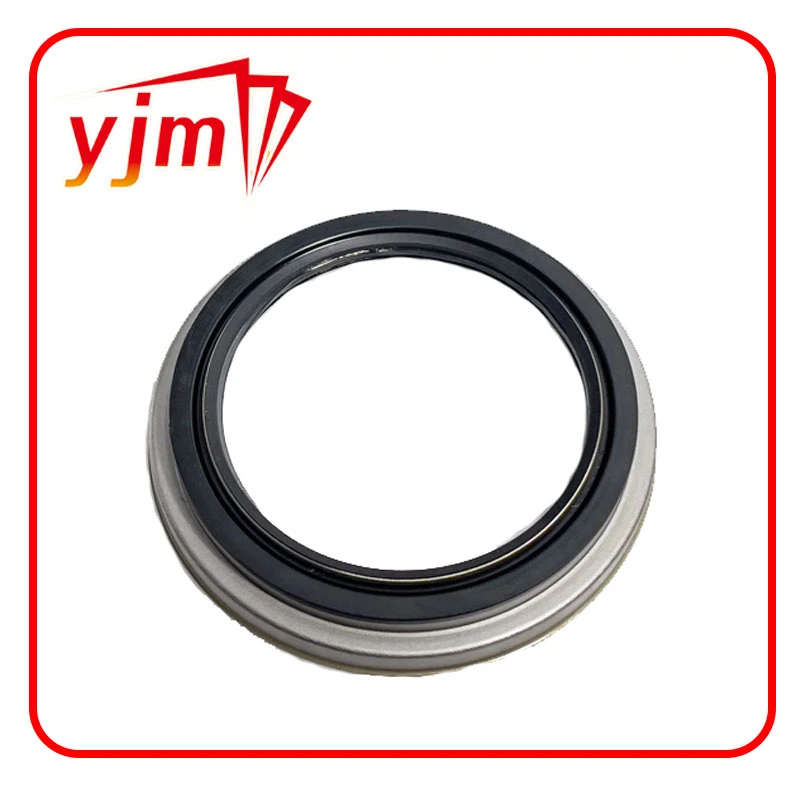
SEAL, OIL Genuine Toyota (9031672001)
-
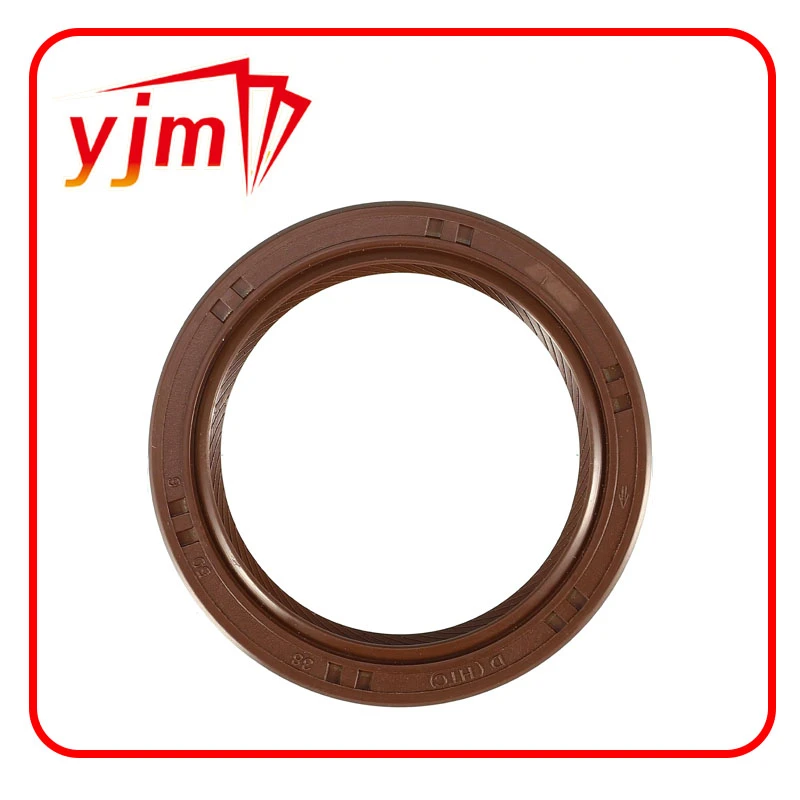
Engine Crankshaft Oil Seal No.9031138096
-
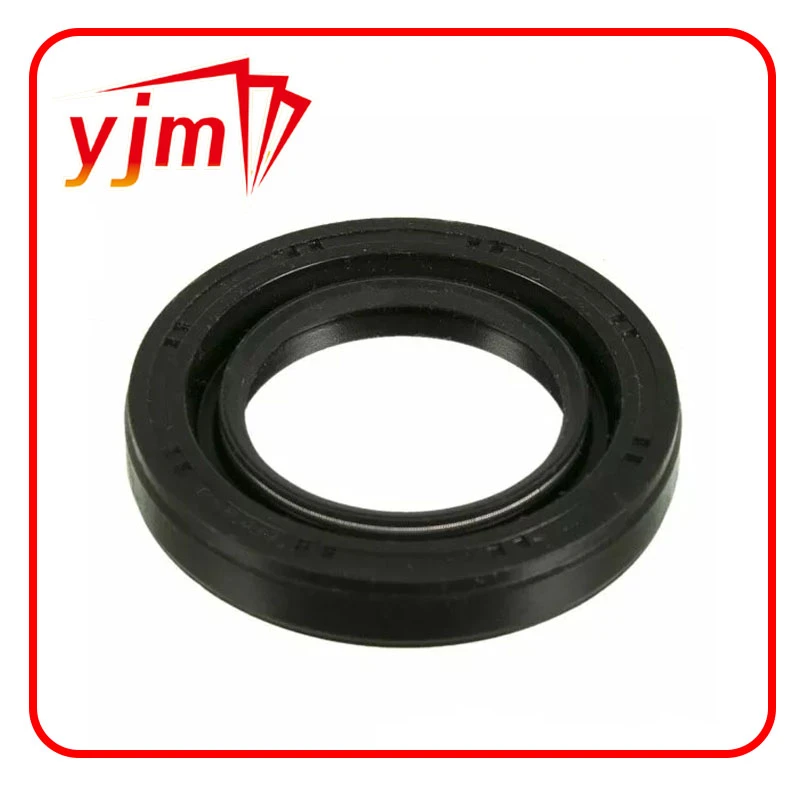
Toyota Transfer Case Output Shaft Seal Front 9031136006
-
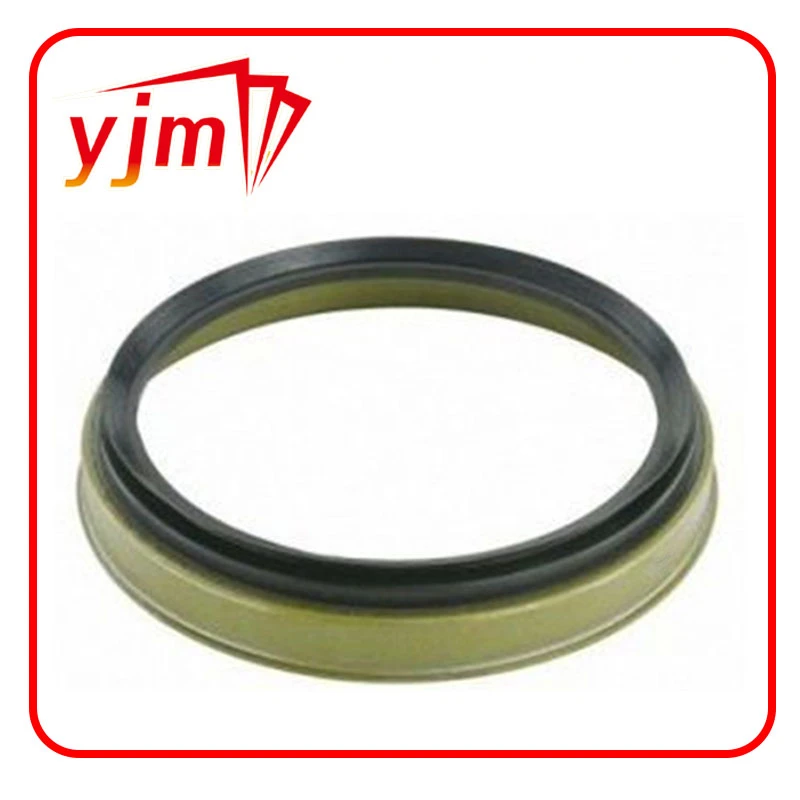
Seal, type v oil 9031287001 TOYOTA
-
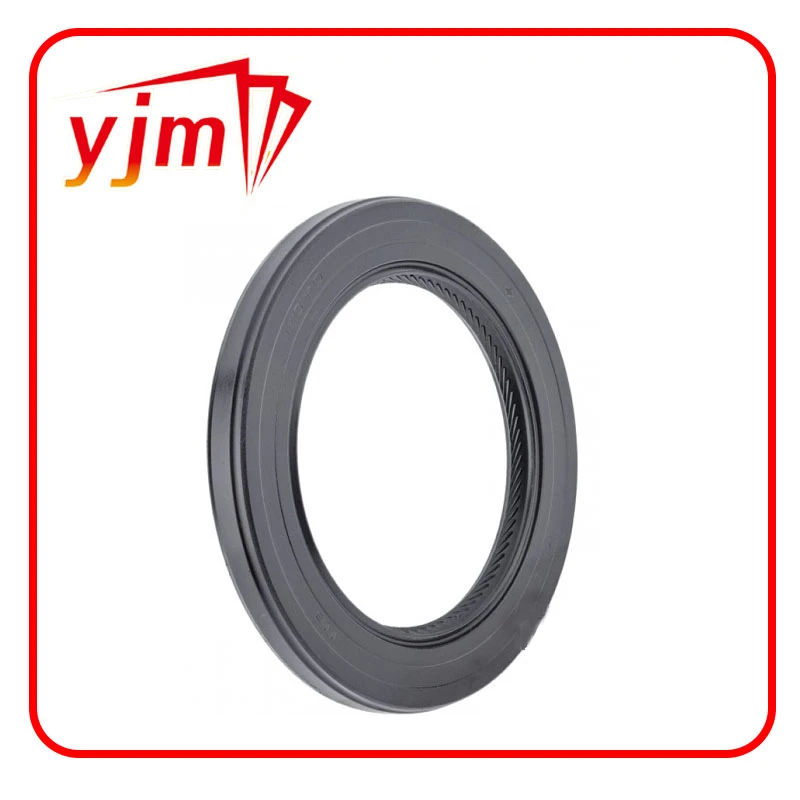
Oil pump seal 9031143010
-
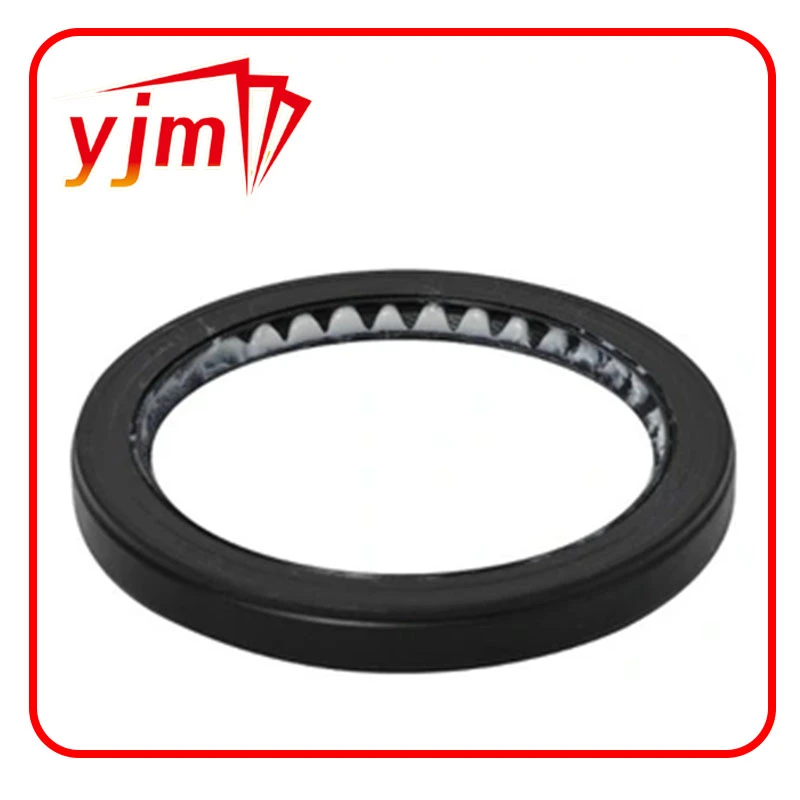
Genuine Toyota Oil SEAL 90311-54006
-
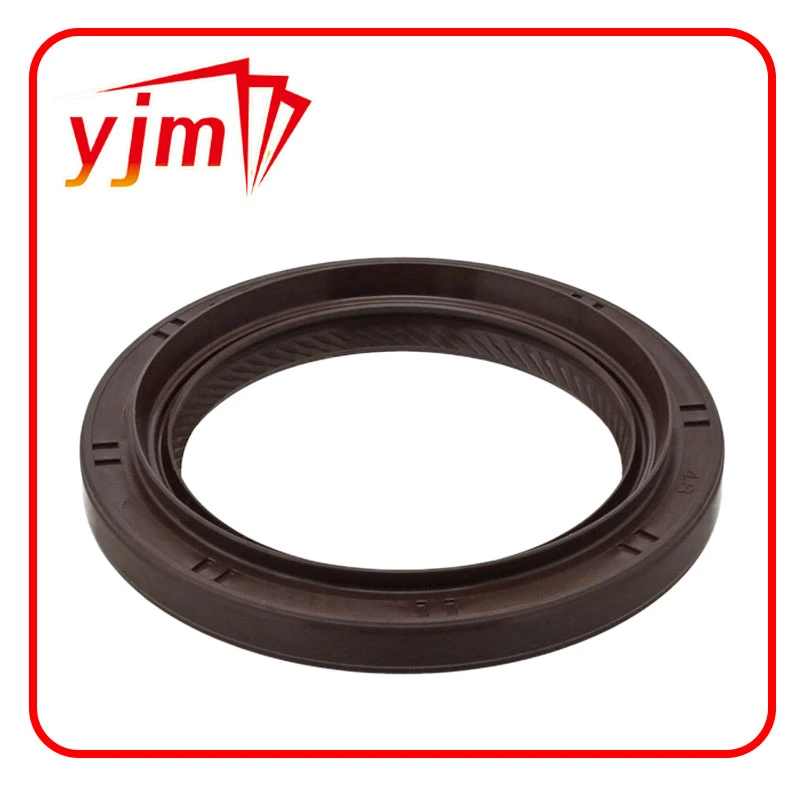
Toyota SEAL TYPE T OIL 90311-48031
-
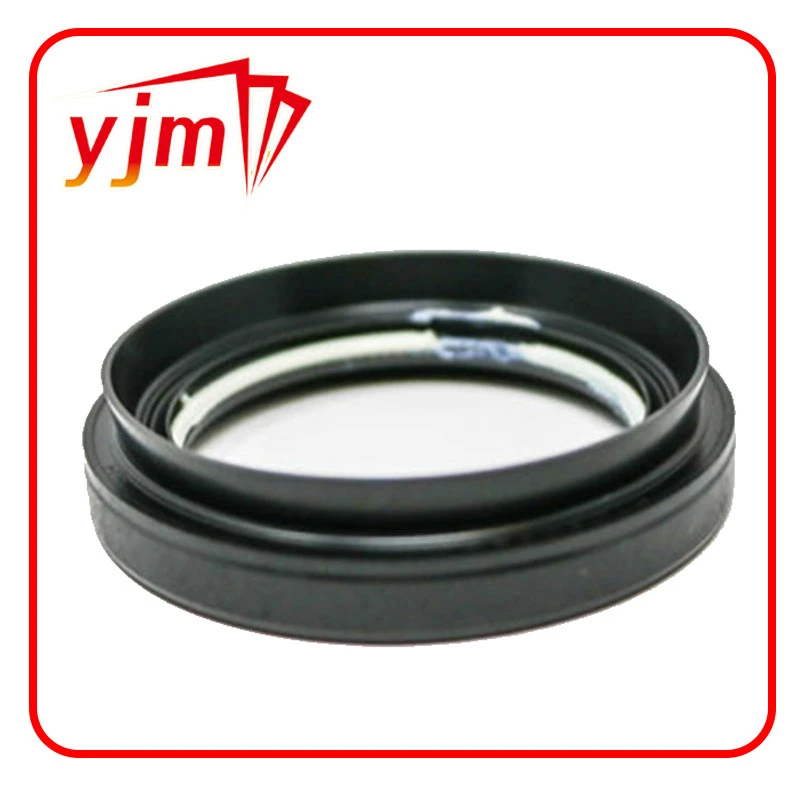
Type T Oil Seal, Front Drive Shaft, Left 9031150064
-
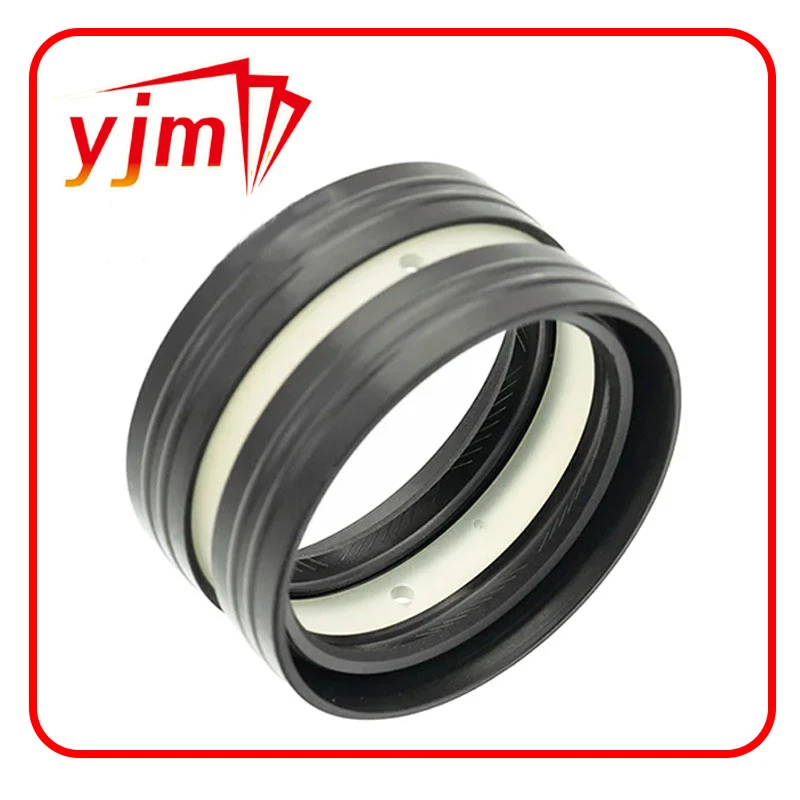
Seal, type d oil 9031634001 TOYOTA
 Afrikaans
 Albanian
 Amharic
 Arabic
 Armenian
 Azerbaijani
 Basque
 Belarusian
 Bengali
 Bosnian
 Bulgarian
 Catalan
 Cebuano
 Corsican
 Croatian
 Czech
Czech
 Danish
 Dutch
Dutch
 Esperanto
 Estonian
 Finnish
 French
 Frisian
 Galician
 Georgian
 German
 Greek
Greek
 Gujarati
 Haitian Creole
 Hausa
Hausa
 Hawaiian
 Hebrew
 Hindi
Hindi
 Miao
Miao
 Hungarian
 Icelandic
 Igbo
Igbo
 Indonesian
 Irish
Irish
 Italian
 Japanese
 Javanese
 Kannada
 Kazakh
 Khmer
Khmer
 Rwandese
 Korean
 Kurdish
 Kyrgyz
 Lao
Lao
 Latin
Latin
 Latvian
 Lithuanian
 Luxembourgish
 Macedonian
 Malgashi
 Malay
Malay
 Malayalam
 Maltese
 Maori
Maori
 Marathi
 Mongolian
 Myanmar
 Nepali
 Norwegian
 Norwegian
 Occitan
 Pashto
 Persian
 Polish
 Portuguese
 Punjabi
 Romanian
 Russian
 Samoan
 Scottish Gaelic
 Serbian
 Sesotho
 Shona
Shona
 Sindhi
 Sinhala
 Slovak
 Slovenian
 Somali
 Spanish
 Sundanese
 Swahili
 Swedish
 Tagalog
 Tajik
Tajik
 Tamil
Tamil
 Tatar
Tatar
 Telugu
 Thai
Thai
 Turkish
 Turkmen
 Ukrainian
 Urdu
Urdu
 Uighur
 Uzbek
Uzbek
 Vietnamese
 Welsh
Welsh
 Bantu
Bantu
 Yiddish
 Yoruba
 Zulu
Zulu
 English