Crankshaft Oil Seal Front | Essential Guide & Global Industry Insights
Understanding the Crankshaft Oil Seal Front: Why It Matters Worldwide
When you hear "crankshaft oil seal front," you might think it’s a small, simple part tucked away inside some engine. But frankly, this tiny component plays a huge role in keeping engines efficient, reliable, and leak-free around the world. This seal is vital—not just for cars but also for heavy machinery powering industries everywhere. Understanding it means appreciating how small engineering marvels impact global manufacturing, transport, and even sustainability.
Globally, the automotive and heavy machinery sectors produce millions of engines annually. The reliability and durability of these engines depend a lot on a well-functioning crankshaft oil seal front. Without it, oil leaks could cause engine failures, costly repairs, and environmental hazards. That's why knowing what this seal is all about, its specifications, and how to choose the right one can save dollars, time, and headaches.
Introduction: Global and Industry Importance
The world produces over 70 million new vehicles annually, requiring sophisticated engine components. According to ISO standards on seals (ISO 6194), the quality of front crankshaft oil seals is crucial for maintaining engine integrity. Poorly performing seals can lead to oil wastage—a significant issue financially and environmentally. For example, in industrial zones across Europe, the loss from undetected oil leaks runs into thousands of tons yearly, affecting soil and water quality.
Modern engines run hotter and faster; the demand for better materials and design in front crankshaft oil seals is rising sharply. Manufacturers face the challenge of combining durability with cost-efficiency in increasingly tight environmental regulations globally. If an oil seal fails, not only is there potential engine damage, but also increased emissions due to oil leaks—a problem environmental bodies like the United Nations Environment Programme (UNEP) highlight increasingly.
What Is a Crankshaft Oil Seal Front?
Simply put, the crankshaft oil seal front is a circular gasket positioned at the front end of the crankshaft—where the shaft exits the engine block. Its job? Keep the engine oil inside while preventing contaminants from entering. You can think of it as a guardian seal, ensuring the engine stays well lubricated and free of grime. Without this seal’s tight fit and resilience, engines would leak oil, overheat, or eventually fail.
This seal is especially critical in modern combustion engines, hybrid vehicles, and heavy equipment like excavators and generators. It connects deeply to global industry by supporting smooth and safe mechanical operations essential in transport, construction, and manufacturing—fields vital to economic growth and infrastructure development worldwide.
Key Factors & Core Components of Crankshaft Oil Seal Front
1. Durability
The seal must withstand extreme temperatures, friction, and constant rotation. Most use high-grade nitrile rubber or fluorocarbon elastomers, sometimes reinforced with spring steels to maintain tight contact with the crankshaft. For example, fluorocarbon seals offer better resistance to heat and oil than older materials.
2. Precision Fit
Even micron-level deviations can cause oil leaks. The seal’s inner diameter and lip must perfectly match the shaft’s surface. Precision manufacturing and quality control are paramount.
3. Compatibility with Lubricants
Modern engines use synthetic oils with complex additives. The seal’s material must resist chemical degradation over time to avoid brittleness or swelling.
4. Installation and Maintenance Ease
Technicians appreciate seals that are easy to fit without damage and can be replaced without disassembling entire engines. Many brands optimize design with installation-friendly features.
5. Cost Efficiency
Balancing the price with performance matters, especially for fleets and industrial users. Cheaper seals may save money short-term but cost more in downtime and repairs.
Mini Takeaway: The front crankshaft oil seal is a small but technically sophisticated component requiring high durability, precise fitting, and chemical compatibility to keep engines running reliably across the globe.
Global Applications & Use Cases
- Automotive industry: Nearly every gasoline and diesel engine worldwide relies on front crankshaft oil seals to prevent leaks, from compact cars to heavy-duty trucks.
- Construction equipment: Excavators, loaders, and bulldozers operate in harsh environments where seal durability affects operational uptime.
- Industrial machinery: Factories with generators, compressors, and pumps depend on these seals for continuous operation.
- Renewable energy: Wind turbines and bioenergy plants use similar sealing technologies for rotating shaft equipment.
In post-disaster reconstruction zones, for instance, ensuring engine reliability can mean uninterrupted power supply and transportation—crucial for humanitarian relief. Similarly, in remote mines in Australia or South America, reliable oil seals reduce maintenance frequency and costs, supporting sustainable extraction operations.
Advantages & Long-Term Value
Good front crankshaft oil seals bring several tangible benefits:
- Cost saving: Preventing oil leaks reduces frequent additions of expensive lubricants and costly engine rebuilds.
- Enhanced sustainability: Minimizing oil leaks protects soil and water from contamination.
- Engine reliability: Maintains engine performance under tough conditions, reducing breakdowns.
- Safety and trust: Drivers and operators gain confidence knowing their equipment is less likely to fail suddenly.
On a more emotional level, it’s about dignity and reliability. Fleet owners and manufacturers feel assured their machines won't break down unexpectedly, and mechanics appreciate equipment designed to minimize their workload. It feels like a hidden form of innovation trusted the world over.
Future Trends & Innovations
Oddly enough, this traditional component is seeing some modern twists:
- Advanced materials: Carbon composites and thermoplastic elastomers promise improved wear resistance and longer life cycles.
- Smart seals: Sensors embedded in seals could detect wear or leaks early, fitting into the Industry 4.0 digital transformations.
- Eco-friendly manufacturing: Using bio-based polymers to reduce environmental footprints.
- Integration with green energy: Electric engines still need seals, and these are being tailored to new lubrication types and operating conditions.
Challenges & Solutions
While front crankshaft oil seals are crucial, challenges persist:
- Material degradation: Exposure to heat and chemicals can cause cracks over time.
- Installation errors: Improper fitting leads to early failures.
- Cost vs. performance balance: The cheapest isn’t always best; making the right choice is critical.
Experts recommend rigorous quality controls and choosing seals certified to international standards (like ISO 6194). Designers also optimize lip geometry and back springs to prolong service life. It’s worth investing in training for maintenance teams to fit seals correctly and check them regularly.
Product Specification Table: Typical Front Crankshaft Oil Seal Details
| Specification | Details |
|---|---|
| Material | Fluorocarbon Rubber (FKM), Nitrile (NBR) |
| Temperature Range | -40°C to 150°C (sometimes up to 200°C) |
| Shaft Diameter Range | 15 mm to 100 mm (various sizes available) |
| Pressure Limit | Up to 0.5 bar |
| Typical Service Life | 50,000 to 100,000 km (automotive) |
Vendor Comparison Table: Selecting Your Front Crankshaft Oil Seal Supplier
| Vendor | Material Quality | Price Range | Customization | Delivery Time |
|---|---|---|---|---|
| YJM Seal | High-grade FKM & NBR | Moderate | Custom sizing available | 4-6 weeks |
| Vendor B | Standard NBR | Low | Limited | 2 weeks |
| Vendor C | Premium fluorocarbon | High | Extensive | 6-8 weeks |
FAQ: Frequently Asked Questions About Crankshaft Oil Seal Front
- What causes front crankshaft oil seals to fail prematurely?
- Common causes include improper installation, incompatible oils degrading the seal material, overheating of the engine, or mechanical damage to the crankshaft surface. Ensuring correct fitment and using quality seals designed for your engine oil type helps prevent early failures.
- How often should I replace the front crankshaft oil seal?
- While some seals last up to 100,000 km in automotive applications, it's best to follow manufacturer guidelines and inspect regularly during maintenance. Signs of leaks or engine oil drops usually indicate it’s time to replace the seal.
- Are aftermarket front crankshaft oil seals as reliable as OEM parts?
- Not always. While many aftermarket seals meet or exceed OEM specs, quality varies widely. Choose reputable brands like YJM Seal that comply with industry standards to ensure reliability.
- Can front crankshaft oil seals be used in electric vehicles?
- Electric vehicles still have some rotating shafts requiring seals, but their requirements differ—often lower temperatures and oil use. Specialized seals designed for EVs are emerging as the market grows.
- How do I choose the right material for my front crankshaft oil seal?
- Consider the engine’s operating temperature, oil type, and environmental exposure. Fluorocarbon seals handle high temps and aggressive oils better, while nitrile is cost-effective for standard conditions.
Conclusion: Why the Front Crankshaft Oil Seal Matters Long-Term
At first glance, the crankshaft oil seal front might seem minor, but its global impact on engine efficiency, environmental safety, and industry economics is truly significant. By choosing the right seal—one that fits precisely, endures harsh conditions, and aligns with your engine needs—you secure performance, protect resources, and foster trust in your machinery.
For dependable, high-quality front crankshaft oil seals tailored to your needs, visit our website: https://www.yjmseal.com. Your engines will thank you.
Oddly enough, sometimes the smallest parts make the biggest difference.
References
-
Guide to Choosing the Right Washer for Oil Change and Sealing
News Apr.16,2026
-
Essential Guide to High Quality rubber washer oil drain plug
News Apr.09,2026
-
Understanding Rubber Crush Washers for Optimal Sealing Performance
News Apr.07,2026
-
Comprehensive Guide to Understanding and Reusing Crush Washer for Optimal Sealing
News Apr.04,2026
-
The Vital Role of a Drain Screw Gasket in Fluid System Integrity
News Mar.31,2026
-
The Essential Guide to Drain Crush Washer Selection and Plumbing Leak Prevention
News Mar.28,2026
-
The Vital Role of a Crush Washer in Oil Changes for Engine Protection
News Mar.26,2026
Products categories
-
Brass cutlass marine bearing
-
Genuine OEM Engine Oil Filter Housing Cover O-Ring For VW/Audi 06E115446
-
Oil Filter Stand Gasket,Oil filter cover seal
-
Oil Cooler Gasket, Oil Cooler to Oil Filter Housing 11427525335
-
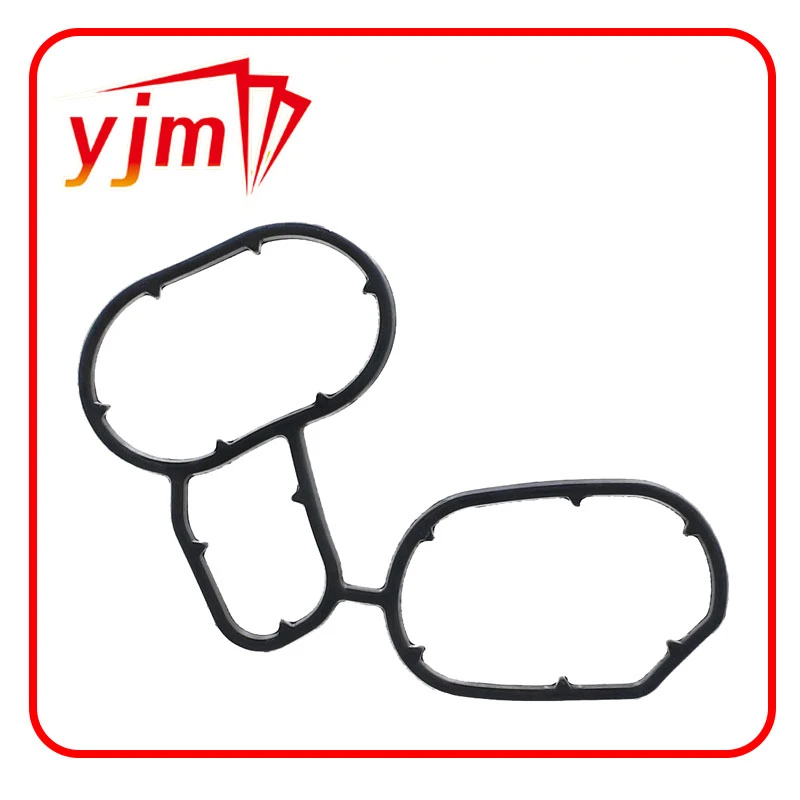
11427508970 BMW - OIL FILTER HOUSING GASKETS
-
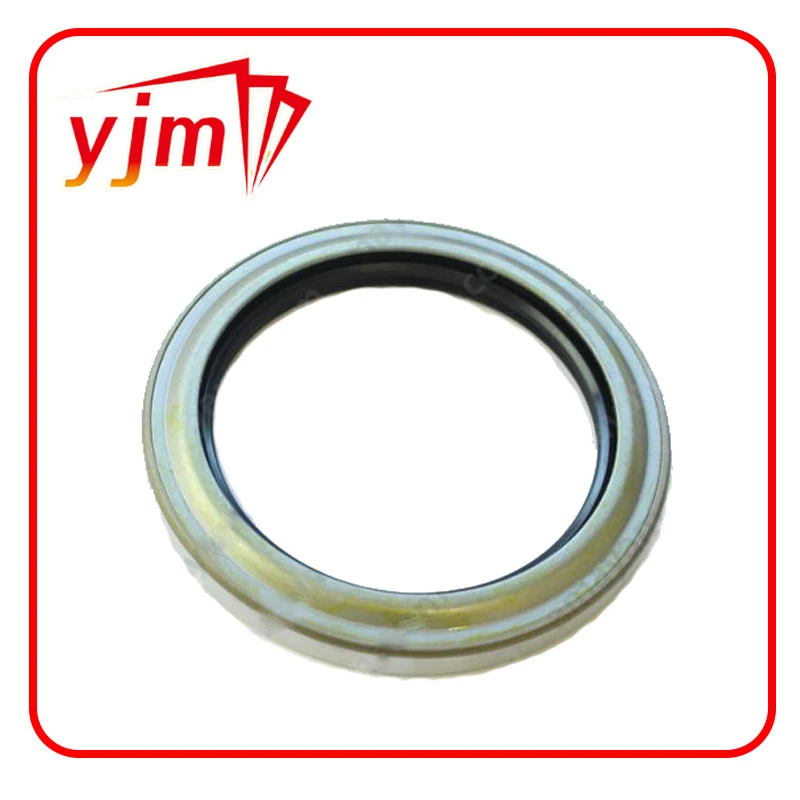
SEAL, OIL Genuine Toyota (9031170011)
-
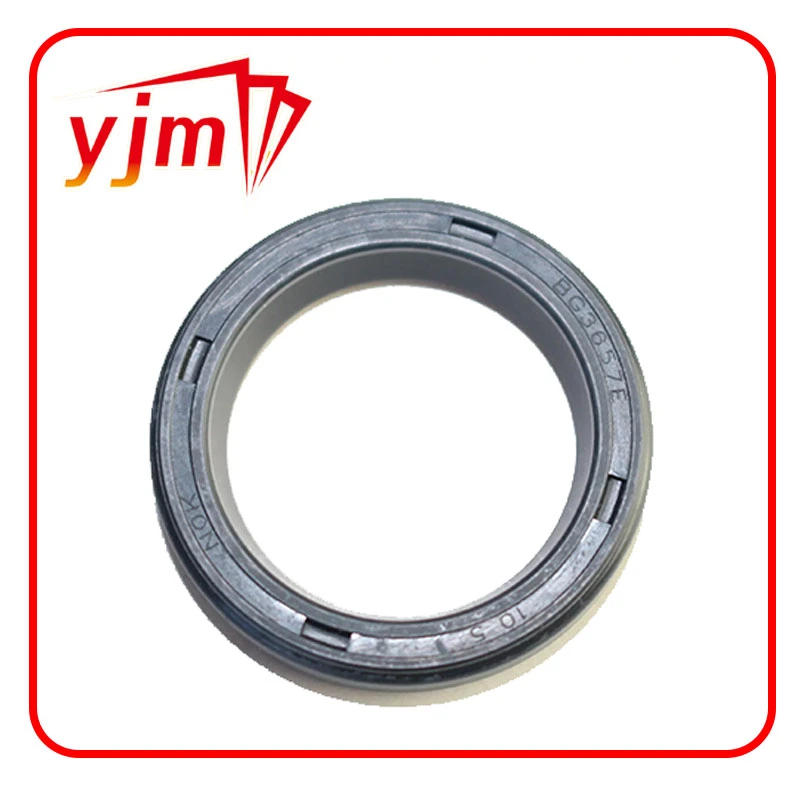
Transfer Case Output Shaft Seal Part 9031223001
-
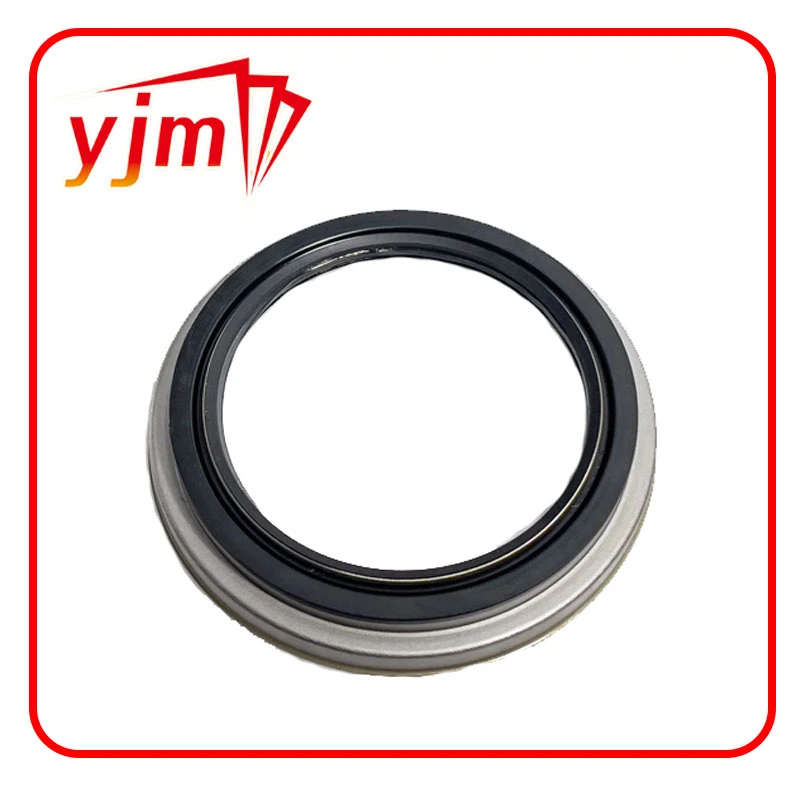
SEAL, OIL Genuine Toyota (9031672001)
-
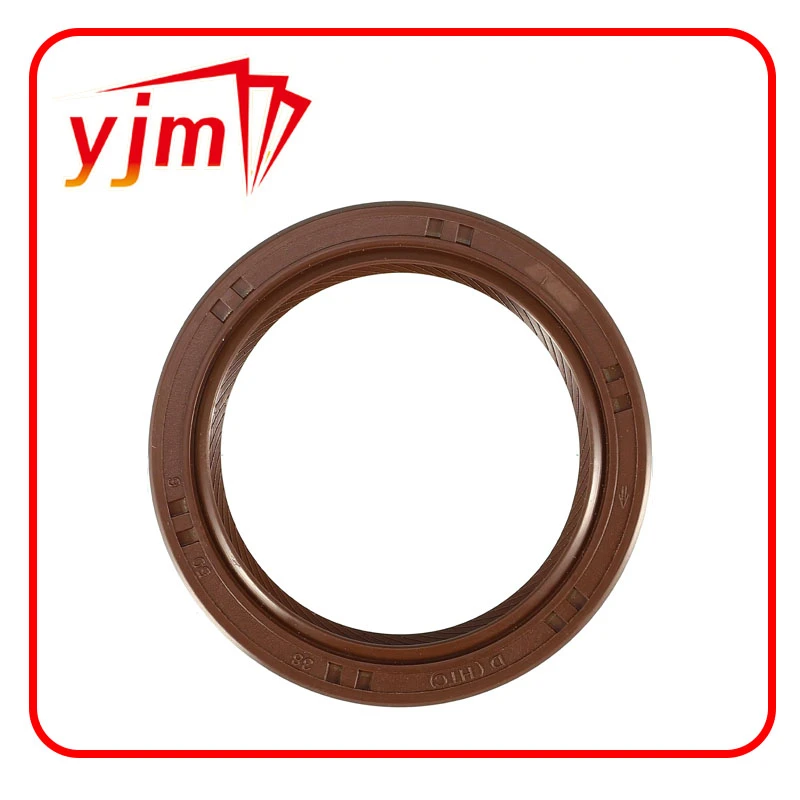
Engine Crankshaft Oil Seal No.9031138096
-
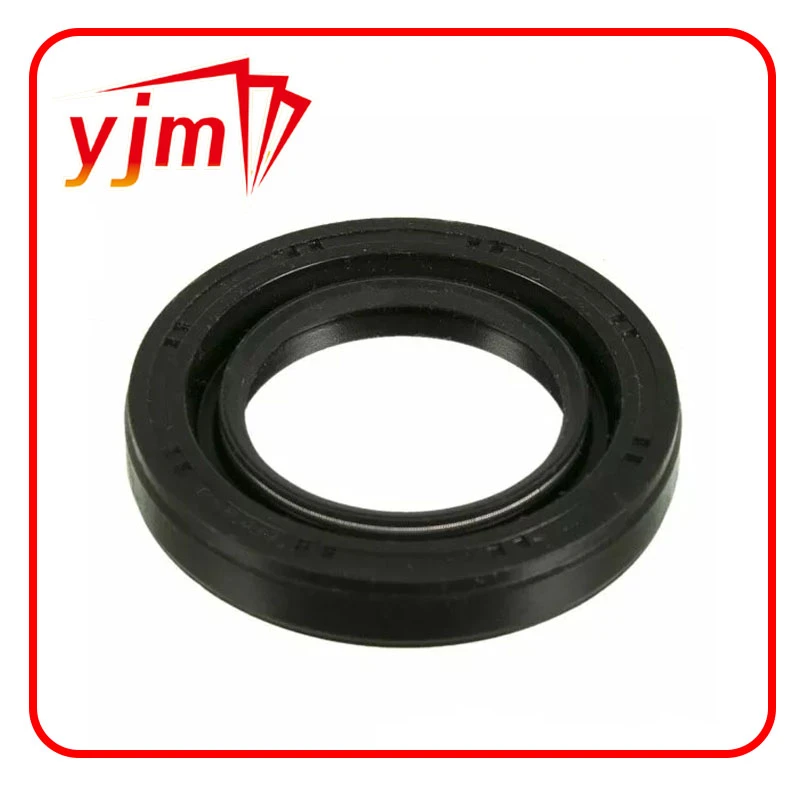
Toyota Transfer Case Output Shaft Seal Front 9031136006
-
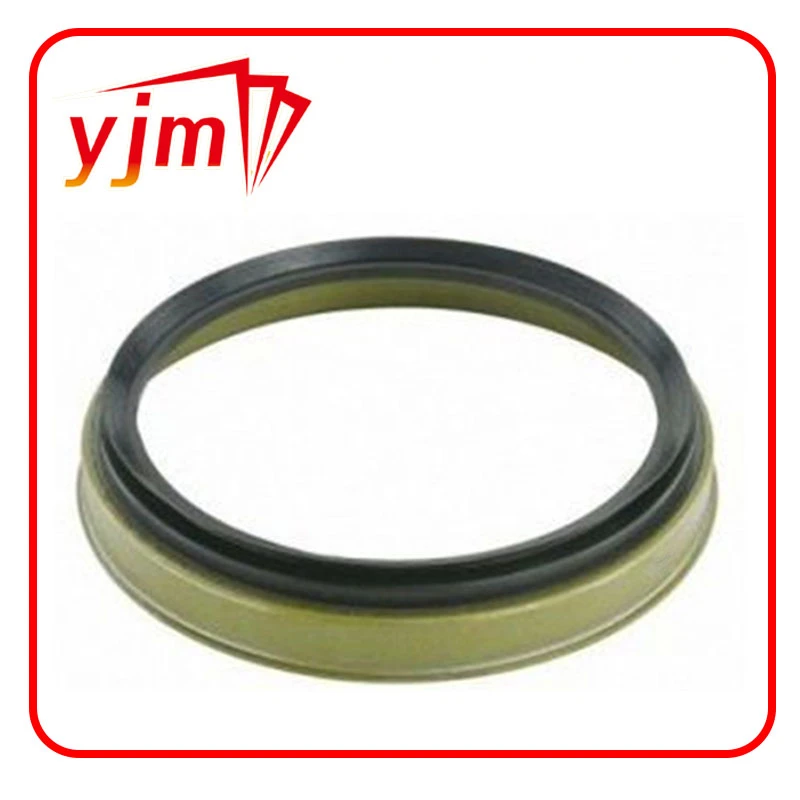
Seal, type v oil 9031287001 TOYOTA
-
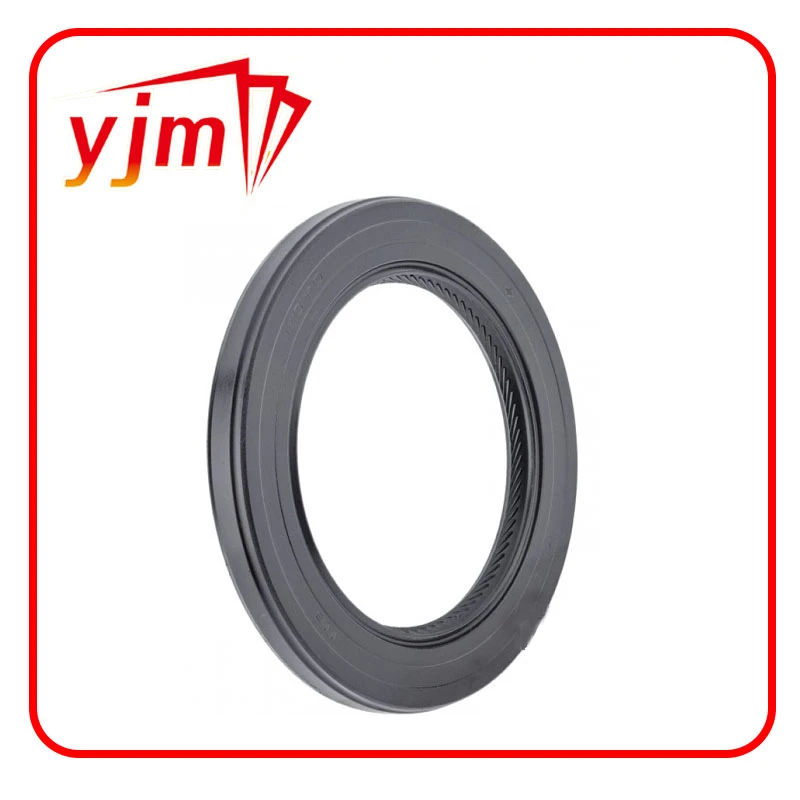
Oil pump seal 9031143010
-
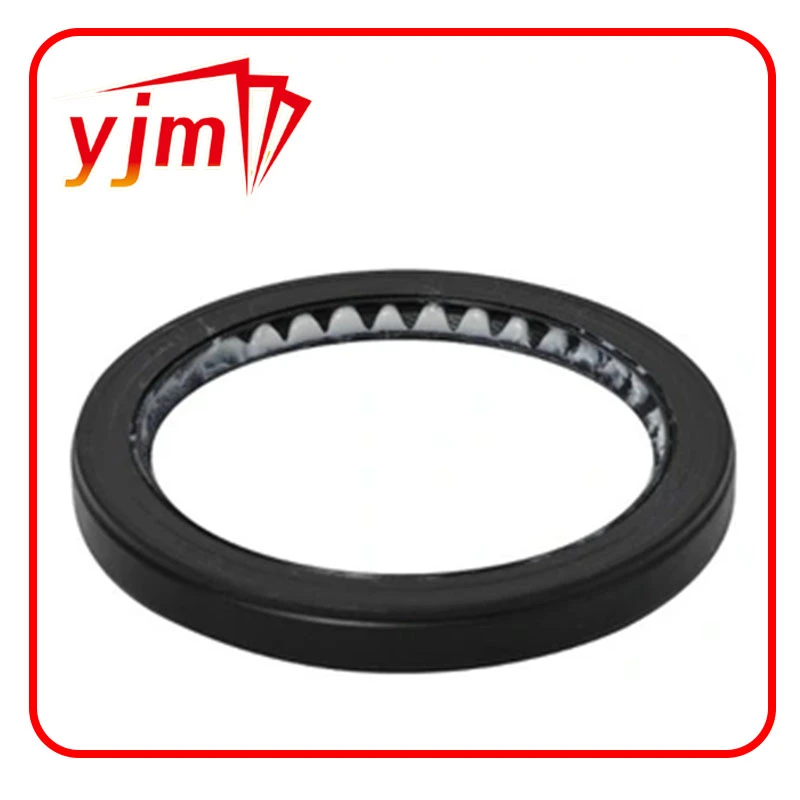
Genuine Toyota Oil SEAL 90311-54006
-
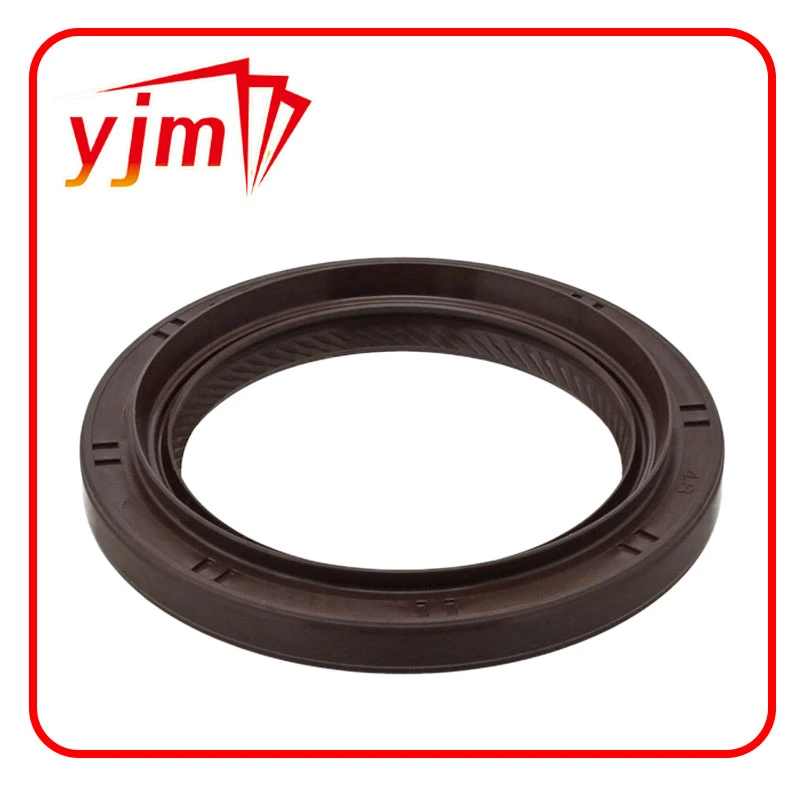
Toyota SEAL TYPE T OIL 90311-48031
-
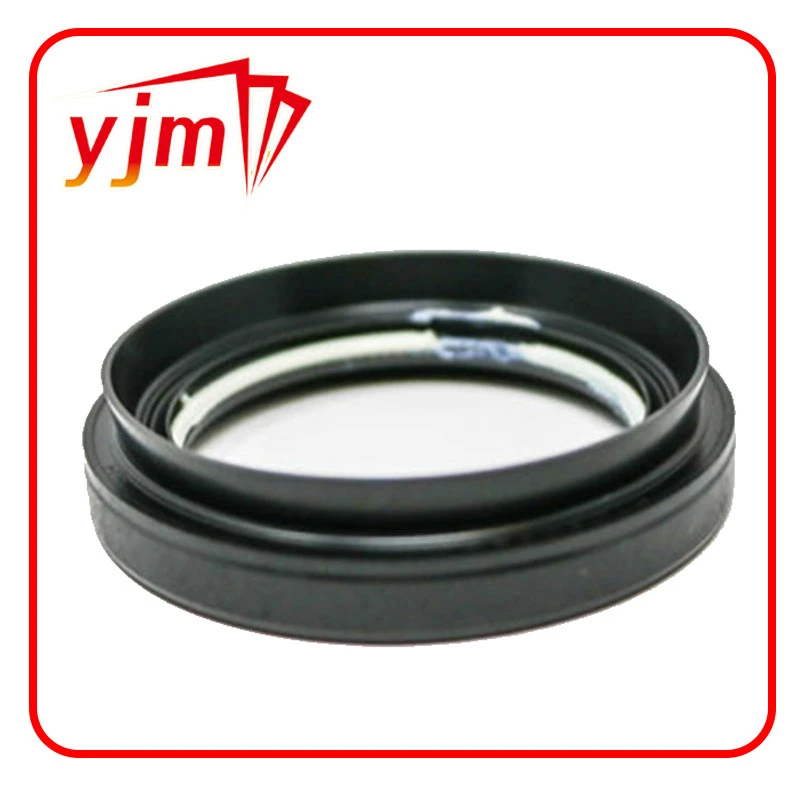
Type T Oil Seal, Front Drive Shaft, Left 9031150064
-
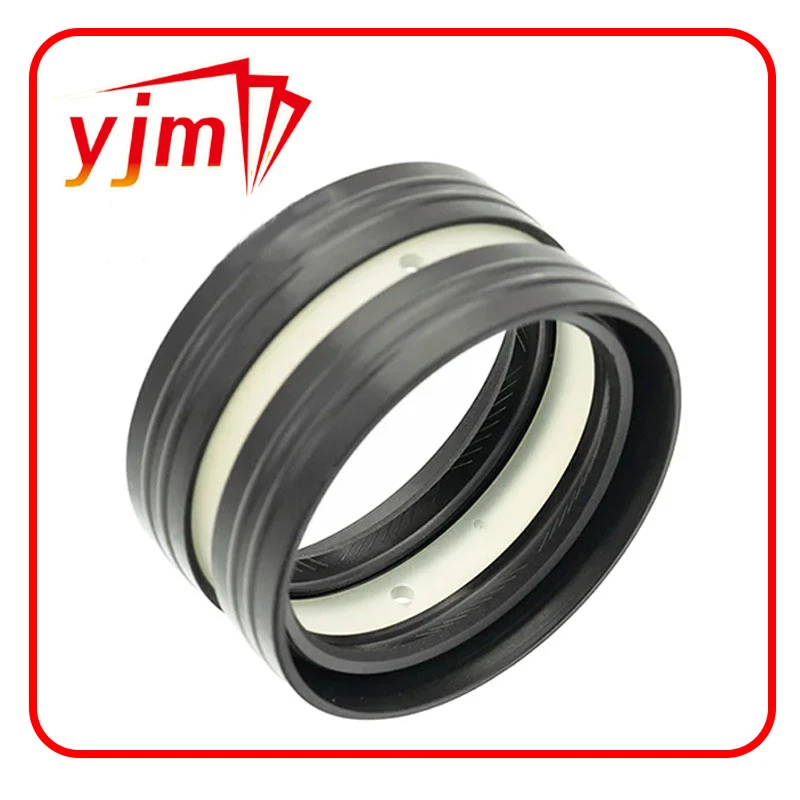
Seal, type d oil 9031634001 TOYOTA
 Afrikaans
 Albanian
 Amharic
 Arabic
 Armenian
 Azerbaijani
 Basque
 Belarusian
 Bengali
 Bosnian
 Bulgarian
 Catalan
 Cebuano
 Corsican
 Croatian
 Czech
Czech
 Danish
 Dutch
Dutch
 Esperanto
 Estonian
 Finnish
 French
 Frisian
 Galician
 Georgian
 German
 Greek
Greek
 Gujarati
 Haitian Creole
 Hausa
Hausa
 Hawaiian
 Hebrew
 Hindi
Hindi
 Miao
Miao
 Hungarian
 Icelandic
 Igbo
Igbo
 Indonesian
 Irish
Irish
 Italian
 Japanese
 Javanese
 Kannada
 Kazakh
 Khmer
Khmer
 Rwandese
 Korean
 Kurdish
 Kyrgyz
 Lao
Lao
 Latin
Latin
 Latvian
 Lithuanian
 Luxembourgish
 Macedonian
 Malgashi
 Malay
Malay
 Malayalam
 Maltese
 Maori
Maori
 Marathi
 Mongolian
 Myanmar
 Nepali
 Norwegian
 Norwegian
 Occitan
 Pashto
 Persian
 Polish
 Portuguese
 Punjabi
 Romanian
 Russian
 Samoan
 Scottish Gaelic
 Serbian
 Sesotho
 Shona
Shona
 Sindhi
 Sinhala
 Slovak
 Slovenian
 Somali
 Spanish
 Sundanese
 Swahili
 Swedish
 Tagalog
 Tajik
Tajik
 Tamil
Tamil
 Tatar
Tatar
 Telugu
 Thai
Thai
 Turkish
 Turkmen
 Ukrainian
 Urdu
Urdu
 Uighur
 Uzbek
Uzbek
 Vietnamese
 Welsh
Welsh
 Bantu
Bantu
 Yiddish
 Yoruba
 Zulu
Zulu
 English