Reliable Crank Oil Seal Solutions | Industry-Leading Sealing Technology
Why Crank Oil Seals Matter: A Practical Overview
We often overlook the tiny unsung heroes in machines — the humble crank oil seal being one of them. Yet, these small components play a pivotal role in ensuring engines and gearboxes remain leak-proof and perform efficiently worldwide. Understanding crank oil seal technology isn’t just for the mechanically inclined; it’s essential in fields ranging from automotive to industrial manufacturing and beyond. Given how global industries rely heavily on engines that operate continuously, a dependable crank oil seal translates into longevity, cost-saving, and less environmental harm — things that, frankly, matter a lot in today’s fast-paced world.
Setting the Stage: The Global Context of Crank Oil Seals
It’s easy to forget that behind every car, truck, or even a power plant generator, there’s a system of seals tirelessly preventing oil leaks that could lead to engine failure or environmental contamination. According to recent ISO data, the global automotive aftermarket is projected to reach nearly $700 billion by 2027, much of which depends on quality sealing components to keep engines running smoothly.
Yet, challenges persist. Oil leaks cause environmental hazards and expensive downtime worldwide, with industrial regions in Asia and Europe reporting the highest maintenance costs linked to seal failures. And as the demand for more efficient, lower-emission engines rises, the pressure to innovate in areas like crank oil seal design only intensifies.
What Exactly Is a Crank Oil Seal?
Put simply, a crank oil seal is a vital component placed around the crankshaft of an engine to prevent oil from leaking out while keeping dirt and contaminants from getting in. Picture it as a high-precision gatekeeper: flexible yet durable, ensuring lubrication stays put so engines run smoothly.
In modern industry, these seals are crucial not only in automotive engines but also in marine, agricultural machinery, and even humanitarian equipment used in disaster zones—anywhere engines need reliable protection amidst challenging conditions.
Breaking Down the Core Features of Crank Oil Seals
Durability and Material Composition
Most crank oil seals today are made from nitrile rubber (NBR), fluoroelastomers (FKM), or silicone variants, chosen for their resistance to heat, chemicals, and wear. This combination ensures they last for thousands of miles or hours, even under harsh conditions—imagine an off-road vehicle powering through muddy terrain or a generator running non-stop in a remote village.
Precision Design and Fit
The seal’s geometry — especially the lip and spring tension — must perfectly match the crankshaft’s dimensions. Even a slight mismatch can cause premature wear or leaks, leading to costly repairs. Many engineers I’ve spoken to swear by customized seals tailored to specific machines instead of “one size fits all.”
Cost Efficiency
Frankly, a well-made crank oil seal reduces the frequency of oil top-ups and engine downtime. This equals significant savings for industries relying on uninterrupted machine operation — for instance, large logistics fleets or manufacturing plants.
Environmental Impact
By preventing leaks, seals help reduce soil and water contamination — a growing concern given tougher environmental regulations worldwide. In a sense, choosing good seals contributes quietly but meaningfully to sustainability efforts.
Where You’ll Encounter Crank Oil Seals: Global Applications and Use Cases
From the icy roads of Scandinavia to the busy factories of Southeast Asia, crank oil seals find uses across various sectors:
- Automotive Industry: Virtually every internal combustion engine depends on these seals for oil retention.
- Heavy Machinery: Mining equipment in Australia or construction cranes in the Middle East rely on robust sealing solutions.
- Agriculture: Tractors and harvesters operating in variable climates can’t afford seal failure during peak seasons.
- Power Generation: Diesel generators used in disaster recovery scenarios, like earthquake response, count on reliable crank seals to avoid leaks that could stall operations.
Such versatility shows how a seemingly small component has outsized importance worldwide.
Mini Takeaway:
The crank oil seal may be small, but it’s everywhere — quietly safeguarding engines critical to daily life and global industries.
The Upside: Advantages and Long-Term Value of Quality Seals
Look, when you invest in premium crank oil seals, you’re not only buying a part; you’re securing reliability. Benefits include:
- Reduced Maintenance Costs: Less oil leakage means less frequent servicing.
- Extended Equipment Lifespan: Proper lubrication preservation cuts down internal damage.
- Environmental Compliance: Lower chance of hazardous spills aligns with global regulations.
- Increased Safety: Leaks can cause slippery surfaces or fires; good seals help prevent these risks.
For engineers and operators alike, peace of mind is priceless. Trust in something as basic as a dependable crank oil seal can ultimately mean trust in your whole mechanical system.
Looking Ahead: Trends and Innovations in Crank Oil Seal Technology
We’re already seeing several promising developments:
- Advanced Materials: Silicon carbide and other ceramics for ultra-low wear.
- Smart Seals: Embedded sensors that monitor seal health and predict failures.
- Eco-friendly Production: Biodegradable elastomers and reduced VOC manufacturing methods.
- Automated Manufacturing: Precision 3D printing enabling custom seals faster and cheaper.
Oddly enough, the push for electric vehicles may also drive a new kind of sealing technology as engine configurations change. Even if EVs reduce the number of traditional crankshaft seals used, industrial engines will remain essential for decades.
Hurdles and How the Industry Tackles Them
Despite their critical role, crank oil seals aren’t without challenges:
- Wear and Tear: Harsh conditions still shorten seal life despite advances.
- Improper Installation: Many leaks trace back to fitting errors rather than product quality.
- Material Costs: High-end seals can be expensive, squeezing budgets for some operators.
Solutions? Training on installation, better design tools for fitment, and materials research are ongoing to make seals both more affordable and reliable.
Frequently Asked Questions About Crank Oil Seals
- How can I tell if my crank oil seal is failing?
- Look for visible oil leaks near the crankshaft or unusual engine noises. Consistent low oil levels without obvious external leaks can also be a red flag.
- Can I replace a crank oil seal myself, or should a professional handle it?
- While some mechanically skilled individuals may attempt replacement, professional installation ensures proper fit and avoids damage. Seal installation requires precision to maintain effectiveness.
- Are all crank oil seals universal or machine-specific?
- No, seals come in various sizes and materials tailored for specific applications. Using a non-matching seal can cause early failure or leaks.
- How often should crank oil seals be inspected or replaced?
- Depends on vehicle or equipment usage and conditions. Generally, inspected during routine maintenance and replaced if signs of wear or leaks appear.
- Do seals degrade over time even if the engine isn’t used frequently?
- Yes, seals can harden or crack due to age and environmental exposure even without use, warranting periodic checks.
Summary and Next Steps
To wrap up, the crank oil seal might be a small piece within vast, complex machinery, but its contribution to the longevity, safety, and environmental stewardship of engines is huge. Choosing the right seal, ensuring proper installation, and keeping an eye on emerging technologies are solid ways to stay ahead in this essential aspect of mechanical engineering.
If you want to explore quality sealing products or learn more about innovations in crank oil seals, visit our trusted partner site: yjmseal.com. Trust me, it’s worth a click.
Product Specification Table
| Specification | Typical Range | Comments |
|---|---|---|
| Material | NBR, FKM, Silicone | Material selected based on temperature & fluid compatibility |
| Operating Temp | -40°C to 150°C | Depends on elastomer type |
| Shaft Diameter Range | 10mm to 300mm+ | Custom sizes available |
| Maximum Speed | Up to 15 m/s surface speed | Varies by seal design & spring tension |
| Pressure Range | Vacuum up to 0.5 MPa | Higher pressures require specialty seals |
Vendor Comparison Table
| Vendor | Material Options | Customization | Lead Time | Typical Price Range |
|---|---|---|---|---|
| YJM Seal | NBR, FKM, Silicone, PTFE | Highly Customized | 2-3 weeks | $$ |
| SealTech Inc. | NBR, EPDM | Standard Sizes | 1-2 weeks | $ |
| GlobalSeal | FKM, Silicone | Moderate Customization | 3-4 weeks | $$$ |
Final Thoughts
Next time you hear an engine hum quietly, spare a thought for that crank oil seal — the tiny part preventing chaos inside. It’s one of those behind-the-scenes contributors to our daily comforts and industrial successes that often goes unnoticed. But without it, all the rest can fall apart rather quickly.
Here’s to appreciating the small things that keep the world turning — including, yes, crank oil seals.
References
-
Guide to Choosing the Right Washer for Oil Change and Sealing
News Apr.16,2026
-
Essential Guide to High Quality rubber washer oil drain plug
News Apr.09,2026
-
Understanding Rubber Crush Washers for Optimal Sealing Performance
News Apr.07,2026
-
Comprehensive Guide to Understanding and Reusing Crush Washer for Optimal Sealing
News Apr.04,2026
-
The Vital Role of a Drain Screw Gasket in Fluid System Integrity
News Mar.31,2026
-
The Essential Guide to Drain Crush Washer Selection and Plumbing Leak Prevention
News Mar.28,2026
-
The Vital Role of a Crush Washer in Oil Changes for Engine Protection
News Mar.26,2026
Products categories
-
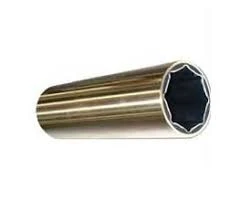
Brass cutlass marine bearing
-
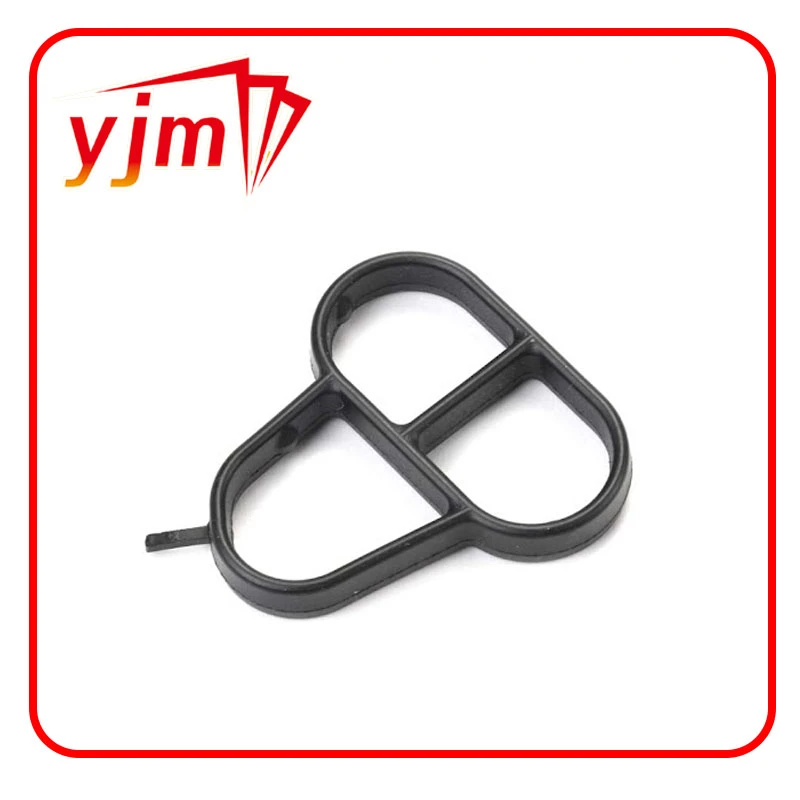
Genuine OEM Engine Oil Filter Housing Cover O-Ring For VW/Audi 06E115446
-
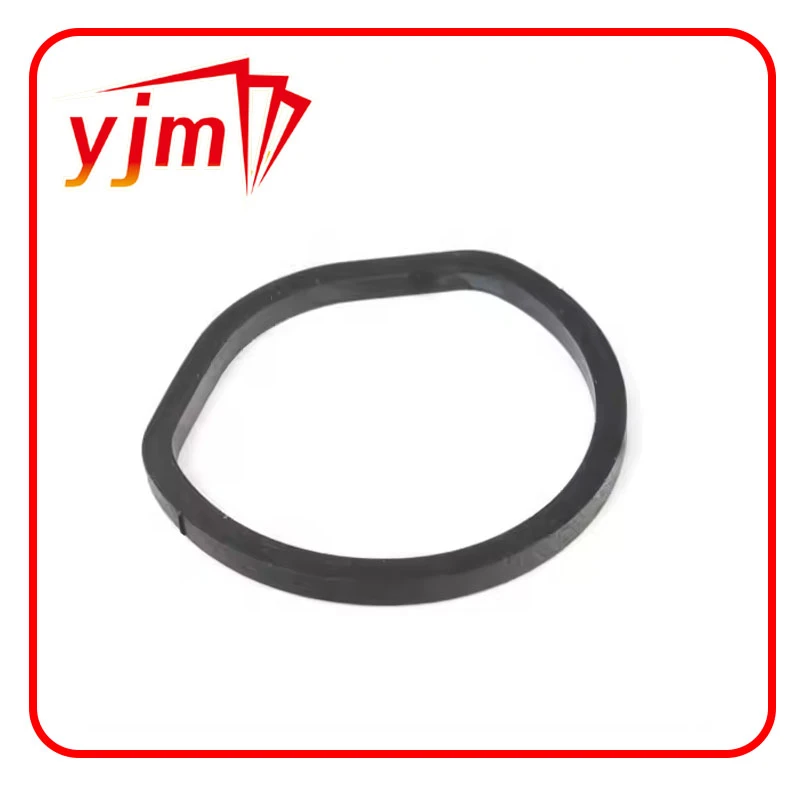
Oil Filter Stand Gasket,Oil filter cover seal
-
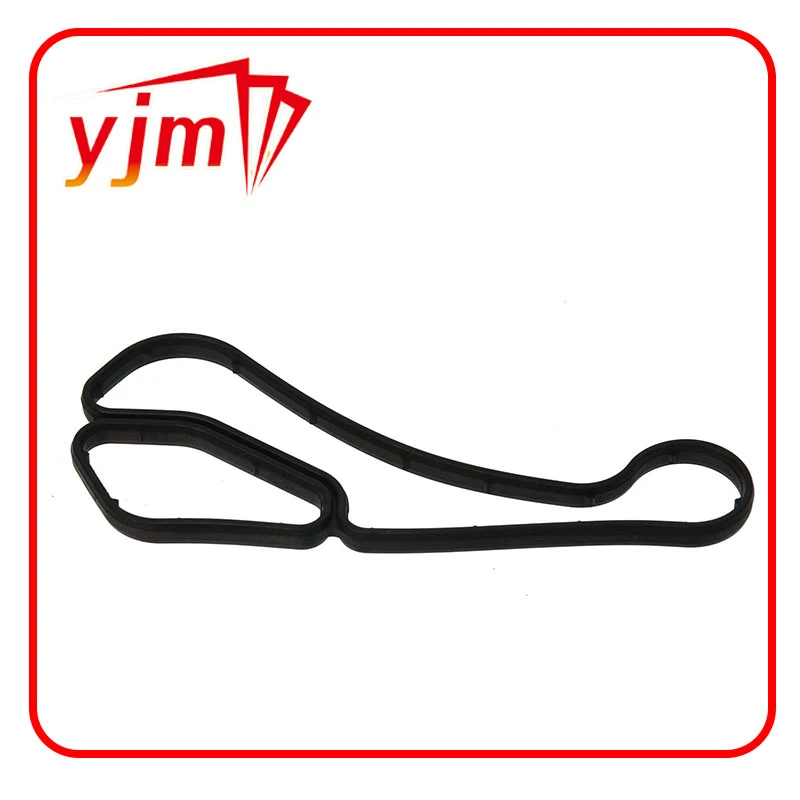
Oil Cooler Gasket, Oil Cooler to Oil Filter Housing 11427525335
-
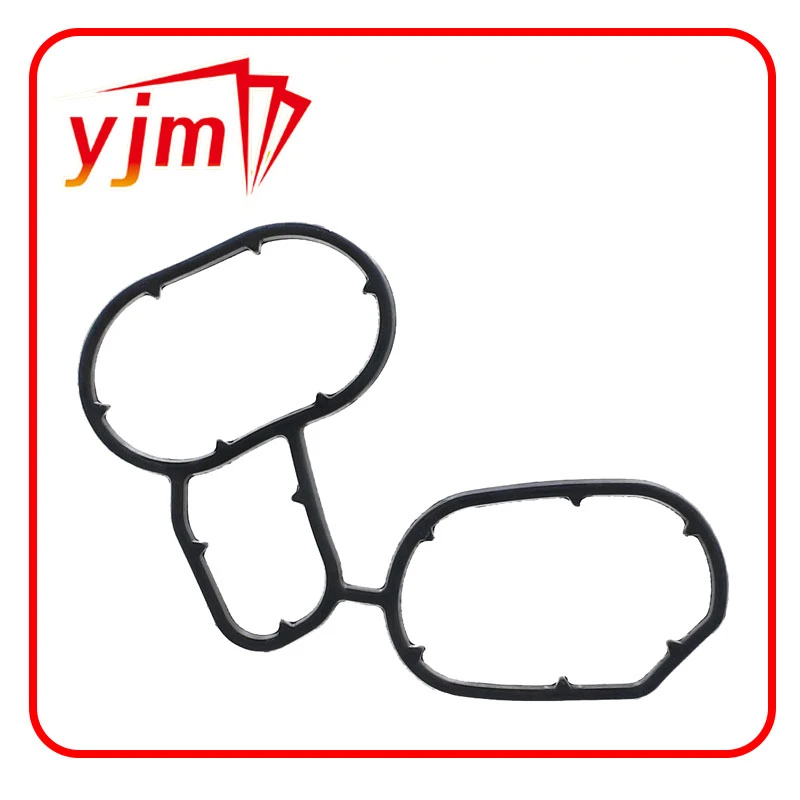
11427508970 BMW - OIL FILTER HOUSING GASKETS
-
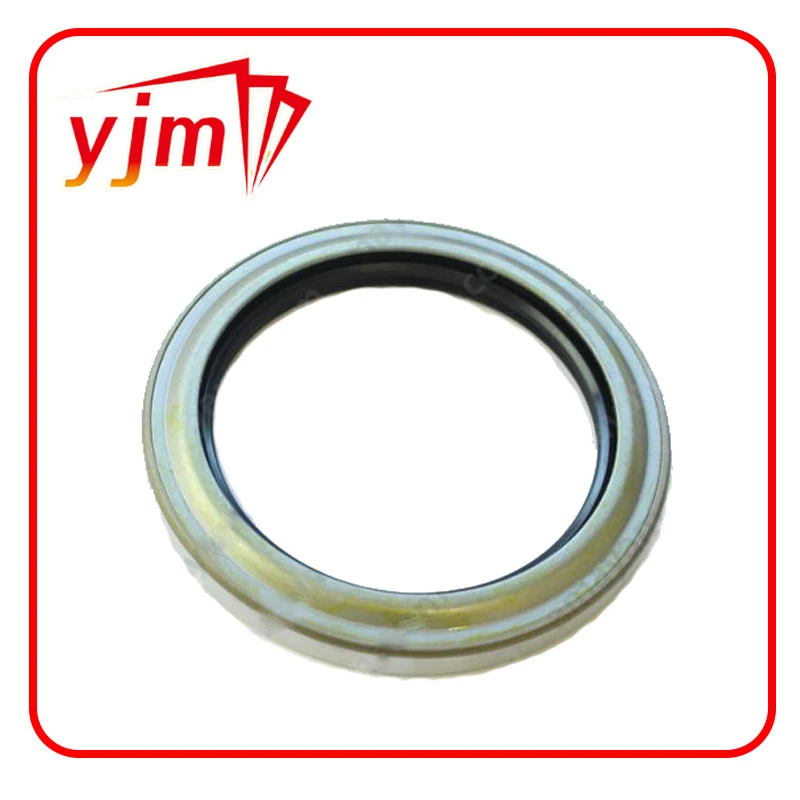
SEAL, OIL Genuine Toyota (9031170011)
-
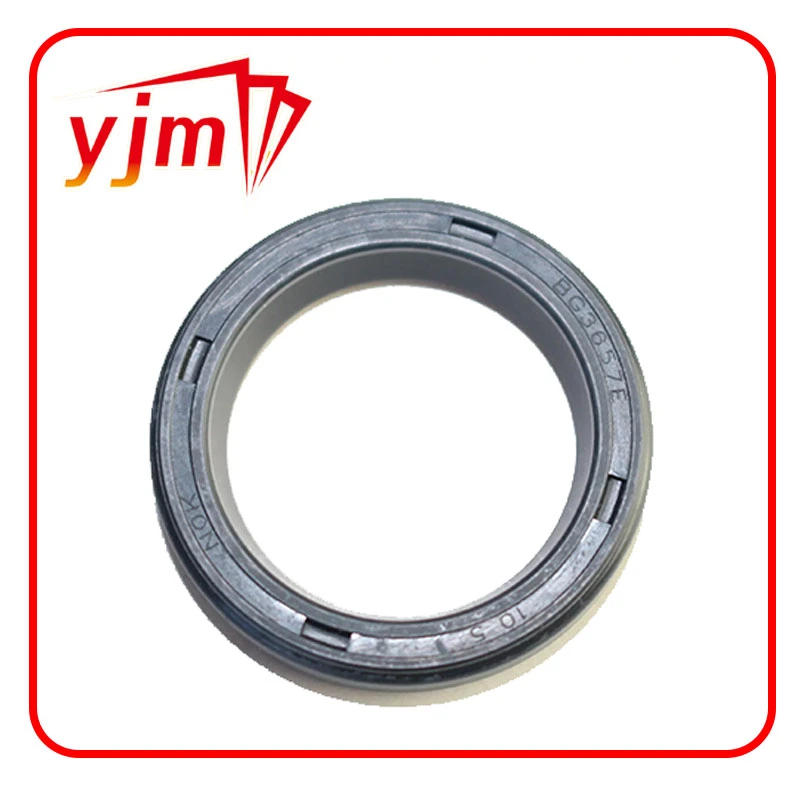
Transfer Case Output Shaft Seal Part 9031223001
-
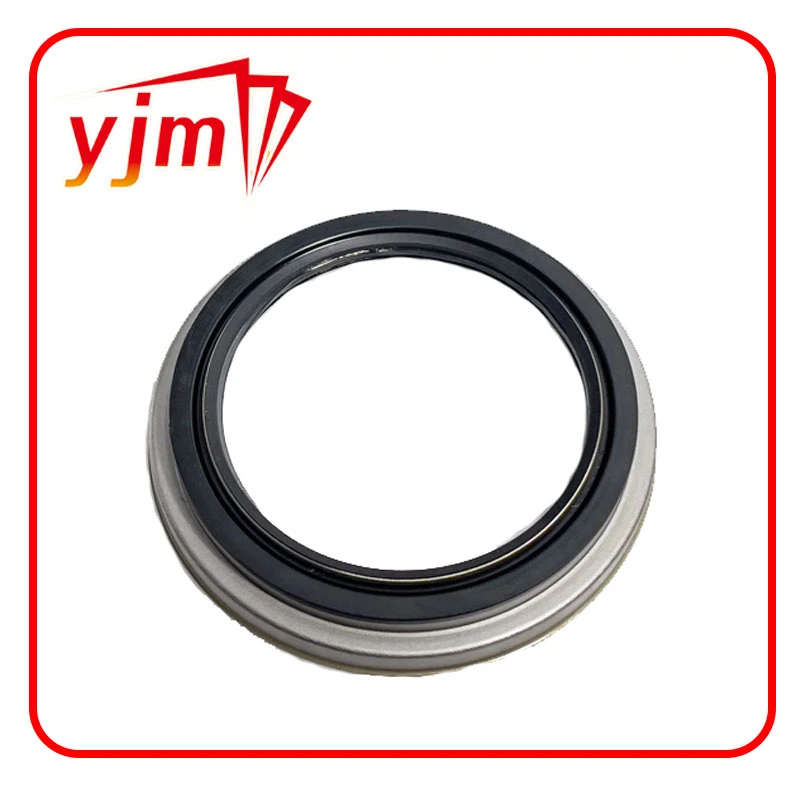
SEAL, OIL Genuine Toyota (9031672001)
-
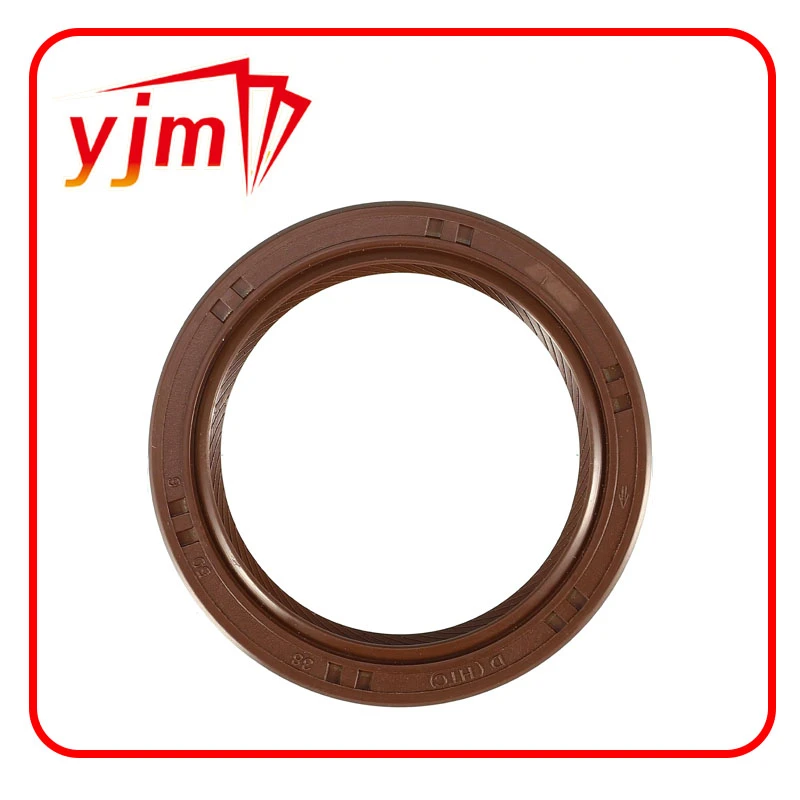
Engine Crankshaft Oil Seal No.9031138096
-
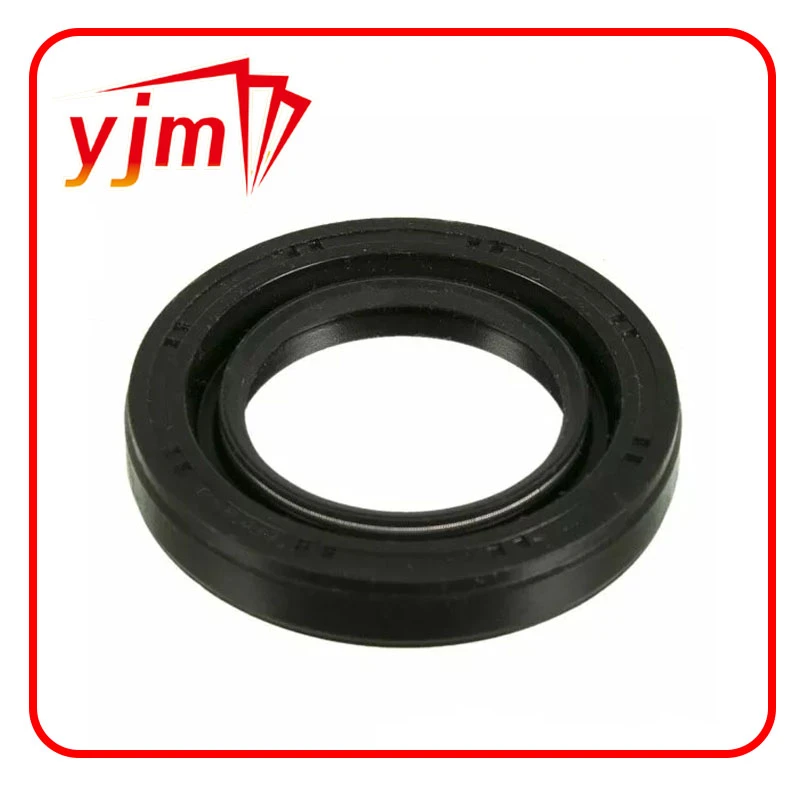
Toyota Transfer Case Output Shaft Seal Front 9031136006
-
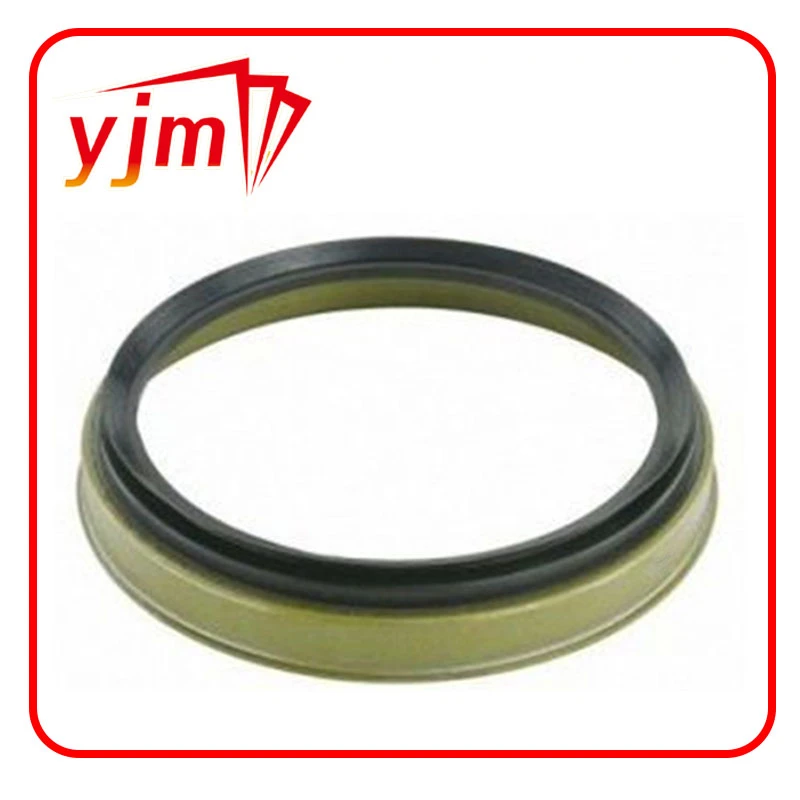
Seal, type v oil 9031287001 TOYOTA
-
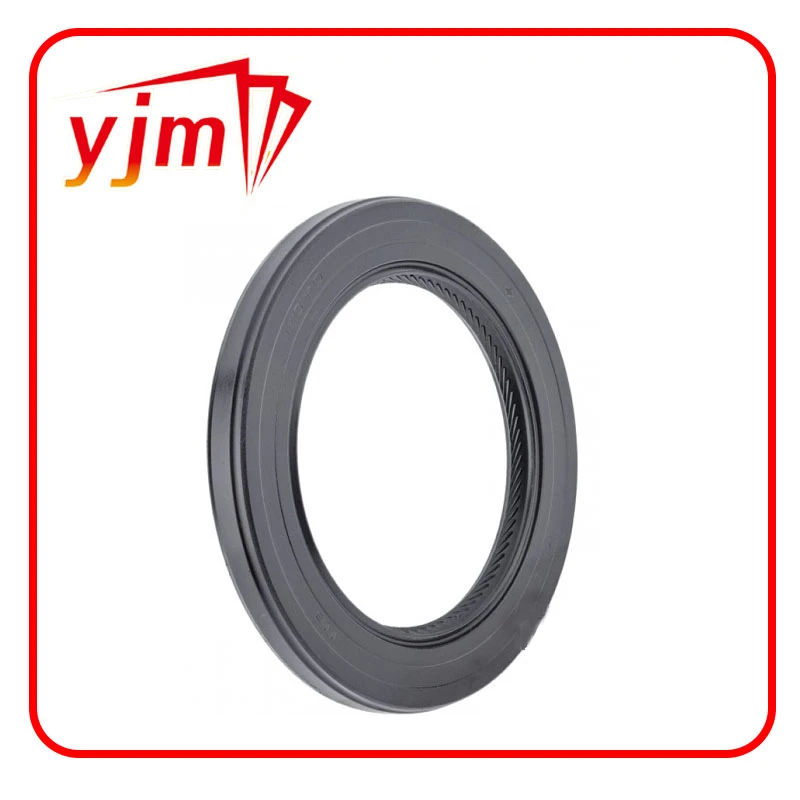
Oil pump seal 9031143010
-
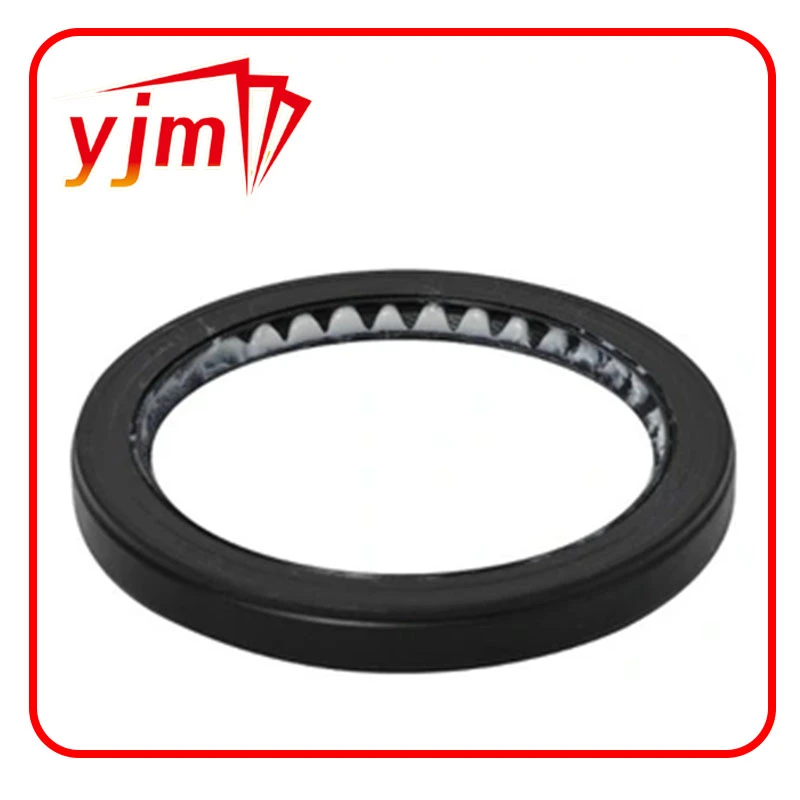
Genuine Toyota Oil SEAL 90311-54006
-
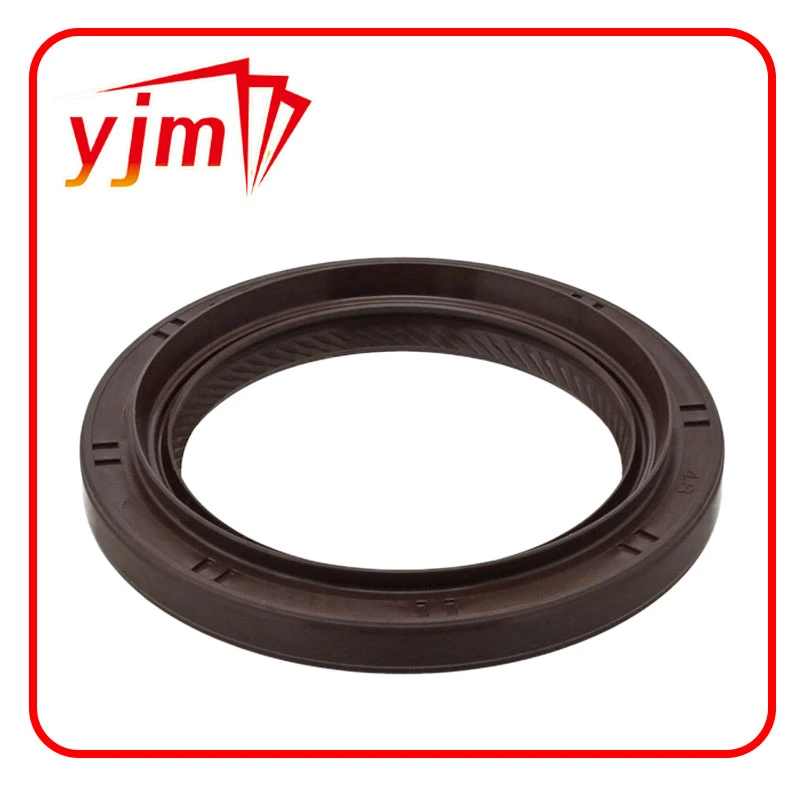
Toyota SEAL TYPE T OIL 90311-48031
-
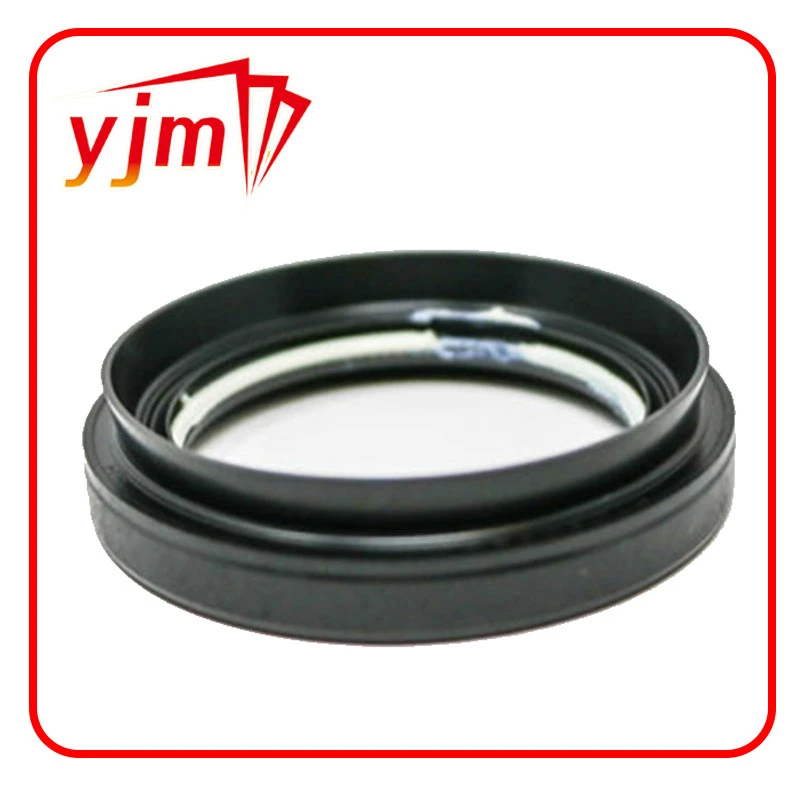
Type T Oil Seal, Front Drive Shaft, Left 9031150064
-
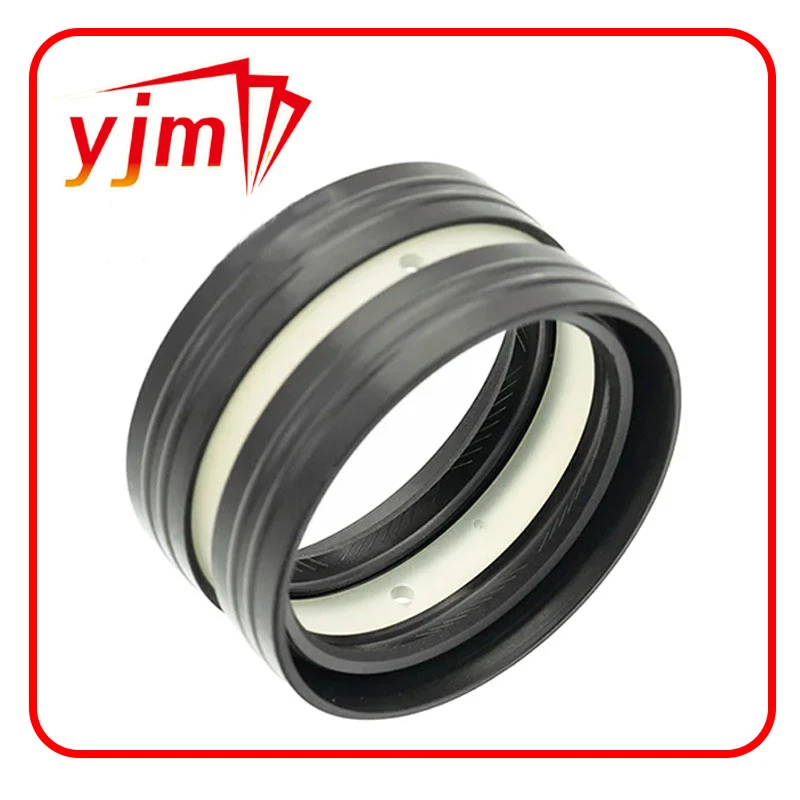
Seal, type d oil 9031634001 TOYOTA
 Afrikaans
 Albanian
 Amharic
 Arabic
 Armenian
 Azerbaijani
 Basque
 Belarusian
 Bengali
 Bosnian
 Bulgarian
 Catalan
 Cebuano
 Corsican
 Croatian
 Czech
Czech
 Danish
 Dutch
Dutch
 Esperanto
 Estonian
 Finnish
 French
 Frisian
 Galician
 Georgian
 German
 Greek
Greek
 Gujarati
 Haitian Creole
 Hausa
Hausa
 Hawaiian
 Hebrew
 Hindi
Hindi
 Miao
Miao
 Hungarian
 Icelandic
 Igbo
Igbo
 Indonesian
 Irish
Irish
 Italian
 Japanese
 Javanese
 Kannada
 Kazakh
 Khmer
Khmer
 Rwandese
 Korean
 Kurdish
 Kyrgyz
 Lao
Lao
 Latin
Latin
 Latvian
 Lithuanian
 Luxembourgish
 Macedonian
 Malgashi
 Malay
Malay
 Malayalam
 Maltese
 Maori
Maori
 Marathi
 Mongolian
 Myanmar
 Nepali
 Norwegian
 Norwegian
 Occitan
 Pashto
 Persian
 Polish
 Portuguese
 Punjabi
 Romanian
 Russian
 Samoan
 Scottish Gaelic
 Serbian
 Sesotho
 Shona
Shona
 Sindhi
 Sinhala
 Slovak
 Slovenian
 Somali
 Spanish
 Sundanese
 Swahili
 Swedish
 Tagalog
 Tajik
Tajik
 Tamil
Tamil
 Tatar
Tatar
 Telugu
 Thai
Thai
 Turkish
 Turkmen
 Ukrainian
 Urdu
Urdu
 Uighur
 Uzbek
Uzbek
 Vietnamese
 Welsh
Welsh
 Bantu
Bantu
 Yiddish
 Yoruba
 Zulu
Zulu
 English