Reliable Automotive Oil Seal Manufacturers: Keeping Vehicles Leak-Free Worldwide
Why Automotive Oil Seal Manufacturers Matter Globally
At first glance, automotive oil seals might not be the star of the automotive world. But if you think about it, these small, often overlooked components play a huge role in ensuring engines run smoothly, emissions stay controlled, and vehicles remain reliable — all across the globe. The manufacturers behind these seals serve as silent allies in everything from passenger cars on your street to colossal industrial machinery operating halfway around the world.
Understanding who these producers are and why their work matters can shine a light on broader themes in global industry: supply chain resilience, quality control, environmental protection, and, heck, even sustainability. It’s a surprisingly rich topic once you dig in.
Setting the Stage: A Global Snapshot of Automotive Oil Seal Manufacturing
By 2024, the automotive industry is touching almost every corner of the planet. The global car stock hit over 1.4 billion vehicles in recent years, and that figure’s growing steadily according to World Bank and International Energy Agency data. All these vehicles need maintenance, replacement parts, and reliable components to prolong their lives, especially oil seals — those rubber or polymer rings that prevent leaks in engines and gearboxes.
As you might guess, the demand for high-quality automotive oil seals is intense. Shortcomings in seal production can lead to oil leaks, reduced fuel efficiency, and even catastrophic engine failures, raising environmental and economic costs worldwide. This puts automotive oil seal manufacturers at the frontline of a quiet but essential battle against waste and environmental degradation.
Even automotive standards like those set by ISO reinforce the importance of quality and durability in these components, emphasizing global consistency and trust.
What Exactly Are Automotive Oil Seal Manufacturers?
Simply put, these manufacturers design, produce, and supply the seals that keep engine fluids—oil, transmission fluid, grease—where they belong. Think of them as the gatekeepers that stop leaks, maintain pressure, and shield sensitive parts from dust and moisture.
They operate in a specialized niche of the automotive supply chain, balancing materials science, precision engineering, and rigorous testing to meet the exacting standards of modern vehicles. Without them, the reliability of cars and machines we depend on daily would slide downhill fast.
Moreover, their work contributes directly to key humanitarian concerns. Reliable vehicles mean safer transport, quicker delivery of aid, and better infrastructure — all critical in disaster zones or developing regions.
Core Factors That Define Successful Automotive Oil Seal Manufacturing
Durability & Material Science
Oil seals must resist constant friction, high temperatures, and chemical exposure. Manufacturers juggle natural and synthetic rubbers, Teflon, and other polymers to create seals that last through thousands of miles without cracking or leaking.
Precision Engineering
The size and fit matter dramatically. Even the tiniest deviation can cause a slip or wear, leading to leaks that customers will absolutely notice. From CNC machining to molding, manufacturers must deliver consistent quality at scale.
Cost Efficiency
Balancing quality with affordability is no small feat. Many global automakers demand tight cost controls without compromising the seal’s performance. Efficient production techniques and supply chain management are key here.
Environmental Compliance & Sustainability
Increasingly, automotive oil seal producers are adopting eco-friendly materials and processes, such as biodegradable polymers or reduced VOC (volatile organic compound) emissions during production, to align with global carbon reduction goals.
Customization & Innovation
Each vehicle or machinery type may require slightly different specifications. Leading manufacturers offer customizable seal designs to suit engines from tiny motorcycles to heavy trucks, ensuring optimal performance.
Testing & Quality Assurance
Rigorous testing—pressure resistance, chemical compatibility, temperature cycles—ensures that every seal meets demanding automotive standards before hitting the assembly line or aftermarket shelves.
Mini takeaway: It’s not just rubber and molds here. These manufacturers merge advanced materials, precision, and sustainability in a package that feels deceptively simple but is actually incredibly sophisticated.
Real-World Impact: Where Automotive Oil Seal Manufacturers Make a Difference
From the bustling factories of Germany and Japan to emerging automotive hubs in India and Brazil, the work of automotive oil seal manufacturers echoes worldwide. For instance:
- Automotive Assembly Lines: Thousands of seals are fitted every day into new vehicles, ensuring leak-proof engines that meet global emissions standards.
- Aftermarket & Repairs: In remote areas where vehicle parts are harder to come by, reliable oil seals help extend vehicle lifespans, supporting local economies.
- Off-road and Heavy Equipment: Construction and mining gear in harsh environments rely on specialized seals that prevent dirt ingress and oil loss.
- NGO Support Vehicles: In relief operations, trucks and ambulances equipped with dependable seals mean fewer breakdowns and smoother logistics.
Mini takeaway: The importance of automotive oil seal manufacturers spans continents and industries, underpinning much of today’s automotive reliability and resilience.
Advantages and Lasting Value for Industry and Society
Good oil seals translate to better fuel economy, fewer emissions, and fewer breakdowns—tangible benefits that save money and reduce environmental footprint. On a social level, reliable vehicles inspire trust and safety, facilitating commerce, emergency response, and everyday life.
There’s also a kind of quiet dignity that comes from a well-oiled machine running steadily—something many engineers and drivers appreciate, even if they can’t quite put it into words.
Looking Ahead: Emerging Trends Among Automotive Oil Seal Manufacturers
The industry is evolving toward lighter, more durable materials—silicone-based compounds or fluoropolymers are gaining traction. Digital monitoring integrated into seals to predict wear and failures is an exciting frontier, promising smarter maintenance.
Green manufacturing practices, including reduced waste and energy use, are becoming standard thanks to stricter regulations and corporate responsibility policies worldwide.
Automation in production lines boosts both speed and precision, helping manufacturers meet the soaring demand without compromising quality.
Challenges Facing Manufacturers and How They’re Tackling Them
Supply chain disruptions, material shortages, and technical challenges in scaling innovative materials have been hurdles. But increasingly, partnerships between manufacturers and research institutes, and investments in automation and flexible production, are helping overcome these issues.
On the customer side, educating vehicle owners about the importance of timely oil seal maintenance remains a challenge. Manufacturers are increasingly collaborating with automakers and aftermarket providers to improve awareness.
FAQ: Practical Questions About Automotive Oil Seal Manufacturers
Q: How do automotive oil seal manufacturers ensure quality across mass production?
A: They use advanced automated machinery, strict process controls, and non-destructive testing methods like ultrasound or pressure tests. Plus, certifications like ISO 9001 provide frameworks that keep quality consistent globally.
Q: Are automotive oil seals standardized worldwide, or do manufacturers customize per region?
A: While there are international standards, many manufacturers tailor seals to specific vehicle types, climates, and fuel qualities—factors that vary by region—ensuring optimal performance everywhere.
Q: How long do typical oil seals last before needing replacement?
Depending on material and usage, seals can last anywhere from 50,000 to 100,000 miles or more. Proper installation and regular maintenance help maximize their lifespan.
Q: What environmental considerations do manufacturers follow today?
They're adopting eco-friendly materials, minimizing VOC emissions during production, recycling scrap rubber, and improving energy efficiency across factories, often aligned with ISO 14001 environmental standards.
Q: Where can I find reliable suppliers or automotive oil seal manufacturers?
It’s best to look for manufacturers with certified quality systems, proven track records, and capacity for custom solutions. For example, visit automotive oil seal manufacturers to explore trusted options.
Automotive Oil Seal Product Specification Table
| Specification | Typical Values | Remarks |
|---|---|---|
| Material | NBR (Nitrile Rubber), FKM (Fluoroelastomer) | Common grades for oil and heat resistance |
| Temperature Range | -40°C to +150°C | Suitable for most automotive engines |
| Hardness (Shore A) | 65-85 | Balance between flexibility and wear resistance |
| Pressure Rating | Up to 1.5 MPa | Typical for oil and grease sealing |
| Diameter Range | 10 mm to 300 mm | Covers wide vehicle and machinery applications |
Comparing Leading Automotive Oil Seal Manufacturers
| Manufacturer | Production Capacity | Specialties | Certifications | Sustainability Initiatives |
|---|---|---|---|---|
| YJM Seal Co. | 5 million units/year | Custom seals, quick turnaround | ISO 9001, IATF 16949 | Recycled materials, low VOC production |
| SealTech Global | 8 million units/year | Advanced sealing compounds | ISO 9001, ISO 14001 | Energy-efficient plants |
| Global Seal Inc. | 3 million units/year | Heavy equipment seals | IATF 16949, OSHA compliant | Waste minimization programs |
Wrapping It Up: Why Investing in Good Oil Seals Is a Smart Move
It might seem mundane, but automotive oil seal manufacturers provide a key piece in the puzzle of reliable, efficient automobiles and machinery worldwide. Their work tangibly prevents energy loss, environment hazards, and costly downtime — and that definitely strikes me as a kind of unsung heroism.
If you deal in automotive parts, maintenance, or automobile design, keeping an eye on these manufacturers — like automotive oil seal manufacturers — and the innovations coming from their labs might be one of the smartest investments you make.
So yeah, next time your car runs smoothly, spare a thought for the tiny seal quietly doing its job... and the manufacturers making that possible.
References
-
Guide to Choosing the Right Washer for Oil Change and Sealing
News Apr.16,2026
-
Essential Guide to High Quality rubber washer oil drain plug
News Apr.09,2026
-
Understanding Rubber Crush Washers for Optimal Sealing Performance
News Apr.07,2026
-
Comprehensive Guide to Understanding and Reusing Crush Washer for Optimal Sealing
News Apr.04,2026
-
The Vital Role of a Drain Screw Gasket in Fluid System Integrity
News Mar.31,2026
-
The Essential Guide to Drain Crush Washer Selection and Plumbing Leak Prevention
News Mar.28,2026
-
The Vital Role of a Crush Washer in Oil Changes for Engine Protection
News Mar.26,2026
Products categories
-
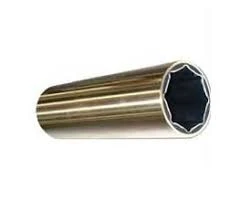
Brass cutlass marine bearing
-
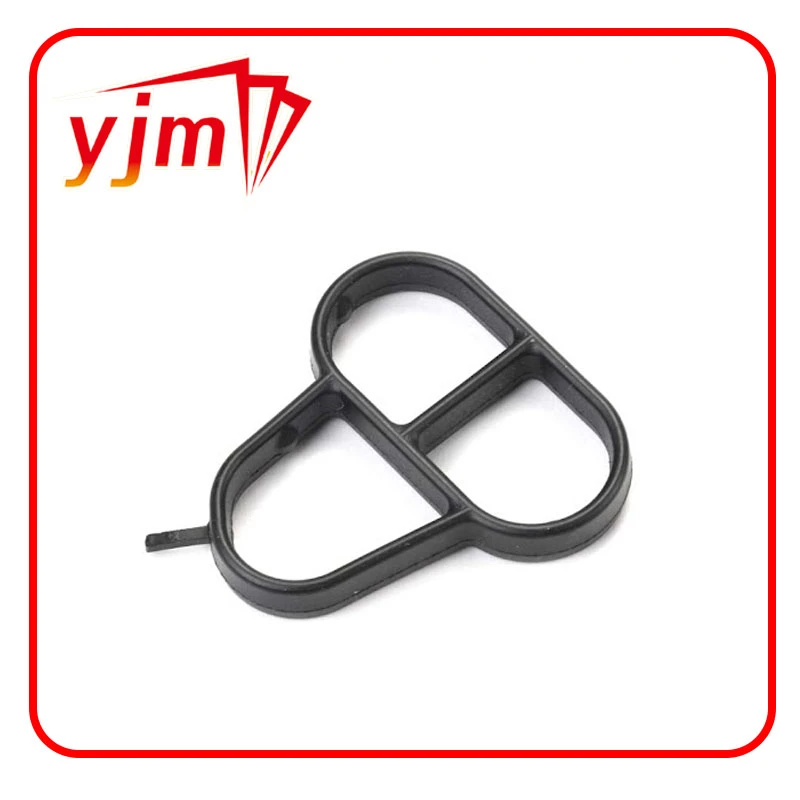
Genuine OEM Engine Oil Filter Housing Cover O-Ring For VW/Audi 06E115446
-
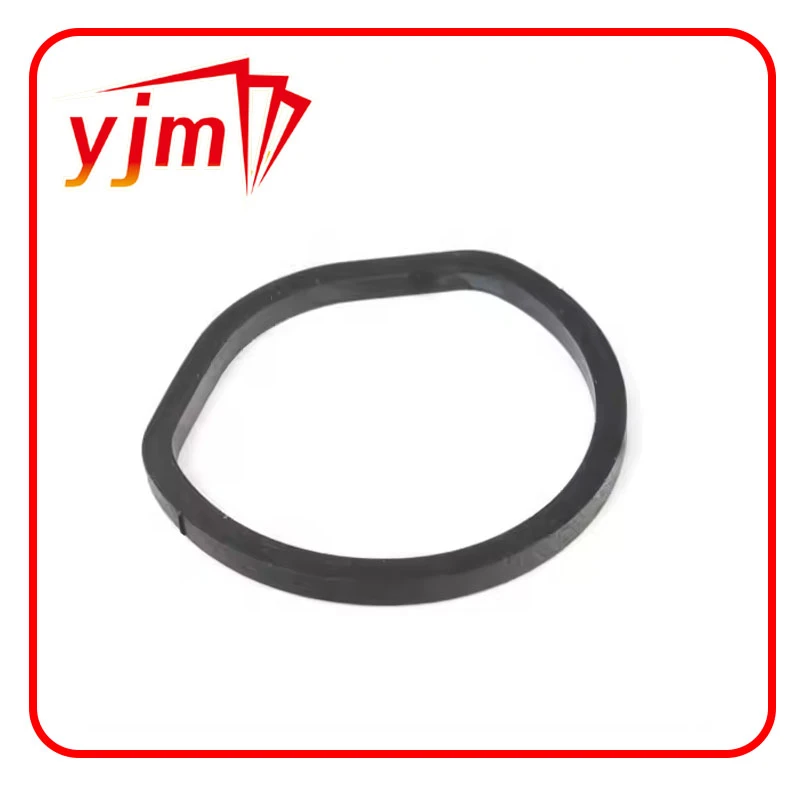
Oil Filter Stand Gasket,Oil filter cover seal
-
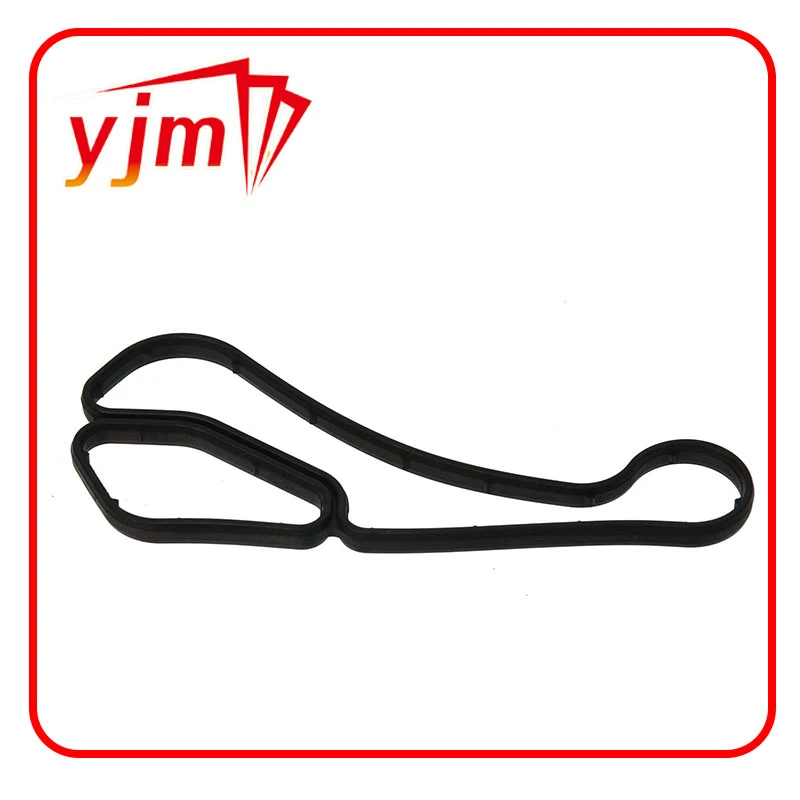
Oil Cooler Gasket, Oil Cooler to Oil Filter Housing 11427525335
-
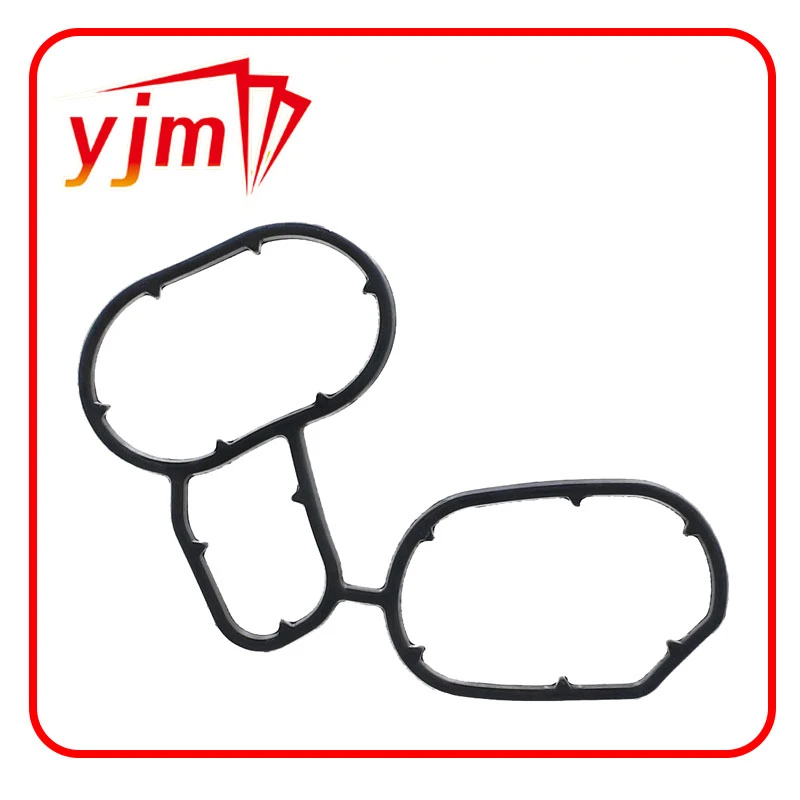
11427508970 BMW - OIL FILTER HOUSING GASKETS
-
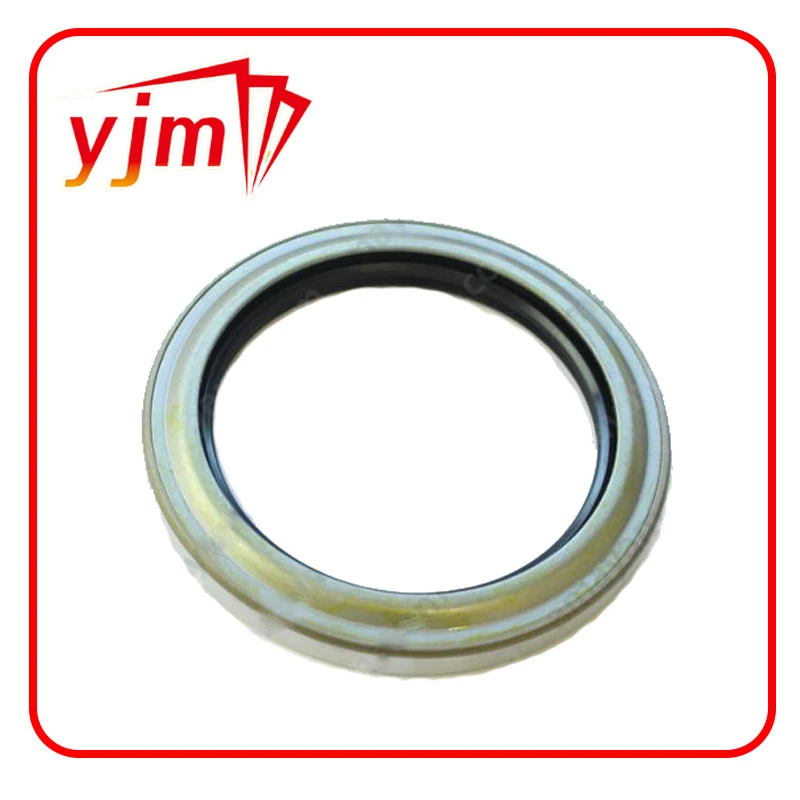
SEAL, OIL Genuine Toyota (9031170011)
-
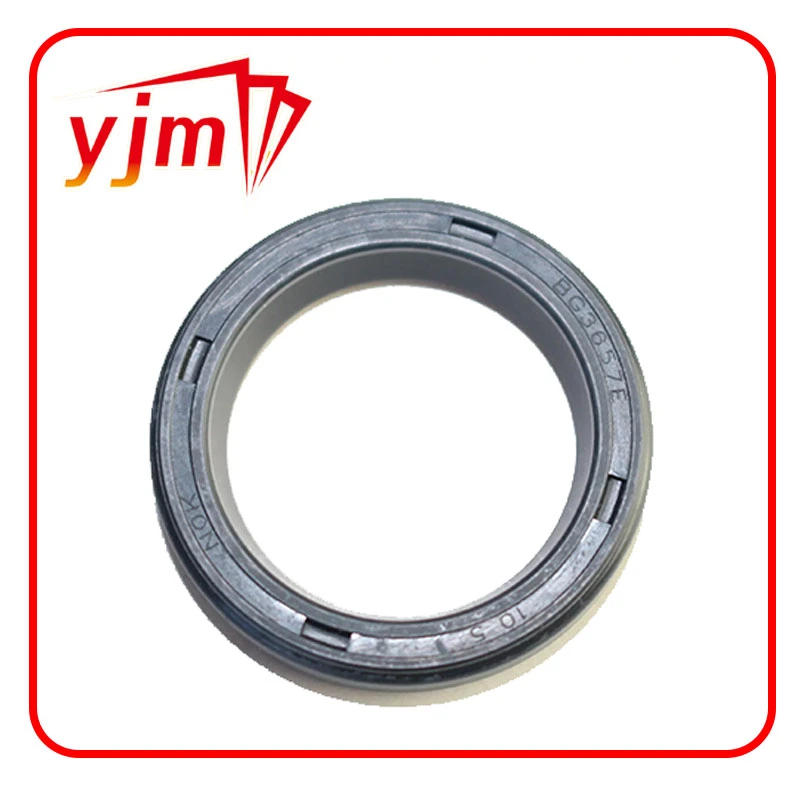
Transfer Case Output Shaft Seal Part 9031223001
-
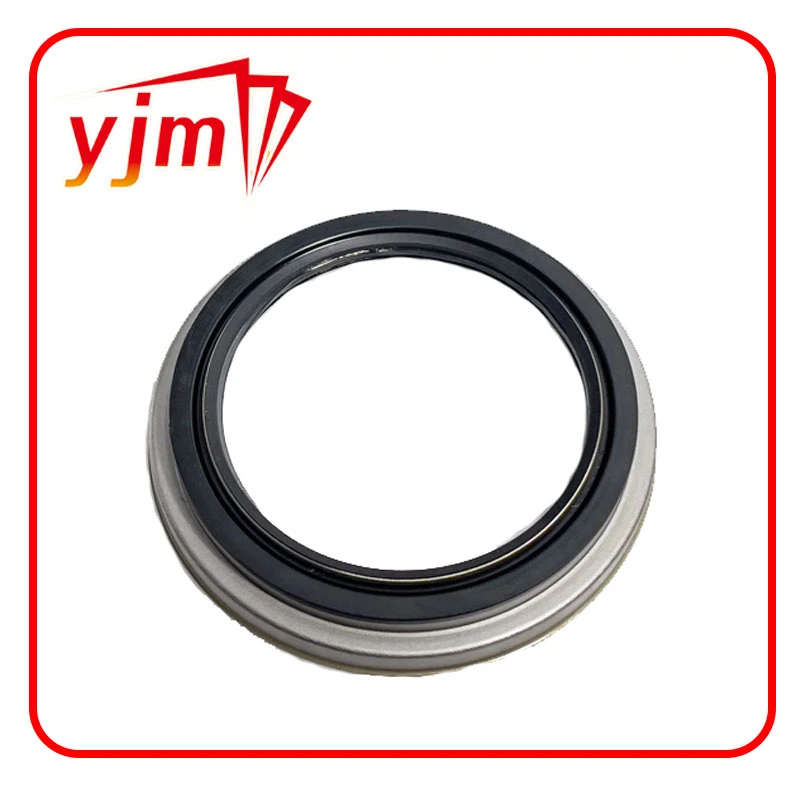
SEAL, OIL Genuine Toyota (9031672001)
-
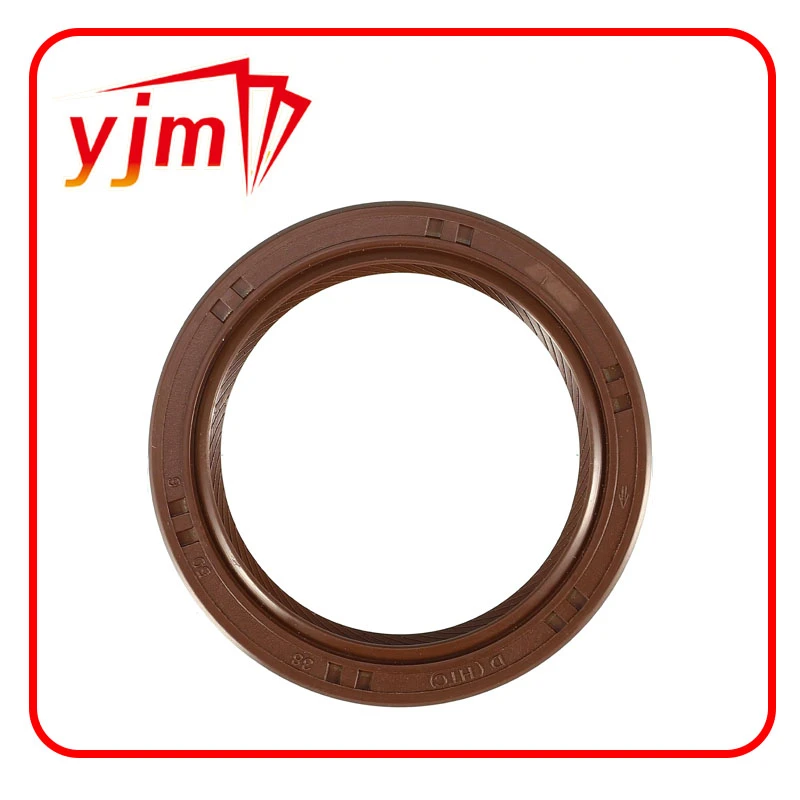
Engine Crankshaft Oil Seal No.9031138096
-
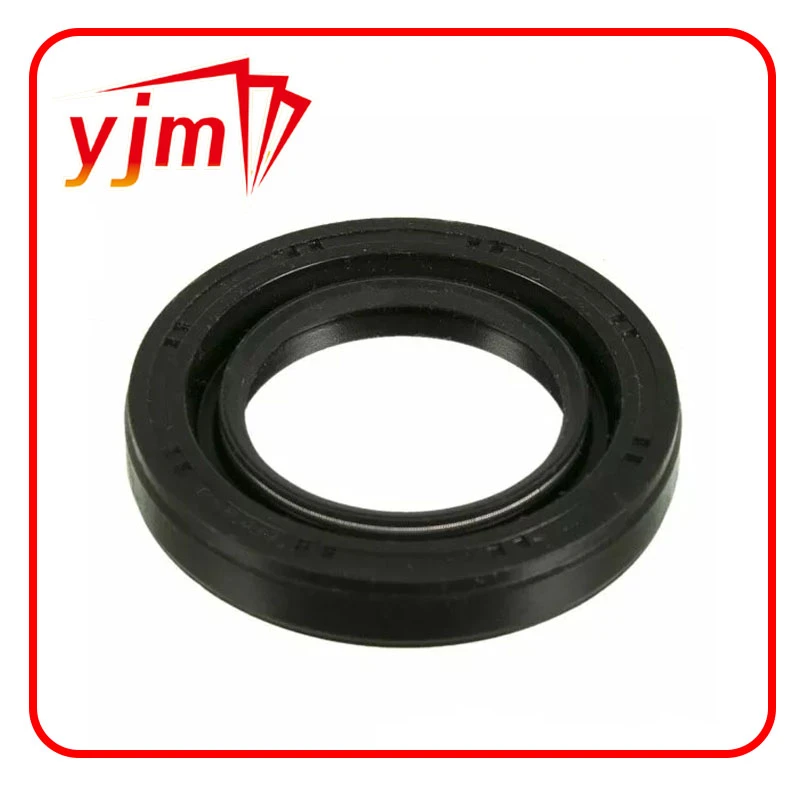
Toyota Transfer Case Output Shaft Seal Front 9031136006
-
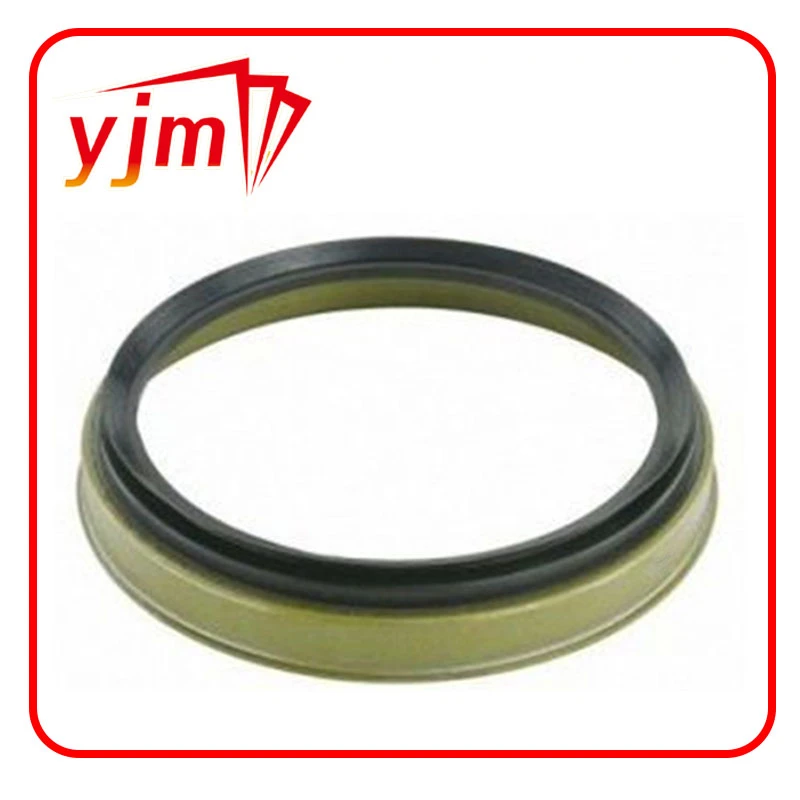
Seal, type v oil 9031287001 TOYOTA
-
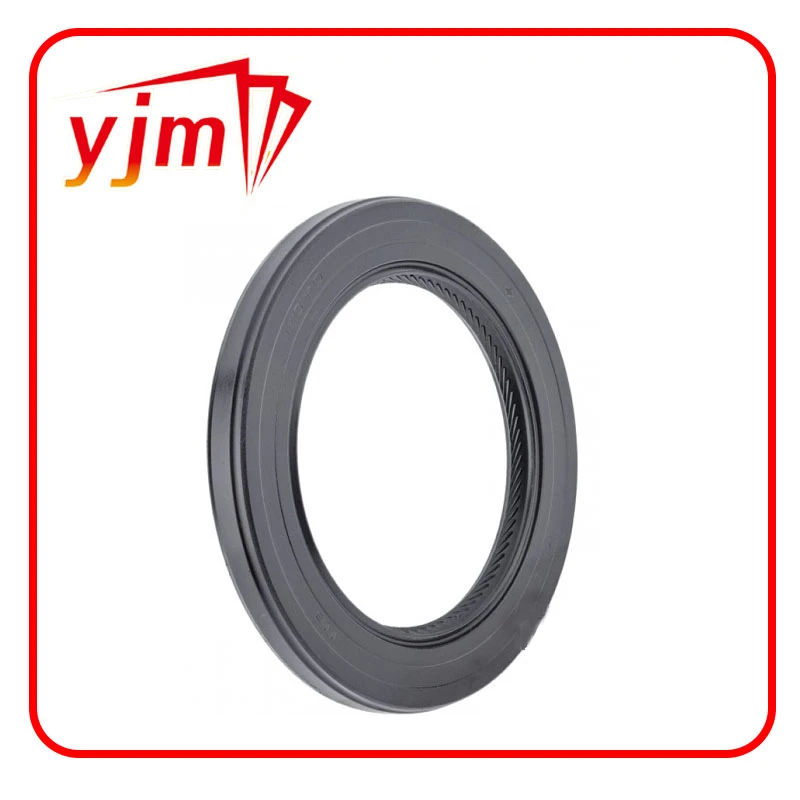
Oil pump seal 9031143010
-
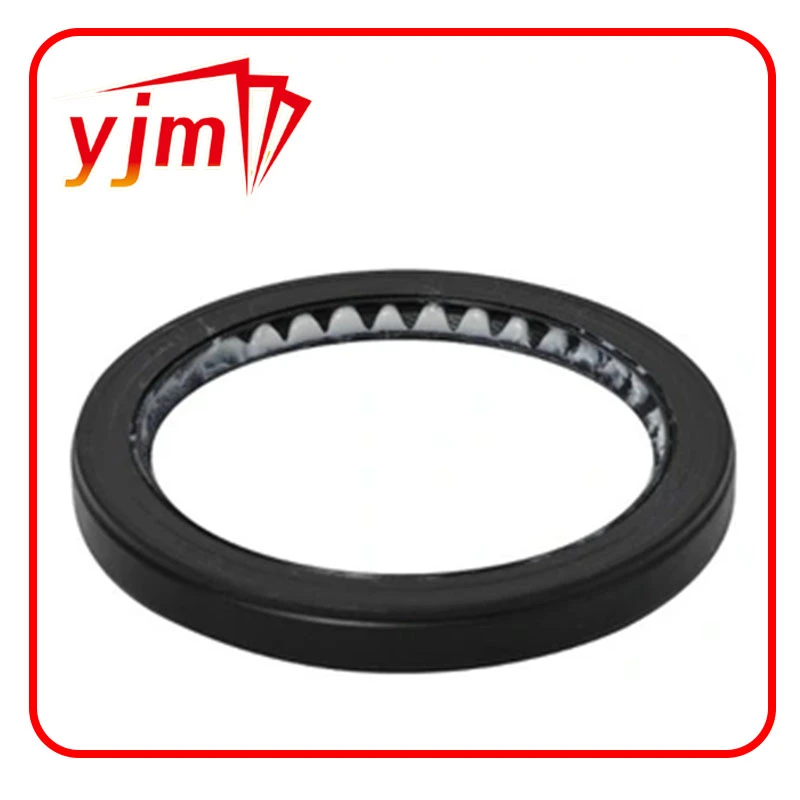
Genuine Toyota Oil SEAL 90311-54006
-
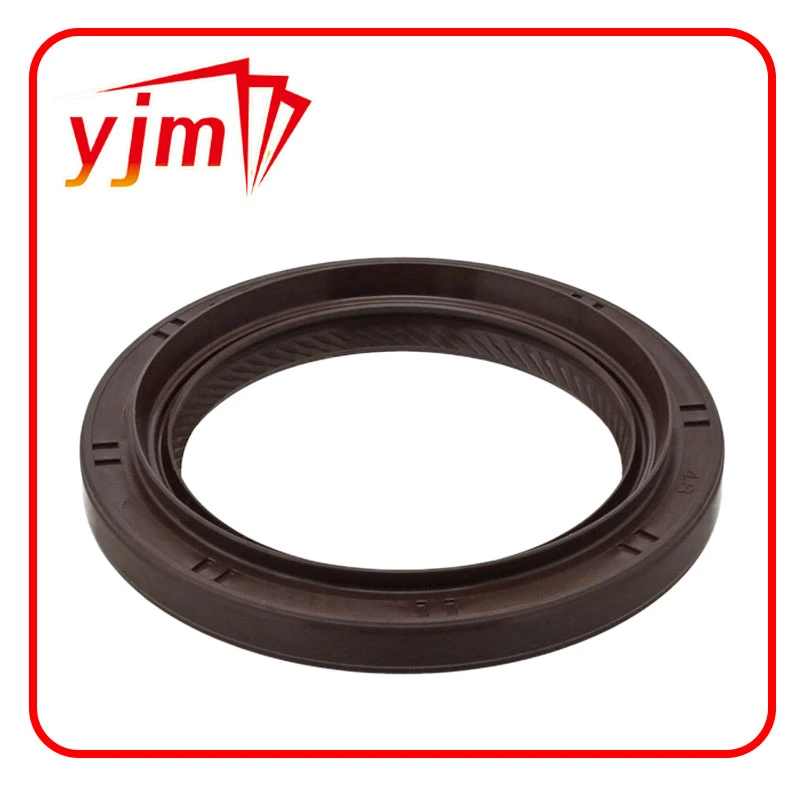
Toyota SEAL TYPE T OIL 90311-48031
-
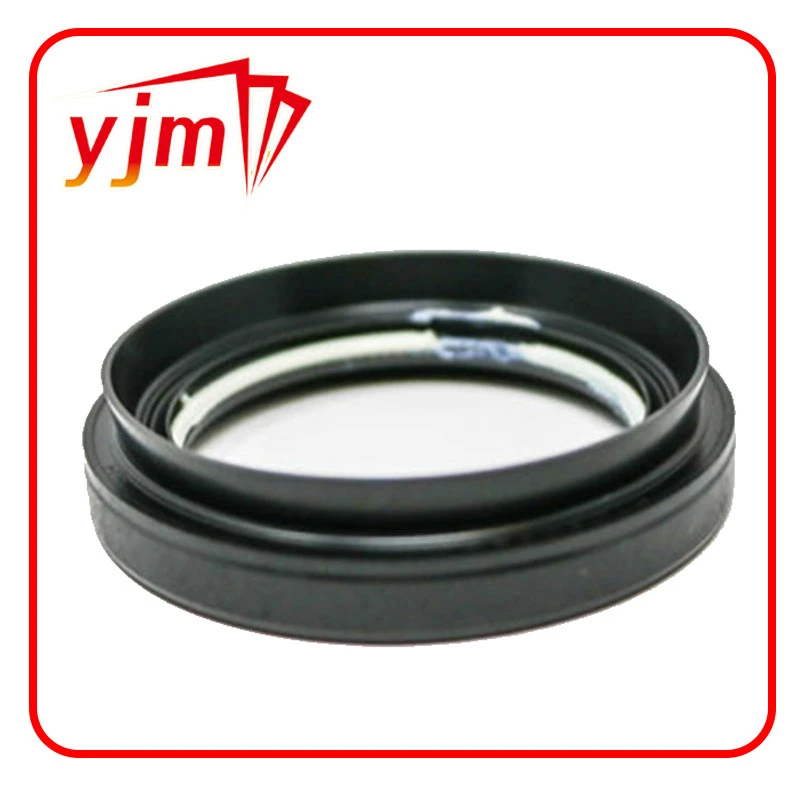
Type T Oil Seal, Front Drive Shaft, Left 9031150064
-
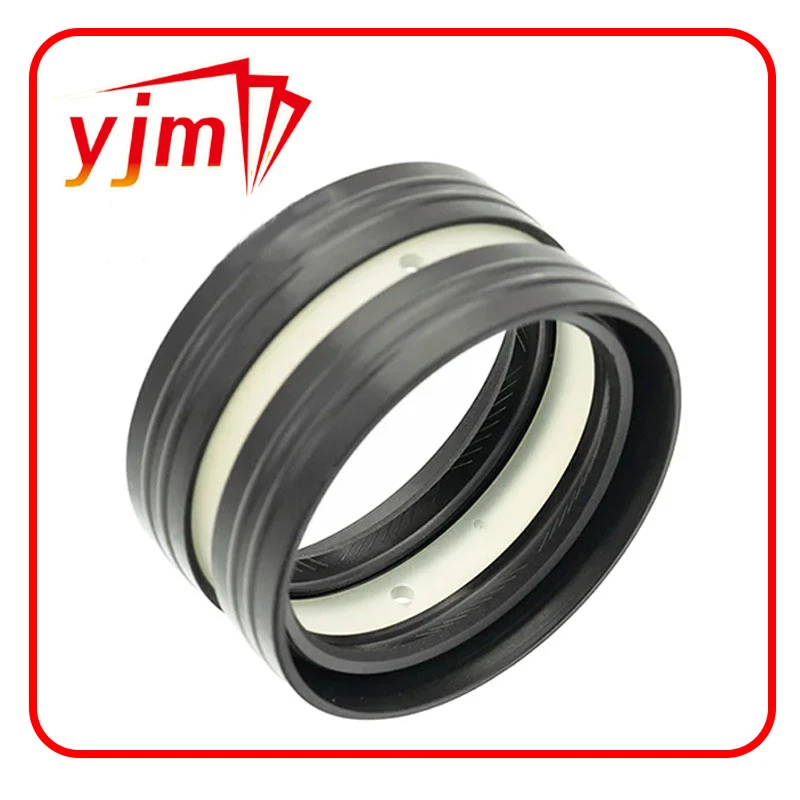
Seal, type d oil 9031634001 TOYOTA
 Afrikaans
 Albanian
 Amharic
 Arabic
 Armenian
 Azerbaijani
 Basque
 Belarusian
 Bengali
 Bosnian
 Bulgarian
 Catalan
 Cebuano
 Corsican
 Croatian
 Czech
Czech
 Danish
 Dutch
Dutch
 Esperanto
 Estonian
 Finnish
 French
 Frisian
 Galician
 Georgian
 German
 Greek
Greek
 Gujarati
 Haitian Creole
 Hausa
Hausa
 Hawaiian
 Hebrew
 Hindi
Hindi
 Miao
Miao
 Hungarian
 Icelandic
 Igbo
Igbo
 Indonesian
 Irish
Irish
 Italian
 Japanese
 Javanese
 Kannada
 Kazakh
 Khmer
Khmer
 Rwandese
 Korean
 Kurdish
 Kyrgyz
 Lao
Lao
 Latin
Latin
 Latvian
 Lithuanian
 Luxembourgish
 Macedonian
 Malgashi
 Malay
Malay
 Malayalam
 Maltese
 Maori
Maori
 Marathi
 Mongolian
 Myanmar
 Nepali
 Norwegian
 Norwegian
 Occitan
 Pashto
 Persian
 Polish
 Portuguese
 Punjabi
 Romanian
 Russian
 Samoan
 Scottish Gaelic
 Serbian
 Sesotho
 Shona
Shona
 Sindhi
 Sinhala
 Slovak
 Slovenian
 Somali
 Spanish
 Sundanese
 Swahili
 Swedish
 Tagalog
 Tajik
Tajik
 Tamil
Tamil
 Tatar
Tatar
 Telugu
 Thai
Thai
 Turkish
 Turkmen
 Ukrainian
 Urdu
Urdu
 Uighur
 Uzbek
Uzbek
 Vietnamese
 Welsh
Welsh
 Bantu
Bantu
 Yiddish
 Yoruba
 Zulu
Zulu
 English